
Did you know that having kidney stones can make you more likely to get a urinary tract infection? These two health issues are more connected than many people think.
Recent studies show that kidney stones can block urine flow. This can irritate the urinary tract and help harmful bacteria grow. It’s important to understand this link to get the right treatment quickly.
Research has found a strong link between kidney stones and UTIs. In fact, 28% of people with kidney stone disease had positive urine cultures.
Key Takeaways
- The presence of kidney stones increases the risk of developing UTIs.
- Obstruction of urine flow by kidney stones can lead to bacterial growth.
- Understanding the connection between kidney stones and UTIs is key for quick diagnosis and treatment.
- Research shows a significant incidence of positive urine culture in patients with kidney stone disease.
- Prompt medical attention is necessary for individuals experiencing symptoms of both conditions.
The Relationship Between Kidney Stones and UTIs
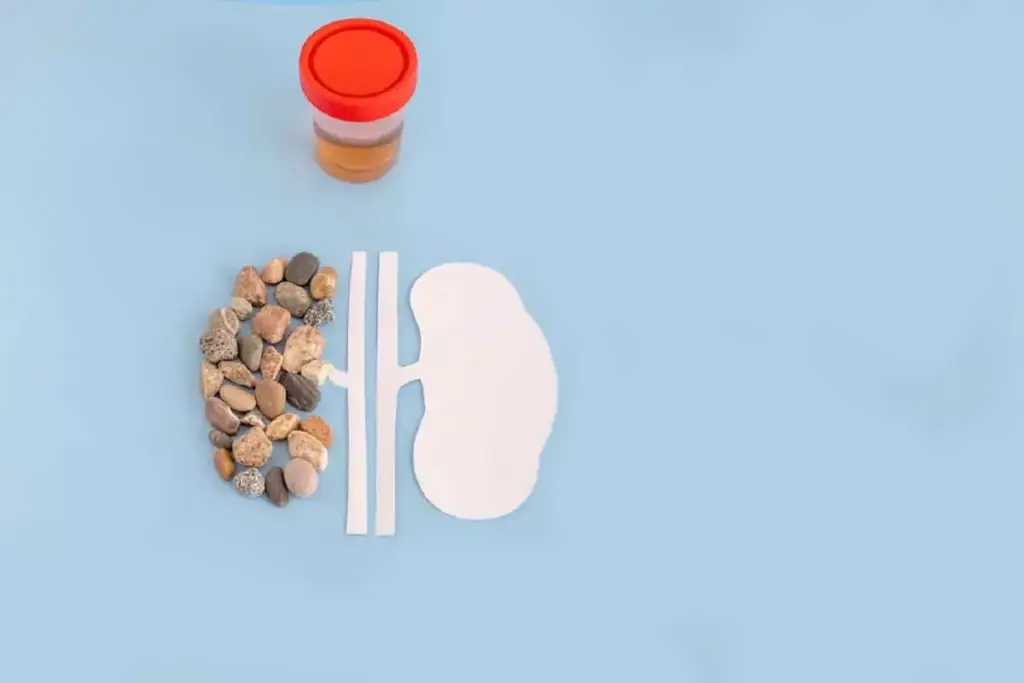
It’s important to understand how kidney stones and UTIs are connected. This knowledge helps in preventing and treating these conditions. We will look at the evidence that shows they are linked and discuss the common factors that lead to both.
Statistical Evidence of Association
Research shows a strong link between kidney stones and UTIs. Kidney stones can make UTIs six times more likely. This highlights the need for doctors to treat both conditions together.
Many studies have looked into how often UTIs happen in people with kidney stones. For example, a study found UTIs were much more common in those with kidney stones than without.
Risk Factors for Both Conditions
Several factors can lead to both kidney stones and UTIs. These include:
- Genetic Predisposition: If your family has a history of kidney stones or UTIs, you’re more likely to get them too.
- Anatomical Abnormalities: Problems with the urinary tract’s structure can raise the risk of both conditions.
- Lifestyle Factors: What you eat, how much you drink, and your lifestyle choices can affect your risk.
Knowing these risk factors is key to preventing both conditions. By identifying who’s at higher risk, doctors can give better advice and treatments.
Can Kidney Stones Cause UTI? Exploring the Mechanisms
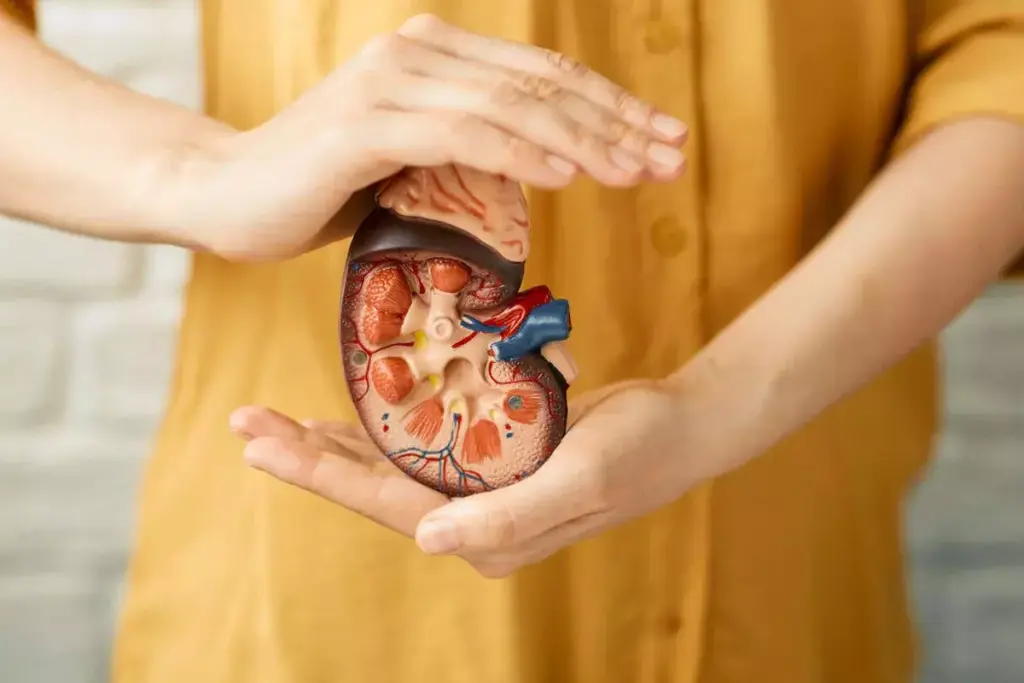
Kidney stones can lead to urinary tract infections through several mechanisms. We will look into these to understand the link between kidney stones and UTIs.
Urinary Obstruction and Stagnation
Kidney stones can block urine flow, causing urine to stagnate. This stagnation is perfect for bacteria to grow. When urine can’t move, bacteria are more likely to cause infections.
Key factors contributing to urinary obstruction include:
- Size and location of the kidney stone
- Degree of blockage caused by the stone
- Presence of other urinary tract abnormalities
Stagnation from obstruction lets bacteria stick to the urinary tract walls and multiply. This increases the risk of UTI.
Damage to Urinary Tract Lining
Kidney stones can damage the urinary tract lining. As stones move or grow, they can scratch the tract’s mucosal layer. This makes the tract more open to infection.
The extent of damage depends on several factors, including:
- Stone composition (e.g., hard stones like calcium oxalate)
- Stone size and surface characteristics
- Duration the stone remains in the urinary tract
Bacterial Colonization of Stones
Some kidney stones, like struvite stones, can harbor bacteria. These bacteria form a biofilm on the stone, protecting them from the immune system and antibiotics. Having bacteria on stones is a big risk for UTIs.
Understanding these mechanisms shows why treating kidney stones is key to preventing UTIs. By managing stones, we can lower the risk of UTIs.
Types of Infection-Related Kidney Stones
It’s important to know about kidney stones caused by infections. These stones can make treating UTIs harder. So, it’s key to spot and treat them right.
Struvite Stones and Urease-Producing Bacteria
Struvite stones are linked to UTIs. They form when certain bacteria are present. Urease-producing bacteria, like Proteus species, change the urine’s pH. This helps struvite stones form.
A study in the Journal of Urology found struvite stones are more common in women. Women are already at a higher risk for UTIs. The study stressed the need for better management to stop these stones from coming back.
– Journal of Urology
Other Stone Types and Their UTI Risk
Other kidney stones can also raise UTI risk. For example, calcium oxalate stones, the most common, can block urine. This blockage can lead to infections.
| Stone Type | UTI Risk Association | Primary Cause |
| Struvite Stones | High | Urease-producing bacteria |
| Calcium Oxalate Stones | Moderate | Urinary obstruction |
| Uric Acid Stones | Low to Moderate | Acidic urine pH |
The table shows different kidney stones and their UTI risk. Knowing this helps tailor treatments and prevention.
Understanding each stone type is key to managing UTIs in patients with kidney stones. By knowing the link between stones and UTIs, doctors can create better treatment plans. This helps lower the risk of complications.
Conclusion
It’s important to know how kidney stones and UTIs are connected. We’ve looked into how kidney stones can make UTIs more likely. This is key for stopping and treating these problems.
Kidney stones can block urine flow and harm the urinary tract. They can also host bacteria, leading to UTIs. Knowing this helps doctors and patients treat these issues better.
Yes, kidney stones can cause UTIs. The chance of getting a UTI after kidney stones is high. Recognizing this link helps us prevent and manage these conditions better.
In summary, the tie between kidney stones and UTIs is complex. By understanding this, we can help patients more and give better care for those with these issues.
FAQ
Can kidney stones directly cause a urinary tract infection (UTI)?
Yes, kidney stones can promote UTIs by causing urinary obstruction and bacterial growth.
What types of kidney stones are most likely to cause UTIs?
Struvite (infection) stones are most commonly associated with UTIs.
Are there any risk factors that contribute to the development of both kidney stones and UTIs?
Dehydration, urinary stasis, metabolic disorders, and recurrent infections increase risk for both.
How do kidney stones cause urinary obstruction, and what are the consequences?
Stones block urine flow, leading to pain, infection risk, hydronephrosis, and potential kidney damage.
Can a UTI cause kidney stones, or is it the other way around?
UTIs can lead to struvite stone formation, and stones can also predispose to recurrent UTIs.
What is the role of bacterial colonization in the development of UTIs in patients with kidney stones?
Bacteria can adhere to stones, forming biofilms that promote persistent infection.
Are there any specific measures that can be taken to prevent UTIs in patients with kidney stones?
Adequate hydration, complete stone removal, proper hygiene, and prompt treatment of infections help prevent UTIs.
Do all types of kidney stones have the same risk of causing UTIs?
No, infection-related stones like struvite carry a higher UTI risk than other types.
References
National Center for Biotechnology Information. Evidence-Based Medical Insight. Retrieved from https://pmc.ncbi.nlm.nih.gov/articles/PMC1447637/