
Meniscus injuries are a big problem, affecting millions globally. Traditional treatments include surgery or just managing the injury. But, new studies show stem cell therapy might help fix meniscus tears.
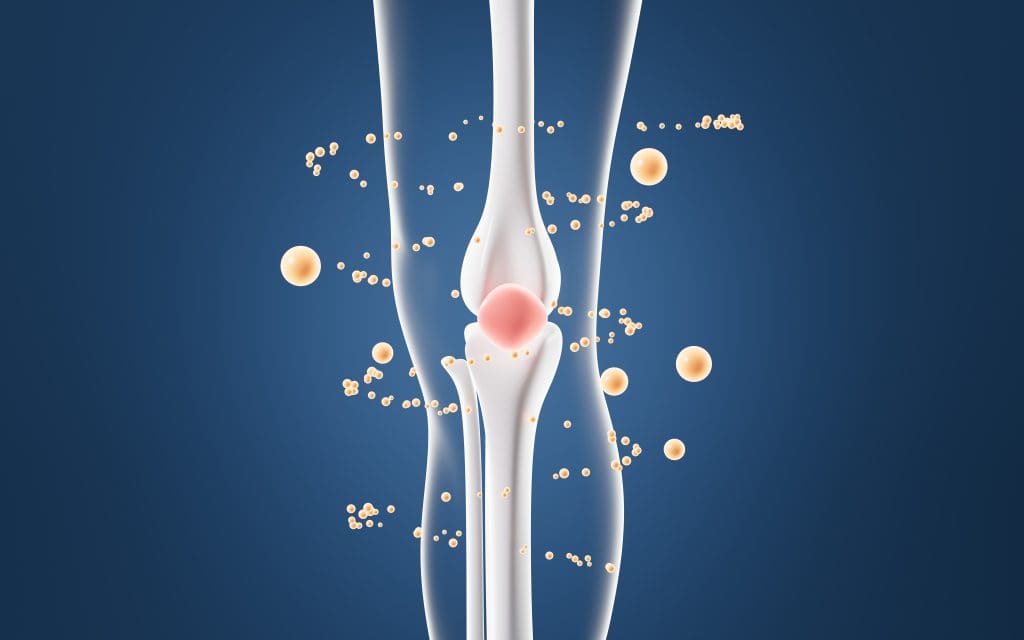
The meniscus is essential for knee health, and damage can lead to chronic pain and mobility issues. New research points to stem cell treatment as a hopeful new option. It could heal injuries without needing surgery.
Key Takeaways
- Meniscus injuries are a common problem worldwide.
- Traditional treatments often involve surgery or conservative management.
- Stem cell therapy may offer a promising alternative for healing meniscus tears.
- Research is ongoing to explore the potentials of stem cell treatment for meniscus injuries.
- Stem cell therapy may reduce the need for surgery and promote healing.
Understanding Meniscus Tears and Their Impact
It’s important to know about meniscus tears to tackle knee pain effectively. The meniscus is key to the knee’s health. Damage to it can cause a lot of pain and make moving hard.
Anatomy of the Meniscus
The meniscus is a C-shaped cartilage structure in the knee. It helps absorb shock and spreads the load evenly. There are two menisci in each knee, the medial and lateral, both vital for knee health.
Common Causes of Meniscus Tears
Meniscus tears can happen from traumatic injuries or degenerative changes. Traumatic tears often come from twisting or bending during sports. Degenerative tears are more common with age due to wear and tear.
- Traumatic injuries, such as those sustained during sports
- Degenerative changes associated with aging
- Repetitive strain on the knee joint
Symptoms and Diagnosis
Symptoms of a meniscus tear include pain, swelling, and trouble moving. Doctors use physical exams, medical history, and tests like MRI or X-ray to diagnose.
| Symptom | Description |
| Pain | Localized pain on the medial or lateral aspect of the knee |
| Swelling | Swelling and inflammation around the knee joint |
| Limited Mobility | Reduced range of motion and stiffness in the knee |
Orthopedic specialists say, “Accurate diagnosis is key to treating meniscus tears well.” Catching it early can greatly improve treatment results.
“The meniscus is a critical component of the knee joint, and its preservation is key to maintaining knee health and function.”
Orthopedic Specialist
Traditional Treatment Options for Meniscus Tears
There are many ways to treat meniscus tears. The right treatment depends on the tear’s size, location, the patient’s age, and how active they are.
Conservative Management Approaches
For smaller tears or those with mild symptoms, conservative management is often the first step. This includes physical therapy, pain relief medication, and changes in lifestyle.
Physical Therapy: A physical therapist creates a plan to strengthen knee muscles, improve flexibility, and enhance knee function.
Pain Management: Pain and inflammation can be managed with over-the-counter pain relievers or corticosteroid injections.
Surgical Interventions
If conservative methods don’t work, or for more severe tears, surgery might be needed. Surgical options include removing the damaged meniscus or repairing it.
Meniscectomy: This involves removing the damaged part of the meniscus. It can help but might increase the risk of osteoarthritis later.
Meniscus Repair: This surgery aims to fix the torn meniscus. It’s usually considered for younger patients with specific types of tears.
Limitations of Conventional Treatments
Traditional treatments have their downsides. Surgery can lead to infections, nerve damage, and osteoarthritis. Conservative methods might not fully alleviate symptoms for everyone.
| Treatment Approach | Benefits | Limitations |
| Conservative Management | Avoids surgery, potentially less recovery time | May not provide complete relief, ongoing symptoms |
| Meniscectomy | Can provide symptom relief, relatively quick recovery | Increased risk of osteoarthritis, doesn’t address underlying tissue damage |
| Meniscus Repair | Preserves meniscus tissue, potentially reduces osteoarthritis risk | Limited to certain tear types, longer recovery time |
The Science of Stem Cells: An Overview
At the forefront of regenerative medicine, stem cells are undifferentiated cells. They can develop into various cell types. This offers hope for innovative treatments.
What Are Stem Cells?
Stem cells can turn into many cell types. This includes muscle, bone, cartilage, and nerve cells. Their versatility makes them key for medical research and treatment.

There are two main types of stem cells. Embryonic stem cells come from embryos and can become any cell type. Adult stem cells, found in adult tissues, have a more limited range but are important for repair and regeneration.
Types of Stem Cells Used in Orthopedics
In orthopedics, adult stem cells are mainly used. Mesenchymal stem cells (MSCs) are a focus. MSCs can turn into bone, cartilage, and fat cells, which are important for orthopedic health.
- Adipose-derived MSCs: These cells come from fat tissue. They are abundant and easy to get.
- Bone marrow-derived MSCs: These cells come from bone marrow. They can turn into many cell types.
Regenerative Properties
The regenerative properties of stem cells are very useful for treating orthopedic conditions. They can:
- Promote tissue repair by turning into the needed cell types.
- Help control the immune system to lessen inflammation.
- Release growth factors that help with healing.
By using these properties, stem cell therapy is a promising way to treat meniscus tears and other orthopedic injuries. It might even reduce the need for surgery.
Stem Cells for Meniscus Tear: How the Therapy Works
Stem cell therapy is a new way to treat meniscus tears. It uses the body’s own healing powers. This method is getting a lot of attention because it might help heal and grow new meniscus tissue.
Mechanism of Action
Stem cell therapy works by using stem cells to heal and grow new tissue. These cells can turn into different types, including meniscus cells. When they reach the damaged area, they might help fix the tear.
“Stem cell therapy is a promising way to treat meniscus tears,” studies say. It helps grow new meniscus tissue and reduces swelling. This improves joint health overall.
Targeted Healing Process
The healing process of stem cell therapy is key for fixing meniscus tears. By injecting stem cells directly into the tear, the treatment focuses on the damaged area. This makes it more likely to repair the tissue effectively.
Doctors use imaging to guide the stem cell injections. This ensures the cells go exactly where they need to for the best results.
Potential for Tissue Regeneration
Stem cell therapy has a big advantage: it can grow new tissue. Unlike other treatments that just treat symptoms, this therapy aims to fix the damaged meniscus. It might even make the meniscus as good as new.
The regenerative power of stem cells is a big hope for those with meniscus tears. It could mean fewer surgeries and better joint health for a long time. As research keeps going, we’ll learn more about how stem cells can help with meniscus tears.
The Stem Cell Procedure for Meniscus Repair
The stem cell procedure for meniscus repair is a new hope for those with meniscus tears. It uses stem cells to heal and repair tissues. This is a groundbreaking approach in orthopedic treatment.
Patient Preparation
Before the procedure, patients get a detailed check-up. They review their medical history, have MRI scans, and a physical exam. Patient preparation is key for the best results.
The prep may include:
- Stopping meds that could affect the procedure
- Diagnostic tests to confirm the tear and its severity
- Talking about what to expect with the doctor
Stem Cell Harvesting Methods
Stem cells come from bone marrow or fat tissue. The choice depends on the patient’s health and the procedure’s needs.
Common methods are:
- Bone marrow aspiration, done under local anesthesia
- Adipose tissue harvesting, which takes fat tissue
Both methods are safe and effective. The stem cells are then ready for injection.
Injection Techniques
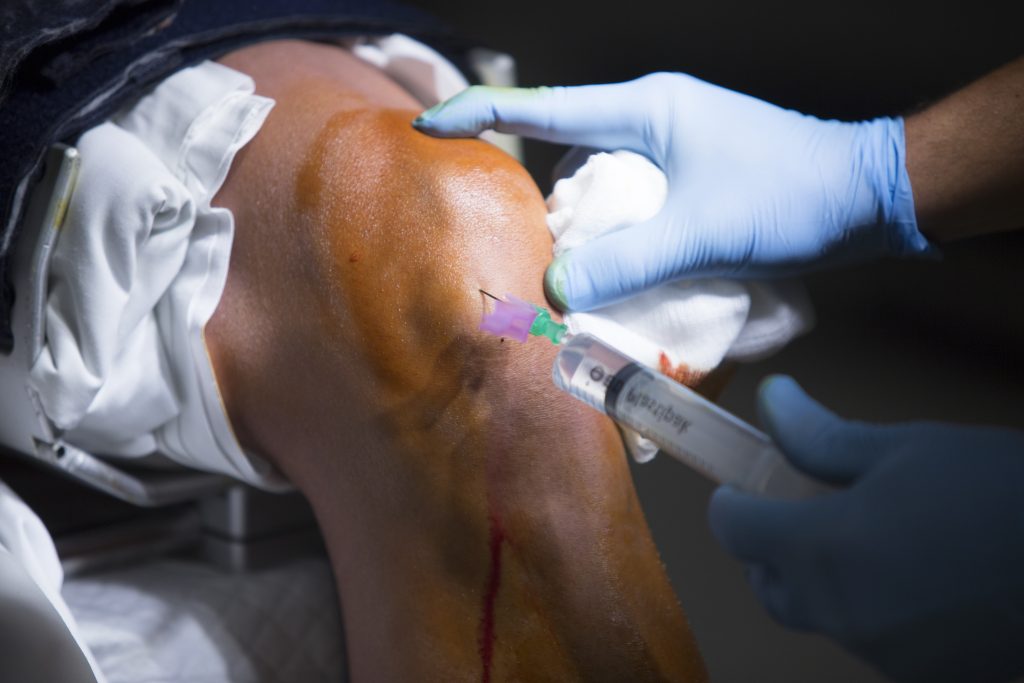
The final step is injecting the stem cells into the tear. This is done under ultrasound or fluoroscopy for accuracy.
Accurate injection is vital for success. It ensures the stem cells reach the damaged area for healing.
The whole process is minimally invasive. This means less recovery time and quicker return to normal activities.
Clinical Evidence Supporting Stem Cell Meniscus Treatment
Stem cell therapy is showing promise as a treatment for meniscus tears. This is based on growing clinical evidence. It helps us understand how effective and beneficial stem cell treatment can be.
Key Research Studies
Many studies have looked into using stem cells for meniscus repair. For example, a study in the American Journal of Sports Medicine found great results. It showed that stem cells can help heal meniscus tears.
Success Rates and Outcomes
Stem cell treatment for meniscus tears has shown good success. Many patients have seen better knee function and less pain. Studies have shown that stem cell therapy can greatly improve patient outcomes. This includes better healing of the meniscus and fewer symptoms.
- Improved knee function in majority of patients
- Reduced pain and inflammation
- Enhanced meniscus healing
Limitations of Current Research
Even with promising results, there are challenges. More research is needed to fully understand the long-term effects and safety of stem cell treatment. Also, different treatment approaches and patient choices can affect results.
Despite these challenges, the current evidence is strong. It supports further research into stem cell therapy for meniscus tears.
Benefits of Stem Cell Therapy for Torn Meniscus
People with torn meniscus might find stem cell therapy appealing. It offers natural healing, is minimally invasive, and has shorter recovery times.
Stem cell therapy uses the body’s healing power. It introduces stem cells to the damaged area. This aims to grow new, healthy meniscus tissue.
Potential for Natural Healing
The main benefit of stem cell therapy is its ability to promote natural healing. It doesn’t remove or repair damaged tissue like surgery does. Instead, it lets the body grow new, healthy tissue.
- Stimulates regeneration of meniscus tissue
- Utilizes the body’s natural healing processes
- May reduce the need for surgical intervention
Minimally Invasive Approach
Stem cell therapy is also minimally invasive. It involves injecting stem cells into the damaged area. This is less invasive than traditional surgery.
Reduced Recovery Time Compared to Surgery
Patients getting stem cell therapy for torn meniscus often recover faster. This is because the therapy is less invasive and promotes natural healing.
- Less downtime for patients
- Quicker return to normal activities
- Potential for faster overall recovery
Potential to Avoid Meniscectomy
Stem cell therapy might help avoid meniscectomy “ the removal of damaged meniscus tissue. It promotes the growth of healthy tissue. This could be a good alternative to more invasive surgery.
In summary, stem cell therapy offers many benefits for torn meniscus. It promotes natural healing, is minimally invasive, reduces recovery time, and might avoid the need for meniscectomy.
Risks and Limitations of Meniscus Stem Cell Treatment
Stem cell therapy for meniscus tears is promising but comes with risks and limitations. Like any medical treatment, it can have side effects and not work for everyone.
Potential Side Effects
Stem cell therapy is usually safe, but side effects can happen. These might include:
- Infection at the injection site
- Temporary pain or discomfort
- Swelling or bruising
Serious complications are rare, but they can happen. It’s important to talk about these risks with your doctor.
Variability in Treatment Outcomes
How well stem cell therapy works can vary a lot. Different things can affect the outcome, such as:
- The severity of the meniscus tear
- The patient’s overall health and age
- The specific stem cell harvesting and injection techniques used
| Factor | Influence on Outcome |
| Severity of Meniscus Tear | More severe tears may have less favorable outcomes |
| Patient’s Age and Health | Older patients or those with comorbidities may experience less significant improvements |
| Stem Cell Technique | The method of stem cell harvesting and injection can impact the treatment’s effectiveness |
Regulatory Considerations in the United States
In the United States, stem cell therapy for meniscus tears is watched closely by regulators. The FDA oversees stem cell products, making sure treatments follow the rules.
As research grows, so might the rules. It’s key for patients to know about current regulations and how they affect treatment and insurance.
Cost Considerations and Insurance Coverage
When it comes to stem cell therapy, the cost and insurance coverage are key. This treatment is getting attention for healing meniscus tears. Knowing the expenses is important.
Average Treatment Costs in the US
The cost of stem cell therapy for meniscus tears varies. Patients might pay between $3,000 to $6,000 per injection. Some treatments need more than one session.
Several things affect the cost. These include the type of stem cells, the procedure’s complexity, and the doctor’s experience.
Key factors affecting the cost:
- The source of stem cells (autologous vs. allogenic)
- The number of injections required
- Clinic or facility fees
- Physician expertise and reputation
Insurance Reimbursement Status
Insurance coverage for stem cell therapy varies. Many plans see it as an experimental or investigational treatment. This means it might not be covered.
Patients should talk to their insurance to see what’s covered. Some clinics help with insurance claims and getting pre-approval.
Financing Options
For those without full insurance, there are financing options. These make stem cell therapy more affordable. Options include:
- Payment plans offered by clinics
- Medical financing companies for elective procedures
- Personal loans or credit options
It’s important to talk about financial options with your healthcare provider. They can help find the best way to pay.
Ideal Candidates for Stem Cell Meniscus Repair
Finding the right candidates for stem cell meniscus repair is key to its success. The treatment works best when the tear is not too severe, the patient is healthy, and they have no major medical history.
Patient Selection Criteria
Several important factors are looked at when choosing patients for this treatment. These include:
- The severity and location of the meniscus tear
- The patient’s age and overall health status
- Previous treatments or surgeries for the meniscus injury
- The presence of any underlying conditions that could affect healing
A detailed check-up helps doctors decide if a patient is right for stem cell therapy. A study in the Journal of Orthopaedic Research found that:
“Patient selection is critical for the success of stem cell therapy, with factors such as tear size and patient age influencing outcomes.”
Journal of Orthopaedic Research
Contraindications
Even though stem cell meniscus repair is promising, there are some cases where it’s not suitable. These include:
| Contraindication | Description |
| Advanced osteoarthritis | Significant joint degeneration may limit the effectiveness of stem cell therapy |
| Active infections | Presence of infection in the knee or other parts of the body may contraindicate treatment |
| Severe ligamentous instability | Instability in the knee joint may require additional treatment before stem cell therapy |
Pre-Treatment Evaluation Process
The evaluation before treatment is very detailed. It includes:
- Detailed medical history and physical examination
- Imaging studies, such as MRI, to assess the meniscus tear
- Laboratory tests to evaluate overall health and identify any issues
A thorough pre-treatment evaluation is essential for optimizing treatment outcomes. Experts say, “A detailed assessment helps tailor the treatment to the patient’s specific needs, improving the chance of success.”
Emerging Technologies and Future Developments
The field of stem cell therapy for meniscus tears is on the verge of a big change. New technologies and treatment methods are being developed. This will make stem cell therapy for meniscus repair more effective and accessible.
Advances in Stem Cell Processing
New ways to process stem cells have greatly improved their quality and strength. Techniques like microfragmentation and enzymatic digestion have made stem cells more effective for meniscus repair.
Also, automated systems for isolating and processing stem cells are being developed. These systems make the preparation process faster and more consistent. This leads to better treatment results.
Combination Therapies
Research is also exploring combination therapies. These combine stem cell treatment with other methods, like PRP (Platelet-Rich Plasma) therapy or hyaluronic acid injections. The goal is to create a stronger effect, helping tissues heal and grow better.
Studies show that mixing stem cells with PRP can make the healing environment better. This can lead to better results for meniscus tears.
Ongoing Clinical Trials
Many clinical trials are looking into the safety and effectiveness of stem cell therapy for meniscus tears. They are testing different ways to use stem cells and who should get them. These trials are important for finding the best ways to use stem cell therapy.
As these trials give us more information, we will learn more about the future of stem cell therapy for meniscus repair. This could lead to more people getting this treatment and better results for them.
| Therapy Type | Description | Potential Benefits |
| Stem Cell Therapy Alone | Use of stem cells to promote meniscus repair | Potential for natural healing, minimally invasive |
| Stem Cell + PRP Therapy | Combination of stem cells and PRP to enhance healing | Enhanced tissue regeneration, improved outcomes |
| Stem Cell + Hyaluronic Acid | Combination of stem cells with hyaluronic acid for improved joint health | Improved joint lubrication, enhanced healing environment |
Conclusion
Stem cell therapy is a promising way to treat meniscus tears. It uses stem cells to help heal and grow new tissue. This method could be better than old treatments.
Studies are showing that stem cell therapy works well for meniscus tears. As more research happens, it will likely become a key treatment. This is good news for people with these injuries.
In short, stem cell therapy for meniscus tears is a new and hopeful treatment. It’s less invasive and might work better than other methods. But, we need more studies to understand its full benefits and how it works for everyone.
FAQ
What is stem cell therapy for meniscus tears?
Stem cell therapy for meniscus tears is a new way to heal damaged meniscus tissue. It uses stem cells to help the body fix itself. The treatment involves injecting stem cells into the affected area.
How do stem cells work to repair meniscus tears?
Stem cells can turn into different types of cells, including those that fix damaged meniscus tissue. They also release growth factors that help in healing and growing new tissue.
What are the benefits of stem cell therapy for torn meniscus?
This therapy can help the body heal naturally. It’s less invasive than surgery, which means less recovery time. It might even help avoid the need for more serious surgeries like meniscectomy.
Is stem cell therapy for meniscus tears a new treatment?
Yes, it’s a newer treatment that’s getting more attention. It has the promise to help heal and grow back meniscus tissue.
Can meniscus regrow with stem cell therapy?
Yes, stem cell therapy might help meniscus regrow. It aims to start the body’s natural repair process to fix damaged tissue.
What is the success rate of stem cell therapy for meniscus tears?
The success rate varies. It depends on the tear’s severity, the patient’s health, and the treatment used. Early studies show promising results, but more research is needed.
Are there any risks or side effects associated with stem cell therapy for meniscus tears?
Like any treatment, it might have risks and side effects. These could include pain, swelling, and infection at the injection site. The outcomes can vary.
How much does stem cell therapy for meniscus tears cost?
Costs vary based on the treatment, location, and provider. In the US, prices can range widely. Insurance coverage also varies.
Is stem cell therapy for meniscus tears covered by insurance?
Insurance coverage is not guaranteed. It depends on the provider and policy. Some financing options might be available for those not covered.
What are the criteria for selecting candidates for stem cell meniscus repair?
The right candidates are chosen based on the tear’s severity, health, and medical history. Doctors also consider contraindications and do a pre-treatment evaluation.
Are there any ongoing clinical trials for stem cell therapy for meniscus tears?
Yes, there are ongoing trials. They aim to learn more about the treatment’s safety and effectiveness. This will help understand its benefits and limitations better.
Can stem cell therapy be used in combination with other treatments for meniscus tears?
Yes, it can be used with other treatments like physical therapy or pain management. This approach is being researched and developed further.