

Every year, thousands of patients are diagnosed with life-threatening blood diseases, and bone marrow donation is often their only hope for a cure. Did you know a single bone marrow donor can save multiple lives through their donation? The process involves collecting blood-forming cells (stem cells) for life-saving transplants. Importantly, you can donate bone marrow more than once, but the frequency depends on your health and specific donation type, with medical guidelines ensuring donor safety and proper recovery between donations. This careful approach helps donors provide multiple lifesaving gifts without compromising their own wellbeing.
Bone marrow donors can donate more than once, but can you donate bone marrow more than once safely? Yes, there are specific guidelines designed to ensure the donor’s safety and maintain the quality of each donation. The frequency of donation depends on the donor’s overall health and the type of donation, with medical professionals closely monitoring recovery and eligibility before each subsequent donation.
Key Takeaways
- Bone marrow donation is a life-saving procedure for patients with blood diseases.
- Donors can donate multiple times, but guidelines must be followed.
- The frequency of donation depends on the donor’s health and type of donation.
- Donating bone marrow is a safe process when guidelines are adhered to.
- Multiple donations from a single donor can save several lives.
Understanding Bone Marrow Donation
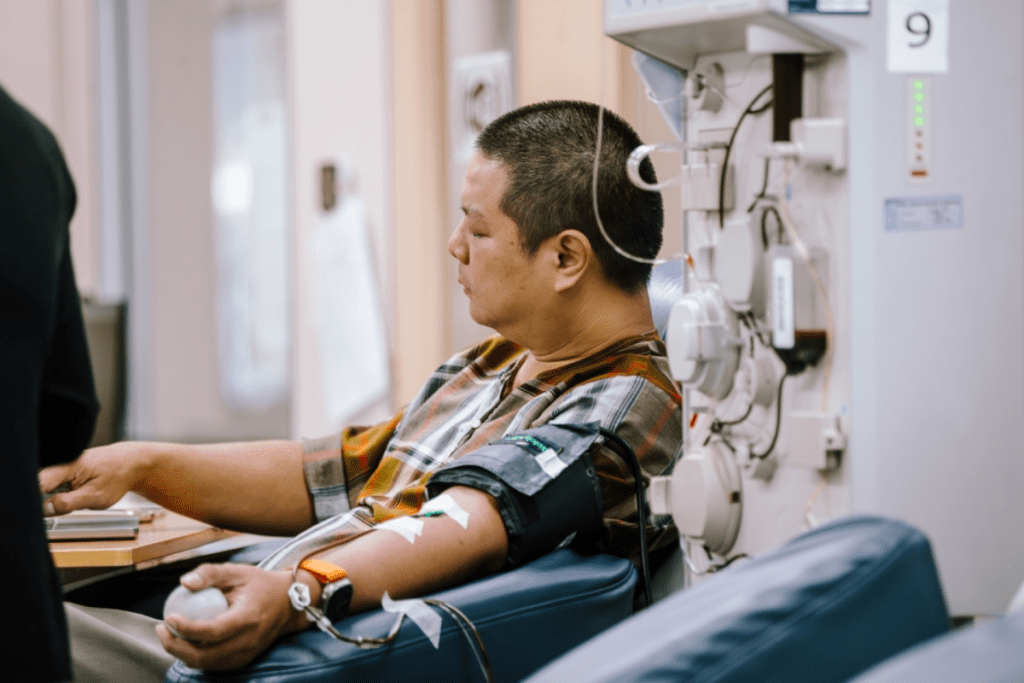
Donating bone marrow is a key way to help people with serious diseases. It’s the soft, spongy tissue inside bones that makes blood cells. These include red blood cells, white blood cells, and platelets.
What is Bone Marrow and Why is it Donated?
Bone marrow donation gives some of this tissue to patients needing a transplant. This is for diseases like leukemia or lymphoma. The donated marrow helps the patient make healthy blood cells again.
There are two ways to donate bone marrow. You can either have it taken out surgically or give stem cells from your blood. Both are important for patients needing a transplant.
Types of Bone Marrow Donation Procedures
There are two main ways to donate bone marrow:
- Traditional Bone Marrow Harvest: This is when bone marrow is taken from the hip bones through surgery.
- Peripheral Blood Stem Cell (PBSC) Donation: This is when stem cells are collected from the blood after it’s been stimulated.
Both methods are important and chosen based on the patient’s needs and the donor’s match.
The Life-Saving Impact of Donation
Bone marrow donation is incredibly important. It gives patients with serious diseases a second chance. The donated marrow can save lives.
Some key points about the impact include:
- Donations can save lives by giving patients a second chance.
- The procedure is done carefully to keep the donor safe.
- Recovery time varies, but most donors can get back to normal in a few weeks.
Can You Donate Bone Marrow More Than Once?
Bone marrow donation can happen more than once. The rules change based on the type of donation. How often you can donate depends on the procedure and your health.
Frequency Limits for Traditional Bone Marrow Donation
Traditional bone marrow donation takes marrow from the hip bone. This method is more invasive. So, donors can usually only donate again after a few months to a few years. This depends on how well they recover and their health.
Frequency Limits for PBSC Donation
Peripheral Blood Stem Cell (PBSC) donation is less invasive. It collects stem cells from the blood. This method allows for more frequent donations. It’s less taxing on the body, and stem cells can quickly regenerate.
Differences Between Donating to Strangers vs. Family Members
Donating to family members, or a directed donation, has different rules. The decision to donate to a family member is often emotional. The frequency of donation may vary based on the situation.
It’s key for donors to know these rules and talk to a healthcare professional. Donating bone marrow more than once is complex. It depends on the donation type and the donor’s health.
The Biological Process: How Bone Marrow Regenerates
After donating bone marrow, your body starts a remarkable healing process. Bone marrow is a spongy tissue in your bones, like your hips and thighbones. It makes blood cells. The healing of bone marrow is complex, involving many cell types and growth factors working together.
Bone Marrow Regeneration After Donation
Bone marrow can grow back after donation. This is key for getting your bone marrow back to normal. Studies show bone marrow fully regenerates in a few weeks after donation.
The healing process includes stem cells and progenitor cells growing and turning into different blood cells. This is all controlled by growth factors and cytokines.
Timeline for Complete Regeneration
The time it takes for bone marrow to heal can differ from person to person. Usually, it takes 4 to 6 weeks for bone marrow to fully heal. But some studies say it might take longer for some functions to get back to normal.
Key milestones in the regeneration timeline include:
- 1-2 weeks: Initial regeneration phase begins
- 4-6 weeks: Bone marrow is typically fully regenerated
- Several months: Full recovery of bone marrow function
Long-Term Effects of Multiple Donations
Bone marrow donation is mostly safe, but there are worries about the long-term effects of giving multiple times. Most research says multiple donations don’t cause big problems. But donors should know the risks and talk to their doctor about them.
Important things to think about for multiple donations include:
- The frequency of donations allowed by registry guidelines
- Monitoring by healthcare providers for any adverse effects
- Donor education on the risks and benefits of multiple donations
In conclusion, bone marrow regeneration is a remarkable process that lets donors safely give bone marrow. Knowing how it works, how long it takes, and the long-term effects is key for donors and healthcare workers.
Different Types of Stem Cell Donations
There are several ways to donate stem cells, each with its own steps and healing time. It’s important for donors to know these differences to make the right choice.
Traditional Bone Marrow Harvest
This method takes bone marrow from the donor’s hip bone. It’s done under general anesthesia to reduce pain. The marrow is then cleaned and given to the recipient.
Key aspects of traditional bone marrow harvest include:
- Performed under general anesthesia
- Involves extracting marrow from the hip bone
- Requires a recovery period, typically a few weeks
Peripheral Blood Stem Cell (PBSC) Donation
PBSC donation is a gentler way to get stem cells from the blood. Donors take medicine to release more stem cells. Then, a special machine collects these cells from the blood.
Key aspects of PBSC donation include:
- Less invasive compared to traditional bone marrow harvest
- Involves administering medication to mobilize stem cells
- Stem cells are collected from the bloodstream
Differences in Recovery and Donation Frequency
The healing time and how often you can donate differ a lot between these two methods. PBSC donation usually means quicker recovery and more chances to donate than traditional bone marrow harvest.
Factors influencing recovery and donation frequency include:
- The donor’s overall health and age
- The specific donation method used
- The donor’s ability to regenerate stem cells
How Much Bone Marrow Do You Donate?
Knowing how much bone marrow you donate is key for those thinking about it. The amount collected depends on several factors.
Typical Amount Collected During Donation
The amount of bone marrow taken out can vary. It’s usually between 1% to 5% of your total bone marrow. This means about 1 to 3 liters, or 34 to 102 ounces, depending on your weight and the recipient’s needs.
How Amount Varies Based on Donor and Recipient Needs
The amount of bone marrow donated is based on the recipient’s needs. These needs depend on their weight and health. For kids, less is needed than for adults. The medical team looks at both the donor’s health and the recipient’s needs to figure out the right amount.
| Recipient’s Weight | Typical Amount of Bone Marrow Needed |
| Less than 20 kg (Pediatric) | 200-400 ml |
| 20-40 kg (Small Adult) | 400-800 ml |
| More than 40 kg (Average/ Large Adult) | 1000-1500 ml |
Impact of Donation Amount on Recovery Time
The amount of bone marrow donated can affect how long it takes to recover. Donating more might mean a longer recovery. But, the body can make new bone marrow, and most donors get better in a few weeks. The exact time to recover can depend on your health, age, and the donation method.
“The ability of bone marrow to regenerate is a remarkable process. Most donors can return to their normal activities within a short period.” –
A bone marrow donation expert
It’s important to know that while donating a lot of bone marrow is significant, your body can make more. This fact can help ease worries and encourage more people to donate bone marrow.
The Donation Process: What to Expect
The bone marrow donation process has several stages, from tests to aftercare. Knowing these steps can ease worries and prepare donors for what’s to come.
Pre-Donation Testing and Preparation
Potential donors go through tests to see if they’re a good match. They have blood tests to check for diseases and blood type. They also share their medical history to spot any issues.
Donors get a physical examination too. This checks their overall health and finds any risks.
The Donation Procedure Step-by-Step
The donation can be done in two ways: traditional bone marrow harvest or PBSC donation. For traditional, donors get anesthesia to ease pain. Then, bone marrow is taken from the hip bones with a needle.
For PBSC donation, donors take medications to release stem cells. Their blood is drawn, and stem cells are separated before being returned.
How Long Does Bone Marrow Donation Take?
The time needed for donation varies. Traditional bone marrow harvests last 1-2 hours. PBSC donation can take longer, sometimes over a few days.
Knowing the time needed helps donors plan. They should also be ready for recovery time after the procedure.
Recovery After Donating Bone Marrow
After donating bone marrow, donors need to focus on recovery. It’s important to know what happens next for a smooth healing process.
What Happens After You Donate Bone Marrow
Donors are watched closely after donating to check for any issues. The body starts to make new marrow. Some side effects might occur.
Common post-donation experiences include:
- Fatigue
- Soreness at the needle site
- Bruising
Typical Recovery Timeline
Recovery times vary, but most can get back to normal in a few weeks. The marrow regenerates quickly, usually in a couple of weeks.
Here’s a general outline of what donors might expect:
- First few days: Rest and recovery at home
- One to two weeks: Gradual return to light activities
- Two to four weeks: Most donors can resume normal activities
Managing Post-Donation Discomfort
It’s key to manage discomfort after donating bone marrow. Follow the care tips given by your healthcare team.
Tips for managing discomfort include:
- Following pain management advice from healthcare providers
- Resting adequately
- Staying hydrated
By understanding the recovery process and following care tips, donors can ease discomfort and ensure a healthy recovery.
Is Donating Bone Marrow Painful?
Many people worry about the pain of donating bone marrow. The truth is, it can be uncomfortable, but how much pain you feel depends on the method used.
Pain Levels During Different Donation Methods
There are two main ways to donate bone marrow: traditional bone marrow harvest and peripheral blood stem cell (PBSC) donation. The traditional bone marrow harvest takes marrow from the hip bones under anesthesia. This method is surgical but pain is managed well with anesthesia.
PBSC donation moves stem cells into the blood, then collects them. This method uses medication to boost stem cell production. Some find this uncomfortable, but it doesn’t involve surgery.
Pain Management Options
Pain control is key in bone marrow donation. For traditional bone marrow harvest, anesthesia and pain meds are used. Donors get pain relief medicine after surgery.
For PBSC donation, there’s no surgery pain, but some side effects from the medication. These can include bone pain or tiredness. These symptoms are usually treated with over-the-counter pain relievers.
Physical and Emotional Aspects of Donation
The physical effects of bone marrow donation vary. They depend on your health, the donation method, and how you handle pain. Emotionally, donors often feel proud and fulfilled, knowing they could save a life.
Knowing about the pain and how it’s managed can ease worries for donors. The emotional benefits of donating often make the temporary discomfort worth it.
Compensation for Bone Marrow Donation
Donating bone marrow is a selfless act that can save lives. Many wonder if they can get paid for it. In the United States, the rules are clear and governed by laws.
No Direct Payment for Donation
To directly answer the question: donors are not paid for donating bone marrow. The National Organ Transplant Act (NOTA) of 1984 makes it illegal to sell human organs, including bone marrow. But, donors can get back some of their expenses.
Reimbursement for Expenses
Donors can’t get paid, but they can get back some of their costs. This includes travel, lodging, and lost wages. The organization helping with the donation usually covers these costs.
Legal Considerations for Compensation in the US
The laws about bone marrow donation compensation in the US are based on NOTA and other laws. Good Samaritan laws also protect donors. It’s important for donors and organizations to know these laws.
In conclusion, while donors can’t get paid, they can get back some of their expenses. The laws make sure donations are made without expecting payment. This keeps the donation process safe and fair.
Eligibility Requirements for Bone Marrow Donors
To donate bone marrow, you must first check if you qualify. There are certain eligibility requirements to ensure the donation is safe and successful.
Age and Health Requirements
You must be between 18 and 44 years old to donate. Some places might accept donors up to 60. You also need to be in good health, with no serious medical issues.
- Be between 18 and 44 years old (or up to 60 for some registries)
- Be in good physical and mental health
- Not have serious medical conditions like cancer, heart disease, or infectious diseases
Who Cannot Donate Bone Marrow?
Some people can’t donate bone marrow due to health reasons. This includes those with a history of certain cancers or infectious diseases. Also, people who have taken specific medications are often not eligible.
Common reasons for ineligibility include:
- A history of cancer (except for certain cases)
- Infectious diseases like HIV/AIDS or hepatitis
- Certain autoimmune diseases
How the Matching Process Works
The matching process uses HLA (Human Leukocyte Antigen) typing. This is key to finding a compatible donor. Donors are tested for their HLA type, and this info is kept in a registry. When a patient needs a transplant, their HLA type is matched with the registry to find a suitable donor.
The matching process is detailed and involves several steps:
- HLA typing of possible donors
- Comparing HLA types between donors and recipients
- Further tests to confirm compatibility
Knowing the eligibility and matching process is important for those thinking about donating bone marrow. By meeting these requirements, donors can greatly help patients in need of a transplant.
Conclusion: The Impact of Multiple Bone Marrow Donations
Donating bone marrow can save lives. It’s key to know how often you can donate. This depends on the type of donation and your health.
How often you can donate bone marrow depends on your body’s ability to make more. Traditional bone marrow donation and Peripheral Blood Stem Cell (PBSC) donation have different recovery times. But, both can be done multiple times under the right conditions.
If you’re thinking about donating bone marrow, it’s important to know the rules and what happens next. The effects of donating bone marrow multiple times are big. They affect your health and the success of the transplant.
In the end, donating bone marrow, once or many times, gives patients a second chance. More donors mean more chances for patients to find a match. This shows how vital awareness and education are in saving lives.
FAQ
Can you donate bone marrow more than once?
Yes, you can donate bone marrow more than once. But how often depends on the type of donation and your health.
How many times can you donate bone marrow?
The number of times you can donate bone marrow varies. Traditional bone marrow donation is limited. But Peripheral Blood Stem Cell (PBSC) donation can be done more often.
How often can you donate bone marrow?
The frequency of bone marrow donation changes based on the method. PBSC donations can be done every few weeks under certain conditions. Traditional bone marrow donations are less frequent.
How much bone marrow can you donate?
The amount of bone marrow donated depends on the recipient’s needs and your health. It’s usually a small percentage of your total bone marrow.
Do you get paid to donate bone marrow?
In the US, donors are not paid for donating bone marrow. But they might get reimbursed for some expenses related to the donation.
How much does it pay to donate bone marrow?
Donors are not paid for bone marrow donation. But some expenses might be reimbursed.
Can you sell bone marrow?
It is illegal to sell bone marrow in the US. The National Organ Transplant Act prohibits the sale of human organs and tissues, including bone marrow.
How to donate blood marrow?
To donate bone marrow, first register with a donor registry. Then, undergo testing to determine your human leukocyte antigen (HLA) type. After that, you’ll be matched with a recipient.
Does bone marrow regrow?
Yes, bone marrow regenerates after donation. The time it takes varies but usually happens within a few weeks.
What happens after you donate bone marrow?
After donating bone marrow, you might feel some discomfort, fatigue, and other side effects. But most donors fully recover within a few weeks.
How long does bone marrow donation take?
The bone marrow donation process, including preparation and recovery, can take several hours to a few days.
Can I donate bone marrow?
Eligibility to donate bone marrow depends on age, health, and HLA type. You can check your eligibility by registering with a donor registry.
What happens when you donate bone marrow?
When you donate bone marrow, your bone marrow cells are collected. They are then given to a recipient to help their body produce healthy blood cells.
Is donating bone marrow painful?
Donating bone marrow can involve some discomfort or pain. This varies based on the donation method and your tolerance. Pain management options are available.
How do you donate bone marrow?
Bone marrow donation can be done through a surgical procedure to collect marrow from the hip bones. Or, it can be done through a process called apheresis to collect Peripheral Blood Stem Cells (PBSCs).
Who cannot donate bone marrow?
Certain individuals cannot donate bone marrow due to health conditions, age, or other factors. Specific criteria are used to determine eligibility.
How much money do you get for donating bone marrow?
Donors are not paid for bone marrow donation. But some may be eligible for reimbursement of expenses related to the donation.
Where can you donate bone marrow?
You can donate bone marrow through registries like the National Marrow Donor Program (NMDP) or Be The Match. They operate globally.
References
- Confer, D. L., Halter, J., & van Walraven, S. M. (2011). WMDA guidelines for subsequent donations following hematopoietic stem cell donation. Bone Marrow Transplantation, 46(3), 423-429. https://doi.org/10.1038/bmt.2010.108