Can you take antibiotics before surgery for mole removal? Explore the vital guide to successful healing and healthy recovery tips now.
Removing moles is a common skin procedure. It raises questions about the need for antibiotics after. Recent studies have looked into the risks of infection after mole removal. They also debunked myths about antibiotics in minor surgeries.
Research shows that infections after mole removal are rare. When they do happen, they often get better with empiric oral antibiotics. This suggests that antibiotics might not always be needed.
The latest findings suggest that antibiotic prophylaxis is not always required for mole removal. This is because the risk of infection is low. And, treatment works well when infections do occur.
Key Takeaways
- Mole removal has a low infection rate.
- Most postoperative infections respond to oral antibiotics.
- Routine antibiotic prophylaxis is generally not necessary.
- Evidence-based practices guide the use of antibiotics in minor skin surgery.
- The decision to use antibiotics should be based on individual patient risk factors.
The basics of mole removal procedures
It’s important to know about mole removal if you’re thinking about it. This procedure is common in dermatology. It removes moles, which are usually harmless skin growths.
Common Techniques Used for Removing Moles
There are many ways to remove moles, each with its own benefits. The right method depends on the mole’s type, where it is, and what the patient wants.
- Surgical Excision: This method removes the mole and some skin around it. It’s often chosen for moles that might be cancerous.
- Laser Removal: Laser technology destroys the mole without cutting the skin. It’s less invasive and good for some moles.
- Shave Removal: This method shaves off the mole from the skin’s surface. It’s best for raised, harmless moles.
Recovery Expectations After Different Procedures
Recovery times differ based on the mole removal method.
|
Procedure |
Recovery Time |
Potential Complications |
|---|---|---|
|
Surgical Excision |
1-2 weeks |
Scarring, infection |
|
Laser Removal |
Less than 1 week |
Temporary redness, infection |
|
Shave Removal |
Less than 1 week |
Temporary redness, scarring |
Knowing these differences helps manage expectations and ensures a smooth recovery. It’s vital to follow post-procedure care to avoid complications.
Understanding infection risk after dermatological procedures
It’s important to know about the risk of infection after mole removal. This is true for both patients and healthcare providers. Infection risk is a part of any surgery, including those in dermatology.
Statistical infection rates following mole removal
Studies show that the risk of infection after mole removal is low. The rates vary, but they are usually between 1% to 4.25%. This depends on the type of procedure and where it’s done.
- Simple excisions have an infection rate of around 1-2%
- More complex procedures or those in certain locations may have higher rates, up to 4.25%
Factors that increase infection susceptibility
There are several things that can make you more likely to get an infection after mole removal. These include:
- Patient health factors: Conditions like diabetes, immunosuppression, and poor circulation can increase infection risk.
- Surgical technique: The method used for mole removal can influence infection risk. For example, procedures involving larger wounds or those closed with sutures may have a higher risk.
- Post-operative care: How well a patient follows post-operative instructions can significantly impact infection risk.
By understanding these factors and statistical infection rates, patients can better prepare for their procedures. This helps them minimize their risk of infection.
The evidence on antibiotics after mole removal
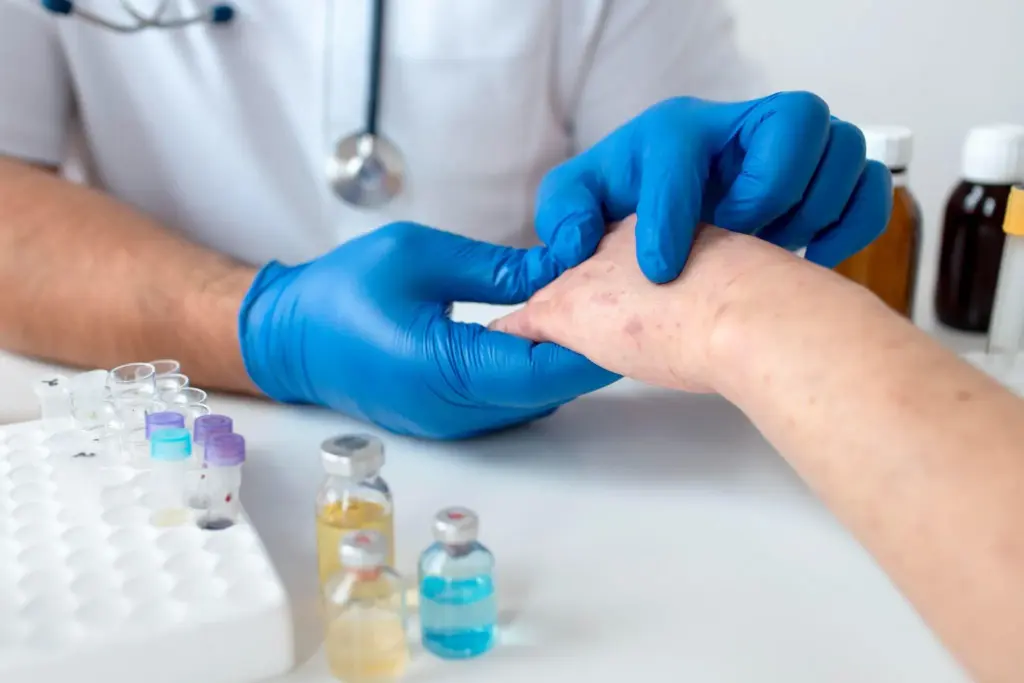
It’s important to know about antibiotics after mole removal for the best care. Doctors decide on antibiotics based on the procedure and the patient’s health.
Current Medical Consensus and Guidelines
Most doctors agree that antibiotics aren’t always needed after mole removal. The American Academy of Dermatology and others say so. They stress the need for good wound care and watching for infection signs.
Evidence-based practice shows that most infections can be treated with oral antibiotics. Studies back this up, showing good results in treating infections.
Low Infection Rates: 1-4.25% Depending on Procedure
Infection rates after mole removal are low, from 1% to 4.25%. This varies with the procedure. For example, excisional biopsies have lower rates than more complex surgeries.
Low infection rates mean most patients don’t need routine antibiotics. But, some cases might need a different approach.
Healthcare providers use this knowledge to decide on antibiotics. They balance preventing infections with the risks of antibiotics.
Can you take antibiotics before surgery for mole removal?
Doctors have a big debate about using antibiotics before mole removal surgery. Some think it’s a good idea to prevent infections. But others say it might not be needed for everyone.
Prophylactic Antibiotic Use in Dermatological Procedures
Prophylactic antibiotics are given before surgery to stop infections. For mole removal, doctors look at many things. These include the type of surgery, the patient’s health, and the area being operated on.
Scientific Evidence on Pre-operative Antibiotic Effectiveness
Research is ongoing on how well antibiotics work before mole removal surgery. Some studies say antibiotics help in high-risk patients. But others found no big difference.
- A review of antibiotic use in skin surgery showed mixed results. Some studies found benefits, while others didn’t.
- Another study said it’s key to find out who’s at high risk of infection. It suggested targeted antibiotic use could be better.
In summary, while some studies support using antibiotics, it’s not a one-size-fits-all solution. Doctors should decide on a case-by-case basis. They’ll consider the patient’s health and the surgery details.
When antibiotics are actually necessary after mole removal
It’s important to know who might get infections after mole removal. Some people and places are more at risk. This means we need to think about using antibiotics carefully.
High-risk patient populations
Some people are more likely to get infections because of their health. These include:
- Patients with diabetes, as they may have impaired wound healing
- Individuals with compromised immune systems, such as those undergoing chemotherapy or with HIV/AIDS
- Patients taking immunosuppressive medications
These patients may benefit from antibiotic prophylaxis to reduce the risk of surgical site infections.
Specific surgical sites with elevated infection risk
The place where the mole is removed can also affect the risk of infection. Some areas are more likely to get infected because of their location or function:
- Surgical sites in areas with high bacterial loads, such as the groin or axilla
- Procedures involving the lower extremities, in patients with poor circulation
Careful consideration should be given to the use of antibiotics in these cases to mitigate infection risk.
Healthcare providers can make better choices about antibiotics after mole removal. This helps ensure the best results for patients.
Identifying post-operative infections
After mole removal, it’s key to watch the wound for infection signs. Infections can cause complications, slow healing, and lead to more scars. Knowing the common signs of wound infection helps patients get medical help when needed.
Common signs and symptoms of wound infection
Infection after mole removal shows in different ways. Common signs include:
- Increased redness around the wound site
- Swelling or warmth to the touch
- Pain or tenderness that gets worse over time
- Pus or discharge from the wound
- Fever or feeling generally unwell
If you see any of these signs, reach out to your healthcare provider. Spotting infection early is key to managing it well.
Differentiating between normal healing and infection
Telling normal healing from infection can be tough. Normal healing might have some redness, swelling, and discomfort. But these should get better over time. Infection, on the other hand, gets worse, with more pain, redness, and possibly pus or discharge.
Watching your wound closely and knowing infection signs helps a smooth recovery. If you notice anything odd or worry about your wound, get medical advice.
Treatment success rates for post-mole removal infections
Understanding how well treatments work for infections after mole removal is key. It’s important for both patients and doctors. Knowing which treatments work best can help make better choices and improve results.
Empiric oral antibiotics and their 82.4% success rate
Doctors often give patients oral antibiotics for these infections. Research shows these antibiotics work well, with an 82.4% success rate. This shows that oral antibiotics are a good first choice for treatment. Doctors pick these antibiotics based on the infection type and guidelines.
“The use of empiric antibiotics has revolutionized the treatment of infections, providing a straightforward and effective approach to managing post-surgical complications.”
Managing antibiotic-resistant infections like MRSA
Even with oral antibiotics, fighting infections like MRSA is tough. MRSA needs stronger treatments, like more powerful antibiotics or combinations. The growing problem of antibiotic resistance means we need to use antibiotics wisely and find new treatments.
- Careful patient selection for antibiotic therapy
- Monitoring for signs of antibiotic resistance
- Use of antibiotic stewardship programs
To tackle infections better, doctors use a mix of oral antibiotics and strategies against antibiotic resistance. This approach can lead to better results for infections after mole removal.
The hidden costs of unnecessary antibiotic use
Using antibiotics too much has big problems for health care. Antibiotics are key for fighting bacterial infections. But, using them when not needed can cause serious health issues.
Contributing to global antibiotic resistance
One big problem is antibiotic resistance. Overusing antibiotics lets bacteria become resistant. This makes infections tough to treat, affecting everyone worldwide.
- Increased risk of treatment failures
- Prolonged illnesses and hospital stays
- Higher healthcare costs due to the need for more complex treatments
Negative effects on patient microbiome
Unnecessary antibiotics also harm the patient’s microbiome. Our microbiome is vital for health, affecting digestion and immune function. Antibiotics can upset this balance, causing many problems.
- Disruption of normal flora, potentially leading to infections like Clostridioides difficile (C. diff)
- Impact on the gut-brain axis, potentially affecting mental health
- Long-term consequences for metabolic health and immune function
It’s important for doctors and patients to know these risks. Using antibiotics wisely helps keep them working for future needs.
Antibiotics and cancer outcomes: emerging research
Research is showing how antibiotics might affect cancer outcomes. This is very important, mainly for those who have had skin cancer. We need to understand how antibiotics might change cancer prognosis.
Potential Links Between Antibiotics and Cancer Prognosis
Studies are finding that antibiotics might change how cancer progresses. But we don’t know exactly how. It seems antibiotics could mess with our body’s balance, making it harder to fight cancer.
A study in a well-known medical journal found a difference in outcomes for cancer patients who took antibiotics. It shows we need more research to fully grasp the link between antibiotics and cancer.
|
Study |
Findings |
Implications |
|---|---|---|
|
Journal of Clinical Oncology |
Antibiotic use associated with altered cancer outcomes |
Need for cautious antibiotic use in cancer patients |
|
Cancer Research |
Disruption of microbiome linked to cancer progression |
Potential for microbiome-targeted therapies |
Implications for Patients with a History of Skin Cancer
For those who’ve had skin cancer, this research is very important. It means we should think carefully before using antibiotics. We need to watch how they might affect cancer prognosis.
Patients and doctors should talk about the risks and benefits of antibiotics. Looking for other treatments can help improve outcomes for skin cancer patients.
Key Considerations:
- Careful use of antibiotics in patients with a history of skin cancer
- Monitoring for possible effects on cancer prognosis
- Exploring other treatments instead of antibiotics when possible
Proper wound care as infection prevention
Preventing infections after mole removal starts with good wound care. Effective management of the wound cuts down infection risks and speeds up healing. It involves using proven cleaning methods and the right dressings.
Evidence-based Wound Cleaning Techniques
Cleaning the wound is key to avoiding infections. Saline solution is often suggested for its safe and balanced nature. Studies confirm it lowers infection risks. It’s also vital to clean the wound carefully to protect the tissue.
How often to clean the wound matters too. Daily cleaning is often advised, but your doctor might have different plans. Always follow their cleaning schedule for the best healing.
|
Wound Cleaning Method |
Efficacy |
Recommendation |
|---|---|---|
|
Saline Solution |
High |
Recommended |
|
Tap Water |
Moderate |
Acceptable |
|
Antiseptic Solutions |
Variable |
Use with caution |
Appropriate Dressing Protocols
After cleaning, the right dressing is essential. Non-adherent dressings are best because they don’t stick to the wound. This reduces the chance of tissue damage when changing dressings. The dressing choice depends on the wound’s type and healing stage.
Dressing changes should be done regularly, usually every day or as your doctor advises. Keep an eye on the wound for any signs of infection, like more redness, swelling, or discharge.
By using proven cleaning methods and the right dressings, you can lower infection risks after mole removal. Good wound care is a simple yet powerful way to ensure a smooth recovery.
Alternative approaches to preventing surgical site infections
There are ways to fight surgical site infections that don’t involve antibiotics. The medical world is looking into new ways to stop these infections. These methods are helping to lower the risk of infections after mole removal.
Topical antiseptics and their efficacy
Topical antiseptics are getting more attention for preventing infections. They are applied directly to the skin or wound. This makes them a strong tool in fighting infections.
Some common antiseptics include:
- Chlorhexidine gluconate
- Povidone-iodine
- Hydrogen peroxide
Here’s a table comparing these antiseptics:
|
Antiseptic |
Efficacy Against Bacteria |
Common Uses |
|---|---|---|
|
Chlorhexidine gluconate |
High efficacy against a broad spectrum of bacteria |
Skin preparation, wound care |
|
Povidone-iodine |
Effective against many bacteria, viruses, and fungi |
Skin disinfection, wound cleaning |
|
Hydrogen peroxide |
Antimicrobial properties, though less effective against certain bacteria |
Wound cleaning, surface disinfection |
Non-antibiotic strategies for optimal wound healing
There are other ways to help wounds heal without antibiotics. These include:
Proper wound care techniques: Keeping the wound clean and dry is key. Using the right dressings also helps a lot.
Advanced wound dressings: Dressings that keep the wound moist and manage fluid can speed up healing.
Using these methods after mole removal can help. Patients and doctors can work together to reduce infection risk and promote healing.
LIV Hospital’s evidence-based approach to mole removal
LIV Hospital is dedicated to top-notch mole removal. It follows strict infection control and has a team of experts. This means patients get the best care from start to finish.
Implementation of Up-to-Date Infection Control Protocols
LIV Hospital puts patient safety first. It follows the newest infection control rules. This includes strict sterilization procedures and meticulous wound care to lower infection risks.
The hospital keeps its infection control plans up to date. It uses the latest research and best practices in skin care. This helps protect patients from mole removal complications.
Multidisciplinary Expertise in Dermatological Procedures
LIV Hospital has a team of skilled dermatologists and surgeons. They work together to give patients the best care for mole removal. This multidisciplinary approach leads to better treatment results.
The hospital’s skin care team always learns about new mole removal methods. This ensures patients get the most advanced and effective treatments.
When to seek medical attention after your procedure
Knowing when to act quickly after mole removal is key. It’s important to watch your body’s healing closely after a mole removal.
Warning Signs That Require Immediate Consultation
Most mole removals go smoothly, but some signs mean you need to see a doctor fast. Look out for:
- Increasing redness or swelling around the surgical site
- Pus or discharge from the wound
- A fever higher than 100.4°F (38°C)
- Increasing pain that’s not helped by medicine
- A delayed healing process or if the wound opens up again
Doctors say spotting these problems early is vital for good care.
“Prompt identification of post-operative infections is key to preventing serious complications.”
Timeline for Normal Healing Progression
Knowing how healing should go can ease worries and spot problems early. Healing after mole removal goes through several stages:
|
Timeframe |
Normal Healing Process |
|---|---|
|
0-3 days |
The wound may be red, swollen, and slightly painful |
|
4-7 days |
Redness and swelling decrease; scab formation |
|
1-2 weeks |
Scab falls off; wound starts to close |
|
2-4 weeks |
Wound is mostly healed; may leave a scar |
Following your doctor’s post-op advice is key for a smooth recovery. If you notice anything odd or worry about healing, get medical help right away.
Special considerations for different types of mole removals
There are various ways to remove moles, each with its own needs for antibiotics and preventing infections. It’s key to understand these differences to ensure the best care for patients and avoid complications after treatment.
Antibiotic Considerations for Excisional Procedures
Excisional procedures remove the mole and some skin around it. Antibiotics are usually not needed for most excisional procedures. But, they might be suggested for people with weakened immune systems or a history of skin cancers.
Whether to use antibiotics depends on the patient’s risk and the type of procedure. For example, face or areas with poor blood flow might need antibiotics to prevent infection.
Infection Prevention for Laser and Shave Removals
Laser and shave removals have different risks of infection compared to excisional methods. Laser removal uses light to kill mole cells, causing little damage and low infection risk. Yet, it’s important to take care of the wound to avoid problems.
Shave removal, which cuts off the mole at the skin’s surface, also has a low infection risk. Using topical antiseptics can help prevent infection and aid in healing.
For both laser and shave removals, patients should know how to care for their wounds. They should watch for signs of infection like more redness, swelling, or discharge.
Questions to discuss with your dermatologist about antibiotics
It’s important to talk to your dermatologist about antibiotics before a mole removal. This can help you feel more prepared and ensure a smooth recovery. Discussing antibiotics before and after the procedure can ease your worries.
Pre-procedure Antibiotic Considerations
Before mole removal, ask your dermatologist about antibiotics. Some questions to consider include:
- Are antibiotics necessary for my specific procedure?
- What are the risks and benefits associated with antibiotic use in my case?
- Are there any alternative infection prevention strategies that can be employed?
Dermatologists say the decision to use antibiotics depends on your risk factors and the procedure. (Source: Dermatology Journal)
Post-procedure Care and Monitoring
After mole removal, it’s key to follow your dermatologist’s care instructions. Important questions to ask include:
- What are the signs and symptoms of infection that I should be monitoring for?
- How should I care for the wound to promote optimal healing?
- Are there any specific post-procedure care products or medications that I should be using?
Proper wound care is essential for preventing infection and promoting healing. By following your dermatologist’s advice and watching for infection signs, you can avoid complications.
In conclusion, talking openly with your dermatologist about antibiotics is vital. It ensures a successful mole removal and a smooth recovery.
Conclusion
Using antibiotics after mole removal should be done carefully. Studies show that antibiotics are not always needed. Their use can lead to more problems.
It’s important to follow evidence-based practices when deciding on antibiotics. Good wound care and infection prevention are key to a smooth recovery.
Patients need to know the pros and cons of antibiotics. Talking to a skilled dermatologist is vital. This ensures the best results after mole removal.
FAQ
Do I need antibiotics after mole removal?
Usually, you don’t need antibiotics after mole removal because infections are rare. But, your doctor might give you antibiotics if you’re at high risk or if the procedure was complex.
Can I take antibiotics before mole removal surgery?
Antibiotics before mole removal surgery are considered on a case-by-case basis. They’re usually recommended for people with certain health issues or those at high risk of infection.
What are the signs of infection after mole removal?
Signs of infection include more redness, swelling, pain, warmth, and pus. If you notice these, call your doctor.
How effective are oral antibiotics in treating infections after mole removal?
Oral antibiotics work well against infections after mole removal, with an 82.4% success rate. But, antibiotic resistance is a big concern.
What are the risks of taking unnecessary antibiotics?
Taking antibiotics when not needed can lead to antibiotic resistance and harm your microbiome. It’s important to use antibiotics wisely.
How can I prevent infection after mole removal?
Keeping the wound clean and using the right dressing is key to preventing infection. Your doctor might also suggest topical antiseptics or other non-antibiotic methods.
Are there alternative approaches to preventing surgical site infections?
Yes, using topical antiseptics and other non-antibiotic methods can help promote healing without antibiotics.
What should I discuss with my dermatologist about antibiotics before and after mole removal?
Talk to your dermatologist about your risk factors, antibiotic use before the procedure, and post-procedure care. This ensures you’re well-informed.
When should I seek medical attention after mole removal?
Seek medical help if you notice increased pain, redness, swelling, or discharge. Your doctor can guide you on what’s normal during healing.
Are there special considerations for different types of mole removals?
Yes, different mole removal methods, like excision, laser, or shave removal, have unique antibiotic and infection prevention needs.
Can antibiotics affect my cancer outcomes if I have a history of skin cancer?
Research suggests antibiotics might affect cancer outcomes, but more study is needed to understand this for skin cancer patients.
What is LIV Hospital’s approach to mole removal?
LIV Hospital uses evidence-based mole removal, following the latest infection control protocols and using a team of dermatology experts.
References
National Center for Biotechnology Information. Evidence-Based Medical Insight. Retrieved from https://pmc.ncbi.nlm.nih.gov/articles/PMC8439158/