Regenerative medicine has made big steps forward. Stem cell therapy is now seen as a hopeful treatment for many health issues.
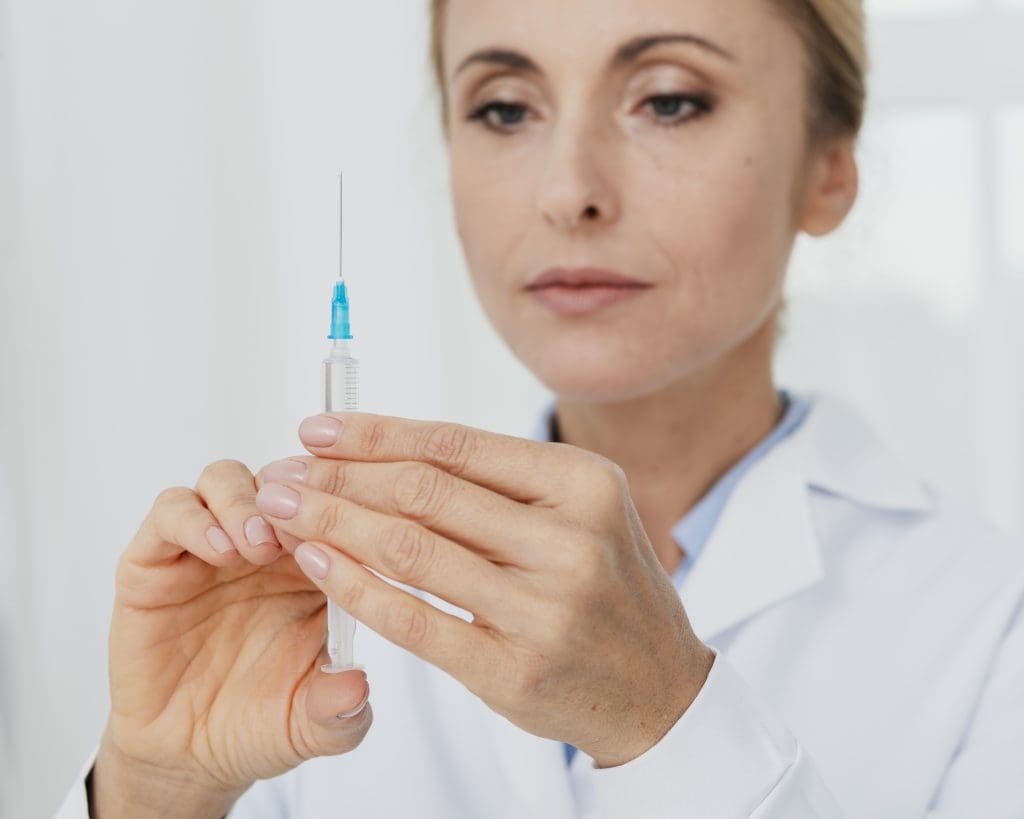
Many patients wonder if they can walk after getting stem cell injections. The answer varies based on the treatment type and the person’s health.
Knowing what to expect after stem cell injections is key for a good recovery. We’ll look into what happens next and why taking care of yourself after the procedure is so important.
Key Takeaways
- Stem cell therapy is a promising treatment for various medical conditions.
- The ability to walk after stem cell injections depends on individual factors.
- Understanding the recovery process is vital for a successful outcome.
- Post-procedure care is essential for the best results.
- Regenerative cells play a vital role in the healing process.
Understanding Stem Cell Therapy Fundamentals
Stem cell therapy is a new medical treatment that uses regenerative cells to heal. It’s getting a lot of attention for its ability to treat many health issues.
What Are Regenerative Cells?
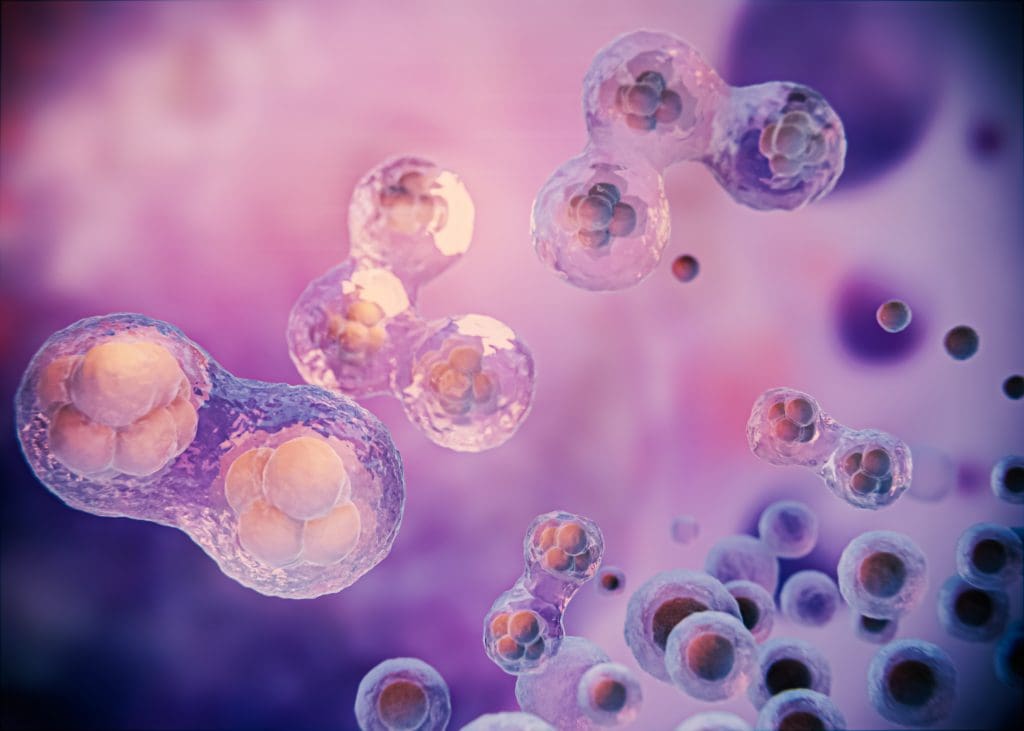
Regenerative cells, or stem cells, can turn into different cell types. They help fix damaged tissues and aid in healing. You can find them in bone marrow, fat tissue, and umbilical cord blood.
How Stem Cell Injections Work
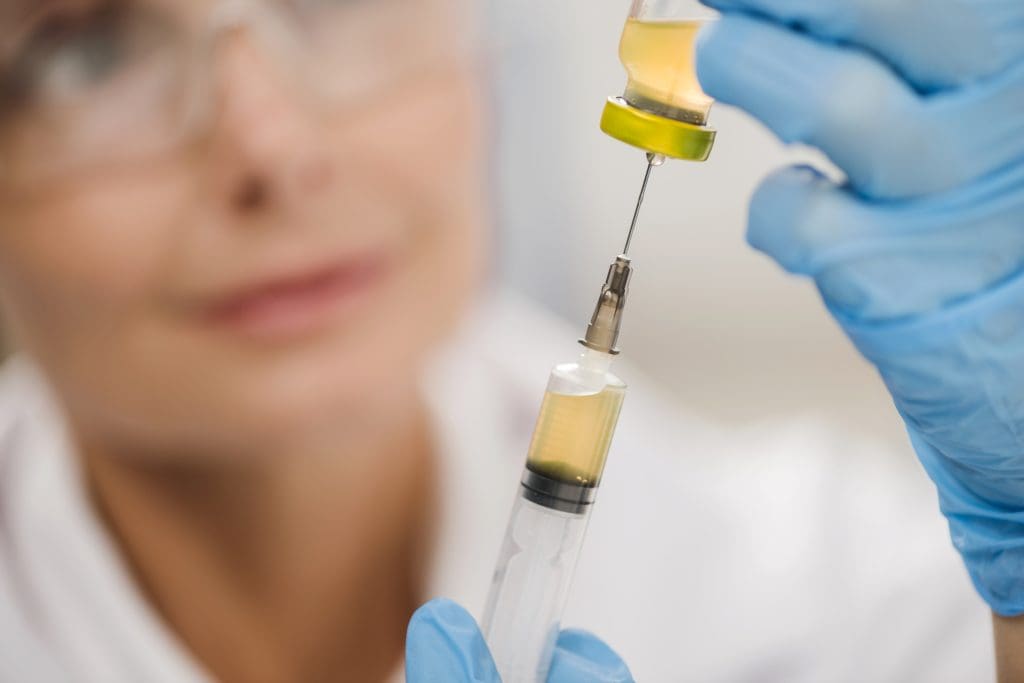
Stem cell injections put regenerative cells right where they’re needed. Doctors use imaging to make sure they’re in the right spot. After injection, these cells help fix damaged tissues, reduce swelling, and speed up healing.
Common Applications for Stem Cell Therapy
Stem cell therapy is used for many things, like fixing bones and tendons. It’s also being looked at for treating back problems, autoimmune diseases, and more.
This therapy is special because it can be customized for each patient. It’s a hopeful treatment for many health issues.
The Immediate Post-Procedure Experience
Knowing what to expect right after stem cell injections helps patients get ready for their recovery. This time is key because it starts the healing process.
First 24-48 Hours After Injection
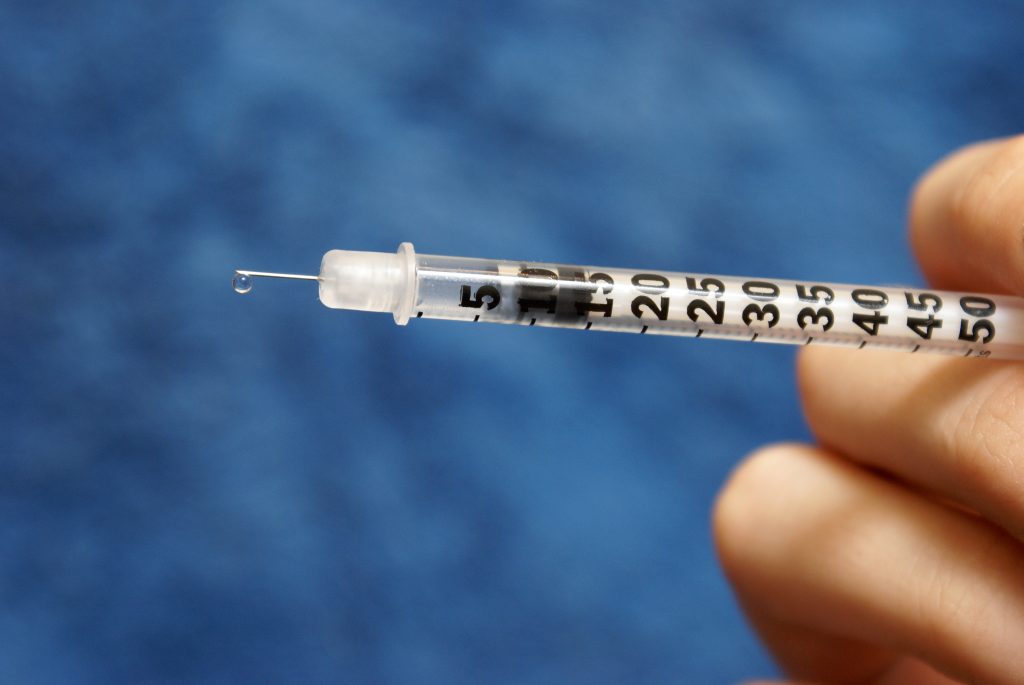
The first 24-48 hours after stem cell therapy are very important. You might feel some pain, swelling, or bruising where the injection was given. It’s vital to follow the instructions from your healthcare provider to handle these feelings well.
Resting is a must during this time. You should avoid doing too much and let your body start healing.
Initial Mobility Expectations
How much you can move after stem cell injections depends on you and your condition. Usually, you’re told to not do too much at first. As you heal, you can slowly get back to your usual activities.
Following a rehab plan, if suggested by your doctor, is important for the best recovery and mobility.
Hospital-to-Home Transition
Going home after stem cell therapy should be easy and well thought out. You should know what to do after the procedure, including any follow-up visits and medication.
- Make sure someone can take you home after the procedure.
- Stick to the diet advice from your healthcare team.
- Know the signs of possible problems and when to get medical help.
Understanding what happens right after stem cell injections helps patients manage their recovery better. This way, they can get the best results.
Mobility Timeline After Stem Cell Injections
Many patients ask when they can move better after getting stem cell injections. Everyone heals differently, but there are common steps most people go through.
First Week Recovery Milestones
In the first week, patients might feel some pain and move less than usual. But this is okay. By the end of the week, many start to feel better.
Key milestones during the first week include:
- Reduced pain in the treated area
- Initial improvement in mobility
- Possible swelling or bruising at the injection site
Weeks 2-4 Progress Expectations
By weeks 2-4, patients usually move better. How fast this happens depends on their health and how well the treatment works.
During this period, patients may notice:
- Increased range of motion
- Improved strength
- Gradual reduction in pain
Long-term Mobility Restoration
Stem cell therapy aims to help patients move better for a long time. While it varies, many see big improvements in a few months.
| Timeframe | Expected Mobility Improvements |
| 1-2 weeks | Initial improvement, reduced pain |
| 2-4 weeks | Increased range of motion, improved strength |
| 3-6 months | Significant mobility restoration, reduced discomfort |
Why Some Patients Experience Worse Pain After Stem Cell Injection
Stem cell injections can sometimes make pain worse for a short time. This can worry patients who hope for quick relief. Knowing why this happens helps manage expectations and aids in a smooth recovery.
Inflammatory Response Explained
The body’s natural inflammatory response is a main reason for increased pain after stem cell injections. When stem cells are introduced, they start a healing process. This process shows inflammation, which is a sign the body is working to repair itself.
The inflammatory response is a complex biological process. It involves many cell types and chemical signals that help with healing. While it’s key for recovery, it can also cause temporary pain or discomfort.
Injection Site Trauma
The trauma from the injection itself also plays a role in post-procedure pain. Injecting stem cells can damage nearby tissues, leading to pain. This pain usually stays at the injection site and is common with many injection treatments.
When Post-Procedure Pain Is Normal vs. Concerning
Telling normal pain from concerning pain after stem cell injections is important. Normal pain is mild to moderate and goes away in a few days. But concerning pain is severe, lasts long, or comes with symptoms like swelling, redness, or fever.
| Pain Characteristics | Normal Pain | Concerning Pain |
| Intensity | Mild to Moderate | Severe |
| Duration | Subsides within a few days | Persists or worsens over time |
| Associated Symptoms | Minimal swelling or bruising | Significant swelling, redness, or fever |
Patients should consult their healthcare provider if they experience concerning symptoms. Knowing about post-procedure pain can reduce anxiety and make recovery more comfortable.
Managing Post-Injection Discomfort
Managing discomfort after stem cell injections requires a mix of approved pain management and lifestyle changes. It’s key to manage pain well for a smooth recovery.
Approved Pain Management Techniques
After stem cell therapy, doctors often prescribe certain pain medications. These might include acetaminophen or stronger pain relievers. It’s vital to follow the doctor’s advice to avoid problems.
Common Pain Management Approaches:
- Acetaminophen for mild to moderate pain
- Prescription pain relievers for more severe discomfort
- Rest and ice to reduce swelling and pain
How Long to Avoid NSAIDs After Treatment
NSAIDs are usually avoided right after stem cell injections because they can hinder healing. The time to avoid NSAIDs varies by treatment and patient health.
| Medication Type | Recommended Avoidance Period | Reason |
| NSAIDs | At least 1-2 weeks | Potential interference with healing process |
| Acetaminophen | As directed by physician | Safer alternative for pain management |
Alternative Pain Relief Methods
There are also alternative ways to ease post-injection discomfort. These include physical therapy, acupuncture, and relaxation techniques like meditation or deep breathing.
Using these methods together can help manage discomfort and improve recovery. Always talk to a healthcare provider before trying alternative pain relief methods to make sure they’re safe and right for you.
Activity Restrictions Following Stem Cell Therapy
Recovering from stem cell therapy is more than just waiting. It’s about managing your daily activities carefully. Knowing what to do and avoid can greatly affect your treatment’s success.
What Not To Do After Stem Cell Treatment
After getting stem cell injections, there are things you should not do. This helps your recovery go smoothly. Here are some activities to avoid:
- Avoid heavy lifting and bending, as these actions can put unnecessary strain on the treated area.
- Refrain from high-impact activities such as running or jumping, which can disrupt the healing process.
- Avoid extreme temperatures and saunas, as they can cause inflammation or other complications.
- Limit strenuous exercise and avoid any activity that causes pain or discomfort in the treated area.
Gradual Return to Daily Activities
Returning to your daily activities slowly is key to a good recovery. This means:
- Starting with gentle movements and gradually increasing the intensity based on your comfort level.
- Listening to your body and stopping if you experience any pain or discomfort.
- Gradually resuming normal activities over a period recommended by your healthcare provider.
It’s important to follow your doctor’s advice on when to start activities again. They can give you personalized guidance based on your situation and treatment.
Can You Exercise After Stem Cell Injections?
Exercising after stem cell injections needs careful thought. Some movement is good for healing, but too much can be bad. Here’s a general guide:
| Exercise Type | Recommended Timing | Guidelines |
| Gentle Stretching | Within a few days post-injection | Start with gentle movements and gradually increase the range of motion. |
| Low-Impact Aerobics | 1-2 weeks post-injection | Begin with short sessions and gradually increase duration and intensity. |
| High-Impact Activities | Several weeks post-injection | Avoid until your healthcare provider advises it’s safe to resume. |
Always talk to your healthcare provider before starting or resuming any exercise after stem cell therapy. This ensures you’re making the best choices for your recovery.
Treatment-Specific Recovery Guidelines
Knowing how to recover after stem cell therapy is key. Each condition needs its own recovery plan. Being informed can greatly improve your results.
Hip Arthritis Stem Cell Therapy Recovery
Patients with hip arthritis after stem cell therapy start to move again slowly. They can usually move within a few days. But, it takes weeks to fully recover.
Here’s what you can expect during recovery:
| Timeframe | Expected Recovery Milestones |
| 1-2 weeks | Gradual improvement in pain and mobility |
| 2-6 weeks | Increased range of motion and reduced stiffness |
| 6-12 weeks | Significant improvement in functional ability |
Stem Cell Therapy for Back Pain Recovery Time
Back pain recovery from stem cell therapy varies. It depends on the pain’s severity and your health. Most see improvements in 4-6 weeks.
- Initial recovery phase: 1-2 weeks of rest and limited activity
- Progressive strengthening and flexibility exercises: 2-6 weeks
- Return to full activity: 6-12 weeks
Stem Cell Injection Foot Recovery Time
Foot recovery from stem cell injections depends on the condition. Most return to normal in 4-8 weeks.
It’s vital to follow your doctor’s post-procedure instructions. Knowing your specific recovery plan helps you heal better and faster.
Potential Complications and Side Effects
Stem cell therapy can help with many health issues. But, it’s important to know about possible side effects and complications. Knowing these risks helps patients make informed choices about their health.
Common Stem Cell Side Effects
Most people don’t have serious side effects from stem cell therapy. Common issues include:
- Mild pain or discomfort at the injection site
- Swelling or redness
- Temporary increase in inflammation
- Fatigue
These side effects usually go away in a few days. Following your doctor’s instructions after treatment can help avoid bigger problems.
Rare but Serious Complications
Even though rare, some serious problems can happen. These include:
- Infection at the injection site
- Allergic reactions to the injected material
- Nerve damage
- Tissue or organ damage
It’s important to notice serious complications early. Look out for severe pain, more redness, or trouble moving the area.
| Complication | Signs to Watch For | Action to Take |
| Infection | Increasing redness, warmth, or pus | Contact your doctor immediately |
| Allergic Reaction | Rash, itching, or difficulty breathing | Seek emergency medical help |
| Nerve Damage | Numbness, tingling, or loss of function | Notify your healthcare provider |
When to Contact Your Doctor
After getting stem cell therapy, keep an eye on how you feel. Call your doctor if you notice:
- Severe or worsening pain
- Signs of infection
- Unusual or concerning symptoms
Your doctor can help and stop small problems from getting worse.
Nutritional Considerations During Recovery
Nutrition plays a big role in recovery after stem cell injections. A balanced diet helps your body heal better. This can make stem cell therapy more effective.
Dietary Recommendations After Treatment
After getting stem cell injections, eat foods rich in antioxidants, omega-3 fatty acids, and essential vitamins and minerals. Berries and leafy greens are good for antioxidants. Omega-3s in fish and nuts help with inflammation.
Eat lean proteins like chicken and fish to help repair tissues. Whole grains and complex carbs give you energy for recovery.
Supplements to Avoid
Some supplements can harm your recovery or the stem cell treatment. Stay away from NSAIDs and corticosteroids. They can block the healing process.
Talk to your doctor before taking any supplements. This includes high doses of vitamin E or other antioxidants that might affect blood clotting.
Can I Take Magnesium After PRP Injection?
Magnesium is key for muscle and nerve function, blood sugar, and blood pressure. After PRP injections, magnesium can be beneficial for muscle relaxation. It might help with muscle cramps or spasms.
But, always check with your doctor before taking magnesium or any supplement after PRP or stem cell injections. They can give advice based on your health, medications, and treatment.
Timeline: How Long After Stem Cell Injections to Work
The time it takes to return to work after stem cell therapy varies. It depends on the treatment type, the condition being treated, and the patient’s health.
Short-term Results Expectations
In the first few weeks, patients may see some improvement. But, it’s important to have realistic expectations about how fast they will recover.
- Some patients may feel relief in 2-4 weeks
- Others might see big changes in 6-12 weeks
Medium-term Healing Milestones
As healing continues, patients will hit different milestones in the medium term.
| Timeframe | Healing Milestones |
| 6-12 weeks | Noticeable improvements in pain and function |
| 3-6 months | Significant progress in mobility and strength |
How Long Does Stem Cell Therapy Last?
The lasting effects of stem cell therapy vary. Some may enjoy long-term relief, while others might need more treatments.
Factors influencing the longevity of stem cell therapy:
- Lifestyle modifications
- Underlying health conditions
- Adherence to post-treatment rehabilitation
By understanding these factors and working with their healthcare team, patients can get the most out of stem cell therapy. This way, they can enjoy relief for a longer time.
Comparing Recovery: Stem Cell vs. Other Procedures
Stem cell injections have a different recovery time compared to PRP therapy and bone marrow transplants. It’s important for patients to know these differences when choosing a treatment.
Stem Cell Therapy vs. Traditional Surgery
Stem cell therapy is less invasive than traditional surgery. It has fewer complications and a quicker recovery. Patients can often return to their normal activities within a few days to a week after treatment, unlike surgery which takes weeks or months.
Surgical procedures have risks like infection and blood clots. Stem cell therapy has fewer risks, mainly at the injection site.
Stem Cell Injections vs. PRP Therapy
Stem cell injections and PRP therapy are both regenerative medicine. But they differ in recovery. PRP therapy uses platelet-rich plasma from the patient’s blood. Stem cell therapy uses stem cells that can become different cell types.
Recovery from PRP therapy is quick, with most patients back to normal in a few days. Stem cell therapy recovery is also fast. But stem cells may offer more benefits because of their regenerative power.
Bone Marrow Transplant Recovery Differences
Bone marrow transplants are more complex than stem cell injections. They replace a patient’s bone marrow with healthy stem cells. The recovery is longer and harder, needing hospital care and immunosuppression.
Stem cell injections for orthopedic or degenerative conditions don’t need immunosuppression. They have a much shorter recovery time. Patients can usually return to normal activities within weeks, unlike bone marrow transplant patients who may take months.
Patient Success Stories and Outcomes
Patients who got stem cell therapy have seen big improvements. They can move better and feel less pain. These stories give hope and show the good results of this treatment.
Mobility Restoration Case Studies
Many studies show that stem cell therapy helps people move better. For example, those with worn-out joints feel more flexible and less stiff.
A study on knee arthritis found that stem cell therapy improved how well people could move. It also made their pain go down. Here are the results:
| Treatment Outcome | Pre-Treatment | Post-Treatment (6 months) |
| Pain Level | Severe | Mild |
| Joint Mobility | Limited | Improved |
| Functional Ability | Restricted | Enhanced |
Pain Management Success Rates
Managing pain is a big part of stem cell therapy. Many studies show that most patients feel a lot less pain after treatment.
For instance, a study found that 75% of people with chronic back pain felt a big drop in pain after getting stem cell injections.
Long-term Quality of Life Improvements
Stem cell therapy does more than just ease pain and improve movement. It also makes life better in the long run. People can do things they couldn’t before because of their condition.
A study on hip arthritis patients showed that the benefits lasted for two years. They kept moving better and felt less pain.
These stories show how stem cell therapy can really change lives. It’s not just about feeling better; it’s about living better.
Working With Your Healthcare Team

Your healthcare team is your partner in the stem cell therapy journey. Working together is key to a successful outcome. This ensures you’re well-informed and prepared for every step of your treatment and recovery.
Follow-up Appointment Importance
Follow-up appointments are a critical part of your stem cell therapy journey. These visits let your healthcare team monitor your progress and address any concerns. Regular check-ins can significantly impact the effectiveness of your treatment, ensuring you’re on the path to optimal recovery.
“The follow-up care is just as important as the procedure itself,” – A leading specialist in regenerative medicine. “It’s during these follow-up appointments that we can fine-tune the treatment and address any issues early on.”
Questions to Ask Your Doctor
Being proactive and informed is key. Here are some questions you might consider asking your doctor:
- What are the expected outcomes of my stem cell therapy?
- How will we monitor my progress, and what are the key indicators of success?
- Are there any specific activities or treatments I should avoid during recovery?
- What are the possible risks or side effects, and how will they be managed?
When Additional Treatments May Be Needed
Sometimes, additional treatments may be necessary to achieve the desired outcome. This could be due to various factors, including the severity of the initial condition or the body’s response to the stem cell therapy. Your healthcare team will be able to advise on the necessity of further treatment based on your progress.
Understanding the importance of working closely with your healthcare team can make a significant difference in your stem cell therapy journey. By being informed, asking the right questions, and adhering to follow-up appointments, you can maximize the benefits of your treatment.
Conclusion
Stem cell injections are becoming a promising treatment for many health issues. They offer a quicker recovery process than traditional surgery. It’s important for patients to understand how stem cell therapy works and its uses.
The recovery process after getting stem cell injections can differ for each person. Things like the condition being treated, the patient’s health, and following post-procedure advice play a big role. By managing any discomfort, sticking to activity limits, and eating right, patients can help their recovery process.
As stem cell therapy grows, it’s key for patients to work with their healthcare team. This way, they can get the most out of stem cell injections and have a better experience.
FAQ
What are regenerative cells?
Regenerative cells, also known as stem cells, can turn into different cell types. They help repair and grow tissues.
How long does it take to recover from stem cell injections?
Recovery time can vary. It depends on the person, the condition, and the therapy. Most people can get back to normal in a few weeks.
Can I walk after stem cell injections?
Yes, walking is usually okay after injections. But, always follow your doctor’s advice on what to do after the procedure.
Why do some patients experience worse pain after stem cell injection?
Pain can increase due to inflammation or injury at the injection site. It’s important to talk to your doctor about any pain concerns.
How long should I avoid NSAIDs after stem cell treatment?
Avoiding NSAIDs for a few days to a week is common advice. This helps with healing.
Can I exercise after stem cell injections?
Yes, but start slowly as your doctor advises. This helps avoid problems and ensures healing.
What are the common side effects of stem cell therapy?
Side effects include pain, swelling, and bruising at the injection site. Serious issues are rare but can happen.
How long after stem cell injections can I take ibuprofen?
Always check with your doctor before taking ibuprofen or NSAIDs after injections.
Can I take magnesium after PRP injection?
Taking magnesium after PRP is usually okay. But, your doctor’s advice is best for your recovery.
How long does stem cell therapy last?
Results can vary. They depend on the condition, health, and therapy type.
What dietary recommendations are suggested after stem cell treatment?
Eat a balanced diet to aid healing. Your doctor may give specific advice based on your health and treatment.
When should I contact my doctor after stem cell therapy?
Call your doctor for severe pain, infection signs, or any other worries after treatment.
What are regenerative cells?
Regenerative cells, also known as stem cells, can turn into different cell types. They help repair and grow tissues.
How long does it take to recover from stem cell injections?
Recovery time can vary. It depends on the person, the condition, and the therapy. Most people can get back to normal in a few weeks.
Can I walk after stem cell injections?
Yes, walking is usually okay after injections. But, always follow your doctor’s advice on what to do after the procedure.
Why do some patients experience worse pain after stem cell injection?
Pain can increase due to inflammation or injury at the injection site. It’s important to talk to your doctor about any pain concerns.
How long should I avoid NSAIDs after stem cell treatment?
Avoiding NSAIDs for a few days to a week is common advice. This helps with healing.
Can I exercise after stem cell injections?
Yes, but start slowly as your doctor advises. This helps avoid problems and ensures healing.
What are the common side effects of stem cell therapy?
Side effects include pain, swelling, and bruising at the injection site. Serious issues are rare but can happen.
How long after stem cell injections can I take ibuprofen?
Always check with your doctor before taking ibuprofen or NSAIDs after injections.
Can I take magnesium after PRP injection?
Taking magnesium after PRP is usually okay. But, your doctor’s advice is best for your recovery.
How long does stem cell therapy last?
Results can vary. They depend on the condition, health, and therapy type.
What dietary recommendations are suggested after stem cell treatment?
Eat a balanced diet to aid healing. Your doctor may give specific advice based on your health and treatment.
When should I contact my doctor after stem cell therapy?
Call your doctor for severe pain, infection signs, or any other worries after treatment.