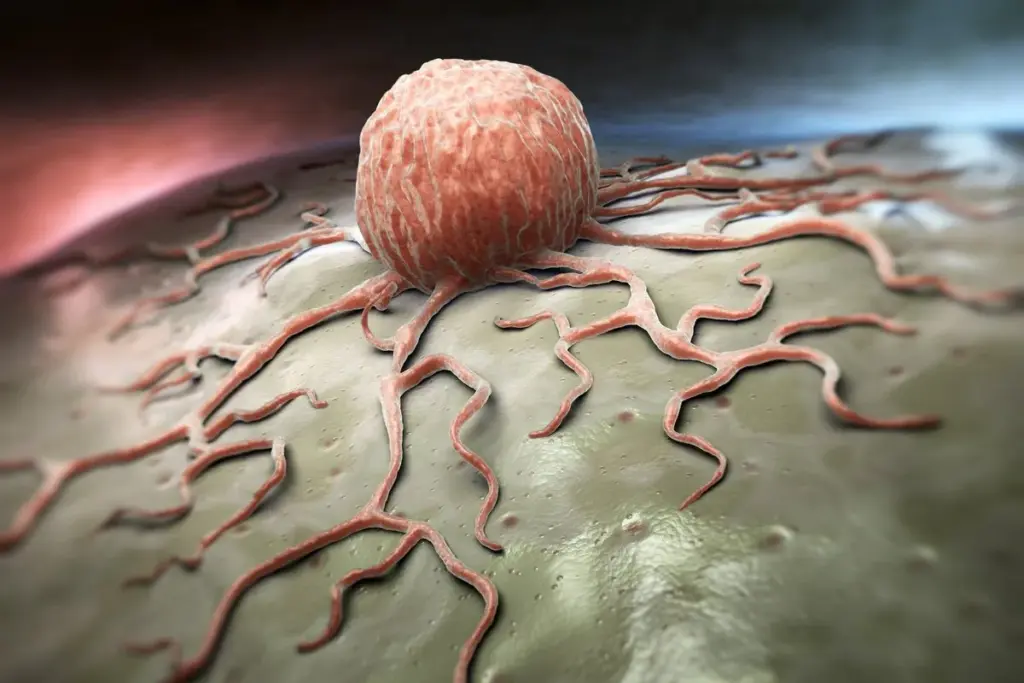
Cancer cells grow fast and can change to fit their surroundings. Yet, they need nutrients to keep growing. Knowing what makes them starve is key to finding new treatments.
We’ll look into how targeting nutrient access can help starve cancer cells. Scientists are looking into new ways, like engineered fat cells, to cut off the nutrients cancer cells need.
Key Takeaways
- Cancer cells require nutrients to survive and proliferate.
- Targeting nutrient access is a promising strategy to starve cancer cells.
- Engineered fat cells are being explored as a potentially effective treatment.
- Understanding cancer cell metabolism is essential for effective treatment.
- New therapies aim to use cancer’s unique metabolic needs against it.
The Metabolic Demands of Cancer Cells
Cancer cells have a unique way of using nutrients to grow fast. They need more glucose to make energy and build new parts. This is how they grow and multiply quickly.
Warburg Effect and Aerobic Glycolysis
The Warburg Effect is a key feature of cancer cells. They use aerobic glycolysis to make energy, even when there’s enough oxygen. This helps them grow and multiply.
By turning glucose into lactate, cancer cells get what they need to survive. This makes them very dependent on glucose.
Nutrient Addiction Patterns
Cancer cells become addicted to certain nutrients like glucose and glutamine. This is because they have changed how they make energy and grow. They need these nutrients to keep going.
Because they rely so much on glucose, cancer cells are weak when glucose levels drop. This could be a way to fight cancer.
How Cancer Cells Survive in Nutrient-Poor Environments
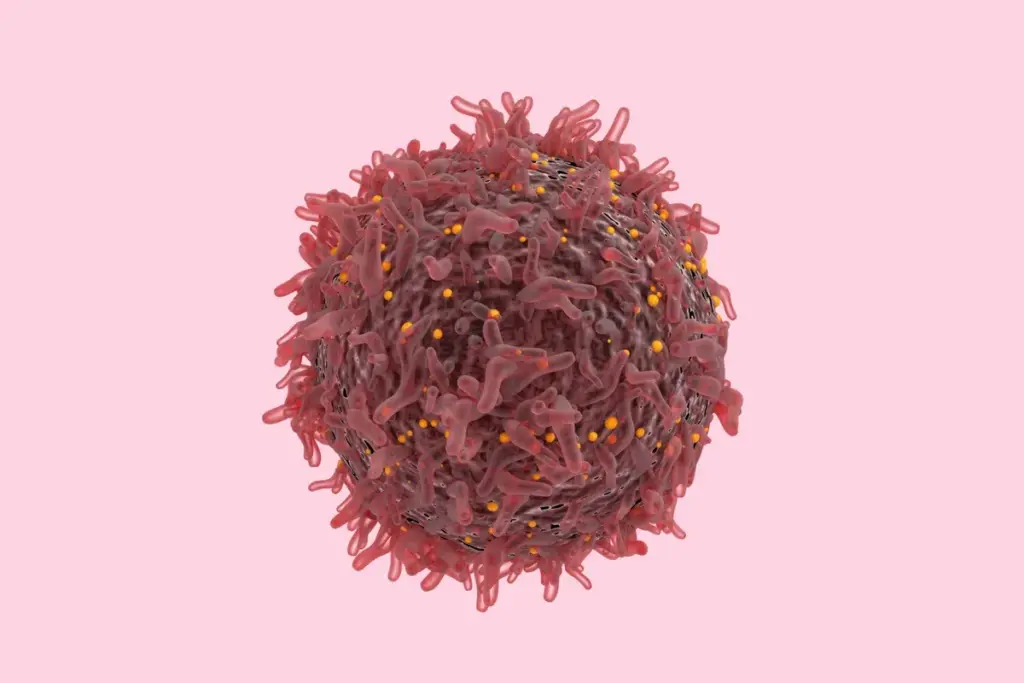
Cancer cells have found ways to live in places with little food. This is key for their growth, even when food is scarce. In solid tumors, finding enough nutrients is a big challenge.
Adaptive Mechanisms to Hypoxia
Tumors grow fast, but their blood supply can’t keep up. This leads to hypoxia, or low oxygen levels. Cancer cells adapt by changing how they work.
They turn on genes that help them make new blood vessels and use glucose for energy. show this is vital for their survival in low oxygen.
They also change how they make energy, using glycolysis even with oxygen around. This is called the Warburg effect. It helps them live in low-oxygen areas.
Stress Response Pathways
Cancer cells also deal with other stresses like lack of nutrients and oxidative stress. They use stress response pathways to handle these challenges.
One way is through the unfolded protein response (UPR). It helps cells by stopping protein making, getting rid of bad proteins, and fixing other problems.
Another way is autophagy. It’s when cells eat themselves to get nutrients when food is scarce. Autophagy helps cancer cells survive but can also be a target for treatment.
|
Stress Response Pathway |
Function |
Impact on Cancer Cells |
|---|---|---|
|
Unfolded Protein Response (UPR) |
Restores normal function by halting protein synthesis and degrading misfolded proteins |
Promotes survival under stress conditions |
|
Autophagy |
Recycles cellular components to provide essential nutrients |
Supports survival during nutrient scarcity; a target for cancer therapy |
Learning about these survival strategies is key to finding new cancer treatments. It helps us find ways to target cancer cells’ weaknesses.
The Dependency on Glucose for Cancer Cell Proliferation
Glucose is key for cancer cell growth and spread. Cancer cells use more glucose than normal cells. This is called the Warburg effect.
Glycolysis as the Primary Energy Source
Cancer cells mainly use glycolysis for energy, even with oxygen around. This change helps them grow fast by making the parts they need.
Glycolytic Pathway: The glycolytic pathway turns glucose into pyruvate, making a bit of ATP. Cancer cells use this pathway more, helping them divide quickly.
The Relationship Between Sugar and Cancer Tumors
The link between sugar and cancer growth is complex. Eating too much sugar can increase cancer risk and growth.
|
Metabolic Characteristic |
Cancer Cells |
Normal Cells |
|---|---|---|
|
Glucose Consumption |
High |
Low |
|
Glycolytic Rate |
Upregulated |
Normal |
|
Energy Production |
Primarily Glycolysis |
Mainly Oxidative Phosphorylation |
Understanding the dependence of cancer cells on glucose can lead to new strategies for combating cancer.
Glutamine: The Critical Amino Acid for Cancer Cells
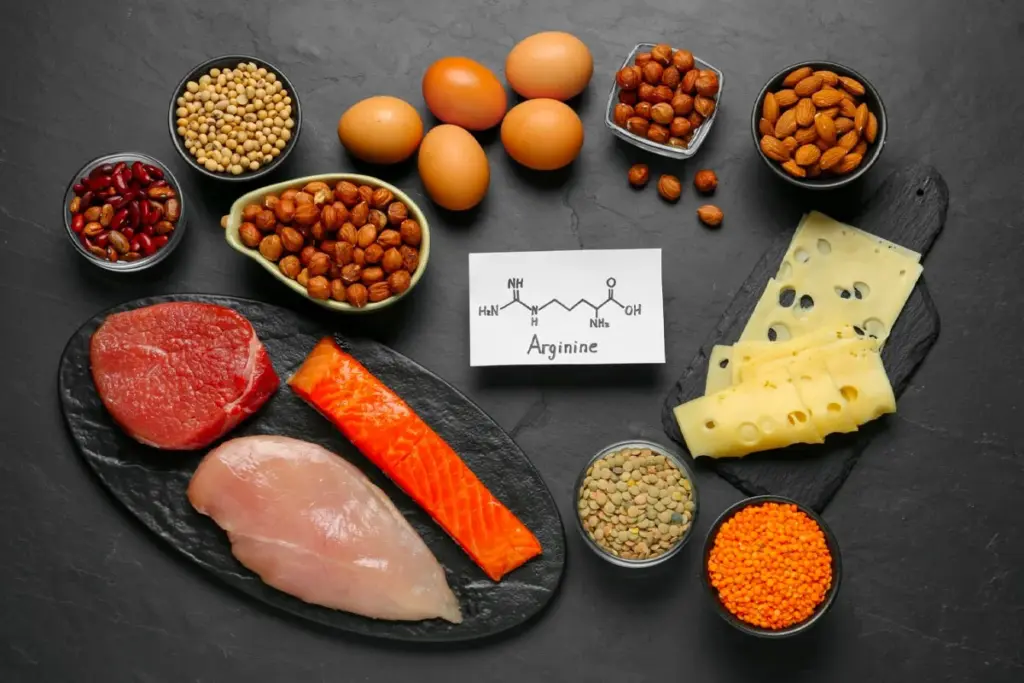
Glutamine plays a key role in how cancer cells work. It’s a vital amino acid that cancer cells need for many things. This includes making nucleotides, producing energy, and keeping the cell’s balance.
What Does Glutamine Do in Cancer Metabolism
Glutamine is a main energy source and building block for cancer cells. It gets turned into glutamate and then alpha-ketoglutarate. This helps produce energy through the citric acid cycle.
It’s also important for making glutathione. Glutathione is an antioxidant that helps cancer cells deal with oxidative stress.
Foods High in Glutamine and Their Impact
Foods like eggs, fish, beans, and some veggies are high in glutamine. These foods are good for you, but their effect on cancer cells is not simple. Some studies say eating a lot of glutamine might help tumors grow. But other research finds that it doesn’t really change how cancer progresses.
Some of the foods high in glutamine are:
- Eggs
- Fish (such as salmon and cod)
- Beans (including kidney beans and black beans)
- Vegetables (like spinach and parsley)
Essential Amino Acids and Their Role in Tumor Growth
<image4>
Essential amino acids are key in the metabolic processes that help tumors grow. Cancer cells need these amino acids to grow fast and survive. We’ll look at how amino acids like serine and glycine are vital for cancer cell metabolism. We’ll also talk about ways to block cancer cells’ access to these amino acids.
Serine and Glycine Metabolism in Cancer
Serine and glycine are linked to cancer cell metabolism. Serine helps make nucleotides for DNA, which cancer cells need to divide. Glycine is important for making glutathione, an antioxidant that helps cancer cells fight off oxidative stress.
“Recent studies have highlighted the importance of serine and glycine metabolism in cancer, suggesting that targeting these pathways could offer new avenues for cancer treatment.” Cancer cells change their metabolism to grow and survive. This involves complex interactions between amino acids and metabolic pathways.
Targeting Amino Acid Availability
Targeting amino acids like serine and glycine is a promising cancer therapy. By cutting off these amino acids, cancer cells can’t grow as much. Researchers are looking into diet changes and drugs to block tumor growth by affecting amino acid metabolism.
Key strategies include:
- Dietary restriction of serine and glycine
- Pharmacological inhibition of enzymes involved in serine and glycine metabolism
- Targeting transporters responsible for the uptake of these amino acids by cancer cells
Understanding the role of essential amino acids in tumor growth is key. By targeting their availability, we can create more effective cancer treatments. These treatments aim to exploit the metabolic weaknesses of cancer cells.
Lipid Requirements for Cancer Cell Membrane Formation
<image5>
Cancer cells need lots of lipids to grow fast. Lipids help form and keep cell membranes strong. They are key for cancer cells to grow aggressively.
“The ability of cancer cells to synthesize and utilize lipids is a critical aspect of their metabolic phenotype,” as noted by researchers studying cancer metabolism. Fatty acids, in particular, are very important for making membrane phospholipids. These are essential for cell membrane health and function.
Fatty Acid Synthesis and Utilization
Fatty acid synthesis is vital in cancer cell metabolism. Cancer cells boost fatty acid synthase (FASN) to make more fatty acids. This helps them make new membranes for cell division and growth.
Fatty acids are not just for membranes. They also store energy and help control many cell processes.
Blocking Lipid Access as a Therapeutic Strategy
Blocking lipid access is a promising way to fight cancer. Scientists are looking into ways to stop fatty acid synthesis and uptake in cancer cells. This would cut off their lipid supply, making it hard for them to survive and grow.
“Targeting lipid metabolism in cancer cells offers a novel approach to cancer therapy, with possible benefits for patients with aggressive or treatment-resistant tumors.”
By stopping key enzymes like FASN, we can stop cancer cells from making and using fatty acids. This can slow down their growth and survival.
Cooperative Behavior: How Cancer Cells Share Nutrients
<image6>
Cancer cells work together to survive in tough places. This teamwork is key for their growth, even when there’s little food around. We’ll see how they talk and share food to keep growing.
Cell-to-Cell Communication Networks
Cancer cells use complex networks to talk to each other. These networks help them share info about their surroundings. For example, they can send signals that help other cells grab more food.
Key ways they communicate include:
- Direct cell-to-cell contact through gap junctions
- Release of signaling molecules like growth factors and cytokines
- Exosome-mediated communication, where exosomes carry proteins, RNA, and other molecules between cells
These ways help cancer cells adapt and fight off treatments.
Nutrient Scavenging and Distribution
When food is hard to find, cancer cells scavenge for it. They grab proteins, lipids, and other big molecules from their surroundings.
They share food in different ways, like:
- Direct transfer of nutrients between cells
- Releasing nutrients for others to grab
- Using vesicles to carry food and important stuff
Knowing how cancer cells work together is key to finding better treatments. We need to target their teamwork and survival skills in tough spots.
CNDP2: The Enzyme That Helps Cancer Cells Digest Peptides
CNDP2 is a key player in how cancer cells process peptides. These cells need lots of nutrients to grow fast. CNDP2 helps by breaking down peptides into amino acids.
Mechanism of Extracellular Peptide Processing
CNDP2 is found inside cells and helps break down peptides from outside. It gives cancer cells the amino acids they need to grow. This process is important for the cells’ survival.
Cancer cells use CNDP2 to get nutrients from their surroundings. This is very important in the tumor microenvironment, where nutrients are scarce.
Disrupting CNDP2 to Reduce Tumor Growth
CNDP2 is seen as a target for cancer treatment. Stopping CNDP2 could starve cancer cells, slowing down tumor growth. Studies show that blocking CNDP2 can reduce tumor size and slow down cell growth in different cancers.
By focusing on CNDP2, scientists hope to find a weak spot in cancer cells’ metabolism. This could lead to new treatments that starve cancer cells, giving hope for fighting cancer.
Autophagy: When Cancer Cells Consume Themselves to Survive
Autophagy is a key process that helps cancer cells survive when things get tough. It’s a way for cells to break down and reuse their parts. This helps them deal with lack of nutrients and other stresses.
The Process of Cellular Self-Digestion
Cancer cells use autophagy to make double-membraned structures called autophagosomes. These structures grab damaged parts of the cell and proteins. Then, they merge with lysosomes, where everything gets broken down and reused.
This recycling gives cancer cells the nutrients and energy they need. It lets them keep growing and spreading.
The genes in the ATG family control autophagy. Genes like ATG7 and ATG5 are important. They help the autophagosomes form and grow.
- Autophagy starts when cells face stress, like not enough food or oxygen.
- It involves the creation of autophagosomes that grab cell parts.
- These autophagosomes then merge with lysosomes, breaking down what’s inside.
Therapeutic Implications of Blocking Autophagy
Because autophagy helps cancer cells survive, it’s seen as a target for treatment. Stopping autophagy could make cancer cells more vulnerable to other treatments. Research shows that stopping autophagy can make chemotherapy and radiation work better.
There are many ways to block autophagy in cancer cells. Some use autophagy inhibitors like chloroquine. Others look at ATG genes and other parts of the autophagy pathway.
- Early studies suggest stopping autophagy can improve cancer treatment results.
- There are ongoing clinical trials to see if autophagy inhibitors are safe and effective with other treatments.
Engineered Fat Cells That Outcompete Cancer Cells for Nutrients
Engineered fat cells might help fight cancer by taking away nutrients from tumors. This new method uses the competition for nutrients between these cells and cancer. We’ll look into how these cells grab glucose and fatty acids and see animal study results on tumor size.
Absorption Mechanisms of Modified Adipocytes
These modified fat cells are better at getting glucose and fatty acids. These are key nutrients for cancer cells to grow. By taking these nutrients, the engineered fat cells might slow down tumor growth. Research shows they can grab glucose better and fatty acids too.
Evidence from Preclinical Studies
Animal studies have shown promise for these engineered fat cells. In one study, mice with tumors got these cells, and their tumors shrunk a lot. Here are some key findings from studies.
|
Study Reference |
Tumor Type |
Reduction in Tumor Size |
|---|---|---|
|
Study A |
Breast Cancer |
40% |
|
Study B |
Melanoma |
35% |
|
Study C |
Colon Cancer |
50% |
More research is needed to see if this works in people. For updates on this topic, check out the on engineered fat.
Dietary Approaches to Metabolically Starve Cancer Cells
Diet plays a big role in fighting cancer. Some diets can help starve cancer cells. This shows how important diet is in managing cancer.
Ketogenic Diet and Cancer Metabolism
The ketogenic diet is high in fat and low in carbs. It’s been studied for its effects on cancer cells. It tries to cut off cancer cells’ main energy source by reducing glucose.
Studies show the ketogenic diet might slow down tumor growth. It makes the body burn fat instead of carbs. This leads to the production of ketones.
Fasting Protocols and Their Impact on Tumors
Fasting, like intermittent fasting, has been looked at for fighting cancer. It lowers insulin-like growth factor 1 (IGF-1). IGF-1 can help cancer cells grow.
Fasting can make chemotherapy work better by making cancer cells more vulnerable. It also helps reduce chemotherapy side effects. This improves patients’ quality of life during treatment.
“Fasting not only protects normal cells against chemotherapy toxicity but also sensitizes cancer cells to the treatment, improving the therapeutic index.”
While the results are encouraging, more research is needed. Patients should talk to doctors before changing their diet.
Plants and Natural Compounds That May Starve Cancer Cells
Nature is full of compounds that might help fight cancer. Plants and their parts have shown promise in stopping cancer cells from growing. This could lead to new ways to treat cancer.
Phytochemicals That Disrupt Cancer Metabolism
Phytochemicals, found in plants, have been found to fight cancer. They mess with the ways cancer cells grow and live.
Some important phytochemicals include:
- Curcumin, found in turmeric, which has anti-inflammatory and anti-cancer properties.
- Resveratrol, present in grapes and berries, known for its antioxidant effects.
- EGCG (Epigallocatechin gallate), a major component of green tea, which has been shown to inhibit cancer cell growth.
These phytochemicals can affect cancer cell metabolism in different ways. They can stop glycolysis and make cancer cells die.
What Plant Kills Cancer Cells in the Body
Many plants have been looked at for their ability to kill cancer cells. For example, Cannabis sativa and Artemisia annua have shown promise in early studies.
|
Plant |
Active Compound |
Potential Anti-Cancer Effect |
|---|---|---|
|
Turmeric |
Curcumin |
Inhibits cancer cell proliferation and induces apoptosis. |
|
Green Tea |
EGCG |
Interferes with cancer cell metabolism and inhibits tumor growth. |
|
Grapes and Berries |
Resveratrol |
Antioxidant effects that may reduce cancer risk. |
While these findings are exciting, more research is needed. We must learn more about how these plants and compounds can help treat cancer.
Pharmacological Strategies to Block Nutrient Access
Pharmacological strategies are a new way to fight cancer by cutting off its food supply. Cancer cells need lots of nutrients to grow fast. By blocking these nutrients, we can stop cancer from spreading.
Anti-metabolites in Cancer Therapy
Anti-metabolites are drugs that mess with how cells work, mainly cancer cells. They look like real nutrients but don’t work right in cells.
For example, methotrexate stops an enzyme needed for DNA repair. This means cancer cells can’t make new DNA, slowing their growth.
Examples of Anti-metabolites:
- Methotrexate
- 5-Fluorouracil (5-FU)
- Gemcitabine
|
Anti-metabolite |
Mechanism of Action |
Clinical Use |
|---|---|---|
|
Methotrexate |
Inhibits DHFR, disrupting DNA synthesis |
Leukemia, lymphoma, breast cancer |
|
5-Fluorouracil (5-FU) |
Interferes with thymidylate synthase, affecting DNA replication |
Colorectal, breast, skin cancers |
|
Gemcitabine |
Incorporates into DNA, causing chain termination during replication |
Pancreatic, breast, ovarian, and non-small cell lung cancers |
Enzyme Inhibitors Targeting Key Metabolic Pathways
Enzyme inhibitors are another key tool in fighting cancer. They target enzymes in important pathways that cancer cells misuse.
For instance, drugs like everolimus block mTOR, a key growth controller. This stops cancer cells from getting the signals they need to grow.
We’re seeing a big change in how we treat cancer, with new ways to block its food supply. As we learn more about cancer’s metabolism, we’ll make even better treatments. This could lead to better results for patients.
Combination Approaches: Dietary Restriction with Targeted Drugs
Using dietary restriction with targeted drugs is a new way to fight cancer. It uses the weaknesses of cancer cells to make treatments work better.
Synergistic Effects on Cancer Cell Metabolism
Diet and drugs working together can change how cancer cells use energy. By cutting off nutrients, we make cancer cells easier to target. For example, a ketogenic diet cuts down on glucose, helping some drugs work better.
|
Dietary Restriction |
Targeted Drug |
Synergistic Effect |
|---|---|---|
|
Ketogenic Diet |
PI3K Inhibitors |
Enhanced anti-tumor activity |
|
Caloric Restriction |
mTOR Inhibitors |
Increased apoptosis in cancer cells |
|
Fasting Protocols |
Chemotherapy |
Improved chemotherapy efficacy |
Emerging Clinical Evidence and Future Directions
New studies show that diet and drugs together can help fight cancer. They show better results for patients. As we learn more, we’ll find even better ways to treat cancer.
Looking ahead, we’ll explore new diets and drugs. Omics technologies will help find new targets. It’s key to keep studying how diet, metabolism, and cancer interact to unlock the full power of these treatments.
Conclusion: Exploiting Metabolic Vulnerabilities to Starve Cancer
Starving cancer cells is a new way to fight cancer. We’ve talked about different methods that could work. These include using special fat cells, the ketogenic diet, and medicines that target cancer’s metabolism.
These methods try to cut off the nutrients cancer cells need to grow. By learning how cancer cells use nutrients, we can make treatments that starve them.
More research is needed to fully use these cancer weaknesses. As we learn more about how cancer cells work, we can make better treatments. These treatments will not only starve cancer but also help the body fight it better.
By studying cancer cell metabolism and finding new ways to attack their weaknesses, we can help patients more. This will bring us closer to better cancer treatments.
FAQ
What is glutamine and its role in cancer cells?
Glutamine is a key amino acid for cancer cells. It helps them grow and survive. It’s important for energy, growth, and immune function.
How does cancer start and what are cancer cells?
Cancer starts with genetic changes in normal cells. These changes cause cells to grow out of control. Cancer cells grow fast, adapt, and avoid the immune system.
What is the Warburg effect and how does it relate to cancer cell metabolism?
The Warburg effect is when cancer cells use glycolysis for energy, even with oxygen. This makes them rely more on glucose. It’s a key feature of cancer metabolism.
How do cancer cells adapt to nutrient-poor environments?
Cancer cells adapt by using autophagy and stress responses. They also communicate with each other. These strategies help them survive in poor nutrient environments.
What is the relationship between sugar and cancer tumors?
Cancer cells need glucose for energy and growth. The link between sugar and cancer is complex. Understanding it is key to finding effective treatments.
What are some foods high in glutamine, and how do they impact cancer cells?
Foods like meat, fish, eggs, and dairy are high in glutamine. Glutamine is important for cancer cells. But, the effect of these foods on cancer cells is not fully understood.
Can dietary approaches help starve cancer cells?
Yes, diets like the ketogenic diet and fasting can starve cancer cells. They limit nutrients, slowing cancer growth and proliferation.
What is autophagy, and how does it relate to cancer cell survival?
Autophagy is when cancer cells eat themselves to survive stress. It helps them recycle damaged parts and maintain balance.
Are there any natural compounds that can starve cancer cells?
Yes, some plants and compounds can starve cancer cells. Phytochemicals in fruits, veggies, and herbs can disrupt cancer metabolism and slow growth.
What is the role of essential amino acids in tumor growth?
Amino acids like serine and glycine are vital for tumor growth. Targeting these amino acids could help treat cancer. More research is needed to understand their role.
References
- Guzelsoy, G., Elorza, S. D., Ros, M., Schachtner, L. T., Hayashi, M., Hobson-Gutierrez, S., Rundstrom, P., Brunner, J. S., Pillai, R., Walkowicz, W. E., Finley, L. W. S., Deforet, M., Papagiannakopoulos, T., & Carmona-Fontaine, C. (2025). Cooperative nutrient scavenging is an evolutionary advantage in cancer. Nature, 640(8058), 534–542. https://doi.org/10.1038/s41586-025-08588-w Nature+2PubMed+2
- Cancer Cells Can Cooperate to Grow. (2025, March 4). NIH Research Matters. Retrieved from https://www.nih.gov/news-events/cancer-currents-blog/2025/starving-tumors-engineered-fat-cells National Institutes of Health (NIH)
- Koizume, S., & Miyagi, Y. (2025). Adaptation mechanisms in cancer: Lipid metabolism under hypoxia and nutrient deprivation as a target for novel therapeutic strategies (Review). Molecular Medicine Reports, 31, 83. https://doi.org/10.3892/mmr.2025.13448 Spandidos Publications
- Sebens, S., Philipp, L. M., & Adam, D. (2025). Cancer cell cooperation: tumor cells team up to scavenge nutrients to ensure proliferation despite starvation. Signal Transduction and Targeted Therapy. https://doi.org/10.1038/s41392-025-02238-3 PubMed
- Cancer Cells Cooperate to Scavenge for Nutrients. (2025, February 19). ScienceDaily. Retrieved from https://www.sciencedaily.com/releases/2025/02/250219111503.htm
National Center for Biotechnology Information. Evidence-Based Medical Insight. Retrieved from https://www.ncbi.nlm.nih.gov/pmc/articles/PMC7056928/
What is glutamine and its role in cancer cells?
Glutamine is a key amino acid for cancer cells. It helps them grow and survive. It’s important for energy, growth, and immune function.
How does cancer start and what are cancer cells?
Cancer starts with genetic changes in normal cells. These changes cause cells to grow out of control. Cancer cells grow fast, adapt, and avoid the immune system.
What is the Warburg effect and how does it relate to cancer cell metabolism?
The Warburg effect is when cancer cells use glycolysis for energy, even with oxygen. This makes them rely more on glucose. It’s a key feature of cancer metabolism.
How do cancer cells adapt to nutrient-poor environments?
Cancer cells adapt by using autophagy and stress responses. They also communicate with each other. These strategies help them survive in poor nutrient environments.
What is the relationship between sugar and cancer tumors?
Cancer cells need glucose for energy and growth. The link between sugar and cancer is complex. Understanding it is key to finding effective treatments.
What are some foods high in glutamine, and how do they impact cancer cells?
Foods like meat, fish, eggs, and dairy are high in glutamine. Glutamine is important for cancer cells. But, the effect of these foods on cancer cells is not fully understood.
Can dietary approaches help starve cancer cells?
Yes, diets like the ketogenic diet and fasting can starve cancer cells. They limit nutrients, slowing cancer growth and proliferation.
What is autophagy, and how does it relate to cancer cell survival?
Autophagy is when cancer cells eat themselves to survive stress. It helps them recycle damaged parts and maintain balance.
Are there any natural compounds that can starve cancer cells?
Yes, some plants and compounds can starve cancer cells. Phytochemicals in fruits, veggies, and herbs can disrupt cancer metabolism and slow growth.
What is the role of essential amino acids in tumor growth?
Amino acids like serine and glycine are vital for tumor growth. Targeting these amino acids could help treat cancer. More research is needed to understand their role.