Discover comprehensive information about systemic oncology treatments at Liv Hospital. Learn how these therapies target abnormal cells and promote healing safely.
Send us all your questions or requests, and our expert team will assist you.
This medical intervention is a powerful systemic treatment designed to target and destroy rapidly dividing abnormal cells throughout the entire human body. It is considered one of the primary pillars of modern oncology serving as a highly effective tool against various complex malignancies. The protocol utilizes specialized pharmaceutical compounds that travel through the bloodstream reaching areas that might be completely inaccessible to localized surgical procedures or targeted radiation.
At Liv Hospital our multidisciplinary oncology teams are deeply committed to providing world class systemic care. We utilize the most advanced protocols available globally to ensure that every patient receives a highly personalized and scientifically rigorous therapeutic plan. This intervention is carefully calibrated to balance maximum cellular eradication with the preservation of your overall physiological well being and daily comfort.
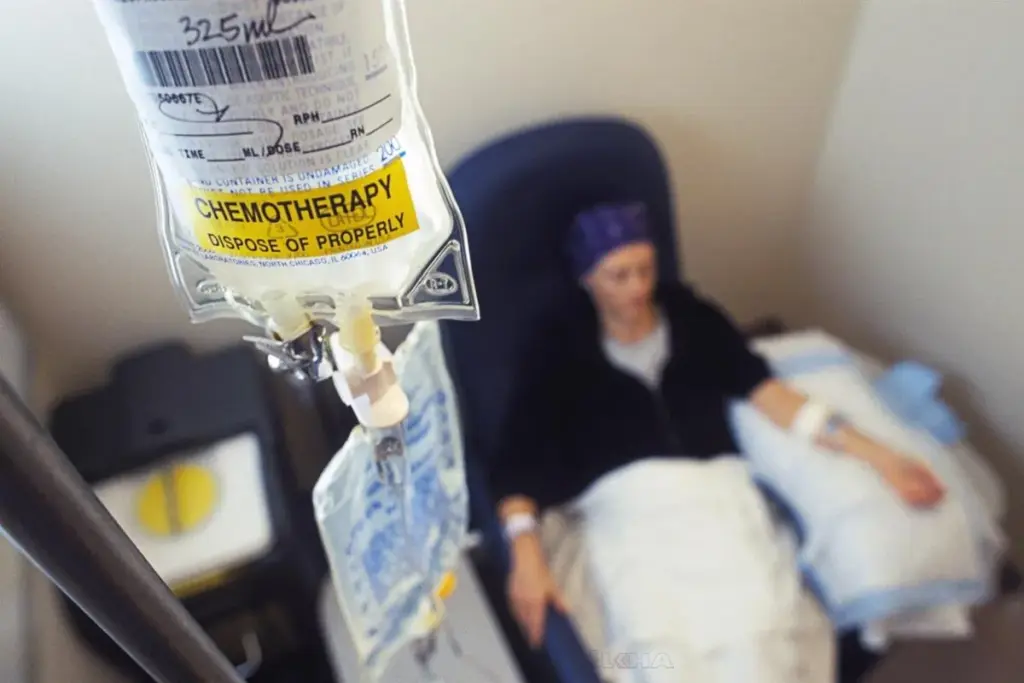
The fundamental mechanism of this systemic approach relies on interrupting the biological life cycle of abnormal cells. Normal healthy cells grow and divide in a highly regulated and controlled manner. However mutated cells bypass these natural biological checkpoints dividing aggressively and forming dangerous masses. The systemic compounds are intricately designed to recognize this rapid cellular division and actively interfere with the genetic replication process.
By damaging the cellular structure during the division phase the treatment prevents the abnormal cells from successfully multiplying.
Symptoms And Causes
The development of a malignant mass is a complex biological event that scientists continue to study extensively worldwide. While the exact origins of cellular mutation are often unclear, medical professionals have identified several contributing elements that trigger normal cells to mutate erratically over time. Understanding these underlying triggers helps specialists formulate better preventive strategies and highly personalized care plans for the future.
Recognizing the physical and cognitive changes associated with these cellular mutations is vital for early detection. The clinical team evaluates each condition meticulously to determine the best path forward ensuring that all physiological factors are carefully considered during the initial diagnostic phase.
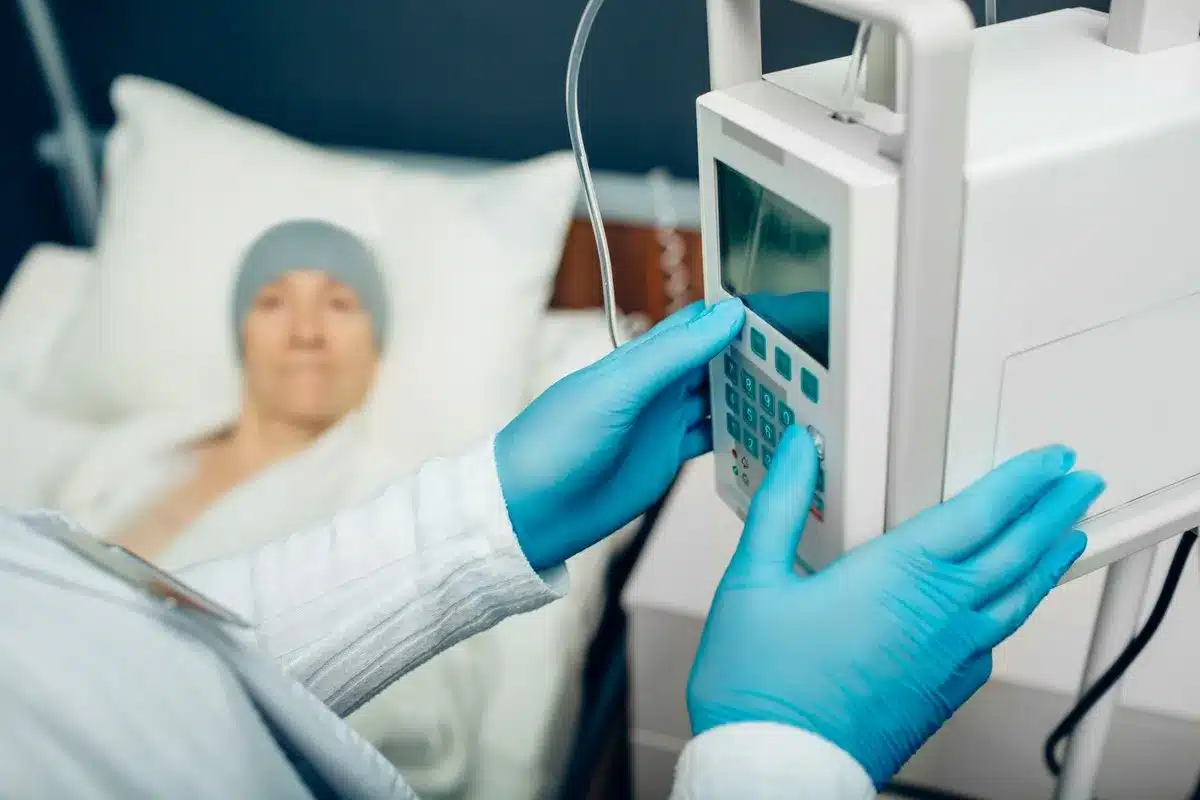
Patients are recommended for this systemic approach when abnormal cells demonstrate an aggressive growth pattern or show a high biological potential to spread. Environmental factors, genetic predispositions and prolonged exposure to cellular toxins can all initiate the mutations that ultimately require systemic eradication. When localized treatments are deemed insufficient to guarantee long term safety the medical board will introduce this protocol.
The decision is heavily based on preventing the disease from establishing a permanent foothold in distant organs. The clinical goal is to intercept the mutated cells while they are traveling through the lymphatic system or the bloodstream effectively neutralizing the threat before it compromises vital physiological functions.
Diagnosis And Staging
Accurate detection requires highly sophisticated imaging technology and deep oncological expertise. When a patient presents with suspicious physical changes specialists immediately order advanced radiological scans and comprehensive laboratory tests to map the affected tissue entirely. This detailed evaluation is absolutely critical for determining whether the growth has spread beyond its original anatomical boundaries.
The comprehensive data gathering process is meticulously reviewed by a multidisciplinary tumor board at Liv Hospital. The board utilizes this exact staging information to recommend the safest and most effective clinical pathway ensuring that every single aspect of the patient health profile is evaluated thoroughly before any medical decisions are finalized.
The diagnostic journey always begins with a deeply thorough clinical consultation and a highly detailed physical examination. Following the initial interview the physician determines which specific diagnostic tests are strictly required to visualize the internal structures accurately. The ultimate clinical goal is to definitively confirm the presence of rapidly dividing abnormal cells.
A minimally invasive tissue biopsy is almost always a strict medical requirement to extract a physical sample for microscopic laboratory analysis. The safely extracted tissue samples are then sent immediately to a specialized pathologist for extensive genetic and molecular review ensuring the disease is identified and categorized correctly.
Treatment Details
Modern medicine offers a variety of advanced therapeutic approaches to manage cellular masses effectively. The primary goal of any intervention is always to remove or destroy as much of the abnormal tissue as safely possible without causing permanent physiological damage. Treatment pathways often involve a highly coordinated combination of different medical modalities working together in perfect synchronization.
This completely integrated approach ensures that every microscopic trace of the disease is systematically targeted. Halting cellular division throughout the body completely protects the patient long term future and provides the absolute best biological chance for long term disease free survival while maintaining an excellent quality of life.
This systemic intervention performs several critical functions depending on the exact stage of the disease and the overall clinical objective. In many cases it is utilized with curative intent meaning the primary goal is to completely eradicate the disease so it never returns. It can also be used as a supplementary measure to shrink a large tumor before a surgical extraction making the operation significantly safer and less invasive.
In situations where a total cure is not biologically possible the protocol shifts toward a palliative approach.
Maintenance And Care
The medical journey absolutely does not end once the active therapeutic phase is officially completed. Long term recovery requires dedicated rehabilitation and continuous medical monitoring to ensure lasting health and total peace of mind. Patients often need specialized physical therapy to regain mobility and extensive nutritional guidance to heal their immune system fully.
Routine follow up imaging scans are scheduled periodically to ensure the abnormal cells have not returned to the body. A robust support system is highly essential for helping patients transition smoothly back into their normal daily routines. Continuous care ensures that any delayed side effects from the medical treatments are managed promptly by the clinical team.

This versatile systemic protocol is incredibly effective against a wide vast array of malignancies. Because it targets rapidly dividing cells it is particularly successful against liquid tumors that circulate freely in the bloodstream such as leukemias and lymphomas. It is also a fundamental treatment for solid tumors originating in the breast, lungs, colon and gastrointestinal tract.
The specific combination of pharmaceutical compounds chosen depends entirely on the unique biological signature of the targeted disease. Liv Hospital utilizes advanced genetic profiling to perfectly match the appropriate systemic agents to the exact cellular classification ensuring the highest possible rate of clinical success for every single patient.

Send us all your questions or requests, and our expert team will assist you.
The vast majority of modern infusion sessions are safely performed on an outpatient basis allowing you to return to the comfort of your own home the exact same day.
While hair loss is a highly common side effect due to the rapid division of hair follicle cells it is completely temporary and hair always regrows after the cycles end.
Many patients successfully continue working during their treatment cycles although it is highly recommended to arrange a flexible schedule to accommodate days of deep physical fatigue.
The intravenous infusion process itself is completely painless and feels exactly like receiving standard hydration fluids through a standard medical vein access point.
The frequency of your sessions depends entirely on your personalized protocol but they are typically administered in specific cycles ranging from weekly to every three weeks.

 Pediatrics
 Gastric Banding
 Gynecology
 Pulmonology
 Kidney Stones
 Dermatology
Leave your phone number and our medical team will call you back to discuss your healthcare needs and answer all your questions.
Your Comparison List (you must select at least 2 packages)