Learn about Lung Cancer, its definition, primary causes, and the different types of Lung Cancer, which determine diagnosis and treatment planning.
Send us all your questions or requests, and our expert team will assist you.
The overview and definition of lung cancer provides a clear picture of one of the most common malignancies worldwide, helping patients and families understand its nature, risk factors, and treatment pathways. Each year, more than 2 million new cases are diagnosed globally, making early recognition essential for better outcomes. This page is designed for international patients seeking comprehensive information about lung cancer, from its biological basis to the latest therapeutic options available at Liv Hospital. By the end of this guide, you will have a solid grasp of what lung cancer entails, how it is classified, and what steps you can take toward effective care.
Understanding lung cancer begins with a precise definition: it is a group of malignant tumors that originate in the tissues of the lung, primarily the cells lining the airways. The disease is broadly categorized into two main types—non‑small cell lung cancer (NSCLC) and small cell lung cancer (SCLC)—each with distinct biological behavior and treatment strategies. Liv Hospital’s multidisciplinary team combines cutting‑edge diagnostics, personalized medicine, and supportive services to ensure that every international patient receives coordinated, world‑class care.


Recognizing the overview and definition of lung cancer types is crucial for selecting appropriate therapies. The two principal categories differ in cellular appearance, growth patterns, and response to treatment.
NSCLC accounts for approximately 85% of all lung cancer cases. It includes three major subtypes:
SCLC represents about 15% of cases and is characterized by fast proliferation and early metastasis. It is strongly associated with tobacco use and usually requires systemic chemotherapy and radiation rather than surgery.
Feature | NSCLC | SCLC
|
|---|---|---|
Prevalence | ≈85% | ≈15% |
Growth Rate | Slower | Rapid |
Treatment Focus | Surgery, targeted therapy, immunotherapy | Chemo‑radiation |
Both NSCLC and SCLC require precise staging to guide treatment, which we explore in the next section.

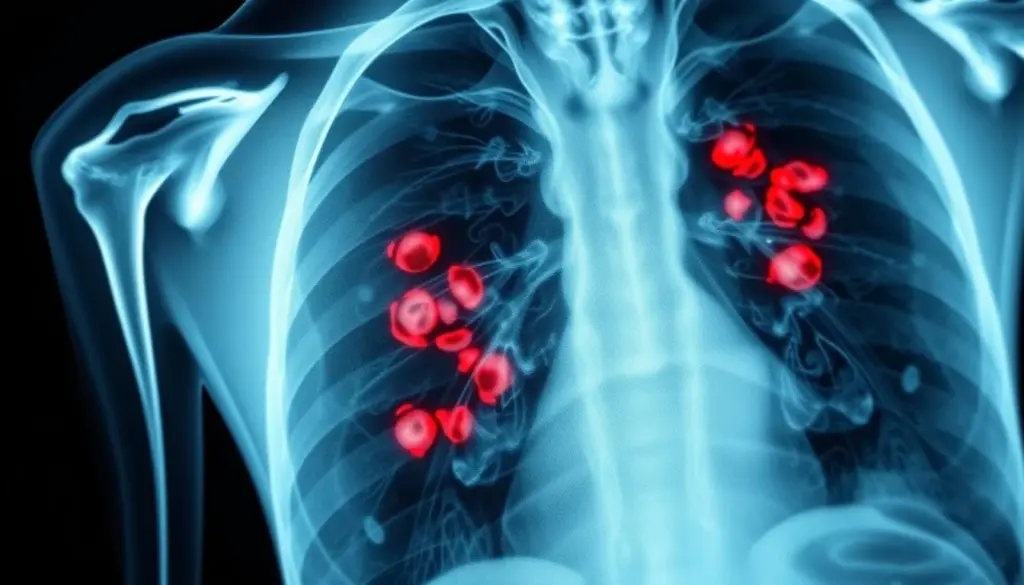
Accurate staging forms the backbone of the overview and definition of lung cancer management. Staging determines the extent of disease spread and influences therapeutic decisions. The TNM system, endorsed by the American Joint Committee on Cancer (AJCC), remains the gold standard.
The TNM classification evaluates three components:
Based on the combination of T, N, and M values, lung cancer is grouped into stages I through IV:
At Liv Hospital, staging is performed using high‑resolution CT, PET‑CT, MRI, and, when necessary, minimally invasive mediastinoscopy. This comprehensive approach ensures that each patient’s treatment plan aligns precisely with their disease stage.
Understanding the overview and definition of lung cancer also involves recognizing its risk factors and early warning signs. Early detection dramatically improves survival rates.
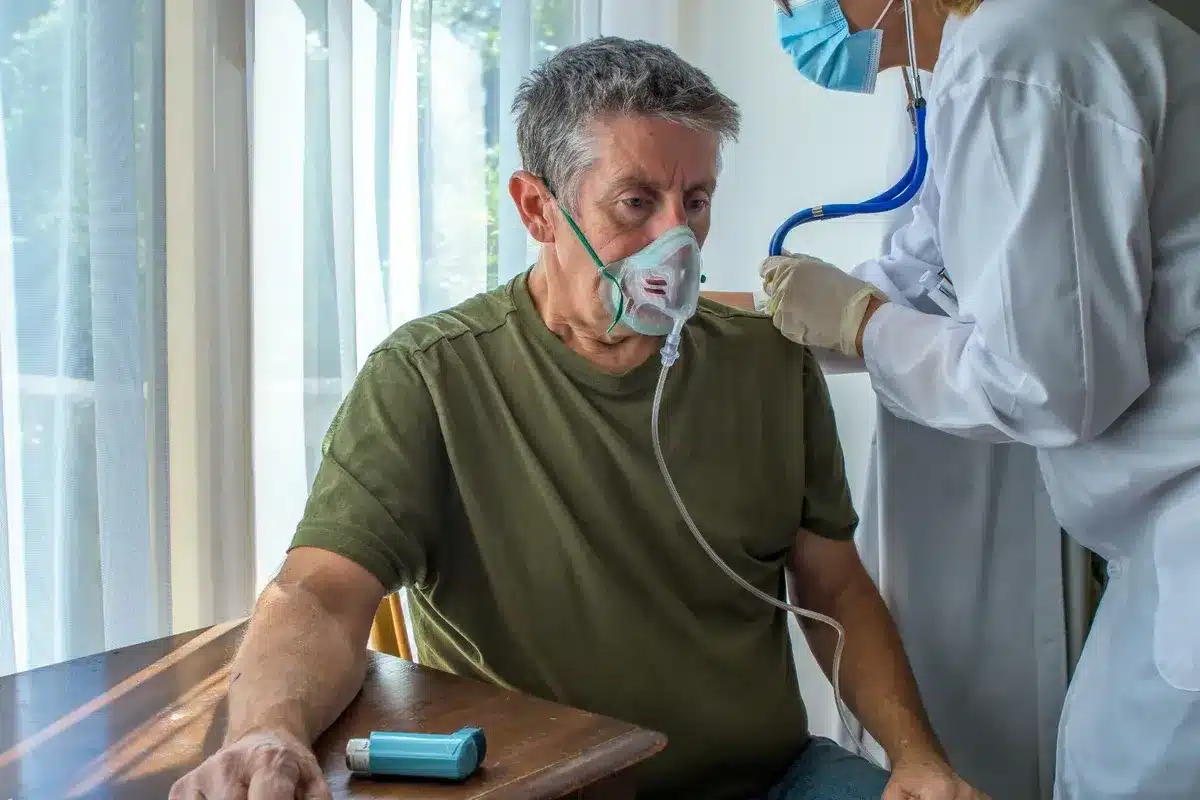
Early lung cancer may be asymptomatic, but common initial manifestations include:
Because these symptoms overlap with benign conditions, international patients are encouraged to seek prompt evaluation if they persist, especially if risk factors are present.
Accurate diagnosis is a cornerstone of the overview and definition of lung cancer care. Liv Hospital integrates state‑of‑the‑art imaging, pathology, and molecular testing to deliver a precise diagnosis.
Definitive diagnosis requires tissue sampling. Options include:
Once tissue is obtained, molecular profiling identifies actionable mutations (e.g., EGFR, ALK, ROS1) that guide targeted therapies. Liv Hospital’s pathology department follows international standards to ensure rapid, accurate results.
Therapeutic choices reflect the overview and definition of lung cancer’s complexity. Treatment is personalized based on stage, histology, molecular profile, and patient health.
Early‑stage NSCLC (Stage I‑II) may be cured with surgery, including lobectomy, segmentectomy, or minimally invasive video‑assisted thoracoscopic surgery (VATS). Liv Hospital’s thoracic surgeons are experienced in robotic‑assisted procedures, offering reduced recovery times.
For patients unsuitable for surgery or with locally advanced disease, stereotactic body radiation therapy (SBRT) and conventional fractionated radiotherapy provide precise tumor targeting while sparing healthy tissue.
Liv Hospital participates in international clinical trials, offering patients access to novel agents such as antibody‑drug conjugates, CAR‑T cell therapy, and next‑generation immunomodulators. Enrollment is coordinated by a dedicated clinical research team that assists international patients with travel, accommodation, and language support.
Liv Hospital combines JCI accreditation, a multidisciplinary oncology team, and a 360‑degree international patient service model. From the first appointment through post‑treatment follow‑up, patients receive personalized care, interpreter assistance, and coordinated logistics, ensuring a seamless experience in Istanbul’s leading medical destination.
Ready to take the next step toward expert lung cancer care? Contact Liv Hospital today to schedule a comprehensive consultation and discover how our world‑class team can support you throughout your treatment journey.

Send us all your questions or requests, and our expert team will assist you.
Lung cancer is the uncontrolled growth of malignant cells in the lung tissue. Surgeons remove tumors through procedures like lobectomy, aiming for a cure.
The treatments, surgery, chemotherapy, and radiation, treat the malignant tumors in the lung tissue, aiming to eliminate cancer cells and prevent their spread.
The two main types are Non-Small Cell Lung Cancer (NSCLC, which is most common) and Small Cell Lung Cancer (SCLC, which is more aggressive).
You should see a surgeon if scans suggest the cancer is localized to the lung and is potentially removable, which is the best chance for a surgical cure.
Lung cancer starts in the lung. Metastatic cancer in the lung started elsewhere (e.g., colon cancer) and is treated based on its original cell type.

 Cancer
 Cancer
 Cancer
 Cancer
 Cancer
 Cancer
Leave your phone number and our medical team will call you back to discuss your healthcare needs and answer all your questions.
Your Comparison List (you must select at least 2 packages)