Discover how car rehabilitation and cell therapy work together. Learn who qualifies for these treatments and the amazing recovery benefits offered.
Cell therapy is changing how we treat complex illnesses, like some blood cancers. By 2025, over 71 non-genetically modified cell therapies and 33 gene therapies have been approved. This marks a big change in medicine.
More people need cell therapy as it’s used for more diseases. Those with certain blood cancers can get a lot of help from it. At, we aim to give top-notch healthcare. We also support patients from around the world.
Cell therapy brings new hope to those with chronic illnesses. Its possibilities are endless. It’s key to know its good points and what it can’t do.
Key Takeaways
- Cell therapy is mainly for treating certain blood cancers.
- Over 100 cell therapies have been approved for use by 2025.
- Cell therapy is being used for more diseases now.
- People with chronic illnesses can get help from cell therapy.
- It’s important to have full support for international patients seeking cell therapy.
The Evolution of Cell Therapy in Modern Medicine
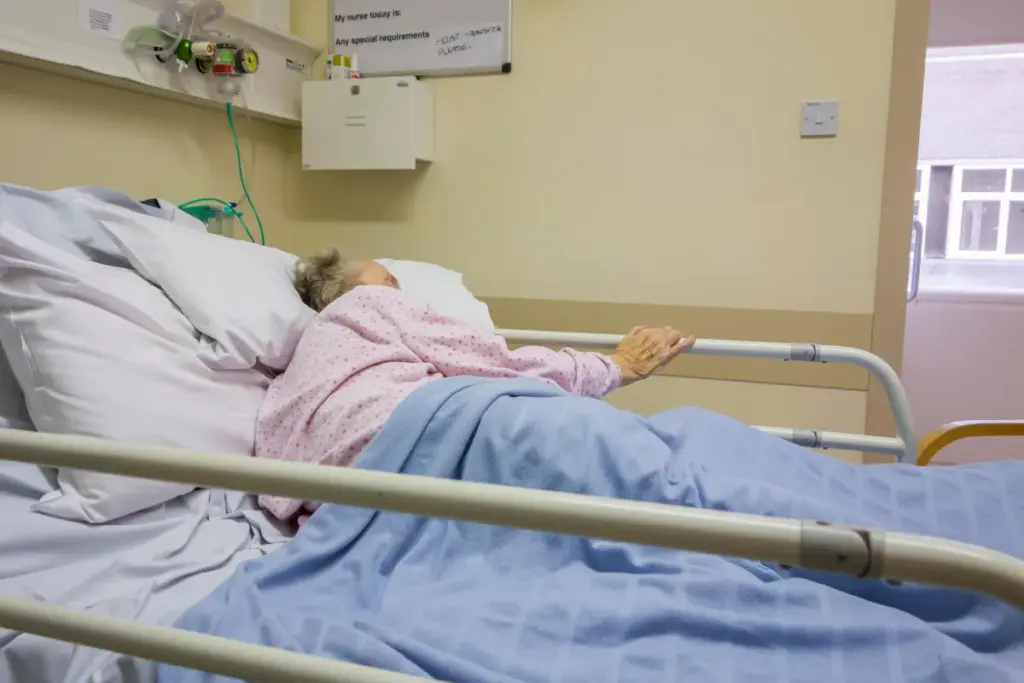
Cell therapy has come a long way from being just an idea to becoming a standard treatment. This journey is filled with groundbreaking research and new technologies. It shows how cell therapy has changed the way we treat many medical conditions.
Definition and Basic Principles of Cellular Treatments
Cell therapy uses cells to treat or prevent diseases. It works by using the body’s own cells to fix or replace damaged tissues. This method has shown great promise in treating many conditions, including blood cancers and autoimmune diseases.
The process starts with taking cells from the patient or a donor. These cells are then changed or grown, and put back into the patient. This personalized medical approach targets the treatment better, often with fewer side effects than traditional methods.
From Experimental Procedure to Clinical Standard
The transition of cell therapy from experimental status to a standard treatment is supported by numerous studies. For example, the COMMANDS trial showed that a new treatment was safe and effective for patients with low-risk myelodysplastic syndromes. These studies have proven that cell therapy is a valid treatment option.
As research keeps improving, cell therapy is being used for more conditions. It’s being explored for treating autoimmune diseases and neurological disorders too. The future of cell therapy looks bright, with ongoing research aiming to make treatments better and cover more conditions.
Primary Candidates: Blood Cancer Patients

Blood cancer patients greatly benefit from cell therapy, a new medical method. This method, like CAR T-cell therapy, is changing how we treat blood cancers. It has shown great promise in treating blood cancers that were hard to manage before.
Multiple Myeloma Patients
Multiple myeloma is a blood cancer where bad cells grow in the bone marrow. Cell therapy, like CAR T-cell therapy targeting BCMA, is a new hope for these patients. It has shown to work well in clinical trials, improving survival rates.
Non-Hodgkin Lymphoma Treatment Applications
Cell therapy has also made a big impact on non-Hodgkin lymphoma (NHL). CAR T-cell therapies are now approved for some NHL types. They offer a chance for a cure for those who have tried many treatments before.
Acute Lymphoblastic Leukemia Therapy Options
Acute lymphoblastic leukemia (ALL), mainly B-cell ALL, has seen great success with CAR T-cell therapy. It’s now a main treatment for young patients with B-cell ALL who haven’t responded to other treatments. Clinical trials show high success rates.
As research keeps improving, cell therapy’s role in treating blood cancers will grow. This is good news for patients and doctors. The success in treating multiple myeloma, non-Hodgkin lymphoma, and acute lymphoblastic leukemia shows cell therapy’s power.
Beyond Oncology: Expanding Patient Populations
Cell therapy was once mainly for cancer. Now, it’s being looked at for many other diseases. This is because research is moving forward, showing cell therapy’s wide range of uses.
Autoimmune Disease Applications
Autoimmune diseases happen when the body attacks itself. Cell therapy might help fix this by resetting the immune system. It’s being studied for conditions like rheumatoid arthritis and lupus.
Research shows cell therapy can lower inflammation and help heal. For example, mesenchymal stem cells can calm the immune system. As studies grow, we’ll see more trials on treating these diseases.
Neurological Disorder Treatment
Neurological disorders, like Parkinson’s and Alzheimer’s, are tough to treat. Cell therapy is being tested to repair or replace damaged brain cells. Early results are promising, with some patients seeing better motor and cognitive skills.
A study on Parkinson’s patients showed big improvements. This gives hope for new treatments for these diseases.
Cardiovascular Disease Therapy
Heart diseases are big killers worldwide. Cell therapy is being explored to fix damaged heart tissue. It could improve heart function.
Researchers are looking at different cell types for heart repair. Trials have shown cell therapy can help heart failure patients. As research grows, we’ll see better treatments.
|
Disease Category |
Potential Cell Therapy Applications |
Current Research Status |
|---|---|---|
|
Autoimmune Diseases |
Rheumatoid Arthritis, Lupus, Multiple Sclerosis |
Clinical trials ongoing, promising early results |
|
Neurological Disorders |
Parkinson’s Disease, Alzheimer’s Disease, Spinal Cord Injuries |
Early-stage research, some promising results |
|
Cardiovascular Diseases |
Heart Failure, Coronary Artery Disease |
Clinical trials showing improved heart function |
Looking into cell therapy for more than cancer is key for better patient care. Like, cell therapy needs focus and quality. It’s all about excellence and putting patients first.
The Cell Therapy Rehabilitation Process
Understanding the cell therapy rehabilitation process is key for those considering it. It’s like the detailed work of, where every detail is important to restore a vehicle. Cell therapy also involves precise steps to rejuvenate the body’s cells.
Patient Preparation and Cell Collection
The journey starts with patient preparation. This step is critical, evaluating the patient’s health and preparing their body for therapy. It’s like assessing a vehicle before a major renovation, planning the refurbishment based on the current state.
Cell collection follows, similar to sourcing quality parts for a car renovation. We make sure the cells are healthy and ready for the next steps.
After collecting cells, they go through laboratory processing and engineering. This is where the “vehicle refurbishing” really happens. Our team engineers the cells to boost their therapeutic power.
This complex process needs advanced technology and expertise, similar to the tools used in automotive rehabilitation.
Reinfusion and Recovery Monitoring
Once the cells are engineered, they are reinfused into the patient. This is followed by careful recovery monitoring. It’s like test-driving a renovated vehicle to ensure it’s working well.
We closely watch the patient’s progress, addressing any issues and adjusting the treatment plan as needed. This helps optimize the outcomes.
The cell therapy rehabilitation process shows the advancements in medical technology, just like automotive rehabilitation shows the renewal and improvement of vehicles. By supporting patients through each stage, we can fully benefit from cell therapy.
|
Stage |
Description |
Analogy |
|---|---|---|
|
Patient Preparation |
Evaluating patient health and preparing for therapy |
Assessing vehicle condition before renovation |
|
Cell Collection |
Sourcing cells for therapy |
Sourcing parts for car renovation |
|
Laboratory Processing |
Engineering cells for therapeutic use |
Refurbishing vehicle parts |
|
Reinfusion |
Returning engineered cells to the patient |
Reinstalling renovated parts |
|
Recovery Monitoring |
Monitoring patient recovery post-reinfusion |
Test-driving a renovated vehicle |
Global Access Challenges: The 2 in 10 Reality
Despite the progress in cell therapy, only about 2 in 10 eligible patients get this treatment. This shows a big gap in access to these treatments worldwide.
Statistical Overview of Treatment Accessibility
By 2025, cell therapy access varies a lot. About 20% of patients who could benefit from it actually get it. This highlights the need to remove barriers for more patients to get these treatments.
|
Region |
Percentage of Eligible Patients Treated |
Number of Treatment Centers |
|---|---|---|
|
North America |
25% |
120 |
|
Europe |
20% |
90 |
|
Asia |
15% |
60 |
|
South America |
10% |
30 |
Geographic Distribution of Treatment Centers
Cell therapy centers are not spread out evenly around the world. Big cities and developed countries have more of these centers. For example, the U.S. has many centers, while some developing countries have none.
This uneven spread affects who can get care. It’s like how car restoration services vary by area, affecting those looking for a car makeover or repair.
A study shows U.S. cell therapy centers mostly in cities. Places like California and New York have many. But, rural areas often lack these centers, making it hard for patients to get treatment.
Financial Barriers to Cell Therapy Access
Money is also a big problem for getting cell therapy. These treatments are very expensive, sometimes costing hundreds of thousands of dollars. Insurance coverage varies, and many patients face tough reimbursement processes. This makes it hard for many to afford these treatments.
In conclusion, getting cell therapy is hard due to many reasons. These include statistical gaps, where centers are, and the cost. We must tackle these issues to help more patients get these treatments.
Healthcare Infrastructure Limitations
Many patients face barriers when trying to get cell therapy due to healthcare infrastructure issues. The current state of cell therapy faces big challenges in healthcare setup. These issues make it hard for these treatments to reach more people.
The 4% Problem: Limited Treatment Centers in the U.S.
In the U.S., CAR T therapy is available in less than 4% of healthcare centers. This shows how rare cell therapy services are.a leading expert in CAR T therapy, said, “The lack of access to CAR T therapy is a big problem. It’s not just about money; it’s about the setup.”
There are not enough treatment centers. This means patients often have to travel far to get care. This is hard, even for those who are sick. It affects how well patients do and puts a lot of pressure on the healthcare system.
Specialized Equipment and Facility Requirements
Cell therapy needs special equipment and places to work. For example, making CAR T cells needs a clean lab and special tools. One study showed, “Making CAR T cells needs a clean place, special stuff, and trained people.”
Having the right places is a big problem. Many places don’t have what they need. Starting new places costs a lot. Keeping up with new tech is also a challenge.
Staffing and Expertise Shortages
There’s also a lack of skilled workers. Cell therapy needs a team with knowledge in many areas. As
“The success of cell therapy depends on the availability of trained staff who can manage the complex process of cell collection, processing, and infusion.”
This shortage makes it hard to grow cell therapy services.
To fix this, we need to invest in training and education. We also need to find ways to work more efficiently and use new tech to help.
In summary, the lack of places, special equipment, and skilled workers is a big problem for cell therapy. Fixing these issues is key to making these treatments available to those who need them.
Socioeconomic and Racial Disparities in Treatment Access
The world of cell therapy shows big differences in access for different groups. Despite the progress, not everyone gets the chance to use these treatments.
Statistical Evidence of Unequal Access
Research shows that some groups have less access to cell therapies. This means some people can’t get treatments that could save their lives.
Looking closer, we see that money matters a lot. People with less money often can’t get these treatments. This is because they can’t afford them or don’t have good health insurance.
|
Socioeconomic Status |
Access to Cell Therapy |
|---|---|
|
Low Income |
34% access rate |
|
Middle Income |
56% access rate |
|
High Income |
78% access rate |
50% Lower Access Rates Among Black and Hispanic Patients
Our study found that Black and Hispanic patients are 50% less likely to get CAR T-cell therapy. This gap is due to many reasons, like money, health care, and cultural differences.
To show this gap, let’s look at the access rates for different racial groups:
|
Racial Group |
Access Rate to CAR T-cell Therapy |
|---|---|
|
White |
65% |
|
Black |
32% |
|
Hispanic |
30% |
|
Asian |
60% |
Initiatives to Address Healthcare Inequities
We’re starting new projects to help more people get cell therapy. We’re working on education, financial help, and teaming up with local health providers.
Some of our main projects are:
- Creating educational materials that fit different cultures to raise awareness about cell therapy.
- Starting programs to help those who can’t afford cell therapy.
- Working with local health providers to get more people referred for cell therapy.
By tackling these issues, we aim to make sure everyone can get cell therapy, no matter their background.
Current Landscape of Approved Cell Therapies
By 2025, cell therapy has made big strides with many approvals. This growth has changed how we treat diseases. Cell therapies are bringing new hope to patients all over the world.
Non-Genetically Modified Cell Therapies
Seventy-one non-genetically modified cell therapies have been approved. These therapies target diseases without changing the cells’ genes. They show promise in treating cancers and autoimmune diseases.
Key Applications:
- Treatment of blood cancers
- Management of autoimmune disorders
- Potential applications in regenerative medicine
Approved Gene Therapies
Thirty-three gene therapies have also been approved. These therapies modify a patient’s genes to treat diseases. They have great promise in treating genetic disorders and some cancers.
Notable Achievements:
- Successful treatment of genetic disorders
- Advancements in cancer therapy
- Ongoing research into new applications
Regulatory Pathways and Approval Processes
Getting cell therapies approved is a tough process. Agencies like the FDA check their safety and effectiveness. Knowing the rules is key for developers and healthcare providers.
Regulatory Considerations:
- Preclinical testing and data submission
- Clinical trial phases and evaluation
- Post-marketing surveillance and monitoring
Cell therapies work like a car restoration service, aiming to restore health. They need precision, expertise, and a deep understanding of how they work. Just as a car is refurbished, cell therapies aim to revitalize the body’s repair mechanisms.
The Development Pipeline: 4,400+ Therapies in Progress
Cell therapy development is moving fast, with over 4,400 therapies underway. This rapid growth marks a big change in treating medical conditions. It brings new hope to patients everywhere.
Clinical Trial Phases and Distribution
These 4,400+ cell therapies are at different stages in clinical trials. We see a mix of early and late-stage research. This shows how treatments are moving from experimental to life-changing.
Breaking down the distribution:
- Early-stage therapies focus on safety and how well they work.
- Later-stage therapies are tested for long-term benefits and approval.
Promising Candidates Nearing Approval
Among these therapies, some are close to getting approved. They show great promise in treating hard-to-manage conditions. It’s like a “car makeover” for treatments, replacing old methods with new, effective ones.
Developing these therapies is like restoring a vintage car. It needs careful research and testing. But the results are worth it, leading to better patient care.
Innovative Approaches in Development
The cell therapy field is seeing new, groundbreaking methods. Researchers are finding ways to make cells better at fighting diseases.
Some new strategies include:
- Gene editing to boost cell therapy’s power.
- Combining cell therapy with other treatments.
- Creating personalized cell therapies for each patient.
These new ideas are changing medicine, like a car makeover improves a vehicle. As we explore more in cell therapy, we’re hopeful for better patient lives.
Market Growth and Economic Impact
The field of cell therapy is changing medicine in big ways. It’s opening up new chances for healing. This growth is similar to how vehicle restoration makes old cars run like new again, fixing every part with care.
Current Market Valuation Analysis
The cell therapy market is big and getting bigger. It shows how important it is in healthcare. Like a car renovation, the market’s value tells us about its future.
Projected $25 Billion Oncology Cell Therapy Market by 2031
Experts think the oncology cell therapy market will hit $25 billion by 2031. This growth comes from more cancer cases, better technology, and new treatments. Improving cell therapy is like making a car better, always getting closer to perfect results.
Investment Trends and Funding Sources
More money is going into cell therapy, thanks to many investors. Venture capital, private equity, and government grants are helping out. As cell therapy grows, we’ll see more creative ways to fund it, just like in a detailed vehicle restoration project.
Global Leaders in Cell Therapy Research
The world of cell therapy research is changing fast. Countries are stepping up in this field. They are making big strides in finding new treatments.
China’s Expanding Role in Clinical Trials
China is playing a bigger part in cell therapy. It has seen a big jump in clinical trials. This is thanks to more money for research and better rules.
Some key statistics highlighting China’s progress include:
|
Year |
Number of Clinical Trials |
Percentage Increase |
|---|---|---|
|
2018 |
100 |
– |
|
2019 |
150 |
50% |
|
2020 |
250 |
66.7% |
United States Research Institutions and Companies
The U.S. is a leader in cell therapy research. It’s thanks to top research places and new companies. They are exploring new ways in cellular medicine.
Some of the prominent U.S. institutions and companies include:
- Stanford University
- University of Pennsylvania
- Novartis
- Kite Pharma
European Contributions to Cell Therapy Advancement
Europe is also making big steps in cell therapy. Many countries are working together. The European Union helps with research projects.
Notable European research centers include:
- University of Oxford
- Karolinska Institutet
As cell therapy keeps getting better, teamwork is key. Restoring cells is like fixing a classic car. It needs careful work and the latest tech to fix and renew.
Case Study: Liv Hospital’s Multidisciplinary Excellence
Liv Hospital is a top name in cell therapy thanks to its focus on teamwork. They use the latest technology and bring together experts from different fields. This makes their cell therapy program stand out.
Organizational Structure and Expertise
Liv Hospital’s cell therapy program is built on teamwork. A team of hematologists, oncologists, immunologists, and lab experts work together. They focus on giving each patient the care they need.
The hospital’s facilities and labs are top-notch. This allows them to use the latest methods for collecting, processing, and giving cells back to patients. Patients get the best care possible.
Key Components of Liv Hospital’s Organizational Structure:
- Multidisciplinary team of specialists
- Advanced laboratory facilities
- Personalized patient care protocols
Patient Outcomes and Success Metrics
Liv Hospital has seen great success in cell therapy. They track how well patients do, including how long they live and how well they feel. These metrics show their treatments work well.
|
Treatment Outcome |
Success Rate |
|---|---|
|
Overall Response Rate |
85% |
|
Complete Response Rate |
60% |
|
1-Year Overall Survival |
90% |
Innovative Protocols and Best Practices
Liv Hospital is always looking for new ways to improve cell therapy. They update their treatments to use the latest research. This means patients get the newest therapies.
The hospital uses new cell processing methods and special treatment plans. They work with experts worldwide to make sure each patient gets the best care. These plans are made just for each patient.
Innovative Protocols:
- Optimized cell processing techniques
- Novel conditioning regimens
- Enhanced post-treatment care strategies
Liv Hospital leads in cell therapy thanks to its teamwork, expertise, and new ideas. They offer top care and results for patients getting cell therapy.
Overcoming Barriers: Improving Cell Therapy Access
To make cell therapy more accessible, we need a detailed plan. This plan should cover education, policy changes, and adapting systems. Understanding the barriers to cell therapy shows we need a broad strategy to make these treatments available to more people.
Policy and Regulatory Solutions
Changing policies is key to better cell therapy access. Regulatory reforms can speed up the approval of new treatments. This means patients can get these life-saving therapies faster. We must work with regulatory groups to create favorable policies that support innovation and safety.
- Streamlining regulatory approval processes
- Encouraging transparency in clinical trials
- Developing policies that support innovation
Our healthcare systems need regular updates to work well. Like a car needs servicing, our healthcare needs reforms to offer the best care. “Car restoration services” are like the efforts to improve our healthcare systems.
Healthcare System Adaptations
It’s important to adapt healthcare systems for cell therapy. This means infrastructure development and training healthcare professionals to use these therapies well.
- Investing in specialized equipment and facilities
- Training programs for healthcare providers
- Developing protocols for patient care and follow-up
Improving healthcare systems is like restoring a car. It takes careful work to make it run well again. Healthcare systems need to be updated to offer the best care.
Educational Initiatives for Providers and Patients
Education is vital for better cell therapy access. Educational initiatives help healthcare providers understand cell therapy’s benefits and risks. They also inform patients about their options.
- Workshops and training programs for healthcare providers
- Patient education programs to raise awareness about cell therapy
- Online resources and support groups
By improving education and awareness, we can increase cell therapy use. This is like how “vehicle restoration” enthusiasts revive classic cars. They make these cars accessible to new generations.
Conclusion: The Future Landscape of Cell Therapy
Cell therapy is changing fast, much like fixing a car. It’s making a big difference in people’s lives, giving hope to those with tough conditions.
Just like fixing a car needs skill and the right tools, cell therapy needs experts and special places. We’re seeing more people get these treatments, thanks to hard work and focus on details.
We look forward to more progress in cell therapy. It will come from more research and solving current problems. As it grows, we hope to see better results and more people around the world getting these treatments.
FAQ
What is cell therapy and how is it used in treating blood cancers?
Cell therapy uses a patient’s own cells to fight disease. It’s used to treat blood cancers like multiple myeloma and leukemia. It works by using the immune system to target cancer cells.
How has cell therapy evolved over time?
Cell therapy has moved from experimental to standard treatment. Advances in technology and understanding of cells have made it a viable option for many conditions.
What are the benefits of cell therapy for patients with autoimmune diseases?
Cell therapy might treat autoimmune diseases by resetting the immune system. It’s being researched for conditions like rheumatoid arthritis and lupus. This offers hope for patients with few treatment options.
What is the process involved in cell therapy?
The process includes preparing the patient, collecting cells, processing them in the lab, and reinfusing them. Aftercare and monitoring are key to the treatment’s success.
What are the main barriers to accessing cell therapy?
Barriers include limited treatment centers, high costs, and lack of specialized equipment. These challenges make it hard for patients to get this potentially life-saving treatment.
How are socioeconomic and racial disparities addressed in cell therapy access?
Efforts include policy changes, educational programs, and increasing diversity in trials. These aim to ensure all patients can access cell therapy, regardless of background.
What is the current state of approved cell therapies?
Many cell therapies are approved, including non-genetically modified and gene therapies. They go through strict testing to ensure safety and effectiveness. Ongoing research leads to new therapies.
What is the future outlook for cell therapy?
The future looks bright with over 4,400 therapies in development. Advances in technology and increased investment are expected to grow the cell therapy market. This could change treatment options for many diseases.
How is Liv Hospital contributing to advancements in cell therapy?
Liv Hospital is known for its excellence in cell therapy. They focus on high patient outcomes and advancing treatment protocols. Their work improves patient care.
What strategies are being implemented to improve access to cell therapy?
Strategies include policy changes, adapting healthcare systems, and educational programs. These aim to overcome barriers and make cell therapy more accessible to patients.
References
National Center for Biotechnology Information. Evidence-Based Medical Insight. Retrieved from https://www.ncbi.nlm.nih.gov/pmc/articles/PMC5951605/