
CAR-T cell therapy is a new hope for some cancer patients. But, it also comes with unique risks. At Liv Hospital, our team helps patients understand these risks and benefits.
We will look at the 8 main risks of CAR-T cell therapy. Knowing these side effects helps patients prepare for treatment. Our focus is on giving you the best care and support during treatment.
Key Takeaways
- CAR-T cell therapy is a revolutionary cancer treatment with risks.
- Understanding side effects is key for making informed choices.
- Liv Hospital’s teams offer full care and support.
- 8 main risks are linked to CAR-T cell therapy.
- We focus on personalized care for each patient.
What Is CAR T-Cell Therapy: Understanding the Breakthrough Treatment

CAR T-cell therapy is a new way to treat cancer. It changes a patient’s T cells to fight cancer. This method has changed how we treat blood cancers. It uses the immune system to help patients who haven’t responded to other treatments.
The Science Behind White Blood Cell Therapy
This therapy starts by taking T cells from a patient’s blood. Then, these cells are changed to find and kill cancer cells. After being changed, these T cells are put back into the patient to fight cancer.
Types of Cancers Treated with CAR-T Cell Therapy
CAR T-cell therapy mainly helps with blood cancers like leukemia and lymphoma. It works well for patients who haven’t gotten better with other treatments.
| Cancer Type | Description | Treatment Outcome |
|---|---|---|
| Acute Lymphoblastic Leukemia (ALL) | A type of blood cancer affecting the bone marrow | High remission rates with CAR T-cell therapy |
| Diffuse Large B-Cell Lymphoma (DLBCL) | A common type of non-Hodgkin lymphoma | Effective in patients who have not responded to other treatments |
The CAR-T Cell Infusion Process
The first step is leukapheresis, where T cells are taken from the blood. These cells are then changed to find cancer cells. After that, they are grown and frozen for later use.
Before being put back into the patient, the cells may get a special treatment. This treatment helps the CAR T cells work better. The changed cells then go back into the patient to fight cancer.
How CAR T Side Effects Develop: The Immune Response Mechanism
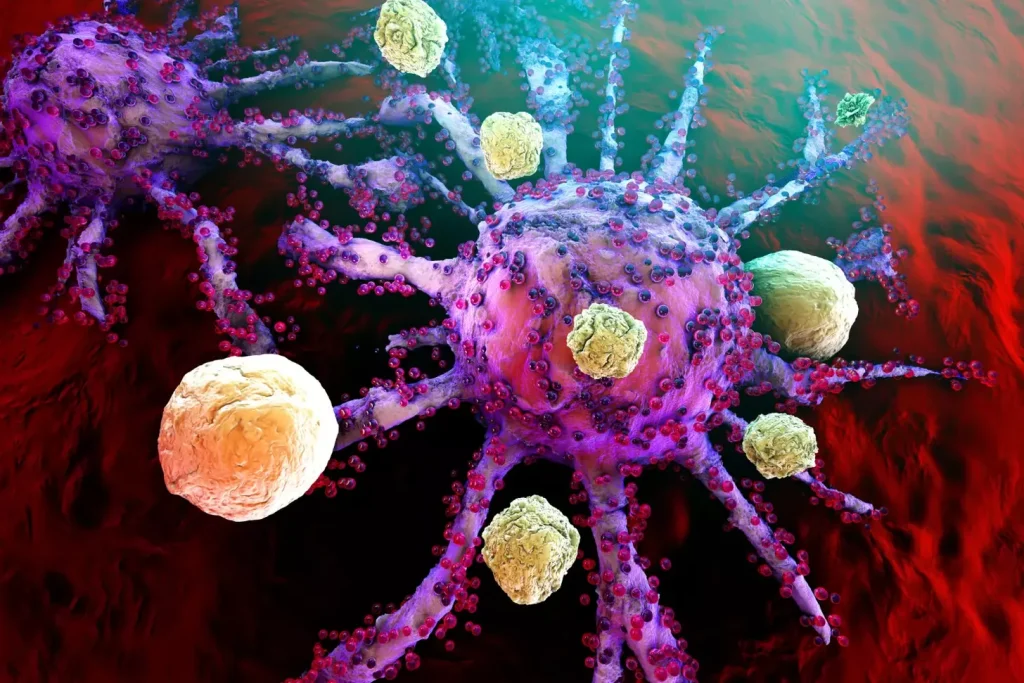
CAR T-cell therapy is becoming a key treatment for cancer. It’s important to know how it works to manage its side effects. This therapy takes a patient’s T cells, changes them to find cancer, and puts them back in the body. This action starts an immune response that can help fight cancer but also has risks.
Why Complications Occur During Immunotherapy
The immune response from CAR T-cell therapy can sometimes cause too much cytokine release. This leads to Cytokine Release Syndrome (CRS) and neurotoxicity. CRS is a serious condition that needs quick action to manage.
The immune system gets very active during immunotherapy. This can cause problems. For example, CAR T cells can release a lot of cytokines like IL-6 and IFN-γ. This can cause CRS, with symptoms like high fever, low blood pressure, and organ problems.
Risk Factors for Developing Adverse Reactions
Several things can increase the risk of side effects from CAR T-cell therapy. These include the patient’s health before treatment, the type and amount of CAR T cells used, and any immune disorders. For instance, those with a lot of tumors are more likely to have severe CRS because of the quick cytokine release.
Knowing these risk factors helps us find who might face more side effects. The National Cancer Institute is working on ways to lessen these risks and improve treatment results.
By understanding the immune response and the risks, we can manage CAR T-cell therapy side effects better. This helps us give better care to those undergoing this treatment.
Cytokine Release Syndrome (CRS): The Primary Challenge
CAR T-cell therapy is a breakthrough in cancer treatment. But, it comes with a big risk: Cytokine Release Syndrome (CRS). CRS is when cytokines flood the blood, causing a severe inflammatory response. This can be life-threatening if not treated quickly.
Recognizing CRS: High Fever, Chills, and Fatigue
CRS symptoms can differ from person to person. They often include high fever, chills, and feeling very tired. In severe cases, it can cause low blood pressure, breathing problems, and damage to organs. Spotting these signs early is key to effective treatment.
Severity Grades and Incidence Rates
CRS can be mild or very serious, affecting 70-90% of CAR T-cell therapy patients. It’s graded from 1 to 4, with higher numbers meaning worse symptoms. Knowing the severity helps doctors choose the right treatment.
| Grade | Symptoms | Incidence Rate |
|---|---|---|
| 1 | Mild symptoms, fever | 70-90% |
| 2 | Moderate symptoms, hypotension | |
| 3 | Severe symptoms, hypoxia | |
| 4 | Life-threatening symptoms, organ dysfunction |
Effective Treatment Approaches for Managing CRS
Dealing with CRS needs a team effort. Doctors use steroids and drugs like tocilizumab to fight it. The treatment plan depends on how bad CRS is. Quick action and careful monitoring are vital to reduce risks.
Knowing about CRS helps doctors manage it better. This improves patient care and life quality.
Neurotoxicity and ICANS: Effects on Brain Function
Neurotoxicity, or ICANS, is a serious side effect of CAR T-cell therapy. It affects a big part of patients. ICANS, or Immune Effector Cell-Associated Neurotoxicity Syndrome, causes various neurological symptoms after CAR T-cell infusion. It’s key to understand ICANS to manage its effects and improve patient outcomes.
Confusion, Tremors, and Seizures: Key Symptoms
ICANS symptoms vary but often include confusion, disorientation, tremors, and seizures. These symptoms need quick medical attention. ICANS is graded from 1 to 4, with 1 being mild and 4 life-threatening.
Incidence and Risk Factors
ICANS affects up to 40% of CAR T-cell therapy patients. It’s a big concern. Factors like the CAR T-cell dose, patient health, and biomarkers play a role. Knowing these helps doctors watch patients closely.
Some patients are more likely to get ICANS. For example, those with neurological disorders or high CAR T-cell doses are at higher risk. Early detection and intervention are critical in managing ICANS effectively.
Monitoring and Treatment Protocols
Managing ICANS means watching patients closely for early signs of neurotoxicity. Treatment may include corticosteroids and supportive care. In severe cases, more intense treatments are needed.
| Grade | Symptoms | Management |
|---|---|---|
| 1 | Mild symptoms | Supportive care |
| 2 | Moderate symptoms | Corticosteroids, close monitoring |
| 3 | Severe symptoms | Intensive care, possible ICU admission |
| 4 | Life-threatening | Aggressive intervention, ICU care |
Experts say, “Early recognition and management of ICANS are key to prevent long-term damage and improve outcomes.”
This shows the need for a proactive approach to ICANS management.
Prolonged Cytopenias: Blood Cell Count Complications
One major side effect of CAR T-cell therapy is prolonged cytopenias. This condition means low blood cell counts. It raises the risk of infections and bleeding. We need to know how to manage these issues to help patients recover.
Understanding Low Blood Cell Counts After Treatment
After CAR T-cell therapy, patients may face low blood cell counts. This happens because the treatment triggers a strong immune response. This response can harm the bone marrow, making it hard to produce blood cells.
Cytopenias can affect red blood cells, white blood cells, and platelets. Each type is important for our health.
Low blood cell counts can cause a range of problems. From mild fatigue to serious infections, the impact is significant. Knowing why these issues happen is key to managing them well.
Duration and Severity of Hematologic Issues
The length and severity of cytopenias vary among patients. Some may see temporary drops in blood cell counts. Others may face long-lasting and severe issues.
Several factors can affect how long and severe cytopenias are. These include the patient’s health, the CAR T-cell product, and any underlying conditions.
Research shows many patients with CAR T-cell therapy face cytopenias for weeks or months. The severity is graded to help doctors plan the best care.
Management Strategies for Blood Cell Recovery
Managing cytopenias requires a detailed plan. It includes blood transfusions and growth factors to boost white blood cell production. Antimicrobial prophylaxis may also be used to prevent infections.
Dr. Stephen J. Schuster, an expert in hematology, says,
“The management of cytopenias after CAR T-cell therapy requires careful monitoring and a proactive approach to mitigate risks and support patients through this challenging period.”
Understanding the causes and using effective strategies can help patients through CAR T-cell therapy. This approach aims for the best possible outcomes.
Infection Susceptibility: The Compromised Immune System
After CAR T-cell therapy, patients face a higher risk of infections. This is because their immune system is weakened. It’s important to manage this risk to prevent and treat infections well.
Common Infections Following CAR-T Transplant
Patients who have had CAR T-cell therapy are more likely to get infections. This is because their immune system is not strong enough. Some common infections include:
- Bacterial infections: These can be mild or severe, like pneumonia or sepsis.
- Viral infections: Viruses like CMV or EBV can reactivate.
- Fungal infections: Patients are at risk of serious fungal infections.
Preventive Measures and Prophylactic Treatments
To lower the risk of infections, several steps are taken:
- Antimicrobial Prophylaxis: Patients may get treatments to prevent infections.
- Monitoring: It’s important to watch for signs of infection closely.
- Vaccinations: Vaccination plans may change after treatment.
Recognizing and Addressing Infection Complications
It’s key to spot and manage infections early. This means:
- Clinical Vigilance: Doctors need to watch for infection signs.
- Diagnostic Tests: Quick tests are needed to find the infection cause.
- Targeted Therapy: Start the right treatment based on the infection found.
By knowing the risks and taking steps to prevent them, we can lessen the chance of infections in CAR T-cell therapy patients.
Metabolic Complications: Electrolyte Imbalances and Organ Function
After CAR T-cell therapy, patients might face electrolyte imbalances and tumor lysis syndrome. It’s important to know about these side effects to give the best care. We’ll look at the types of electrolyte problems, the dangers of tumor lysis syndrome, and how to fix these issues.
Types of Electrolyte Abnormalities
Electrolytes are key for our body’s functions, like nerve and muscle work, staying hydrated, and keeping the right pH. CAR T-cell therapy can upset these balances, causing sodium, potassium, calcium, and phosphate imbalances. Hyponatremia and hypernatremia are sodium issues, while hypokalemia and hyperkalemia deal with potassium. These problems can come from the cytokine release syndrome (CRS) or other treatment effects.
Tumor Lysis Syndrome Risks
Tumor lysis syndrome (TLS) is a serious issue that can happen when CAR T-cell therapy kills cancer cells fast. It leads to high levels of potassium, phosphate, and nucleic acids in the blood, causing hyperkalemia, hyperphosphatemia, and hypocalcemia. We need to spot patients at risk and take steps to prevent TLS.
Monitoring and Correcting Metabolic Disturbances
Managing metabolic problems means keeping an eye on electrolyte levels and organ health. We use lab tests to watch for changes and fix them as needed. For example, giving IV fluids can prevent dehydration and balance electrolytes. In severe cases, we might need to use special treatments like potassium-lowering meds or phosphate binders.
| Electrolyte Imbalance | Causes | Management Strategies |
|---|---|---|
| Hyponatremia | CRS, fluid retention | Fluid restriction, hypertonic saline |
| Hyperkalemia | TLS, kidney dysfunction | Potassium-lowering medications, dialysis |
| Hypocalcemia | TLS, vitamin D deficiency | Calcium supplementation, vitamin D therapy |
It’s vital to understand and manage metabolic problems for CAR T-cell therapy to work well.
Cardiovascular and Pulmonary CAR T Side Effects
CAR T-cell therapy is changing cancer treatment. But, it also has heart and lung side effects. These can be serious.
Heart-Related Complications During Treatment
Heart problems during CAR T-cell therapy are serious. They include fast heart rate, low blood pressure, and irregular heartbeats. These happen because of a reaction to the CAR T cells.
It’s important to watch the heart closely. We need to act fast if there’s a problem. This helps keep the heart safe.
Respiratory Issues and Management Approaches
After CAR T-cell therapy, breathing problems can happen. They range from mild to severe. These issues come from the therapy’s effect on the immune system.
We need to catch these problems early. By watching breathing closely and using the right treatments, we can help patients breathe better.
Long-Term Cardiovascular Monitoring
Watching the heart long-term is key for CAR T-cell therapy patients. We check for heart problems that might show up later. This way, we can catch and treat them early.
Long-term care is vital. We need to keep checking the heart and teach patients about signs of heart problems.
Long-Term Risks: Secondary Malignancies and T-Cell Lymphomas
CAR T-cell therapy has changed how we treat some cancers. But, it also has long-term risks. It’s important to know about these risks as we learn more about this treatment.
Understanding the Risk of Second Cancers
One big risk with CAR T-cell therapy is getting secondary malignancies. Secondary malignancies are new cancers in people who’ve had cancer before. We’re learning more about how common these are, but it’s key for patients and doctors to know about this risk.
We don’t know all the reasons why secondary cancers might happen after CAR T-cell therapy. But, changes made to T-cells during treatment might play a part. Researchers are working hard to understand this better and lower the risk of secondary cancers.
T-Cell Lymphoma Development: Causes and Incidence
T-cell lymphomas are another risk with CAR T-cell therapy. These cancers affect T-cells, which are important for our immune system. The genetic changes made during CAR T-cell production might lead to these cancers.
Incidence rates for T-cell lymphomas after CAR T-cell therapy are being studied. It’s important for patients to be watched closely for any signs of this problem. We’re trying to find out who might be at higher risk for this condition.
Surveillance Protocols for Long-Term Survivors
It’s critical to have good surveillance plans for patients who’ve had CAR T-cell therapy. Regular check-ups and watching for signs of secondary cancers and T-cell lymphomas are key.
We suggest that long-term survivors of CAR T-cell therapy stick to a follow-up care plan. This plan should include regular visits, imaging, and lab tests to watch for long-term problems. Being proactive helps us catch and deal with issues early.
Advanced Monitoring and Care Pathways for CAR-T Therapy
Advanced monitoring and care pathways are changing CAR T-cell therapy. They make the treatment safer and more effective. It’s important to have detailed care plans for this treatment.
Pre-Treatment Assessment and Patient Selection
Before starting CAR T-cell therapy, we do a detailed check-up. We look at a patient’s medical history and current health. This helps us decide if the treatment is right for them.
A team of doctors works together to pick the best treatment for each patient. This careful choice is key to the therapy’s success.
| Assessment Criteria | Description | Importance |
|---|---|---|
| Medical History | Review of previous illnesses, treatments, and allergies | High |
| Current Health Status | Evaluation of current health conditions and vital signs | High |
| Previous Treatments | Analysis of previous cancer treatments and their outcomes | Medium |
Real-Time Monitoring During Treatment
Monitoring patients closely during CAR T-cell therapy is vital. We use the latest technology to watch their health closely. This includes checking vital signs and lab results.
This careful watching lets us act fast if something goes wrong. It helps us avoid serious problems.
Post-Infusion Care and Follow-Up Protocols
After the treatment, we keep a close eye on patients. This is to manage side effects and check if the treatment is working. We have detailed plans for follow-up care.
Our follow-up includes regular visits, lab tests, and imaging. These help us see how the treatment is working and catch any problems early.
- Regular check-ups with healthcare providers
- Laboratory tests to monitor blood counts and organ function
- Imaging studies to assess treatment response
By using advanced monitoring and care plans, we can make CAR T-cell therapy better. This improves the lives of our patients.
Liv Hospital’s Approach to Managing CAR-T Side Effects
At Liv Hospital, we take a detailed approach to handle CAR-T side effects. We make sure our patients get the best care possible. Our goal is to provide top-notch healthcare through strict protocols and careful patient monitoring.
International-Standard Outcomes and Protocols
We follow global standards to ensure our patients get the best care. Our treatment plans aim to reduce CAR-T side effects. We also keep our methods up-to-date with new research and guidelines.
Specialized Oversight and Patient Care
Our team of experts works together to care for CAR-T patients. We offer personalized support and watch over patients closely. This way, we can quickly and effectively handle any side effects, aiming for the best results.
Ethical Considerations in CAR-T Cell Therapy
At Liv Hospital, we follow the highest ethical standards in CAR-T cell therapy. We believe in being open with our patients and their families. We make sure they understand the treatment’s benefits and risks clearly.
Conclusion: Weighing the Benefits Against Risks of CAR-T Cell Therapy
CAR-T cell therapy is a new hope for some cancer patients. But, it comes with big risks like cytokine release syndrome (CRS), neurotoxicity, and long-term problems.
CRS can be very dangerous, causing flu-like symptoms or even worse. Neurotoxicity can mess with brain functions, leading to confusion and seizures. Long-term, there’s a chance of getting new cancers or having low blood counts, making infections more likely.
Yet, CAR-T cell therapy’s benefits are huge. It can give patients a chance to beat cancers that were once hopeless. Making sure the right patients get it, and closely watching them, is key to its success.
For more on dealing with late effects and improving life after CAR-T cell therapy, check out BMT InfoNet. Knowing both the good and bad sides of CAR-T cell therapy helps us understand its complex nature better.