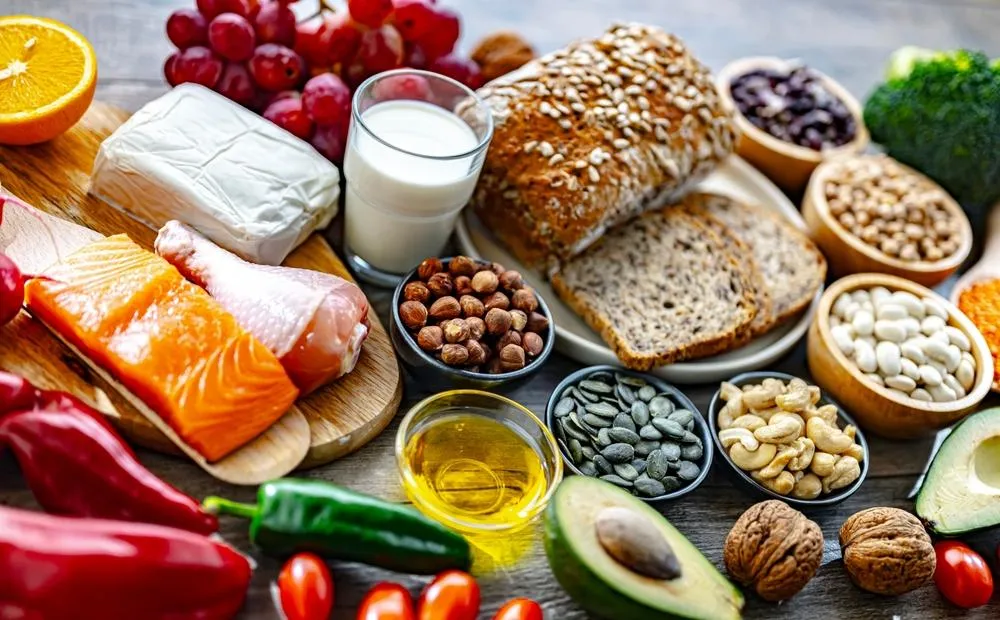
Getting a blood cancer diagnosis can feel scary. But, knowing what to eat can really help. It supports your treatment and helps you get better. Carcinoma diet choices are critical during treatment. Read the vital guide to successful nutrition and healthy eating for recovery.
A good cancer diet plan is full of important nutrients. It keeps you strong, boosts your immune system, and lessens side effects. The Leukaemia Foundation says it’s key to avoid malnutrition and weight loss by eating enough calories and nutrients.
Choosing the right foods can also help you feel better. It gives you more energy and supports your health during tough times.
Key Takeaways
- A well-balanced diet is key for blood cancer patients.
- Nutrition is important for treatment and recovery.
- It’s vital to avoid malnutrition and weight loss.
- You need enough calories and nutrients.
- A healthy diet can help manage side effects and boost energy.
The Importance of Nutrition During Blood Cancer Treatment
Nutrition is key in managing blood cancer. It affects treatment success and how well patients feel. Eating right is vital to stay strong and reduce side effects.
Treatment for blood cancer changes how the body uses nutrients. It can cause malnutrition, weight loss, and a weak immune system. Knowing how blood cancer changes nutritional needs is important for a good anti-cancer diet.
How Blood Cancer Affects Nutritional Needs
Blood cancer and its treatment can mess with how the body uses nutrients. Chemotherapy and radiation can make it hard to eat well because of nausea, vomiting, and taste changes. The disease also changes how the body uses nutrients.
The Role of Diet in Supporting Treatment Outcomes
A good diet can help a lot with treatment results by:
- Giving the body the nutrients it needs to stay strong and have energy
- Lessening side effects like nausea and tiredness
- Helping the immune system fight off infections
- Assisting in recovery after treatment
By focusing on cancer nutrition, patients can help their treatment work better. This can improve their life quality during treatment.
Understanding Nutritional Priorities for Blood Cancer Patients

It’s key to know what blood cancer patients need to eat. This helps prevent malnutrition and improves treatment results. Each patient has unique dietary needs to support their health and treatment.
Preventing Malnutrition and Weight Loss
Stopping malnutrition and weight loss is a big goal for these patients. The Leukaemia Foundation says it’s important to get enough calories and nutrients. This keeps strength up and the immune system strong.
Nutritional strategies to prevent malnutrition include:
- Eating foods high in calories to meet energy needs
- Having small meals often to manage hunger and digestion
- Adding foods rich in nutrients, like lean proteins, whole grains, and fruits and veggies
Balancing Caloric Intake with Nutrient Density
It’s important to balance calories with nutrient-rich foods for blood cancer patients. Foods should be calorie-dense but also packed with vitamins, minerals, and other nutrients. This helps keep weight stable, boosts the immune system, and supports overall health.
The following table shows some nutrient-dense foods good for blood cancer patients:
|
Food Group |
Examples |
Nutritional Benefits |
|---|---|---|
|
Lean Proteins |
Chicken, fish, beans, lentils |
High in protein, low in saturated fat |
|
Whole Grains |
Brown rice, quinoa, whole wheat bread |
Rich in fiber, vitamins, and minerals |
|
Fruits and Vegetables |
Berries, leafy greens, citrus fruits |
High in antioxidants, vitamins, and minerals |
In summary, it’s vital to understand and meet the nutritional needs of blood cancer patients. By focusing on preventing malnutrition and balancing calories with nutrients, patients can better support their health and recovery.
Essential Nutrients for Blood Cancer Recovery
Nutrition is key for blood cancer patients to recover. Certain nutrients are very important. They help the body heal and feel better during and after treatment.
Protein: The Building Block for Healing
Protein is vital for blood cancer recovery. It helps repair tissues and build strength. Foods like lean meats, fish, eggs, and dairy are great sources. Plant-based options like beans and tofu are also good.
Key protein sources for blood cancer patients:
- Lean meats (chicken, turkey)
- Fish (salmon, tuna)
- Eggs
- Dairy products (milk, yogurt, cheese)
- Plant-based proteins (beans, lentils, tofu)
Vitamins and Minerals That Support Immune Function
Vitamins and minerals keep the immune system strong. This is very important for blood cancer patients. Nutrients like vitamin C, vitamin D, and zinc help fight infections.
Important vitamins and minerals for immune support:
- Vitamin C (found in citrus fruits, strawberries, bell peppers)
- Vitamin D (obtained through sunlight, supplements, and fortified foods)
- Zinc (available in oysters, beef, chicken, fortified cereals)
Healthy Fats and Their Role in Cancer Care
Healthy fats are important for blood cancer patients. They give energy and help absorb vitamins. Omega-3 fatty acids, found in fish and nuts, have anti-inflammatory effects.
Sources of healthy fats:
- Fatty fish (salmon, sardines)
- Nuts and seeds (walnuts, chia seeds, flaxseeds)
- Avocados
By focusing on these nutrients, blood cancer patients can support their recovery and health.
Recommended Foods for Blood Cancer Patients

Blood cancer patients can greatly benefit from certain foods. Eating fruits, vegetables, whole grains, and lean proteins is key. This diet helps with health and recovery.
Fruits and Vegetables: Nature’s Medicine
Fruits and vegetables are full of antioxidants, vitamins, and minerals. They protect the body from harm and boost the immune system. Berries, leafy greens, and citrus fruits are great because they have lots of antioxidants.
Eating a variety of colorful fruits and vegetables is important. They give essential nutrients and help with treatment side effects. The World Cancer Research Fund suggests eating lots of these foods to help cancer patients.
Whole Grains and Complex Carbohydrates
Whole grains and complex carbohydrates are important for energy and fiber. Foods like quinoa, brown rice, and whole wheat bread are good sources. They keep energy up and help with digestion during treatment.
Adding whole grains to your diet can also help with weight and prevent malnutrition. These are common issues during blood cancer treatment.
Lean Proteins and Plant-Based Alternatives
Lean proteins and plant-based options are vital for healing and health. Lean meats, fish, eggs, tofu, and legumes are great for protein. They help fix tissues and keep muscle mass during treatment.
For those who prefer plant-based foods, eating different legumes, nuts, and seeds is good. It’s important to mix these foods to get all the amino acids needed.
Foods to Limit or Avoid During Blood Cancer Treatment
When you’re going through blood cancer treatment, what you eat matters a lot. Some foods can slow down your recovery or make side effects worse. Knowing which foods to limit or avoid is key to helping your treatment work better.
Processed Foods and Added Sugars
It’s important to cut down on processed foods and added sugars if you have blood cancer. The Leukaemia Foundation says doing so can help manage side effects and keep you healthy. Processed foods often don’t have the nutrients you need and can harm your immune system.
Tips for reducing processed foods:
- Eat more whole foods like veggies, fruits, and lean proteins.
- Check food labels for added sugars and preservatives.
- Make meals ahead of time to avoid processed foods.
Alcohol and Caffeine Considerations
Alcohol and caffeine can mess with your blood cancer treatment. They might make the treatment less effective or cause more side effects. It’s best to avoid alcohol during treatment. Drink caffeine in small amounts to avoid dehydration and other problems.
Considerations for alcohol and caffeine:
- Talk to your doctor about how much alcohol and caffeine you can have.
- Watch out for caffeine in things like some meds and energy drinks.
- Choose decaf drinks or herbal teas instead.
High-Risk Foods for Immunocompromised Patients
People with blood cancer often have weaker immune systems. This makes them more likely to get sick from food. It’s important to stay away from foods that might have harmful germs or bacteria.
High-risk foods to avoid:
- Raw or not fully cooked meats, eggs, and seafood.
- Unpasteurized dairy and juices.
- Raw sprouts and unwashed fruits and veggies.
By paying attention to these food tips, blood cancer patients can help their treatment and recovery. Always talk to a healthcare provider or a dietitian for advice that’s right for you.
The Carcinoma Diet: Evidence-Based Approaches
Evidence-based diets are key for those with blood cancer. They help improve well-being. A good diet can also help manage side effects and keep strength up.
Research on Nutrition and Cancer Outcomes
Many studies have looked at diet and cancer. They show that a plant-rich, minimally processed diet can boost survival rates. It also helps reduce side effects from treatment.
A study in the Journal of Clinical Oncology found that eating more fruits, veggies, and whole grains helps cancer patients live longer. Another study showed that antioxidants and phytochemicals in plants are key for cancer treatment.
|
Dietary Component |
Benefits for Blood Cancer Patients |
Examples of Foods |
|---|---|---|
|
Fruits and Vegetables |
Rich in antioxidants, vitamins, and minerals; supports immune function |
Berries, leafy greens, citrus fruits |
|
Whole Grains |
Provides fiber, vitamins, and minerals; supports digestive health |
Brown rice, quinoa, whole wheat bread |
|
Lean Proteins |
Essential for healing and maintaining muscle mass |
Chicken, fish, legumes |
Integrating Traditional and Modern Dietary Wisdom
Mixing old and new diet ideas is smart. Old diets focus on whole, local foods. New research points to specific nutrients and patterns.
For instance, traditional diets often include fermented foods. These are full of probiotics, which help the gut during treatment. Modern science backs up eating these foods for a balanced diet.
By blending these methods, patients get a diet full of nutrients. This diet supports health and well-being during and after treatment.
Nutrition Through Different Treatment Phases
As blood cancer patients go through diagnosis, treatment, and recovery, their diet needs change. Eating right is key at every step to manage side effects, keep strength up, and support health.
Eating Well During Diagnosis and Initial Treatment
Starting treatment can make it hard to eat well because of symptoms like not feeling hungry or trouble swallowing. It’s important to eat nutrient-dense foods to get the vitamins, minerals, and calories needed.
Eating small meals often is a good idea. These meals should have lean proteins, whole grains, and lots of fruits and veggies. Drinking lots of water is also key.
Dietary Strategies During Active Treatment
When you’re in active treatment, like chemotherapy or radiation, you might feel sick, have mouth sores, or taste things differently. Changing your diet can help. Eating bland foods can help with nausea, and avoiding very hot or cold foods can be less painful.
Eating foods rich in antioxidants and omega-3 fatty acids can help your health and fight inflammation. Try to avoid foods high in sugar, salt, and unhealthy fats.
Nutritional Support During Recovery and Remission
When you’re recovering or in remission, your goal is to stay healthy and avoid cancer coming back. Eating a balanced diet with lots of fruits, veggies, whole grains, and lean proteins is key.
It’s also good to talk to healthcare pros, like oncology dietitians, to make a cancer diet plan that fits your needs and health goals.
Getting the right nutrition at every stage of blood cancer treatment is important for the best results and a better life. By adjusting to your changing diet needs, you can make your cancer journey easier.
Managing Treatment Side Effects Through Diet
A well-planned diet can help manage blood cancer treatment side effects. By choosing the right foods, patients can reduce discomfort and improve their life quality.
Dietary Strategies for Nausea and Appetite Loss
Nausea and appetite loss are common during blood cancer treatment. To tackle these issues, try these dietary strategies:
- Eat small, frequent meals to ease stomach stress
- Choose bland foods like crackers, toast, or plain rice
- Avoid foods with strong smells to prevent nausea
- Prefer cold or room-temperature foods over hot ones
- Drink clear fluids like water, broth, or electrolyte-rich drinks to stay hydrated
Eating when hungry, even at night, is helpful. Ginger or peppermint can also soothe the stomach and reduce nausea.
Addressing Taste Changes and Mouth Sores
Taste changes and mouth sores are common side effects. To manage these, try the following:
- Try different flavors and seasonings to find enjoyable foods
- Avoid foods that are too hot, cold, spicy, or acidic
- Choose soft, moist foods for easier chewing and swallowing
- Use a straw to drink liquids to avoid sensitive mouth areas
- Rinse your mouth with saltwater or baking soda solution to heal and reduce discomfort
Using plastic utensils instead of metal can also help reduce a metallic taste.
Combating Fatigue Through Nutrition
Fatigue is a common side effect of blood cancer treatment. While nutrition can’t eliminate fatigue, it can support energy levels. Key strategies include:
- Eat enough protein to keep muscle mass and strength
- Include complex carbohydrates for sustained energy
- Eat iron-rich foods to prevent anemia and fatigue
- Stay hydrated to support bodily functions
- Avoid too much caffeine to prevent energy crashes
By using these dietary strategies, blood cancer patients can better manage side effects and improve their well-being.
Hydration Strategies for Blood Cancer Patients
Drinking enough water is key for blood cancer patients to manage treatment side effects. Keeping a good fluid balance is vital. It helps keep the body healthy and can lessen some tough side effects of blood cancer therapy.
Importance of Fluid Balance
Fluid balance is critical for blood cancer treatment patients. It helps clean the body, keeps blood flowing well, and boosts the immune system. Drinking enough water can also help with fatigue and constipation, common side effects of cancer treatment.
Hydrating Foods and Beverages
Drinking lots of water is not the only way to stay hydrated. Eating foods with lots of water can also help a lot. Foods like watermelon, cucumbers, and celery are not just refreshing. They also give important nutrients.
- Fruits like oranges, grapefruits, and strawberries are full of water and vitamins.
- Vegetables such as lettuce, tomatoes, and bell peppers are hydrating and full of nutrients.
- Beverages like herbal teas, clear broths, and drinks with electrolytes help keep fluid balance.
It’s also key to limit or avoid drinks that can make you dehydrated, like caffeine and alcohol.
By focusing on staying hydrated and eating hydrating foods and drinks, blood cancer patients can support their health better. This can also help improve their treatment results.
Practical Meal Planning and Preparation Tips
For blood cancer patients, meal planning is key. It helps them get the nutrients they need to fight the disease. A good diet can also help manage side effects and support recovery.
Easy, Nutrient-Dense Recipes for Low-Energy Days
When energy is low, making meals can be tough. But, it’s important to keep up with nutrition. Here are some simple, nutritious meal ideas:
- Soups with veggies and lean proteins
- Smoothies with fruits, yogurt, and nuts
- Omelets or scrambled eggs with veggies
- Avocado toast on whole-grain bread
Batch Cooking and Freezing Strategies
Batch cooking and freezing meals can save time on busy days. It lets you make healthy meals that can be reheated. Try cooking big batches of:
- Stews and casseroles
- Grilled chicken or fish with roasted veggies
- Quinoa or brown rice bowls with toppings
Freezing meals in portions can make eating easier and cut down on waste.
Family Support in Maintaining Good Nutrition
Family support is vital for good nutrition during treatment. They can help with cooking, shopping, and emotional support. Here’s how they can assist:
|
Support Activity |
Description |
Benefit |
|---|---|---|
|
Grocery Shopping |
Buying fresh produce and essentials |
Guarantees healthy ingredients |
|
Meal Preparation |
Cooking meals the patient likes |
Reduces the patient’s stress and workload |
|
Emotional Support |
Being there during meals |
Makes meals more enjoyable and boosts well-being |
Together, families can help patients eat well, making treatment easier.
Nutritional Considerations for Different Types of Blood Cancer
Nutrition plays a big role in blood cancer care. Each type needs its own diet plan. Leukemia, lymphoma, and multiple myeloma all have unique nutritional needs.
Leukemia-Specific Dietary Recommendations
Leukemia makes too many white blood cells. A diet full of nutrients helps fight the disease and its side effects. Increasing protein intake is key to making healthy cells. Foods like berries and leafy greens are good because they fight oxidative stress.
Lymphoma Nutrition Considerations
Lymphoma patients need a balanced diet. This includes fruits, vegetables, whole grains, and lean proteins. Adequate hydration is also important to keep the body balanced during treatment. Some studies show that eating less saturated fat and more fiber is good for health.
“A well-balanced diet is fundamental in supporting the treatment of lymphoma and enhances the quality of life for patients.”
Multiple Myeloma Dietary Approaches
Multiple myeloma affects plasma cells. A diet rich in calcium and vitamin D is good for bones. Limiting high-protein foods helps the kidneys. Foods with omega-3 fatty acids, like fish, are also beneficial.
Knowing the right diet for each blood cancer type can greatly improve treatment and life quality. Getting advice from a healthcare provider or a dietitian who knows about cancer can help a lot.
Working with Healthcare Professionals on Your Diet Plan
Healthcare professionals, like oncology dietitians, are key in helping blood cancer patients with nutrition. A good diet plan can greatly improve treatment results and health.
The Role of Oncology Dietitians
Oncology dietitians focus on nutrition for cancer patients. They figure out what nutrients each patient needs, create diet plans, and support them during treatment. For example, they can suggest foods or ways to eat to help with side effects like nausea.
When to Seek Nutritional Intervention
Nutritional help is important at different times in blood cancer treatment. Patients should get nutritional advice at diagnosis, during treatment, and after recovery. The table below shows when nutritional help is most needed.
|
Situation |
Nutritional Consideration |
|---|---|
|
During Diagnosis |
Check nutritional status and start a diet plan. |
|
Active Treatment |
Help manage side effects like nausea and taste changes. |
|
Recovery Phase |
Focus on foods rich in nutrients to aid healing. |
By teaming up with oncology dietitians and other healthcare experts, blood cancer patients can get a cancer diet plan tailored to their needs. This can improve their treatment results and quality of life.
Conclusion: Nourishing Your Body Through the Cancer Journey
Nourishing your body is key during the cancer journey. Eating well helps keep you healthy and strong. Knowing what foods to eat and how to handle side effects is important.
Good cancer nutrition means choosing foods that help you heal and feel better. Eating right keeps your energy up and boosts your immune system. Adding tumor-friendly eating habits to your meals can greatly improve your health.
Learning about diet and nutrition helps you take charge of your health. Making smart food choices helps your body heal and recover. This is a big part of a complete cancer care plan.
FAQ
What is a good diet for blood cancer patients?
Blood cancer patients should eat a balanced diet. This includes fruits, vegetables, whole grains, lean proteins, and healthy fats. It helps support treatment and recovery.
How does blood cancer affect nutritional needs?
Blood cancer and its treatment change nutritional needs. A diet tailored to support treatment and reduce side effects is needed.
What are the nutritional priorities for blood cancer patients?
Blood cancer patients need to prevent malnutrition and weight loss. They should balance calories with nutrients. Adequate protein, vitamins, minerals, and healthy fats are key.
What foods should be avoided during blood cancer treatment?
Avoid processed foods, added sugars, alcohol, caffeine, and high-risk foods. These can worsen side effects and hinder recovery.
How can diet help manage treatment side effects?
Eating small, frequent meals and choosing gentle foods helps manage side effects. Staying hydrated is also important.
What is the importance of hydration for blood cancer patients?
Fluid balance is vital during treatment. Hydrating foods and drinks help manage side effects and support health.
How can meal planning and preparation support good nutrition during blood cancer treatment?
Meal planning and preparation are key. Easy recipes, batch cooking, and freezing meals help maintain nutrition, even on low-energy days.
Are there specific dietary recommendations for different types of blood cancer?
Yes, different blood cancers have unique dietary needs. Understanding these needs is important for supporting treatment and recovery.
How can healthcare professionals support blood cancer patients with their diet plan?
Oncology dietitians offer personalized nutrition advice. They consider the patient’s specific needs and treatment phase. Knowing when to seek nutritional help is critical.
What are some anti-cancer foods that can be beneficial for blood cancer patients?
Foods high in antioxidants, like fruits and vegetables, are beneficial. Whole grains, lean proteins, and healthy fats also support health and well-being.
How can a carcinoma diet be informed by evidence-based approaches?
A carcinoma diet should be based on the latest research. It combines traditional and modern dietary wisdom to support blood cancer treatment.
References
National Center for Biotechnology Information. Evidence-Based Medical Insight. Retrieved from https://www.ncbi.nlm.nih.gov/pmc/articles/PMC526387/