Cardiology is the medical specialty focused on the heart and the cardiovascular system. It involves the diagnosis, treatment, and prevention of conditions affecting the heart and blood vessels. These conditions include coronary artery disease, heart failure, arrhythmias (irregular heartbeats), and valve disorders. The field covers a broad spectrum, from congenital heart defects present at birth to acquired conditions like heart attacks.
Send us all your questions or requests, and our expert team will assist you.
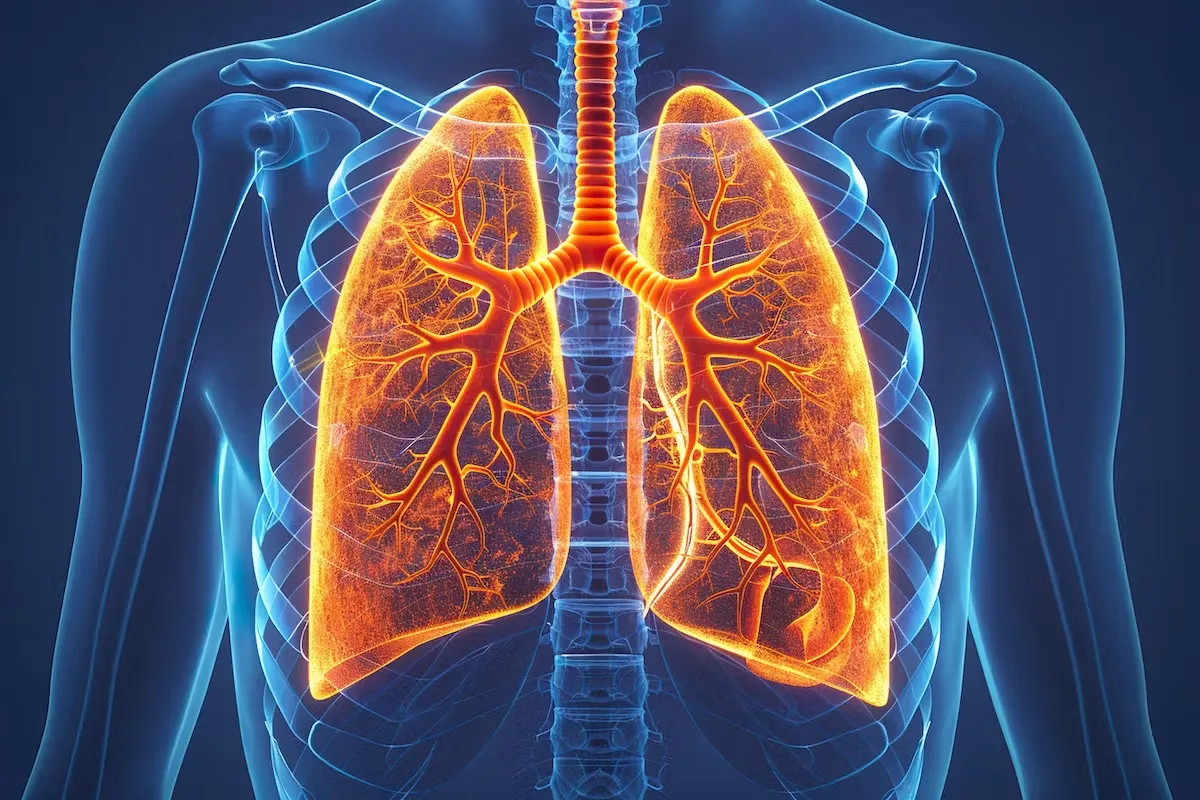
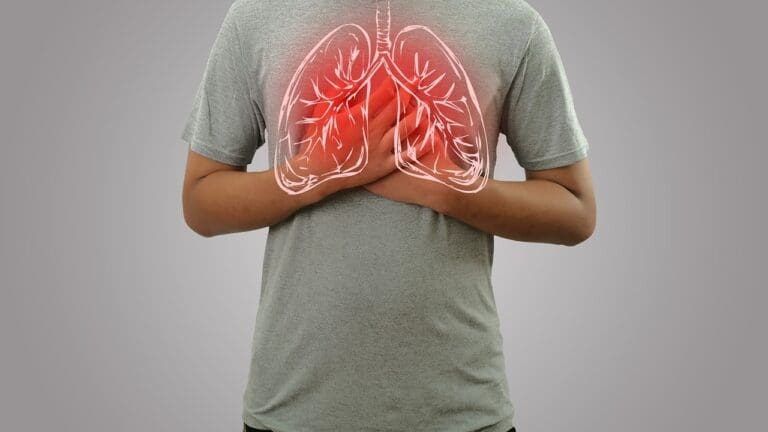
Pulmonary hypertension is a serious and complex health condition that affects the blood vessels in the lungs and the right side of the heart. Typically, we associate high blood pressure with a cuff on the arm. That is systemic high blood pressure. Pulmonary hypertension is different. It is high blood pressure that occurs specifically and only within the arteries of the lungs. Because this high pressure is localized deep inside the chest, it cannot be measured with a standard arm cuff. It requires specialized understanding and testing to identify.
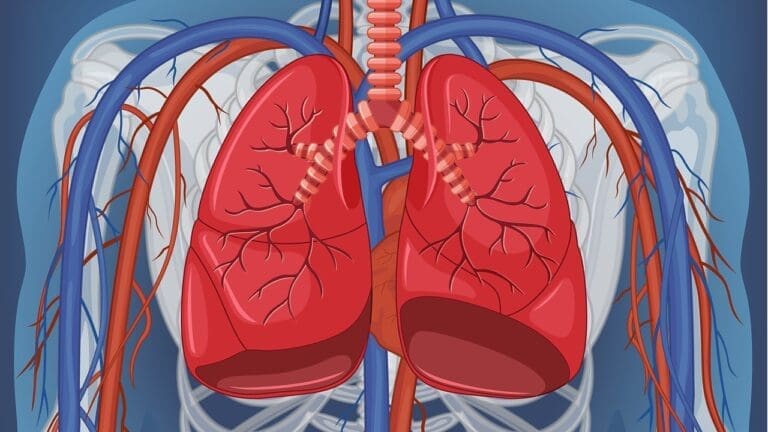
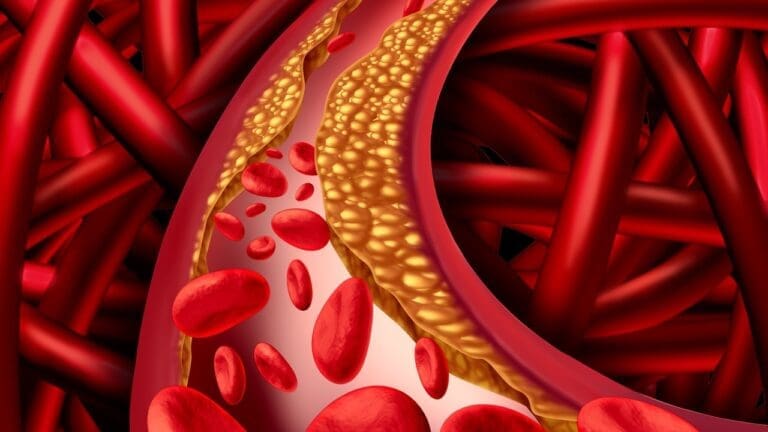
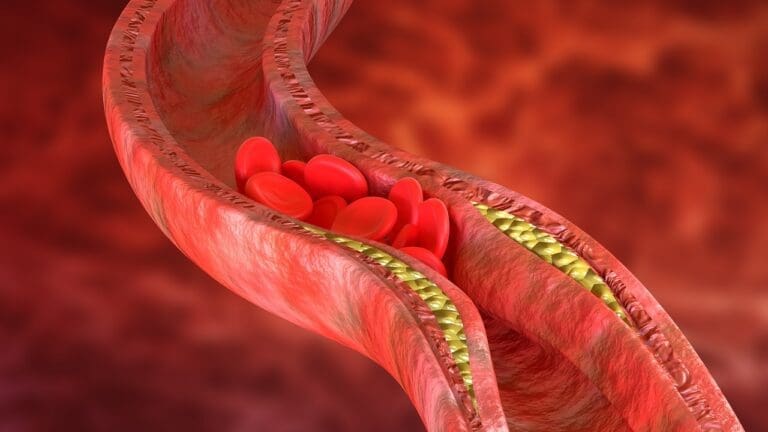
In a healthy body, the blood vessels in the lungs are wide, open, and flexible. They allow blood to flow through them to pick up oxygen. In a person with pulmonary hypertension, these vessels become thick, stiff, narrow, or blocked. This narrowing creates resistance, making it much harder for blood to flow through. Imagine trying to push a large volume of water through a very narrow straw instead of a wide garden hose. The pressure builds up. This high pressure significantly strains the right side of the heart, making it work harder than nature intended to push blood against this resistance. Over time, this extra work can weaken the heart muscle. While this diagnosis can be frightening, medical advancements have provided many new treatments that help manage the condition and improve quality of life.
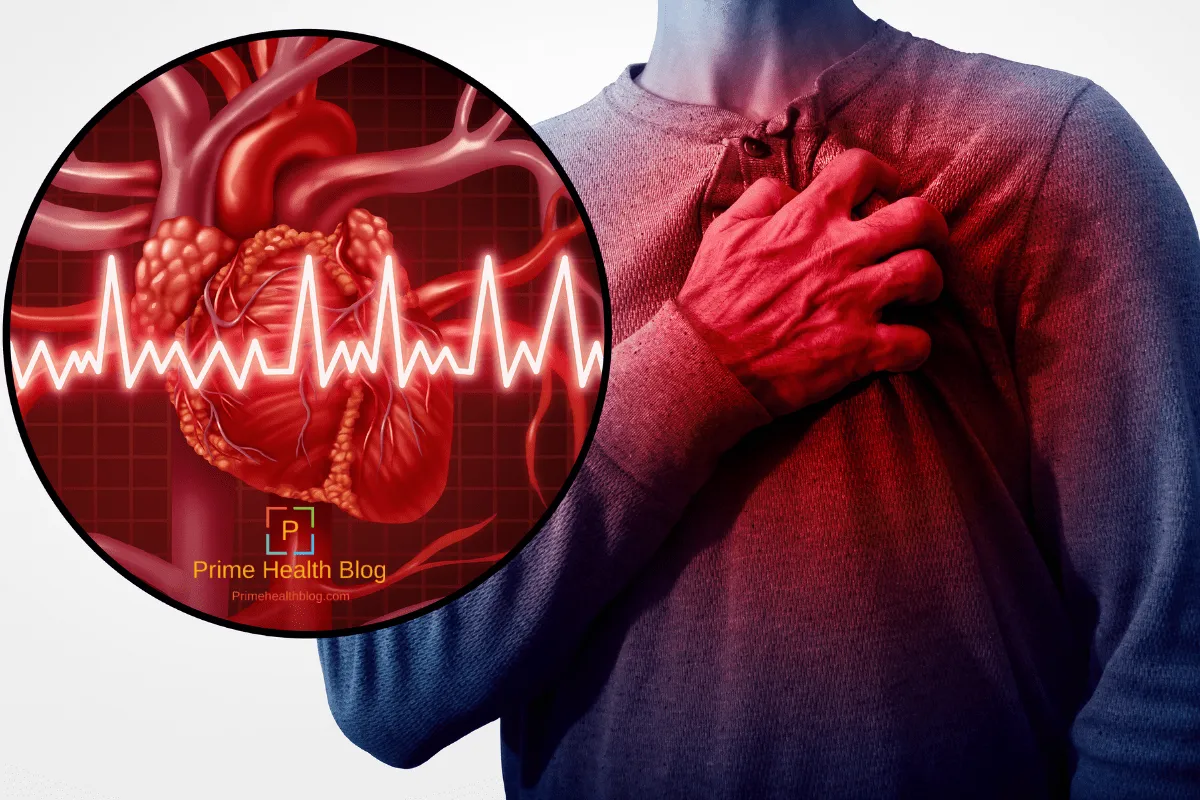
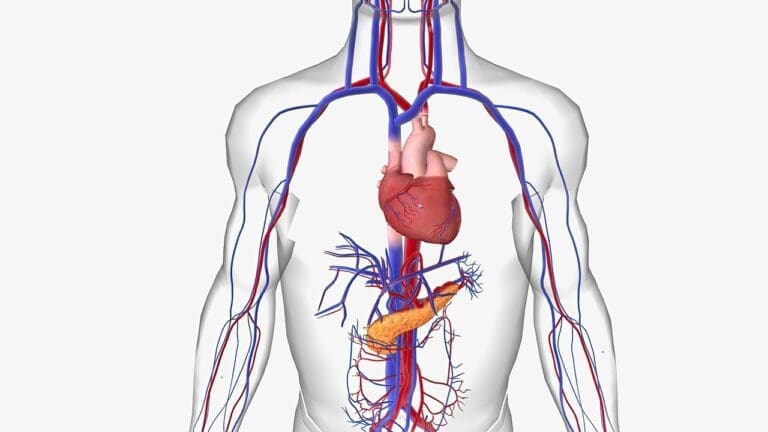
To understand this condition, it helps to visualize the human circulation system as two separate loops. The left side of the heart pumps blood to the entire body. This loop operates at a high pressure to ensure blood reaches your toes and your brain against gravity. This is the pressure your doctor measures at a checkup, typically around 120 over 80.
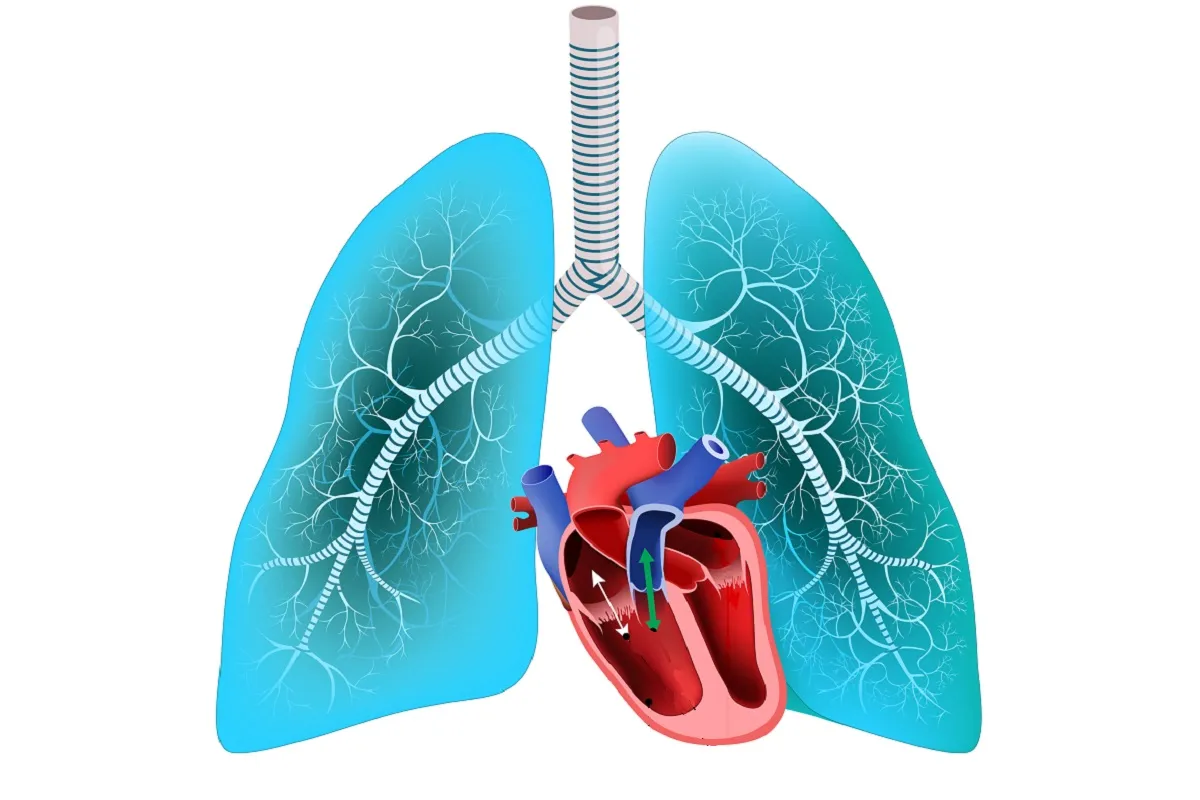
The right side of the heart has a different job. It pumps blood only a short distance to the lungs to get oxygen. Because the lungs are delicate and close by, this loop normally operates at a very low pressure. In a healthy person, the pressure in the lung arteries is roughly one-fifth of that in the body. Pulmonary hypertension happens when the pressure in this low-pressure loop rises and starts to resemble the high pressure of the body loop. This process creates a mismatch that the heart is not built to handle.
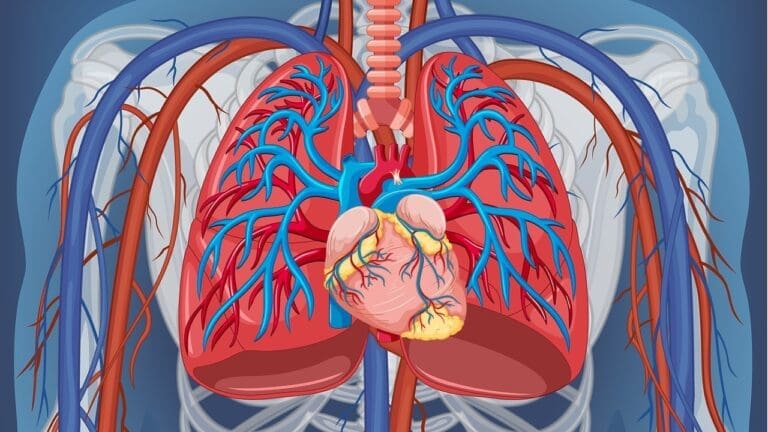
The heart is a double pump, but the two sides are not equal in strength. The left ventricle is thick and muscular because it is the heavyweight champion designed for high-pressure pumping. The right ventricle is different. It is thinner and more flexible, designed to handle volume rather than pressure. It is meant to gently push blood into the low-resistance environment of the lungs.
When the arteries in the lungs tighten and the pressure rises, the right ventricle faces a problem it cannot solve easily. It tries to compensate by building more muscle and getting thicker and larger. Initially, this effort helps push the blood through. However, unlike the left side, the right side cannot sustain this high-pressure work forever. Eventually, the muscle becomes andandd weak, leading to right-sided heart failure. This is why pulmonary hypertension is often called a lung vessel disease with heart consequences.

In a healthy state, the right ventricle fills with oxygen-poor blood returning from the body. With a gentle squeeze, it sends this blood into the pulmonary artery. The pulmonary valve opens and the blood glides into the lungs. The resistance is so low that the heart barely has to exert itself. This efficiency allows the right heart to rest between beats and maintain a steady rhythm without tiring.
When pulmonary hypertension sets in, the door to the lungs effectively becomes heavy and hard to open. The right ventricle has to squeeze with immense force to push the same amount of blood through the narrowed vessels. This constant strain causes the muscle wall to thicken, a process called hypertrophy. As the walls thicken, the chamber stiffens and cannot fill properly. Eventually, the heart stretches out and struggles to pump, leading to fluid backup in the body.
Doctors categorize this condition into five distinct groups. This classification is vital because the treatment for one group can be useless or even dangerous for another. The World Health Organization established these groups to help medical teams identify the root cause of the high pressure.
Group 1 is Pulmonary Arterial Hypertension (PAH). This is a disease of the arteries themselves, narrowing without a clear external cause or due to genetics. Group 2 is caused by left-sided heart disease. This is the most common form; if the left heart is stiff or has bad valves, pressure backs up into the lungs like a clogged drain. Group 3 is caused by lung diseases like COPD or fibrosis, where the lung tissue itself is damaged. Group 4 is caused by chronic blood clots that scar the arteries. Group 5 includes miscellaneous causes that do not fit elsewhere, such as kidney disease or metabolic disorders.
Group 1, or Pulmonary Arterial Hypertension (PAH), is a rare and specific form of the disease. In PAH, the walls of the small arteries in the lungs thicken and narrow due to uncontrolled cell growth. It is similar to how a callus forms on skin, but it happens inside the blood vessel. This narrowing restricts flow.
This type can be inherited, caused by certain drugs or toxins (like diet pills), associated with connective tissue diseases like scleroderma, or caused by congenital heart defects. Sometimes, it is “idiopathic,” meaning doctors cannot identify a specific cause. Treatment for PAH is very specialized and involves medications that target the three chemical pathways involved in opening up blood vessels.
The vast majority of people with high pressure in their lungs do not have PAH (Group 1). Instead, they have “secondary” pulmonary hypertension. This means the high pressure is a side effect of another problem elsewhere in the body. Treating this type relies almost entirely on treating the underlying condition rather than the lung vessels themselves.
Group 2 is the most frequent type. If the left side of the heart is weak, stiff, or has a leaky valve, it cannot pump blood out to the body efficiently. The blood waiting to enter the left heart backs up into the lungs. This congestion increases the blood pressure. If you fix the left heart valve or treat the left heart failure, the lung pressure often comes down.
Group 3 occurs in people who have chronic lung issues like emphysema, COPD, or pulmonary fibrosis. When the air sacs in the lungs are damaged or contain low oxygen, the body naturally tightens the blood vessels in those areas to shunt blood to healthier parts of the lung. Disease that affects the entire lung causes all the vessels to tighten, leading to a global increase in pressure.
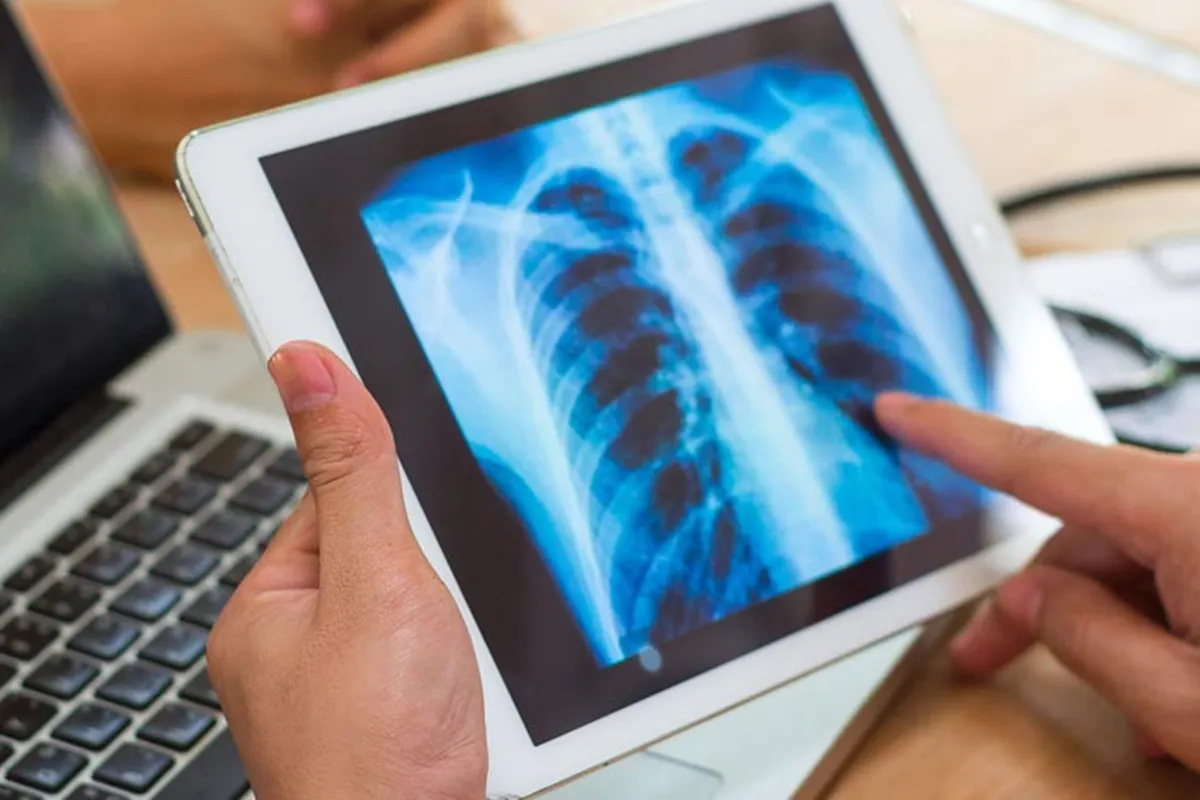
One of the greatest challenges with pulmonary hypertension is that it is often diagnosed late. The symptoms are vague and mimic many other less serious conditions. A person feeling short of breath might be told they have asthma, are out of shape, or have anxiety.
Because the condition is relatively rare compared to standard heart disease, it is not always on the radar of a general practitioner. Routine tests like standard chest X-rays or basic blood work often look normal in the early stages. The heart compensates so well initially that the patient might not feel severe symptoms until the disease has progressed significantly. This delay highlights the importance of listening to your body and seeking a specialist if shortness of breath persists without a clear reason.

Send us all your questions or requests, and our expert team will assist you.
Hypertension is high blood pressure in the arteries of the body (systemic), usually measured on the arm. Pulmonary hypertension is high blood pressure, specifically in the arteries of the lungs and the right side of the heart.
It is actually both. It involves the blood vessels of the lungs, but it directly affects the function and structure of the right side of the heart. It sits at the intersection of cardiology and pulmonology.
Most forms of pulmonary hypertension are chronic conditions that cannot be cured completely, with the exception of Group 4 (caused by clots), which can sometimes be cured with surgery. However, all forms can be managed to improve life expectancy and quality of life.
It can affect anyone at any age, including children. However, Pulmonary Arterial Hypertension (Group 1) is more common in women between the ages of 30 and 60. Group 2 is common in older adults with heart issues.
Not necessarily. Lung or heart-lung transplant is a final option reserved for the most severe cases that do not respond to medication. Most patients are managed effectively with drug therapies for many years.

 Cardiology
 Cardiology
 Cardiology
 Cardiology
 Cardiology
 Cardiology
Leave your phone number and our medical team will call you back to discuss your healthcare needs and answer all your questions.
Your Comparison List (you must select at least 2 packages)