Cardiology is the medical specialty focused on the heart and the cardiovascular system. It involves the diagnosis, treatment, and prevention of conditions affecting the heart and blood vessels. These conditions include coronary artery disease, heart failure, arrhythmias (irregular heartbeats), and valve disorders. The field covers a broad spectrum, from congenital heart defects present at birth to acquired conditions like heart attacks.
Send us all your questions or requests, and our expert team will assist you.
Regenerative medicine is a rapidly evolving branch of healthcare that focuses on repairing, replacing, or regenerating human cells, tissues, or organs to restore normal function. Unlike traditional treatments that often focus on managing symptoms—such as taking painkillers for a sore knee or using anti-inflammatory medication for a shoulder injury—regenerative medicine aims to address the root cause of the problem. It operates on the simple yet powerful premise that the human body has an innate ability to heal itself. By harnessing specific cells and healing factors already present in your body, doctors can concentrate these powerful tools and direct them to the exact area where you are hurt or experiencing degeneration.
This approach provides a renewed sense of hope for many patients, particularly when traditional treatments such as surgery or long-term medication are unsuitable or have not yielded relief. The field covers a wide range of therapies, from using your blood to help heal a tendon to using specialized cells to encourage cartilage repair. The aim is to heal the injury and promote healthy tissue growth. This section will guide you through the fundamental concepts of this exciting field, explaining how it works and what it means for your health without using confusing medical jargon.

At the heart of regenerative medicine lies the understanding that your body is a dynamic machine constantly repairing itself. Every day, your skin heals from small scratches, and your bones knit back together after a fracture. However, as we age or when injuries are severe, this natural repair process can slow down or become less efficient. Regenerative therapies are designed to give this natural process a significant boost. They act like a construction crew that brings extra materials and workers to a building site that has stalled.
By isolating specific healing components such as growth factors found in your blood or potent cells found in your bone marrow doctors can create a concentrated solution. When this solution is introduced to a damaged joint or torn tissue, it sends a loud signal to the body to restart the healing process. This biological signaling is the key mechanism. It tells the body that a specific area needs attention, prompting a cascade of repair activities that might not have happened on their own.
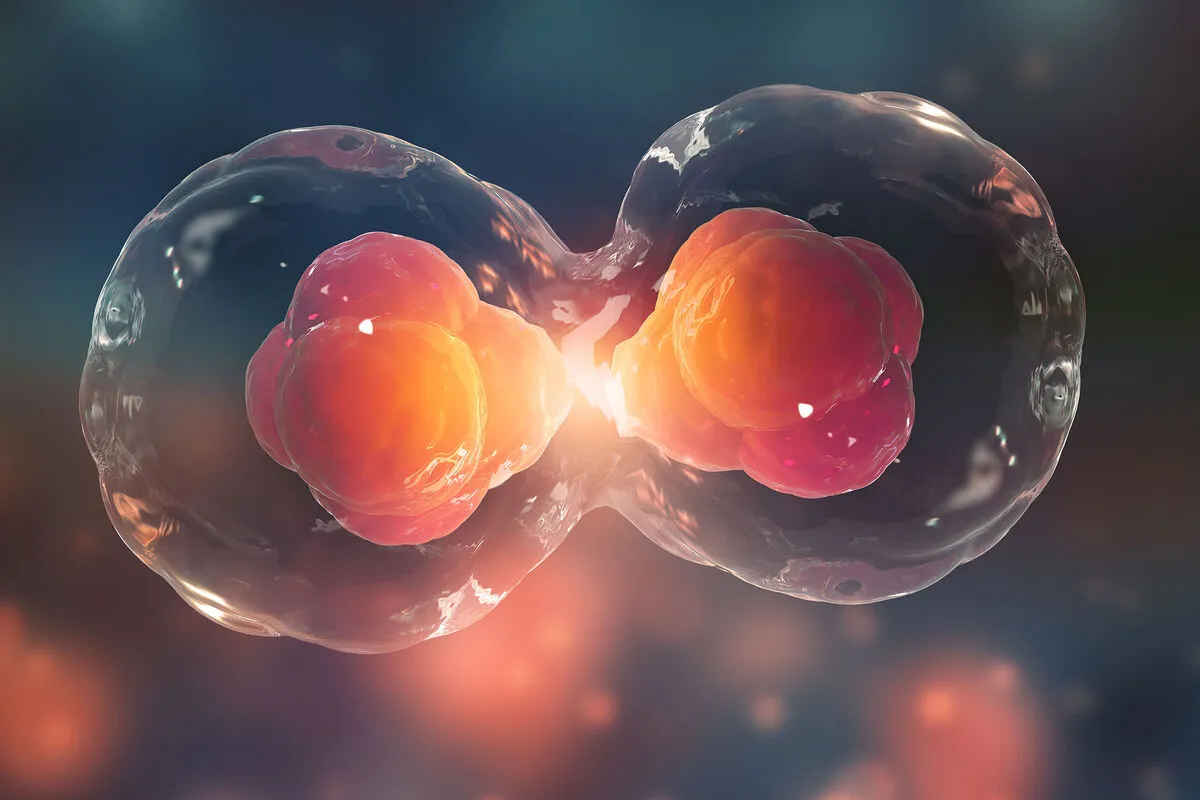
Stem cells are often the most talked-about element of regenerative medicine, but they are frequently misunderstood. To put it simply, stem cells are the body’s raw materials. They are cells from which all other cells with specialized functions are generated. Under the right conditions in the body or a lab, stem cells divide to form more cells called daughter cells. These daughter cells either become new stem cells or become specialized cells with a more specific function, such as blood cells, brain cells, heart muscle cells, or bone cells.
In the context of treating joint pain or injury, the stem cells usually used are known as mesenchymal stem cells. These are typically found in bone marrow or fat tissue. They are special because they have the potential to develop into different types of tissue, such as cartilage or bone, and they also release powerful chemicals that reduce inflammation and help manage the immune system’s response to injury.
The two most common sources for harvesting these cells are bone marrow and adipose tissue, which is body fat. Bone marrow involves taking a small sample of the liquid center of the bone, usually from the hip. It is a rich source of cells that have been used in medicine for decades. Adipose tissue is harvested using a mini-liposuction technique, usually from the abdomen. Fat tissue is surprisingly rich in reparative cells and is often easier to access than bone marrow.
Once these cells are placed near an injury, they do not necessarily turn into new tissue immediately. Instead, they act as managers. They survey the damage and release growth factors and proteins that instruct the local cells to start repairing it. They also help calm down the local environment, reducing swelling and preventing scar tissue from forming, which creates a better space for true healing to occur.
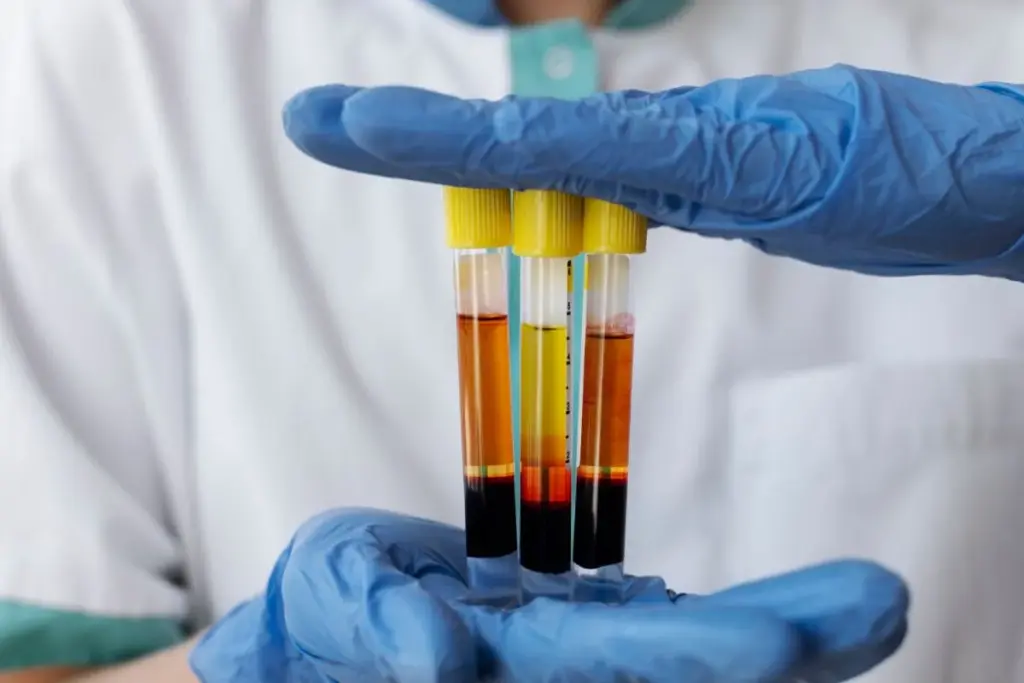
Platelet-rich plasma, commonly referred to as PRP, is another cornerstone of regenerative treatments. This therapy uses a patient’s own blood to accelerate the healing of injured tendons and joints. Blood is mainly liquid (called plasma), but it also contains small solid components: red cells, white cells, and platelets. Platelets are best known for their importance in clotting blood, but they also contain hundreds of proteins called growth factors, which are crucial in the healing of injuries.
To create PRP, a medical professional takes a blood sample from you, much like a standard blood test. This blood is then spun at high speeds in a machine called a centrifuge. The spinning process separates the blood into its different layers. The platelets are concentrated to levels much higher than what is typically found in the bloodstream. This concentrated golden liquid is then injected back into the injured area.
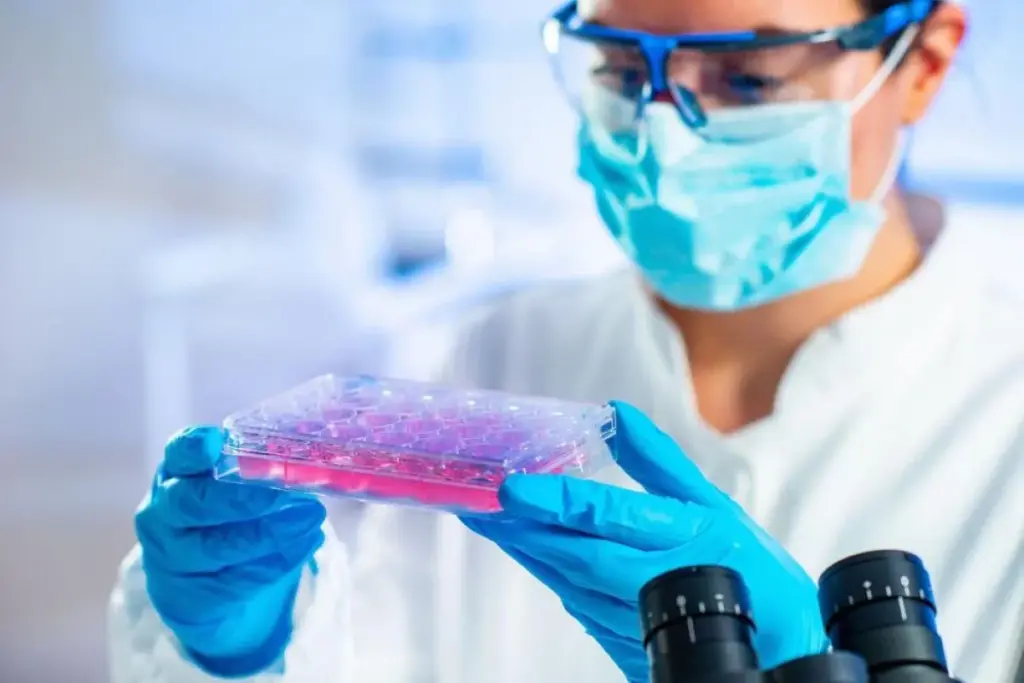
Tissue engineering is a slightly more complex aspect of regenerative medicine that combines cells, engineering methods, and suitable biochemical factors to improve or replace biological functions. Think of it as building a house. The cells are the workers, but they need a frame or structure to build upon. This structure is called a scaffold. Scaffolds are artificial or natural materials that mimic the body’s tissues and provide a place for cells to attach and grow.
In practical terms for patients, this scenario might involve using a biodegradable matrix that is placed in a wound or a damaged joint. Over time, your body’s cells grow into this scaffold, using it as a guide to lay down new, healthy tissue. As the new tissue forms and strengthens, the scaffold harmlessly dissolves or is absorbed by the body, leaving only your natural tissue behind.
Scaffolds can be made from various materials. Some are created from collagen, which is the main structural protein in skin and other connective tissues. Others are made from synthetic materials that are safe for the body. The choice of material depends on where it is being used; a scaffold for bone needs to be rigid and strong, while a scaffold for skin or tendon needs to be flexible and elastic.
When cells are introduced to a scaffold, they need the right environment to thrive. This often involves adding nutrients or growth factors to the mix. The scaffold supports the cells physically, but the chemical environment tells them what to do whether to become bone, cartilage, or muscle. This combination ensures that the new tissue grows into the right shape and has the strength to function correctly in the body.

It is helpful to distinguish clearly between the traditional medical model and the regenerative approach. Traditional medicine for conditions like arthritis often follows a ladder of escalation. You might start with rest and ice, move to over-the-counter pain pills, then stronger prescription drugs or steroid injections, and finally, when those fail, joint replacement surgery. While effective, these steps often focus on symptom management until the part “wears out” completely.
Regenerative medicine tries to intervene earlier in that timeline to change the course of the condition. Instead of masking the pain with cortisone, which can sometimes weaken tissue over time, a regenerative injection aims to strengthen the tissue and reduce inflammation naturally. The goal is to preserve the natural joint or tendon for as long as possible, potentially delaying or even eliminating the need for major surgery.

Regenerative medicine is versatile and can be applied to many different parts of the body, specifically those that have poor blood supply and struggle to heal on their own. Joints are the most common targets. Knees, hips, and shoulders are frequently treated for osteoarthritis, where the protective cartilage has worn away. By reducing inflammation and improving the health of the remaining cartilage, patients often experience significant pain relief.
Soft tissues are also prime candidates. Tendons, which connect muscle to bone, often suffer from chronic overuse injuries known as tendinopathy. The Achilles tendon at the heel, the patellar tendon at the knee, and the rotator cuff in the shoulder are classic examples. Ligaments, which connect bone to bone, can also be treated, particularly after partial tears or sprains that leave the joint feeling unstable.

Send us all your questions or requests, and our expert team will assist you.
The main goal is to help the body repair or replace damaged tissue and organs. Instead of just treating symptoms like pain, it aims to correct the underlying cause by stimulating the body’s natural healing processes.
No, most regenerative medicine procedures are minimally invasive injections. They are usually performed in a doctor’s office without the need for large incisions, general anesthesia, or a long hospital stay.
Generally, these treatments are very safe because they often use your body’s own cells or blood. However, every patient is different, and a doctor must evaluate your specific health history to ensure it is the right and safe choice for you.
Most procedures, such as PRP or stem cell injections, take between one and two hours. This timescale includes the time needed to prepare the cells or plasma and the time to perform the actual injection.
No, these are almost always outpatient procedures. You can go home the same day after treatment, but you may need a ride.


Leave your phone number and our medical team will call you back to discuss your healthcare needs and answer all your questions.
Your Comparison List (you must select at least 2 packages)