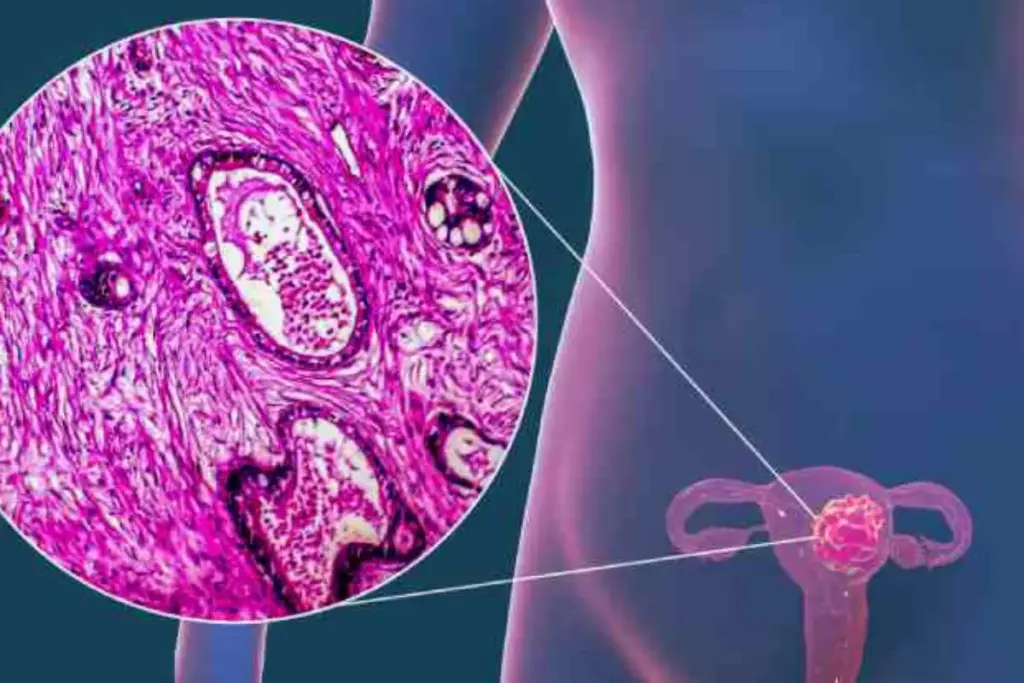
Knowing how long someone with cervical cancer might live is very important. It affects patients and their families a lot. The outlook changes a lot based on when the cancer is found and the quality of care they get. Stay informed and hopeful. Learn about the cervical cancer survival rate and the factors that significantly improve life expectancy today.
In the United States, the average 5-year survival rate for this cancer is about 68%. This shows how key it is to catch it early and treat it well.
The cancer’s stage when it’s found is a big factor in how long someone might live. Other things like overall health and getting care from many doctors also play a part in survival rates.
Key Takeaways
- The 5-year relative survival rate for cervical cancer is approximately 68% in the United States.
- Early detection and effective treatment significantly improve survival outcomes.
- The stage of cancer at diagnosis is a key factor in determining life expectancy.
- Access to high-quality, multidisciplinary care is vital for improving survival rates.
- Overall health also impacts the life expectancy of someone with cervical cancer.
Understanding Cervical Cancer
It’s key to know about cervical cancer for early detection and treatment. This cancer happens in the cervix, the lower part of the uterus. It’s a big health issue worldwide, hitting millions of women each year.
Definition and Types of Cervical Cancer
Cervical cancer is split into types based on cell type. The most common is squamous cell carcinoma, making up 70-80% of cases. Another type is adenocarcinoma, coming from glandular cells. Knowing these types helps find the right treatment.
Common Symptoms and Early Detection Methods
Early cervical cancer often doesn’t show symptoms, so regular checks are vital. Signs that may show up later include abnormal vaginal bleeding, pelvic pain, and unusual vaginal discharge. To catch it early, use Pap smears and HPV testing. These can spot changes or cancer early, when it’s easier to treat.
Getting diagnosed early makes a big difference. We stress the need for regular screenings and knowing the symptoms. This helps catch cervical cancer early and manage it well.
Cervical Cancer Staging and Its Impact on Prognosis

Cervical cancer staging is key in planning treatment and predicting outcomes. The cancer’s stage at diagnosis greatly influences treatment choices and survival chances. We classify cervical cancer using the FIGO staging system, which ranges from stage I to stage IV.
The FIGO Staging System Explained
The International Federation of Gynecology and Obstetrics (FIGO) staging system is widely used. It helps determine the cancer’s extent, which is vital for treatment planning. The stages go from I, where cancer is only in the cervix, to IV, where it has spread to distant areas.
Stage I means the cancer is only in the cervix, without spreading to nearby tissues. As cancer advances to Stage II, it goes beyond the cervix but not to the pelvic wall. Stage III shows cancer reaching the pelvic wall, and Stage IV indicates it has spread to distant organs.
How Stage Determines Treatment Approach
The cancer’s stage is a major factor in choosing the best treatment. For early-stage cervical cancer (Stage I and some Stage II), surgery is usually the first step. In more advanced stages, treatments like radiation therapy and chemotherapy are often added.
Every patient’s situation is different, so treatments are tailored to their health, cancer stage, and other factors. The aim is to offer effective treatment with minimal side effects, improving the patient’s quality of life.
By accurately staging cervical cancer with the FIGO system, doctors can create a detailed treatment plan. This approach not only boosts treatment success but also improves the patient’s prognosis.
Cervical Cancer Survival Rate: Current Statistics

Knowing cervical cancer survival rates is key for patients and doctors. It shows how well treatments work. Thanks to new treatments and early detection, survival rates have gone up a lot.
United States 5-Year Survival Data (68%)
In the United States, the 5-year survival rate for cervical cancer is about 68%. This shows how far we’ve come in treating and finding cervical cancer early. Early detection through screenings has been a big help in raising survival rates.
Canadian Survival Rates Comparison (74%)
In Canada, the 5-year survival rate for cervical cancer is around 74%. This shows there are differences in survival rates between countries. These differences might be because of different healthcare systems and screening methods. A study on Frontiers in Medicine talks about how healthcare affects cancer survival.
Survival Rate by Country Variations
Survival rates change a lot from one country to another. Things like healthcare access, screening programs, and treatment quality play a big role. Countries with good healthcare and lots of screenings usually have better survival rates.
Early-Stage Cervical Cancer Prognosis
Cervical cancer diagnosed early has a better outlook. Early detection and treatment are key to better outcomes. We’ll look at survival rates for stages I and II, showing why early action is vital.
Stage I Survival Rates
Stage I cervical cancer has a high survival rate. The 5-year survival rate is over 90%. This is thanks to effective treatments like surgery and targeted therapies.
To show the effect of early detection, here are some survival statistics:
|
Stage |
5-Year Survival Rate |
|---|---|
|
Stage I |
Over 90% |
|
Stage II |
Approximately 63% |
Stage II Survival Expectations
Stage II cervical cancer has a lower survival rate than stage I. The 5-year survival rate is about 63%. Despite this, it’s a significant chance of survival with the right treatment.
Early detection is key to better survival rates. Regular screenings and check-ups are essential to catch cervical cancer early.
Knowing the prognosis for early-stage cervical cancer helps patients make informed choices. We’re dedicated to providing support and advanced treatments for our patients.
Advanced Cervical Cancer Life Expectancy
Advanced cervical cancer is a serious issue for patients and their families. It needs careful treatment and attention. We know how complex managing this disease can be.
Life Expectancy in Stage III Cervical Cancer With Treatment
Stage III cervical cancer means the cancer has grown to the pelvic wall. It can also cause kidney problems. The life expectancy depends on the treatment and the patient’s health.
Studies show that treatment can help, but the outlook is not always good. Research data points to better outcomes with the right treatment.
The treatment plan, which might include radiation and chemotherapy, is key. The five-year survival rate for Stage III patients is between 30% to 50%. This depends on the treatment’s success and the patient’s health.
Stage IV Cervical Cancer Survival Rate
Stage IV cervical cancer is the most severe, with cancer spreading beyond the pelvis. The five-year survival rate is about 15-20%. This stage is very challenging, and our focus is on improving life quality through palliative care.
|
Cervical Cancer Stage |
5-Year Survival Rate |
Treatment Approach |
|---|---|---|
|
Stage III |
30-50% |
Radiation Therapy & Chemotherapy |
|
Stage IV |
15-20% |
Palliative Care, Chemotherapy |
Knowing the life expectancy and survival rates for advanced cervical cancer is vital. We aim to provide thorough care and support to help our patients.
Trends in Cervical Cancer Mortality Over Time
The risk of dying from cervical cancer has slowly gone down in recent years. This is thanks to better medical technology and screening methods. These efforts in public health and medical care have made a big difference.
Annual Mortality Reduction
In the US, cervical cancer deaths have dropped by about 1.0% each year. This decrease is due to better screening tools like the Pap smear and HPV testing. These tools help find and treat problems early.
Key Factors Contributing to Mortality Reduction:
- Improved screening methods
- Enhanced awareness and education
- Advances in treatment protocols
Concerning Increases in Advanced-Stage Mortality
Even with the overall drop in cervical cancer deaths, advanced-stage mortality rates are rising. This shows we need to keep working hard in healthcare, focusing on high-risk groups.
|
Stage |
Mortality Rate Trend |
Key Factors |
|---|---|---|
|
Early Stage |
Declining |
Improved screening, early detection |
|
Advanced Stage |
Increasing |
Late diagnosis, limited access to care |
As we watch these trends, it’s clear we’ve made progress but there’s more to do. By understanding what drives these trends, we can focus our efforts to help more patients.
Is Cervical Cancer Curable? Understanding Treatment Outcomes
Whether cervical cancer is curable depends on several factors, like the stage at diagnosis. We will look into what “cure” means for cervical cancer. We will also examine cure rates by stage to understand treatment outcomes better.
Defining “Cure” in Cervical Cancer Context
In cervical cancer, a “cure” means the treatment has removed all cancer. The patient then no longer shows any signs or symptoms of the disease. But, it’s important to remember that cancer can come back, even after treatment. So, the term “cure” is often linked with survival rates.
Survival rates are usually measured in 5-year survival. This shows the percentage of patients alive 5 years after diagnosis. This is key to understanding treatment success and long-term survival chances.
Cervical Cancer Cure Rate by Stage
The cure rate for cervical cancer changes a lot based on the stage at diagnosis. Early-stage cervical cancer has a much higher cure rate than advanced stages. Studies show the 5-year survival rate for cervical cancer can be over 90% for stage I and less than 20% for stage IV.
The stage at diagnosis is very important for determining the cure rate. This shows why early detection and timely treatment are so critical. Other factors like cancer stage, access to care, and treatment response also play a role in individual outcomes.
Knowing these factors and cure rates for different stages helps patients and healthcare providers make better treatment and care decisions.
Key Factors Affecting Individual Cervical Cancer Prognosis
Many factors influence cervical cancer prognosis. These factors guide treatment choices and outcomes. Knowing them is key to better treatment plans and survival rates.
Age and Overall Health Status
Age and health status are big factors in cervical cancer prognosis. Older patients might have poorer outcomes due to less physical strength and health issues. We look at overall health, including nutrition and other health problems, when predicting prognosis.
Key considerations include:
- Patient’s age and its impact on treatment tolerance
- Presence of comorbidities that may affect treatment choices
- Overall physical and nutritional status
Tumor Characteristics and Histology
Tumor size, stage, and type are vital in determining prognosis. For example, survival data shows that cancer type affects treatment success and survival.
Treatment Response Indicators
How a patient responds to treatment is a major factor in prognosis. We look at tumor size changes, symptom improvement, and side effects. Treatment plans are made to fit each patient based on these indicators.
By focusing on these factors, healthcare providers can create personalized treatment plans. This improves patient outcomes and quality of life.
Socioeconomic and Healthcare Access Factors
Getting quality healthcare is key for patients with cervical cancer. We see how socioeconomic factors and healthcare access affect their outcomes.
Disparities in Survival Outcomes
Survival rates for cervical cancer patients vary a lot. Socioeconomic status is a big factor here. People from lower income backgrounds often have worse survival rates.
Economic barriers can stop people from getting the care they need. This can lead to late diagnosis and treatment. Also, those with less money might struggle to follow treatment plans because of work, transportation, or understanding health.
Impact of Insurance Status and Healthcare Access
Insurance status greatly affects cervical cancer outcomes. Those with good insurance get timely, proper care. Without it, delays in care can mean more advanced disease and worse results.
But healthcare access isn’t just about insurance. Availability of doctors, cultural beliefs, and language barriers also matter. So, we need a wide approach to fix these issues.
By understanding how socioeconomic factors and healthcare access work together, we can fight disparities in cervical cancer. This way, we can help all patients, no matter their background, live longer.
Treatment Approaches and Their Effect on Survival
It’s important to know about the different treatments for cervical cancer to improve survival rates. Each treatment plan is made just for the person. It depends on the cancer’s stage, the person’s health, and other factors.
Surgical Interventions and Recovery
Surgery is a common treatment for cervical cancer, mainly in the early stages. Surgery aims to remove the cancerous tissue while keeping healthy tissue safe. The surgery type varies based on the cancer’s stage and spread.
A radical hysterectomy is often used for early cervical cancer. This surgery removes the uterus, cervix, and part of the vagina. It also removes some surrounding tissue. Most people can get back to normal in a few weeks after recovery.
“Surgical treatment of cervical cancer has evolved, with a focus on preserving fertility and improving outcomes.”
Expert Opinion
Radiation Therapy Protocols
Radiation therapy is a key treatment for cervical cancer, often paired with surgery or chemotherapy. It kills cancer cells or slows their growth. There are two main types: external beam radiation therapy (EBRT) and brachytherapy.
EBRT sends radiation from outside the body to the tumor. Brachytherapy places a radioactive source close to the tumor. The choice depends on the tumor’s size, location, and stage.
|
Treatment Modality |
Description |
Application in Cervical Cancer |
|---|---|---|
|
Surgery |
Removal of cancerous tissue |
Early-stage cervical cancer |
|
Radiation Therapy |
Killing cancer cells with radiation |
Various stages, often with chemotherapy |
|
Chemotherapy |
Using drugs to kill cancer cells |
Advanced stages or in combination with other treatments |
Chemotherapy and Targeted Treatments
Chemotherapy is used for cervical cancer, mainly in advanced stages or with radiation therapy. Chemotherapy drugs target rapidly dividing cells, including cancer cells.
Targeted therapies are being explored for cervical cancer. These therapies aim to target specific molecules involved in cancer growth. They offer more precise treatment options with fewer side effects.
Understanding Cervical Cancer Survival Rate Trends
Historical data shows a big improvement in cervical cancer survival rates. This progress is thanks to better medical technology, early detection, and more effective treatments.
Historical Data Analysis
Looking at old data on cervical cancer survival rates tells us a lot. It shows how far we’ve come in fighting this disease. For example, in the U.S., survival rates have gone up a lot. This is thanks to better healthcare and policies.
Key statistics from historical data include:
- Improved 5-year survival rates due to early detection and treatment.
- Reduction in mortality rates attributed to advancements in medical technology.
- Variations in survival rates across different regions, highlighting disparities in healthcare access.
Factors Driving Improved Outcomes
Several things have helped make cervical cancer survival rates better. Advances in surgical techniques have made recovery faster and outcomes better. Also, radiation therapy protocols are now more precise, hitting cancer cells hard but sparing healthy tissues.
Chemotherapy and targeted treatments have also been key. New chemotherapies and targeted therapies have made treatments more effective, even for advanced cases.
Lastly, early detection methods have played a big role. Regular screenings and HPV vaccines help catch cervical cancer early. This makes it much easier to treat.
Multidisciplinary Care for Improved Outcomes
At Liv Hospital, we know that teamwork is key for better care in cervical cancer. Our team of experts works together to help patients. This way, we make sure everyone gets the best care possible.
Academic Protocol Implementation
We always use the newest medical research in our treatments. This means our patients get the latest and most effective care. We stay up-to-date with medical advancements to offer the best treatments.
Our approach includes:
- Keeping treatment guidelines current with new research
- Joining international clinical trials
- Working with top medical institutions around the world
Integrated Care Team Approach
Our team includes experts from many fields for complete care. This team has gynecologic oncologists, radiation oncologists, medical oncologists, radiologists, and more.
The benefits of our team are:
- Clear communication among team members
- Treatment plans made just for each patient
- More support for patients during treatment
By using the latest research and teamwork, Liv Hospital aims to give top-notch care to our cervical cancer patients.
Conclusion
It’s important to know about cervical cancer survival rates and treatment results. Thanks to new treatments and early detection, more people are surviving cervical cancer today.
Things like age, health, tumor type, and how well treatment works affect survival chances. By focusing on team care and using the newest medical methods, like those at Liv Hospital, we can keep improving survival rates.
The rise in survival rates shows how far we’ve come in treating cervical cancer. With ongoing improvements in surgery, radiation, and chemo, we’ll see even better results. By using the latest research and technology, we can give the best care to those with cervical cancer.
FAQ
What is the life expectancy of someone with cervical cancer?
The life expectancy of someone with cervical cancer depends on several factors. These include the cancer’s stage at diagnosis, access to care, and overall health.
Is cervical cancer curable if detected early?
Yes, cervical cancer can be cured if caught and treated early. The cure rate varies based on the stage at diagnosis.
What are the common symptoms of cervical cancer?
Common symptoms include abnormal vaginal bleeding, pelvic pain, and unusual vaginal discharge.
How is cervical cancer staged?
Cervical cancer is staged using the FIGO system. It classifies the disease into stages from I to IV.
What is the 5-year survival rate for cervical cancer in the United States?
In the United States, the 5-year survival rate for cervical cancer is about 68%.
How does the stage of cervical cancer affect survival rates?
The stage of cancer at diagnosis greatly affects treatment options and survival rates. Early-stage cancer has a much better prognosis than advanced-stage disease.
What is the survival rate for stage I cervical cancer?
Stage I cervical cancer has a 5-year survival rate of over 90%.
What is the survival rate for stage IV cervical cancer?
Stage IV cervical cancer has a poor prognosis. The 5-year survival rate is around 15-20%.
How have cervical cancer mortality rates changed over time?
Cervical cancer mortality rates have declined over the years. This is due to advances in treatment and early detection, with a yearly reduction of about 1.0% in the US.
What factors affect individual cervical cancer prognosis?
Several factors affect individual cervical cancer prognosis. These include age, overall health status, tumor characteristics, and treatment response.
How do socioeconomic and healthcare access factors impact cervical cancer outcomes?
Socioeconomic and healthcare access factors significantly impact cervical cancer outcomes. Disparities in survival outcomes exist due to differences in access to care, insurance status, and socioeconomic status.
What treatment approaches are available for cervical cancer?
Treatment approaches for cervical cancer vary based on the stage, overall health, and other factors. They include surgical interventions, radiation therapy, and chemotherapy.
References
Centers for Disease Control and Prevention. Evidence-Based Medical Insight. Retrieved from https://www.cdc.gov/pcd/issues/2025/25_0127.htm