
Cervical cancer is a big health problem worldwide. It’s even bigger in low- and middle-income countries. These places often lack early diagnosis and modern care. What happens if you wait? Learn the progression of cervical cancer symptoms and why early treatment is a life-saving necessity for women.
Not treating cervical cancer can cause it to spread fast. This can lead to very bad health outcomes and even death. It’s important to know the signs of cervical cancer and why early detection is key.
At Liv Hospital, we focus on top-notch cancer treatment and support for patients from around the world. Finding cervix cancer early can greatly improve treatment success. This shows how critical awareness and screening access are.
Key Takeaways
- Untreated cervical cancer can lead to severe health consequences.
- Early detection is key for effective treatment.
- Liv Hospital offers top cancer care services.
- Knowing cervical cancer symptoms is very important.
- Having access to screening programs can greatly lower death rates.
The progression of untreated cervical cancer

Cervical cancer can get worse if not treated. It goes through different stages, causing serious health problems. Knowing this helps see why early treatment is key.
How Cervical Cancer Develops in Stages
Cervical cancer starts with abnormal cell changes in the cervix. These changes can turn into invasive cancer if not treated. Research shows this can take years, with the cancer getting worse over time.
From Pre-cancerous Lesions to Invasive Cancer
The change from pre-cancerous lesions to invasive cancer takes several steps. A big factor is the human papillomavirus (HPV) infection, which often causes cervical cancer. As it gets worse, it can spread to deeper tissues and other parts of the body.
Timeline of Disease Advancement Without Intervention
Untreated cervical cancer can get worse fast. How quickly it does depends on the person. Things like HPV and the immune system play a big role.
Knowing how cervical cancer gets worse without treatment highlights the importance of regular check-ups and early treatment. This can stop the disease from getting to its worst stages.
Understanding cervical cancer symptoms: Early warning signs
Knowing the first signs of cervical cancer is key to better treatment. We must spot these early signs to get medical help fast.
Initial Symptoms Often Overlooked
Cervical cancer’s early signs are often mild and easy to miss. These symptoms can be vague, making it hard to catch the disease early.
Abnormal Vaginal Bleeding Patterns
Abnormal vaginal bleeding is a common early sign. It can happen after sex, between periods, or after menopause. Any unusual bleeding should raise a red flag.
Pelvic Pain and Discomfort
Pelvic pain or discomfort is another symptom. This pain can last a long time and get worse. It might mean the cancer is growing.
When to Seek Immediate Medical Attention
If you notice any of these symptoms, get medical help right away:
- Unusual vaginal discharge or bleeding
- Pelvic pain or discomfort that persists
- Pain during intercourse
Spotting these symptoms early is vital. Knowing them can greatly improve treatment chances.
|
Symptom |
Description |
|---|---|
|
Abnormal Vaginal Bleeding |
Bleeding after intercourse, between periods, or after menopause |
|
Pelvic Pain |
Persistent pain or discomfort in the pelvic region |
|
Pain During Intercourse |
Pain experienced during sexual intercourse |
The connection between HPV and cervical cancer
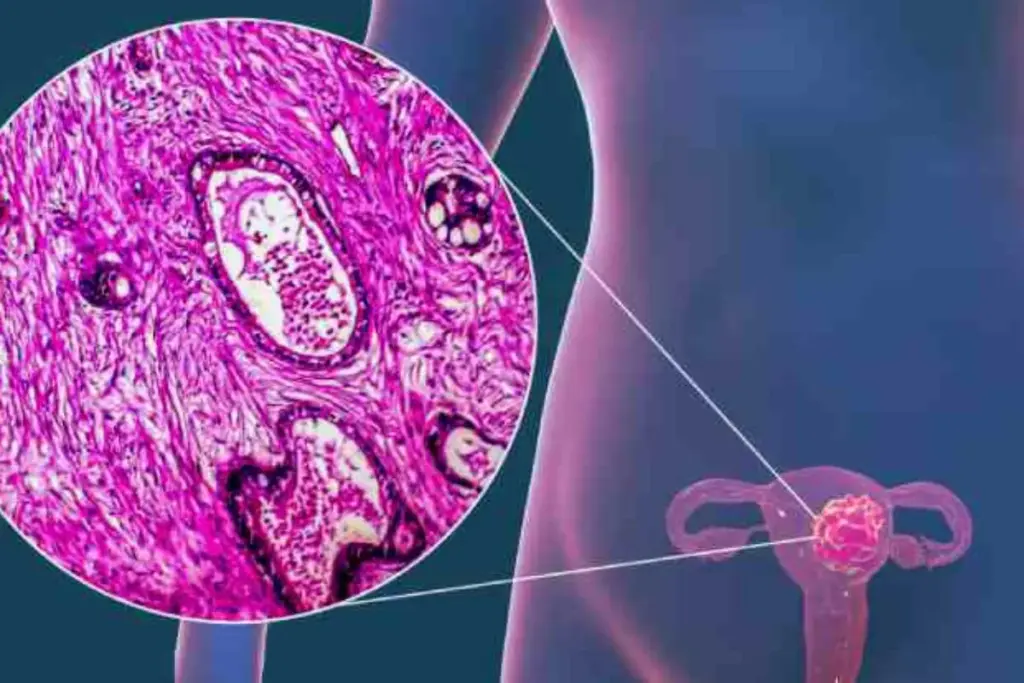
HPV infection is the main cause of cervical cancer. We will dive into how HPV leads to this disease.
What Causes Cervical Cancer: The HPV Link
Cervical cancer is mainly caused by the Human Papillomavirus (HPV). HPV is responsible for about 99% of cervical cancer cases. There are over 100 types of HPV, but not all cause cancer.
High-Risk HPV Strains
Some HPV strains, called high-risk HPV, are more likely to cause cervical cancer. HPV 16 and 18 are the main culprits. Knowing about these risks is key for prevention and early detection.
HPV Infection in Women: Symptoms and Detection
HPV often doesn’t show symptoms, so regular screenings are vital. Symptoms might include abnormal Pap test results or genital warts. We stress the need for regular check-ups for early detection.
|
HPV Type |
Cancer Risk |
Common Symptoms |
|---|---|---|
|
HPV 16 & 18 |
High |
Abnormal Pap test, Genital Warts |
|
Low-risk HPV |
Low |
Genital Warts |
From HPV to Cancer: The Progression Timeline
The journey from HPV infection to cervical cancer can take years, often over a decade. Regular screenings can spot precancerous changes early. We talk about the timeline’s importance for prevention.
Advanced cervical cancer symptoms without treatment<SEP-1170_image_3>
Without treatment, cervical cancer can cause many advanced symptoms. These symptoms can greatly affect a person’s quality of life. As the disease gets worse, these symptoms can become very hard to handle.
Escalation of Pain and Bleeding
Pain and bleeding can get worse without treatment. Patients might feel severe pelvic pain that spreads to the back and legs. They may also have abnormal vaginal bleeding, like heavy or irregular periods, or bleeding after sex.
According to the Surveillance, Epidemiology, and End Results (SEER), knowing these symptoms is key to understanding cervical cancer’s progression.
Urinary and Bowel Complications
Advanced cervical cancer can also cause urinary and bowel problems. The tumor can press on the bladder or rectum, making it hard to urinate or have bowel movements. Symptoms include frequent or urgent urination, constipation, or trouble passing stools.
Systemic Symptoms as Cancer Metastasizes
When cervical cancer spreads to other parts of the body, patients may feel systemic symptoms. These can include:
Weight Loss and Fatigue
Significant weight loss and constant fatigue are common. These happen because the body uses more energy to fight the cancer. Malnutrition from bowel problems can also contribute.
Leg Swelling and Pain
Leg swelling and pain can happen when cancer spreads to lymph nodes or blocks blood vessels. This can lead to deep vein thrombosis (DVT) or lymphedema, making things worse.
|
Symptom |
Description |
Possible Complications |
|---|---|---|
|
Pain and Bleeding |
Severe pelvic pain, abnormal vaginal bleeding |
Anemia, decreased quality of life |
|
Urinary Complications |
Urinary frequency, urgency, retention |
Kidney damage, urinary tract infections |
|
Bowel Complications |
Constipation, difficulty passing stools |
Bowel obstruction, fecal impaction |
|
Systemic Symptoms |
Weight loss, fatigue, leg swelling |
Malnutrition, deep vein thrombosis, lymphedema |
The stark reality: Survival statistics for untreated cervical cancer
Untreated cervical cancer has very low survival rates worldwide. It can cause severe problems and lead to many deaths. Knowing the survival stats is key to understanding why early detection and treatment are so important.
Global mortality rates: 350,000+ deaths annually
Cervical cancer is a major killer, causing over 350,000 deaths each year. This number shows how urgent it is to improve screening and treatment, mainly in poor areas where healthcare is hard to get. The World Health Organization says, “Cervical cancer is the fourth most common cancer in women worldwide, with most cases in developing countries.”
“Cervical cancer is the fourth most common cancer in women worldwide, with the majority of cases occurring in developing countries.”
World Health Organization
Stage-by-stage survival probability
The survival rate for cervical cancer changes a lot based on when it’s found. Early detection means a much better chance of survival compared to finding it later.
91% survival in early stages vs. 19% with metastases
At the early stages, the survival rate is about 91%. But, this number falls to around 19% if the cancer has spread. This big difference shows how vital early detection is.
The 53% overall probability of survival at 46 months
Research shows that cervical cancer patients have a 53% chance of survival at 46 months. This number highlights the need for quick and effective treatment to boost survival chances.
These numbers are based on global data and can change due to many factors. These include access to healthcare and when the cancer is diagnosed. Early detection and treatment are key to better survival rates for cervical cancer patients.
Organ system complications of advanced cervical cancer
Advanced cervical cancer can cause serious problems in many parts of the body. It can spread to nearby organs and tissues. This can lead to a lot of suffering.
Kidney Failure and Urinary Obstruction
Kidney failure is a big problem with advanced cervical cancer. The tumor can block the ureters, stopping urine from leaving the body. This can damage the kidneys or even cause failure if not treated.
Gastrointestinal Complications and Fistula Formation
Cervical cancer can harm the digestive system, too. Fistulas can form between the cervix and the rectum or bladder. This can cause problems like losing control of bowel movements, which is very distressing.
Skeletal Involvement and Pathological Fractures
Advanced cervical cancer can spread to the bones. This can make bones weak and prone to breaking. Such breaks can be very painful and make things worse for the patient.
Neurological Complications from Spinal Compression
Spinal compression from cervical cancer can cause serious nerve problems. Symptoms include pain, numbness, or weakness in the limbs. In bad cases, it can even lead to paralysis. Quick medical help is needed to manage these issues.
|
Organ System |
Complications |
|---|---|
|
Urinary System |
Kidney failure, urinary obstruction |
|
Gastrointestinal System |
Fistula formation, bowel obstruction |
|
Skeletal System |
Pathological fractures, bone pain |
|
Neurological System |
Spinal compression, neurological deficits |
Quality of life impact of untreated cervical cancer
Not treating cervical cancer has big effects on a person’s life. It changes how they feel and live every day. As the disease gets worse, many challenges come up.
Physical Limitations and Chronic Pain Management
Untreated cervical cancer can cause a lot of pain and make moving hard. It’s important to manage pain well. This helps keep the patient’s quality of life good.
We need to use many ways to help with pain. This includes medicine, physical therapy, and other treatments.
Psychological and Emotional Burden
The mind and emotions also suffer from untreated cervical cancer. Patients often feel anxious, depressed, and worried about the future. The emotional pain can be as bad as the physical.
Depression and Anxiety
Depression and anxiety are common in those with untreated cervical cancer. These feelings make it hard to deal with the disease. It’s key to support mental health with counseling and therapy.
Social and Relationship Challenges
Untreated cervical cancer also hurts a person’s social life and relationships. The disease’s effects can make people feel isolated. This strains bonds with family and friends.
Support from loved ones and groups is very important. It helps patients face these challenges.
It’s important to understand how untreated cervical cancer affects a person’s life. We must tackle the physical, mental, and social issues. This way, we can offer better care.
Global disparities in cervical cancer outcomes
Cervical cancer survival rates vary a lot between rich and poor countries. This shows big differences in healthcare around the world. We look at why these differences happen, focusing on death rates, screening and treatment access, and how money affects survival.
Mortality Differences Between High and Low-Income Regions
In low-income areas, cervical cancer death rates are much higher than in rich countries. This gap is mainly because of a lack of screening and treatment options in poor countries.
Access Barriers to Screening and Treatment Services
Getting screened and treated for cervical cancer is not the same everywhere. In poor countries, things like no facilities, high costs, and few doctors make it hard to fight the disease.
Socioeconomic Factors Affecting Cervical Cancer Survival
Things like education, money, and healthcare access really matter for surviving cervical cancer. Women with less money or education often get diagnosed later and get worse care. This makes the disease’s effects even worse.
|
Region |
Mortality Rate |
Screening Coverage |
|---|---|---|
|
High-Income Countries |
Low |
High |
|
Low-Income Countries |
High |
Low |
Comprehensive treatment approaches that improve prognosis
Comprehensive treatment strategies are key to better survival rates for cervical cancer patients. We will look at the different methods that help improve outcomes.
Early Intervention Strategies
Early detection and treatment of cervical cancer greatly improve patient outcomes. Surgical options are often considered for early-stage disease.
Advanced Stage Treatment Protocols
For more advanced stages of cervical cancer, treatment protocols often involve a combination of therapies.
Radiation and Chemotherapy Combinations
Radiation therapy and chemotherapy are commonly used together to treat advanced cervical cancer. This combination enhances the effectiveness of treatment.
According to the American Cancer Society, the overall probability of survival at 46 months is around 53% for cervical cancer patients. Understanding these statistics highlights the importance of thorough treatment plans.
Multidisciplinary Care Benefits
A multidisciplinary approach to cervical cancer treatment, involving oncologists, surgeons, radiologists, and other healthcare professionals, provides complete care. It addresses all aspects of the disease.
Innovative Therapies and Clinical Trials
Innovative therapies and participation in clinical trials offer new hope for cervical cancer patients. They provide access to cutting-edge treatments that may improve outcomes.
|
Treatment Approach |
Description |
Benefits |
|---|---|---|
|
Surgery |
Removal of cancerous tissue |
Potential cure for early-stage disease |
|
Radiation Therapy |
High-energy rays to kill cancer cells |
Effective for localized tumors |
|
Chemotherapy |
Drugs to kill cancer cells |
Systemic treatment for advanced disease |
Conclusion: The critical importance of timely cervical cancer treatment
It’s key to know how cervical cancer progresses and its symptoms. Spotting the signs early can greatly help in treatment. Cervical cancer, linked to HPV, can grow quietly, so regular tests are a must for catching it early.
Getting treatment for cervical cancer quickly is very important. It affects how long you live and how well you feel. At Liv Hospital, we focus on top-notch cancer care. We use the newest treatments and work together as a team to help patients get better.
Knowing about cervical cancer and its signs can help save lives. We urge everyone to look after their health by learning about cervical cancer symptoms. Regular check-ups are essential for early detection and treatment, which can greatly improve survival chances.
FAQ
What are the early warning signs of cervical cancer?
Early signs of cervical cancer include abnormal bleeding and pelvic pain. These symptoms can happen between periods, after sex, or during menopause. If you notice these, get medical help right away.
How is cervical cancer linked to HPV infection?
Cervical cancer often comes from certain types of Human Papillomavirus (HPV). HPV can cause pre-cancerous lesions. If not treated, these can turn into invasive cancer.
What are the symptoms of HPV infection in women?
Many women with HPV don’t show symptoms. But some might see genital warts or abnormal cell changes. These can be found with Pap smear tests.
What happens if cervical cancer is left untreated?
Untreated cervical cancer can get worse. It can cause more pain and bleeding, and affect your bladder and bowels. It can also spread and cause more serious symptoms.
References
- World Health Organization (WHO): https://www.who.int/news-room/fact-sheets/detail/cervical-cancer
- National Center for Biotechnology Information (NCBI): https://pmc.ncbi.nlm.nih.gov/articles/PMC9232151/
- Surveillance, Epidemiology, and End Results (SEER) Program: https://seer.cancer.gov/statfacts/html/cervix.html
- American Cancer Society (ACS): https://www.cancer.org/cancer/types/cervical-cancer/detection-diagnosis-staging/survival.html
- National Cancer Institute (NCI): https://www.cancer.gov/types/cervical/survival
World Health Organization. Evidence-Based Medical Insight. Retrieved from https://www.who.int/news-room/fact-sheets/detail/cervical-cancer