
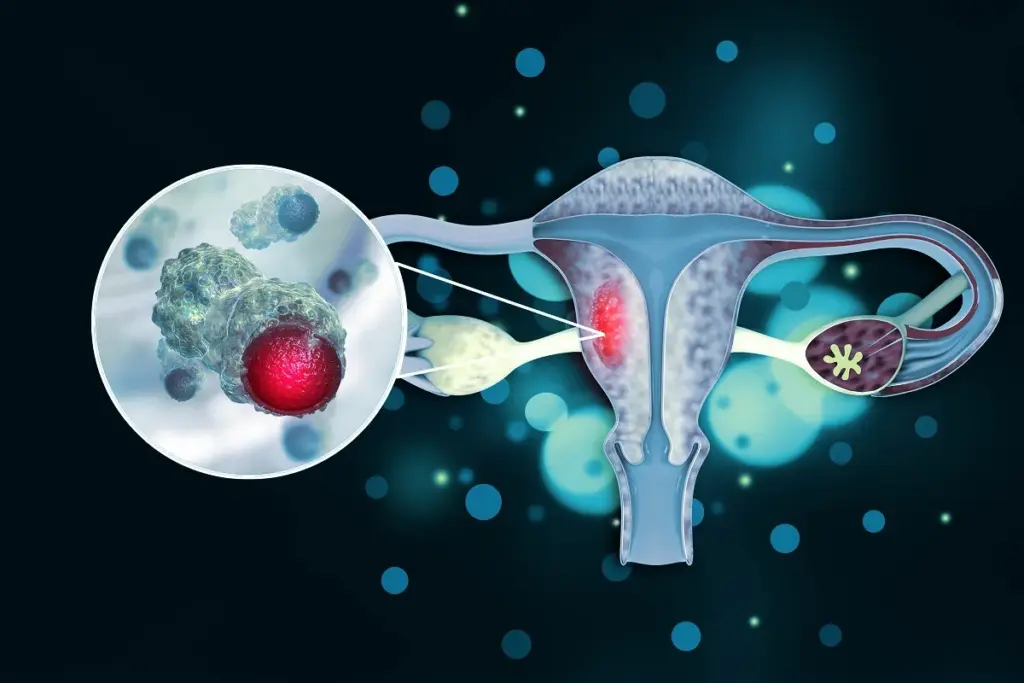
Cervical cancer is called the “silent killer” because it often doesn’t show symptoms early on. This makes it hard for individuals to catch it until it’s too late.
The World Health Organization says cervical cancer was the fourth most common cancer in women in 2022. It caused about 660,000 new cases and 350,000 deaths. We need to spread the word about this serious health issue.
Key Takeaways
- Cervical cancer is often asymptomatic in its early stages.
- The disease is a significant global health issue, with high mortality rates.
- Early detection is key for effective treatment and survival.
- Awareness and prevention are vital in fighting cervical cancer.
- Global health organizations are working to lower cervical cancer rates.
The Deadly Reality of Cervical Cancer

Cervical cancer is a big health problem worldwide. It’s known as a deadly disease because of its high death rates. This disease affects women’s lives all over, causing serious harm.
Why Cervical Cancer Earns the “Silent Killer” Label
Cervical cancer is called a “silent killer” because it often shows no symptoms early on. This means many women don’t know they have it until it’s too late. Studies show that HPV infection is linked to cervical cancer, making it key to understand.
The Mortality Impact of Delayed Detection
When cervical cancer is not caught early, it can lead to more deaths. This is because the cancer grows and becomes harder to treat. Most cervical cancer deaths happen in poor countries because they can’t get vaccines or screenings.
|
Region |
Cervical Cancer Incidence |
Mortality Rate |
|---|---|---|
|
Global |
660,000 new cases |
350,000 deaths |
|
Low- and Middle-Income Countries |
Majority of cases |
85% of deaths |
Global and National Statistics: The Scope of the Problem
It’s important to know the global and national stats on cervical cancer. The numbers show a big health problem that needs our focus and action.
Worldwide Burden: 660,000 New Cases and 350,000 Deaths
The World Health Organization says there were about 660,000 new cases and 350,000 deaths from cervical cancer in 2022. These numbers show how big a problem cervical cancer is worldwide. It’s a big health issue, hitting hard in countries where health care is not as good.
Cervical cancer is the fourth most common cancer in women globally. This fact calls for action from health care systems everywhere to fight the disease.
United States Projections: 13,360 New Cases and 4,320 Deaths by 2025
In the US, the outlook for cervical cancer is also worrying. It’s expected that there will be 13,360 new cases and 4,320 deaths by 2025. These numbers show we need to keep working on awareness, education, and prevention in the US.
The US stats also stress the need to keep investing in HPV vaccination and screening for cervical cancer. Knowing these numbers helps us make our health responses better.
Looking at both global and national stats helps us understand cervical cancer’s big problem. This knowledge is key to making good plans to fight the disease and lower its rates.
The Silent Progression: How Cervical Cancer Develops Undetected

It’s important to understand how cervical cancer starts early. This helps in catching it before it’s too late. Cervical cancer comes from abnormal cells in the cervix. It’s often caused by the human papillomavirus (HPV) infection.
The HPV Connection: From Infection to Cancer
Most cervical cancers are linked to high-risk HPV types. This virus can cause cell changes that might turn into cancer if not caught. The link between HPV and cervical cancer shows why vaccines and screenings are key.
Why Early Stages Remain Asymptomatic
In its early stages, cervical cancer often doesn’t show symptoms. This is why regular check-ups are vital. The disease can grow quietly, with cell changes happening without any signs. This is why we need to prevent it with vaccines and Pap smears to catch and treat early changes.
|
Stage |
Characteristics |
Symptoms |
|---|---|---|
|
Early Stage |
Abnormal cell changes |
Asymptomatic |
|
Advanced Stage |
Cancer progression |
Abnormal bleeding, pelvic pain |
Warning Signs: When the Silent Killer Finally Speaks
Knowing the warning signs of cervical cancer is key for early detection and treatment. Cervical cancer often has no symptoms in its early stages. But knowing the signs can greatly improve treatment outcomes.
Early Warning Signals Often Missed
Early signs of cervical cancer can be subtle and easy to miss. Common symptoms include:
- Abnormal vaginal bleeding, such as bleeding between periods, after sex, or after menopause.
- Unusual vaginal discharge that may be watery, thick, or have a foul smell.
- Pelvic pain or discomfort during sex.
These symptoms can also mean other health issues. But, it’s important to see a doctor if they don’t go away or get worse.
Advanced Stage Symptoms That Demand Attention
As cervical cancer gets worse, symptoms get more severe. Advanced stage symptoms include:
- Severe pelvic pain that can spread to the back or legs.
- Significant weight loss or loss of appetite.
- Fatigue or feeling extremely weak.
- Swelling in one or both legs.
We stress the need for regular screenings and watching for body changes. Early detection and treatment can greatly improve survival rates and quality of life for those with cervical cancer.
Understanding the Unique Challenges for Cervical Women<SEP-1186_image_3>
It’s key to grasp the complex issues cervical cancer poses for women. We need to look at the many factors that lead to unequal outcomes in cervical cancer.
Age-Related Risk Factors and Considerations
The risk of cervical cancer changes as women age. Women under 25 may not get screened often, and those over 65 might not get the care they need. Age-related risks are complex:
- Young women are more likely to catch high-risk HPV strains.
- Older women’s immune systems may weaken, making them more prone to cancer.
- Women going through menopause or after may have different symptoms, making diagnosis harder.
Knowing these age-related risks helps doctors create better screening and prevention plans for each woman.
Socioeconomic Factors Affecting Cervical Cancer Outcomes
Socioeconomic status greatly affects cervical cancer outcomes. Low-income and minority women often face barriers to care. Important socioeconomic factors include:
- They often can’t get to screening and preventive services.
- They might not know about cervical cancer risks because of lack of education.
- Cultural and language barriers also block their access to healthcare.
It’s vital to tackle these socioeconomic disparities to lower cervical cancer rates and deaths. By understanding the unique challenges women from different backgrounds face, we can create better health solutions.
High-Risk Populations: Who Faces Greater Danger
Some groups, like those with health issues and older women, need special care to fight cervical cancer. It’s key to know who these groups are to lower the disease’s spread and death rates.
Women Living with HIV: Six Times the Risk
Women with HIV face a much higher risk of cervical cancer. They are six times more likely to get it than others. This is because HIV weakens the immune system, making it hard to fight off HPV, the main cause of cervical cancer.
It’s vital to have healthcare plans that tackle both HIV and cervical cancer. Regular screenings and HPV vaccines are essential for these women.
|
Risk Factor |
General Population Risk |
HIV-Positive Population Risk |
|---|---|---|
|
Cervical Cancer Incidence |
Low |
Six times higher |
|
HPV Infection Rate |
Common |
More persistent and severe |
Women Over 65: The 20% That Often Go Unscreened
Women over 65 are also at high risk for cervical cancer. Yet, about 20% of them don’t get screened or get screened too late. This can cause them to find out too late and face worse outcomes.
As people get older, their immune system weakens, and they may have other health problems. Doctors must stress the need for ongoing screening and care for these women.
Prevention and Early Detection: Silencing the Silent Killer
Prevention and early detection are key in fighting cervical cancer. This disease is called the “silent killer” because it often doesn’t show symptoms until it’s too late. By using these strategies, we can lower the number of cases and deaths from this disease.
HPV Vaccination: The Primary Prevention Strategy
HPV vaccination is a main way to prevent cervical cancer. It targets the human papillomavirus (HPV), which causes most cervical cancer cases. By getting vaccinated against HPV, we can stop cervical cancer from starting. HPV vaccination works best when given before you’re exposed to the virus, so it’s important for young people.
Starting HPV vaccination programs has been very promising. Countries that have widely used these vaccines have seen fewer cases of HPV-related diseases.
Screening Programs That Save Lives
Screening programs are key for catching cervical cancer early. They help find abnormal cells and cancers in their early stages. This means we can treat them before they get worse.
Pap Smear Testing
Pap smear testing has been a big help in lowering cervical cancer deaths. It takes cells from the cervix to check for abnormal changes. Getting regular Pap smears can greatly lower your risk of cervical cancer.
HPV DNA Testing
HPV DNA testing is another important tool. It finds high-risk HPV types linked to cervical cancer. This test can be used alone or with Pap smear testing to find precancerous cells better.
By using HPV vaccination and screening programs together, we can fight cervical cancer effectively. These steps are vital in reducing the global impact of cervical cancer.
Treatment Advances: New Hope in the Fight Against Cervical Cancer
The fight against cervical cancer is getting a boost with new treatments. These advancements are making a big difference. They are helping more women survive and live better with cervical cancer.
Immunotherapy Breakthroughs Changing Outcomes
Immunotherapy is a game-changer for cervical cancer. It uses the body’s immune system to attack cancer cells. Key benefits of immunotherapy include:
- Targeted treatment with potentially fewer side effects
- Enhanced ability to combat advanced or recurrent cervical cancer
- Ongoing research and clinical trials showing encouraging results
Immunotherapy gives new hope to those who didn’t respond well to old treatments.
Earlier Intervention with Chemotherapy and Radiation
Chemotherapy and radiation are now used earlier in treatment. This approach is more effective at shrinking tumors and stopping cancer from spreading. Notable advancements include:
- More precise radiation techniques, minimizing damage to surrounding healthy tissues
- Combination therapies that enhance treatment efficacy
- Personalized treatment plans tailored to individual patient needs
These new treatments are changing cervical cancer care. They are leading to better survival rates and quality of life for patients.
Conclusion: Breaking the Silence Around Cervical Cancer
Cervical cancer is a big problem worldwide, as the World Health Organization says. We need to talk more about it to help.
We’ve looked at many parts of cervical cancer in this article. This includes what causes it, how to prevent it, and how to treat it. Knowing these things helps us help women all over the world.
To end the silence, we all need to work together. We must teach, screen, and treat cervical cancer. We should keep telling women about the importance of their health and getting help when needed. This way, we can lower the death rate and support those who are going through it.
As we keep going, we must keep talking about cervical cancer. Together, we can change lives for women everywhere.
FAQ
Is cervical cancer a deadly disease?
Yes, cervical cancer is a major cause of death for women worldwide. It’s called the “silent killer” because it often has no symptoms in the early stages.
What are the common symptoms of cervical cancer?
Early cervical cancer may not show symptoms. But, look out for abnormal vaginal bleeding, pelvic pain, and changes in vaginal discharge. Catching these signs early is key.
How can cervical cancer be prevented or detected early?
To prevent it, get the HPV vaccine. For early detection, use Pap smear and HPV DNA testing. These steps can make a big difference.
Who is at higher risk of developing cervical cancer?
Women with HIV and older women face a higher risk. Knowing these risks helps in giving better care.
What are the latest developments in cervical cancer treatment?
New treatments like immunotherapy, chemotherapy, and radiation therapy are helping. They’ve improved survival rates for cervical cancer patients.
Why is early detection of cervical cancer important?
Finding cervical cancer early is vital. It lowers death rates by allowing for better treatment options.
What is the connection between HPV infection and cervical cancer?
HPV infection is linked to cervical cancer. Knowing this helps in preventing and detecting the disease.
Are there any socioeconomic factors that impact cervical cancer outcomes?
Yes, money and social status can affect cervical cancer outcomes. Understanding these factors is key to helping women from all walks of life.
References
- World Health Organization (WHO): https://www.who.int/news-room/fact-sheets/detail/cervical-cancer
- American Cancer Society (ACS): https://www.cancer.org/cancer/types/cervical-cancer/about/key-statistics.html
- UT Physicians: https://www.utphysicians.com/cervical-cancer-awareness-month-2025/
- National Center for Biotechnology Information (NCBI): https://pmc.ncbi.nlm.nih.gov/articles/PMC12034968/
- PubMed: https://pubmed.ncbi.nlm.nih.gov/40026066/
World Health Organization. Evidence-Based Medical Insight. Retrieved from https://www.who.int/news-room/fact-sheets/detail/cervical-cancer



 Departments
 Related Videos
 Our Doctors
 News
News