
Cervix inflammation, or cervicitis, is a common issue for many women. It affects up to 70% of sexually active women at some point. Feeling cervix pain and discomfort can be really tough. While there are conventional treatments, looking into natural ways can offer extra relief and help keep your cervical health in check. Stop the pain. Learn how to identify cervicitis symptoms and use natural remedies to cure cervix inflammation permanently and safely.
We know traditional treatments for cervicitis have their limits. That’s why we focus on natural remedies and lifestyle changes. These can help ease cervicitis symptoms and support healing.
Key Takeaways
- Natural approaches can complement conventional cervicitis treatment.
- Dietary changes and herbal remedies may help alleviate cervix pain.
- Lifestyle interventions can support overall cervical health.
- Clinical studies back some natural remedies for cervicitis.
- Liv Hospital’s commitment to excellence enhances overall care.
Understanding Cervical Inflammation: What Is Cervicitis?
Cervicitis, or cervical inflammation, is a common health issue. It needs attention and proper care. We will look into what cervicitis is, its types, and its effects on women’s health.
Definition and Prevalence of Cervicitis
Cervicitis is inflammation of the cervix. It can be caused by infections, allergies, or irritants. It is common among women of reproductive age. Studies show it affects a lot of women, based on age, sexual activity, and health.
Types of Cervicitis: Acute vs. Chronic
Cervicitis is divided into acute and chronic types. Acute cervicitis starts suddenly and is often due to infections. Chronic cervicitis lasts longer and may be caused by ongoing irritants or health issues. Knowing the type helps in choosing the right treatment.
Impact on Women’s Reproductive Health
Cervicitis can harm women’s reproductive health. It can lead to pelvic inflammatory disease (PID), infertility, and higher HIV risk. It also causes discomfort, pain during sex, and abnormal bleeding. So, treating cervicitis quickly is key to avoiding serious problems.
|
Characteristics |
Acute Cervicitis |
Chronic Cervicitis |
|---|---|---|
|
Onset |
Sudden |
Gradual or persistent |
|
Causes |
Often infections (STIs) |
Ongoing exposure to irritants, infections, or underlying conditions |
|
Symptoms |
Abnormal vaginal discharge, pain during intercourse |
Mild or persistent symptoms, sometimes asymptomatic |
|
Treatment Approach |
Targeted antibiotics or antiviral therapy |
May require ongoing management, lifestyle changes |
Common Causes of Cervical Inflammation
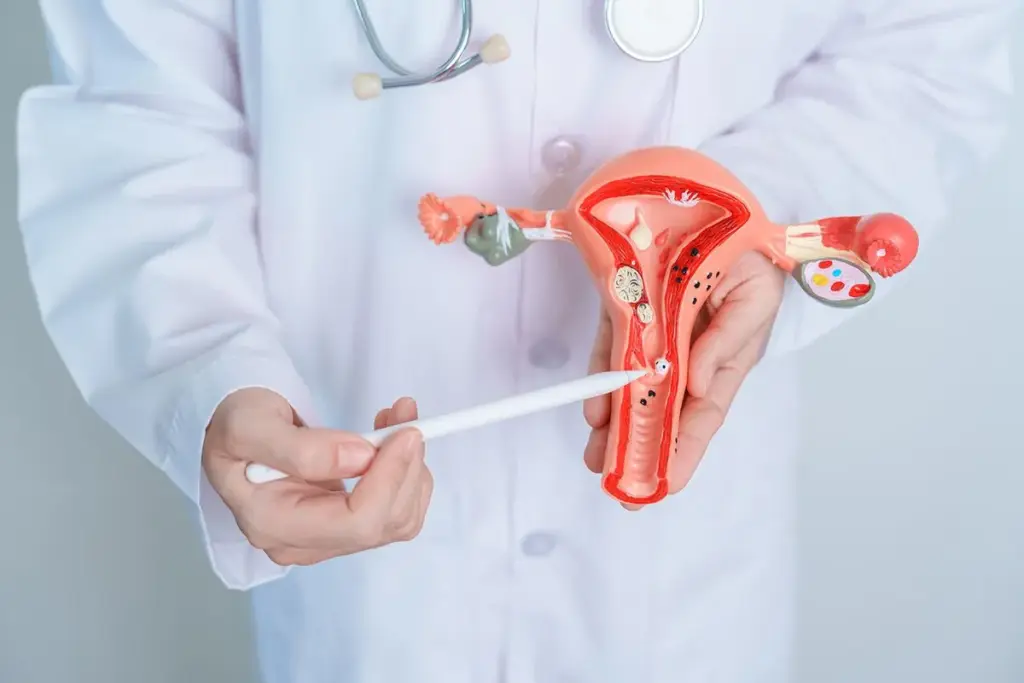
Cervicitis, or cervical inflammation, can come from many sources. This includes infections and other non-infectious factors. Knowing what causes it is key to finding and treating it effectively.
Bacterial Infections and STIs
Bacterial infections and sexually transmitted infections (STIs) are big reasons for cervicitis. Chlamydia trachomatis and Neisseria gonorrhoeae are top STIs that cause it. These infections can make the cervix very inflamed. If not treated, they can cause more serious problems like pelvic inflammatory disease (PID).
Other STIs, like herpes simplex virus and human papillomavirus (HPV), can also lead to cervicitis. They often cause other symptoms too. This shows why it’s important to practice safe sex and get tested for STIs regularly.
Non-Infectious Causes
Not all cervicitis is from infections. Other causes include:
- Allergic reactions to things like latex or spermicides
- Irritation from douches or other vaginal products
- Physical trauma to the cervix
- Chemical irritants
These non-infectious causes can also cause inflammation and discomfort. They can be similar to the effects of infections.
Risk Factors for Developing Cervicitis
Some factors can make a woman more likely to get cervicitis. These include:
|
Risk Factor |
Description |
|---|---|
|
Young age |
Women under 25 are at higher risk due to increased likelihood of STIs. |
|
Multiple sexual partners |
Increased exposure to STIs. |
|
History of STIs |
Having had STIs before makes getting them again more likely. |
|
Vaginal douching |
Can upset the natural balance of vaginal bacteria, raising infection risk. |
Knowing these risk factors can help prevent and catch cervicitis early.
Recognizing Cervicitis Symptoms: Early Detection for Better Treatment
Knowing the signs of cervicitis is key to getting the right treatment early. Cervicitis is when the cervix gets inflamed. It’s important to know the signs to catch it early.
Physical Symptoms of Cervical Inflammation
The symptoms of cervicitis can vary. Some common signs include abnormal vaginal discharge. This discharge might look, smell, or feel different than usual.
Women might also feel pelvic pain or discomfort. This pain can be mild or very severe. Another sign is bleeding after sex or between periods.
Other symptoms include pain when urinating or needing to urinate more often. Some women might not notice any symptoms at all. That’s why regular check-ups with a gynecologist are important.
Differences Between Acute and Chronic Cervicitis Symptoms
The symptoms of cervicitis can change based on whether it’s acute or chronic. Acute cervicitis has more noticeable symptoms like a lot of discharge, pain, or heavy bleeding. These symptoms come on fast and can be very uncomfortable.
Chronic cervicitis has milder or less frequent symptoms. These symptoms can be easy to miss or think they’re from something else. Women with chronic cervicitis might have mild discharge or spotting that keeps coming back.
When Symptoms Require Immediate Medical Attention
Some cases of cervicitis need quick medical help. If you have severe pelvic pain, heavy vaginal bleeding, or fever, get help right away. Also, if you see unusual or foul-smelling discharge, see a doctor.
Getting cervicitis treated early helps manage it better. It also prevents bigger problems like PID or infertility. Knowing the symptoms and when to see a doctor is important for your health.
Conventional Medical Treatments for Cervicitis
Doctors usually treat cervicitis by fixing the cause of the inflammation. The treatment depends on the cause, like bacteria, virus, or other infections.
Bacterial Cervicitis Treatment
For bacterial cervicitis, antibiotic therapies are key. The antibiotic choice depends on the bacteria. Azithromycin and doxycycline are common choices. It’s vital to finish all antibiotics to clear the infection.
A study on the National Center for Biotechnology Information shows antibiotics work well. But, it stresses the need for accurate diagnosis and treatment to avoid problems.
Viral Cervicitis Treatment
For viral cervicitis, like herpes simplex virus (HSV), anti-viral treatments are used. These meds help manage symptoms and reduce outbreaks. Some might need ongoing treatment for frequent outbreaks.
Limitations of Conventional Treatments
Conventional treatments work well but have limits. Antibiotic resistance is a big issue due to overuse. Antiviral meds might not get rid of the virus, and some people may have side effects.
Also, these treatments often just treat symptoms, not the root cause. That’s where natural remedies and lifestyle changes can help support cervical health.
The Science Behind Natural Approaches to Cervical Health
<SEP-1217_image_4>
Looking into natural ways to handle cervical inflammation, we must see the science backing these methods. Mixing natural remedies with standard treatments gives a full view of cervical health.
Evidence Supporting Complementary Therapies
Studies show that herbal remedies and diet changes are key in fighting cervicitis. Some herbs and nutrients have anti-inflammatory effects, helping symptoms lessen and healing to start. For example, research on natural ways to fight HPV shows these methods can help with related problems.
Using natural remedies has led to better results in women’s health. Knowing the science behind these treatments helps doctors offer better care.
Targeting Inflammation Pathways
Natural remedies often aim at specific inflammation paths in cervicitis. For instance, some dietary supplements have anti-inflammatory compounds. These can lessen symptoms by changing how the body reacts to inflammation.
The anti-inflammatory effects of natural compounds can boost the success of standard treatments. This can also cut down on side effects.
Integrating Natural and Conventional Approaches
Mixing natural remedies with standard treatments offers a more complete way to manage cervicitis. This approach lets doctors customize care for each patient, possibly leading to better results. By balancing science and patient wishes, doctors can make a treatment plan that works well.
For effective mixing, doctors need to know both natural and standard treatments well. They also must keep an eye on how patients react to ensure the best results.
Herbal Remedies for Cervical Inflammation
Looking into herbal remedies can help manage cervicitis naturally. These remedies have been used for centuries to treat many health issues, including cervical inflammation. Using herbal remedies along with traditional treatments can offer a more complete approach to treating cervicitis. This can lead to better results and lower the chance of the condition coming back.
Traditional Chinese Medicine: Shaofu Zhuyu Decoction
Shaofu Zhuyu Decoction is a traditional Chinese medicine formula studied for treating cervicitis. Studies show it can improve treatment results when used with antibiotics. It’s thought to help by addressing the root causes of inflammation and aiding in healing.
“The mix of traditional Chinese medicine with modern treatments is a promising way to handle cervicitis,” say experts in integrative medicine.
Western Herbal Approaches for Cervicitis
Western herbalism also has its ways to treat cervical inflammation. Herbs like Echinacea and Calendula are used for their anti-inflammatory and antimicrobial effects. These herbs can be taken as teas, tinctures, or capsules, making treatment flexible.
- Echinacea: Known for its immune-boosting properties.
- Calendula: Used topically for its anti-inflammatory effects.
- Goldenseal: Contains berberine, which has antimicrobial properties.
Herbal Preparations and Application Methods
The way herbal remedies are prepared and applied can greatly affect their effectiveness. Herbal teas, tinctures, and creams are common forms used for treating cervicitis. The choice of preparation depends on the herb, the type of inflammation, and the patient’s needs.
A study on herbal preparations found that “the bioavailability of herbal compounds can be improved through specific preparation methods, potentially leading to better treatment results.”
Knowing about the different herbal remedies and how to use them can help people make better choices for their treatment plan for cervicitis.
Anti-Inflammatory Supplements for Cervical Health
Anti-inflammatory supplements can help with cervical health. They offer relief and healing. We look at how they manage cervical inflammation.
Curcumin and Turmeric Benefits
Curcumin, from turmeric, fights inflammation and is an antioxidant. Studies show it can lessen inflammation. This helps those with cervical inflammation.
Key Benefits of Curcumin:
- Reduces inflammation
- Antioxidant properties
- May improve symptoms of cervical inflammation
Nigella Sativa (Black Seed) Properties
Nigella sativa, or black seed, is known for its anti-inflammatory effects. Research backs its ability to reduce inflammation and aid in healing.
Nigella Sativa Benefits:
- Anti-inflammatory effects
- Antioxidant properties
- Immune system support
Omega-3 Fatty Acids and Inflammation Reduction
Omega-3 fatty acids, like EPA and DHA, cut down body inflammation. Found in fish oil, they help cervical health by reducing inflammation.
|
Supplement |
Anti-Inflammatory Effects |
Additional Benefits |
|---|---|---|
|
Curcumin/Turmeric |
Reduces inflammatory markers |
Antioxidant, improves symptoms |
|
Nigella Sativa |
Anti-inflammatory properties |
Antioxidant, immune support |
|
Omega-3 Fatty Acids |
Reduces inflammation |
Heart health, brain function |
Proper Dosing and Safety Considerations
When using anti-inflammatory supplements, proper dosing is key. Always talk to a healthcare provider. They can help ensure safe and effective use.
Dietary Approaches to Reduce Cervical Inflammation
Changing your diet can help manage cervicitis. Diet is key to keeping your cervix healthy and reducing inflammation. Eating the right foods can ease symptoms and boost your health.
Anti-Inflammatory Foods to Include
Eating foods that fight inflammation is important. Some top choices are:
- Fatty Fish: Full of omega-3s, which fight inflammation.
- Berries: Packed with antioxidants and flavonoids to reduce inflammation.
- Green Tea: Has polyphenols that cut inflammation and boost health.
- Turmeric: Contains curcumin, a strong anti-inflammatory and antioxidant.
Cruciferous Vegetables: DIM and I3C Benefits
Cruciferous veggies are great for cervical health. They have DIM (Diindolylmethane) and I3C (Indole-3-Carbinol). These help:
- Control estrogen levels, which can lower cervical inflammation.
- Offer antioxidant and anti-inflammatory benefits.
Broccoli, cauliflower, and kale are examples of these veggies.
Foods to Avoid During Cervical Inflammation
It’s also important to avoid certain foods. Foods that might make inflammation worse include:
- Processed Foods: Full of unhealthy fats, sugars, and preservatives that can cause inflammation.
- Sugary Drinks: Can increase body inflammation.
- Refined Carbohydrates: Can raise blood sugar and insulin resistance, making inflammation worse.
Sample Meal Plan for Cervical Health
Here’s a meal plan for cervical health:
|
Meal |
Foods |
|---|---|
|
Breakfast |
Oatmeal with berries and green tea |
|
Lunch |
Grilled salmon with broccoli and quinoa |
|
Dinner |
Turmeric-spiced chicken with roasted veggies and brown rice |
By eating anti-inflammatory foods and avoiding harmful ones, you can manage cervical inflammation. This helps promote overall health.
The Role of Probiotics in Cervical Health
Probiotics play a key role in keeping the cervix healthy. They help maintain a balanced vaginal microbiome. This balance is vital for preventing infections and inflammation.
Vaginal Microbiome and Cervical Protection
The vaginal microbiome acts as a shield against harmful bacteria. It keeps the pH acidic, stopping bad bacteria from growing. A balanced microbiome is key for cervical health, stopping conditions like cervicitis.
Best Probiotic Strains for Women’s Health
Some probiotic strains are better for women’s health. Lactobacillus species, like L. crispatus and L. rhamnosus, help keep the vagina healthy. They keep the pH balanced and stop harmful bacteria from growing.
Methods of Probiotic Supplementation
Probiotics can be taken in different ways. You can take them orally or use vaginal suppositories. Oral supplements help overall health, while vaginal suppositories target the vaginal microbiome.
Oral Probiotics: These come in capsules, tablets, or powders. They contain live bacteria that support gut health, which is linked to vaginal health.
Vaginal Probiotics: Suppositories or capsules inserted into the vagina provide a direct way to restore the vaginal microbiome.
Lifestyle Modifications to Support Cervical Healing
Making lifestyle changes is key to helping cervical inflammation heal. By making certain changes, people can improve their cervical health. This might also lessen the symptoms of cervicitis.
Stress Reduction Techniques
Too much stress can weaken the immune system. This makes it harder to fight off infections, like those causing cervical inflammation. Stress reduction techniques can help. Some good methods include:
- Meditation and mindfulness practices
- Yoga and tai chi
- Deep breathing exercises
- Progressive muscle relaxation
These methods not only reduce stress but also boost overall health. This is very important when you’re recovering.
Sleep Quality and Immune Function
Good sleep is vital for a strong immune system. Sleep helps the body fix damaged cells and build muscle. Improving sleep quality can be done by:
- Keeping a regular sleep schedule
- Having a calming bedtime routine
- Staying away from caffeine and screens before bed
- Ensuring your sleep area is comfy
By focusing on sleep, you help your body heal naturally.
Exercise Recommendations During Recovery
Rest is important, but gentle exercise can also help. Exercise can lower stress, improve mood, and boost physical health. Good exercises during recovery include:
- Light walking
- Stretching exercises
- Low-impact yoga
Stay away from activities that are too hard or might hurt your condition.
Intimate Health Practices for Prevention
Good intimate health practices are key to avoiding cervical inflammation. This includes:
- Using protection during sex
- Keeping genital areas clean
- Avoiding things that can irritate, like douches or scented products
- Checking for STIs and infections regularly
By following these practices, you can lower your risk of getting cervicitis or having it come back.
Creating a Holistic Treatment Plan for Cervicitis
A holistic treatment plan for cervicitis works well when it uses natural methods. It must address physical, emotional, and lifestyle factors. This approach helps manage cervicitis better.
Combining Multiple Natural Approaches
We suggest using several natural therapies together. This might include herbal remedies, supplements, diet changes, probiotics, and lifestyle tweaks. These methods help tackle cervicitis from different angles.
Key Components of a Holistic Treatment Plan:
- Herbal remedies tailored to the individual’s condition
- Anti-inflammatory supplements to reduce inflammation
- Dietary adjustments to support immune function and reduce inflammation
- Probiotics to maintain a healthy vaginal microbiome
- Lifestyle changes to reduce stress and promote overall well-being
Tracking Symptoms and Progress
It’s important to watch symptoms and treatment results. Keeping a symptom journal helps track changes. This information helps adjust the treatment plan as needed.
Regular check-ins with healthcare providers are also essential to ensure the treatment plan is working. They can make adjustments based on clinical evaluations.
Timeline for Natural Treatment Results
The time it takes to see results from natural treatments varies. It depends on the condition’s severity, the person’s health, and treatment adherence.
Generally, some improvements can be noticed within:
- 2-4 weeks for mild cases
- 6-12 weeks for moderate cases
- 3-6 months or more for severe or chronic cases
Working with Healthcare Providers
Natural treatments are effective, but working with healthcare providers is key. They provide valuable insights, recommend treatments, and monitor progress.
When seeking a healthcare provider for cervicitis treatment:
- Look for practitioners experienced in integrative or holistic medicine
- Ensure they are open to discussing and incorporating natural therapies
- Discuss your treatment plan and any concerns you may have
By using natural methods, tracking symptoms, understanding the timeline, and working with healthcare providers, you can manage cervicitis effectively.
When to Seek Medical Help: Natural Remedies’ Limitations
Natural remedies can help with cervical inflammation, but there are times when you need to see a doctor. It’s important to know that natural methods have their limits.
Warning Signs of Worsening Condition
Some symptoms mean you need to see a doctor right away. These include:
- Severe pelvic pain that doesn’t get better with natural remedies or over-the-counter pain relievers.
- Abnormal vaginal bleeding, like heavy or long-lasting bleeding, or bleeding between periods.
- Unusual discharge with a bad smell, or discharge that’s itchy or irritating.
- Fever or chills, which could mean an infection that natural treatments can’t handle.
The American College of Obstetricians and Gynecologists says, “Women with these symptoms need to see a doctor quickly to avoid problems.”
“Prompt evaluation is necessary for women experiencing these symptoms to prevent complications.” – American College of Obstetricians and Gynecologists
Conditions That Require Conventional Treatment
Some cervical inflammation is caused by conditions that need medical treatment. These include:
|
Condition |
Conventional Treatment |
|---|---|
|
Bacterial infections |
Antibiotics |
|
Viral infections (e.g., HPV, HSV) |
Antiviral medications |
|
Severe inflammation or complications |
Prescription anti-inflammatory medications or procedures |
It’s key to work with a healthcare provider to find out why you have cervical inflammation. Then, you can make a treatment plan together.
Finding Integrative Healthcare Providers
Many women find the best care by mixing natural remedies with medical treatments. This is under the guidance of an integrative healthcare provider. When looking for an integrative provider, consider these tips:
- Find practitioners who are open to both natural and conventional treatments.
- Check their credentials and experience with cervical inflammation.
- Ask how they combine different treatments.
Working with an integrative healthcare provider can give you the care you need. They will tailor it to your specific situation.
Conclusion: Empowering Your Cervical Health Journey
We’ve looked into cervical inflammation and natural ways to treat it. Now, you can take charge of your cervical health. Knowing the causes, symptoms, and treatments helps you make smart choices for your care.
Using natural methods along with medical treatments and lifestyle changes can help a lot. We talked about herbal supplements, diet changes, and probiotics. These can ease symptoms and boost your overall health.
Knowledge and action are key to empowerment in health. We urge you to work with your doctor to make a treatment plan. This plan should include the natural methods we’ve discussed. It will help you reach your goal of good cervical health.
FAQ
What is cervicitis, and how common is it?
Cervicitis is an inflammation of the cervix. It’s a common issue for women’s health. It can be caused by infections, STIs, and other factors.
What are the main causes of cervicitis?
Main causes include bacterial infections and STIs like chlamydia and gonorrhea. Non-infectious factors like allergies and trauma also play a role.
What are the symptoms of cervicitis, and how do they differ between acute and chronic cases?
Symptoms include abnormal discharge, pelvic pain, and bleeding. Acute cases have more severe symptoms. Chronic cases may have milder or ongoing symptoms.
Can cervicitis be treated with natural remedies, or is conventional medical treatment necessary?
Natural remedies can help manage cervicitis. They support cervical health. But, medical treatment is often needed for infections.
What are some effective herbal remedies for cervicitis?
Herbal remedies like Shaofu Zhuyu Decoction and Western herbs like turmeric can help. They alleviate symptoms and support health.
How can dietary changes help reduce cervical inflammation?
Eating anti-inflammatory foods and omega-3 rich foods helps. Avoid processed foods, sugar, and dairy for better health.
What role do probiotics play in maintaining cervical health?
Probiotics keep the vaginal microbiome healthy. This is key for cervical protection. Certain strains like Lactobacillus prevent infections.
Are there any lifestyle modifications that can support cervical healing?
Yes, stress reduction, better sleep, and exercise help. Safe sex and regular check-ups also prevent cervicitis.
How can I create a holistic treatment plan for cervicitis?
Combine herbal remedies, dietary changes, and lifestyle modifications. Tracking symptoms and working with healthcare providers is important.
When should I seek medical help for cervicitis, and what are the warning signs of a worsening condition?
Seek help for severe symptoms like heavy bleeding and fever. Warning signs include worsening symptoms and signs of complications.
Can natural remedies replace conventional medical treatment for cervicitis?
Natural remedies are helpful but shouldn’t replace medical treatment. Always consult healthcare providers for the best approach.
What are the benefits of using anti-inflammatory supplements for cervical health?
Supplements like curcumin reduce inflammation. But, always check with healthcare providers for safety and dosing.
How can I find an integrative healthcare provider for cervicitis treatment?
Search online or ask for referrals. Check professional organizations for integrative medicine providers. Ensure they treat cervicitis and use natural approaches.
References
PubMed Central (PMC). Alternative and natural treatments for HPV and cervical health. https://www.ncbi.nlm.nih.gov/pmc/articles/PMC6785356/