Cancer treatment is tough, and delays in chemotherapy due to low blood counts happen often. At Liv Hospital, we get how worried you are about managing low white blood cell levels during treatment.
We look into how chemotherapy affects blood cell production. We also talk about how to lessen the impact of low blood counts on treatment.
We focus on our patients, giving top-notch safe oncology care. We offer full support to international patients looking for advanced medical treatments.
Key Takeaways
- Understanding the causes of low white blood cell counts during chemotherapy
- The impact of low blood counts on cancer treatment
- Measures to mitigate the effects of low blood counts
- The importance of monitoring blood cell counts during treatment
- Liv Hospital’s patient-centered approach to oncology care
The Critical Link Between Chemotherapy and Blood Cell Production
It’s key to know how chemotherapy affects blood cell production. This knowledge helps manage treatment better. Chemotherapy fights cancer well but can harm the body’s blood-making abilities.
How Chemotherapy Targets Rapidly Dividing Cells
Chemotherapy attacks cells that grow fast, like many cancer cells. But, it also hits healthy cells that grow quickly, like those in the bone marrow. This can lower blood cell production, affecting different types of cells.
- Impact on Bone Marrow: Chemotherapy can harm the bone marrow, where blood cells are made.
- Effect on Cell Production: The making of white blood cells, red blood cells, and platelets drops a lot.
The Three Main Blood Cell Types Affected
Chemotherapy’s impact on blood cell production mainly hits three types:
- White Blood Cells: Key for fighting infections, a low white blood cell count (low WBC) raises infection risk.
- Red Blood Cells: Carry oxygen, a drop can cause anemia and tiredness.
- Platelets: Needed for blood clotting, a low count increases bleeding risk.
Knowing these effects is vital for handling chemotherapy’s side effects. By watching blood cell counts and adjusting treatments, doctors can lessen these risks.
Fact #1: Why Chemo Is Delayed Due to Low Blood Count
It’s important to know how low white blood cell counts affect chemotherapy. Chemotherapy attacks fast-growing cells, like cancer and blood-making cells in the bone marrow. This can cause a low count of neutrophils, a key white blood cell for fighting infections.
Understanding Neutropenia: The Primary Concern
Neutropenia is a big worry for those getting chemotherapy. It makes them more likely to get infections. Medical research shows it can mean they need to get less chemotherapy or wait longer to start.
Doctors check blood tests to see if someone has neutropenia. If the count is low, it means they’re at higher risk of getting sick. This makes doctors take extra steps to keep them safe.
The risks of neutropenia are very serious. People with severe neutropenia are more likely to get very sick. This can even be deadly if not treated right away. So, checking blood counts often is key to managing chemotherapy.
The 65% Statistic: How Common Is This Problem?
Research shows that about 65% of patients get neutropenia during chemotherapy. This shows how common it is and why doctors need to watch closely and plan carefully. As one medical source points out, “Neutropenia is a common side effect of chemotherapy, affecting many patients.”
“The high number of patients with neutropenia during chemotherapy means we need to act fast to reduce risks and keep treatment going.”
Knowing about neutropenia helps doctors manage the risks of chemotherapy better. They can make better choices about when to start treatment and what extra care is needed.
Fact #2: How Low White Blood Cell Count After Chemo Affects Your Body
A low white blood cell count after chemotherapy can seriously affect your health. When your white blood cell count is low, your body can’t fight off infections well.
Increased Infection Risk and Vulnerability
Having a low white blood cell count makes you more likely to get infections. White blood cells help protect your body from harmful germs. Without enough, you’re more at risk for:
- Bacterial infections that can spread fast
- Viral infections that can be worse
- Fungal infections that are hard to treat
Fatigue and Other Physical Symptoms
A low white blood cell count can also make you feel very tired and weak. You might also have:
- Persistent tiredness or weakness
- Shortness of breath or trouble breathing
- Pale skin or feeling dizzy
These symptoms can really affect your life, making it hard to do everyday things or keep up with your routine. Talk to your healthcare team about any symptoms you have. They can help figure out what to do next.
Fact #3: When Doctors Make the Decision to Delay Treatment
Doctors decide to delay or start chemotherapy based on blood counts. We watch blood cell counts closely to make sure treatment is safe for patients.
Checking blood counts often is key to knowing if chemotherapy is safe. The Canadian Cancer Society says blood counts are checked often during treatment. If counts are too low, treatment might be delayed.
Blood Count Monitoring Protocols
We do regular tests to see how different blood cells are doing. This includes white blood cells, red blood cells, and platelets. These tests show how chemotherapy affects blood cell production.
- Frequency of Tests: Blood tests are done before each chemotherapy cycle.
- Types of Blood Cells Monitored: We watch white blood cells (WBC), red blood cells (RBC), and platelets closely.
- Thresholds for Delay: There are specific levels for each blood cell type to decide if treatment should wait.
Critical Thresholds That Trigger Delays
There are certain levels that must be reached before starting chemotherapy. If a patient’s blood counts drop below these levels, treatment might be delayed.
| Blood Cell Type | Critical Threshold |
|---|---|
| White Blood Cells (WBC) | Less than 1,500 cells/μL |
| Absolute Neutrophil Count (ANC) | Less than 1,000 cells/μL |
| Platelets | Less than 50,000 cells/μL |
Knowing these rules and levels helps patients understand the steps taken to keep them safe during chemotherapy.
Fact #4: Treatment Options for Low WBC During Chemotherapy
When you’re getting chemotherapy, low white blood cell counts can be treated in different ways. It’s important to manage these counts to avoid infections and keep you safe during treatment.
Colony-Stimulating Factors: Boosting White Blood Cell Production
One key way to handle low white blood cell counts is by using colony-stimulating factors (CSFs). These proteins help the bone marrow make more white blood cells.
Types of CSFs:
- Granulocyte-CSF (G-CSF): Helps make more granulocytes, a type of white blood cell.
- Granulocyte-Macrophage CSF (GM-CSF): Boosts production of both granulocytes and macrophages.
Doctors can adjust how CSFs are given based on each patient’s needs. This has been shown to greatly cut down on infections and low white blood cell counts.
Dose Modifications and Schedule Adjustments
Adjusting the dose or schedule of chemotherapy is another way to manage low white blood cell counts. This approach helps balance treating cancer with avoiding harm to the blood system.
| Treatment Adjustment | Description | Potential Benefit |
|---|---|---|
| Dose Reduction | Lowering the amount of chemotherapy | Reduces risk of severe low white blood cell counts |
| Schedule Delay | Waiting longer before starting the next round of chemotherapy | Gives white blood cells time to recover |
| Regimen Change | Switching to a different chemotherapy plan | May lessen harm to the blood system |
These changes depend on your health, the chemotherapy plan, and the type of cancer. The aim is to keep the treatment effective while reducing side effects.
By using these methods, doctors can manage low white blood cell counts during chemotherapy. This helps lower the risk of problems and improves how well you do.
Fact #5: Infection Prevention Strategies When Your White Blood Count Is Low

When your white blood cell count is low, fighting off infections is tough. This is because your body has fewer white blood cells. It’s important to take steps to prevent infections and keep your body safe.
Daily Hygiene and Environmental Precautions
Good hygiene is key when your white blood count is low. Here’s what we suggest:
- Wash your hands often with soap and water. Do this before eating, after using the bathroom, and after coughing or sneezing.
- Use hand sanitizer if you can’t wash your hands with soap and water.
- Stay away from people who are sick. Their germs can spread easily.
- Try to avoid crowded places and big gatherings. These areas are more likely to have germs.
Environmental precautions are also important. We tell patients to avoid:
- Places with construction or renovation. These areas can have harmful fungi and bacteria.
- Gardening or handling soil. Soil can have harmful germs.
Dietary Considerations During Neutropenia
Changing your diet is important when your white blood count is low. The Canadian Cancer Society suggests avoiding foods with harmful bacteria. These include:
- Raw or undercooked meats, poultry, and seafood.
- Unpasteurized dairy products and juices.
- Raw or unpasteurized honey.
Instead, we recommend eating:
- Cooked foods that are hot.
- Pasteurized dairy products and juices.
- Well-washed fruits and vegetables that are cooked or peeled.
By following these tips, you can lower your risk of getting sick when your white blood count is low.
Fact #6: How Treatment Delays May Impact Your Cancer Outcomes
Treatment delays can harm cancer outcomes. It’s key to balance treatment intensity with safety. Delayed chemotherapy can alter the treatment plan and its effectiveness.
Balancing Treatment Intensity with Safety
Oncologists must balance effective cancer treatment with safety. Colony-stimulating factors help boost white blood cells. But, the decision to use them depends on many factors.
Research shows that dose density affects treatment outcomes in some cancers. But, higher doses can lead to more side effects and low blood counts.
Research on Dose Density and Treatment Efficacy
Studies have looked into dose density and treatment success. For example, a breast cancer study found dose-dense chemotherapy improved survival rates.
| Cancer Type | Dose-Dense Chemotherapy | Standard Chemotherapy |
|---|---|---|
| Breast Cancer | Improved survival rates | Standard survival rates |
| Lymphoma | Increased toxicity | Better tolerance |
| Ovarian Cancer | Enhanced treatment response | Variable treatment response |
The table shows different outcomes with dose-dense chemotherapy in various cancers. While it benefits some, like breast cancer, it increases toxicity in others, like lymphoma.
Adjusting treatment protocols, including dose density, is based on each patient’s needs. It considers their condition, cancer type, and treatment goals.
Managing the Emotional Impact of Chemotherapy Delays
Delayed chemotherapy can really take a toll on patients, making them feel uncertain and frustrated. It’s not just their physical health that suffers, but their mental well-being too.
Coping with Uncertainty and Frustration
It’s important to find ways to deal with the uncertainty and frustration of chemotherapy delays. Patients can try different coping strategies, such as:
- Meditation and mindfulness practices to reduce stress
- Engaging in hobbies or activities that bring joy and distraction
- Seeking support from family, friends, or support groups
As one patient shared,
“The support group I joined helped me understand that I’m not alone in this journey. Sharing experiences with others who are going through similar challenges has been incredibly comforting.”
Communication Strategies with Family and Employers
Talking openly with family and employers is key during this time. Patients should think about:
- Being open about their condition and the impact of chemotherapy delays on their daily life
- Discussing their needs and how others can provide support
- Providing updates on their treatment plan and any changes
Clear communication can help reduce feelings of isolation and ensure that patients receive the support they need.
Dealing with low white blood count after chemotherapy is tough, both physically and emotionally. By using coping strategies and keeping communication open, patients can handle the emotional side of chemotherapy delays better.
Warning Signs: When to Seek Immediate Medical Attention
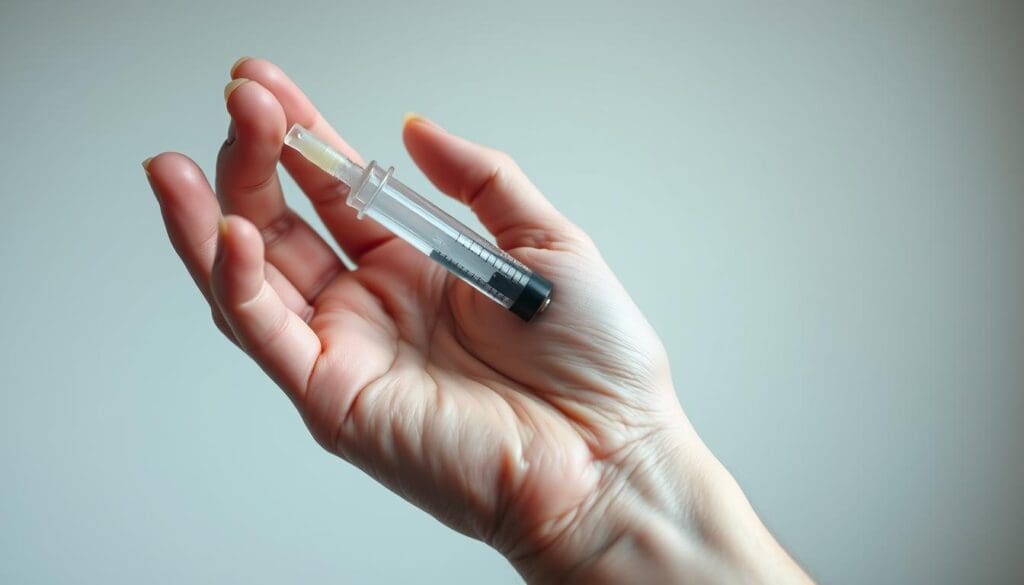
Knowing the warning signs of complications from low white blood count during chemotherapy can save lives. It’s key to recognize symptoms that need quick medical help when you’re on chemo.
Fever: The Most Critical Red Flag
A fever is a big warning sign of infection in people with low white blood cells. If your fever goes over 100.4°F (38°C), get medical help right away. Infections can grow fast in people with weak immune systems, so acting quickly is vital.
Don’t wait to contact your healthcare provider if you experience:
- Fever with chills or sweating
- Body temperature over 100.4°F (38°C)
- Signs of infection like redness, swelling, or pain
Other Symptoms That Shouldn’t Wait
Other symptoms also need quick medical attention. These include:
- Unusual bleeding or bruising
- Severe fatigue or weakness
- Shortness of breath or trouble breathing
- Persistent cough or sore throat
It’s always better to err on the side of caution when it comes to your health during chemotherapy. If you’re feeling any of these symptoms, call your healthcare team right away. They can help figure out what to do next and make sure you get the care you need.
Staying alert to your health and knowing the warning signs of complications can greatly affect your treatment. Always have your healthcare provider’s contact info ready. And don’t hesitate to get help when you need it.
Fact #7: Multidisciplinary Approaches to Managing Low Blood Counts
Handling low white blood counts after chemotherapy needs a team effort. It’s a complex task that requires a detailed plan. This plan involves many healthcare professionals working together.
The Team-Based Approach to Supportive Care
A team-based approach is key to managing low blood counts. This team includes oncologists, hematologists, nurses, and more. They all work together to support patients during chemotherapy.
The benefits of this team-based approach include:
- Comprehensive monitoring of blood counts and overall health
- Timely interventions to prevent complications
- Personalized care plans tailored to individual patient needs
Liv Hospital’s Protocol for Blood Count Management
Liv Hospital follows a detailed plan for managing blood counts. This plan aims to improve patient outcomes by managing low blood counts effectively. It includes regular checks, advanced treatments, and adjusting chemotherapy schedules.
Key components of Liv Hospital’s protocol include:
- Regular blood count monitoring to quickly identify any abnormalities
- The use of colony-stimulating factors to boost white blood cell production
- Adjustments to chemotherapy dosing and scheduling to minimize risks
- Patient education on infection prevention and management
By using a team approach, we can greatly improve patient outcomes. At Liv Hospital, we’re dedicated to providing top-notch care. We focus on the complex needs of our patients.
Questions to Ask Your Healthcare Team About Blood Count Delays
When you’re getting chemotherapy, it’s key to know how low blood counts affect your treatment. Being proactive and informed helps you manage delays and get the most from your treatment.
Understanding Your Personal Risk Factors
Every patient is different, and knowing your risk factors is important. Ask your healthcare team about your risk for low blood counts during chemotherapy. They can also talk about how your past experiences might affect your current treatment.
- What are my specific risk factors for developing low blood counts during chemotherapy?
- How might my medical history influence my blood count during treatment?
- Are there any lifestyle changes I can make to mitigate the risk of low blood counts?
Tracking and Interpreting Your Blood Test Results
It’s important to track and understand your blood test results. Your healthcare team can give you insights into your blood count trends. They can help you make smart decisions about your treatment.
- What are the normal ranges for my blood cell counts, and how do my results compare?
- How often will my blood counts be monitored during chemotherapy?
- What are the criteria for delaying or adjusting my chemotherapy treatment based on my blood counts?
By asking these questions and keeping an open dialogue with your healthcare team, you can handle the challenges of chemotherapy and low blood counts. This way, you get the best care possible.
Conclusion: Navigating Chemotherapy Despite Blood Count Challenges
We’ve looked into how to handle low blood counts during chemotherapy. This is a big issue that can affect how well treatment works. When white blood cells drop, it’s called neutropenia. This makes getting infections more likely and might push back when you can start chemo again.
It’s important to know why and how to spot low white blood counts after chemo. Knowing the risks helps patients work with their doctors to avoid problems. Ways to reduce risks include using special medicines, changing when chemo is done, and preventing infections.
Places like Liv Hospital use a team approach to deal with low blood counts. This ensures patients get all the care they need. By keeping up with information and working with doctors, patients can overcome chemo delays. Managing low white blood counts well is essential for a good life during treatment.
FAQ
What causes low white blood cell counts during chemotherapy?
Chemotherapy targets fast-growing cells, like those in the bone marrow. This leads to fewer white blood cells being made.
How does low white blood cell count after chemo affect the body?
A low white blood cell count makes it easier to get infections. It also causes fatigue and other symptoms. This can really affect a person’s quality of life.
Why is chemotherapy delayed due to low blood count?
Chemotherapy is delayed when blood counts are low. This is to prevent infections and keep patients safe. Trying to treat with low white blood cell counts can be dangerous.
What are the treatment options for managing low white blood cell counts during chemotherapy?
To manage low white blood cell counts, doctors use colony-stimulating factors. These help make more white blood cells. They also adjust the chemotherapy dose or schedule to lower the risk of infections.
How can patients prevent infections when their white blood count is low?
Patients can prevent infections by following good hygiene practices. They should avoid certain environmental exposures. Eating right can also help lower the risk of getting sick.
What are the warning signs that necessitate immediate medical attention for patients with low white blood cell counts?
Fever is a big warning sign that needs immediate medical attention. Other signs like severe fatigue, bleeding, or signs of infection also require quick action.
How do treatment delays due to low blood counts impact cancer outcomes?
Treatment delays can affect cancer outcomes. They might let the cancer grow. But, the main concern is always keeping the patient safe.
What is the role of a multidisciplinary team in managing low blood counts?
A multidisciplinary team works together to give full supportive care. They make sure all parts of the patient’s health are covered. This helps keep the patient safe and improves treatment outcomes.
What questions should patients ask their healthcare team about blood count delays?
Patients should ask about their risk factors and understand their blood test results. They should also ask about how to manage low blood counts and prevent infections.
How can patients cope with the emotional impact of chemotherapy delays?
Patients can cope by finding ways to deal with uncertainty and frustration. Keeping open communication with family, employers, and healthcare providers helps. Seeking support when needed is also important.
Reference Links
- Chemotherapy‑induced neutropenia and emerging agents for prevention and treatment: A review
https://www.sciencedirect.com/science/article/pii/S0305737222000913
A review of neutropenia, its complications, and novel preventive treatments. ScienceDirect - Use of granulocyte colony‑stimulating factor in patients with chemotherapy‑induced neutropaenia
https://www.ncbi.nlm.nih.gov/pmc/articles/PMC10091061/
Discusses G‑CSF use to reduce febrile neutropenia and maintain chemotherapy dose intensity. NCBI - Current management of chemotherapy‑induced neutropenia in adults: key points and new challenges
https://pmc.ncbi.nlm.nih.gov/articles/PMC7721096/
Overview of risk factors, guidelines, and challenges in adult CIN management. PMC - Risk of chemotherapy‑induced febrile neutropenia in intermediate‑risk regimens
https://pmc.ncbi.nlm.nih.gov/articles/PMC10387928/
Outcomes and prophylaxis strategies in intermediate‑risk chemo regimens. PMC