
It’s important to raise platelet count fast for those at risk of bleeding or recovering from treatments. A low platelet count, or thrombocytopenia, can cause fatigue and increase bleeding risks. We’ll look at quick and safe ways to increase platelet levels.
New discoveries in medicine and nutrition offer hope. Studies show that diet and nutrition can help a lot. Eating foods high in vitamin C and iron is a good start. For more tips, check out how to increase platelet count online.
Effective methods include medicines, changing your diet, and supplements like beef liver supplements. They’re packed with nutrients. Also, natural supplements like chlorella might help raise platelet counts.
Key Takeaways
- Eating foods rich in vitamin C and iron can boost platelet count.
- Supplements like chlorella and beef liver supplements may also help.
- Diet and nutrition are key for those with low platelet counts.
- Medicines like Eltrombopag can quickly increase platelet counts.
- Eating foods high in folate and vitamin B12 is crucial.
Understanding Platelets and Their Importance
Platelets, or thrombocytes, are tiny cells in the blood that help stop or prevent bleeding. They are key to keeping our blood vessels strong by forming clots at injuries.
What are platelets and their function in the body?
Platelets are small, colorless cell fragments in the blood. They mainly help prevent bleeding by forming blood clots. When a blood vessel gets injured, platelets stick to the injury site and attract more.
This creates a platelet plug that seals the damaged vessel. Then, a fibrin clot forms, making the plug stable. Understanding platelet function is key to knowing how blood clots and prevents bleeding.
Normal platelet count ranges
A normal platelet count is between 150,000 to 450,000 platelets per microliter of blood. This range might vary slightly but generally stays the same. Keeping platelet counts in this range is important for proper blood clotting and health.
Counts outside this range can signal health problems. Low platelet counts, or thrombocytopenia, can lead to bleeding. High counts, or thrombocytosis, can cause unwanted blood clots.
Causes of low platelet count (thrombocytopenia)
Thrombocytopenia, or low platelet count, can come from many sources. These include bone marrow disorders, certain medications, autoimmune diseases, and infections. Knowing the causes of thrombocytopenia is crucial for finding and treating the root problem.
Common causes include less platelet production, more platelet destruction, and splenic sequestration. Dilutional thrombocytopenia from massive transfusions is another reason. Finding the cause helps decide the right treatment.
Recognizing Low Platelet Count Symptoms
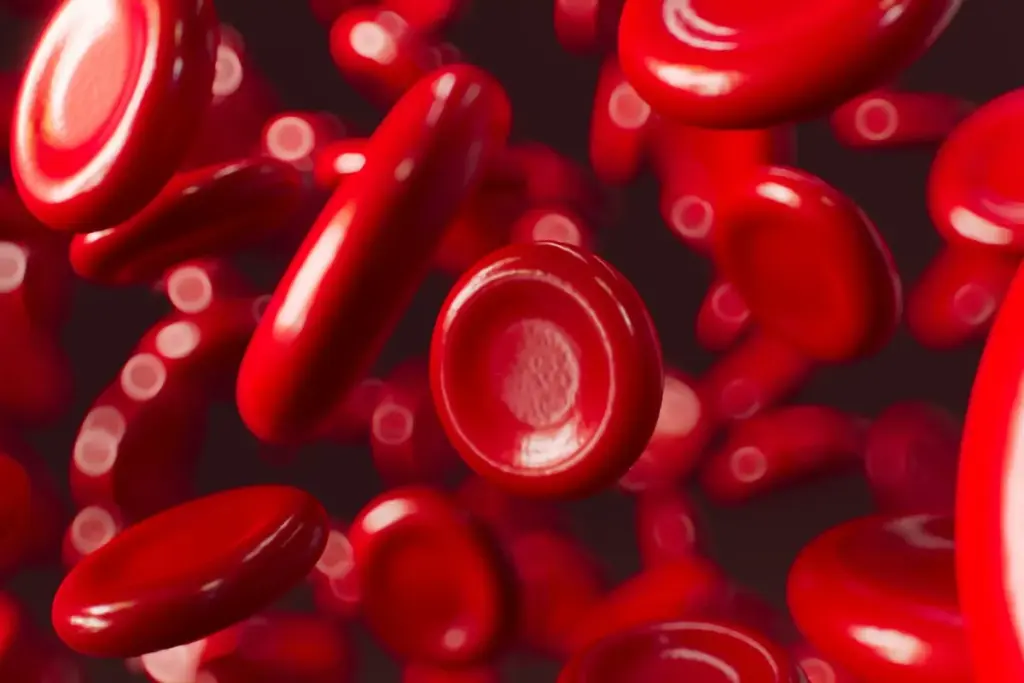
It’s important to know the signs of thrombocytopenia to avoid serious health problems. This condition, where platelet counts are low, can cause big health issues if not treated quickly.
Common signs of thrombocytopenia
People with thrombocytopenia might see bruises, small spots on the skin, and cuts that won’t stop bleeding. These signs show the body can’t make blood clots well. This can lead to more serious bleeding.
Other signs include nosebleeds, bleeding gums, and heavy periods in women. In bad cases, bleeding inside the body can happen. This might show as blood in urine or stool.
When to seek medical attention
See a doctor if you have severe bruising or bleeding that won’t stop. Also, if you have a bad headache or confusion, or if you see blood in your vomit or stool. These could mean you have a serious problem that needs help right away.
Getting help early can make a big difference for people with thrombocytopenia. If you notice unusual bleeding or bruising, talk to a doctor. They can find out why and how to fix it.
Understanding thrombocyte function in bleeding prevention
Thrombocytes, or platelets, are key in stopping too much bleeding. When a blood vessel gets hurt, platelets gather to form a plug. This plug helps seal the damage. Knowing how platelets work helps us understand the risks of thrombocytopenia and why keeping platelet counts healthy is important.
A low mean platelet volume (MPV) might mean platelets are being used up or destroyed. A high MPV could mean the body is making more platelets, which might be a sign of bone marrow stress. Watching MPV levels, along with platelet count, can tell us a lot about how platelets are being made and used.
Medical Treatments for Quickly Raising Platelet Counts

For people with low platelet counts, there are several medical treatments. These treatments help manage thrombocytopenia and prevent its complications.
Prescription medications like Eltrombopag
Eltrombopag is a drug that boosts platelet counts in patients with chronic immune thrombocytopenia. A study by Weill Cornell Medicine found that Eltrombopag significantly increased blood platelet levels in a global study. This makes it a promising treatment for those with low platelet counts.
Platelet transfusions for emergency situations
In emergency cases of very low platelet counts, platelet transfusions can quickly raise platelet counts. This treatment is used for severe thrombocytopenia or active bleeding.
Corticosteroids and immune globulin treatments
Corticosteroids can increase platelet counts by reducing the immune system’s destruction of platelets. Intravenous immune globulin (IVIG) also treats thrombocytopenia by blocking the immune system’s destruction of platelets.
|
Treatment |
Mechanism of Action |
Usage |
Response Time |
|---|---|---|---|
|
Eltrombopag |
Thrombopoietin receptor agonist |
Chronic immune thrombocytopenia |
Several weeks |
|
Platelet Transfusions |
Direct increase in platelet count |
Emergency situations, severe thrombocytopenia |
Immediate |
|
Corticosteroids |
Reduce immune destruction of platelets |
Thrombocytopenia, immune-mediated platelet destruction |
Several days to weeks |
|
IVIG |
Block immune destruction of platelets |
Acute immune thrombocytopenia |
Several days |
Medical treatments are effective in raising platelet counts. Doctors say, “The choice of treatment depends on the underlying cause of thrombocytopenia, the severity of the condition, and the patient’s overall health.”
In conclusion, there are many medical treatments to quickly raise platelet counts. These include Eltrombopag, platelet transfusions, corticosteroids, and IVIG. Each treatment has its own mechanism, usage, and response time. It’s important to talk to healthcare professionals to find the best treatment plan.
The Power of Chlorella for Boosting Platelet Production
Chlorella is a superfood rich in vitamins, minerals, and antioxidants. It may help increase platelet levels naturally. Studies show it supports platelet production.
Nutritional Profile of Chlorella
Chlorella is a nutrient-rich algae. It’s full of protein, vitamins (like vitamin B12), minerals (such as iron and zinc), and antioxidants. The nutritional richness of chlorella makes it great for health, possibly boosting platelet production.
Vitamins and minerals in chlorella are key for healthy blood cells. Vitamin B12 and iron help make red blood cells. Zinc boosts the immune system, which is crucial for health.
Scientific Evidence Supporting Chlorella for Platelet Production
Research on chlorella and platelet production is ongoing. But, some studies show it might help. A study published in a reputable medical journal found chlorella supplements increased platelet counts in some people.
“The supplementation of chlorella resulted in a significant increase in platelet count, suggesting its potential as a therapeutic agent for thrombocytopenia.”
– Journal of Medicinal Food
More research is needed to fully understand chlorella’s effects. But, the current evidence is promising. Always talk to a healthcare provider before starting chlorella supplements.
Different Forms of Chlorella Supplements
Chlorella comes in tablets, capsules, and powder. Your choice depends on what you prefer and how much you need. When selecting a chlorella supplement, choose a reputable brand for purity and potency.
- Tablets: Convenient and easy to add to your daily routine.
- Capsules: May offer a more concentrated dose of chlorella.
- Powder: Can be mixed into smoothies or other drinks.
How to Incorporate Chlorella into Your Daily Routine
Adding chlorella to your daily routine is simple. Start with a small dose to see how you react, then increase as needed. Chlorella can be taken with meals to help absorption.
- Start with a small dose (e.g., 1 gram per day) and adjust as needed.
- Mix chlorella powder into your favorite smoothie or juice for a nutritional boost.
- Take chlorella with a meal to reduce stomach side effects.
By adding chlorella to your daily routine, you may naturally support your platelet health. Always talk to a healthcare professional before starting any new supplement.
Essential Dietary Changes to Increase Platelets
Diet is key to keeping platelet counts healthy. Choosing the right foods can greatly improve our health. A balanced diet with essential nutrients supports platelet production and overall health.
Foods Rich in Vitamin K
Vitamin K is important for blood clotting and bone health. Eating foods high in vitamin K can help platelets work better. Some top sources include:
- Leafy greens like spinach, kale, and collard greens
- Fermented foods such as sauerkraut and miso
- Fatty fish like salmon and tuna
For example, a cup of cooked spinach has over 500 mcg of vitamin K. This is a big part of our daily needs.
Iron-Rich Foods for Platelet Production
Iron is crucial for making hemoglobin, which carries oxygen. Not enough iron can lower platelet counts. Eating foods rich in iron can help. Some good sources are:
- Red meat like beef and lamb
- Poultry such as chicken and turkey
- Legumes like lentils and chickpeas
- Fortified cereals
|
Food |
Iron Content (mg per serving) |
|---|---|
|
Clams |
28.8 |
|
Lentils |
6.6 |
|
Spinach |
6.4 |
|
Beef Liver |
5.0 |
The Mediterranean Diet Approach with Polyunsaturated Fatty Acids (PUFAs)
The Mediterranean diet is great for heart health and reducing inflammation. It’s full of polyunsaturated fatty acids (PUFAs), which are good for us. PUFAs help reduce inflammation and support healthy platelets.
Key parts of the Mediterranean diet include:
- High consumption of fruits and vegetables
- Whole grains like brown rice and quinoa
- Healthy fats in olive oil, nuts, and seeds
- Fatty fish with omega-3 fatty acids
Foods to Avoid with Low Platelet Counts
Some foods can lower platelet counts or slow production. It’s good to limit or avoid:
- Alcohol, as it can affect platelet production
- Processed foods with unhealthy fats and preservatives
- Foods high in sugar, which can cause inflammation
Making smart food choices can boost our health and platelet counts.
Vitamin C and Other Crucial Nutrients for Platelet Health
Nutrients like vitamin C, vitamin B12, and folate are key for making platelets. Getting enough of these vitamins and minerals is important for platelet health.
High-Dose Vitamin C Therapy
High-dose vitamin C therapy might help platelets work better and increase in number. Studies show vitamin C can boost platelet production, but the details are still being looked into. A study on the National Institutes of Health’s database shows vitamin C’s benefits for platelet function.
A medical expert says, “Vitamin C is vital for making platelets, and not having enough can harm platelet function.”
“Vitamin C is key for making collagen and other parts needed for platelet production.”
— Medical Expert
Vitamin B12 and Folate Supplementation
Vitamin B12 and folate are important for making platelets. Not having enough can cause low platelet counts. Taking supplements for vitamin B12 and folate can help with low platelet counts.
|
Nutrient |
Role in Platelet Health |
Food Sources |
|---|---|---|
|
Vitamin B12 |
Essential for platelet production |
Animal products, fortified cereals |
|
Folate |
Critical for DNA synthesis and repair |
Leafy greens, legumes, fortified cereals |
Zinc and Copper Balance for Optimal Platelet Function
Zinc and copper are important for platelets to work right. Zinc is good for overall health, and copper helps with many body functions, including making platelets. It’s important to have the right amount of both.
- Zinc-rich foods: oysters, beef, chicken
- Copper-rich foods: shellfish, nuts, legumes
Having the right amount of these nutrients helps keep platelets healthy and working well.
Beef Liver and Other Animal-Based Supplements for Platelets
Beef liver supplements are getting attention for helping with platelet production and health. They are packed with important nutrients. These supplements can be great for boosting platelet counts in your diet.
Nutritional Composition
Beef liver is full of nutrients like iron, vitamin A, and B vitamins. Iron is key for making healthy platelets. It helps carry oxygen around the body.
Beef liver supplements usually have:
- High-quality protein
- Iron
- Vitamin A
- Folate
- Other B vitamins
Supporting Platelet Production
The iron in beef liver supplements helps make platelets. Enough iron is vital for healthy platelets. Without it, you might get thrombocytopenia.
Beef liver supplements can help improve iron levels. This supports the body’s natural platelet making process.
Recommended Dosages and Forms
Choosing a good beef liver supplement is important. The right dose is usually 1-2 capsules a day. This depends on the supplement’s strength.
Beef liver supplements are available in capsules, tablets, and powder. Your choice depends on what you like best and how easy it is to use every day.
Alternatives for Vegetarians
Beef liver is not for vegetarians. But, they can find iron and other nutrients in plant-based foods. Some good options are:
- Spinach
- Lentils
- Dark leafy greens
- Fortified cereals
These foods help with health and platelet production. They are a good choice for those who don’t eat animal products.
Plant-Based Supplements That Increase Platelet Counts
Plant-based supplements are a great option for boosting platelet levels naturally. They offer a good alternative to pharmaceuticals or can be used alongside them.
Papaya Leaf Extract Efficacy
Papaya leaf extract is getting a lot of attention for its ability to increase platelet counts. Research suggests it can help raise platelet production. This makes it a great choice for those with thrombocytopenia.
- Key Benefits: Enhances platelet production, rich in vitamins A and C.
- Recommended Usage: Typically consumed as a tea or in capsule form.
Wheatgrass Benefits for Blood Health
Wheatgrass is packed with nutrients like vitamins, minerals, and antioxidants. It’s believed to boost blood health, which could help improve platelet counts.
- Nutritional Value: Rich in iron, calcium, and vitamins A, C, and E.
- Consumption Methods: Can be consumed as a juice or powder supplement.
Pycnogenol: Research and Recommended Usage
Pycnogenol, a French maritime pine bark extract, is studied for its heart health benefits. It might also improve platelet function.
- Research Highlights: Antioxidant properties, may improve blood circulation.
- Dosage: Typically recommended at 100 mg per day.
Cranberry Pills and Their Potential Benefits
Cranberry pills are known for urinary tract health. They might also have heart health benefits, which could positively affect platelet health.
- Potential Benefits: May reduce the risk of cardiovascular diseases.
- Precautions: Consult with a healthcare provider before adding to your regimen.
Adding these plant-based supplements to your routine could naturally support your platelet health. Always talk to a healthcare professional before starting any new supplements.
Hydration and Alcohol: Impact on Platelet Function
Hydration and alcohol use greatly affect how platelets work. It’s key to find a balance between drinking water and drinking alcohol. This balance helps keep platelets healthy.
Dehydration’s Impact on Platelet Aggregation
Dehydration can mess with how platelets stick together, which is important for blood to clot. When we’re dehydrated, our blood gets thicker. This can make it more likely for clots to form.
Effects of Dehydration on Platelets:
- Increased blood viscosity due to reduced plasma volume
- Potential for increased platelet aggregation
- Risk of thrombosis due to concentrated blood
Optimal Hydration Strategies
To keep platelets working well, we need to drink enough water. Here are some tips to stay hydrated:
|
Hydration Strategy |
Description |
Benefits |
|---|---|---|
|
Drink Plenty of Water |
Consume at least 8-10 glasses of water per day |
Maintains blood fluidity, supports overall health |
|
Monitor Urine Output |
Ensure urine is pale yellow or clear |
Indicator of proper hydration |
|
Incorporate Hydrating Foods |
Eat foods with high water content like cucumbers and watermelon |
Contributes to daily hydration needs |
Alcohol’s Effect on Platelet Production
Drinking alcohol can harm how platelets are made. Long-term drinking can cause low platelet counts. Alcohol stops the bone marrow from making platelets and can lead to nutrient deficiencies.
Impact of Alcohol on Platelets:
- Suppression of platelet production in the bone marrow
- Increased risk of thrombocytopenia
- Nutritional deficiencies affecting platelet health
In summary, drinking enough water and watching how much alcohol we drink is important for platelet health. Knowing how dehydration and alcohol affect platelets helps us stay healthy.
Lifestyle Modifications for Optimal Platelet Health
Making a few lifestyle changes can help support platelet health. These adjustments can prevent issues linked to low platelet counts. By adding these habits to your daily routine, you might see an improvement in your platelet counts and overall health.
Stress Management Techniques
Stress can harm platelet production and health. Here are some effective ways to manage stress:
- Meditation and mindfulness practices
- Yoga and other relaxation exercises
- Deep breathing exercises
- Engaging in hobbies and activities that bring joy
By lowering stress levels, you can help your body produce more platelets.
Importance of Adequate Sleep
Getting enough sleep is key for health, including platelet production. Sleep helps the body repair and make new tissues, including those that produce platelets.
Tips for improving sleep:
- Maintain a consistent sleep schedule
- Create a sleep-conducive environment
- Avoid caffeine and electronics before bedtime
- Engage in relaxing activities before sleep
Avoiding Medications That Affect Platelets
Some medications can impact platelet counts or function. Knowing which ones can help you talk to your doctor about safer alternatives.
Common medications that can affect platelets include:
- Aspirin and other NSAIDs
- Certain antibiotics
- Heparin
- Some chemotherapy drugs
Managing and Preventing Infections
Infections can lower platelet counts, especially in those with weak immune systems. It’s important to prevent infections through good hygiene, vaccinations, and avoiding sick people.
Strategies for managing infections:
- Practice good hygiene (e.g., frequent handwashing)
- Stay up-to-date on recommended vaccinations
- Avoid close contact with individuals who are sick
- Seek medical attention promptly if symptoms of infection occur
Understanding Blood Tests: MPV and Platelet Monitoring
To manage platelet counts well, knowing about blood tests is key. Blood tests help diagnose and track platelet-related issues. They give insights into how platelets are made, work, and stay healthy.
Interpreting Mean Platelet Volume (MPV) Results
Mean platelet volume (MPV) shows the average size of platelets in the blood. MPV results tell us about platelet function and production. A high MPV means larger platelets, which might be more active and could show a faster turnover. On the other hand, a low MPV means smaller platelets, which could mean less function or production problems.
When looking at MPV results, it’s important to consider them with other platelet measures. For example, a high MPV with a low platelet count might show that the bone marrow is making platelets but they’re being used up or destroyed.
Frequency of Monitoring for Those with Low Platelets
People with low platelets need regular blood tests to track their condition and how it’s responding to treatment. The blood test frequency depends on the cause, severity, and treatment plan. Those with severe low platelets might need tests every week or two to see if treatments are working and to adjust them if needed.
If the platelet count is stable and safe, tests might be less often, like monthly or every three months. But, healthcare providers should adjust the test schedule based on each patient’s needs and their own judgment.
Other Relevant Blood Markers to Track
Other blood markers can give more insights into platelet health and overall blood health. These include:
- Complete Blood Count (CBC): This test includes platelet count, white blood cell count, and red blood cell count. It gives a wide view of blood health.
- Platelet Distribution Width (PDW): This measures the size variation in platelets. It can show how active and turning over platelets are.
- Reticulated Platelet Count: This test counts young platelets in the blood. It shows how active the bone marrow is and how platelets are being made.
By tracking these blood markers, healthcare providers can understand a patient’s platelet health better. This helps them make better treatment and management choices.
Special Considerations: Chemotherapy and Heparin-Induced Thrombocytopenia
Chemotherapy and heparin therapy are lifesaving but can lower platelet counts. This requires careful management. We will look at managing platelet counts during chemotherapy and the risks of heparin-induced thrombocytopenia.
Managing Platelets During Cancer Treatment
Chemotherapy treats many cancers but can lead to low platelet counts. Managing platelet counts during cancer treatment is crucial to avoid bleeding. We suggest monitoring platelet counts closely and adjusting chemotherapy as needed.
Strategies for managing platelets during chemotherapy include:
- Dose adjustments of chemotherapy agents
- Use of platelet growth factors
- Platelet transfusions in severe cases
Recognizing Heparin-Induced Thrombocytopenia
Heparin-induced thrombocytopenia (HIT) is a serious side effect of heparin. It causes a big drop in platelet count and can lead to severe blood clots. Early recognition of HIT is critical to avoid serious problems.
|
Signs and Symptoms |
Description |
|---|---|
|
Significant drop in platelet count |
A decrease of more than 50% from baseline |
|
Thrombotic events |
Arterial or venous thrombosis |
|
Timing |
Typically occurs 5-14 days after heparin initiation |
Quick Interventions for Severe Thrombocytopenia
In severe cases of thrombocytopenia, whether from chemotherapy or HIT, prompt intervention is necessary. This may include platelet transfusions, stopping heparin therapy in HIT, or using other anticoagulants.
We stress the need for a team approach to manage severe thrombocytopenia. This involves hematologists, oncologists, and other healthcare professionals as needed.
Creating a Comprehensive Platelet-Boosting Plan
Improving platelet health requires a personalized strategy. This plan includes dietary changes, supplements, and lifestyle adjustments.
Combining Multiple Approaches for Best Results
To boost platelet counts, mixing different methods is key. Dietary changes are important, focusing on foods high in vitamins and minerals. Eating iron-rich foods and vitamin K-rich foods helps a lot.
Supplements like chlorella and papaya leaf extract also help. We’ll show you how to add them to your daily routine.
Working with Healthcare Providers
Working with healthcare providers is crucial for a personalized plan. Regular check-ups help track progress and make needed changes. Always tell your healthcare provider about any diet, supplement, or lifestyle changes.
Tracking Progress and Adjusting Strategies
Keeping an eye on platelet counts is important. We suggest logging your counts, diet, and supplements. This helps spot patterns and make smart changes.
Changing your plan based on results is key. If you’re not seeing improvements, it might be time to rethink your diet, supplements, or lifestyle.
Timeline Expectations for Different Interventions
Improvements in platelet counts vary by intervention. Dietary changes might take weeks, while supplements could take longer.
Knowing these timelines and staying patient and consistent is crucial. By mixing methods and working with healthcare providers, you can create a plan that works for you.
Conclusion: Sustainable Approaches to Maintaining Healthy Platelet Levels
Keeping platelet levels healthy is a long-term goal that needs a mix of strategies. We’ve looked at diet changes, lifestyle tweaks, and medical options to help platelet health.
Adding sustainable habits to your daily routine can boost your health for the long haul. Eating a balanced diet, managing stress, and drinking plenty of water are key. We also talked about how chlorella and beef liver might help with platelet production.
It’s crucial to team up with healthcare experts to track your progress and tweak your plan if needed. By using these sustainable methods, you can keep your platelet levels healthy and your overall health in check.
FAQ
What is the normal range for platelet count, and how is thrombocytopenia diagnosed?
A normal platelet count is between 150,000 and 450,000 per microliter of blood. If it’s below 150,000, you have thrombocytopenia. We use blood tests to find out your platelet count and diagnose thrombocytopenia.
How can chlorella help in boosting platelet count?
Chlorella is a nutrient-rich algae that helps support platelet production. It has vitamins, minerals, and antioxidants that boost overall health and platelet counts.
Are there any dietary changes that can help increase platelet count?
Yes, eating foods rich in vitamin K, iron, and following a Mediterranean diet can help. Avoid foods that might lower platelet counts. A balanced diet is key for healthy platelets.
What is the role of vitamin C in platelet health?
Vitamin C is vital for health and helps platelets function well. High-dose vitamin C therapy might help, but talk to a doctor first.
Can beef liver supplements help in increasing platelet count?
Beef liver supplements have iron and vitamin B12, important for platelets. They’re good for boosting platelets, but vegetarians might need other options.
How does hydration affect platelet function?
Dehydration hurts platelet function, while staying hydrated helps. Drinking enough water is important for healthy platelets.
What lifestyle modifications can support optimal platelet health?
Managing stress, getting enough sleep, avoiding certain meds, and fighting infections are key. These lifestyle changes help platelet health.
How do I interpret my mean platelet volume (MPV) results?
MPV shows your platelet size. Abnormal levels can mean health issues, like bleeding disorders. Always talk to a doctor about your MPV results.
What are the risks associated with heparin-induced thrombocytopenia?
Heparin-induced thrombocytopenia is serious and can happen with heparin treatment. It needs quick medical attention, and other treatments might be needed.
How can I create a comprehensive plan to boost my platelet count?
A good plan includes diet changes, lifestyle tweaks, and medical treatments. Working with doctors and tracking progress is key for the best results.
Are there any plant-based supplements that can help increase platelet count?
Yes, supplements like papaya leaf extract, wheatgrass, Pycnogenol, and cranberry pills might help. Always check with a doctor before adding new supplements.
What is the impact of alcohol consumption on platelet production?
Too much alcohol can harm platelet production. Drinking in moderation is best for healthy platelet counts.
How often should I monitor my platelet count if I have thrombocytopenia?
How often to check platelet counts varies based on your condition and treatment. Regular doctor visits are important to adjust your treatment as needed.
References
World Health Organization. Evidence-Based Medical Insight. Retrieved from
https://www.who.int/news-room/fact-sheets/detail/haemorrhagic-fever-what-you-need-to-know