

Is it progressing? Learn the chronic lymphocytic leukemia symptoms that signal the disease is moving and how to manage the changes.
It’s vital to spot the signs of lymphocytic leukemia early. As the disease gets worse, symptoms get stronger. This means lab results get worse too, and more problems arise. So, regular check-ups and expert advice are key.
We look at the main signs that CLL is getting worse. The Rai Staging System for CLL shows when it’s advanced. This includes signs like anemia, which means low hemoglobin levels.
Key Takeaways
- CLL progression is identified through changes in symptoms and blood test results.
- Advanced CLL is characterized by anemia and other clinical indicators.
- Regular monitoring is vital for managing CLL effectively.
- Understanding CLL symptoms helps patients and caregivers spot disease progression.
- Expert care is essential for the best results in CLL patients.
Understanding Leukemia and Disease Progression
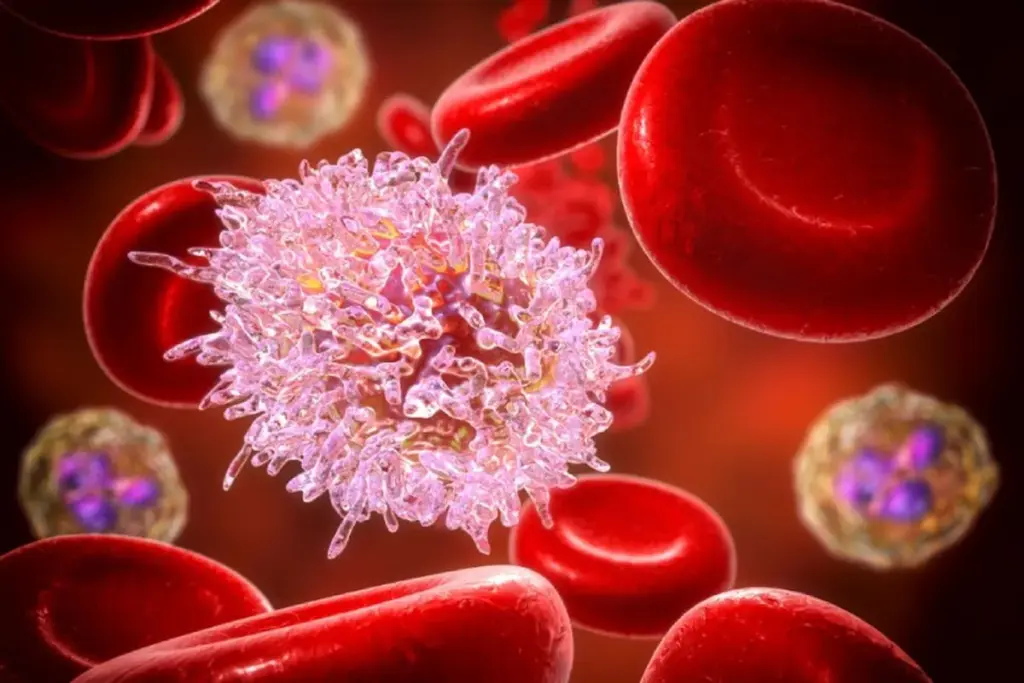
It’s key for both patients and doctors to grasp leukemia and how it changes. This blood cancer impacts blood cells and can vary based on several factors. These include the leukemia type and the patient’s health.
What is Leukemia and How Does it Develop?
Leukemia is when white blood cells grow out of control. These cells are important for fighting off infections. In a normal body, these cells grow and mature in the bone marrow before entering the blood.
In leukemia, these cells grow abnormally and don’t work right. This weakens the immune system. Chronic Lymphocytic Leukemia (CLL) is a type where lymphocytes, a kind of white blood cell, build up over time.
Leukemia starts with genetic changes in blood cells’ DNA. These changes cause the cells to grow uncontrollably. Such changes can come from genetics, certain chemicals, or radiation. As leukemia gets worse, symptoms like fatigue, infections, weight loss, and fevers can appear.
The Concept of Disease Progression in Blood Cancers
Disease progression in blood cancers like leukemia means the disease gets worse. This is shown by more severe symptoms and signs. For example, anemia and thrombocytopenia can worsen, showing the patient’s health decline.
Understanding how leukemia progresses is vital for treatment. It helps doctors adjust plans to better help patients. Watching how the disease progresses helps doctors act early. This can slow down the disease and manage symptoms better.
Types of Leukemia and Their Progression Patterns

Leukemia is a group of blood cancers with different rates of growth and symptoms. Knowing these differences is key to managing the disease well.
Acute vs. Chronic Leukemia Progression
Leukemia is split into acute and chronic types based on how fast it grows. Acute leukemia grows quickly, causing symptoms to appear suddenly. Chronic leukemia, on the other hand, grows slowly, sometimes without symptoms for years.
The difference between acute and chronic leukemia is important for choosing the right treatment. It also helps predict how well a patient will do.
Acute leukemia needs quick treatment because it’s aggressive. It can cause serious problems like infections, anemia, and bleeding. Chronic leukemia, like Chronic Lymphocytic Leukemia (CLL), can be treated in different ways, from watching it closely to using targeted therapies.
Specific Progression Patterns in CLL vs. Other Leukemias
CLL is a type of chronic leukemia. It’s marked by the buildup of mature lymphocytes in the blood, bone marrow, and lymphoid tissues. CLL’s growth can vary, with some patients having a slow disease and others facing a faster one.
The Rai Staging System is used to stage CLL. It helps doctors predict how the disease will progress and decide on treatment.
CLL has its own set of symptoms and growth patterns compared to other leukemias. It often causes swollen lymph nodes, a big spleen, and a higher risk of infections. Knowing these specific traits is vital for treating CLL effectively and improving patient results.
Chronic Lymphocytic Leukemia Symptoms: Key Indicators of Progression
Understanding CLL’s progression is key. Recognizing symptoms is vital. We’ll look at symptoms that show CLL is getting worse. This includes the differences between early and late stages.
Early vs. Advanced CLL Symptoms
In the early stages, CLL symptoms might be mild or not there at all. But as it gets worse, symptoms like fatigue, infections, weight loss, and fevers become more obvious. It’s important to notice these signs to track how the disease is moving.
Early CLL might not show symptoms, so regular doctor visits are a must. But advanced CLL symptoms can really impact daily life. This means patients need quick medical help.
How Symptoms Change as CLL Progresses
As CLL gets worse, symptoms can get more severe and happen more often. For example, fatigue can last longer, and infections might happen more. It’s key to understand these changes to improve treatment plans.
As CLL gets more advanced, patients’ health often gets worse. Symptoms can become more severe. This shows why it’s critical to watch for symptom changes to give the right care.
Fatigue and Energy Changes as Progression Markers
Leukemia-related fatigue is more than just feeling tired. It’s a complex symptom that affects patients in many ways. Understanding fatigue in Chronic Lymphocytic Leukemia (CLL) is key to knowing its impact on disease progression.
Understanding Leukemia-Related Fatigue
Fatigue is a common symptom in leukemia patients, with up to 75% reporting it. This symptom can greatly affect a patient’s quality of life. It can make it hard to do daily activities and stay independent. We know that CLL symptoms like fatigue affect not just the body but also the mind and emotions.
The reasons for leukemia-related fatigue are many. They include the disease itself, side effects of treatment, and mental health issues like anxiety and depression. It’s important to understand these causes to manage fatigue well.
When Fatigue Indicates Disease Advancement
Fatigue is common in early CLL, but a big increase in its severity can mean the disease is getting worse. We watch symptoms of chronic leukemia closely. Changes in fatigue levels can mean it’s time for a doctor’s check-up.
- Increased fatigue can be a sign that the disease is progressing.
- Changes in energy levels may necessitate adjustments in treatment plans.
- Monitoring fatigue, along with other CLL symptoms, helps in early detection of disease progression.
It’s important for patients to tell their healthcare providers about any changes in fatigue. This way, we can work together to manage symptoms and improve quality of life.
Immune System Dysfunction and Infection Patterns
Immune system problems are a big part of CLL. This makes it harder for the body to fight off infections. As CLL gets worse, patients face a higher risk of getting sick.
Why Infections Increase with Leukemia Progression
In CLL, bad cells crowd out good ones in the immune system. This makes it hard to make antibodies and activate immune cells. So, patients with CLL often get sick more often and with more severe infections.
About 50% of CLL patients get infections a lot. This shows how big of a problem immune issues are. It’s very important to manage infections well in CLL care.
Types of Infections That Signal Worsening Disease
Some infections are more telling of CLL getting worse than others. These include:
- Bacterial infections: Pneumonia, sepsis, and other bacterial infections are common in CLL patients due to their compromised immune status.
- Viral infections: Reactivation of latent viruses, such as herpes zoster, is more frequent in CLL patients, signaling a decline in immune function.
- Fungal infections: Invasive fungal infections can occur, particular in patients with advanced CLL, indicating a severe level of immunosuppression.
The following table summarizes the types of infections and their implications for CLL patients:
|
Type of Infection |
Implication |
|---|---|
|
Bacterial |
Indicates compromised immune status, potentially signaling CLL progression. |
|
Viral |
Reactivation of latent viruses suggests declining immune function. |
|
Fungal |
Invasive infections indicate severe immunosuppression, often associated with advanced CLL. |
Knowing about infections and what they mean is key to managing CLL. By spotting immune problems early and treating infections fast, we can help patients live better lives.
Weight Loss and Appetite Changes in Progressing Leukemia
Unexplained weight loss is a common sign in many cancers, including chronic lymphocytic leukemia (CLL). As CLL gets worse, patients often notice changes in their weight and appetite. These changes can show how the disease is progressing.
About 40% of CLL patients experience unexplained weight loss. This shows how important it is as a symptom. We will look into why this happens and how it’s different from weight loss caused by treatment.
Mechanisms Behind Leukemia-Related Weight Loss
Weight loss in CLL patients comes from several reasons. These include changes in how the body uses energy, increased energy use, and changes in appetite. The disease can make the body use more energy, leading to weight loss.
Studies have found that CLL can make the body go into a catabolic state. This means the body breaks down muscle and fat for energy. Even if a patient’s appetite stays the same or goes up, they can lose a lot of weight. For more on CLL’s metabolic changes, check out studies on PubMed Central.
Distinguishing Disease Progression from Treatment Effects
It’s important to tell apart weight loss from CLL and that from treatment side effects. Treatments for CLL can cause side effects like nausea and changes in taste. These can also lead to weight loss.
To figure out if weight loss is from the disease or treatment, doctors need to watch patients closely. They might need to adjust treatments to manage side effects better. This could mean finding treatments that don’t affect weight and appetite as much.
Fever Patterns That Indicate Advancing Leukemia
Fever patterns can be a big sign of leukemia getting worse, mainly in Chronic Lymphocytic Leukemia (CLL) patients. As CLL gets worse, patients often feel fever, which shows their condition is getting worse.
B Symptoms and Their Significance in CLL
B symptoms include fever, night sweats, and weight loss. They can happen in many lymphomas and leukemias, like CLL. In CLL, B symptoms mean the disease is getting worse and might have a bad outcome. Fever, as part of B symptoms, is very important because it can show an infection or disease activity.
About 60% of CLL patients have fevers that come and go. These fevers can mean the disease is getting worse. It’s key for patients and doctors to watch these symptoms closely.
Fever Characteristics in Progressive Disease
Fever patterns can differ in patients with worsening leukemia. Some have fevers that go up and down, while others have fevers that stay high. The type and how often fever happens can tell us a lot about how the disease is moving.
To get a better grasp of fever patterns in CLL patients, let’s look at this table:
|
Fever Pattern |
Description |
Clinical Significance |
|---|---|---|
|
Intermittent Fever |
Body temperature goes up and down |
May show disease activity or infection |
|
Persistent Fever |
Body temperature stays high |
Can mean the disease is advanced or there’s a serious infection |
|
Recurring Fever |
Fever comes back after normal temperature |
May show the disease is getting worse or has relapsed |
Knowing these fever patterns and what they mean can help patients and doctors keep track of CLL getting worse. This helps make better choices about treatment and care.
Physical Changes: Lymph Nodes, Spleen, and Liver Enlargement
CLL often leads to noticeable physical changes. These include bigger lymph nodes, spleen, and liver. These signs can show how the disease is getting worse. We’ll look into how to spot these changes and what they mean for CLL patients.
How to Recognize Lymphadenopathy
Lymphadenopathy, or swollen lymph nodes, is common in CLL. About 80% of CLL patients have this issue. It can show up in the neck, armpits, and groin. Spotting it means looking for any unusual swelling or lumps in these spots.
To spot lymphadenopathy, watch for:
- Swollen lymph nodes that are painless or tender to the touch
- Nodes that are getting bigger over time
- Multiple lymph nodes being affected
Splenomegaly and Hepatomegaly as Progression Indicators
Splenomegaly (big spleen) and hepatomegaly (big liver) are also signs of CLL getting worse. These can cause discomfort or pain in the upper belly. They can be found during physical checks or imaging tests.
It’s important for patients to tell their doctors about any belly pain or feeling full. These signs might mean the spleen or liver is too big. Catching these early can help manage the disease better.
CLL patients should see their doctors regularly. This helps catch these changes early. Early detection is key to better managing the disease.
Bleeding Tendencies and Skin Changes in Advanced Leukemia
As leukemia gets worse, patients might see more bleeding and skin changes. These signs mean the disease is moving forward and need quick doctor visits. We’ll look at how low platelets raise bleeding risks and the skin signs that show the disease is getting worse.
Thrombocytopenia and Its Impact on Bleeding Risk
Thrombocytopenia, or low platelet count, is common in advanced leukemia. It happens when the bone marrow doesn’t make enough platelets. Platelets are key for blood to clot. This condition makes bleeding more likely.
Thrombocytopenia can cause bleeding from small bruises to big hemorrhages. People with advanced leukemia should watch for signs of bleeding. These include:
- Easy bruising or petechiae (small spots on the skin)
- Nosebleeds or bleeding gums
- Prolonged bleeding after injuries or surgical procedures
Skin Changes Indicating Leukemia Progression
Skin changes are also key signs of leukemia getting worse. These can be small changes or serious problems. Some common skin signs include:
- Pale skin due to anemia
- Petechiae or purpura (purple spots on the skin)
- Leukemia cutis (specific skin lesions associated with leukemia)
Blood Test Results That Signal Leukemia Progression
Understanding blood test results is key to managing CLL effectively. Blood tests, including complete blood counts and biomarker assessments, play a vital role in monitoring CLL progression.
Complete Blood Count Changes
A Complete Blood Count (CBC) is a critical test for assessing CLL progression. It measures various components of the blood, including:
- White Blood Cell Count (WBC): An increase in WBC count can indicate disease progression.
- Red Blood Cell Count (RBC): A decrease in RBC count can signal anemia, a complication of CLL.
- Platelet Count: Thrombocytopenia, or low platelet count, can increase the risk of bleeding.
Changes in these counts can signal CLL progression and guide treatment decisions. For instance, a rising WBC count may necessitate a review of the current treatment plan.
Biomarkers and Genetic Indicators of Disease Advancement
Beyond CBC, certain biomarkers and genetic indicators can provide insights into CLL progression. These include:
- ZAP-70 expression: High levels of ZAP-70 can indicate a more aggressive disease course.
- CD38 expression: Elevated CD38 levels are associated with a poorer prognosis.
- Genetic mutations: Certain mutations, such as those in the TP53 gene, can affect CLL progression and treatment response.
These biomarkers help us understand the disease’s behavior and tailor treatment strategies. By monitoring these indicators, we can anticipate complications and adjust care plans to meet the patient’s evolving needs.
In conclusion, blood test results are vital for monitoring CLL progression. By understanding changes in CBC and biomarkers, we can better manage the disease and improve patient outcomes.
Bone Marrow Changes in Advancing Leukemia
It’s key to know about bone marrow changes to see how lymphocytic leukemia gets worse. As leukemia gets more serious, the bone marrow changes a lot. These changes are important signs of how the disease is advancing.
Bone Marrow Biopsy Findings in Progressive CLL
A bone marrow biopsy is a key test for checking if CLL lymphoma is getting worse. In this test, a sample of bone marrow is looked at. It checks for abnormal cell counts and other signs of disease getting worse.
We use bone marrow biopsy results to see how far leukemia cells have spread in the bone marrow. This info helps us figure out the disease stage and plan treatment.
Cellular and Genetic Changes During Progression
As CLL gets worse, the bone marrow goes through many changes. These include more leukemia cells, genetic changes that make treatment harder, and changes in the bone marrow that help leukemia cells grow.
Knowing about these changes helps us find new ways to treat the disease. By studying bone marrow biopsy samples, we learn more about why the disease gets worse. This helps us make better treatment plans.
The Rai Staging System for CLL Progression
For CLL patients, knowing their disease stage is key. The Rai Staging System offers important insights into how the disease is progressing. It’s a widely used tool that helps doctors and patients understand the extent of CLL.
Understanding the Five Stages of CLL
The Rai Staging System divides CLL into five stages, from Stage 0 to Stage IV. Each stage is based on specific clinical signs and lab results.
- Stage 0: Blood lymphocytosis with no CLL signs.
- Stage I: Blood lymphocytosis with swollen lymph nodes.
- Stage II: Blood lymphocytosis with enlarged liver or spleen.
- Stage III: Blood lymphocytosis with low red blood cell count.
- Stage IV: Blood lymphocytosis with low platelet count.
Stages III and IV show more severe disease. Anemia in Stage III is a big warning sign. It means the disease is affecting the red blood cells a lot.
Clinical Significance of Stage Advancement
Knowing the impact of stage advancement is vital for CLL management. As CLL moves from one stage to the next, it affects the patient’s life quality and survival chances.
|
Rai Stage |
Median Survival (Years) |
Clinical Characteristics |
|---|---|---|
|
0 |
>10 |
Lymphocytosis only |
|
I |
9 |
Lymphadenopathy |
|
II |
7 |
Hepatomegaly or splenomegaly |
|
III |
4 |
Anemia (Hb |
|
IV |
3 |
Thrombocytopenia (platelets |
As CLL gets worse, treatment plans often change. Early-stage CLL might not need treatment right away. But, advanced stages might need stronger treatments.
“The Rai Staging System is key for understanding CLL progression and guiding treatments,” said a top hematologist. “It helps doctors predict outcomes and tailor care.”
CLL progression can be complex. But, with systems like Rai, doctors can make diagnosis and treatment planning easier. This improves patient outcomes.
Other Staging Systems for Monitoring Leukemia Progression
The Binet Classification System is a key tool for CLL staging, alongside the Rai Staging System. Both systems help evaluate CLL’s extent. Yet, they classify the disease in different ways.
Binet Classification System for CLL
The Binet Classification System is well-known for CLL staging. It divides CLL into three stages: A, B, and C. Stage A has fewer than three lymphoid areas. Stage B has three or more areas. Stage C is when there’s anemia or low platelets, no matter the lymphoid areas.
Knowing the Binet Staging System is vital for doctors. It helps them predict the disease’s course and plan treatments. It’s a simple yet effective way to measure disease severity.
Modern Prognostic Indicators Beyond Traditional Staging
Modern prognostic indicators offer deeper insights into CLL prognosis, beyond Rai and Binet. These include genetic markers like TP53 mutation status and CD38 expression. They help spot patients at higher risk, leading to more tailored treatments.
CLL is a complex disease. Using both traditional staging and modern indicators gives a fuller picture. This approach helps doctors make better treatment choices.
When to Contact Your Doctor About Possible Progression
People with CLL should watch for red flag symptoms that mean the disease might be getting worse. Spotting these signs early is key to getting the right treatment fast.
Red Flag Symptoms Requiring Immediate Attention
Some symptoms show CLL might be getting worse and need quick doctor visits. These include:
- Increased fatigue that makes it hard to do daily tasks
- Frequent or severe infections that don’t get better with treatment
- Unexplained weight loss or loss of appetite
- Fever or night sweats that keep coming back
- Swollen lymph nodes, spleen, or liver
- Bleeding or bruising that’s unusual or unexplained
If you notice any of these symptoms, see your doctor right away. Catching CLL progression early can lead to better treatment plans and outcomes.
Tracking and Reporting Symptom Changes Effectively
To manage CLL well, it’s important to track and share any symptom changes with your doctor. Keeping a symptom journal can help:
- Write down the date and time of symptoms
- Describe the symptom and how bad it is
- Remember any things that make symptoms better or worse
Being proactive and informed helps patients work well with their healthcare team. Talking about symptom changes regularly means treatment plans can be adjusted quickly.
Quality of Life and Coping with Disease Progression
CLL can greatly impact a patient’s quality of life, making supportive care key. As CLL advances, patients face physical, emotional, and psychological challenges.
Emotional and Psychological Aspects of Progressive Disease
It’s vital to manage the emotional and psychological effects of CLL progression. Patients may feel anxious, depressed, and fearful about their future. A hematologist, notes, “The emotional toll of CLL should not be ignored. It’s part of the care.”
Each patient’s emotional response to CLL progression is unique. Some may feel isolated, while others may miss their old life. Emotional support from counseling, support groups, or family is critical for coping.
Supportive Care Needs as Leukemia Advances
As leukemia worsens, the need for supportive care grows. Supportive care includes managing symptoms, improving quality of life, and emotional support. This includes pain management, nutritional advice, and psychological support.
An oncologist, says, “Supportive care is more than physical symptom management. It’s about meeting emotional and social needs too. This improves quality of life.”
Key supportive care aspects for advancing CLL include:
- Managing symptoms to reduce discomfort and improve daily life.
- Providing nutritional guidance to keep strength and health up.
- Offering psychological support for anxiety, depression, and other emotional issues.
- Coordinating care among healthcare providers for a complete approach.
By focusing on these areas, we can help patients with CLL maintain their quality of life as the disease progresses.
Conclusion: Monitoring and Managing Leukemia Progression
It’s key to watch and manage chronic lymphocytic leukemia (CLL) closely. We’ve talked about CLL symptoms and how they progress. It’s vital to spot signs early.
Keeping an eye on CLL symptoms like tiredness, weight loss, and fever is important. Regular blood tests and checking the disease’s stage help manage it well.
Managing CLL’s progression needs teamwork between patients and doctors. Together, we can make treatments work better and improve life quality for CLL patients.
Regular checks and quick actions can really help slow CLL’s growth. We stress knowing CLL symptoms well. This way, getting medical help fast is easier.
FAQ
What are the common symptoms of chronic lymphocytic leukemia (CLL)?
CLL symptoms include fatigue, weight loss, fever, swollen lymph nodes, and frequent infections. These symptoms can get worse as CLL advances.
How does CLL progression affect the immune system?
CLL makes the immune system weaker, leading to more infections. People with CLL may get sick more often or have severe infections.
What is the significance of B symptoms in CLL?
B symptoms like fever, night sweats, and weight loss mean CLL is getting worse. They show the disease is at a more advanced stage.
How is CLL staged, and what are the different staging systems?
CLL is staged using systems like Rai and Binet. These systems show how far the disease has spread and help decide treatment.
What are the key indicators of CLL progression?
Signs of CLL getting worse include more fatigue, bigger lymph nodes, and spleen swelling. Blood tests also show changes like more lymphocytes or fewer platelets.
How do blood tests help in monitoring CLL progression?
Blood tests, like complete blood counts and biomarkers, are key in tracking CLL. Changes in these tests can show the disease is getting worse.
What is the role of bone marrow biopsy in CLL diagnosis and progression?
Bone marrow biopsy shows how much CLL is in the bone marrow. It also helps find genetic changes that mean CLL is getting worse.
When should I contact my doctor about possible CLL progression?
Call your doctor if you have severe fatigue, keep getting infections, or lose a lot of weight. Reporting changes in symptoms helps get the right care quickly.
How does CLL progression affect quality of life?
CLL can really hurt your quality of life. It affects your health, mood, and mind. Knowing what care you need as CLL gets worse is important.
What are the emotional and psychological aspects of CLL progression?
CLL can cause emotional and mental problems like anxiety, depression, and fear. It’s important for patients and caregivers to know about these issues and seek help when needed.
References
National Center for Biotechnology Information. Evidence-Based Medical Insight. Retrieved from https://www.ncbi.nlm.nih.gov/books/NBK470433/