
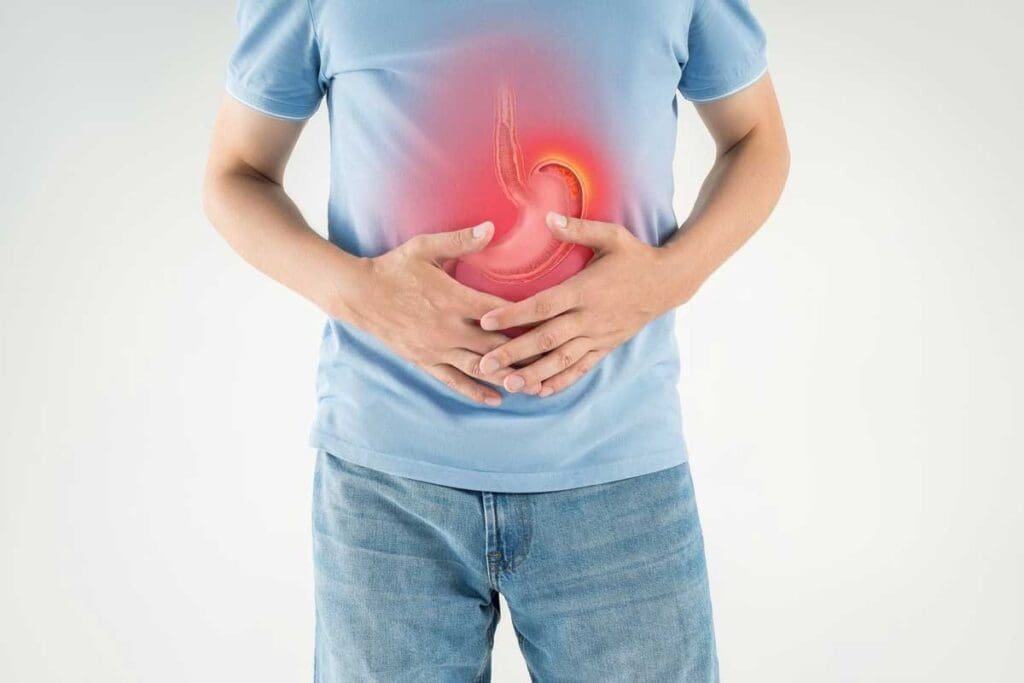
A blood clot can cause serious health problems. It can block blood flow and harm organs. At LivHospital, we are committed to providing world-class healthcare delivery with support for international patients. Discover 10 early symptoms of a clot in stomach and how to detect it fast.
Blood clots can lead to severe complications if not treated quickly. It’s important to know the symptoms to get medical help fast. We’ll talk about common symptoms and why you should seek medical care if you have stomach pain and blood clots.
Key Takeaways
- Recognizing symptoms of blood clots is key for quick medical help.
- Blood clots can cause severe abdominal pain and other serious issues.
- Getting medical care fast is vital for treating blood clots.
- LivHospital offers full care for patients with blood clots.
- Knowing the risks of blood clots can save lives.
Understanding Abdominal Blood Clots: What Is a Clot in Stomach?

Blood clots in the stomach are serious and can cause severe problems. We’ll explain what this condition is and how it happens. It’s important to know why it’s a medical emergency.
Medical Definition of Mesenteric Venous Thrombosis
Mesenteric venous thrombosis is when a blood clot forms in the veins draining the intestine. This can lead to tissue damage and serious health risks. The mesenteric veins are key in removing deoxygenated blood from the intestines.
A blood clot in these veins can cause high pressure in the intestines. This leads to severe pain, nausea, and vomiting.
How Blood Clots Form in the Abdominal Region
Blood clots in the abdomen usually happen due to Virchow’s triad: changes in blood flow, increased clotting tendency, and damage to the lining of blood vessels. Conditions like cancer, trauma, or infections can raise the risk. Other factors include genetic tendencies, certain medications, and vascular diseases.
The clotting process in the mesenteric veins can start slowly. It often begins with a partial blockage that can worsen over time, causing more severe symptoms.
Why Stomach Blood Clots Are Considered a Medical Emergency
Stomach blood clots are emergencies because they can quickly lead to intestinal infarction. This is when the intestine becomes gangrenous due to lack of blood. It can cause perforation, peritonitis, and sepsis, all of which are deadly.
Quick diagnosis and treatment are key to avoiding these severe outcomes. The symptoms can be hard to spot without imaging tests.
| Risk Factors | Description | Potential Complications |
| Cancer | Increases clotting tendency | Intestinal infarction |
| Trauma | Damage to blood vessels | Sepsis |
| Genetic predispositions | Hypercoagulability | Recurrent thrombosis |
Severe Abdominal Pain: The Primary Warning Sign

Severe abdominal pain is a key warning sign for blood clots in the stomach. This pain can come on suddenly and be very intense. It often surprises people.
The pain from stomach clots is usually sharp and stabbing. It might focus on one spot or spread across the belly.
Characteristics of Pain Associated with Stomach Clots
The pain from stomach clots has some specific traits:
- Pain that gets worse over time
- Pain that gets worse with movement or pressure on the belly
- Pain with other symptoms like nausea, vomiting, or fever
How to Distinguish from Other Types of Abdominal Pain
It’s hard to tell if abdominal pain is from blood clots or something else. But, some clues can help:
| Characteristics | Blood Clot Related Pain | Other Types of Abdominal Pain |
| Onset | Sudden | Gradual or sudden |
| Intensity | Severe | Varies |
| Associated Symptoms | Nausea, vomiting, possibly fever | Varies (e.g., diarrhea, constipation) |
When Stomach Pain and Blood Clots Require Immediate Attention
If you have severe abdominal pain that might be from a blood clot, get help right away. Prompt medical evaluation can make a big difference.
If you or someone else has severe abdominal pain, look for these signs:
- Severe abdominal pain that starts suddenly
- Pain with vomiting blood or bloody stools
- Signs of shock, like dizziness or fainting
Nausea and Vomiting: Digestive Distress Signals
Digestive problems like nausea and vomiting might mean you have a blood clot in your stomach. This is a serious issue that needs quick medical care. We’ll look into how these signs are linked to stomach blood clots and what they could mean.
The Link Between Blood Clots and Digestive Issues
Nausea and vomiting happen when a blood clot blocks digestion. This blockage can stop normal digestion and cause these symptoms.
Persistent Vomiting: A Warning Sign
Recurring nausea and vomiting might have many causes. But, if vomiting keeps happening, it’s a sign to see a doctor. It can cause dehydration and mess with your body’s balance of salts and minerals, making things worse.
Differentiating Symptoms
It’s important to tell apart nausea and vomiting from a blood clot and usual stomach problems. Symptoms like severe stomach pain, bloody stools, or big changes in bowel habits could mean a blood clot.
| Symptoms | Common Stomach Ailments | Blood Clot in Stomach |
| Nausea and Vomiting | Often due to food poisoning, viral gastroenteritis | Caused by obstruction of blood flow |
| Abdominal Pain | Typically localized, may be crampy | Severe, persistent, and possibly radiating |
| Bloody Stools | Uncommon, unless there’s significant mucosal damage | Possible due to ischemia or infarction |
Knowing the difference between usual stomach problems and signs of a blood clot is key for quick medical help. If you’re dealing with ongoing or severe symptoms, getting medical attention is a must.
Bloody Stools and Rectal Bleeding: Critical Indicators
Blood in the stool is a serious sign that needs quick medical help, often linked to abdominal clots. The way blood shows up in stool can vary, based on where and how bad the clot is. We’ll look at the kinds of blood in stool linked to clots, when it’s a medical emergency, and how blood flow in the intestines affects stool.
Types of Blood in Stool Associated with Abdominal Clots
Blood in stool can look different, like bright red, dark tarry, or hidden. The color and type of blood can tell us about the bleeding’s source and how serious it is.
Bright Red Blood: This usually means bleeding from the lower part of the gut, possibly due to a clot in the rectum or sigmoid colon.
Dark Tarry Stools (Melena): This shows bleeding from the upper gut, like a clot in the stomach or small intestine. The blood looks dark and tarry because it’s been digested.
Occult Blood: This is blood in the stool that you can’t see. It shows up in tests and might mean slow, ongoing bleeding.
| Type of Blood in Stool | Possible Source | Clinical Significance |
| Bright Red Blood | Lower GI tract | May indicate a clot in the rectum or sigmoid colon |
| Dark Tarry Stools (Melena) | Upper GI tract | Suggests bleeding from the stomach or small intestine |
| Occult Blood | Variable | May indicate slow, chronic bleeding |
When Bloody Stools Indicate a Medical Emergency
Bloody stools can mean a serious health issue, like severe pain, vomiting, or shock signs. You should get medical help right away if:
- The bleeding is heavy or keeps coming back.
- You feel dizzy, faint, or have a fast heartbeat.
- You have a history of blood vessel problems or take blood thinners.
Relationship Between Intestinal Blood Flow and Stool Appearance
The look of your stool can change if blood flow to the intestines is affected. A clot in the abdomen can cut off blood flow, causing blood in the stool. How bad and where the clot is can change stool appearance a lot.
It’s key to understand how blood flow in the intestines affects stool. Spotting these signs early can help get the right treatment and better results.
Abdominal Swelling, Bloating, and Tenderness
Abdominal blood clots can cause swelling, bloating, and tenderness. These symptoms happen because the body reacts to the clot. They can also be due to the clot blocking blood flow to the intestines.
Mechanisms Behind Bloating in Abdominal Blood Clots
Bloating from blood clots is mainly due to gas in the digestive tract. A clot blocking blood flow can cause the intestines to not get enough oxygen. This can slow down the intestines and lead to gas and bloating.
The clot can also cause intestinal ileus. This is when the intestines move very slowly or stop. It leads to gas, fluids, and food building up, causing swelling and discomfort.
Stomach Cramps and Blood Clots: The Connection
Stomach cramps can be linked to blood clots in the abdomen. These cramps happen when the intestine tries to move contents past the blockage. The cramps can be mild or severe, depending on the clot’s size and location.
- Severe cramping happens if the clot blocks the intestine a lot.
- Mild discomfort is seen if the clot is smaller or only partially blocks the intestine.
Distinguishing Normal Bloating from Clot-Related Swelling
Telling normal bloating from clot-related swelling can be hard. But, there are clues for clot-related swelling:
- Severity and Onset: Clot-related bloating starts suddenly and is more severe.
- Associated Symptoms: Symptoms like severe pain, bloody stools, or vomiting suggest a clot.
- Persistent Nature: Clot-related bloating lasts and doesn’t get better with usual treatments.
If you notice these symptoms, get medical help right away. Quick diagnosis and treatment can greatly help those with abdominal blood clots.
Changes in Bowel Habits: Diarrhea and Constipation
Blood clots in the stomach can cause changes in bowel habits. These changes can show if there’s a problem.
Impact on Intestinal Function
Blood clots in the belly can mess with how the intestines work. This can lead to irregular bowel movements. The clot might block blood flow, causing pain and changing how often you go to the bathroom.
This can make you have diarrhea or constipation. It depends on how the clot affects your intestines. Sometimes, you might switch between these two.
Patterns Suggesting Blood Clots
Some bowel changes might mean you have a blood clot in your belly. For example:
- Switching between diarrhea and constipation
- Having constipation or diarrhea that doesn’t have a clear reason
- Feeling pain or cramps when you go to the bathroom
These signs need a doctor to check what’s going on.
Seeking Medical Attention
If your bowel habits change a lot or are really bad, see a doctor. This is true if you also have belly pain, vomiting, or bloody stools. Getting help early can make a big difference for people with blood clots in their belly.
If you notice any of these, it’s a medical emergency:
- Severe belly pain
- Vomiting blood or having bloody stools
- Signs of dehydration from too much diarrhea or vomiting
Skin Changes: Discoloration and Temperature Around the Abdomen
Skin changes, like discoloration and temperature shifts, can signal a blood clot in the stomach. These signs come from changes in blood flow and possible tissue damage. We’ll look at these visual signs and what they mean.
Visual Signs of Abdominal Blood Clots
A blood clot in the stomach can cause skin changes in the abdominal area. These changes might include discoloration, where the skin looks bluish or purplish because of poor blood flow.
Another sign is mottled skin, with patches of different colors. This shows blood flow issues. The skin might also look pale or cool to the touch.
Temperature Changes and What They Indicate
Abdominal temperature changes can also hint at a blood clot. The area might feel warmer or cooler than the rest due to inflammation or reduced blood flow. These changes show the body’s reaction to the clot and possible tissue damage.
The skin might also feel tender or painful to the touch, along with temperature changes. This tenderness means the body is responding to the clot.
Darkened Skin as a Symptom of Blood Clot in Stomach
Darkened skin, or hyperpigmentation, around the stomach can be a sign of a blood clot. This darkening happens when blood or fluids build up under the skin, blocked by a clot.
In serious cases, darkened skin might also have swelling or hardness. Seeing these symptoms means you should get medical help right away, as they could point to a serious issue.
Diagnosis and Treatment of Stomach Blood Clot Symptoms
Diagnosing a stomach blood clot is a mix of clinical checks and advanced imaging. We’ll look at how to diagnose and treat this issue.
Imaging Tests Used to Confirm Abdominal Blood Clots
Finding a blood clot in the stomach is hard because its symptoms are not clear. But, some tests can show if there’s a clot.
Imaging tests are key in spotting stomach blood clots. The main tests are:
- CT scans with contrast, which show the clot and how much of the bowel is affected.
- Ultrasound, which finds clots in big veins in the belly.
- MRI, which gives detailed pictures of the belly’s blood vessels and finds clots.
Medical Interventions for Blood Clots in the Stomach
Treating stomach blood clots usually means using anticoagulation therapy. This stops the clot from getting bigger and prevents more from forming.
Anticoagulation therapy is the main treatment. It uses medicines like heparin and warfarin. Sometimes, surgery is needed to take out the clot or fix damaged blood vessels.
Recovery and Long-term Outlook
How well a patient recovers from a stomach blood clot depends on a few things. These include how fast and well the treatment works, how much of the bowel is damaged, and the patient’s health.
Many patients get better with quick treatment. But, some might face long-term issues like bowel blockage or chronic pain in the belly.
| Treatment Approach | Description | Benefits |
| Anticoagulation Therapy | Use of medications to prevent clot growth and formation | Reduces risk of further clots, manages condition |
| Surgical Intervention | Surgery to remove the clot or repair damaged vessels | Immediate relief, addresses complications |
| Supportive Care | Management of symptoms and prevention of complications | Improves patient comfort, reduces risks |
Conclusion: When to Seek Medical Help for Suspected Stomach Blood Clots
It’s important to know the signs of a blood clot in the stomach to avoid serious problems. We’ve talked about symptoms like severe pain, nausea, vomiting, bloody stools, and changes in bowel habits. If you notice any of these, you should get medical help right away.
A blood clot in the abdomen can cause serious health issues if not treated. Knowing the warning signs can help you act fast. The key is to understand how serious your symptoms are.
If you think you have a blood clot in your stomach, don’t wait to see a doctor. Doctors can use tests to find out what’s wrong and treat it. Getting help early can make a big difference in your health.
Knowing about blood clot risks and symptoms helps you take care of your health. If you’re not sure about your symptoms or have health concerns, talk to a doctor.
FAQ
What are the symptoms of a blood clot in the stomach?
Symptoms include severe stomach pain, nausea, and vomiting. You might also see bloody stools, swelling, and tenderness. Other signs are changes in bowel habits and skin around the stomach.
Can a blood clot in the stomach cause severe abdominal pain?
Yes, it can. Severe pain is a main warning sign. The pain can get worse over time.
How do I differentiate between normal bloating and bloating caused by a blood clot in the stomach?
Normal bloating is different from bloating caused by a blood clot. Clot-related bloating comes with severe pain, nausea, and vomiting. If you have persistent or severe bloating, see a doctor.
Can blood clots in the stomach cause changes in bowel habits?
Yes, they can. Blood clots can mess with your bowel function. This might lead to diarrhea or constipation.
What are the risks associated with abdominal blood clots?
Abdominal blood clots are serious. They can cause intestinal ischemia, bowel obstruction, and even death if not treated.
How are blood clots in the stomach diagnosed?
Doctors use imaging tests like CT scans, MRI, or ultrasound to find blood clots in the stomach.
What is the treatment for blood clots in the stomach?
Treatment depends on the clot’s severity and location. It might include anticoagulation therapy, thrombolysis, or surgery.
Can a blood clot in the stomach cause bloody stools?
Yes, it can. Bloody stools or rectal bleeding are serious signs of a possible life-threatening condition.
Are skin changes a symptom of a blood clot in the stomach?
Yes, skin changes like discoloration and temperature changes around the abdomen can be symptoms.
Is a blood clot in the stomach a medical emergency?
Yes, it is. Quick medical attention is key to avoid severe complications.
Can nausea and vomiting be symptoms of a blood clot in the stomach?
Yes, they can. Nausea and vomiting, along with severe abdominal pain, are signs of a blood clot
Reference
- MedlinePlus — General information on Blood Clots: symptoms, causes, when to seek emergency care, https://medlineplus.gov/bloodclots.html