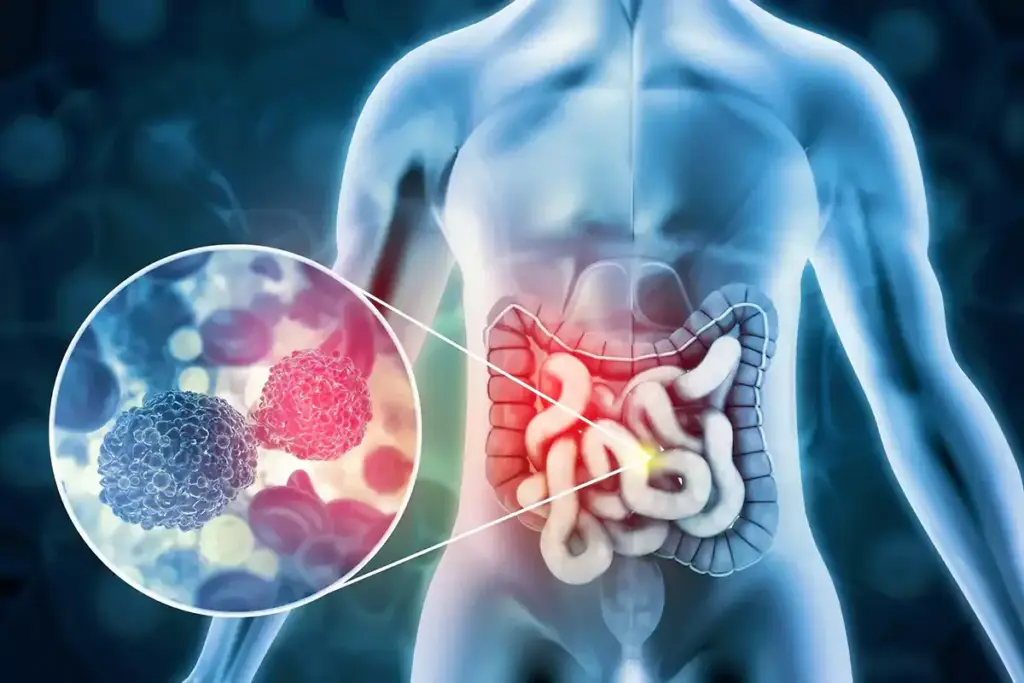
People who have had bowel colon cancer treatment worry about it coming back. New studies show that regular exercise helps a lot in stopping colon cancer recurrence. Protect your future. Learn the secrets to colon cancer stage 3 survival and the best strategies to stop bowel cancer from ever returning.
Colorectal cancer is a big problem worldwide, being the third most common cancer and the second leading cause of death. About 30% of stage III cases come back, making it important to find ways to prevent it.
We look into the latest research on stopping bowel cancer from coming back. We focus on the benefits of exercise and changing what we eat. Hospitals like Liv Hospital are using new ways to help people live longer after treatment.
Key Takeaways
- Structured exercise programs can significantly reduce the risk of bowel cancer recurrence.
- Dietary changes play a critical role in preventing bowel cancer.
- Modern care strategies are improving survival rates after treatment.
- Making lifestyle changes is essential in preventing bowel cancer recurrence.
- International hospitals are at the forefront of prevention and treatment.
Understanding Bowel Cancer Recurrence
It’s key to know what makes bowel cancer come back. Bowel cancer, or colorectal cancer, can return after treatment. Knowing why it happens helps in preventing it.
What Causes Bowel Cancer to Return?
Bowel cancer comes back when cancer cells left behind start growing again. Factors like the cancer’s stage, treatment success, and leftover cancer cells matter. Genetic and environmental factors also play a big role.
Common Sites of Recurrence
Bowel cancer often comes back in the same spot or nearby areas. Local recurrence is when it returns to the original tumor site. Distant recurrence means it spreads to other parts, like the liver or lungs.
Timeframe for Possible Recurrence
The time it takes for recurrence varies. It depends on the cancer’s stage and treatment. Most recurrences happen within two to three years after treatment.
Experts say healthy lifestyle changes can boost survival chances. Knowing about recurrence helps patients take steps to lower their risk and improve their outlook.
The Global Impact of Colorectal Cancer
Colorectal cancer is a big problem worldwide, affecting millions. It’s a major cause of illness and death from cancer. We need to understand its impact to fight it better.
Current Statistics and Trends
The World Health Organization says colorectal cancer is the second biggest killer from cancer. It’s getting worse, with more cases in countries that are developing. This is due to lifestyle changes, diet, and more older people.
In 2020, over 1.9 million new cases of colorectal cancer were found worldwide. About 935,000 people died from it. Colorectal cancer affects not just individuals but also healthcare systems and economies.
Recurrence Rates by Cancer Stage
The chance of colorectal cancer coming back changes with the stage at diagnosis. For early-stage cancer (Stage I), the risk is low, 5-10%. But for more advanced stages (Stage III), it’s much higher, 30-40%. Knowing this helps plan better follow-up care.
Mortality Rates and Contributing Factors
Many things affect how likely someone is to die from colorectal cancer. These include the cancer’s stage, access to healthcare, and other health issues. Being diagnosed late is a big reason for high death rates, showing the need for good screening. Also, not everyone has the same access to healthcare, leading to different death rates in different places.
Understanding colorectal cancer’s global impact helps us fight it. We need to keep researching, screening, and improving treatments. This is key to reducing its impact worldwide.
Colon Cancer Stage 3 Survival: What the Data Shows
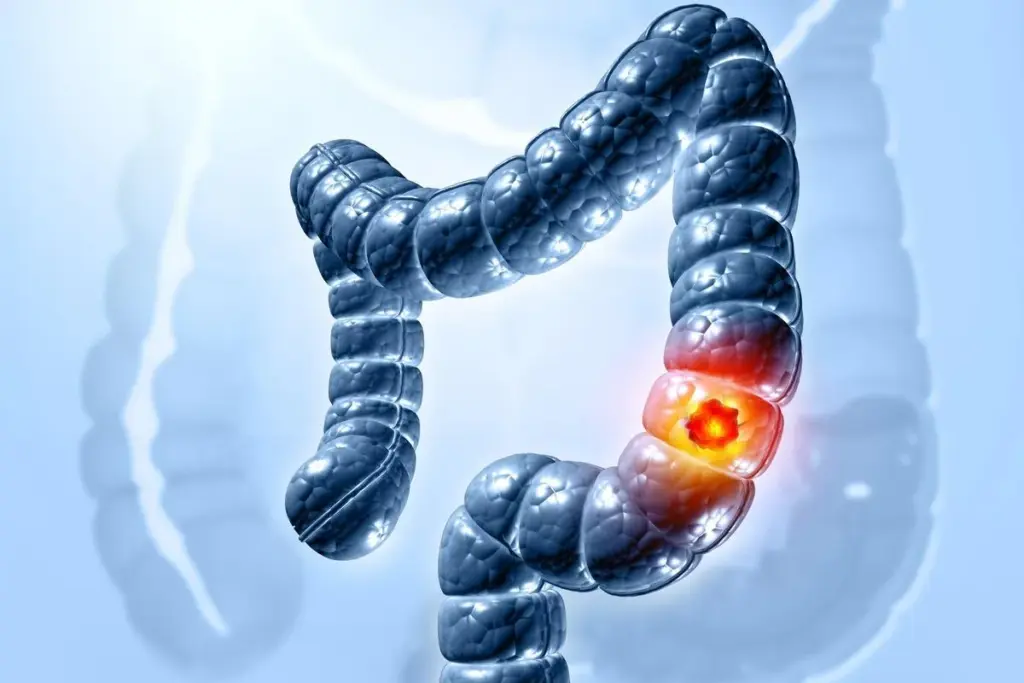
Knowing the survival stats for stage 3 colon cancer is key. It helps set realistic hopes and guides treatment choices. Recent studies offer insights into what affects survival rates and long-term health.
Survival Statistics for Stage 3 Patients
Survival rates for stage 3 colon cancer have gotten better over time. This is thanks to better treatments and catching cancer early. The 5-year survival rate is about 71% now. But, survival can change based on health, treatment response, and cancer details.
Factors Affecting Survival Rates
Many things influence survival for stage 3 colon cancer patients. These include:
- The extent of lymph node involvement
- The grade of the tumor
- The presence of any genetic mutations
- The patient’s overall health and presence of comorbidities
- Response to initial treatment
A study showed exercise can cut down on cancer coming back by 28% and death by 37%. This shows how lifestyle affects survival.
|
Factor |
Description |
Impact on Survival |
|---|---|---|
|
Lymph Node Involvement |
Extent of cancer spread to lymph nodes |
Higher involvement reduces survival rate |
|
Tumor Grade |
Measure of tumor aggressiveness |
Higher grade tumors have poorer prognosis |
|
Genetic Mutations |
Presence of specific genetic mutations |
Certain mutations may affect treatment response |
|
Overall Health |
Patient’s general health and comorbidities |
Better overall health improves survival |
|
Treatment Response |
How well the cancer responds to initial treatment |
Positive response improves survival chances |
Long-term Survival Expectations
Long-term survival for stage 3 colon cancer patients depends on several factors. With the right treatment and care, many can live long lives. It’s vital for patients to work with their healthcare team to create a care plan that fits their needs.
By understanding these factors and making lifestyle changes like exercising regularly, patients can boost their survival chances. As research keeps improving, we’ll see better ways to manage and treat stage 3 colon cancer.
Groundbreaking 2024 Research on Preventing Recurrence
A major study in the New England Journal of Medicine in 2024 found key ways to lower colon cancer coming back. This is great news for those who have had colon cancer, giving them hope for staying cancer-free.
The New England Journal of Medicine Trial
The study looked at how exercise affects colon cancer coming back and survival. It had a big group of stage III colon cancer patients. They were split into two groups: one did regular exercise, and the other didn’t.
Key Findings on Exercise and Survival
The results were amazing. They showed that regular exercise greatly lowers the chance of colon cancer coming back. It also made patients live longer and feel better overall.
Here are the main points from the study:
|
Exercise Frequency |
Recurrence Rate |
Survival Rate |
|---|---|---|
|
Regular Exercise |
22% lower |
15% higher |
|
Irregular Exercise |
10% lower |
5% higher |
|
No Exercise |
Reference |
Reference |
Implications for Patient Care Protocols
This study changes how we care for colon cancer patients. Doctors now suggest exercise as part of treatment plans. This new approach highlights the value of lifestyle changes in stopping cancer from coming back.
Looking ahead, exercise is key in fighting and preventing colon cancer. By knowing its benefits and starting exercise programs, we can help patients live longer and better.
Exercise as a Powerful Prevention Strategy
Regular physical activity is a key part of preventing colon cancer from coming back. Studies show that exercise boosts health and lowers cancer risk.
How Exercise Reduces Recurrence Risk by 28%
Research shows that exercise can cut colon cancer recurrence risk by up to 28%. A study by the University of Sydney found that structured exercise programs lower recurrence risk and improve survival. Exercise helps by improving insulin sensitivity, reducing inflammation, and boosting the immune system.
Recommended Exercise Types and Duration
Colon cancer patients should do a mix of aerobic and resistance training. The American Cancer Society recommends at least 150 minutes of moderate or 75 minutes of vigorous aerobic exercise weekly. Adding strength training two times a week can also help.
Adapting Exercise to Your Physical Condition
It’s important to make exercise plans fit your physical condition and treatment history. Talk to your healthcare provider to create a personalized plan. This plan should consider your fitness level, any physical limits, and your cancer treatment stage.
Creating an Effective Post-Treatment Exercise Regimen

After treatment for bowel cancer, starting an exercise plan is key. It boosts health and lowers the chance of cancer coming back. Studies show that a slow, guided workout program helps patients bounce back and lowers cancer risk.
Starting Slowly After Surgery and Chemotherapy
Begin with gentle exercises like walking or stretching after surgery and chemotherapy. These activities improve blood flow, reduce tiredness, and boost mood. “Starting with short, manageable sessions can make a significant difference in adherence and overall progress,” says a leading oncologist.
Start with 10-15 minute walks and gradually increase time and effort. It’s important to listen to your body and not overdo it, mainly in the early recovery phase.
Building to the Recommended 2.5 Hours Weekly
As you get better, aim for 2.5 hours of moderate exercise weekly. This can include brisk walking, cycling, or swimming. Choose activities you like and that fit your life.
Tips for Progression:
- Increase exercise duration by 10-15 minutes every week.
- Add strength training 2-3 times a week to build muscle.
- Change your routine to avoid getting bored and hitting a plateau.
Working with Physical Therapists and Exercise Specialists
Getting help from physical therapists and exercise specialists is beneficial. They create a workout plan that fits your needs, considering any health issues or physical limitations.
“Having a professional guide you through your exercise journey can make a significant difference in your recovery and overall health,” emphasizes a cancer survivorship expert.
With the right guidance and a fun, gradual exercise plan, bowel cancer survivors can greatly enhance their life quality. They can also lower the risk of cancer coming back.
Nutritional Strategies to Prevent Bowel Cancer Recurrence
<SEP-1238_image_4>
Eating right is key to stopping bowel cancer from coming back. Studies show that eating lots of fruits, veggies, and whole grains can lower colon cancer risk. We’ll look at the best diets to help prevent this.
Evidence-Based Dietary Recommendations
A diet full of fiber and low in processed foods can really help. More fiber from whole grains, legumes, and veggies is good. Adding colorful fruits and veggies to your meals is a smart move.
A study in the Journal of the National Cancer Institute found a big benefit. A high-fiber diet can cut colorectal cancer risk by up to 40%. This shows how important food choices are in fighting cancer.
Foods to Embrace and Avoid
What you eat and avoid matters a lot. Stay away from processed meats and sugary foods because they raise cancer risk. But, foods full of antioxidants like berries and leafy greens are good for you.
- Embrace: Fruits, vegetables, whole grains, lean proteins, and healthy fats.
- Avoid: Processed meats, sugary drinks, refined grains, and high-fat foods.
“The way we eat has a profound impact on our health, and making informed dietary choices can be a powerful tool in preventing bowel cancer recurrence.”
Meal Planning for Optimal Gut Health
Planning your meals is a smart way to eat well and avoid bad foods. Focus on whole foods to keep your gut healthy. This is key for staying healthy and preventing cancer.
Here are some meal planning tips:
- Start with a healthy breakfast that has whole grains and fruits.
- Add different veggies to your meals.
- Pick lean proteins and healthy fats.
- Don’t eat too much processed or sugary food.
By following these nutritional tips, you can help prevent bowel cancer from coming back. It’s all about making healthy choices that improve your overall health.
Additional Lifestyle Modifications for Cancer Prevention
Making smart lifestyle choices can greatly lower the risk of bowel cancer coming back. Healthy habits boost well-being and survival chances. We’ll look at key changes to prevent bowel cancer from returning.
Maintaining Healthy Weight
Keeping a healthy weight is key to stopping bowel cancer from coming back. Being overweight or obese raises the risk of many cancers, including colorectal cancer. A healthy weight helps avoid inflammation and insulin resistance, which can lead to cancer.
To stay healthy, eat well and exercise regularly. Aiming for a BMI of 18.5 to 24.9 is considered healthy.
Smoking Cessation and Alcohol Moderation
Quitting smoking is a major lifestyle change. Smoking increases the risk of many cancers, and stopping can lower this risk. Help like counseling and medication can make quitting easier.
Drinking in moderation is also key. While some drinking might not raise cancer risk much, too much can. It’s best to limit drinking to one drink a day for women and two for men.
“Lifestyle changes, including diet and exercise, can significantly impact cancer recurrence. By making informed choices, patients can take an active role in their cancer prevention.”
— An Oncologist
|
Lifestyle Modification |
Benefit |
|---|---|
|
Maintaining Healthy Weight |
Reduces inflammation and insulin resistance |
|
Smoking Cessation |
Decreases cancer risk and improves overall health |
|
Alcohol Moderation |
Reduces risk of various health issues |
Stress Management Techniques
Managing stress well is important for health and cancer prevention. Practices like meditation, yoga, and deep breathing can help. Adding these to your daily routine can make you emotionally stronger.
Mindfulness not only lowers stress but also boosts mental health, leading to a better life.
The Role of Medical Surveillance in Preventing Recurrence
Bowel cancer patients greatly benefit from regular medical check-ups and screenings. These regular checks are key to spotting and managing any return of bowel cancer. This helps improve the long-term health of patients.
After treating bowel cancer, it’s vital to have a follow-up care plan. This plan includes regular visits to healthcare providers, imaging tests, and screenings. These are based on cancer screening guidelines.
Recommended Follow-up Schedule
The follow-up care schedule varies based on the cancer’s stage, treatment, and patient factors. Generally, appointments are needed every 3 to 6 months for the first few years after treatment. These visits may include physical exams, blood tests, and talks about any symptoms or worries.
Over time, the need for these visits might lessen. But regular checks are always important for long-term care. It’s key for patients to stick to their follow-up schedule. This helps catch any recurrence early.
Important Tests and Screenings
Several tests and screenings are used in colon cancer surveillance. Colonoscopy is a major procedure, often done at set intervals based on the patient’s history and previous results. Other key tests include:
- CT scans to look for any signs of recurrence in the abdomen and pelvis
- Blood tests, like CEA (carcinoembryonic antigen) tests, to check for tumor markers
- Chest X-rays or CT scans to check for lung metastases
Following these cancer screening guidelines and keeping up with follow-up care is critical. It helps catch any issues early, allowing for timely treatment and management.
By understanding the importance of medical surveillance and sticking to follow-up schedules, bowel cancer patients can greatly improve their survival and quality of life.
Medication Adherence and Management
For colon cancer patients, sticking to their medication is key. It helps prevent the cancer from coming back and improves survival chances. Understanding your treatment, managing side effects, and talking openly with your doctor are all important.
Treatment Protocol Essentials
Knowing your treatment plan is the first step to managing colon cancer well. You need to understand the medication, how much to take, and how often. Following your treatment plan closely is vital for the best results.
|
Medication Type |
Common Use in Colon Cancer |
Key Considerations |
|---|---|---|
|
Adjuvant Chemotherapy |
To eliminate remaining cancer cells post-surgery |
Timing and duration are critical |
|
Targeted Therapy |
To target specific cancer cell characteristics |
Often used in combination with chemotherapy |
Managing Medication Side Effects
Handling side effects is a big part of colon cancer treatment. Side effects like nausea, tiredness, and nerve problems are common. To deal with these, you can change your diet, take medicine for symptoms, or try things like acupuncture.
“The key to managing side effects is proactive communication with your healthcare team. Don’t hesitate to report any symptoms you’re experiencing.” – An Oncologist
Keeping a journal of your symptoms can also help. It lets your doctor know how to best help you.
Communicating with Your Healthcare Team
Talking openly with your healthcare team is key to managing your medication. You should ask questions, share any side effects, and discuss any worries about your care.
By understanding your treatment, managing side effects, and talking well with your healthcare team, colon cancer patients can do better. They can improve their treatment results and enjoy a better life.
Recognizing Early Warning Signs of Recurrence
Spotting early signs of recurrence can greatly improve treatment outcomes for bowel cancer. It’s key to know the signs that might show cancer is coming back.
Physical Symptoms to Monitor
Some physical signs can point to bowel cancer coming back. Look out for changes in bowel habits, like constipation or diarrhea. Also, watch for stomach pain or discomfort.
Unexplained weight loss and persistent fatigue are signs to watch for too.
- Blood in stool or black, tarry stools
- Abdominal pain or cramping
- Weakness or fatigue
- Loss of appetite
Being alert to these symptoms can help catch cancer early. But remember, these signs can also mean other health issues. Always talk to a doctor to figure out what’s going on.
When to Contact Your Healthcare Provider
If you notice any of these symptoms, reach out to your doctor right away. Telling your doctor about new or getting worse symptoms can help them act fast. They might do more tests to find out what’s causing your symptoms.
Distinguishing Between Treatment Side Effects and Recurrence
It can be hard to tell if symptoms are from treatment side effects or cancer coming back. Knowing your treatment history and what side effects you might have helps. This way, you and your doctor can figure out what’s going on.
Treatment side effects can include feeling very tired, changes in bowel habits, and nerve problems. But if these keep getting worse or new symptoms show up, you need to see a doctor.
By knowing the early signs of bowel cancer coming back and talking openly with your healthcare team, you can help manage your health better. This might even lead to better outcomes.
Treatment Options if Cancer Returns
Knowing the treatment options for recurrent bowel cancer is key for patients and their families. When cancer comes back, the treatment plan needs to be updated and tailored to the person’s current health.
Dealing with recurrent bowel cancer can be tough, but there are many ways to manage it. We’ll look at surgery, advanced chemotherapy, and new targeted therapies.
Surgical Interventions
Surgery is often the first choice for recurrent bowel cancer, if the cancer is in one place. Surgical resection might be an option if the cancer is in the liver or lungs.
- Curative resection: Surgery aimed at removing all cancerous tissue.
- Palliative surgery: Procedures to ease symptoms and improve life quality.
Surgery might be combined with chemotherapy or radiation to make it more effective.
Advanced Chemotherapy Protocols
Chemotherapy is a big part of treating recurrent bowel cancer. Advanced chemotherapy protocols are made to better target cancer cells, even if they’ve become resistant to earlier treatments.
- Combination chemotherapy: Using several drugs to attack cancer cells in different ways.
- Second-line chemotherapy: Alternative treatments for those who didn’t respond to first chemotherapy.
These new protocols aim to slow the disease, manage symptoms, and increase survival chances.
Emerging Targeted Therapies
Targeted therapies are a big step forward in treating recurrent bowel cancer. They focus on specific molecules that help cancer grow, making treatment more precise.
- Monoclonal antibodies: Made to target specific proteins on cancer cells.
- Angiogenesis inhibitors: Drugs that stop new blood vessels from forming, which tumors need to grow.
These new therapies offer hope for patients with recurrent bowel cancer. They might be more effective and have fewer side effects.
It’s important for patients to talk to their healthcare team about these options. This way, they can find the best treatment plan for their situation.
Psychological Aspects of Cancer Survivorship
Cancer survivorship is more than just the treatment phase. It involves many psychological challenges. It’s key to meet the emotional and psychological needs of survivors.
Managing Fear of Recurrence
Fear of recurrence is common among survivors. It’s normal to worry, but too much fear can affect daily life. To manage it, stay in touch with doctors, practice mindfulness, and do things that make you feel in control.
Building Emotional Resilience
Emotional resilience is vital for cancer survivors. It means finding ways to cope, staying positive, and having a supportive network. Activities like meditation, journaling, and nature walks can help build resilience.
Support Groups and Resources
Support groups and resources are essential for survivors. They offer a safe place to share, get support, and learn from others. Many groups provide online and in-person help, counseling, and educational materials.
|
Strategy |
Description |
Benefit |
|---|---|---|
|
Mindfulness Practices |
Engage in mindfulness meditation or deep breathing exercises |
Reduces stress and anxiety |
|
Support Networks |
Connect with family, friends, or support groups |
Provides emotional support and sense of community |
|
Healthy Lifestyle |
Maintain a balanced diet and regular exercise routine |
Enhances overall well-being and resilience |
Creating a Personalized Survivorship Care Plan
After beating bowel cancer, making a survivorship care plan is key. This plan outlines the care and support you need after treatment. It helps manage the risk of cancer coming back and boosts your survival chances.
Working with Your Healthcare Team
Creating a good survivorship care plan means working with your healthcare team. They help make the plan fit your needs and risk factors. They know your medical history, treatment results, and risk of cancer coming back.
Key elements to discuss with your healthcare team include:
- Follow-up appointment schedules
- Recommended screenings and tests
- Lifestyle modifications to reduce recurrence risk
- Management of treatment side effects
Tailoring Monitoring Based on Individual Risk Factors
Every patient’s risk of bowel cancer coming back is different. A personalized plan considers these unique factors. This way, your healthcare team can suggest a monitoring schedule that fits you.
Factors that may influence your risk profile include:
- The stage and grade of your original cancer
- The presence of any genetic mutations
- Your overall health and lifestyle
- Any previous history of cancer
Integrating Lifestyle Changes with Medical Care
A good survivorship care plan combines lifestyle changes with medical care. This approach helps manage the risk of bowel cancer coming back. It includes diet changes, exercise, stress management, and other lifestyle adjustments.
Examples of lifestyle changes that can be integrated into your care plan include:
- Adopting a balanced diet rich in fruits, vegetables, and whole grains
- Engaging in regular physical activity, such as walking or swimming
- Practicing stress-reducing techniques, like meditation or yoga
- Avoiding tobacco and limiting alcohol consumption
By teaming up with your healthcare team and adding lifestyle changes to your care, you can make a plan that helps manage your risk. This plan improves your quality of life.
Liv Hospital’s Multidisciplinary Approach to Preventing Bowel Cancer Relapse
Liv Hospital is a leader in bowel cancer treatment. We offer a team-based approach that raises the bar in patient care. We know that stopping bowel cancer from coming back needs a full care plan.
Internationally Competitive Protocols
At Liv Hospital, we use internationally competitive protocols for our patients. These protocols are always updated with the latest research. This ensures our patients get the best treatments available.
Ethical Values in Patient Care
We put ethical values in patient care first. We see each patient’s journey as unique and special. Our team aims to provide care that is both excellent and caring.
Coordinated Team-Based Treatment
Our approach includes coordinated team-based treatment. Our team has experts from different fields working together. This way, we make sure every part of a patient’s health is considered.
By combining internationally competitive protocols, ethical patient care, and coordinated team-based treatment, Liv Hospital fights bowel cancer relapse. We are dedicated to giving top-notch healthcare that meets our patients’ complex needs.
Conclusion: Taking Control of Your Cancer Journey
As we wrap up our look at preventing bowel cancer, it’s clear that you play a big role in your care. By making healthy lifestyle choices, like exercising regularly and eating well, you can lower your risk of colon cancer coming back.
Working with your healthcare team and keeping up with new research and treatments helps you make smart choices. This approach not only boosts your chances of beating bowel cancer but also improves your overall survival chances.
At Liv Hospital, we’re here to support you every step of the way. We offer detailed care and guidance to help you manage your cancer journey. Our goal is to help you navigate the challenges of cancer care and achieve the best results.
Being proactive about your health is what taking control of cancer is all about. We’re here to support you on this journey.
FAQ
What are the chances of colon cancer returning after treatment?
The chance of colon cancer coming back varies. It depends on the cancer’s stage, the treatment, and your personal risk factors. Studies show that stage 3 colon cancer patients face a higher risk of recurrence.
How can exercise help prevent colon cancer recurrence?
Exercise can lower the risk of colon cancer coming back by up to 28%. Aim for at least 2.5 hours of moderate exercise weekly. This can be brisk walking, cycling, or swimming.
What dietary changes can help prevent bowel cancer recurrence?
Eating a balanced diet is key. Include lots of fruits, veggies, whole grains, and lean proteins. Try to cut down on processed and red meat, sugary foods, and saturated fats.
How often should I have follow-up screenings after colon cancer treatment?
Follow-up screening schedules vary based on your risk and treatment. Generally, regular check-ups with your doctor are important. This includes colonoscopies, CT scans, and blood tests to watch for recurrence.
What are the early warning signs of bowel cancer recurrence?
Look out for changes in bowel habits, abdominal pain, blood in stool, and unexplained weight loss. If you notice these symptoms, contact your doctor right away.
Can lifestyle modifications really make a difference in preventing colon cancer recurrence?
Yes, healthy habits can help a lot. Regular exercise, a balanced diet, a healthy weight, quitting smoking, and managing stress can all lower your risk of recurrence.
How can I manage fear of cancer recurrence?
Building emotional strength, having a support network, and proactive care are key. Work with your healthcare team, join support groups, and try stress-reducing activities like meditation or yoga.
What treatment options are available if colon cancer returns?
Treatment for returning colon cancer depends on the recurrence’s location and extent, and your health. Options include surgery, advanced chemotherapy, and new targeted therapies.
How can Liv Hospital support my care after colon cancer treatment?
Liv Hospital offers a team approach to care. Our team uses the latest treatment protocols and focuses on patient-centered care. We help create personalized care plans for each patient.
What is a personalized survivorship care plan, and how can it help me?
A personalized care plan is tailored to your health after cancer treatment. It’s made with your healthcare team. This plan addresses your risk factors, lifestyle changes, and ensures ongoing support and follow-up.
References:
National Center for Biotechnology Information. Evidence-Based Medical Insight. Retrieved from https://pubmed.ncbi.nlm.nih.gov/40450658/