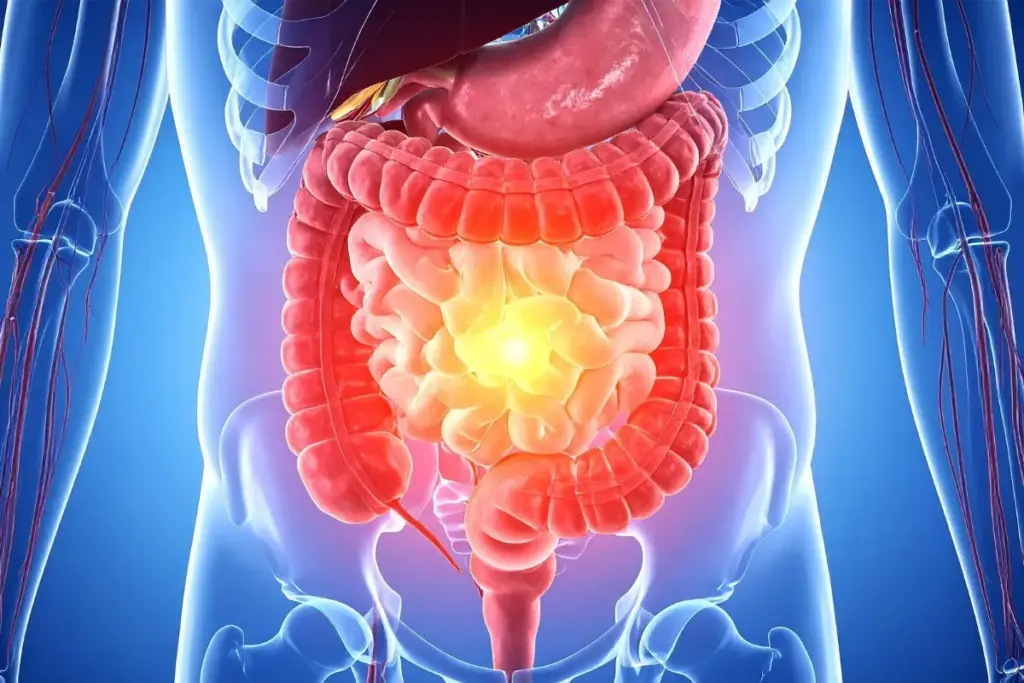
The best treatment for colon cancer depends on when it’s found. Finding it early makes a big difference. Surgery can cure over 90% of cases in the early stages. Boost your odds. Learn about the colon cancer survival rate and the most successful medical treatments currently used to beat the disease.
Colorectal cancer treatments change based on the cancer’s stage and the patient’s health. For many, colon cancer surgery is the main treatment. It might be used with chemotherapy or other treatments to work better.
At top hospitals like Liv Hospital, patients get care that fits their needs. This care follows global standards for the best results.
Key Takeaways
- Early detection is key for effective colon cancer treatment.
- Surgery can cure early-stage colon cancer in over 90% of cases.
- Using chemotherapy and other treatments helps in more advanced stages.
- Custom treatment plans are vital for the best care.
- Top hospitals follow global standards for the best patient outcomes.
Understanding Colon Cancer: A Complete Overview
Let’s explore the details of colon cancer. It’s important to know what it is and how common it is worldwide. Colon cancer, also known as colorectal cancer, affects the colon or rectum.
Definition and Prevalence of Colon Cancer
Colon cancer happens when cells in the colon or rectum grow abnormally, forming tumors. In 2020, about 10 million people died from colon cancer. This shows how serious it is globally.
The risk of getting colon cancer varies by country. In developed countries, the risk is higher. Diet, lifestyle, and genetics all play a part in this risk.
Risk Factors and Early Warning Signs
Knowing the risk factors and early signs of colon cancer is key. This helps in catching it early and treating it. Some main risk factors include:
- Age: Most cases are found in people over 50.
- Family History: Having a family history of colon cancer raises your risk.
- Diet and Lifestyle: Eating a lot of processed meat and not enough fiber, plus being inactive, can increase your risk.
Early signs of colon cancer might be:
- Blood in the stool or black, tarry stools
- Changes in bowel habits, like diarrhea or constipation
- Abdominal pain or discomfort
- Unexplained weight loss or feeling very tired
|
Risk Factor |
Description |
Impact on Risk |
|---|---|---|
|
Age |
Increased risk with age |
High |
|
Family History |
Presence of colon cancer in first-degree relatives |
Moderate to High |
|
Diet and Lifestyle |
High consumption of processed meat, low fiber intake, sedentary lifestyle |
Moderate |
The Critical Role of Staging in Colon Cancer Treatment
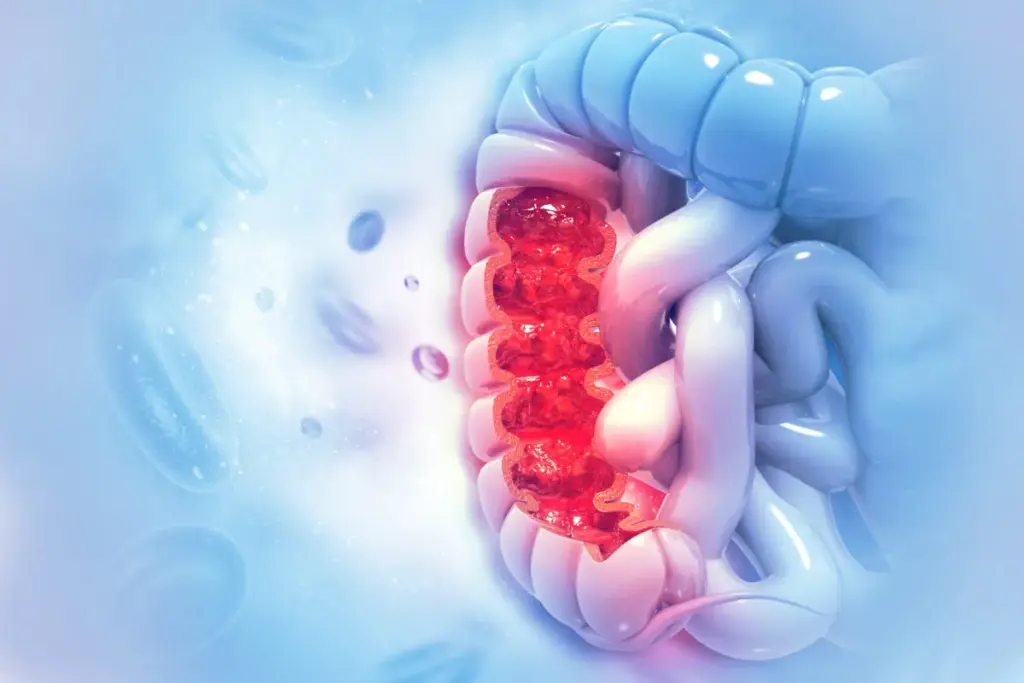
Staging colon cancer is key in choosing the right treatment and predicting how well a patient will do. Knowing how far the cancer has spread is vital for picking the best treatment plan.
Colon cancer staging looks at how far the tumor has spread. It uses the TNM system. This system checks the tumor’s size and spread, if lymph nodes are involved, and if the cancer has spread to other parts of the body.
Understanding the Stages of Colon Cancer
Colon cancer is staged from I to IV. Stage I is the least severe, and Stage IV is the most advanced. The stage at diagnosis greatly affects treatment plans and how well a patient will do.
- Stage I: Cancer is limited to the colon wall.
- Stage II: Cancer has grown through the colon wall but hasn’t reached nearby lymph nodes.
- Stage III: Cancer has spread to nearby lymph nodes.
- Stage IV: Cancer has metastasized to distant organs or tissues.
Getting the cancer’s stage right is important for choosing the right treatment. For example, early-stage colon cancer might just need surgery. But more advanced stages might need surgery, chemotherapy, and radiation therapy.
We use tools like CT scans and MRI to figure out the cancer’s stage. Knowing the stage helps us predict how well a patient will do and make better treatment choices.
By accurately staging colon cancer, we can tailor treatment to each patient’s needs. This improves the chances of a good outcome. The cancer’s stage at diagnosis is a big factor in choosing the best treatment.
Stage I Colon Cancer: Treatment Options and Outcomes
Surgery is the main treatment for stage I colon cancer. It has a high success rate in early stages. For many, surgery alone can cure the disease, giving them a good chance of long-term survival.
Surgical Approaches for Early-Stage Disease
The main surgery for stage I colon cancer is removing the tumor and a part of the colon. This is called a colectomy. Often, doctors use laparoscopic surgery, which is less invasive. It helps patients recover faster and leaves less scarring.
Key aspects of surgical treatment include:
- Removal of the tumor and surrounding tissue
- Reconnection of the remaining colon segments
- Removal of nearby lymph nodes for examination
Research shows that surgery can cure early-stage colon cancer in over 90% of cases. This proves how effective this treatment is.
Post-Surgery Monitoring and Follow-up Care
After surgery, it’s important to keep an eye on the patient for any signs of cancer coming back. This includes regular doctor visits, imaging tests, and blood tests to check for tumor markers.
Effective follow-up care includes:
- Regular office visits to monitor recovery and check for any signs of recurrence
- Imaging tests such as CT scans to visualize the colon and surrounding areas
- Colonoscopy to inspect the inside of the colon for any new or recurrent tumors
By closely watching patients after surgery, doctors can quickly spot and treat any problems. This helps improve overall health outcomes.
Stage II Colon Cancer: Standard and Adjuvant Therapies
Understanding stage II colon cancer is key to effective treatment. Surgery is the main treatment, aiming to remove the tumor and part of the colon. We’ll look at the standard and adjuvant therapies for stage II colon cancer.
Surgical Interventions for Stage II Disease
Surgery is the main treatment for stage II colon cancer. The type of surgery depends on the tumor’s location and the patient’s health. Laparoscopic surgery is often chosen for its benefits, like quicker recovery. But, the choice between laparoscopic and open surgery depends on the surgeon and the tumor’s details.
When Chemotherapy is Recommended for High-Risk Features
Adjuvant chemotherapy is recommended for stage II colon cancer with high-risk features. These include poorly differentiated tumors and inadequate lymph node sampling. Fluoropyrimidine-based chemotherapy, like capecitabine or 5-fluorouracil (5-FU), is commonly used. The decision to use chemotherapy depends on the patient’s health, preferences, and the treatment’s benefits and risks.
Survival Outcomes for Stage II Patients
Survival rates for stage II colon cancer are good, thanks to early diagnosis and treatment. The five-year survival rate is about 80-90%.
Stage III Colon Cancer: Multimodal Treatment Approaches
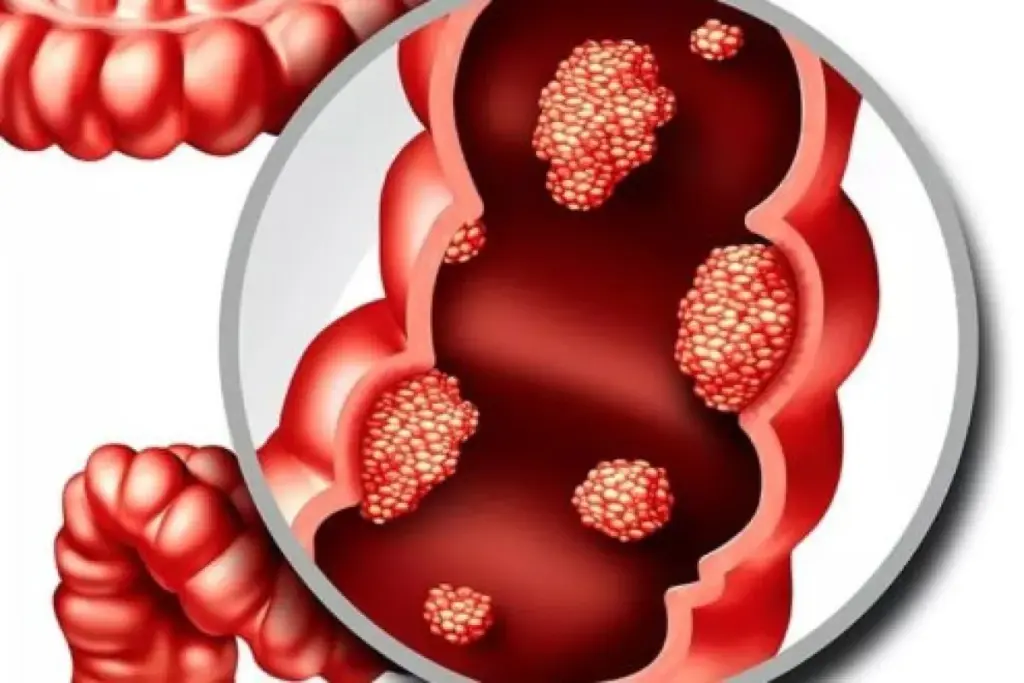
Patients with stage III colon cancer need a treatment plan that combines different methods. This stage means cancer has spread to nearby lymph nodes but not further. A detailed treatment plan is key to better survival chances.
Surgery as the Foundation of Treatment
Surgery is the main treatment for stage III colon cancer. The goal is to remove the tumor and some healthy tissue and lymph nodes. This surgery, called a colectomy, aims to get rid of the cancer completely.
Surgical Techniques: New surgical methods, like minimally invasive surgery, help patients recover faster and have fewer complications. The type of surgery depends on the tumor’s location, size, and the patient’s health.
Adjuvant Chemotherapy Protocols: FOLFOX and CAPOX
After surgery, chemotherapy is often needed to kill any cancer cells left behind. FOLFOX and CAPOX are the most used chemotherapy plans for stage III colon cancer.
FOLFOX: This treatment combines 5-fluorouracil (5-FU), leucovorin, and oxaliplatin. Studies show it greatly improves survival rates for stage III colon cancer patients.
CAPOX: CAPOX, with capecitabine and oxaliplatin, also boosts survival chances. It’s chosen for its oral form, making treatment easier for patients.
|
Chemotherapy Regimen |
Components |
Administration |
|---|---|---|
|
FOLFOX |
5-FU, Leucovorin, Oxaliplatin |
Intravenous |
|
CAPOX |
Capecitabine, Oxaliplatin |
Oral/Intravenous |
Expected Outcomes and Five-Year Survival Rates
Combining surgery with chemotherapy has greatly improved stage III colon cancer treatment. Survival rates range from 53% to 75%, based on several factors like lymph node involvement and overall health.
Knowing about the different treatments helps stage III colon cancer patients make better choices. This can lead to better survival rates.
Stage IV Colon Cancer: Advanced Treatment Strategies
The treatment for stage IV colon cancer has changed a lot. Now, it focuses on care that’s tailored to each patient. For some, this approach can lead to survival rates of up to 45% over five years. We’ll look at the latest treatments, including surgery, systemic therapy, and the importance of a team effort.
Surgical Management of Metastatic Disease
Surgery is key in treating metastatic colon cancer. For those with limited spread, removing both the main tumor and metastases is an option. This can lead to long-term survival or even a cure in some cases.
Deciding on surgery depends on several factors. These include how far the cancer has spread, the patient’s health, and symptoms from the main tumor.
Systemic Therapy Options for Metastatic Colon Cancer
Systemic therapy is vital for treating metastatic colon cancer. This includes chemotherapy, targeted therapy, and immunotherapy.
Chemotherapy regimens like FOLFOX and CAPOX are often used. The right regimen depends on the patient’s treatment history and molecular markers.
|
Therapy Type |
Regimen |
Key Considerations |
|---|---|---|
|
Chemotherapy |
FOLFOX, CAPOX |
Prior treatment history, molecular markers |
|
Targeted Therapy |
EGFR inhibitors, anti-angiogenic agents |
Presence of specific mutations (e.g., KRAS, NRAS) |
|
Immunotherapy |
Checkpoint inhibitors |
MSI-High status, PD-L1 expression |
Multidisciplinary Approach to Advanced Disease
Managing stage IV colon cancer requires a team effort. Surgeons, medical oncologists, and other specialists work together. They create a treatment plan that fits the patient’s needs.
This team approach makes sure all options are considered. Patients get the best care based on the latest research and guidelines.
By combining surgery, systemic therapy, and supportive care, we can improve outcomes. This approach also enhances the quality of life for those with stage IV colon cancer.
Colon Cancer Survival Rates by Stage and Age
Knowing about colon cancer survival rates is key for both patients and doctors. These rates have gone up over time. But, survival chances change a lot based on the cancer’s stage.
Stage-Specific Survival Statistics
The five-year survival rate is a common way to measure colon cancer survival. It shows the percentage of people who live for five years after being diagnosed. The rate is about 65% for colon cancer overall.
But, survival chances vary a lot by stage. For stage I, the rate is about 92%. For stage IV, it’s just 14%. These numbers show how important catching cancer early is.
How Age Impacts Treatment Outcomes
Age also affects survival rates for colon cancer. Younger people usually do better than older ones. This is because they often have fewer health problems and can handle treatments better.
But, age is not the only thing that matters. Health, lifestyle, and other health issues also play big roles in how well someone does after treatment.
Trends in Survival Rates Over Time
Colon cancer survival rates have been getting better over the years. This is thanks to better surgery, chemotherapy, and other treatments.
Also, more people are getting checked for colon cancer early. This means doctors can treat it when it’s easier to beat. So, more people are living longer after being diagnosed with colon cancer.
Key Takeaways:
- Colon cancer survival rates vary a lot by stage at diagnosis.
- Age is a big factor in how well someone does after treatment, with younger people usually doing better.
- Survival rates have gone up over time thanks to better treatments and more people getting checked early.
Targeted Therapies in Colon Cancer Treatment
Targeted therapies have changed how we treat colon cancer. They aim to hit cancer cells directly, with less damage to healthy cells. This means fewer side effects for patients.
Molecular Testing and Personalized Medicine
Molecular testing is key in finding out what makes colon cancer grow. It helps doctors create a treatment plan just for you. This is called personalized medicine.
We use advanced tests to find biomarkers that show how well a treatment will work. This way, we can pick the best treatment for each patient. It makes treatment more effective and cuts down on unnecessary steps.
EGFR Inhibitors and Anti-Angiogenic Agents
EGFR inhibitors, like cetuximab and panitumumab, target the EGFR receptor. This receptor is often too active in colon cancer. By stopping EGFR, these drugs slow down tumor growth and help patients live longer.
Anti-angiogenic agents, such as bevacizumab, stop new blood vessels from forming. Tumors need blood to grow. By cutting off this supply, these drugs slow tumor growth and spread.
Emerging Targeted Treatments
New targeted therapies for colon cancer are coming fast. There are inhibitors for pathways like BRAF and HER2 being tested in trials. These could offer even better treatments in the future.
We’re always looking for the latest and best treatments. We want to give our patients the best chance at beating colon cancer.
Immunotherapy: A Breakthrough for MSI-High Colon Cancers
Immunotherapy is a new hope for patients with MSI-high colon cancers. It uses the body’s immune system to fight cancer. This method is more targeted and could be more effective than traditional treatments.
Understanding Microsatellite Instability in Colon Cancer
Microsatellite instability (MSI) makes DNA repair hard. In colon cancer, MSI-high tumors have a better chance of responding to immunotherapy. We can now test for MSI-high tumors, leading to more tailored treatments.
Checkpoint Inhibitors: CheckMate-8HW and BREAKWATER Trials
Checkpoint inhibitors are a type of immunotherapy drug. The CheckMate-8HW and BREAKWATER trials show their effectiveness. These drugs help the immune system attack cancer cells more effectively.
The trials have shown promising results. Many patients have seen their tumors shrink and their survival chances improve. Ongoing research aims to make these treatments even better for MSI-high colon cancers.
Patient Selection for Immunotherapy
Not every colon cancer patient is right for immunotherapy. Choosing the right patients is key. We look at the MSI status of the tumor and other factors.
We’re also looking for more biomarkers to help pick the best candidates. This way, we can make treatments more effective for those with MSI-high colon cancers.
Radiation Therapy in Colon Cancer Management
Radiation therapy is a key treatment for colon cancer, mainly for advanced or high-risk cases. Surgery and chemotherapy are the main treatments. But, radiation therapy is used to boost results in certain situations.
When Radiation is Recommended for Colon Cancer
Radiation therapy is suggested for colon cancer patients at high risk of recurrence. This includes those with stage II or III disease and specific high-risk features. These features include inadequate lymph node sampling, T4 lesions, or positive margins.
The choice to use radiation therapy depends on the patient’s disease, health, and treatment goals. A study in the Journal of Clinical Oncology showed that adding radiation to chemotherapy improved outcomes for high-risk colon cancer patients.
“The integration of radiation therapy into the treatment plan can significantly improve outcomes for colon cancer patients with high-risk features.” – An Oncologist
Integration with Other Treatment Modalities
Radiation therapy is often combined with surgery and chemotherapy for better results. The treatment sequence and combination vary based on the disease’s stage and characteristics.
Neoadjuvant radiation therapy can shrink tumors before surgery, making them easier to remove. Adjuvant radiation therapy after surgery helps eliminate any remaining cancer cells, lowering recurrence risk.
|
Treatment Modality |
Purpose |
Timing |
|---|---|---|
|
Neoadjuvant Radiation Therapy |
Shrink tumors to facilitate surgical removal |
Before surgery |
|
Adjuvant Radiation Therapy |
Eliminate remaining cancer cells to reduce recurrence risk |
After surgery |
|
Chemotherapy |
Kill cancer cells throughout the body |
Before, during, or after surgery and/or radiation therapy |
In conclusion, radiation therapy is essential in colon cancer treatment, mainly for high-risk or advanced cases. Combining it with surgery and chemotherapy can greatly improve patient outcomes.
Lifestyle Interventions to Improve Treatment Outcomes
Colon cancer patients can make lifestyle changes to better their treatment results. These changes are key to improving treatment effectiveness and patient outcomes.
Exercise and Physical Activity
Exercise is beneficial for colon cancer patients during and after treatment. It helps manage side effects, boosts survival rates, and improves quality of life. We suggest a variety of exercises, like aerobic, strength, and flexibility, based on the patient’s fitness and treatment stage.
A study in the Journal of Clinical Oncology showed that active colon cancer patients had lower recurrence rates and better survival. The American Cancer Society recommends at least 150 minutes of moderate or 75 minutes of vigorous exercise weekly.
Nutritional Support for Colon Cancer Patients
A balanced diet is essential for colon cancer patients. It helps manage side effects, keeps strength up, and aids in recovery. We stress the need for a diet full of fruits, vegetables, whole grains, and lean proteins.
|
Nutritional Element |
Recommended Foods |
Benefits |
|---|---|---|
|
Protein |
Lean meats, fish, eggs, legumes |
Supports muscle mass and recovery |
|
Fiber |
Fruits, vegetables, whole grains |
Aids digestion and bowel health |
|
Vitamins and Minerals |
Colorful fruits and vegetables, nuts, seeds |
Boosts immune function and overall health |
Aspirin and Other Preventive Strategies
Aspirin may help colon cancer patients by reducing recurrence and improving survival. But, it should only be used under a doctor’s guidance, considering the patient’s health and risks.
Other ways to prevent colon cancer include staying at a healthy weight, not smoking, and drinking less alcohol. These choices can lower the risk of cancer coming back and improve health overall.
Clinical Trials and Future Directions in Colon Cancer Treatment
The field of colon cancer treatment is changing fast. This is because of ongoing clinical trials that look at new therapies. We are working hard to find better ways to help patients and improve their lives.
Promising Research in Colon Cancer Therapeutics
New treatments for colon cancer are being developed. Targeted therapies like EGFR inhibitors are showing great promise. They work well for patients with certain genetic changes.
Immunotherapies, like checkpoint inhibitors, are also being studied. They aim to use the body’s immune system to fight cancer.
One exciting area is using immunotherapy for patients with MSI-H colon cancers. Research shows these patients can greatly benefit from checkpoint inhibitors. This offers a new hope for them.
How to Access Clinical Trials
Getting into clinical trials is key for patients looking for new treatments. We suggest talking to your doctor about if you qualify. There are many resources online, like ClinicalTrials.gov and the National Cancer Institute’s site.
It’s important to know the benefits and risks of trials. Ask your healthcare team about the trial’s details and what to expect. This helps you make the best choice for your care.
By joining clinical trials, patients get access to new treatments and help advance research. We are dedicated to finding the best care for our patients as we explore new treatments.
Conclusion: Optimizing Treatment for the Best Possible Outcomes
Optimizing colon cancer treatment means using a detailed and tailored approach. This includes the newest research and treatment choices. Patients can get the best results by understanding colon cancer’s complexities and the available treatments.
We’ve looked at how staging is key in colon cancer treatment. We’ve also seen the different treatments for each stage. Targeted therapies and immunotherapy play big roles too. A team effort, combining surgery, chemotherapy, and more, is often needed for the best results.
Patients can better handle colon cancer treatment by staying informed and working with their healthcare team. This teamwork is essential for the best outcomes. It’s all about working together to provide top-notch care and support.
FAQ
What are the most effective treatments for colon cancer?
Treatments for colon cancer include surgery, chemotherapy, targeted therapy, and immunotherapy. These are often used together. The right treatment depends on the cancer’s stage and type.
How does staging impact colon cancer treatment?
Staging is key in choosing colon cancer treatment. It tells doctors if surgery alone is enough or if more treatments like chemotherapy are needed.
What is the role of surgery in colon cancer treatment?
Surgery is the main treatment for most colon cancer stages. It aims to remove the tumor and affected colon parts. It can cure early-stage cancer and help manage symptoms in more advanced stages.
What are the survival rates for colon cancer by stage?
Survival rates for colon cancer vary by stage. Early-stage cancer has a high survival rate. For stage IV, the focus is on symptom control and extending life.
How does age impact colon cancer treatment outcomes?
Age can affect treatment outcomes for colon cancer. Older adults might face more challenges due to health issues. But, treatment plans are tailored to each person’s health, not just age.
What is the significance of molecular testing in colon cancer?
Molecular testing is vital for colon cancer. It finds specific genetic mutations or biomarkers. This guides targeted therapies and immunotherapy, making treatment more precise.
Can lifestyle interventions improve colon cancer treatment outcomes?
Yes, lifestyle changes can help colon cancer patients. Exercise, nutrition, and certain medications like aspirin can improve outcomes. They help manage side effects and may reduce recurrence risk.
What is immunotherapy’s role in colon cancer treatment?
Immunotherapy, like checkpoint inhibitors, is a promising treatment for MSI-high colon cancers. It boosts the immune system’s fight against cancer cells, showing great results in some patients.
How can patients access clinical trials for colon cancer?
Patients can find colon cancer clinical trials by talking to their doctor or searching online at ClinicalTrials.gov. They can also contact cancer centers and research institutions directly.
What are the benefits of participating in clinical trials for colon cancer?
Joining colon cancer clinical trials offers access to new treatments. It also helps advance cancer research and may improve treatment results.
What are the latest advancements in colon cancer treatment?
New advancements in colon cancer treatment include targeted therapies, immunotherapies, and better surgery techniques. Ongoing research aims to improve treatment and patient outcomes.
How does radiation therapy fit into colon cancer management?
Radiation therapy is used in specific cases of colon cancer, like rectal cancer or when cancer has spread. It’s often combined with surgery and chemotherapy to control symptoms and improve local treatment.
References
National Center for Biotechnology Information. Evidence-Based Medical Insight. Retrieved from https://pubmed.ncbi.nlm.nih.gov/33538338/[web:0