
An unhealthy colon shows itself in many ways. You might notice changes in how often you go to the bathroom. This could be diarrhea or constipation. Also, seeing blood in your stool is a red flag.

Is your gut healthy? Learn the colon cancer symptoms and daily signs of an unhealthy colon that you should discuss with your doctor.
Feeling like you’ve lost weight without trying and having pain in your belly are signs too. Catching these symptoms early is key. They might mean you’re at risk for colon cancer, which can happen to anyone, at any age.
Colon cancer starts with small growths called polyps in the colon. Knowing these signs and taking care of your colon can really help.
Key Takeaways
- Recognizing persistent changes in bowel habits is key for colon health.
- Rectal bleeding and unexplained weight loss are warning signs of an unhealthy colon.
- Colon cancer can occur at any age, often starting as polyps in the colon.
- Early detection of colon issues can significantly improve health outcomes.
- Being aware of abdominal pain as a symptom is vital.
The Vital Role of Your Colon in Overall Health
A healthy colon is key to our health. It processes food, absorbs nutrients, and gets rid of waste. The colon, or large intestine, is the last part of our digestive system. It’s vital for our well-being.
Anatomy and Function of the Large Intestine
The colon is in the lower abdomen. It absorbs water, minerals, and vitamins from our food. It also stores and forms feces until it’s time to get rid of it. Knowing how the large intestine works helps us see its importance.
How a Healthy Digestive System Works
A healthy digestive system is essential for the colon. It breaks down food into parts the body can use. The colon absorbs water and electrolytes and gets rid of waste.
The Microbiome’s Influence on Colon Health
The microbiome is the trillions of microorganisms in our bodies, including the colon. They help digest food, make vitamins, and boost our immune system. An imbalance in the microbiome can lead to health problems like colon cancer and digestive issues.
To keep the microbiome healthy, eat well, stay hydrated, and live a healthy lifestyle.
Warning Signs of an Unhealthy Colon
Changes in bowel habits, rectal bleeding, and abdominal discomfort are key indicators of colon health issues. Recognizing these warning signs is essential for early detection and treatment of colon problems.
Persistent Changes in Bowel Habits
A persistent change in bowel habits, including diarrhea or constipation, can be a sign of an unhealthy colon. This could indicate the presence of a blockage or other issues within the colon.
Rectal Bleeding and Blood in Stool
Rectal bleeding or blood in the stool is a significant warning sign that should never be ignored. It can be a symptom of colorectal cancer or other serious conditions affecting the colon.
Chronic Abdominal Discomfort
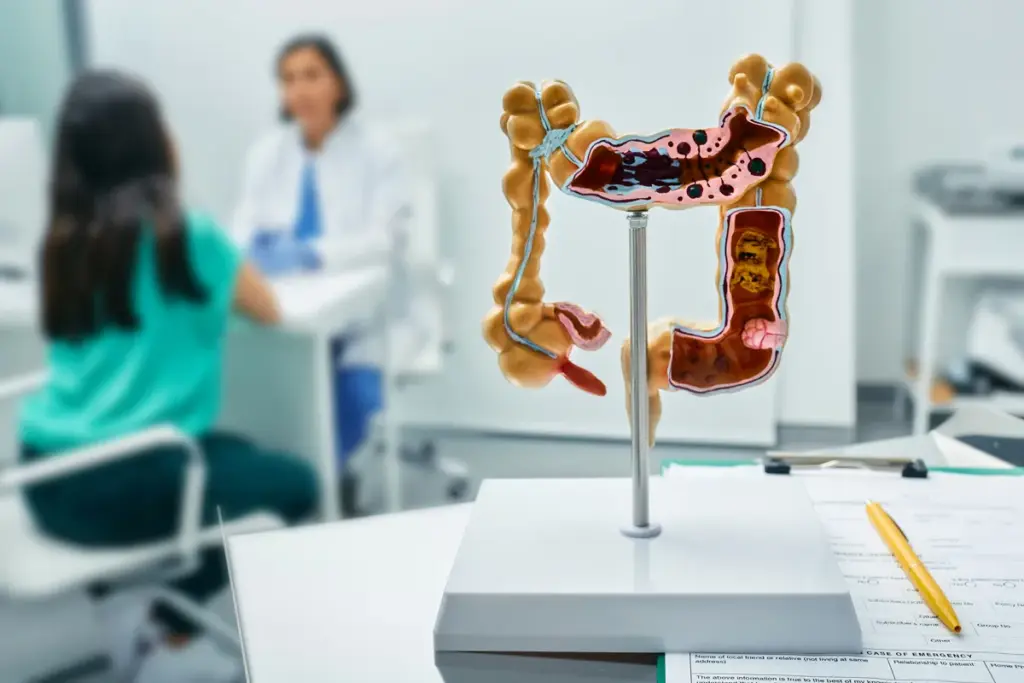
Ongoing discomfort in the abdominal area, such as cramps, gas, or pain, can also indicate colon health issues. This discomfort can be a sign of various conditions, ranging from irritable bowel syndrome to more serious diseases like colon cancer.
|
Symptom |
Possible Indication |
|---|---|
|
Persistent Changes in Bowel Habits |
Blockage or colon issues |
|
Rectal Bleeding or Blood in Stool |
Colorectal cancer or other serious conditions |
|
Chronic Abdominal Discomfort |
Irritable bowel syndrome or colon cancer |
Being aware of these warning signs can help individuals seek medical attention early. This can potentially improve outcomes for those with colon health issues.
Colon Cancer Symptoms You Shouldn’t Ignore
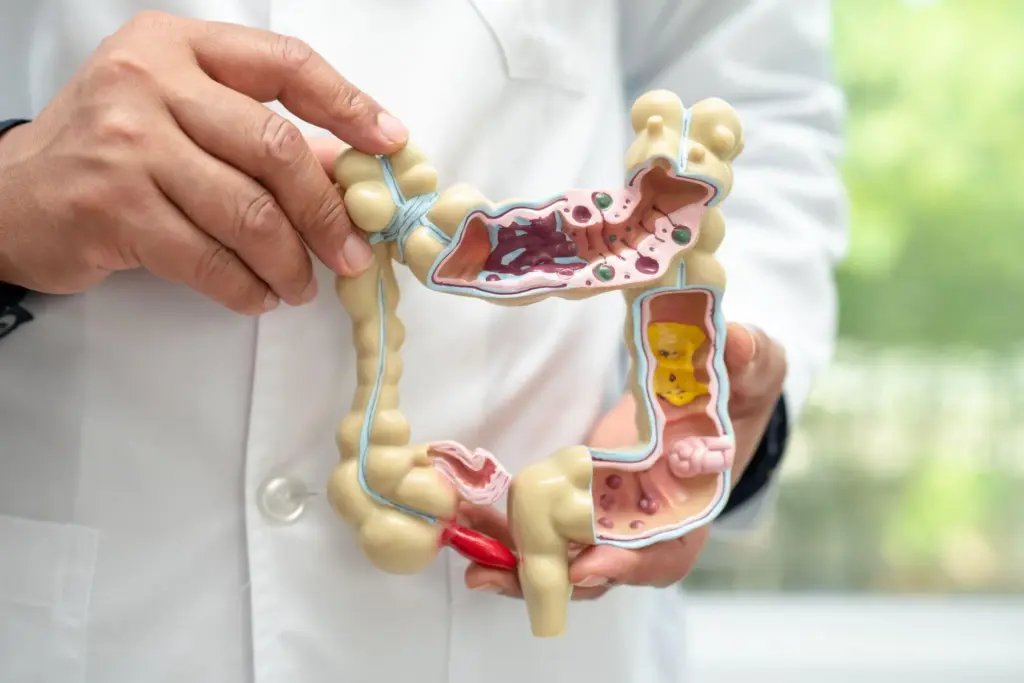
Early detection of colon cancer is key to better survival rates. It’s important to know its symptoms. Screening for colon cancer is advised to start at age 45 for those with average risk, as per guidelines.
Early Warning Signs Often Overlooked
Many early signs of colon cancer are subtle or mistaken for other issues. It’s vital to notice any body changes. Changes in bowel habits, like diarrhea or constipation, can signal something. Also, abdominal pain or discomfort that lasts should not be ignored.
Unexplained weight loss is another symptom often missed. Losing weight without diet or exercise changes is a red flag. Feeling fatigue or weak, and it doesn’t get better with rest, could also be a sign of colon cancer.
Symptoms That Indicate Advanced Disease
As colon cancer gets worse, symptoms get more severe. Blood in the stool or rectal bleeding are clear signs to see a doctor right away. Changes in stool shape or narrowing are also warning signs of advanced disease.
In later stages, colon cancer can block the bowel. This leads to severe pain, vomiting, and constipation. These are emergencies that need quick medical help.
Differences in Symptom Presentation by Age
Colon cancer symptoms can change with age. Younger people might have more aggressive tumors, leading to different symptoms.
The NCCN guidelines highlight the importance of understanding these age-related differences. Knowing about colon cancer at any age can help catch it early and improve treatment.
In summary, being alert to colon cancer symptoms and knowing how they differ by age can greatly affect treatment success. Regular screenings and awareness of early signs are essential in fighting this disease.
The Alarming Rise of Colorectal Cancer in Young Adults
Recent studies show a worrying trend: more colorectal cancer cases in people under 50. This has led to a review of screening guidelines and what causes this disease.
Current Statistics and Projections for 2025
The American Cancer Society predicts about 154,000 new cases of colorectal cancer in the US by 2025. This number shows the disease’s growing impact on all ages, including the young.
Why 37% of Cases Under 50 Involve the Rectum
Studies reveal that 37% of colorectal cancer cases under 50 are in the rectum. This trend might be due to lifestyle, diet, and environmental changes.
Changing Recommendations for Screening Age
Medical guidelines are changing due to more colorectal cancer in young people. The age for first screening is now lower. This is to catch the disease early in this group.
As colorectal cancer in young adults keeps rising, it’s key for healthcare and the public to stay updated. Early screening can greatly improve treatment results.
Common Digestive Issues vs. Serious Colon Conditions
It’s important to know the difference between everyday digestive problems and serious colon issues. Many symptoms can seem scary, but not all are serious.
Irritable Bowel Syndrome and Similar Disorders
Irritable Bowel Syndrome (IBS) causes stomach pain, bloating, and changes in bowel movements. It can really affect your life, but it doesn’t raise your risk of colon cancer. Yet, its symptoms can look like those of more serious problems, so getting a proper diagnosis is key.
Inflammatory Bowel Disease Warning Signs
Inflammatory Bowel Disease (IBD), which includes Crohn’s disease and ulcerative colitis, is a serious issue. It can raise your risk of colon cancer. Look out for signs like constant diarrhea, blood in your stool, and severe stomach pain. These are red flags that mean you need to see a doctor right away.
When Symptoms Suggest Polyps or Tumors
Polyps and tumors in the colon can be harmless or cancerous. Signs include changes in how you go to the bathroom, blood in your stool, and losing weight without trying. Early detection through screening is critical for effective treatment. As
“The key to surviving colon cancer is early detection.”
emphasizes the importance of being aware of the signs and undergoing regular screenings.
In conclusion, while everyday digestive issues are usually not serious, some symptoms need urgent medical attention. Staying informed and proactive about colon health can greatly improve your chances of a good outcome.
Risk Factors Contributing to Colon Problems
Several key risk factors contribute to colon problems, including genetics and lifestyle choices. Understanding these factors is essential for prevention and early detection.
Genetic Predispositions and Family History
Genetics play a big role in colon health. People with a family history of colorectal cancer or genetic syndromes like Lynch syndrome are at higher risk. It’s estimated that up to 30% of colorectal cancer cases have a familial component. If you have a first-degree relative (parent, sibling, or child) diagnosed with colon cancer, your risk increases.
Lifestyle Factors Accounting for 50% of Cases
Lifestyle factors are responsible for about 50% of colon cancer cases. Unhealthy diet, lack of physical activity, obesity, and smoking are big contributors. A diet high in red and processed meats and low in fiber increases the risk. On the other hand, a diet rich in fruits, vegetables, and whole grains can help protect against colon cancer.
“A healthy lifestyle can significantly reduce the risk of colon cancer.”
Medical Conditions That Increase Vulnerability
Certain medical conditions can increase the risk of developing colon problems. Inflammatory bowel diseases (IBD) like ulcerative colitis and Crohn’s disease are associated with a higher risk of colon cancer. Other conditions, such as type 2 diabetes, have also been linked to an increased risk.
By understanding these risk factors, individuals can take proactive steps to reduce their likelihood of developing colon problems. Regular screening and a healthy lifestyle are key to maintaining colon health.
How Your Diet Impacts Colon Cancer Risk
The link between diet and colon cancer is complex. It involves many factors that can either raise or lower the risk of getting this disease. Eating certain foods and avoiding others can greatly affect your risk.
The Danger of Red and Processed Meats
Eating a lot of red and processed meats can increase your colon cancer risk. Processed meats have preservatives and additives that might lead to cancer. It’s wise to cut down on these foods to lower your risk.
Fiber Deficiency and Digestive Health
A diet low in fiber can cause constipation and other digestive problems. This might raise your colon cancer risk. Foods high in fiber, like fruits, veggies, and whole grains, keep your digestive system healthy and may lower cancer risk.
Protective Foods and Dietary Patterns
Eating a variety of fruits, veggies, and whole grains can help prevent colon cancer. A diet full of these foods is good for your health and helps your colon. Adding these foods to your diet is a smart way to lower your colon cancer risk.
In summary, what you eat greatly affects your risk of colon cancer. Knowing how different foods and nutrients work can help you make choices that protect your health.
Diagnostic Procedures for Detecting Colon Abnormalities
Finding colon problems early is key. Many tests can help with this. The right test depends on the patient’s health, risk factors, and what the problem might be.
Non-Invasive Screening Options
Non-invasive tests are often the first step. They include:
- Fecal Occult Blood Tests (FOBT) that find hidden blood in stool.
- Stool DNA tests that spot genetic changes in stool.
A study in the Journal of the American Medical Association (JAMA) found these tests can cut down on colon cancer deaths.
“The use of fecal immunochemical testing (FIT) as a screening tool for colorectal cancer has been shown to be effective in reducing mortality from the disease.”
Source: JAMA
Colonoscopy and Advanced Imaging
Colonoscopy is the top choice for finding colon problems. It lets doctors see the colon and rectum directly. This helps find polyps and cancers early. CT colonography is a less invasive way to see the colon.
|
Diagnostic Method |
Sensitivity |
Invasiveness |
|---|---|---|
|
Colonoscopy |
High |
High |
|
CT Colonography |
Medium to High |
Low to Medium |
|
FOBT |
Low to Medium |
Low |
Colonoscopy is very effective because it can diagnose and treat problems at the same time. This includes removing polyps.
Emerging Technologies in Colon Cancer Detection
New technologies are changing how we find colon cancer. These include:
- Artificial intelligence (AI) to help find more polyps during colonoscopy.
- Blood tests that find tumor DNA.
Understanding Colon Cancer Symptoms in Women
It’s key to know how colon cancer shows up differently in women. This knowledge helps in catching the disease early. Recognizing these differences is vital for good healthcare.
Gender-Specific Presentation Differences
Studies show colon cancer can look different in women than in men. Women often have tumors on the left side of the colon. This can cause unique symptoms. Knowing these differences is important for both patients and doctors.
Symptoms Often Mistaken for Gynecological Issues
Diagnosing colon cancer in women can be tricky. Symptoms like abdominal pain and changes in bowel habits can be mistaken for gynecological problems. It’s important to think of colon cancer when these symptoms appear.
Screening Considerations for Women
Screening for colon cancer is very important for women. Guidelines suggest starting screening at age 45 for those at average risk. Following these guidelines can help find cancer early.
Women should know their risk factors. They should talk to their doctor about screening. This is true if there’s a family history of colon cancer or other risk factors.
The Critical Importance of Early Detection
Finding colon cancer early is key to better outcomes. Survival rates change a lot based on when it’s found. This shows why early screening and detection are so important.
Survival Rates by Stage at Diagnosis
The stage of colon cancer diagnosis greatly affects survival. If caught early, the five-year survival rate is about 90%. But, if it’s spread, the rate falls to around 14%.
|
Stage at Diagnosis |
Five-Year Survival Rate |
|---|---|
|
Localized |
90% |
|
Regional |
71% |
|
Distant |
14% |
Recommended Screening Schedules
Regular screening is vital for catching cancer early. The American Cancer Society says adults should start screening at 45. Those with a family history or other risks might need to start sooner.
- Average risk: Start screening at age 45
- Higher risk: Consult a healthcare provider for personalized recommendations
Overcoming Barriers to Timely Screening
Many people face hurdles to getting screened on time. These can include not having insurance, being scared of the test, or not knowing about colon cancer risks.
Strategies to overcome these barriers include:
- Increasing access to affordable screening options
- Educating the public about the importance and simplicity of modern screening methods
- Encouraging healthcare providers to discuss colon cancer risks with their patients
By focusing on early detection and tackling screening barriers, people can greatly boost their survival chances. This also helps reduce the risk of serious complications from colon cancer.
Treatment Approaches for Colorectal Conditions
Treatment for colorectal conditions has changed a lot, bringing new hope to patients. There are many ways to manage these conditions, making life better for those affected.
Medical Management Options
Medical management is key in treating colorectal conditions. It includes using chemotherapy and targeted therapy for cancer. For inflammatory bowel diseases, drugs that reduce inflammation and manage symptoms are used.
The right treatment depends on the condition, its severity, and the patient’s health. It’s important to keep an eye on how well the treatment is working and make changes as needed.
Surgical Interventions and Recovery
Surgery is often needed for colorectal conditions, like colon cancer or severe inflammatory bowel disease. The surgery might involve removing part of the colon or rectum.
Recovery from surgery has gotten better thanks to new techniques, like minimally invasive surgery. After surgery, it’s important to manage pain, get enough nutrition, and follow up to watch for any problems.
Integrative Approaches to Support Treatment
Integrative approaches can help with traditional treatments for colorectal conditions. This includes changing your diet, managing stress, and trying therapies like acupuncture and mindfulness.
These approaches aim to improve overall well-being. It’s important for patients to talk to their doctors about these options to make sure they’re safe and helpful.
Preventing Colon Problems Through Lifestyle Modification
Healthy habits are key to avoiding colon problems. Making smart lifestyle choices can lower the risk of colon cancer and other issues.
Exercise Requirements to Reduce Sedentary Risk
Exercise is vital for a healthy colon. It can cut down colon cancer risk by boosting digestion and immune function. It also reduces inflammation.
Recommended Exercise Routine:
- At least 150 minutes of moderate-intensity aerobic exercise per week
- 75 minutes of vigorous-intensity aerobic exercise per week
- Incorporating strength training exercises at least twice a week
Dietary Changes for Optimal Colon Health
Eating a balanced diet with fruits, veggies, and whole grains is good for the colon. Some foods can protect against colon cancer.
|
Food Group |
Examples |
Benefits |
|---|---|---|
|
Fruits |
Berries, Apples |
High in antioxidants and fiber |
|
Vegetables |
Broccoli, Leafy Greens |
Rich in vitamins and minerals |
|
Whole Grains |
Brown Rice, Quinoa |
Good source of fiber and nutrients |
Stress Management and Sleep Quality
Stress and poor sleep can harm the colon. Reducing stress and getting enough sleep is important.
“Stress management is key for colon health. Meditation and deep breathing help.”
Good sleep comes from prioritizing it and relaxing before bed.
Conclusion: Taking Proactive Steps for Colon Health
Keeping your colon healthy is key to feeling good overall. Knowing the signs of a sick colon and acting early can lower your risk of problems.
Preventive steps like regular check-ups and healthy habits are important. Eating right, exercising, and managing stress can fight colon cancer.
By choosing healthy habits and learning about colon health, you can take charge of your gut. Regular health checks and screenings help catch issues early.
Being proactive about colon health leads to a better life. Making smart choices and sticking to preventive care protects your colon and overall health.
FAQ
What are the common signs of an unhealthy colon?
Signs include changes in bowel habits, rectal bleeding, and chronic abdominal discomfort. Unexplained weight loss is also a sign.
How does the colon process food and absorb nutrients?
The colon absorbs water and electrolytes from waste. It stores and eliminates waste material.
What is the role of the microbiome in colon health?
The microbiome aids in digestion and produces vitamins. It also supports the immune system.
What are the symptoms of colon cancer that should not be ignored?
Symptoms include rectal bleeding and changes in bowel habits. Abdominal pain and unexplained weight loss are also signs. Early detection is key for treatment.
Why are cases of colorectal cancer increasing in young adults?
The exact reason is not known. But lifestyle factors, dietary changes, and genetics are thought to play a role.
What is the difference between irritable bowel syndrome and inflammatory bowel disease?
Irritable bowel syndrome causes abdominal pain and bowel changes. Inflammatory bowel disease causes chronic inflammation in the digestive tract.
What are the risk factors for colon problems?
Risk factors include genetics and lifestyle. A diet high in red and processed meats and lack of exercise are also risks. Certain medical conditions increase risk.
How does diet impact colon cancer risk?
A diet rich in fiber, fruits, and vegetables lowers colon cancer risk. But a diet high in red and processed meats may increase it.
What are the diagnostic procedures for detecting colon abnormalities?
Procedures include fecal occult blood tests and colonoscopy. Advanced imaging techniques are also used.
Are there differences in colon cancer symptoms in women?
Yes, women may experience symptoms mistaken for gynecological issues. They may need different screening considerations.
Why is early detection of colon cancer important?
Early detection improves survival rates. It allows for more effective treatment options.
What are the treatment approaches for colorectal conditions?
Treatments include medical management and surgery. Integrative approaches support treatment, depending on the condition’s severity.
How can colon problems be prevented through lifestyle modification?
Preventing problems involves regular exercise and dietary changes. Increasing fiber intake and managing stress are also important.
What are the current guidelines for colon cancer screening?
The National Cancer Network recommends starting screening at age 45 for average-risk individuals. Adjustments are made based on risk factors and family history.
What is the significance of the cecum in colon health?
The cecum absorbs fluids and salts. Its health is vital for colon function.
How do polyps relate to colon cancer?
Polyps on the colon or rectum can become cancerous. Adenomatous polyps can develop into colorectal cancer if not removed.
References:
National Center for Biotechnology Information. Evidence-Based Medical Insight. Retrieved from https://pmc.ncbi.nlm.nih.gov/articles/PMC10116569/[1



 Departments
 Related Videos
 Our Doctors
 News
News