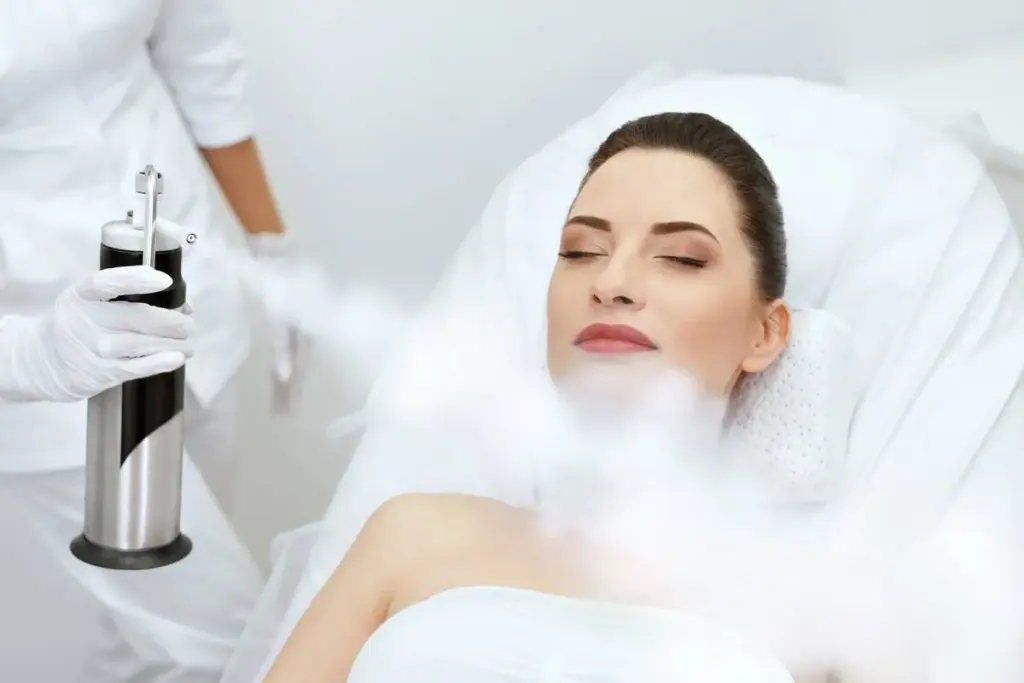
Warts are a common skin condition found in millions globally. Cryotherapy is a popular treatment. It freezes the wart off using liquid nitrogen.
But does this method offer a permanent fix, or can warts come back? The answer depends on how cryotherapy affects the human papillomavirus (HPV) that causes warts.
Cryotherapy is a quick procedure done in a doctor’s office. It’s effective in removing warts. Yet, the worry of warts coming back is a concern for many.
Key Takeaways
- Cryotherapy is a common treatment for warts, using liquid nitrogen to freeze the affected area.
- The procedure is relatively quick and can be performed in a doctor’s office.
- The risk of warts growing back after cryotherapy exists due to the underlying HPV infection.
- Multiple sessions of cryotherapy may be necessary to fully remove the wart.
- Understanding the effectiveness and limitations of cryotherapy is key for managing expectations.
What Are Warts and What Causes Them?
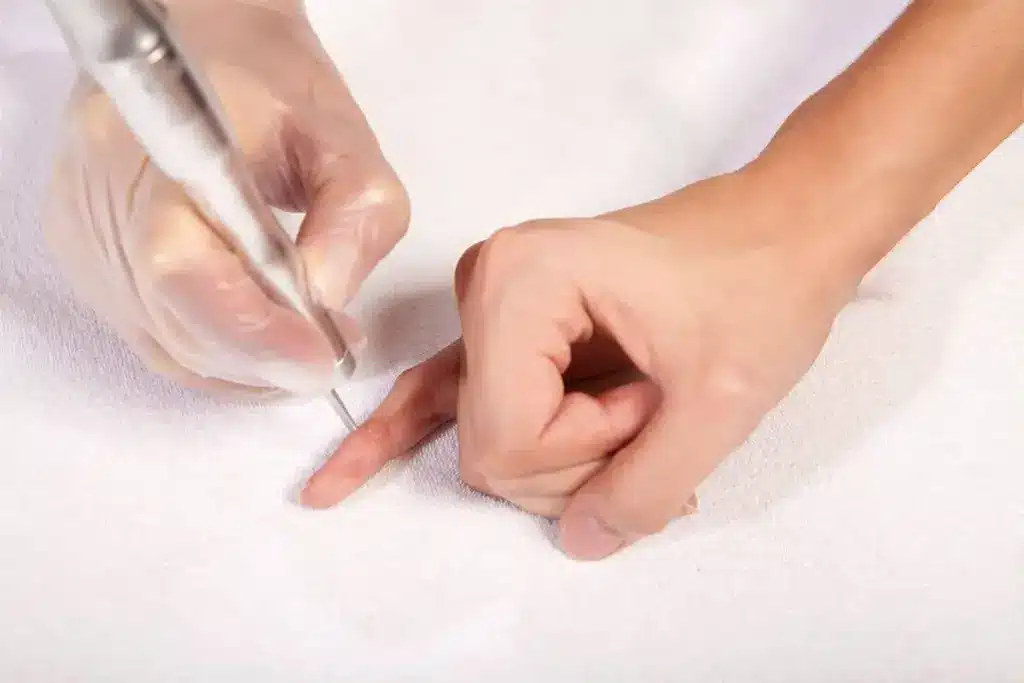
Warts are small, rough growths on the skin caused by the human papillomavirus (HPV). They can appear anywhere on the body and are highly contagious.
Warts are benign growths, but they can be unsightly and sometimes painful, depending on their location. The HPV virus enters the body through cuts or cracks in the skin, leading to the development of warts.
Types of Common Warts
There are several types of warts, each with distinct characteristics. The most common types include:
- Common Warts: These are rough, dome-shaped warts that often appear on the hands, fingers, or knees.
- Plantar Warts: These warts appear on the soles of the feet and can be painful due to pressure.
- Genital Warts: These are sexually transmitted and appear on the genitals, around the anus, or on the cervix.
- Flat Warts: These are smooth, flat-topped warts that often appear in clusters on the face, neck, or hands.
|
Type of Wart |
Common Location |
Characteristics |
|---|---|---|
|
Common Wart |
Hands, Fingers, Knees |
Rough, Dome-Shaped |
|
Plantar Wart |
Soles of Feet |
Can be painful, thickened skin |
|
Genital Wart |
Genitals, Around Anus, Cervix |
Sexually Transmitted, Cauliflower-like |
|
Flat Wart |
Face, Neck, Hands |
Smooth, Flat-topped, Often in Clusters |
The Human Papillomavirus (HPV) Connection
The HPV virus is responsible for causing warts. There are over 100 types of HPV, and some strains are more likely to cause warts than others. HPV can be spread through direct contact with an infected person or contaminated surface.
HPV strains that cause warts are highly contagious and can be spread through:
- Direct skin-to-skin contact with an infected person.
- Touching contaminated surfaces or objects.
- In the case of genital warts, through sexual contact.
Understanding the connection between HPV and warts is key for prevention and treatment. By knowing how warts are caused and spread, individuals can protect themselves and seek treatment when needed.
Understanding Cryotherapy and Warts Treatment
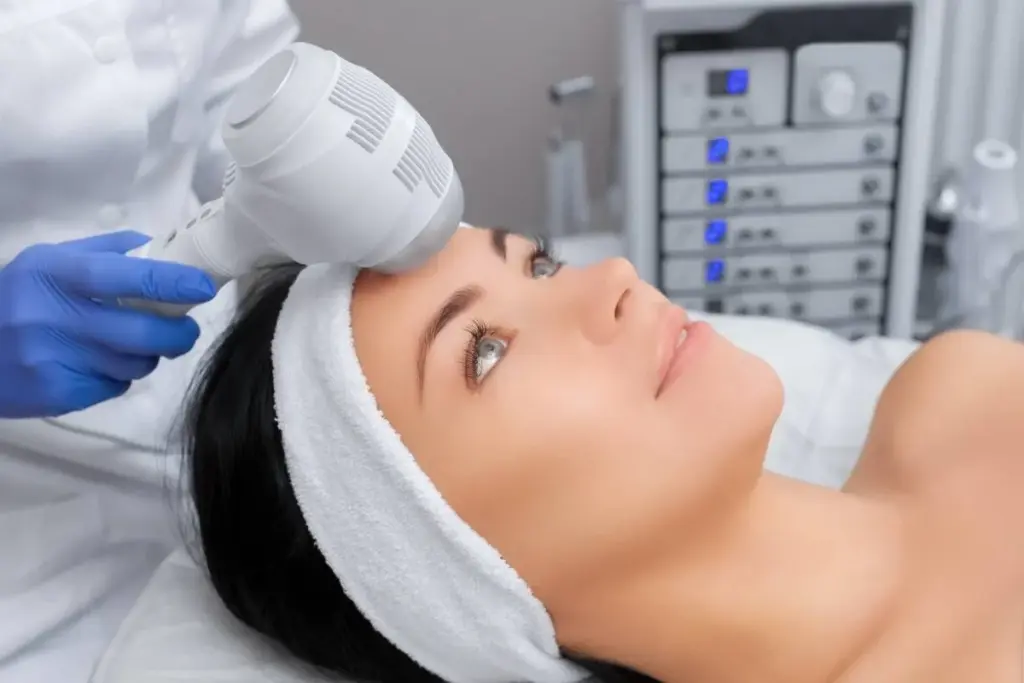
Cryotherapy is a top choice for treating warts. It works by freezing the cells to destroy them. This method is popular because it’s effective and has few side effects.
The Science Behind Freezing Warts
Cryotherapy uses extreme cold, often liquid nitrogen, on the wart. When it touches the wart, it freezes the cells. This freezing kills the cells, causing them to fall off.
Liquid Nitrogen and Other Freezing Agents
Liquid nitrogen is the main choice for cryotherapy because it’s so cold (-196°C). Sometimes, other agents are used, but liquid nitrogen is the best for warts.
|
Freezing Agent |
Temperature |
Common Use |
|---|---|---|
|
Liquid Nitrogen |
-196°C |
Wart treatment, skin lesions |
|
Cryoprobes |
Varies |
Specialized medical procedures |
|
Dimethyl Ether |
-50°C to -60°C |
At-home wart removal products |
Cryotherapy for warts is a simple process. It can be done in a doctor’s office or at home with the right products. Knowing how cryotherapy works helps understand its success in treating warts.
The Cryosurgery Wart Removal Process
Edit
Full screen
Delete
cryosurgery wart removal process
Cryosurgery is a common way to get rid of warts. It uses extreme cold to kill the wart tissue. A healthcare professional does this and it works well.
What to Expect During a Professional Cryotherapy Session
A healthcare provider will use liquid nitrogen on the wart. They use a cotton swab or spray. The cold kills the wart, and it falls off.
The procedure is quick, taking just a few minutes. You might feel some pain, but you can take over-the-counter pain relievers. Afterward, the area might blister or swell. This is normal.
It’s important to follow the healthcare provider’s instructions after treatment. This helps the area heal right and avoids problems.
At-Home Wart Freeze Products vs. Clinical Treatment
There are at-home wart freeze products for those who don’t want to see a doctor. These products freeze the wart with a substance like dimethyl ether and propane. They’re easy to use but might not work as well as doctor’s treatments.
Clinical treatment has its benefits. Doctors can apply the freeze more accurately and treat the wart better. They can also check the area and plan a better treatment. But, at-home treatments might work for small, single warts.
Success Rates of Wart Freezing Treatments
Cryotherapy’s success in treating warts has been studied a lot. This method uses extreme cold to kill the infected tissue. It’s a common way to get rid of warts.
Clinical Studies on Cryotherapy Effectiveness
Many studies have looked into how well cryotherapy works. A study in the Journal of Dermatological Treatment found it’s very effective for common warts. Another study in the British Journal of Dermatology showed it works well for plantar warts too.
|
Type of Wart |
Cryotherapy Success Rate |
Study Reference |
|---|---|---|
|
Common Warts |
70-80% |
Journal of Dermatological Treatment |
|
Plantar Warts |
50-70% |
British Journal of Dermatology |
Factors That Influence Treatment Success
Several things can affect how well cryotherapy works. The type of wart, where it is, and the person’s health are important. For example, warts on the face or genitals need more careful treatment because they’re sensitive.
- The type and location of the wart
- The individual’s immune response
- The skill of the practitioner performing the cryotherapy
- The number of treatment sessions required
Knowing these factors can help people understand what to expect from cryotherapy for warts.
Do Warts Grow Back After Freezing? Recurrence Explained
Edit
Full screen
Delete
wart recurrence after freezing
Freezing warts is a common treatment, but knowing if they come back is key. Cryotherapy, or freezing warts, aims to remove them. Yet, many wonder: do warts return after freezing?
Cryotherapy uses liquid nitrogen to kill wart tissue, causing it to fall off. While it works well, wart recurrence is possible. Cryotherapy recurrence rates vary based on the wart type and patient factors.
Statistical Recurrence Rates After Cryotherapy
Studies show different cryotherapy recurrence rates. For example, a study on plantar warts found a 20-30% recurrence rate after one treatment. Another study on common warts reported a 40% recurrence rate within six months.
- Cryotherapy recurrence rates can range from 20-50% depending on the wart type and treatment frequency.
- Some studies suggest that multiple cryotherapy sessions can reduce the likelihood of wart recurrence.
Why Some Warts Return Despite Treatment
Several factors lead to wart recurrence after cryotherapy. A big reason is the Human Papillomavirus (HPV), which can stay dormant in the skin. If it reactivates, new warts can appear.
Other factors include:
- The type of wart being treated, with some types being more prone to recurrence.
- The effectiveness of the cryotherapy treatment, which can depend on the skill of the practitioner and the equipment used.
- Patient-specific factors, such as immune system function and overall health.
Knowing these factors helps patients and healthcare providers make better treatment choices and plan for follow-up care.
The Healing Process After Wart Cryotherapy
Edit
Full screen
Delete
skin after cryotherapy
Knowing how your skin heals after cryotherapy is key. It helps you know what to expect and get the best results. Freezing starts a healing process in your body.
Timeline for Skin Recovery Post-Freezing
The time it takes to heal can differ for everyone. It depends on the size of the wart and your body’s response. The healing journey has several steps:
- Immediate reaction: Right after, you might see redness and swelling.
- Blister formation: A blister forms within a few hours to a couple of days.
- Scabbing: The blister scabs over, protecting the wound.
- Healing: The scab falls off, revealing new skin underneath.
Healing can take from a few days to weeks. Keeping the area clean and dry helps a lot.
Pictures of Skin After Cryosurgery: What to Expect
After cryotherapy, your skin might look red, swollen, or bruised. A blister or scab may form as it heals. It’s normal for the skin to go through different healing stages. Usually, it returns to normal over time.
Here’s a table showing the typical healing stages after cryotherapy:
|
Stage |
Timeline |
Appearance |
|---|---|---|
|
Immediate Reaction |
0-24 hours |
Redness, swelling |
|
Blister Formation |
1-3 days |
Blister or bulla |
|
Scabbing |
3-7 days |
Scab or crust |
|
Healing |
7-21 days |
New skin, possible scarring |
Proper aftercare is very important. It helps your skin heal right and lowers the chance of problems. Keep the area clean, don’t pick at scabs, and follow your doctor’s advice.
In summary, healing after wart cryotherapy is a natural process. Knowing what to expect helps you manage your recovery better and get the best results.
Side Effects and Risks of Wart Freezing
Edit
Full screen
Delete
cryotherapy side effects
Cryotherapy is a common treatment for warts. It freezes the wart with liquid nitrogen, causing it to fall off. Knowing the side effects and risks of cryotherapy is key for those thinking about it.
Common Cryotherapy Side Effects
Most people get some side effects from cryotherapy, but they are usually mild and short-lived. Common side effects include:
- Pain or discomfort at the treatment site
- Blisters or swelling
- Redness or bruising
- Temporary skin discoloration
These side effects usually go away within a few days to a week after treatment.
Rare but Serious Complications
While rare, serious complications can happen after cryotherapy. These may include:
|
Complication |
Description |
|---|---|
|
Infection |
Bacterial infection of the treated area, potentially requiring antibiotic treatment. |
|
Scarring |
Permanent scarring can occur, specially if the treated area becomes infected or if the individual has a history of keloid formation. |
|
Nerve damage |
Rarely, cryotherapy can cause nerve damage, leading to numbness or altered sensation in the treated area. |
It’s vital to follow the post-treatment care instructions given by your healthcare provider. This can help lower the risk of these complications.
In conclusion, cryotherapy is usually safe and effective for warts. But knowing the side effects and risks helps people make better choices for their care.
Cryotherapy for Different Wart Types
Cryotherapy is a treatment that freezes warts to kill the affected cells. It’s effective for many types of warts, each with its own challenges. This makes cryotherapy a valuable option for treating various warts.
Cryotherapy for Plantar Warts and Foot Lesions
Plantar warts on the soles of the feet are painful and hard to treat. Cryotherapy for plantar warts uses liquid nitrogen to freeze and destroy the virus-infected cells. It’s often needed in multiple sessions.
The treatment can hurt, so wearing comfy shoes after is advised. This helps avoid putting pressure on the treated area.
Treating Facial, Genital, and Other Sensitive Area Warts
Warts on the face, genitals, and other sensitive spots need special care. Cryotherapy for facial warts is done with great precision to avoid harming the skin around. For genital warts, the treatment is applied directly, carefully to avoid discomfort and prevent virus spread.
Because these areas are sensitive, only experienced practitioners should perform the treatment. This ensures the treatment works well and causes minimal side effects.
Cryotherapy’s ability to adapt to different wart types and locations makes it a key dermatological treatment. Healthcare providers can tailor treatments to each wart’s specific needs. This approach helps solve many wart-related problems effectively.
Who Should Avoid Cryotherapy for Warts?
Cryotherapy is good for removing warts but not for everyone. It’s important to know who should avoid it. This helps decide if it’s safe and right for you.
Medical Contraindications for Wart Freezing
Some health issues make cryotherapy risky. People with circulatory disorders like Raynaud’s might have bad reactions to the cold. Those with diabetes might heal slowly or not feel pain well, making treatment tricky.
Also, if you have skin conditions like eczema or psoriasis, talk to your doctor first. Cryotherapy could make these conditions worse.
Age Considerations: Children and Elderly Patients
Age is key when thinking about cryotherapy. For children, it can work well but needs careful thought. They might need extra help to stay comfortable during treatment.
Elderly patients might have thinner skin or blood flow problems. These could make cryotherapy less effective or riskier. It’s best for them to talk to a doctor about the pros and cons.
In short, cryotherapy is good for warts but not for everyone. It’s important to check your health and age before trying it.
Alternative Methods When Warts Return After Freezing
When warts come back after cryotherapy, it’s time to look at other treatments. Cryotherapy works well, but it’s not always enough. Some people need different ways to get rid of warts.
Medical Alternatives to Cryotherapy
There are many medical options for warts that come back. Here are a few:
- Cantharidin: A blistering agent applied to the wart, causing it to eventually fall off.
- Salicylic Acid: Available over-the-counter or by prescription, it helps dissolve the keratin protein that makes up the wart.
- Surgical Removal: In some cases, surgical excision may be necessary, for large or persistent warts.
- Laser Therapy: Laser treatment can be effective for warts that are resistant to other treatments.
Evidence-Based Home Remedies
Home remedies can also help with warts. They might not work for everyone, but they’re worth trying:
|
Remedy |
Description |
Evidence |
|---|---|---|
|
Duct Tape Occlusion |
Covering the wart with duct tape for an extended period. |
Some studies suggest it can be effective, possibly due to the irritation caused. |
|
Cinnamon |
Applying cinnamon powder or extract to the wart. |
Cinnamon’s antimicrobial properties may help combat the virus causing warts. |
|
Tea Tree Oil |
Applying tea tree oil to the wart due to its antiviral properties. |
Some evidence supports its use, though more research is needed. |
Always talk to a doctor before trying home remedies. This is important, even more so for sensitive areas or if your immune system is weak.
Cost Considerations for Wart Cryotherapy
Understanding the cost of cryotherapy is key for those looking to remove warts. The price can change based on insurance and whether you choose a professional or at-home treatment.
Insurance Coverage for Wart Freezing Procedures
Insurance for cryotherapy can differ a lot. Some plans cover it, while others don’t. Always check with your insurance to see what’s covered.
Key factors that influence insurance coverage include:
- The type of wart being treated
- The location of the wart
- The number of cryotherapy sessions required
- Whether the treatment is performed by a healthcare professional or at home
A study showed that insurance can lower what you pay out of pocket. “Insurance coverage can make a big difference in how affordable cryotherapy for wart removal is.” This shows why knowing your insurance is so important.
Price Comparison: Professional vs. At-Home Treatments
The cost of cryotherapy changes based on the treatment type. Professional treatments are pricier than at-home options.
|
Treatment Type |
Average Cost per Session |
Number of Sessions |
Total Average Cost |
|---|---|---|---|
|
Professional Cryotherapy |
$200-$500 |
1-3 |
$200-$1500 |
|
At-Home Cryotherapy |
$20-$50 |
1-3 |
$20-$150 |
At-home treatments might seem cheaper, but think about their effectiveness and risks. Professional treatments are more effective and safer, even if they cost more.
In summary, when thinking about cryotherapy for warts, consider the costs. This includes insurance and the choice between professional and at-home treatments. Knowing these factors helps you make a choice that fits your budget and needs.
Preventing Wart Recurrence After Cryotherapy
To keep warts away after cryotherapy, it’s important to make lifestyle changes and follow up care. Knowing these steps can help a lot in stopping warts from coming back.
Lifestyle Changes to Prevent Warts from Coming Back
Changing your lifestyle can help prevent warts from coming back. Here are some key changes:
- Maintaining good hygiene: Wash your hands often, after touching warts or being near someone with warts.
- Avoiding direct contact with warts: Don’t touch or pick at warts, as this can spread the virus.
- Boosting your immune system: Eat well, exercise, and sleep enough to fight off the HPV virus.
By adding these habits to your daily life, you can help your body fight off warts better.
Follow-up Care and Monitoring
Regular check-ups are key to watching the treated area and catching any signs of warts early. This may include:
- Scheduling follow-up appointments with your healthcare provider to check on the treated area.
- Self-monitoring: Watch the treated area for any signs of wart return, like new growths or skin changes.
Spotting warts early makes treatment easier and more effective. By making lifestyle changes and following up closely, you can lower the chance of warts coming back after cryotherapy.
When to Consult a Doctor About Recurring Warts
Warts that keep coming back can be frustrating. Knowing when to see a doctor is key to treating them effectively. It’s important to understand the signs that mean you need medical help.
Warning Signs After Cryotherapy Treatment
After cryotherapy, watch the treated area closely. Look out for these warning signs:
- Increased pain or discomfort at the treatment site
- Signs of infection, such as redness, swelling, or pus
- Blisters or scarring that are severe or persistent
- No improvement or recurrence of the wart
If you notice any of these, see your doctor right away. They can help figure out what to do next.
Finding Specialized Cryotherapy Providers Near Me
Looking for a specialist for recurring warts? Start by asking your primary care doctor for a referral. You can also check online directories and patient review sites for top providers in your area.
When picking a provider, think about:
- Experience with cryotherapy treatments
- Patient reviews and testimonials
- Availability of follow-up care and support
Choosing a skilled and experienced provider ensures you get the best care for your warts.
Additional Benefits of Cryotherapy Beyond Wart Treatment
Cryotherapy is more than just for warts. It helps with many skin problems. It’s becoming a key treatment in dermatology.
Cryotherapy for Other Skin Lesions and Conditions
Cryotherapy treats more than just warts. It’s good for other skin issues too. A study on NCBI shows it works well on actinic and seborrheic keratoses.
It uses liquid nitrogen to freeze and kill bad cells. This is great for early cancer signs or actual cancer.
|
Skin Condition |
Cryotherapy Effectiveness |
Common Side Effects |
|---|---|---|
|
Actinic Keratoses |
Highly effective |
Redness, swelling |
|
Seborrheic Keratoses |
Effective |
Temporary discoloration |
|
Skin Tags |
Highly effective |
Minimal scarring |
Emerging Cryotherapy Applications in Dermatology
Dermatology is finding new uses for cryotherapy. It’s being used for different skin problems and even some cancers. More research is needed to see all its benefits.
Cryotherapy for Skin Rejuvenation: Some studies say it can make skin look better. It can improve texture and reduce swelling.
Future Directions: As we learn more, cryotherapy might help with more skin issues. This could include treating inflammation and more.
Cryotherapy is becoming a big deal in dermatology. It’s showing promise for many skin problems. As research grows, it will likely play a bigger role in treating skin issues.
Conclusion
Cryotherapy is a good way to get rid of warts. It’s safe and works well most of the time. Knowing its pros and cons is key for those thinking about it.
Looking at the good and bad sides of cryotherapy shows it’s effective but not without risks. This helps people make smart choices about their health.
Cryotherapy is a solid choice for removing warts. It’s important to talk to a doctor to find the best treatment for you.
Understanding cryotherapy helps in treating and preventing warts. With the right steps, you can get rid of warts and keep them from coming back.
FAQ
What is cryotherapy, and how does it work for wart removal?
Cryotherapy uses liquid nitrogen to freeze warts. This kills the wart cells, causing them to fall off. It’s a quick process done in a doctor’s office.
Are warts caused by a virus, and can they be contagious?
Yes, warts come from the Human Papillomavirus (HPV). This virus enters the body through cuts or cracks in the skin. Warts can spread through direct contact or touching contaminated surfaces.
How effective is cryotherapy in treating warts, and what are the success rates?
Cryotherapy is a common and effective wart treatment. Success rates depend on the wart type, location, and the person’s health. Studies show it can remove warts, but some may come back.
Can warts grow back after freezing, and why does this happen?
Yes, warts can return after freezing. This happens if the HPV virus remains in the skin or if the treatment didn’t fully remove the wart. Recurrence rates vary, but regular check-ups with a doctor are key.
What are the possible side effects and risks of cryotherapy for wart removal?
Side effects include pain, swelling, and blisters at the treatment site. Rare but serious issues like infection, scarring, or nerve damage can also occur. Always talk to a healthcare provider about the risks and benefits before treatment.
Can cryotherapy be used to treat different types of warts, including plantar warts and genital warts?
Yes, cryotherapy can treat various warts like plantar, genital, and facial warts. The approach may vary based on the wart’s location and the patient’s sensitivity.
Are there any medical contraindications or age considerations for cryotherapy?
Certain conditions, like cold intolerance or nerve damage, may prevent cryotherapy. Age, such as treating children or the elderly, also requires caution. Always consult a healthcare provider to see if cryotherapy is right for you.
What are the alternatives to cryotherapy for wart removal, and what are the evidence-based home remedies?
Other treatments include medical options like cantharidin or salicylic acid, and home remedies like duct tape occlusion therapy. Always talk to a healthcare provider before trying any alternative treatments.
How much does cryotherapy cost, and is it covered by insurance?
Cryotherapy costs vary by location, provider, and treatment number. Insurance coverage also differs. It’s best to check with your insurance provider about coverage.
How can I prevent wart recurrence after cryotherapy, and what lifestyle changes can help?
To prevent recurrence, practice good hygiene, avoid sharing personal items, and wear protective footwear. Regular follow-up care with a healthcare provider can also help.
When should I consult a doctor about recurring warts, and how can I find a specialized cryotherapy provider?
See a doctor if warts come back after treatment or if you notice complications. To find a specialized cryotherapy provider, ask your primary care doctor for referrals or search online.
References
National Center for Biotechnology Information. Evidence-Based Medical Insight. Retrieved from https://pubmed.ncbi.nlm.nih.gov/11685565/