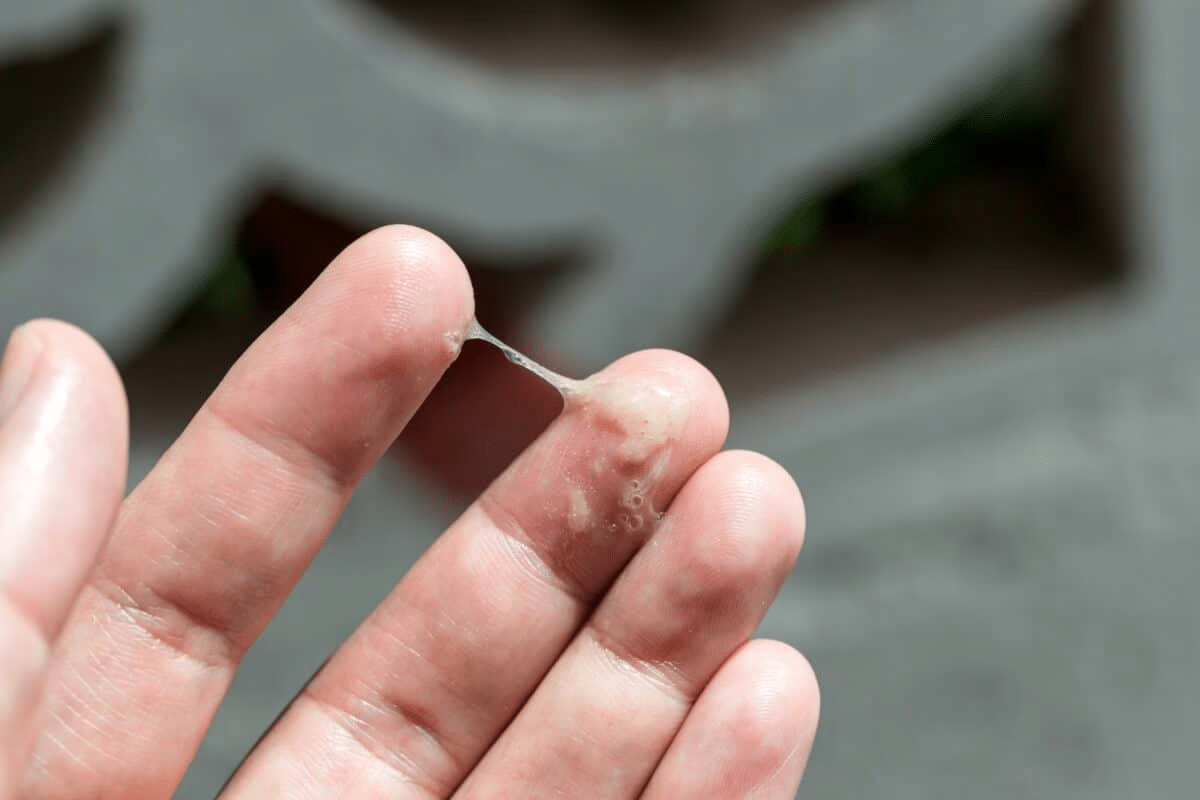
Mucus protects our respiratory system by catching particles and bacteria. Our body makes about one liter of it every day. But, excess mucus buildup can come from infections, allergies, acid reflux, or irritants in the air. This can mess up our sleep, work, and overall life quality. Effective and natural remedies detailing how to get rid of snot and excess mucus production quickly and safely.
While medicines can help for a while, natural remedies offer lasting, safe, and proven ways to deal with mucus. Drinking warm liquids, breathing in moist air, and coughing in a controlled way are some natural ways to get rid of mucus.
Key Takeaways
- Understand the role of mucus in protecting your respiratory system.
- Identify causes of excess mucus buildup, such as infections and allergies.
- Explore natural remedies for managing mucus and phlegm.
- Learn effective methods to remove mucus naturally, including hydration and breathing exercises.
- Discover the benefits of using natural mucus thinners.
Understanding Mucus: The Body’s Natural Defense Mechanism

Mucus is more than just a nuisance; it’s a key part of our body’s defense. It lines our nose, mouth, throat, and lungs. We make mucus to protect these areas from infection and disease. Let’s explore mucus production, its normal role, and when it becomes a problem.
What Is Mucus and Why Do We Produce It?
Mucus is a thick, protective fluid made by our mucous membranes. It’s made of water, mucins, and other compounds. We make mucus to trap dust, bacteria, viruses, and other pathogens, keeping them out of our body.
Mucus acts as a filter, capturing these foreign particles and aiding in their removal from our respiratory system. This is key for keeping our respiratory tract healthy.
Normal Mucus Production and Characteristics
How much mucus we make varies, but most of us produce about 1 to 1.5 liters daily. Healthy mucus is clear or white, thin, and slightly sticky. It keeps our mucous membranes moist and helps remove pathogens and irritants.
When mucus is made in the right amounts and consistency, it protects our respiratory system well without causing discomfort.
When Mucus Becomes Problematic
Mucus becomes a problem when it’s made in too much or changes in consistency. This can happen due to infections, allergies, or environmental irritants. Too much mucus can cause congestion, coughing, and trouble breathing.
When mucus becomes thick and sticky, it’s hard to expel, leading to discomfort and serious respiratory issues. Knowing why we make too much mucus is key to managing and preventing problems.
Common Causes of Excess Mucus Production

Figuring out why you have too much mucus is key to finding natural solutions. Too much mucus can be a sign of health problems or a reaction to things around us.
Respiratory Infections and Illnesses
Things like the common cold, flu, and bronchitis often cause too much mucus. Our body makes more mucus to catch invaders and stop them from spreading.
Allergic Reactions and Seasonal Allergies
Allergies make our body release histamine, which can make more mucus. Seasonal allergies, in particular, can be really uncomfortable because of how our body reacts to pollen and other allergens.
Acid Reflux and GERD
GERD can make stomach acid go back up into our throat. This can irritate the lining and make more mucus. It can also make us feel like there’s mucus in our throat.
Environmental Irritants and Pollutants
Things like cigarette smoke, dust, and pollution can make our body make more mucus. These irritants can make our airways inflamed, and our body tries to protect itself by making more mucus.
|
Cause |
Description |
Effect on Mucus Production |
|---|---|---|
|
Respiratory Infections |
Infections like the common cold and flu |
Increased mucus to trap pathogens |
|
Allergic Reactions |
Reactions to allergens like pollen |
Histamine release leads to more mucus |
|
Acid Reflux and GERD |
Stomach acid irritates the throat |
Increased mucus due to irritation |
|
Environmental Irritants |
Exposure to smoke, dust, and pollution |
Inflammation leads to increased mucus |
Knowing what causes too much mucus is the first step to managing it. By figuring out why you have too much mucus, you can pick the best natural remedies to help you feel better.
How to Get Rid of Snot Through Proper Hydration
Drinking enough water is key to thinning mucus and making it easier to get rid of. When we drink fluids, our body can keep mucus at the right consistency. This makes it less sticky and easier to clear out.
Why Water Is Essential for Thinning Mucus
Water is vital for making mucus less thick and easier to expel. When we don’t drink enough, mucus gets thicker and harder to clear. This can lead to congestion and discomfort.
Drinking plenty of water keeps our mucous membranes hydrated and working right. This is very important when we’re sick or have allergies, as mucus production goes up.
Recommended Daily Fluid Intake
The amount of fluid we need changes based on age, activity level, and where we live. We aim for at least 8-10 glasses of fluid a day. This can be water, herbal teas, or other hydrating drinks.
|
Activity Level |
Recommended Daily Fluid Intake |
|---|---|
|
Sedentary |
8 glasses |
|
Moderately Active |
9-10 glasses |
|
Very Active |
11-12 glasses |
Best Beverages for Mucus Management
While water is best for staying hydrated, other drinks can also help with mucus. Warm liquids are very effective in loosening thick mucus.
- Herbal teas, such as peppermint or ginger tea
- Warm broth or clear soups
- Decaffeinated tea or warm water with lemon
Foods With High Water Content
We can also get more hydrated by eating foods with lots of water. These foods help with our daily fluid needs and give us important nutrients.
- Watermelon
- Cucumber
- Tomatoes
- Strawberries
- Leafy greens like spinach and lettuce
Eating these foods helps our body manage mucus and stay healthy.
Humidification Techniques to Reduce Mucus Buildup
Dry air can make mucus worse, which is why humidification is key for breathing health. When air is too dry, it can bother the airways, causing more mucus. Keeping the humidity right can stop this and cut down on mucus.
Benefits of Cool-Mist Humidifiers
Cool-mist humidifiers are great for fighting mucus, and they’re safe for sleep. They add moisture without the risk of burns, which is good for kids and pets. They help keep airways moist, making it easier to get rid of mucus.
Optimal Humidity Levels for Respiratory Health
It’s important to keep the humidity just right for breathing health. The ideal relative humidity indoors is between 30% and 50%. Below 30%, air gets too dry. Above 50%, it can grow mold and dust mites.
|
Humidity Level |
Effects on Respiratory Health |
|---|---|
|
Below 30% |
Dry air, irritation, increased mucus production |
|
30-50% |
Ideal range for comfort and health |
|
Above 50% |
Mold growth, dust mite proliferation |
Natural Humidification Methods
There are natural ways to add moisture to your space. For example, putting bowls of water near heaters can add moisture as it evaporates. Grouping plants together also helps by releasing moisture through transpiration.
- Placing bowls of water near heat sources
- Using a spray bottle to mist the air
- Grouping plants together
Maintaining Your Humidifier
To keep your humidifier working well and safely, you need to maintain it. This means cleaning it often to avoid bacteria and mold, and changing filters when needed.
- Clean the humidifier regularly
- Replace filters as recommended
- Check and adjust humidity levels
Powerful Herbal Remedies for Excess Phlegm
Nature gives us strong tools to fight off too much mucus. Herbal remedies are among the best. For ages, people have used these natural helpers to fix breathing problems, like too much phlegm. Let’s look at some top herbal remedies for dealing with mucus.
Ginger: Nature’s Expectorant
Ginger is a key part of old medicine for its ability to clear mucus. It has compounds like gingerol that calm the throat and airways. You can drink ginger tea, add it to food, or take it as a supplement.
Honey: Soothing Properties for Mucus Relief
Honey is famous for soothing sore throats caused by too much mucus. It also fights off infections that lead to mucus buildup. Try eating a spoonful of raw honey or mixing it with warm water or tea.
Thyme: Anti-inflammatory Benefits
Thyme is a strong anti-inflammatory herb that cuts down mucus. Its oils relax throat muscles and clear lungs of mucus. Drinking thyme tea or using thyme honey are good ways to use it.
Peppermint: Opening Airways Naturally
Peppermint’s menthol helps thin mucus and opens airways. This makes breathing easier and lessens congestion pain. Enjoy peppermint tea, inhale its steam, or use peppermint oil in a diffuser.
These herbal remedies are a natural and effective way to handle too much phlegm. Adding them to your daily life can ease mucus troubles and boost your breathing health.
- Ginger – Acts as an expectorant, loosening mucus.
- Honey – Soothes throat irritation and combats infection.
- Thyme – Reduces mucus production with its anti-inflammatory properties.
- Peppermint – Thins mucus and opens airways naturally.
Using these natural mucus thinners is a smart way to manage too much phlegm and keep your breathing system healthy.
Salt Water Solutions for Throat and Nasal Passages
Excess mucus can be managed with salt water solutions. These solutions thin and clear mucus from the throat and nasal passages. “Salt water gargling is a simple, effective, and inexpensive way to soothe a sore throat and reduce mucus,” healthcare professionals say.
The Science Behind Salt Water Gargles
Salt water gargles create an osmotic effect. This effect draws water into the throat tissues, thinning mucus and reducing inflammation. The salt also has mild antimicrobial properties, fighting infections that cause excess mucus.
Gargling with salt water loosens and clears mucus from the throat. This relieves congestion and makes breathing easier.
How to Prepare an Effective Salt Water Solution
To make a salt water solution, mix 1/4 teaspoon of salt with 8 ounces of warm water. Warm water dissolves the salt better. Stir until the salt is fully dissolved before gargling.
For nasal irrigation, use a similar solution. A neti pot or squeeze bottle with a nasal spray tip works well. Adjust the salt concentration for nasal irrigation based on comfort, aiming for isotonic or slightly hypertonic.
Nasal Irrigation Techniques
Nasal irrigation rinses the nasal passages with a salt water solution. This clears out mucus and debris. To do it safely and effectively:
- Use sterile or distilled water to avoid bacteria.
- Follow the manufacturer’s instructions for your device.
- Tilt your head and gently pour the solution into the top nasal passage.
- Allow it to flow out the other nostril.
- Repeat on the other side.
Frequency and Best Practices
Start with gargling and nasal irrigation 2-3 times a day. Adjust based on your body’s response. Clean your nasal irrigation device after each use and let it air dry.
Using salt water solutions daily can manage mucus buildup and improve respiratory health. If you experience any adverse effects or if symptoms persist, consult a healthcare professional for advice.
Effective Coughing Techniques to Expel Mucus
Effective coughing techniques can help a lot in getting rid of mucus and feeling better. When we have too much mucus, our body coughs to get rid of it. But not all coughs are the same.
Controlled Coughing vs. Suppressing Coughs
Controlled coughing uses our chest and stomach muscles to clear mucus from the lungs. It’s different from suppressing coughs, which can make mucus stay in our airways.
Suppressing a cough might feel good for a while but can cause problems like pneumonia or bronchitis. Controlled coughing, on the other hand, is better for getting rid of mucus.
Step-by-Step Guide to Productive Coughing
To cough effectively, follow these steps:
- Take a deep breath in to fill your lungs completely.
- Hold your breath for a couple of seconds.
- Cough twice: the first cough loosens the mucus, and the second cough helps expel it.
- Spit out the mucus.
- Rest and repeat as necessary.
When to Use Coughing Techniques
Coughing techniques are great when you have a lot of mucus. This is true during or after a cold, or if you have chronic conditions like bronchitis or COPD.
Supporting Your Body’s Natural Clearing Mechanisms
Staying hydrated and using a humidifier also helps clear mucus. Drinking lots of water makes mucus thinner and easier to cough out.
Using coughing techniques with staying hydrated and a humidifier can help manage mucus. It supports your respiratory health.
Steam Inhalation Methods for Loosening Phlegm
Steam inhalation is a great way to handle phlegm. It’s easy to do and very effective. It helps clear mucus from your airways, easing congestion and discomfort.
How Steam Helps Mobilize Secretions
Steam inhalation introduces warm, moist air into your lungs. This makes mucus thinner and easier to cough out. It’s great for thick or hard-to-get-out phlegm.
Benefits of Steam Inhalation:
- Loosens mucus, making it easier to cough up
- Soothes irritated airways
- Reduces congestion
- Promotes easier breathing
Setting Up a Safe Steam Inhalation Session
To safely inhale steam, you can use hot water or a steam humidifier. If using hot water, fill a bowl and let it cool a bit. Then, lean over the bowl with a towel on your head to trap the steam.
Important Safety Tips:
- Keep the water at a safe temperature
- Maintain a safe distance to avoid burns
- Use a towel to trap the steam effectively
Adding Beneficial Essential Oils
Adding certain essential oils like eucalyptus and peppermint can make steam inhalation even better. These oils help loosen mucus and soothe your airways.
|
Essential Oil |
Benefits |
|---|---|
|
Eucalyptus |
Decongestant, anti-inflammatory |
|
Peppermint |
Cooling, opens airways |
|
Tea Tree |
Antimicrobial properties |
Frequency and Duration Recommendations
For best results, do steam inhalation 2-3 times a day. Each session should last 5-10 minutes. Adjust based on how you feel.
Adding steam inhalation to your daily routine can help manage phlegm and improve your breathing. Always be careful with hot water and talk to a doctor if you have health issues.
Essential Oils That Combat Mucus and Congestion
Essential oils are a natural way to fight mucus and congestion. They come from plants and have been used for centuries. People have trusted them for their healing powers.
Eucalyptus: The Decongestant Powerhouse
Eucalyptus oil is known for its ability to clear congestion. It contains eucalyptol, which breaks down mucus. This makes it easier to get rid of.
Key Benefits of Eucalyptus Oil:
- Decongestant properties
- Anti-inflammatory effects
- Antimicrobial action
Tea Tree Oil: Antimicrobial Properties
Tea tree oil is great for fighting mucus and congestion. It has antimicrobial properties. These help fight infections that cause too much mucus.
Using Tea Tree Oil Safely:
- Dilute with a carrier oil before applying to the skin
- Avoid ingesting tea tree oil
- Use in moderation
Peppermint Oil: Cooling and Opening
Peppermint oil cools and opens up airways. It makes breathing easier by clearing congestion.
Benefits of Peppermint Oil:
- Provides a cooling sensation, easing congestion
- Helps in improving airflow
- Can be used in steam inhalation for enhanced benefits
Safe Application Methods
It’s important to use essential oils safely. Here’s how:
- Always dilute essential oils with a carrier oil before applying to the skin
- Use a diffuser for inhaling essential oils
- Consult a healthcare professional before using essential oils, if you have health issues
Adding these essential oils to your daily routine can help with mucus and congestion naturally.
Sleeping Positions to Prevent Nighttime Mucus Accumulation
Changing how you sleep can help manage nighttime mucus. Simple adjustments can reduce discomfort and congestion from excess mucus.
Benefits of Elevating Your Head
Elevating your head while sleeping is a simple yet effective way to reduce mucus accumulation. By propping yourself up with extra pillows, you can facilitate drainage and prevent mucus from pooling in your throat and nasal passages. This can be beneficial for those with acid reflux or postnasal drip, which can worsen nighttime mucus buildup.
Optimal Sleeping Positions for Mucus Drainage
The position you sleep in can affect mucus drainage. Sleeping on your side with your head elevated is often recommended. It allows for better drainage of mucus from the nasal passages and sinuses. Avoid sleeping on your back, as it can cause mucus to accumulate in the throat, leading to coughing and discomfort during the night.
Pillow Arrangements for Better Breathing
The way you arrange your pillows can significantly impact your breathing and mucus drainage during sleep. Using multiple pillows to elevate your head and upper body can help keep your airways open and promote better drainage. Consider using a wedge pillow or a few extra pillows to achieve the optimal sleeping position.
Creating a Mucus-Friendly Sleep Environment
Creating a sleep environment that promotes healthy breathing can help manage nighttime mucus accumulation. Keep your bedroom cool, dry, and free from allergens to reduce irritation to the nasal passages and sinuses. Using a humidifier in your bedroom can also help maintain optimal humidity levels, which can aid in mucus management.
By implementing these strategies, you can create a sleep-conducive environment that helps reduce nighttime mucus accumulation. This leads to better rest and improved overall health.
Dietary Changes That Reduce Mucus Production
Making some changes in what we eat can help cut down on mucus. The foods we choose can either make mucus worse or help it go away.
Foods That May Increase Mucus Production
Some foods can make mucus worse. Dairy, processed foods with sugar and salt, and foods with histamine like fermented cheeses and wines are examples. Avoiding or reducing these foods can help manage mucus levels.
Anti-inflammatory Foods to Incorporate
Eating foods that fight inflammation can help reduce mucus. Foods like salmon and flaxseeds are full of omega-3 fatty acids. Fruits and vegetables with antioxidants, like berries and leafy greens, also help fight inflammation and improve breathing.
“Eating a diet rich in fruits, vegetables, and omega-3 fatty acids can significantly reduce inflammation and mucus production.”
The Role of Spicy Foods in Mucus Management
Spicy foods, like those with capsaicin from chili peppers, can thin mucus. This makes it easier to get rid of. The compound in these foods helps open up the nasal passages and sinuses, helping to clear out congestion.
Sample Meal Plan for Reduced Mucus
Creating a meal plan to reduce mucus means choosing the right foods and avoiding others. Here’s a sample daily meal plan:
- Breakfast: Oatmeal with berries and a sprinkle of flaxseeds
- Lunch: Grilled salmon with steamed vegetables and quinoa
- Snack: Spicy pineapple slices
- Dinner: Vegetable stir-fry with chili peppers, served with brown rice
Drinking lots of water is also key. It helps thin mucus and makes it easier to get rid of.
Conclusion: Creating Your Personalized Mucus Management Plan
We’ve looked at many natural ways to handle too much mucus. Many people want to know how to get rid of snot and mucus. By mixing the methods we’ve talked about, you can make a plan that’s just for you.
Using a natural mucus thinner like ginger or honey can help. It makes mucus thinner and easier to get rid of. Steam inhalation and salt water gargles can also help. For those who want to how to stop a mucus cough, controlled coughing and using a humidifier can be helpful.
Try different combinations of these methods to see what works best for you. Adding enough water, using a humidifier, and changing your diet can help a lot. This plan will help you breathe better and improve your health.
FAQ
How can I dry up mucus naturally?
To dry up mucus naturally, drink lots of water. Use a humidifier to add moisture to the air. Also, eat foods like ginger and thyme.
Avoid dairy and processed foods to reduce mucus.
What are some effective ways to stop a mucus cough?
To stop a mucus cough, try controlled coughing. Use steam inhalation with eucalyptus oil. Stay hydrated to thin out mucus.
Elevate your head while sleeping. Use a saline nasal spray to help with congestion.
What is the best way to get rid of phlegm?
The best way to get rid of phlegm is to stay hydrated. Use expectorant herbs like ginger. Practice effective coughing techniques.
Use a humidifier and inhale steam to loosen phlegm.
Are there any natural mucus thinners available?
Yes, there are natural mucus thinners. Drink lots of water and eat foods with high water content. Use herbal remedies like thyme and ginger.
How can I get phlegm out of my throat and chest?
To get phlegm out, practice controlled coughing. Use steam inhalation. Stay hydrated.
Gargle with salt water and use a saline nasal spray to loosen phlegm.
What are some ways to prevent mucus buildup?
To prevent mucus buildup, stay hydrated. Avoid environmental irritants. Use a humidifier to keep humidity levels right.
Eat anti-inflammatory foods and practice good hygiene.
How can I get rid of snot and mucus?
To get rid of snot and mucus, use saline nasal sprays. Practice nasal irrigation. Stay hydrated.
Try using a humidifier and eat herbal remedies like ginger and thyme.
How do you get mucus out of your throat?
To get mucus out, gargle with salt water. Use steam inhalation. Stay hydrated.
Practice controlled coughing and use expectorant herbs like ginger.
What are some remedies for throat congestion?
For throat congestion, gargle with salt water. Use steam inhalation. Stay hydrated.
Try herbal remedies like honey and thyme for their soothing properties.
How can I fix mucus in my throat?
To fix mucus in your throat, stay hydrated. Use saline nasal sprays. Practice controlled coughing.
Gargle with salt water and use expectorant herbs like ginger.
What are some natural remedies for a mucus cough?
For a mucus cough, use herbal remedies like ginger and thyme. Practice controlled coughing. Stay hydrated.
Try steam inhalation with essential oils like eucalyptus.
What is the best thing to get rid of mucus?
The best thing to get rid of mucus is to stay hydrated. Use expectorant herbs. Practice effective coughing techniques.
Use a humidifier and eat anti-inflammatory foods.
How can I get mucus out of my system?
To get mucus out, stay hydrated. Use herbal remedies like ginger and thyme. Practice controlled coughing.
Try using a saline nasal spray and nasal irrigation.
How can I get rid of constant phlegm?
To get rid of constant phlegm, stay hydrated. Use expectorant herbs like ginger. Practice effective coughing techniques.
Use a humidifier and eat anti-inflammatory foods.
What helps a mucus cough?
For a mucus cough, stay hydrated. Practice controlled coughing. Use expectorant herbs like ginger.
Try steam inhalation with essential oils like eucalyptus.
Is there a cure for a mucus cough?
There isn’t a single “cure” for a mucus cough. But we can manage it by staying hydrated and using herbal remedies.
By addressing the cause, we can alleviate symptoms.
What is the best way to get rid of phlegm at night?
To get rid of phlegm at night, elevate your head while sleeping. Use a saline nasal spray. Practice controlled coughing before bed.
Try using a humidifier in your bedroom.
Are there any natural supplements for mucus?
Yes, there are natural supplements for mucus. Incorporate herbs like ginger, thyme, and peppermint into your diet.
They have natural expectorant and anti-inflammatory properties.
How can I get rid of snot in my throat?
To get rid of snot in your throat, gargle with salt water. Use steam inhalation. Stay hydrated.
Practice controlled coughing and use expectorant herbs like ginger.
References
Government Health Resource. Evidence-Based Medical Guidance. Retrieved from https://www.nejm.org/doi/full/10.1056/NEJMra0910061