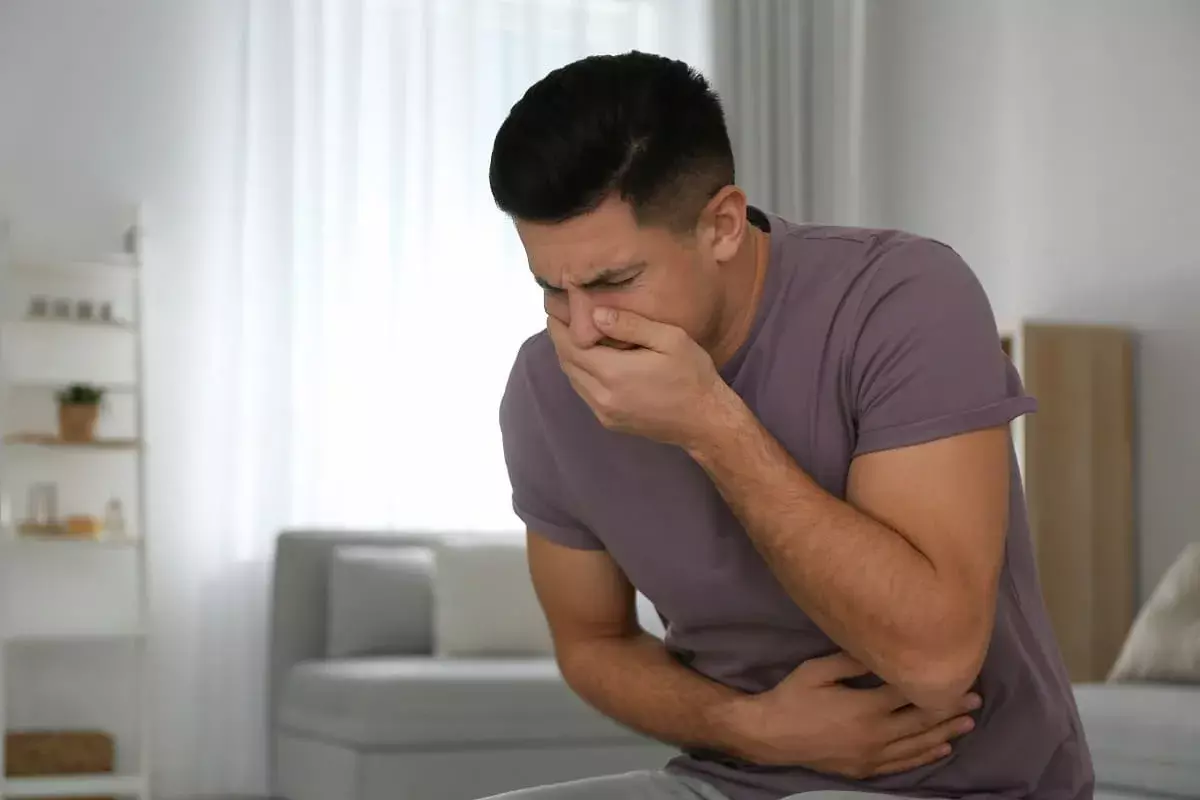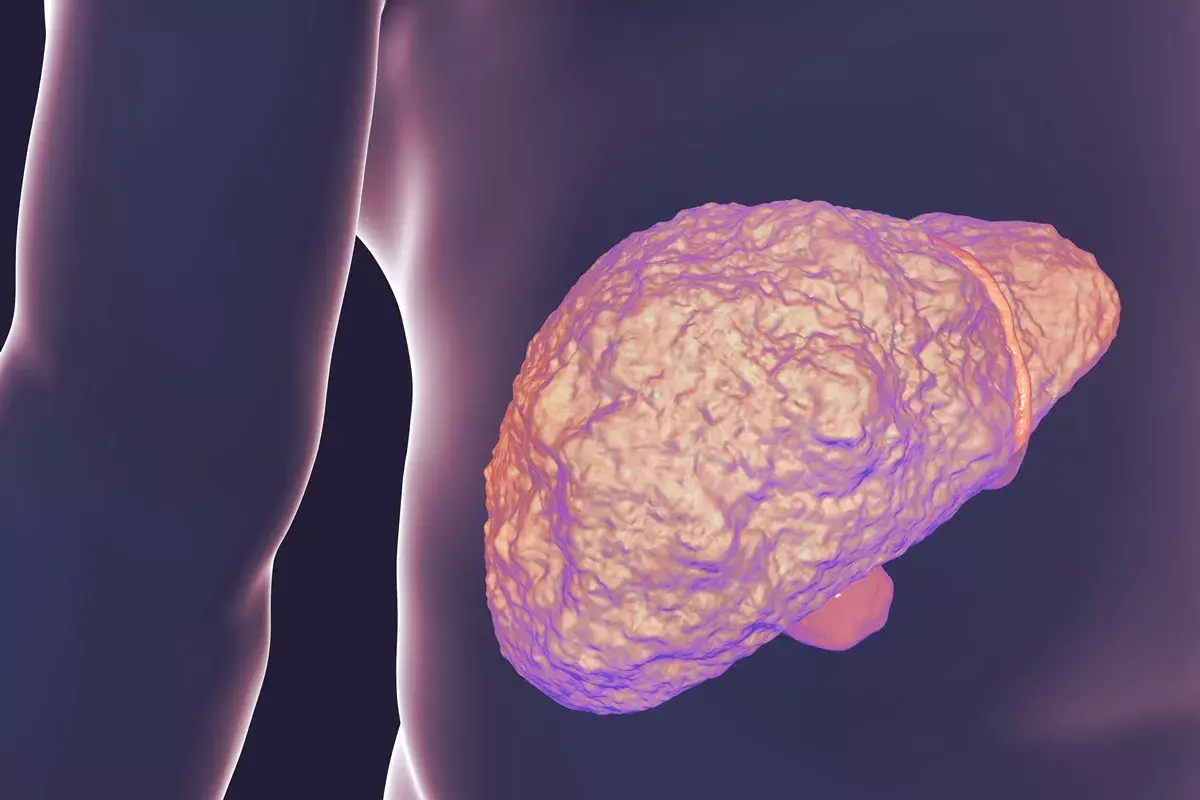

Understand COPD death and end stages. Learn critical facts about final symptoms and the importance of palliative care during decline. End-stage COPD, also known as stage 4 or very severe chronic obstructive pulmonary disease, is the final stage. At this point, lung function is greatly reduced. This makes simple tasks very hard.
Facing the end stages of COPD can be scary for patients and their families. Studies show that people with stage 4 COPD usually live between 1 to 5 years after being diagnosed. Knowing the symptoms and life expectancy of terminal COPD is key. It helps manage the disease well and ensures care is kind.
Key Takeaways
- End-stage COPD is characterized by significantly reduced lung function.
- Life expectancy for stage 4 COPD patients typically ranges from 1 to 5 years.
- Palliative care plays a critical role in managing symptoms and improving quality of life.
- Understanding COPD’s progression helps patients and caregivers prepare for the future.
- Comprehensive care and support are essential for patients with terminal COPD.
Understanding End-Stage COPD
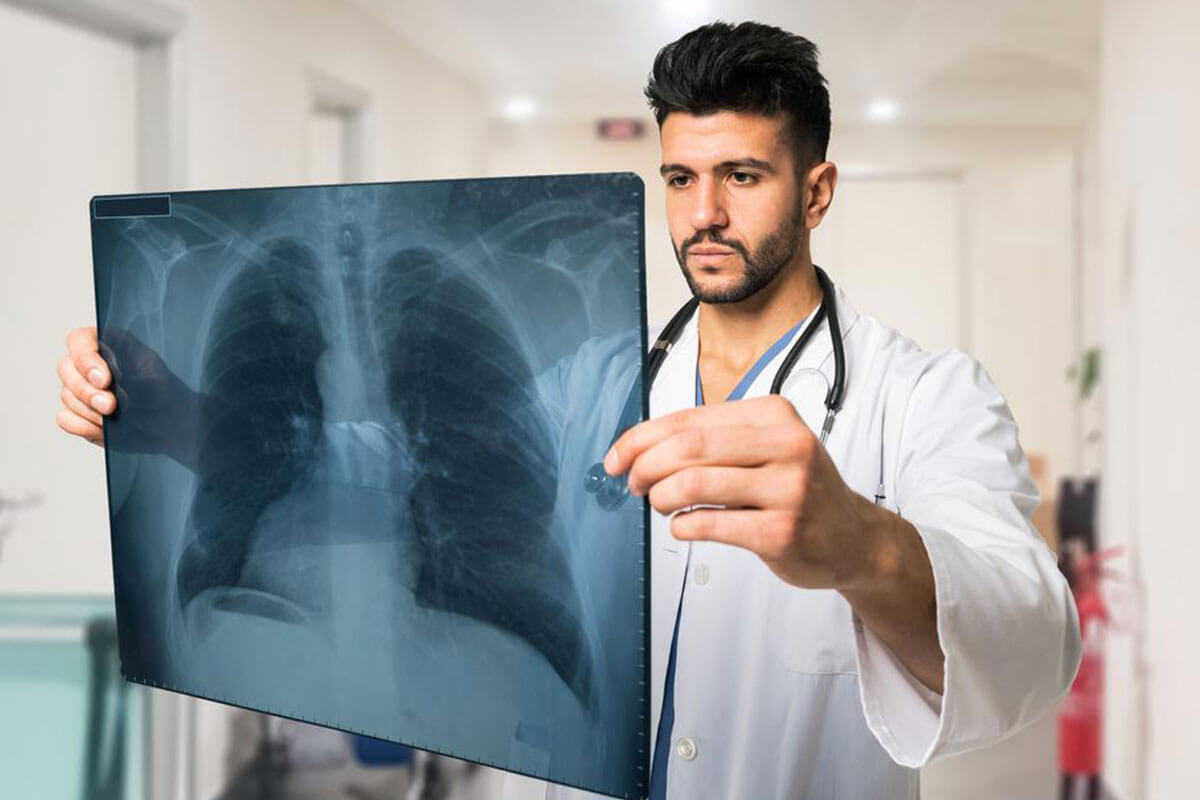
It’s important for patients and caregivers to know about the final stages of COPD. COPD is a lung disease that makes breathing hard. As it gets worse, it affects a person’s life a lot and needs careful management.
Definition and Classification of Stage 4 COPD
COPD has four stages based on how hard it is to breathe. Stage 4 is the worst, where breathing is very hard even when sitting. People might need oxygen to breathe.
The stages are based on how bad symptoms are, how often breathing gets worse, and lung tests.
|
GOLD Stage |
Severity |
Characteristics |
|---|---|---|
|
1 |
Mild |
Mild airflow limitation |
|
2 |
Moderate |
Worsening airflow limitation, shortness of breath during exertion |
|
3 |
Severe |
Significant airflow limitation, shortness of breath even at rest |
|
4 |
Very Severe |
Very severe airflow limitation, potentially life-threatening |
How COPD Progresses to the Terminal Stage
COPD gets worse because of lung irritants, not treating it well, and the disease itself. As it gets worse, breathing gets harder, and symptoms get worse too. Knowing this helps manage the disease better.
Differentiating Advanced from End-Stage COPD
Advanced and end-stage COPD are both very bad, but different. Advanced COPD means symptoms are very bad and need a lot of medical help. End-stage COPD is even worse, where breathing is almost impossible and is life-threatening.
Things like age, smoking, other health problems, and following treatment plans affect survival. It’s key for patients and caregivers to know these differences to choose the right care and treatment.
Recognizing the Signs of End-Stage COPD
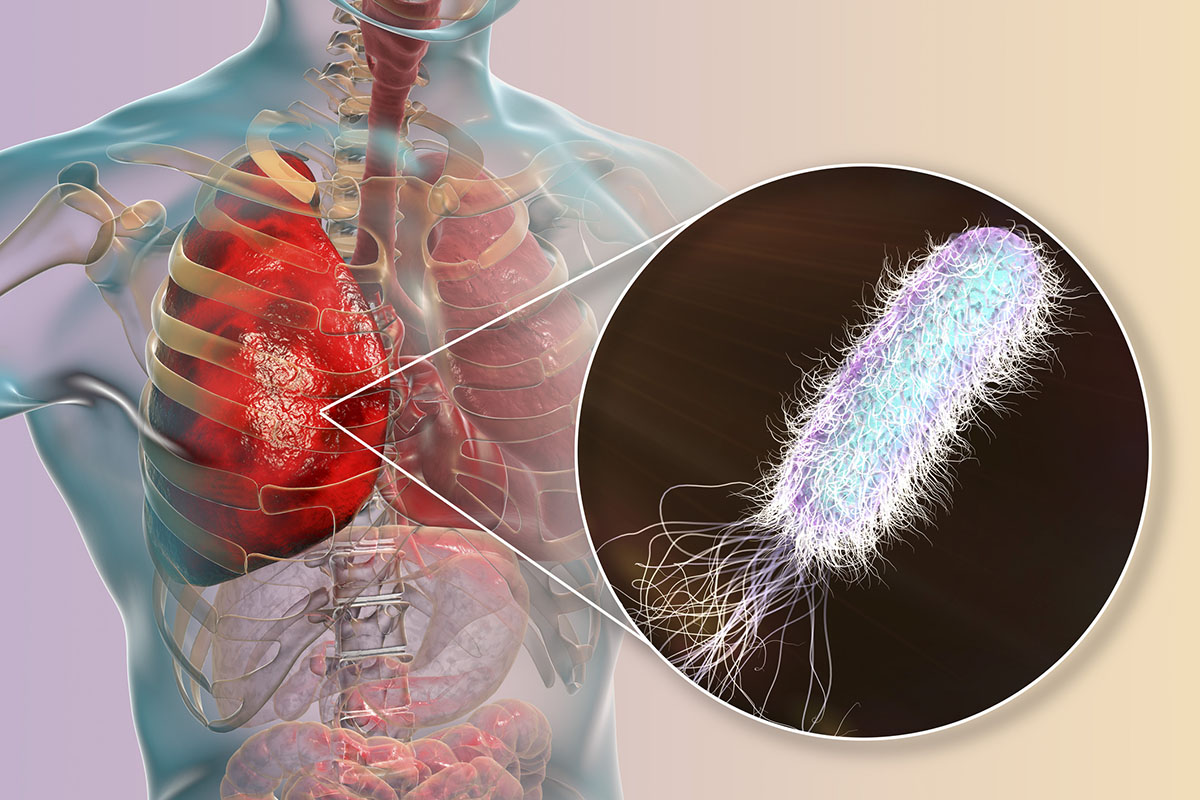
As COPD reaches its final stages, it’s important for patients and caregivers to know the signs of a serious decline. End-stage COPD brings severe symptoms that affect daily life and overall health.
Physical Symptoms in Advanced COPD
In the final stages of COPD, physical symptoms worsen and become more limiting. Shortness of breath, or dyspnea, is a key symptom, happening even when resting.
Other symptoms include persistent coughing and wheezing, which can be upsetting and disrupt daily activities. Patients may also feel fatigue and weakness, making simple tasks hard.
|
Symptom |
Description |
Impact on Daily Life |
|---|---|---|
|
Shortness of Breath |
Occurs even at rest |
Limiting physical activities |
|
Chronic Coughing |
Frequent and persistent |
Disrupts rest and daily routines |
|
Wheezing |
High-pitched sound while breathing |
Can be distressing and affect sleep |
Respiratory Changes and Complications
End-stage COPD brings significant respiratory changes and complications. Patients may face acute exacerbations, sudden worsenings of symptoms needing quick medical help.
Respiratory failure is a common complication, where lungs can’t provide enough oxygen. This might require supplemental oxygen therapy and, in severe cases, mechanical ventilation.
Impact on Daily Functioning and Independence
The symptoms of end-stage COPD greatly affect daily functioning and independence. Simple tasks like bathing, dressing, and eating become hard due to shortness of breath and fatigue.
Patients may need help with daily tasks and rely on others for support. This loss of independence can be emotionally tough for patients and their families.
Life Expectancy with Stage 4 COPD
Knowing how long Stage 4 COPD can last is key for patients and their families. The life span varies a lot. It depends on health, how well treatment is followed, and if there are other health issues.
Average Survival Rates Based on 2023 Studies
Studies from 2023 give us a clearer picture of survival rates for Stage 4 COPD. People can live from 1 to 5 years after being diagnosed. The average is about 2.5 years. This info helps patients and their families deal with the tough parts of COPD.
Statistical Outlook for Hospitalized Patients
For those in the hospital with severe COPD, the outlook is serious. About 10% might not make it out of the hospital. Also, about 33% and 43% might pass away within six months and a year, respectively. This shows how critical it is to manage their care well.
|
Time Frame |
Mortality Rate |
|---|---|
|
Index Hospitalization |
10% |
|
Within 6 Months |
33% |
|
Within 1 Year |
43% |
Individual Variations in Prognosis
While averages give a general idea, each person’s situation can differ a lot. Age, smoking history, other health issues, and following treatment plans all play a role. Doctors need to tailor care plans for each patient’s unique situation.
By understanding these factors and working with doctors, Stage 4 COPD patients can manage their condition better. They can make informed choices about their care.
Understanding COPD Death and Its Causes
It’s important to know why COPD patients die. COPD is a lung disease that makes it hard to breathe. It gets worse over time, raising the risk of death from different problems.
Common Causes of Death in COPD Patients
COPD patients face many dangers. The top reasons for death are sudden attacks, breathing failure, heart problems, and infections like pneumonia.
Acute exacerbations are sudden and severe COPD attacks. They often need hospital care. These attacks can cause the lungs to fail, not getting enough oxygen.
Acute Exacerbations and Respiratory Failure
Acute exacerbations are a big problem for COPD patients. They can be caused by infections or pollution. Severe attacks can lead to respiratory failure, a serious condition.
“The most common cause of death in COPD patients is respiratory failure, often precipitated by acute exacerbations.”
COPD Foundation
Cardiovascular Complications
COPD also raises the risk of heart problems. This includes heart attacks, strokes, and irregular heartbeats. COPD’s inflammation and effects on the body increase this risk.
- Heart attacks
- Strokes
- Arrhythmias
Pneumonia and Other Infections
Infections, like pneumonia, are a big threat to COPD patients. Their weakened lungs make them more likely to get infections. These can quickly turn serious.
Knowing why COPD patients die helps us manage their risks better. We can improve their survival and quality of life by sticking to treatment, making lifestyle changes, and getting medical help when needed.
Factors That Influence Survival with End-Stage COPD
Many things affect how long someone with advanced COPD can live. Knowing these can help patients and their families make better choices. This can improve life quality and survival chances.
Age and Gender Considerations
Age is a big factor in COPD survival. Older people often face a tougher time because of weaker lungs and other health problems. Gender also matters, with some studies showing women might live longer than men. But, this can change based on the group being studied.
Smoking History and Continued Tobacco Use
How much someone has smoked and if they keep smoking is very important. The more and longer someone smokes, the worse their COPD gets. Stopping smoking, even late in the disease, can help live longer and slow the disease’s progress.
Impact of Comorbidities
Having other health issues, like heart disease, diabetes, or high blood pressure, can hurt COPD survival. These problems make COPD harder to manage and raise the risk of death. It’s key to manage these conditions well to live longer.
Treatment Adherence and Medical Management
Following treatment plans and good medical care are key to surviving with end-stage COPD. This means sticking to medication, going to pulmonary rehab, and using oxygen as needed. Seeing doctors regularly is also important. It helps adjust treatments and handle bad episodes quickly.
By tackling these factors, people with end-stage COPD and their families can work with doctors. Together, they can create a care plan. This plan aims to improve survival and life quality.
Medical Management in the Final Stages of COPD
In the final stages of COPD, effective medical management is key to improving life quality. The focus shifts from curing the disease to managing symptoms and improving comfort.
Oxygen Therapy Requirements
Oxygen therapy is vital for advanced COPD. Patients often need oxygen to keep their blood oxygen levels normal. Long-term oxygen therapy can improve survival and reduce symptoms.
The goal of oxygen therapy is to keep blood oxygen levels normal. This reduces heart and organ strain. Portable oxygen concentrators help patients stay mobile while getting oxygen.
Medication Adjustments for Symptom Control
Medication is essential for managing COPD symptoms, more so in advanced stages. Bronchodilators are the main treatment, opening airways and improving breathing. Dosage and frequency may need adjusting for better symptom control.
Corticosteroids are also used to reduce airway inflammation. Their use depends on the patient’s history and asthma-COPD overlap.
Managing COPD Exacerbations
Exacerbations are a big concern in advanced COPD. They can lead to quick worsening and hospitalization. Early recognition and treatment are key to preventing complications.
Managing exacerbations involves antibiotics and systemic corticosteroids to fight inflammation and infections. In severe cases, hospital care is needed.
When to Consider Hospitalization
Hospitalization is needed for severe exacerbations not managed at home. Severe respiratory distress, confusion, or serious comorbid conditions are signs to admit.
In the hospital, patients get intensive treatments like non-invasive ventilation or mechanical ventilation. The decision to hospitalize is made with the patient’s healthcare team, considering their wishes and advance care plans.
Palliative and Hospice Care for Terminal COPD
Palliative care is key for those with end-stage COPD. It aims to ease symptoms and stress of the disease. As COPD worsens, the need for support grows, making palliative care vital.
Specialized Care Considerations
Knowing when to seek palliative care is important. Talk to healthcare providers if symptoms are hard to manage or quality of life drops. A team can then create a care plan suited to the patient’s needs.
Effective Symptom Management
Symptom management is central to COPD palliative care. This includes:
- Managing breathlessness with meds and breathing exercises
- Controlling pain with the right drugs
- Handling anxiety and depression with therapy and meds
Good symptom management boosts quality of life and keeps patients comfortable.
Hospice Services for Advanced COPD
Hospice care is for those with terminal COPD. It focuses on comfort and quality of life, not curing the disease. Hospice offers:
|
Service |
Description |
|---|---|
|
Medical Care |
Managing pain and symptoms |
|
Emotional Support |
Counseling for patients and families |
|
Spiritual Care |
Meeting spiritual needs and concerns |
Enhancing Quality of Life
Improving life quality is the main goal of palliative and hospice care. We do this by:
- Supporting patients in their preferred care setting
- Helping them stay connected with loved ones
- Keeping symptoms under control
By focusing on these areas, we greatly improve life quality for those with terminal COPD.
What to Expect During COPD End of Life
Knowing what happens in the final stages of COPD helps patients and families prepare. As COPD worsens, expect physical and emotional changes. These include changes in breathing and mood.
Common Physical Changes
Can Blood Test Detect Colon Cancer?As the body slows down, several physical changes occur. Blood may pool and appear as dark purple bruises due to poor circulation. Breathing patterns change, and patients may experience pauses between breaths or a noisy sound when breathing.
Other physical changes include increased fatigue, loss of appetite, and weight loss. Patients may also experience swelling in the legs and feet due to fluid buildup.
Psychological and Emotional Aspects
The end-of-life process is not just physical; it also involves significant psychological and emotional changes. Patients may experience anxiety, depression, or fear about the future.
It’s essential for families and caregivers to provide emotional support during this time. Open communication about the patient’s wishes and feelings can help alleviate some of the emotional distress.
The Dying Process with COPD
The dying process with COPD can vary significantly from one patient to another. Common signs include increased difficulty breathing, decreased responsiveness, and changes in skin temperature and color.
|
Signs |
Description |
|---|---|
|
Increased Difficulty Breathing |
Patients may experience more labored breathing or shortness of breath. |
|
Decreased Responsiveness |
Patients may become less responsive to their environment and loved ones. |
|
Skin Changes |
The skin may become cool to the touch, pale, or mottled. |
Advance Care Planning and End-of-Life Decisions
Advance care planning is key for COPD patients nearing the end of life. It involves making decisions about the type of care they want to receive. This includes whether to continue life-sustaining treatments or to focus on comfort measures.
Patients should discuss their wishes with their healthcare providers and family members. This ensures their preferences are respected.
By understanding what to expect during the COPD end of life, patients and their loved ones can better navigate this challenging time.
Supporting a Loved One with End-Stage COPD
As COPD reaches its final stage, caregivers play a key role. They help ensure the patient’s comfort and quality of life. Caregivers need resources and self-care to manage their duties well.
Caregiving Challenges and Solutions
Caring for someone with end-stage COPD is tough. It can be hard to help them breathe, manage appetite loss, and ease pain. To tackle these issues, caregivers can:
- Use oxygen therapy as advised by doctors to improve breathing.
- Support nutritional needs to prevent weight loss and keep strength up.
- Try pain management methods, like medicine and relaxation techniques.
Communication About End-of-Life Wishes
Talking about end-of-life wishes is important. It’s vital to have open conversations about care preferences. This includes:
- Advance directives: Knowing their wishes for life-sustaining treatments.
- Hospice care: Considering hospice when treatments no longer work.
- Palliative care: Focusing on symptom relief and comfort.
Resources for Family Members
Family members caring for loved ones with end-stage COPD can find help. There are many resources available, including:
- Support groups: Connecting with others facing similar challenges.
- Caregiver education: Learning about COPD management and caregiving.
- Respite care: Taking breaks to rest and recharge.
Self-Care for Caregivers
Self-care is essential for caregivers. It helps them stay physically and emotionally well. Caregivers should:
- Focus on their health, including regular check-ups and a healthy lifestyle.
- Seek emotional support through counseling, support groups, or loved ones.
- Make time for self-care activities, like exercise, hobbies, or relaxation.
By supporting caregivers and giving them resources and self-care, we help them care for their loved ones better.
Conclusion: Finding Hope and Dignity with Advanced COPD
Living with advanced COPD can be tough, but it’s not impossible. Quality of life is key, and there’s hope and dignity to be found. By making lifestyle changes and using breathing exercises, people can manage their COPD better.
Every person’s journey with COPD is different. So, it’s important to offer personalized care and support. Resources for COPD support are also vital in helping patients deal with their condition.
Our aim is to help patients manage their symptoms and improve their quality of life. We want to provide top-notch healthcare and support. This way, patients with advanced COPD can live with dignity and get the care they need.
FAQ
What is end-stage COPD?
End-stage COPD, or stage 4 COPD, is the most severe form of chronic obstructive pulmonary disease. It severely impairs lung function and causes severe symptoms.
How long can you live with stage 4 COPD?
Patients with stage 4 COPD can live from 1 to 5 years after diagnosis. This depends on age, health, and treatment adherence.
What are the signs of end-stage COPD?
Signs include severe shortness of breath, frequent exacerbations, and significant weight loss. It also includes a decreased ability to do daily activities.
What causes death in COPD patients?
Death in COPD patients often comes from acute exacerbations, respiratory failure, and cardiovascular issues. Infections like pneumonia also play a role.
How is end-stage COPD managed?
Management includes oxygen therapy, medication adjustments, and managing exacerbations. Deciding when to hospitalize is also part of the plan to improve quality of life.
What is the role of palliative care in end-stage COPD?
Palliative care focuses on managing symptoms and improving life quality for those with end-stage COPD. It’s considered when treatments no longer work.
What is the difference between advanced COPD and end-stage COPD?
Advanced COPD is severe but not as bad as end-stage. End-stage COPD has significantly impaired lung function and severe symptoms.
How does COPD progress to the terminal stage?
COPD progresses to the terminal stage due to lung damage from smoking or environmental factors. This leads to more symptoms and less lung function over time.
What are the factors that influence survival with end-stage COPD?
Survival is influenced by age, gender, smoking history, comorbidities, and treatment adherence. These factors play a big role.
What to expect during the COPD end of life?
Patients may experience physical, psychological, and emotional changes. Advance care planning and end-of-life decisions are key during this time.
How to support a loved one with end-stage COPD?
Supporting a loved one includes addressing caregiving challenges and communicating end-of-life wishes. Using resources and practicing self-care for caregivers is also important.
What is the life expectancy after hospitalization for COPD exacerbation?
Life expectancy after hospitalization varies. Studies show a higher risk of mortality in the period following hospitalization.
Can COPD patients receive hospice care?
Yes, COPD patients can receive hospice care. It provides symptom management and support services to improve remaining life quality.