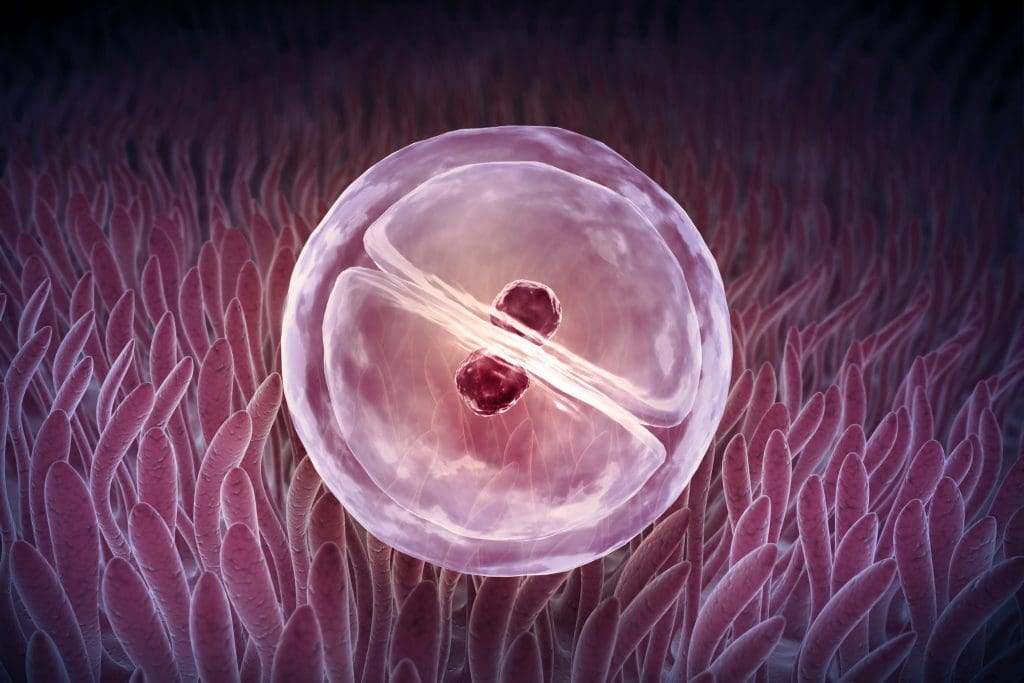
The use of embryos in stem cell research has sparked intense debate. This raises important ethical concerns.
Did you know that making embryonic stem cells often means destroying embryos? This has caused a lot of controversy.
The debate over stem cell research touches on many areas. It involves moral, ethical, and scientific aspects.
Key Takeaways
- The use of embryos in stem cell research is a critical ethical issue.
- Embryonic stem cells have the ability to become different cell types.
- Getting embryonic stem cells often means destroying embryos.
- Stem cell controversy involves moral, ethical, and scientific concerns.
- The debate over stem cell research is ongoing and complex.
Understanding Stem Cells
Stem cells are special cells that can turn into many different types of cells. They are key in regenerative medicine. Their ability to grow and change makes them very useful for medical research and treatments.
What Are Stem Cells?
Stem cells are cells that can become many types of cells in our bodies. They can keep themselves going and turn into specific cells, like nerve or muscle cells.
The way stem cells change into different cells is controlled by genes and the environment. Knowing how this works is important for using stem cells to help people.
Types of Stem Cells
There are many kinds of stem cells, each with its own special abilities and uses.
| Type of Stem Cell | Description | Potential Applications |
| Embryonic Stem Cells | These cells come from embryos and can become almost any cell type. | They are used in regenerative medicine, tissue engineering, and studying how we develop. |
| Adult Stem Cells | These cells are found in adults and can turn into a few different cell types. | They help fix tissues, heal wounds, and might treat many diseases. |
| Induced Pluripotent Stem Cells (iPSCs) | These cells are made from adult cells that are changed to have many abilities. | They are used in personalized medicine, making new drugs, and could help in regenerative treatments. |
Importance in Medicine and Research
Stem cells are very promising for improving medical treatments and understanding our bodies. They can turn into many cell types, making them great for stem cell therapy. This could help treat many diseases and injuries.
Scientists are always studying stem cells to find new uses in regenerative medicine. Learning about stem cells helps us understand how we grow and could lead to new ways to treat diseases that were thought to be untreatable.
The Basics of Stem Cell Research
Stem cell research is a key area in modern medicine. It helps us understand how cells grow and could help treat diseases. This field is getting a lot of attention because of its promise in medicine.
Definition and Scientific Background
Stem cells are special cells that can turn into different types of cells. They are like building blocks for our bodies’ tissues and organs. Stem cell research studies these cells to learn about their uses in medicine.
Studying stem cells comes from cellular biology and genetics. Scientists have been looking at stem cells for years. They’ve learned about their role in growth, repair, and disease. Now, we can grow stem cells in labs, opening up new research paths.
Historical Development
The history of stem cell research has seen big steps, like the first finding of embryonic stem cells. The field has grown with new tech and our understanding of cells.
Important discoveries include adult stem cells and induced pluripotent stem cells (iPSCs). These finds have made stem cell therapy more possible.
“The discovery of stem cells and their regenerative medicine has opened new ways to treat diseases that were thought to be untreatable.”
- A stem cell research expert
Potential Medical Applications
Stem cell clinical trials are testing cell-based therapies for many conditions. This includes degenerative diseases and injuries. The idea is to fix or replace damaged tissues.
Research is trying to figure out how stem cells help fix and grow tissues. Knowing this is key to making treatments that use stem cells effectively.
- Regenerative medicine for degenerative diseases
- Tissue engineering and repair
- Potential treatments for injuries and conditions
The future of stem cell research looks bright. We might see big advances in medical treatments. As research gets better, we’ll see new uses for stem cell technology.
Embryonic Stem Cells: Properties and Potential
Embryonic stem cells can turn into many different cell types. This makes them very promising for medical use. They come from embryos and can become almost any cell in the body.
Unique Characteristics
These cells are special because they can become every cell type in the body. This is key for their use in medicine. Unlike adult stem cells, which can only become a few types, embryonic stem cells can become many.
They can also keep growing and staying special in the right conditions. This makes them great for lab research. Scientists can grow these cells in the lab, giving them a big source for study and possible treatments.
Pluripotency Advantages
The pluripotency of embryonic stem cells is a big plus for therapy and regenerative medicine. They can turn into any cell type. This means they could fix or replace damaged tissues.
For example, they could make healthy heart cells for people with heart damage. Or, they could make insulin-producing cells for diabetes treatment.
Therapeutic Possibilities
The uses of embryonic stem cells in therapy are huge. Researchers are looking into treating many diseases, like Parkinson’s, spinal cord injuries, and heart disease. They could help fix damaged tissues and organs, which is a big step forward in medicine.
Even though it’s early, the progress is exciting. Scientists are working hard to solve the challenges of using these cells safely and effectively in humans.
How Embryonic Stem Cells Are Obtained
Embryonic stem cells come from embryos left over from IVF treatments. These embryos grow in a lab until they reach the blastocyst stage.
The IVF Process
In vitro fertilization (IVF) happens outside the body. It starts with eggs being stimulated to grow, then retrieved and mixed with sperm in a lab.
After a few days, the embryos are ready to be transferred to the uterus. Some are frozen or donated for research.
Blastocyst Stage Development
The blastocyst stage is key, happening 5-6 days after fertilization. It’s when the embryo splits into two main cell groups: the inner cell mass and the trophoblast.
The inner cell mass is where embryonic stem cells come from. These cells can turn into any cell type in the body. This makes them very useful for research and possible treatments.
Cell Harvesting Procedures
Getting cells from the blastocyst is a delicate process. It needs special techniques and tools to avoid harming the cells.
- The blastocyst is first treated with an enzyme to dissolve the outer layer, known as the zona pellucida.
- The inner cell mass is then isolated and cultured in a nutrient-rich medium that supports its growth and maintenance.
- These cells are then expanded and checked to make sure they are stem cells.
Getting embryonic stem cells is a complex process. It involves IVF and harvesting cells from the blastocyst. Knowing these steps helps us understand the value of these cells in research and medicine.
The Fate of Embryos in Stem Cell Research
Stem cell research using embryos has caused a big debate. People worry about what happens to these embryos and if they can live. This debate is key to understanding the ethics of stem cell research.
What Happens to the Embryo
Embryos for stem cell research come from in vitro fertilization (IVF). They are grown in labs to get embryonic stem cells.
“The derivation of embryonic stem cells involves the destruction of the embryo, a process that is ethically contentious.”
To get stem cells, embryos are first grown to the blastocyst stage. Then, the inner cell mass is taken out.
Viability Questions
Many wonder if these embryos could grow into babies if implanted. Studies say these embryos usually can’t because of their age and quality.
| Stage of Development | Viability Potential | Research Suitability |
| Blastocyst | Low | High |
| Early Cleavage | Moderate | Moderate |
| Morula | High | Low |
Technical Aspects of Cell Extraction
Getting stem cells from embryos is a tricky task. It needs special tools and skills. The inner cell mass is carefully taken from the blastocyst. Then, these cells are grown to make stable stem cell lines.
The details of cell extraction show the complexity of stem cell research. It shows we need to keep talking about ethics and improving science.
The Core Ethical Dilemma
The main ethical issue in stem cell research is the moral status of embryos. This debate is key in discussions about using embryonic stem cells for medical research and treatments.
When Does Life Begin?
One big question is when life starts. This question is important because it affects how we see embryos in stem cell research. Different views from philosophy, religion, and science add to the debate’s complexity.
Philosophical perspectives often talk about when a person becomes a person. Some say it’s at conception, while others think it’s later in development.
Moral Status of Embryos
The moral standing of embryos is also a big part of the debate. If embryos are seen as having the same moral value as adults, using them for research is very controversial. On the other hand, if their moral value is lower because they are early in development, the ethical worries might be less.
Religious beliefs also play a big role in how we see embryos. For example, some religions believe an embryo has a soul from the start, giving it full moral value.
Balancing Benefits and Ethical Concerns
The benefits of stem cell research, like new treatments for diseases, must be weighed against the ethical issues. This balance is central to the dilemma, needing careful thought about both the science and the ethics.
- The chance to treat degenerative diseases
- The ability to repair damaged tissues
- The growth of personalized medicine
By looking at these points, researchers and ethicists can try to solve the dilemma. They aim to make sure stem cell research is done right.
Why Stem Cell Research Is Controversial
Stem cell research is a hot topic, filled with tough ethical questions. At the heart of the debate is the moral value of embryos and the benefits of this research.
Fundamental Ethical Questions
One big question is when life starts. This question is key to understanding the ethics of using embryos for research. People disagree on if an embryo is a human with rights and dignity.
Using embryos for research brings up big ethical questions. Some say it’s okay because it could save lives. Others think it’s wrong because it goes against the value of human life.
Sanctity of Life Arguments
Many believe human life is sacred. They think using embryos for research is morally wrong. This view comes from religious or philosophical beliefs that see human life as valuable from the start.
Others see the benefits of stem cell research as more important. They think finding cures for diseases is worth using embryos. This view looks at the bigger picture and the good it could do.
Scientific Progress vs. Moral Concerns
The debate often pits scientific progress against moral worries. New treatments and therapies are promising, but they clash with moral beliefs.
| Aspect | Scientific Progress | Moral Concerns |
| Focus | Advancing medical treatments and therapies | Protecting human life and dignity |
| Key Issues | Potential cures for diseases, regenerative medicine | Use of embryos, moral status of embryos |
| Stakeholders | Researchers, patients, medical community | Ethicists, religious groups, policymakers |
The table shows the different views on stem cell research. It highlights the mix of scientific goals and moral worries.
In summary, the debate on stem cell research is complex. It involves ethics, morals, and science. Understanding these aspects is key to the ongoing discussions.
Religious Perspectives on Embryonic Stem Cell Research
Embryonic stem cell research has sparked many religious views. Each faith has its own stance, based on its beliefs about life, the embryo’s status, and the research’s benefits.
Christian Views
Christian opinions on this topic vary widely. Some Christians see it as a way to help people and find new treatments. Others believe it’s wrong because it destroys embryos, which they see as morally wrong.
The Catholic Church strongly opposes it, saying it goes against human life’s dignity. Yet, some Protestant groups are more open, weighing the benefits against the ethical issues.
Jewish Perspectives
Judaism values life and helping others. Many Jewish leaders support this research for its medical benefits. They believe it’s okay if it leads to major medical advances.
They also focus on tza’ar ba’alei chayim, or not causing unnecessary suffering. This supports research that could help people.
Islamic Positions
Islamic scholars debate whether this research is allowed. Some say it’s okay if it helps people and follows ethical rules. They use maslaha, or public interest, to justify it.
But, some in Islam disagree, seeing it as against their teachings on life’s sanctity.
Other Religious Viewpoints
Other faiths also have their thoughts on this topic. For example, Buddhists and Hindus consider its ethics through their teachings.
In Buddhism, compassion is key. Some Buddhists support it if it helps others. In Hinduism, ahimsa, or non-violence, is important. Some Hindus think it’s okay if it benefits without harm.
Philosophical Arguments For and Against
Stem cell research sparks a lot of debate. People have different views, like utilitarian, deontological, and rights-based arguments. These ideas shape how we think about stem cell research, affecting both public opinion and how scientists work.
Utilitarian Perspectives
Utilitarianism says we should do things that make the most people happy. Supporters of stem cell research say it could lead to treatments that save lives. They believe using embryonic stem cells is okay if it helps many people.
Peter Singer, a utilitarian philosopher, thinks embryos are not as important as fully grown humans. He says using embryos for research might be okay if it brings big benefits.
- The chance to cure serious diseases
- New discoveries in regenerative medicine
- Deeper understanding of how humans grow
Deontological Considerations
Deontological ethics focuses on whether actions are right or wrong, no matter what happens next. Critics of stem cell research say it’s wrong to destroy embryos because it kills possible human life.
“The destruction of human embryos for stem cells goes against respecting human life.”
This view stresses following moral rules and duties. It says some actions are wrong, even if they might help others.
Rights-Based Arguments
Rights-based arguments focus on whether embryos have rights. Some say embryos have a right to life, which is broken when they’re used for research.
Others argue that people who could get help from stem cell research have rights too. They point out the need to weigh different rights and interests in the stem cell debate.
Key considerations include:
- The moral standing of embryos
- The benefits of research for those who are sick
- The ethics of making and using embryos for research
Stem Cell Research Policies in the United States
The United States has seen big changes in its stem cell research policies. This is because of a mix of scientific progress and ethical worries. These changes have been influenced by politics, ethics, and new scientific discoveries.
Political History and Debates
The history of stem cell research in the U.S. is filled with debates and policy changes. This issue has been a big point of contention. Different presidents have had different views on it.
- Early Developments: First, policies focused on the ethics of using embryonic stem cells.
- Political Influence: Changes in government have led to changes in policy. Some governments have been more supportive than others.
- Public Engagement: The debate has also involved the public, not just politicians.
Policy Changes Across Administrations
U.S. presidents have had different views on stem cell research.
- Clinton Administration: They set guidelines, but they weren’t fully enforced.
- Bush Administration: They put limits on federal funding for embryonic stem cell research.
- Obama Administration: They lifted those limits, allowing more federal funding for embryonic stem cell research.
Current Regulatory Framework
The current rules for stem cell research in the U.S. have changed over time. This is due to shifting politics and ethics.
Key Components:
- Research gets federal funding based on certain rules, including for embryonic stem cells.
- Many agencies watch over research to make sure it follows ethical standards.
- Debates keep changing the rules, affecting future research.
The rules aim to balance scientific progress with ethics. This shows how complex and changing stem cell research policies are in the U.S.
Global Approaches to Embryonic Stem Cell Research
Across the globe, how we handle embryonic stem cell research varies a lot. Some places are very open, while others are more strict. This difference shows how ethics, culture, and science mix together in making laws.
Progressive Policy Models
Some countries are very forward-thinking about this research. They see it as a way to make big strides in medicine and health. For example, the UK has rules that let research use embryos under specific rules.
Places like South Korea and Singapore also support this research. They have rules but also invest a lot in science and teamwork among experts, policymakers, and businesses.
Restrictive Framework
But, many countries are more cautious. They limit or stop this research because of moral or religious beliefs about embryos.
In countries where most people are Catholic, like Ireland and Poland, the rules are even tighter. This is because the Catholic Church believes life starts at conception.
International Collaboration Challenges
With so many different rules, working together across borders is hard. Researchers struggle to team up because of the legal and moral differences.
To help, groups like international organizations and research teams are working on common rules. They aim to make it easier to work together while respecting each country’s laws. This includes making sure ethics and sharing data are handled the same way everywhere.
Alternatives to Embryonic Stem Cells
Scientists are looking into new options instead of embryonic stem cells. These new choices are good for both research and helping people. They solve ethical and scientific problems.
Adult Stem Cells
Adult stem cells are found in grown-up bodies. They can turn into different cell types, but not as many as embryonic stem cells. You can get them from bone marrow, fat, and other places in the body.
Adult stem cells have some big pluses:
- They are easy to find in adult tissues.
- They are less likely to cause tumors.
- They don’t raise ethical issues because they don’t come from embryos.
Induced Pluripotent Stem Cells (iPSCs)
iPSCs are made by changing adult cells into a state like embryonic stem cells. This is done by adding special genes. They can become many different cell types. This has changed stem cell research a lot.
“The development of iPSCs has been a game-changer in stem cell research, providing a good alternative to embryonic stem cells.”
A Nobel Prize“winning researcher
Umbilical Cord Blood Stem Cells
These stem cells come from the umbilical cord after it’s cut. They are full of cells that help make blood. They are great for treating blood diseases and are easy to get. They don’t cause any big ethical problems.
| Stem Cell Type | Source | Therapeutic Use |
| Adult Stem Cells | Bone marrow, fat | Helping tissues heal, fixing damaged areas |
| iPSCs | Reprogrammed adult cells | Creating disease models, finding new medicines, healing tissues |
| Umbilical Cord Blood Stem Cells | Umbilical cord blood | Fixing blood problems, healing tissues |
Other Emerging Alternatives
Scientists are also looking into other stem cell sources. This includes stem cells from menstrual blood and other tissues. These new options could help more in research and treatment.
Current Breakthroughs in Stem Cell Research
Stem cell research is changing the game in regenerative medicine. In recent years, we’ve seen big steps forward. These advances have led to new ways to help patients and ongoing studies.
Major Scientific Discoveries
One big leap is the creation of induced pluripotent stem cells (iPSCs). This tech turns adult cells into stem cells, like those from embryos, without using embryos.
This breakthrough is a game-changer for personalized medicine. It could change how we treat diseases in the future.
Clinical Applications
Stem cell research has led to new treatments for diseases and injuries. For example, stem cell transplants are used to treat blood cancers.
Stem cells might also help fix damaged hearts, treat Parkinson’s, and fix spinal cords.
| Disease/Injury | Stem Cell Application | Status |
| Blood Cancers | Hematopoietic Stem Cell Transplantation | Established Treatment |
| Heart Disease | Cardiac Stem Cell Therapy | Ongoing Trials |
| Parkinson’s Disease | Dopaminergic Neuron Replacement | Experimental |
Ongoing Trials and Studies
Many trials are testing stem cell therapies for different conditions. These include heart disease, brain disorders, and bone injuries.
The results of these trials will shape the future of stem cell research. They will show if these therapies are safe and effective.
The Future of Regenerative Medicine
Regenerative medicine is changing healthcare with new treatments for degenerative diseases. It can repair damaged tissues and organs. It also offers personalized treatments.
Potential Treatments for Degenerative Diseases
Regenerative medicine is promising for diseases like Parkinson’s, diabetes, and heart disease. It uses stem cells and other technologies to repair or replace damaged tissues. This could stop or reverse disease progression.
Stem cells are key in regenerative medicine. They can turn into different cell types, helping repair tissues. For example, induced pluripotent stem cells (iPSCs) come from a patient’s own cells. This reduces immune rejection and ethical issues.
Organ Regeneration Possibilities
Organ regeneration is a big hope in regenerative medicine. Scientists are working on growing organs in labs with stem cells and scaffolds. This could solve the organ shortage, saving many lives.
Regenerated organs would be made from the patient’s cells, cutting down on the need for immunosuppressive drugs. This area is just starting but has huge healthcare possibilities.
Personalized Medicine Applications
Regenerative medicine is leading to personalized medicine. Treatments are made from a patient’s cells, fitting their needs perfectly. This makes treatments more effective and safer.
Adding gene editing technologies like CRISPR/Cas9 to regenerative medicine is even more exciting. It could fix genetic defects at the cellular level. This offers new hope for genetic diseases.
Conclusion
The debate on stem cell research is complex, touching on ethics, morals, and science. Despite the controversy, it holds great promise for regenerative medicine.
Stem cell research could change how we treat many diseases and injuries. Their ability to become different cell types makes them very valuable for medicine.
The use of embryonic stem cells in research is a big concern. It involves destroying human embryos, which is seen as unethical. But, research into other stem cell types might help solve this issue.
As regenerative medicine grows, stem cell research will become more critical. Understanding stem cells and their ethics can unlock their full health benefits.
FAQ
What are stem cells and why are they important?
Stem cells can turn into different types of cells. They are key in medical research and therapy, mainly in regenerative medicine.
What is the difference between adult stem cells and embryonic stem cells?
Adult stem cells are in adult tissues and can only change into a few cell types. Embryonic stem cells come from embryos and can turn into any cell type.
Why is embryonic stem cell research controversial?
It’s because it uses embryos. This raises questions about life’s sanctity and the moral status of embryos.
What are the medical applications of stem cell research?
It could treat many diseases and help in regenerative medicine. This could lead to new ways to grow organs and personalized medicine.
How are embryonic stem cells obtained?
They come from embryos created through IVF. The embryos are grown to the blastocyst stage, and then cells are taken out.
What happens to the embryos used in stem cell research?
The embryos are donated from IVF clinics and can’t be used for implantation. The cells are removed, raising questions about the embryos’ viability and moral status.
What are the alternatives to embryonic stem cells?
Alternatives include adult stem cells, induced pluripotent stem cells (iPSCs), and umbilical cord blood stem cells. They offer therapeutic options without the ethical issues of embryonic stem cells.
What are the current breakthroughs in stem cell research?
There are major scientific discoveries and clinical uses. Ongoing studies are advancing regenerative medicine.
What is the future of regenerative medicine?
It promises to treat diseases, grow organs, and enable personalized medicine. This could change medical practice and improve health.
What are the different religious perspectives on embryonic stem cell research?
Different religions have different views on this topic. This shows the complexity of the ethical debate.
What are the philosophical arguments for and against stem cell research?
Arguments include utilitarian views, deontological considerations, and rights-based arguments. These provide a detailed look at the ethical concerns and benefits.
How do policies governing stem cell research vary globally?
Policies vary worldwide. Some countries have open policies, while others are more restrictive. This makes international collaboration challenging.
What is the current regulatory framework for stem cell research in the United States?
The U.S. framework is shaped by policy changes over time. This affects how stem cell research is conducted.