Regenerative medicine represents a significant shift in how healthcare professionals approach disease management and tissue repair.

We're Here to Help.
Get in Touch.

Send us all your questions or requests, and our expert team will assist you.

Doctors

Stem Cell and Regenerative Medicine

The Molecular Architecture of Hemoglobinopathies

For centuries, medicine has focused on treating symptoms: prescribing painkillers for arthritis, insulin for diabetes, or creams for aging skin. While effective, these treatments manage the decline; they do not reverse it.

At Liv Hospital, we are pioneering a different approach: Regenerative Medicine.

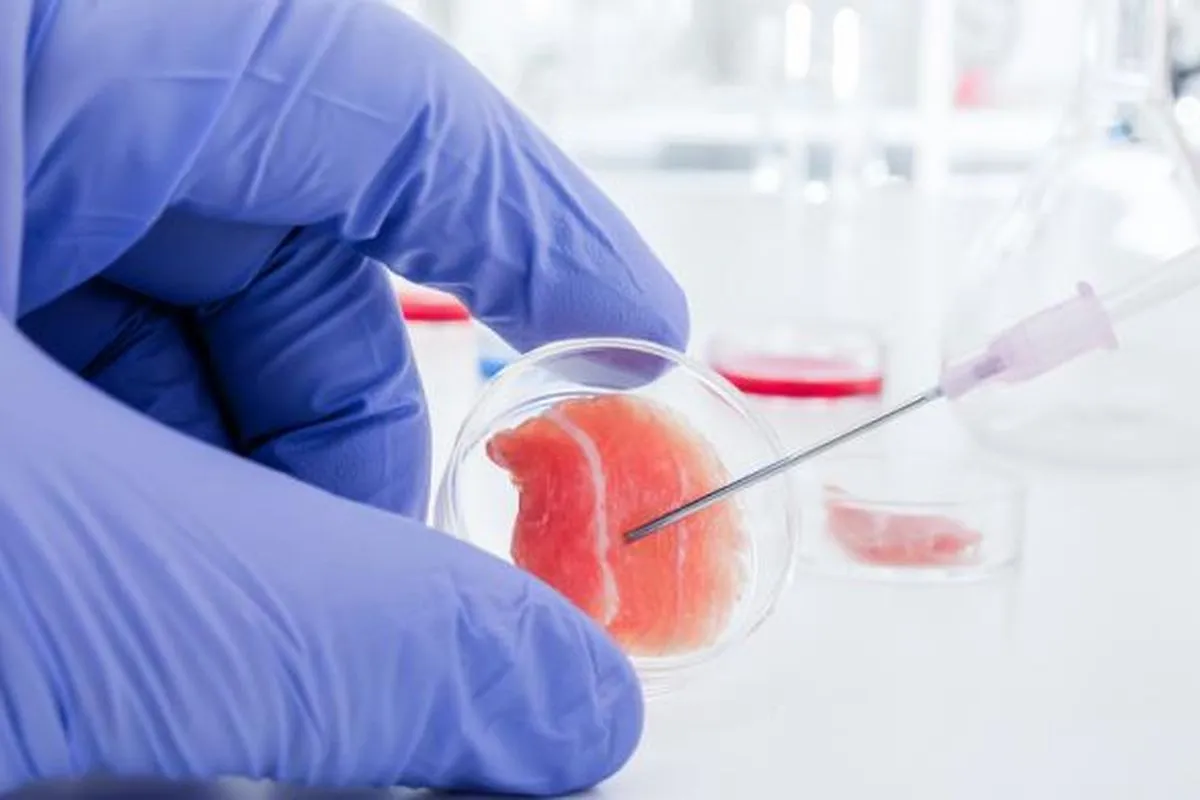
Instead of masking the problem, we use the body’s own biological machinery to repair the damage. Stem Cell Therapy is not magic; it is advanced biology. It involves harvesting the “master cells” hidden within your own tissues—or from ethically sourced donors—and concentrating them to target injury, inflammation, and degeneration.

Our center distinguishes itself from the hundreds of unregulated clinics worldwide by one critical factor: Scientific Safety. All our cellular products are processed in our in-house GMP (Good Manufacturing Practice) Laboratory. This ensures that every cell you receive is viable, sterile, and potent. We do not sell hope; we deliver measured, calculated cellular therapy.

Icon LIV Hospital

What are Stem Cells?

The Regenerative Medicine Paradigm

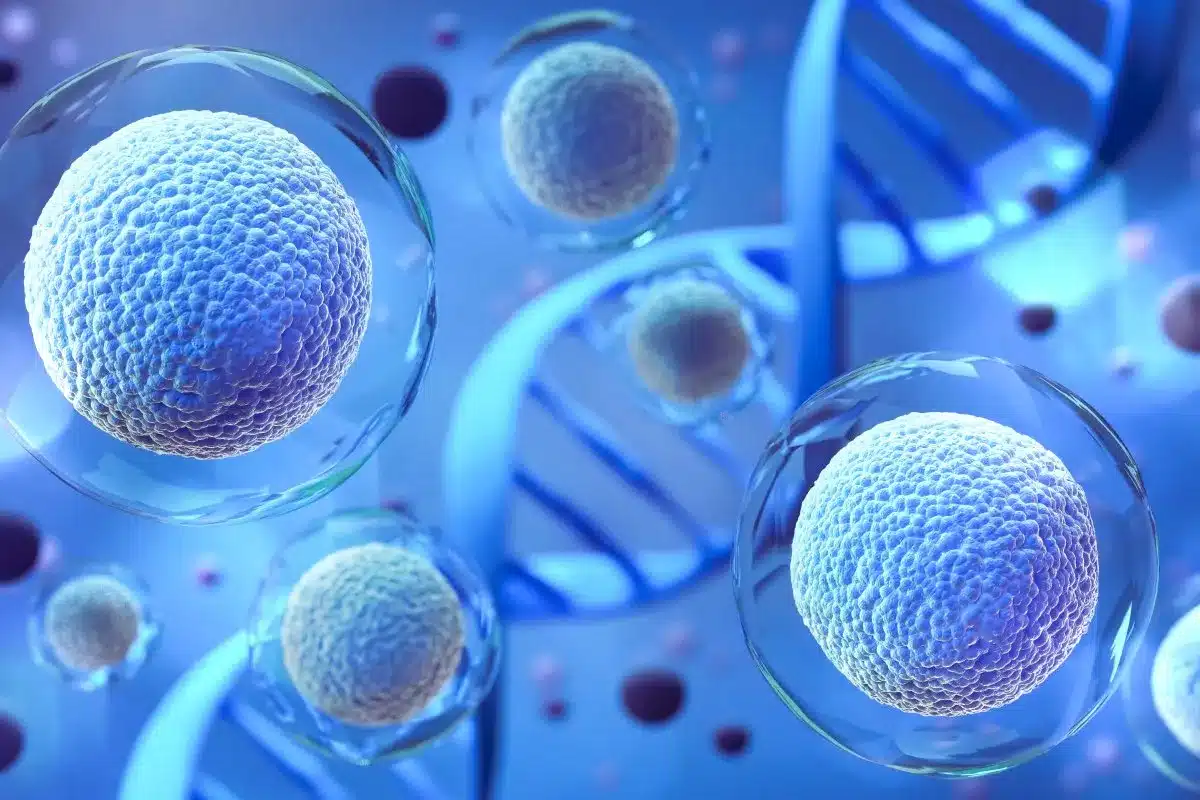
You began life as a single cell. That one cell divided and differentiated to become your heart, your brain, your skin, and your bones. Even as an adult, you retain a reserve of these powerful cells, hidden in your fat tissue and bone marrow.

Stem cells have two unique superpowers:

  1. Self-Renewal: They can divide and make copies of themselves indefinitely.
  2. Differentiation: They can transform into specific types of cells (e.g., a cartilage cell, a nerve cell, or a blood vessel cell) depending on what the body needs.
Icon LIV Hospital

How Do They Heal?

Preparation for Stem Cell Treatment

When we inject stem cells into a damaged knee or into the bloodstream, they don’t just float around randomly. They are attracted to chemical distress signals released by damaged tissue. This is called “Homing.” Once they arrive at the injury site, they act like a construction manager:

  • Differentiation: They can physically turn into new tissue (like cartilage) to patch a hole.
  • Paracrine Signaling (The Real Power): They release powerful growth factors and anti-inflammatory proteins (Exosomes) that tell your existing cells to “wake up” and start repairing themselves.

The GMP Laboratory

Historical Etiology and Nomenclature

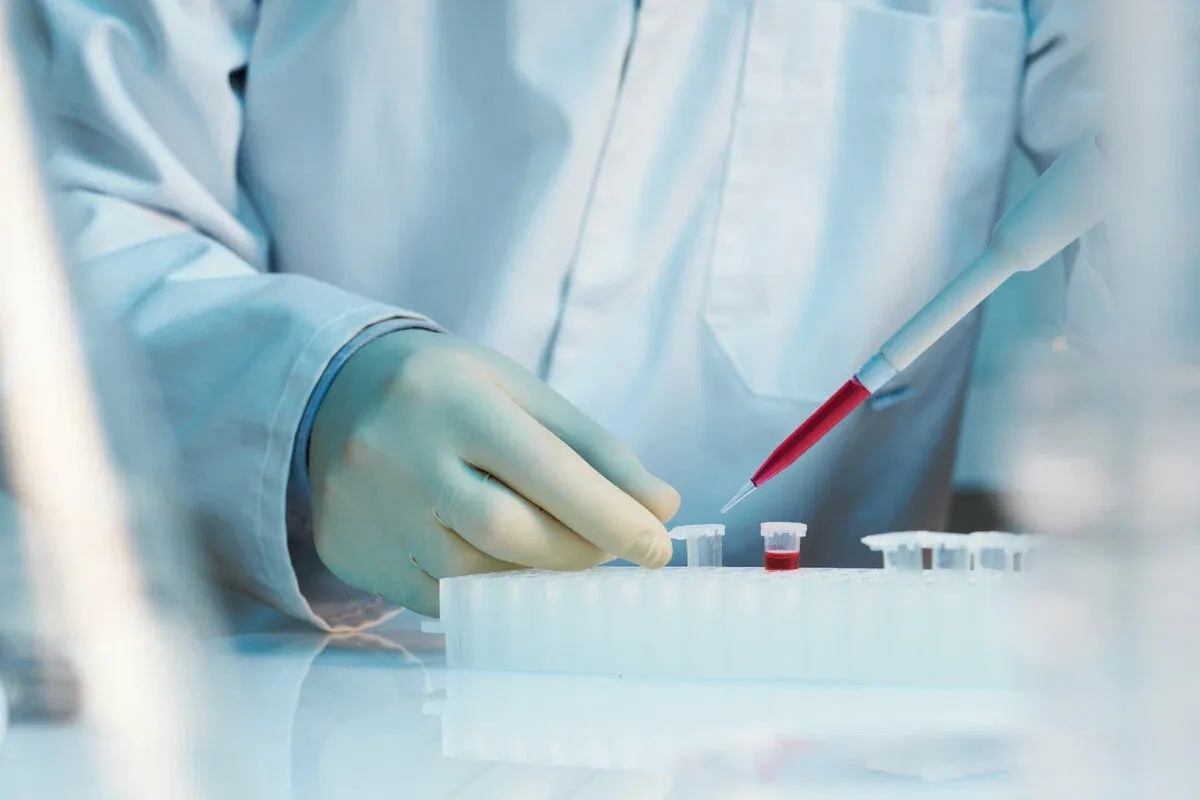
In the world of stem cells, processing is everything. Many clinics use simple bedside kits (centrifuges) that yield a “soup” of cells with unknown quality. At Liv Hospital, we use a GMP (Good Manufacturing Practice) Laboratory.

  • Sterility: Our lab is a “Clean Room” environment, filtered to remove dust and bacteria, preventing infection.
  • Viability Count: Before we inject anything, we count the cells. We know exactly how many millions of live cells you are receiving. A kit might give you 1 million cells; our culture-expanded method can provide 50–100 million specific Mesenchymal Stem Cells (MSCs).
  • Characterization: We test the cells to ensure they are truly stem cells and not just debris or fat oil.

Types of Cellular Therapies We Offer

Global Epidemiology and Genetic Selection

We tailor the type of cell to the patient’s condition.

1. SVF (Stromal Vascular Fraction)

  • Source: Your own fat tissue (Adipose).
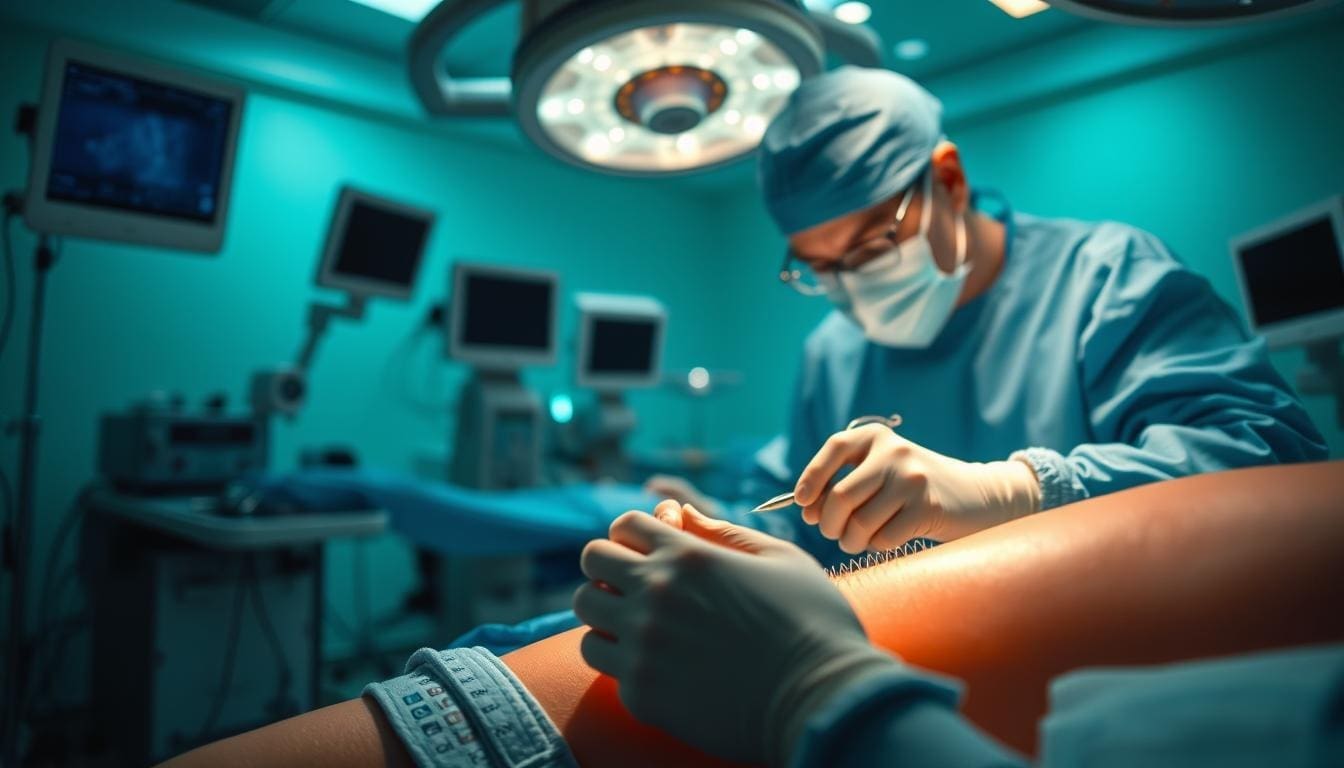
  • The Process: We perform a mini-liposuction (taking about 100cc of fat). In the lab, we separate the fat cells from the “stromal” cells.
  • The Cocktail: SVF is a rich mixture containing Mesenchymal Stem Cells (MSCs), endothelial precursor cells (for blood vessels), and immune-modulating cells.
  • Best For: Orthopedics (Joint Pain), Aesthetic Rejuvenation (Face/Hands), and Wound Healing.

2. Culture-Expanded MSCs (Mesenchymal Stem Cells)

  • Source: Fat, Bone Marrow, or Umbilical Cord (Wharton’s Jelly).
  • The Process: We take a small sample and grow the specific stem cells in an incubator for 2–3 weeks. This multiplies them from a few thousand to hundreds of millions.
  • The Potency: This provides a massive dose of pure regenerative cells.
  • Best For: Systemic conditions (Autoimmune diseases), severe degeneration, or Anti-Aging infusions.

3. Exosomes (Cell-Free Therapy)

  • The Concept: Stem cells communicate by releasing tiny bubbles called Exosomes, packed with RNA and growth factors.
  • The Therapy: Instead of injecting live cells, we inject billions of these concentrated “messages.”
  • The Benefit: Since there are no live cells, there is zero risk of rejection or tumor formation. It is a potent anti-inflammatory signal.
  • Best For: Skin rejuvenation, Hair regrowth, and acute inflammation.

30 Years of
Excellence

Trusted Worldwide

With patients from across the globe, we bring over three decades of medical

Book a Free Certified Online
Doctor Consultation

Clinics/branches
Selçuk Güneş
Selçuk Güneş Ear nose throat Overview and Definition
Group 346 LIV Hospital

Reviews from 9,651

4,9

Was this article helpful?

Was this article helpful?

We're Here to Help.
Get in Touch.

Send us all your questions or requests, and our expert team will assist you.

Doctors

Sources of Stem Cells: Where Do They Come From?

Life Expectancy After Stem Cell Transplant News

We prioritize Autologous (from your own body) sources to eliminate rejection risk, but we also offer Allogenic (donor) cells for specific cases.

Adipose Tissue (Fat)

  • Pros: Fat is rich in stem cells (500x more than bone marrow). It is easy to harvest with local anesthesia.
  • Cons: Requires a small liposuction procedure.

Bone Marrow

  • Pros: The traditional source. Excellent for orthopedic (bone/cartilage) issues.
  • Cons: Harvesting is more invasive (needle into the hip bone) and yields fewer cells than fat, usually requiring culture expansion.

Umbilical Cord (Wharton’s Jelly)

  • Pros: These are “Day 0” cells—the youngest, most energetic cells available. They are harvested from healthy, screened donors after C-section births (no harm to baby or mother). They are “immune-privileged,” meaning they don’t require matching.
  • Cons: They are not your own DNA (though rejection is extremely rare).

Who Can Benefit?

Regenerative medicine is a broad field. We divide our treatments into three main pillars.

1. Orthopedics and Sports Medicine

  • Conditions: Knee Osteoarthritis (Stage 1–3), Meniscus tears, Rotator Cuff injuries, Avascular Necrosis (AVN).
  • Goal: To regrow cartilage, reduce inflammation, and delay or prevent joint replacement surgery.

2. Aesthetic and Plastic Surgery

  • Conditions: Facial aging, deep wrinkles, acne scars, hair loss (Alopecia), and breast augmentation (Fat grafting enriched with stem cells).
  • Goal: To restore collagen, improve skin blood flow (glow), and improve fat graft survival.

3. Systemic and Autoimmune (Wellness)

  • Conditions: Diabetes (Type 2 complications), Anti-Aging (Frailty), Erectile Dysfunction, and certain autoimmune conditions (under strict protocol).
  • Goal: To modulate the immune system and improve overall vascular health.

Safety and Ethics

The field of stem cells is filled with hype. Liv Hospital adheres to the strict guidelines of the Turkish Ministry of Health and international bioethics standards.

  • No Embryonic Stem Cells: We do not use embryonic stem cells. These are ethically controversial and can cause tumors (teratomas). We use only adult stem cells (Adipose, Bone Marrow, Cord).
  • Cancer Screening: We do not perform stem cell therapy on patients with active cancer, as growth factors could theoretically stimulate tumor growth.
  • Realistic Expectations: We do not promise to cure incurable diseases (like ALS or total paralysis). We promise to provide the best possible biological environment for repair.

FREQUENTLY ASKED QUESTIONS

Is stem cell therapy painful?

The harvesting (liposuction or bone marrow aspiration) is done under local anesthesia and sedation. You will feel pressure but no pain. The injection into the joint or skin is similar to a standard vaccine or cortisone shot. Most patients return to daily activities the next day.

Stem cells are not like painkillers; they work biologically.

  • Anti-Inflammatory Effect: You may feel pain relief in 2–3 weeks.
  • Tissue Repair: Regrowing tissue takes time. Structural improvements (visible on MRI or skin quality) typically appear at 3–6 months.
  • Autologous (Your Own): Zero risk. Your body recognizes its own cells.

Allogenic (Umbilical Cord): Extremely low risk. MSCs lack the “markers” that trigger immune attack. We screen donors rigorously for viruses and bacteria.

  • Orthopedics: Usually 1 session is sufficient for several years of relief.
  • Anti-Aging/Skin: We may recommend a protocol of 1–3 sessions spaced a month apart for optimal collagen remodeling.

Systemic: Varies based on the condition.

“Good Manufacturing Practice” ensures that the cells are processed in a sterile, controlled environment. In non-GMP clinics, cells are often processed in open air, increasing the risk of contamination with bacteria or fungus. At Liv Hospital, safety is non-negotiable.

Spine Hospital of Louisiana

RELATED NEWS

Let's Talk About Your Health

BUT WAIT, THERE'S MORE...

Leave your phone number and our medical team will call you back to discuss your healthcare needs and answer all your questions.

Let's Talk About Your Health

How helpful was it?

helpful
helpful
helpful
Your Comparison List (you must select at least 2 packages)