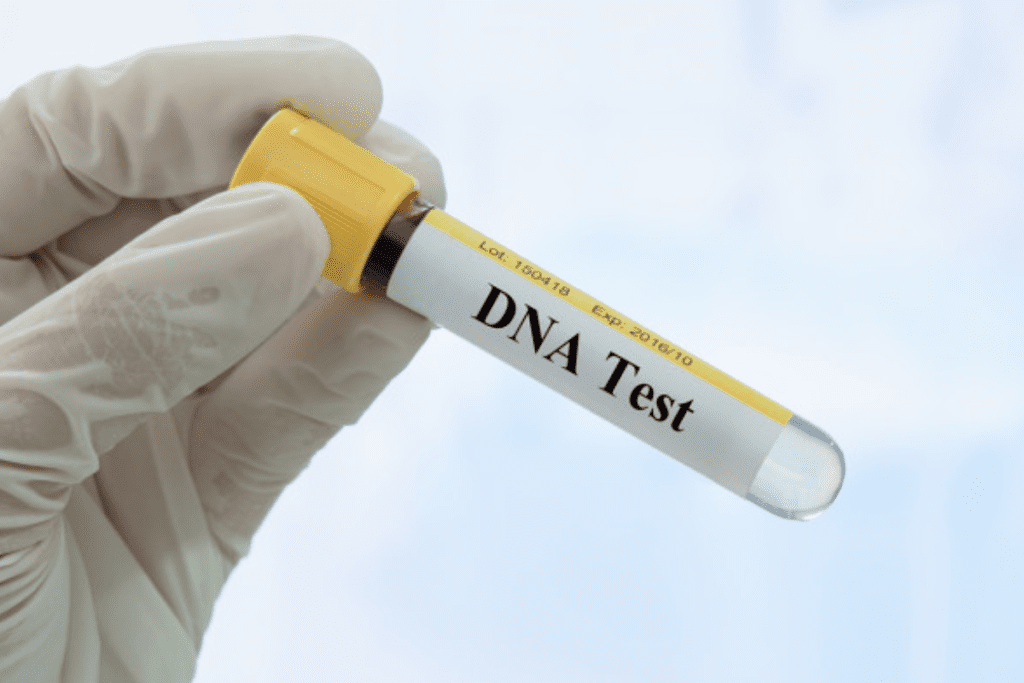
A stem cell transplant is a lifesaving treatment for many with blood disorders. But a big question is: does a bone marrow transplant change your DNA?
It depends on the transplant type and the donor cells. The issue is complex because the transplant replaces bad stem cells with good ones from a donor.
This has made many wonder if it can change a person’s DNA. We will look into how stem cell transplants affect DNA. This will help clear up this complex topic.
Key Takeaways
- Stem cell transplants replace damaged or diseased stem cells with healthy donor cells.
- The impact of a stem cell transplant on DNA depends on several factors.
- The type of transplant and donor cell source play critical roles.
- Understanding the effects on DNA is key for patients and doctors.
- More research is needed to fully understand the implications.
The Science of Stem Cells and Bone Marrow
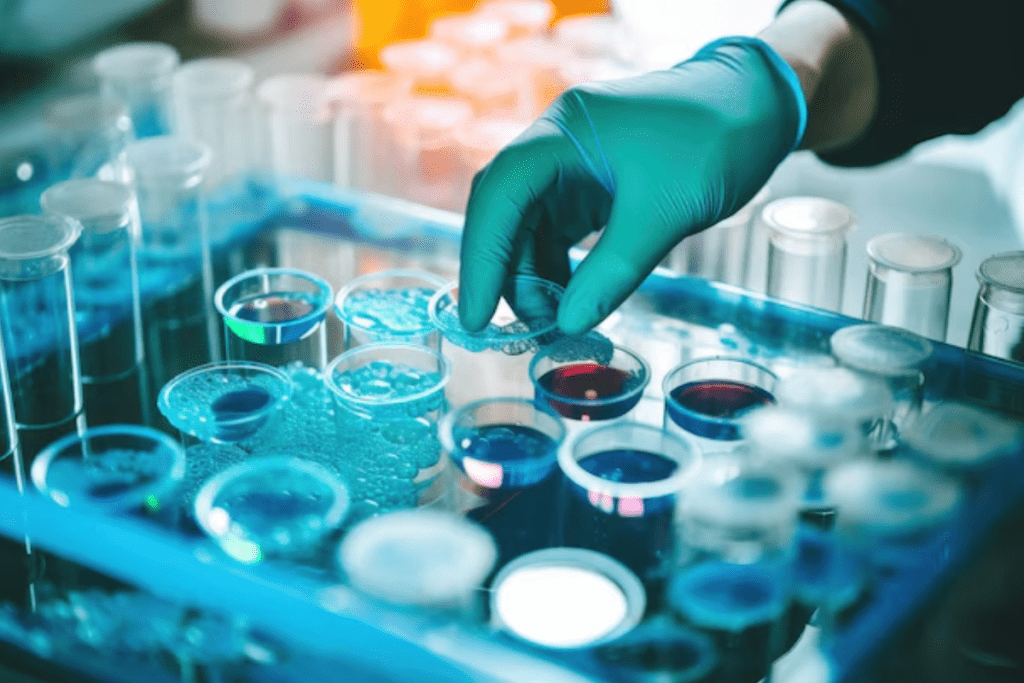
Stem cells and bone marrow are key to our body’s repair and growth. To see how a stem cell transplant changes DNA, we need to know the basics.
What Are Stem Cells?
Stem cells are young cells that can turn into different blood and immune cells. They are vital for making blood cells. Their genetic material, or DNA, guides how they become specific cells.
Stem cells have a few important traits:
- They can make more of themselves.
- They can become many types of cells, like red and white blood cells.
- They help fix damaged tissues.
How Bone Marrow Functions in the Body
Bone marrow is the soft tissue in bones where stem cells grow. It’s where blood cells are made. It has blood vessels and cells that help blood cells develop.
The bone marrow environment is key for stem cells to work properly. It gives them the support and factors they need to become blood cells.
The Relationship Between Stem Cells and DNA
The DNA in stem cells decides what blood and immune cells they make. When stem cells turn into other cells, they share their genetic information. This info tells the new cells what to do and how to work.
In a stem cell transplant, knowing how stem cells and DNA relate is very important. The transplant uses new stem cells, either from the patient or a donor. The DNA in these cells will shape the new blood cells made.
Understanding Transplantation Procedures
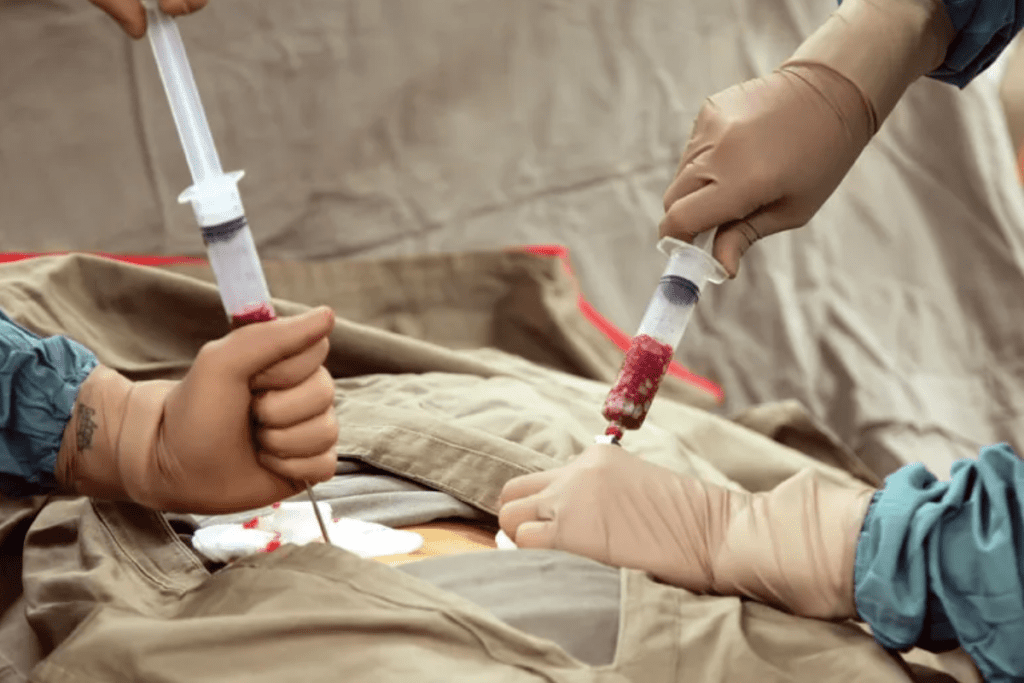
Transplantation procedures are complex medical actions. They replace damaged or diseased cells with healthy ones. These actions are key in treating serious diseases, giving patients a chance to recover and live better lives.
Stem Cell Transplant vs. Bone Marrow Transplant
Stem cell transplant and bone marrow transplant are often confused. But they are different. A bone marrow transplant replaces the tissue in some bones, like hips and thighbones, which have stem cells. A stem cell transplant, by contrast, directly transplants stem cells from bone marrow, blood, or umbilical cord blood. The choice depends on the patient’s condition and the disease being treated.
The Transplantation Process
The transplantation process starts with preparation. This includes conditioning therapy to kill the patient’s diseased cells. Then, healthy stem cells or bone marrow cells are infused into the patient’s body. These cells go to the bone marrow, starting to make new blood cells.
The transplant’s success depends on several things. These include the match between donor and recipient, the patient’s health, and the disease being treated.
Why Transplants Are Performed
Transplants are done for many reasons. They treat diseases like leukemia, lymphoma, and multiple myeloma. They also replace a faulty immune system or allow for strong chemotherapy or radiation therapy.
Understanding why transplants are done helps patients see the benefits and risks. This knowledge is important for making informed decisions about treatment.
The Fundamentals of DNA and Genetic Identity
DNA is the blueprint for our genetic makeup. It influences many aspects of who we are. Each person has a unique DNA profile, except for identical twins who share the same DNA.
What Defines Our Genetic Makeup
Our genetic makeup is based on the sequence of nucleotides in our DNA. This sequence determines our traits, like eye color and disease susceptibility. The uniqueness of our DNA makes us who we are, forming the basis of our genetic identity.
How DNA Is Distributed Throughout the Body
DNA is found in every cell with a nucleus. This means almost all cells, except red blood cells, have the same DNA. The uniform distribution of DNA ensures every cell has the genetic instructions it needs.
The Difference Between Cellular DNA and Overall Genetic Identity
Cellular DNA refers to the genetic material in individual cells. Overall genetic identity covers the entire organism’s genetic information. This distinction shows that genetic identity is more than just DNA in one cell. It’s about how all cells with the same DNA work together to form an individual.
In conclusion, understanding DNA and genetic identity is key to knowing how genetic information shapes our traits. The details of DNA distribution and the difference between cellular DNA and overall genetic identity offer a deeper look into the complex nature of genetic identity.
Does a Bone Marrow Transplant Change Your DNA?
When thinking about a bone marrow transplant, many wonder if it changes their DNA. This question is key to understanding the transplant’s deep effects on a person’s genes.
The Scientific Evidence
Studies show that a bone marrow transplant can change some cells’ DNA in the body. It mainly affects blood and immune cells, which come from the donor’s bone marrow. This happens because the donor cells take over the recipient’s bone marrow.
Key findings include:
- The recipient’s blood and immune cells are replaced with the donor’s cells.
- This swap means the recipient has two DNA profiles: their own and the donor’s.
- This mix of DNA is called chimerism.
How Donor Cells Integrate With Recipient Systems
The process of donor cells mixing with the recipient’s body is complex. After the transplant, donor cells start to fill the recipient’s bone marrow. Over time, these cells replace the original blood and immune cells, changing the DNA for these cell types.
This mixing is key for the transplant’s success. It lets the body make healthy blood cells. But it also makes the recipient a chimera, with both their DNA and the donor’s DNA together.
Chimerism: Living With Two Genetic Profiles
Chimerism is a special condition that happens after some transplants, like bone marrow ones. It means having two different DNA profiles in one person. In bone marrow transplants, it happens because donor and recipient cells live together.
Chimerism’s effects are big, changing how we see a person’s genetic identity. Even though the main genetic identity stays the same, having donor DNA in some cells can change medical tests and genetic studies.
Allogeneic vs. Autologous Transplants
The choice between allogeneic and autologous transplants affects a patient’s genetic makeup. This choice is key to understanding how stem cell transplants change a patient’s DNA.
Allogeneic Transplants: Receiving Someone Else’s Cells
An allogeneic transplant uses stem cells from a donor, often a relative or an unrelated person. This transplant introduces foreign cells into the body. The recipient’s immune system might react to these cells, leading to graft-versus-host disease (GVHD).
The donor cells can cause chimerism. This means the recipient has two DNA sets: their own and the donor’s. This mixed genetic profile can affect the recipient’s health and identity.
Autologous Transplants: Using Your Own Cells
An autologous transplant, on the other hand, uses the patient’s own stem cells. These cells are collected, stored, and then given back to the patient after treatment. Because the cells are from the patient, there’s no risk of GVHD or rejection.
The DNA in autologous transplants stays the same. The patient’s original DNA is returned. This transplant is often chosen for patients with specific cancers or damaged bone marrow without genetic issues.
Different DNA Outcomes Based on Transplant Type
The type of transplant affects the DNA outcome. Allogeneic transplants can lead to a mixed DNA profile because of donor cells. Autologous transplants, by contrast, restore the patient’s original DNA.
It’s important to understand these differences for managing health after a transplant. Patients with allogeneic transplants need closer monitoring because of GVHD and mixed DNA risks.
Which Parts of Your Body Experience DNA Changes
After a stem cell transplant, some parts of your body change DNA, while others stay the same. This is key to understanding how these transplants affect us.
Blood and Immune System DNA Changes
The blood and immune system see the biggest DNA changes. A bone marrow or stem cell transplant swaps out the recipient’s blood cells with the donor’s. This means the blood cells now carry the donor’s DNA, not the recipient’s.
This change is critical for the transplant’s success. It helps the recipient’s immune system get a boost from a healthy donor’s cells. The immune system fights off infections, and with a transplant, it can do this more effectively.
Tissues That Maintain Original DNA
But not all tissues change DNA. Skin, hair, and most organs keep their original DNA. This is important because it shows a stem cell transplant doesn’t change your DNA everywhere in your body.
Even with a transplant, you’ll likely keep your looks and many of your genetic traits. The transplant mainly affects blood cells, leaving other parts of your body unchanged.
The Concept of Genetic Mosaicism After Transplant
Genetic mosaicism happens when you have both your original DNA and the donor’s DNA in your body. This is because of the transplant. It shows how the donor’s cells mix with your body’s.
Knowing about genetic mosaicism helps doctors plan care after a transplant. It affects DNA testing and monitoring. But it doesn’t change how genetic traits are passed down, which is not affected by a stem cell transplant.
Can Blood Transfusions Change Your DNA?
Many people wonder if blood transfusions can change their DNA. Blood transfusions are used to replace lost blood due to surgery, injury, or disease. They are lifesaving but raise questions about DNA changes.
Blood Transfusions vs. Stem Cell Transplants
Blood transfusions and stem cell transplants are different. Stem cell transplants replace a patient’s stem cells with donor cells, mixing the genetic profile. Blood transfusions, on the other hand, transfer blood components like red blood cells or plasma.
Stem cell transplants aim to replace bone marrow, changing the immune system and blood cells’ DNA. Blood transfusions support blood cells temporarily without changing the recipient’s DNA.
Temporary Presence of Donor DNA
After a blood transfusion, donor blood cells enter the recipient’s bloodstream. These cells carry the donor’s DNA, which can be detected for a while. But, this donor DNA is temporary and doesn’t integrate into the recipient’s genome.
Studies show donor DNA can be present for days to weeks. But, the recipient’s immune system removes it. This ensures the donor DNA doesn’t stay permanently.
Why Transfusions Don’t Permanently Alter Genetic Makeup
Blood transfusions don’t permanently change DNA because the transfused cells don’t stay. They don’t engraft into bone marrow or tissues. So, they don’t contribute to the recipient’s genetic material long-term.
- Blood transfusions are used to support the recipient’s blood cells temporarily.
- Donor DNA from blood transfusions is present temporarily and cleared by the immune system.
- The recipient’s genetic makeup remains unchanged after a blood transfusion.
In conclusion, blood transfusions introduce donor DNA, but it’s temporary. This doesn’t lead to a permanent change in the recipient’s genetic makeup.
How Long Does Someone Else’s DNA Stay in Your Body?
It’s important to know how long donor DNA stays in the body after a stem cell transplant. This helps in managing patient care and understanding genetic changes.
Short-Term vs. Long-Term DNA Presence
The time donor DNA stays in the body can vary a lot. Sometimes, it’s there for a short time and then goes away. But other times, it can stay for a long time, even permanently.
Studies have shown that the type of transplant and the body’s immune response are key. They decide how long donor DNA stays.
Factors Affecting Donor DNA Persistence
Many things can affect how long donor DNA stays. These include:
- The type of stem cell transplant (allogeneic or autologous)
- The recipient’s immune response to the donor cells
- The conditioning regimen used before the transplant
These factors can change how well the donor cells take hold and how long they last.
Permanent Integration of Donor Genetic Material
In some cases, donor DNA can become a permanent part of the recipient’s genome. This is called genetic chimerism. It can affect the recipient’s health and genetic identity.
| Factor | Effect on Donor DNA Persistence |
| Type of Transplant | Allogeneic transplants may lead to longer donor DNA presence |
| Immune Response | A weaker immune response may allow donor DNA to persist longer |
| Conditioning Regimen | A more intense regimen may increase the chances of donor DNA integration |
The complex mix of these factors decides the fate of donor DNA in the body.
Real-World Implications of Changed DNA
DNA changes after a stem cell transplant have big effects. They impact medical monitoring and forensic analysis. It’s important for both transplant recipients and healthcare providers to understand these effects.
Effects on DNA Testing and Forensics
After a stem cell transplant, a person’s DNA profile can change. This can mess up DNA testing. For example, forensic DNA analysis might show mixed or confusing results.
Donor DNA can cause problems in DNA test results. This is big in criminal investigations where DNA is key. Mixed DNA profiles make forensic evidence hard to understand.
Medical Monitoring After Transplantation
Medical monitoring is key after a transplant. Recipients need regular check-ups. These check-ups help track donor DNA and catch problems early.
Healthcare providers must watch for mixed chimerism. This is when both recipient and donor cells are present. It can change how medical tests are seen and how health is managed.
Practical Considerations for Transplant Recipients
Transplant recipients need to know about the effects of changed DNA. It can change their health, identity, and family. For example, donor DNA might raise questions about genetic inheritance.
Recipients should keep detailed medical records. They should also tell their healthcare providers about their transplant history. This info is key for good care and understanding future tests or forensic analyses.
Common Misconceptions About Transplants and DNA
Many people think stem cell transplants change DNA in big ways. But, they often don’t know what really happens. Those getting transplants or supporting them want to know about their genetic changes.
Myth: Complete Genetic Identity Change
One big myth is that a stem cell transplant changes your DNA completely. But, it’s not that simple. While some cells might get replaced, your DNA stays mostly the same.
Key Facts:
- The DNA in blood and immune cells can change.
- Other tissues and organs keep their original DNA.
- Genetic mosaicism is important after a transplant.
Myth: Inheriting Donor Traits and Characteristics
Some think getting a stem cell transplant means you’ll get traits from the donor. But, that’s not true. The donor’s DNA only goes into the transplanted cells. It doesn’t change your overall DNA or how you look.
The Scientific Reality of Post-Transplant DNA
Scientists agree that stem cell transplants can mix donor DNA into some cells. But, it doesn’t mean your DNA changes completely. Chimerism, where two genetic profiles mix, is a known effect of these transplants.
| Cell Type | DNA Origin Post-Transplant |
| Blood Cells | Donor DNA |
| Immune Cells | Donor DNA |
| Other Tissues | Recipient’s Original DNA |
It’s important to know these details. They help us understand what happens with donor and recipient DNA in stem cell transplants.
Conclusion
A stem cell transplant can change a person’s body, mainly in their DNA. It alters the DNA of blood and immune system cells. But, it doesn’t change who they are genetically.
It’s important for patients to understand what a stem cell transplant does to DNA. When donor cells mix with the recipient’s, it can create a mix of genetic profiles. This is called chimerism.
As scientists learn more about stem cell transplants and DNA, we see their big impact. Knowing how these transplants affect DNA helps patients and doctors. It helps them make better choices during the process.
FAQ
Does a bone marrow transplant change your DNA?
A bone marrow transplant changes the DNA of blood and immune system cells. But it doesn’t change your overall genetic identity.
Does a stem cell transplant change your DNA?
The DNA outcome depends on the type of transplant. In an allogeneic transplant, you get two DNA sets. In an autologous transplant, your DNA stays the same.
Can a blood transfusion change your DNA?
Blood transfusions don’t permanently change your DNA. The donor DNA is there temporarily but doesn’t mix with your genome.
How long does someone else’s DNA stay in your body after a transplant?
The time donor DNA stays varies. It depends on the transplant type and your immune response.
Will a bone marrow transplant change my genetic identity?
No, a bone marrow transplant doesn’t change your genetic identity. The DNA change is only in blood and immune cells.
Can I inherit donor traits and characteristics after a stem cell transplant?
No, you won’t inherit donor traits. The DNA change is only in blood and immune cells, not in your overall genetic identity.
Does a stem cell transplant alter my DNA test results?
A stem cell transplant can affect DNA test results, mainly on blood or immune cells. It’s important to monitor after the transplant for any complications.
What is genetic mosaicism after a transplant?
Genetic mosaicism means having different DNA in different body parts. After a transplant, your blood and immune cells might have different DNA than other tissues.
Are there any practical considerations for transplant recipients with changed DNA?
Yes, those with changed DNA should think about DNA testing, forensics, and medical monitoring after a transplant.
Reference
- Blouin, A. G., et al. (2021). A practical guide to chimerism analysis. Frontiers in Immunology, 12, Article 773. https://doi.org/10.3389/fimmu.2021.773183
- Morris, A. B. (2023). A primer on chimerism analysis: A straightforward, thorough overview. LabMedicine, 54(4), 352-360. https://doi.org/10.1093/labmed/lmac132Oxford Academic
- Lindahl, H., Vonlanthen, S., Valentini, D., Björklund, A. T., Sundin, M., Mielke, S., & Hauzenberger, D. (2022). Lineage-specific early complete donor chimerism and risk of relapse after allogeneic hematopoietic stem cell transplantation for acute myeloid leukemia. Bone Marrow Transplantation, 57(1), 753-759. https://doi.org/10.1038/s41409-022-01615-8
- Haugaard, A. K., Kofoed, J., Masmas, T. N., Madsen, H. O., Marquart, H. V., Heilmann, C., & others. (2023). Highly sensitive chimerism analysis in blood after hematopoietic stem cell transplantation in children. Frontiers in Hematology, Article 1055484. https://doi.org/10.3389/frhem.2023.1055484



 Departments
 Related Videos
 Our Doctors
 News
News