
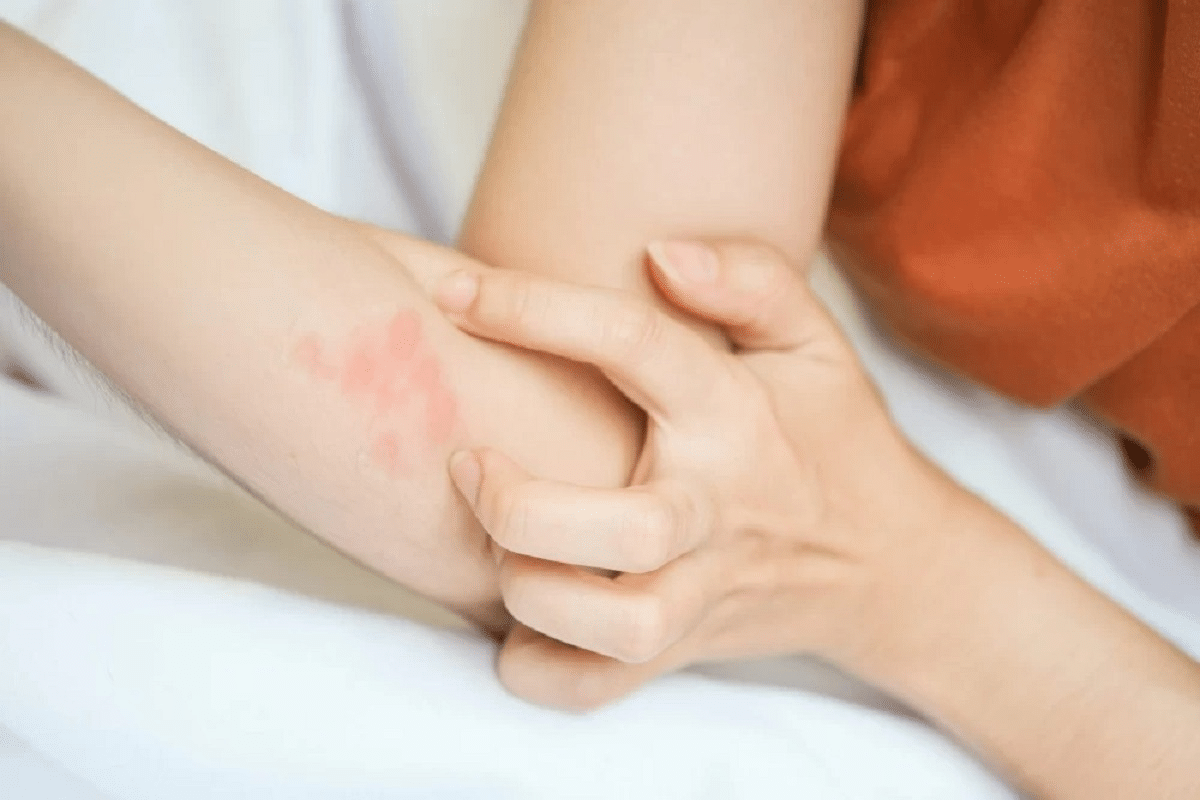
Does benadryl help with rashes? Yes. Find the best use guide for relieving allergic hives and contact dermatitis quickly and safely. When a rash makes you itchy and uncomfortable, you might try Benadryl. But does it really help, and how does it stack up against other treatments? We look into how Benadryl, with its active ingredient diphenhydramine, works as an antihistamine. It can help with some rash types.
Learning how Benadryl works helps us see its benefits for rash relief. Benadryl taken by mouth treats allergy symptoms. Some products also have phenylephrine, a decongestant.
Key Takeaways
- Benadryl is an antihistamine that counteracts histamine involved in allergic reactions.
- It can effectively manage certain types of rashes by reducing itching and discomfort.
- Benadryl products are available over-the-counter and may contain additional ingredients like decongestants.
- Understanding the mechanism of action helps in appreciating its benefits for rash management.
- Alternative topical treatments may also be considered for managing rashes.
Understanding Benadryl and Its Mechanism of Action

Diphenhydramine, the main ingredient in Benadryl, blocks histamine receptors. This action reduces allergic symptoms. It’s key to understanding how Benadryl helps with rashes.
What is Diphenhydramine?
Diphenhydramine is an antihistamine that helps with allergic reactions. It’s known for treating rashes effectively.
It works by blocking histamine, a body substance that causes allergies. By antagonizing the H1 receptor, diphenhydramine stops histamine’s effects. This reduces symptoms of allergic reactions.
How Antihistamines Block Allergic Reactions
Antihistamines like diphenhydramine block histamine at H1 receptor sites. This leads to:
- Less fluid leakage into the skin, reducing swelling and redness.
- Less muscle contraction, easing itching and hives.
By stopping histamine’s action, diphenhydramine effectively reduces allergic symptoms. It’s a great treatment for many allergic conditions, including rashes.
Available Benadryl Formulations
Benadryl comes in various forms to meet different needs:
- Oral forms: Tablets, capsules, and liquid gels for overall relief.
- Topical forms: Creams, gels, and sprays for local relief.
These options offer flexibility in treatment. Users can pick the best form for their rash.
Common Types of Rashes and Their Causes
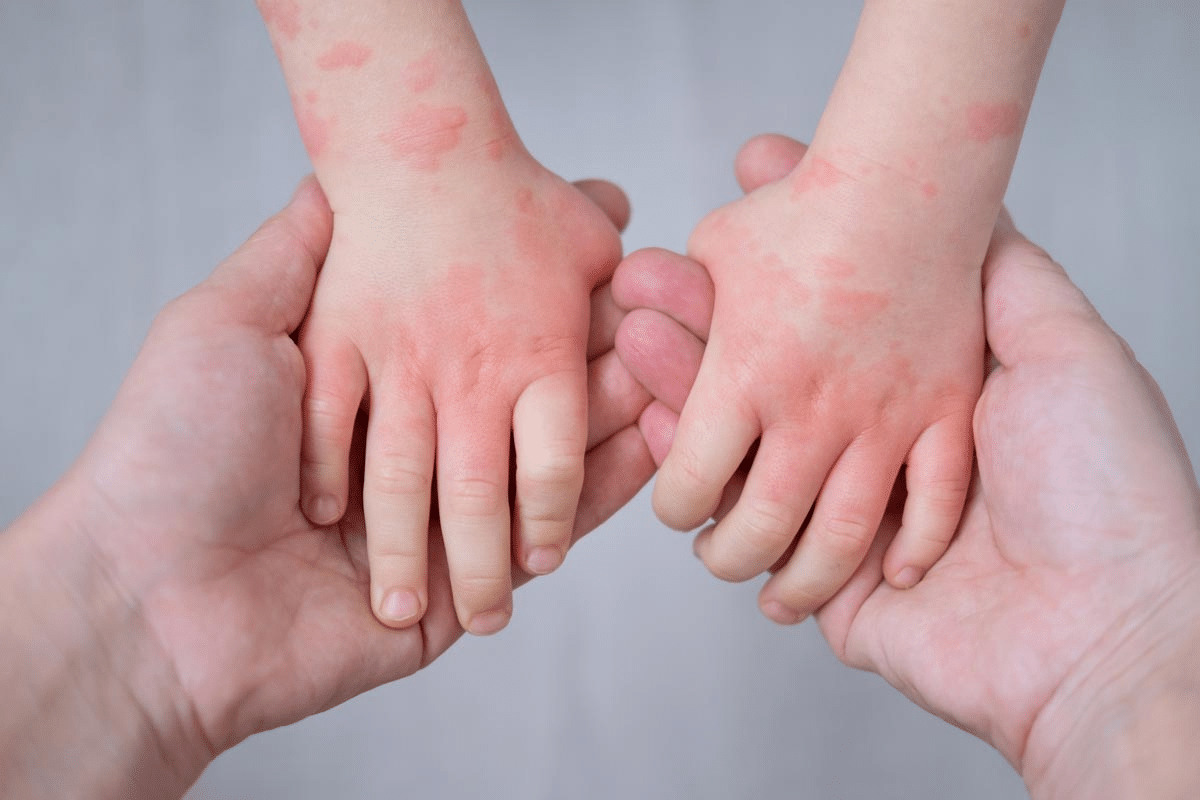
The skin can react in many ways, leading to different rashes. Knowing about these rashes helps find the best treatment. We’ll look at allergic and non-allergic rashes and what causes them.
Allergic Rashes: Hives, Eczema, and Contact Dermatitis
Allergic rashes happen when the body reacts to something it doesn’t like. Hives (urticaria) are itchy welts on the skin. Eczema (atopic dermatitis) makes the skin dry, itchy, and inflamed. Contact dermatitis happens when the skin meets an irritant, causing redness and itching.
Many things can trigger these rashes, like food allergies or environmental allergens. It’s important to find and avoid the allergen. Benadryl can help with symptoms like itching and redness.
Non-Allergic Rashes: Heat, Viral, and Bacterial
Not all rashes are from allergies. Heat rashes happen when sweat ducts get blocked, often in hot weather. Viral rashes come from infections like measles or chickenpox. Bacterial rashes are from infections like impetigo or cellulitis. Each type needs a different treatment.
It’s important to know if a rash is allergic or not to choose the right treatment. Benadryl works for allergic rashes, but other rashes might need different medicines.
The Inflammatory Process in Skin Reactions
The inflammatory process is key in rash development. When the skin meets an irritant, it triggers an immune response. This leads to inflammation, causing redness, swelling, and warmth.
To treat rashes well, managing inflammation is important. This can include using anti-inflammatory meds, avoiding more irritation, and keeping the skin moisturized. This helps reduce discomfort and aids in healing.
Does Benadryl Help With Rashes? The Scientific Evidence
Diphenhydramine, found in Benadryl, has been studied a lot for treating allergic reactions. This includes different kinds of rashes. Many studies have looked into how well Benadryl works for rash symptoms.
Clinical Studies on Diphenhydramine Effectiveness
Many clinical studies have checked if diphenhydramine works for allergic rashes. These studies found that Benadryl can help with conditions like urticaria, atopic dermatitis, and allergic dermatoses.
For example, a study on corticosteroid-dependent dermatitis showed that using 1% Benadryl cream helped 86.2% of patients. This shows Benadryl can be a good addition to treatment for some skin issues.
Success Rates for Different Rash Types
Benadryl works better for some rashes than others. It helps a lot with allergic rashes like hives and contact dermatitis. But, it might not work as well for rashes caused by viruses or bacteria.
|
Rash Type |
Benadryl Effectiveness |
Success Rate |
|---|---|---|
|
Allergic Rashes (Hives, Contact Dermatitis) |
High |
80-90% |
|
Atopic Dermatitis |
Moderate |
60-70% |
|
Viral Rashes |
Low |
30-40% |
|
Bacterial Rashes |
Low |
20-30% |
Limitations of Antihistamine Treatment
Benadryl can be good for some rashes, but it’s not a cure-all. Antihistamines like diphenhydramine block histamine receptors. This can reduce itching and redness. But, they might not fix the rash’s cause.
Seeing a healthcare professional is key to finding the right treatment for a rash. They can figure out what’s causing the rash and suggest the best treatment. This might or might not include Benadryl.
Oral Benadryl for Skin Conditions
Oral Benadryl is often used for skin conditions because of its antihistamine properties. We will look at how it can help, including the right doses and possible side effects.
Recommended Dosages for Adults and Children
Adults usually take 25-50 mg of oral Benadryl every 4-6 hours. For kids, the dose depends on their weight and age. It’s important to stick to these guidelines to avoid taking too much.
Duration of Treatment
How long you take oral Benadryl depends on your skin condition. It’s usually for short-term use until symptoms go away. Always talk to a doctor if you need to use it for a long time.
Potential Side Effects to Consider
Oral Benadryl can help, but it might make you feel drowsy, dry-mouthed, or dizzy. In rare cases, it could cause a fast heartbeat or confusion, mainly in older adults.
|
Age Group |
Dosage |
Frequency |
|---|---|---|
|
Adults |
25-50 mg |
Every 4-6 hours |
|
Children |
1-2 mg/kg |
Every 4-6 hours |
“The key to effective treatment lies in understanding the cause of the skin condition and choosing the appropriate medication.”
– Expert Opinion
Topical Benadryl Products for Localized Relief
Topical Benadryl products target skin issues directly. They offer relief without the side effects of taking pills. You apply them right where you need it most.
Forms of Topical Benadryl Products
There are creams, gels, and sprays available. Each type works best for different skin types and problems.
- Creams: They’re soft and moisturizing, great for dry or sensitive skin.
- Gels: These are cool and don’t leave a greasy feel. They’re good for big areas or itching.
- Sprays: Sprays are easy to use and dry fast. They’re perfect for hard spots or kids.
Application Guidelines for Maximum Benefit
To use topical Benadryl products right, follow the label. Clean the area first, then dry it. Apply a thin layer and rub it in well. Use as directed, usually every 6-8 hours.
Watch for side effects like skin irritation. If you have a bad reaction, stop using it and talk to a doctor.
Combining Topical and Oral Treatments
Using both topical and oral Benadryl can help more for serious skin issues. But, only a doctor should suggest this to avoid too much diphenhydramine.
|
Treatment Approach |
Benefits |
Considerations |
|---|---|---|
|
Topical Benadryl Alone |
Localized relief, fewer systemic side effects |
May not be enough for serious or widespread issues |
|
Oral Benadryl Alone |
Systemic relief, good for wide areas |
Can make you sleepy and cause other side effects |
|
Combination of Topical and Oral Benadryl |
More relief for serious cases, targets and treats the whole body |
Needs careful dosing to avoid too much diphenhydramine |
Knowing about topical Benadryl products and how to use them helps in skin care. They can be used alone or with pills for different skin problems.
Allergic Rashes: When Benadryl Works Best
Benadryl is a trusted medication for managing allergic rashes. It’s great for conditions like urticaria and atopic dermatitis. We often recommend it for patients with acute allergic reactions on the skin.
“Benadryl has been a cornerstone in treating allergic reactions for decades,” say healthcare professionals. Its effectiveness in managing symptoms like itching, redness, and swelling makes it a go-to solution for many.
Treating Acute Urticaria (Hives)
Acute urticaria, or hives, is a condition with sudden itchy welts on the skin. Benadryl is effective in treating this condition. Its antihistamine properties help alleviate itching and reduce hives.
Key benefits of using Benadryl for acute urticaria include:
- Rapid relief from itching and discomfort
- Reduction in the number and size of hives
- Easy administration, available in various forms such as tablets, liquid gels, and topical creams
Managing Atopic Dermatitis Symptoms
Atopic dermatitis, or eczema, is a chronic skin condition with dry, itchy skin. While Benadryl is not a cure, it can provide significant relief from itching. By reducing itch, Benadryl prevents scratching, which can further irritate the skin and lead to infection.
“The use of antihistamines like Benadryl can be an effective strategy in managing the symptoms of atopic dermatitis, improving the quality of life for patients.”
Relief for Allergic Contact Dermatitis
Allergic contact dermatitis occurs when the skin reacts to an allergen, causing inflammation and itching. Benadryl can help manage symptoms by reducing itching and discomfort.
For the best results, it’s important to avoid the allergen causing the reaction. Benadryl can be used alongside other treatments like topical corticosteroids for complete relief.
Benadryl for Viral Rashes: Effectiveness and Limitations
Benadryl is often used for allergic reactions. But, it’s not as straightforward for viral rashes. Viral rashes, like those from measles or chickenpox, are different from allergies.
Common Viral Exanthems
Viral rashes are signs of many infections. They can come with fever, tiredness, and swollen lymph nodes. The main types include:
- Measles (rubeola)
- Chickenpox (varicella)
- Rubella (German measles)
- Roseola
- Erythema infectiosum (fifth disease)
Doctors usually diagnose these based on symptoms and sometimes lab tests.
How Antihistamines May Provide Symptomatic Relief
Benadryl, or diphenhydramine, is not a cure for viral rashes. But, it can help with itching and discomfort. It works by blocking histamine receptors.
Symptomatic relief is key for comfort and preventing infections from scratching. But, remember, Benadryl doesn’t cure the rash’s cause.
When Additional Treatments Are Necessary
Most viral rashes are treated by easing symptoms and preventing serious issues. Benadryl can help with itching. But, other treatments might be needed for other symptoms or complications.
- Antiviral meds for certain infections (like varicella-zoster immune globulin for severe chickenpox)
- Medicines for fever
- Topical creams or ointments for skin care and to prevent infections
- Isolation to stop the spread, mainly for very contagious conditions
In summary, Benadryl can ease symptoms of viral rashes, like itching. But, it’s only for symptom relief. Knowing when to use Benadryl and when more treatment is needed is key for the best care.
Alternative Treatments for Non-Allergic Rashes
Non-allergic rashes can be treated in different ways. They might not get better with antihistamines like Benadryl. So, it’s important to look at other options.
Topical Steroids and Anti-Inflammatory Agents
Topical steroids are often used for non-allergic rashes. They help reduce redness, swelling, and discomfort.
We suggest the following topical steroids:
- Hydrocortisone cream for mild cases
- Triamcinolone acetonide for moderate inflammation
- Clobetasol propionate for severe cases
|
Topical Steroid |
Potency Level |
Common Use |
|---|---|---|
|
Hydrocortisone |
Mild |
Mild allergic reactions, dermatitis |
|
Triamcinolone acetonide |
Moderate |
Moderate inflammation, eczema |
|
Clobetasol propionate |
Strong |
Severe psoriasis, dermatitis |
Moisturizers and Barrier Creams
Moisturizers are key in managing non-allergic rashes. They keep the skin hydrated and reduce irritation. Barrier creams also protect the skin from further damage.
Key ingredients to look for in moisturizers:
- Hyaluronic acid for hydration
- Ceramides to repair the skin barrier
- Glycerin to lock in moisture
Prescription Options for Severe Cases
For severe non-allergic rashes, prescription drugs might be needed. These include stronger topical steroids, oral corticosteroids, or immunosuppressive drugs.
Here are some prescription options for severe cases:
- Oral corticosteroids for short-term use
- Immunosuppressive drugs for chronic conditions
- Biologic agents for specific inflammatory conditions
It’s important to talk to a healthcare professional. They can help find the best treatment for non-allergic rashes. The right approach depends on the cause and severity of the rash.
Neosporin and Triple Antibiotic Ointments for Skin Conditions
Understanding Neosporin and triple antibiotic ointments is key when dealing with skin issues. These products help prevent infections in minor cuts and scrapes. They can also be used for other skin conditions.
Appropriate Uses for Antibiotic Treatments
Neosporin is a triple antibiotic ointment with neomycin, bacitracin, and polymyxin B. It’s made to prevent infections in minor skin injuries. It fights a wide range of bacteria, making it a top pick for first-aid kits.
To use Neosporin right, apply a thin layer to minor cuts, scrapes, or burns. This helps prevent infection. But, always follow the product’s instructions and see a doctor if the issue gets worse or doesn’t get better.
When Not to Use Neosporin on Rashes
Neosporin is great for minor injuries, but not always for rashes. Applying Neosporin to rashes without knowing the cause can cause problems or hide the real issue. It’s important to figure out what’s causing the rash before treating it.
If the rash is from an allergy or a virus, Neosporin might not work and could even make things worse. In these cases, it’s best to talk to a doctor for the right diagnosis and treatment.
Potential for Allergic Reactions to Topical Antibiotics
Using Neosporin or other topical antibiotics can lead to allergic reactions. Neomycin, a key ingredient in Neosporin, can cause contact dermatitis in some people.
Signs of an allergic reaction to Neosporin include redness, itching, swelling, or blisters where you applied it. If you see these signs, stop using it and see a doctor for other options.
Alcohol and Other Home Remedies: Help or Harm?
Home remedies for rashes can be both helpful and harmful. They might offer relief but could also irritate your skin more. It’s important to know the risks and benefits of using alcohol and other remedies for rash relief.
Rubbing Alcohol on Rashes: Risks and Benefits
Rubbing alcohol is sometimes used to treat skin problems, including rashes. But, its safety and effectiveness depend on the rash type and your skin. It can dry out your skin and make some rashes worse. Yet, it might also fight off infections in some cases.
Be careful when using rubbing alcohol on rashes. It can dry out and irritate your skin, making things worse. Always think about the benefits and risks and look for other treatments.
Aquaphor and Other Moisturizing Treatments
Moisturizing treatments like Aquaphor are better for irritated skin. Aquaphor is a multi-use ointment that soothes and fixes dry, cracked, or irritated skin. It’s a top pick for rash relief.
To get the most from moisturizing treatments, apply them right. Put on a thin layer after bathing or showering, when your skin is damp.
Natural Alternatives for Rash Relief
If you prefer natural remedies, there are several options. These include:
- Aloe vera gel, known for its soothing and anti-inflammatory properties
- Coconut oil, which can help moisturize and protect the skin
- Oatmeal baths, which can provide relief for itchy, irritated skin
Even though natural remedies can be helpful, always test them first. Make sure you don’t have any sensitivity or allergic reactions.
When to Seek Medical Attention for a Rash
Rashes can be scary, but knowing when to get help is key. Some rashes are just minor and go away by themselves. But others might be signs of serious health issues that need quick medical attention.
Warning Signs That Require Immediate Care
Some symptoms with a rash mean you need to see a doctor right away. These include:
- Difficulty breathing or swallowing
- Swelling of the face, lips, tongue, or throat
- A rash that covers a large area of the body
- Severe pain or blistering
- Fever, specially if it’s high or with other bad symptoms
If you or someone you care for has these symptoms, get emergency help.
Differentiating Between Minor and Serious Rashes
Telling if a rash is minor or serious can be hard without a doctor. Rashes with fever or feeling very tired might be serious. Also, rashes that pop up fast, spread quick, or have other bad symptoms need a doctor’s check.
What to Tell Your Healthcare Provider
When you see a doctor for a rash, be ready with info. Tell them:
- A detailed description of the rash, including when it started and any changes
- Any symptoms you’re feeling, like itching, pain, or fever
- Any new things you’ve been exposed to, like soaps, lotions, or plants
- Any medicines you’re taking
- Any important health history, like allergies or past skin problems
Sharing this info helps your doctor figure out what’s wrong and how to fix it.
Conclusion: Making Informed Choices for Rash Treatment
Knowing the different ways to treat rashes is key to managing them well. Benadryl, an antihistamine, can help with allergic reactions. But, it’s important to think about its limits and possible side effects.
When choosing a rash treatment, it’s good to look at the pros and cons. This includes both topical and oral Benadryl. Knowing when to use other treatments, like topical steroids or antibiotic ointments, is also important.
Seeing a healthcare professional for a proper diagnosis and treatment plan is vital. They can guide you through the complex world of rash treatment. This way, you can get the best results.
To make smart choices about rash treatment, you need to know the causes, symptoms, and options. By understanding this, you can take care of your skin. And, you’ll know when to seek medical help.
FAQ
Can Benadryl help with rashes?
Yes, Benadryl can help with some rashes, like those from allergies. Its main ingredient, diphenhydramine, fights histamine, which causes allergic reactions.
Will antihistamine help rash?
Antihistamines like Benadryl can ease symptoms of allergic rashes. But, they might not work for rashes not caused by allergies.
Can you put Neosporin on a rash?
Neosporin is good for some rashes, like those from bacteria. But, use it carefully. It’s not right for all rashes to avoid resistance or allergic reactions.
Does Benadryl help with a rash?
Benadryl can help with some rashes, mainly those from allergies. It can reduce itching and swelling.
Will triple antibiotic ointment help a rash?
Triple antibiotic ointment works for rashes from bacteria. But, use it wisely. A doctor’s advice is key to avoid resistance.
Is rubbing alcohol good for rashes?
Rubbing alcohol is not good for rashes. It can dry out the skin and make symptoms worse. It might even cause irritation or allergic reactions.
Does Aquaphor help with rashes?
Aquaphor is good for dry or irritated rashes. Its moisturizing helps soothe and protect the skin.
Can Benadryl help with viral rashes?
Benadryl can ease symptoms of viral rashes, like itching. But, it doesn’t cure the rash. More treatments might be needed.
When should I seek medical attention for a rash?
See a doctor for a rash if it’s severe, lasts long, or has other bad symptoms. This includes fever, trouble breathing, or signs of infection.
Can I use Neosporin on a viral rash?
No, Neosporin is for bacterial infections, not viral rashes.
Will Benadryl help with heat rash?
Benadryl can ease heat rash symptoms like itching. But, the best treatment is cooling the skin and keeping it dry.
Is Benadryl effective for eczema?
Benadryl can help with eczema symptoms like itching. But, it’s not a cure. Other treatments, like creams and moisturizers, are also needed.
References
National Center for Biotechnology Information. Evidence-Based Medical Guidance. Retrieved from https://pubmed.ncbi.nlm.nih.gov/15569836/