Pancreatic cancer is often seen as one of the most painful cancers. This is because it is usually diagnosed late. It also aggressively invades local nerves.
Cancer pain can change a lot based on the type and stage of cancer. It also depends on how well someone can handle pain. The National Cancer Institute says younger people and those with advanced cancer often feel more pain.

Find out the truth: does cancer hurt? Explore the most painful types of cancer and how modern medicine manages discomfort for patients.
Pain from different cancers shows we need better ways to manage it. Pancreatic cancer is a big challenge because it’s often caught too late.
Key Takeaways
- Pancreatic cancer is considered one of the most painful types of cancer.
- Cancer pain varies by cancer type and stage, as well as individual pain tolerance.
- Younger individuals and those with advanced cancer are more likely to experience severe pain.
- Effective pain management is key to improving life quality for cancer patients.
- Understanding pancreatic cancer’s specific challenges helps in creating better pain relief plans.
Understanding Cancer Pain
It’s important for patients and doctors to understand cancer pain. This pain is a big problem for many people with cancer. It’s not just a symptom but a complex issue that needs careful handling.
The Nature of Cancer-Related Pain
Cancer pain comes from different places. It can be from the cancer itself, the treatments, or both. Acute pain is short-term, like after a treatment. Chronic pain is long-lasting, often from the tumor growing.
Prevalence of Pain Among Cancer Patients
Pain is a big problem for cancer patients. It really affects their life quality. About 66% of people with cancer will feel pain at some point.
For some cancers, like advanced pancreatic cancer, the pain is even worse. Over 70% of patients need strong pain medicines.
|
Cancer Type |
Prevalence of Pain |
Common Pain Characteristics |
|---|---|---|
|
Pancreatic Cancer |
High (over 70%) |
Severe, often requiring opioids |
|
Bone Metastasis |
High |
Pain can be severe and debilitating |
|
General Cancer Population |
Approximately 66% |
Varies widely among individuals |
Managing cancer pain is key in cancer care. It needs a team effort with medicines, procedures, and other therapies. Knowing about cancer pain helps in finding good ways to manage it.
Does Cancer Hurt? The Reality of Cancer Pain
It’s important to understand cancer pain to manage it well. Many patients with cancer face pain from the cancer itself, treatments, or tests. This pain can be a big concern.
Acute vs. Chronic Cancer Pain
Cancer pain comes in two types: acute and chronic. Acute cancer pain is sharp and short-lived, often from tests or treatments. Chronic cancer pain lasts longer and can grow as the cancer does.
Knowing the difference helps doctors choose the right treatment. Acute pain usually goes away once the cause is fixed. But chronic pain needs ongoing care.
Pain as a Diagnostic Symptom
Pain can be a sign of cancer. Sometimes, pain is the first clue that something is wrong. For example, ongoing belly pain might mean stomach or liver cancer.
“Pain is a warning sign that something is amiss in the body, and in the context of cancer, it can be an important indicator of the disease’s presence or progression.”
Variability in Cancer Pain Experience
How cancer pain feels can differ a lot between people. The type of cancer, where it is, and how far it has spread all affect pain. For instance, bone cancer, specially when it spreads, and cancers in the head, neck, or belly often hurt a lot.
|
Cancer Type |
Common Pain Characteristics |
|---|---|
|
Bone Cancer |
Deep, progressive pain that worsens over time |
|
Pancreatic Cancer |
Severe, unrelenting pain in the abdomen |
|
Head and Neck Cancers |
Pain affecting basic functions like swallowing |
It’s vital to understand these differences for better pain management. By recognizing how cancer pain can vary, doctors can create personalized plans to help their patients.
Pancreatic Cancer: The Most Painful Malignancy
Pancreatic cancer is known for being very painful. This is because it’s often not caught early. When it is, the pain is severe.
Causes of Severe Pain
The pain from pancreatic cancer comes from a few sources. The tumor can press on nerves and organs in the abdomen. This can cause a lot of discomfort. The pain often spreads to the back and gets worse after eating or when lying down.
Statistics and Survival Rates
Pancreatic cancer has a very low survival rate, at just 12.5% over five years. More than 50,000 Americans die from it each year. This is because it’s often not caught until it’s too late, making treatment and pain control harder.
|
Statistic |
Value |
|---|---|
|
5-Year Survival Rate |
12.5% |
|
Annual Deaths in the US |
>50,000 |
|
Common Age of Diagnosis |
>65 years |
Late Diagnosis and Its Impact
Being diagnosed late with pancreatic cancer makes managing pain harder. Symptoms are often vague, making it hard to catch the cancer early. By the time it’s diagnosed, the cancer is usually advanced, leading to more severe pain.
Patient Experiences
People with pancreatic cancer often face severe pain. This pain can be constant or come and go. It’s a dull ache that can spread to the back. Finding ways to manage this pain is key to improving their lives.

Bone Cancer and Metastatic Bone Disease
Bone pain from cancer is a big challenge for both patients and doctors. The pain can change a lot based on the cancer type and how advanced it is.

Mechanisms of Bone Pain in Cancer
Cancer-related bone pain comes from tumors growing in the bone. This growth destroys the bone and releases chemicals that make pain worse. Tumor growth can also cause fractures and nerve problems, adding to the pain.
The pain process is complex. It involves the tumor, the bone, and the nervous system. Chemical mediators from tumors make pain receptors more sensitive.
Primary vs. Secondary Bone Cancers
Primary bone cancers are rare, making up only 0.2% of all cancers. But, metastatic bone disease is more common. It happens when cancer from other places spreads to the bones. Metastatic bone disease can cause a lot of pain, fractures, and high calcium levels.
- Primary bone cancers start in the bones.
- Secondary bone cancers come from other cancers spreading.
Treatment Challenges for Bone Cancer Pain
Dealing with bone cancer pain is tough. Doctors need to find ways to relieve pain without harming the patient. They use pharmaceutical interventions, radiation, and sometimes surgery to help.
Managing bone pain in cancer patients needs a team effort. This team uses palliative care to make life better for patients.
Head and Neck Cancers: Unique Pain Challenges
Head and neck cancers cause severe pain, making treatment and daily life hard. This pain comes from the tumor’s location and its effect on nerves and structures around it.
Anatomical Considerations
The head and neck area’s complex anatomy makes pain from cancers here unique. Tumors can grow in different places, like the mouth, throat, and sinuses. Each location affects nerves and functions differently, leading to varied pain.
Impact on Basic Functions
Cancers in the head and neck can hurt basic activities like eating, swallowing, and speaking. The pain and discomfort make it hard to:
- Eat and swallow because of pain
- Speak and communicate clearly
- Breathe properly if the airway is blocked
Quality of Life Implications
The pain and loss of function from head and neck cancers greatly affect a patient’s life. It’s important to manage pain well to help patients live as normally as possible.
Managing head and neck cancer pain involves:
- Understanding the pain’s cause and nature
- Using a team approach to treat pain, including medicine and other therapies
- Keeping a close eye on pain management and making changes as needed
Abdominal Cancers and Their Pain Profiles
Cancers in the abdominal area, like stomach, liver, and esophageal cancer, can cause different types of pain. This pain comes from the tumor growing and putting pressure on nearby organs. The pain’s nature and how intense it is can change a lot between people. This depends on the cancer type, where it is, and how far it has spread.
Stomach Cancer Pain Patterns
Stomach cancer, also known as gastric cancer, often causes pain in the upper abdomen. This pain can happen when the tumor grows into the stomach wall or nearby areas. As an oncologist, notes, “The pain from stomach cancer can be mistaken for indigestion or other harmless conditions. This makes it hard to diagnose early.”
Liver Cancer and Pain Management
Liver cancer can cause pain in the right upper abdomen, which might spread to the back or right shoulder. This pain usually comes from the liver getting bigger or the tumor pressing on nerves and organs. To manage liver cancer pain, doctors use a mix of medicines, lifestyle changes, and sometimes, procedures.
“Pain management is a key part of caring for patients with liver cancer,” says a specialist in liver diseases. “It helps improve their quality of life and lets them get the treatments they need.”
Esophageal Cancer: Swallowing Pain and Beyond
Esophageal cancer makes it hard to swallow (dysphagia) and painful to swallow (odynophagia). As the cancer gets worse, it can cause pain in the chest or back, between the shoulder blades. To manage this pain, doctors treat the tumor’s effect on the esophagus and nearby areas. They use a mix of chemotherapy, radiation therapy, and care focused on easing symptoms.
It’s important to know about the pain patterns of abdominal cancers to give good care and improve patients’ lives. By understanding the pain each cancer type causes, doctors can tailor treatments to fit each patient’s needs.
Neurological Mechanisms Behind Cancer Pain
Cancer pain comes from a mix of tumor growth, nerve compression, and inflammation. It’s not just a simple pain response. It involves many pathways and mechanisms.
Tumor Growth and Nerve Compression
Tumors growing can press on nerves, causing pain. This is a big pain source for cancer patients. The pain feels sharp, shooting, or burning.
When nerves are compressed or invaded by tumors, they release chemicals. These chemicals make pain worse by sensitizing pain receptors.
Inflammatory Responses in the Pain Pathway
Inflammation is key in creating and keeping cancer pain. Tumors release chemicals that make pain receptors more sensitive. This makes pain worse over time.
These chemicals also activate immune cells. These cells release substances that add to the pain.
Neuropathic Pain Development
Neuropathic pain is common in cancer. It happens when the nervous system is damaged. This damage can come from tumors, nerve compression, or treatments like chemotherapy.
Neuropathic pain can cause many symptoms. These include pain from non-painful stimuli, increased pain sensitivity, and spontaneous pain. Knowing how neuropathic pain works is key to finding good treatments.
Four Pains That Could Mean Cancer
Certain pains can be red flags for cancer, needing immediate medical attention. It’s key to recognize these pains for early detection and management.
Persistent Abdominal Pain
Persistent abdominal pain could mean different types of cancer, like pancreatic, stomach, or liver cancer. This pain is often a dull ache or cramping that lasts a long time.
The American Cancer Society says abdominal pain is common in advanced cancer patients. “Abdominal pain can result from the tumor itself or from the body’s response to the tumor.”
|
Cancer Type |
Common Symptoms |
|---|---|
|
Pancreatic Cancer |
Abdominal pain radiating to the back |
|
Stomach Cancer |
Nausea, vomiting, and abdominal pain |
|
Liver Cancer |
Right upper quadrant abdominal pain |
Deep, Progressive Bone Pain
Deep, progressive bone pain is a sign of bone cancer or metastatic bone disease. It starts as a dull ache and becomes sharp and intense.
“Bone pain is a common symptom of cancer that has spread to the bones. It can be severe and debilitating, affecting the quality of life.”
Severe, Unrelenting Headaches
Severe, unrelenting headaches can mean brain cancer or cancers that spread to the brain. These headaches are often worse in the morning and can come with nausea and vomiting.
A study in the Journal of Neuro-Oncology found that headaches are a common symptom in brain tumor patients. These headaches are persistent and can get worse with coughing or straining.
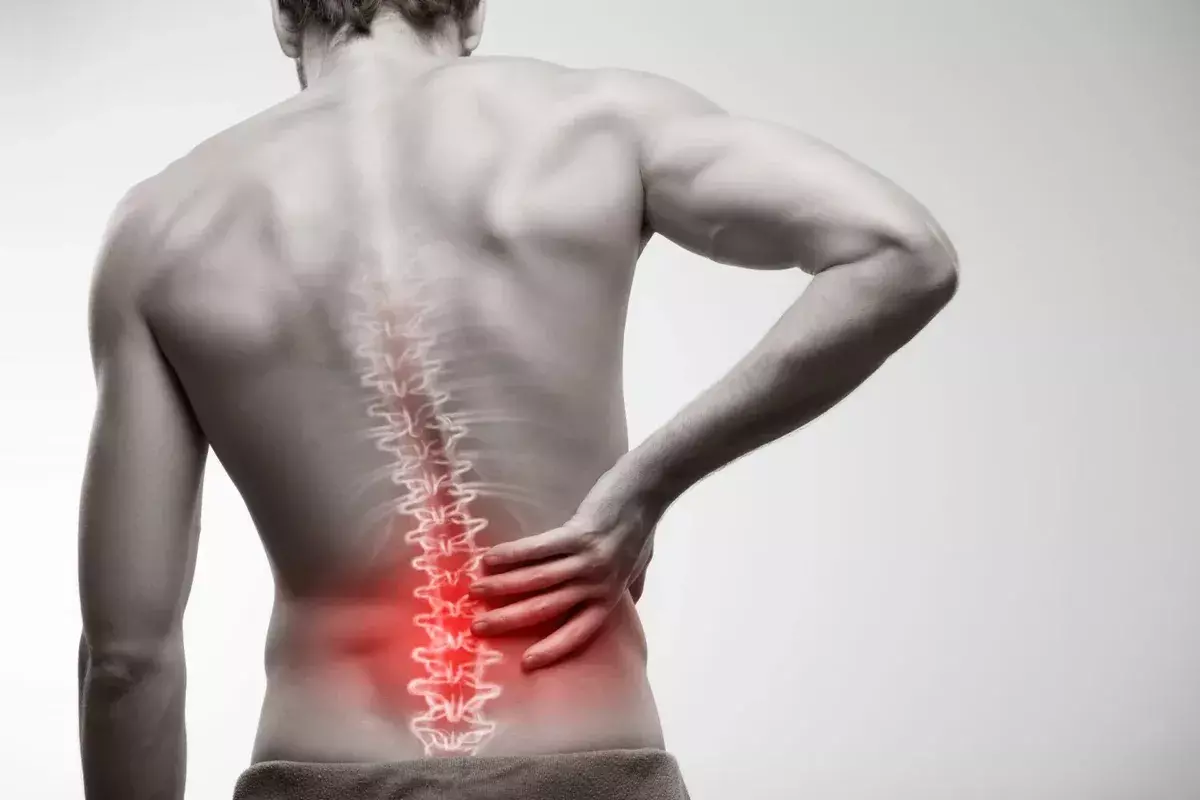
Unexplained Back Pain That Worsens at Night
Unexplained back pain that gets worse at night might be spinal cancer or metastatic disease affecting the spine. This pain is severe and doesn’t get better with rest.
Seeking medical help is vital if back pain persists or gets worse, with symptoms like weakness or numbness in the limbs.
Factors That Influence Cancer Pain Severity
Understanding what causes cancer pain is key to managing it well. Cancer pain is complex, influenced by many factors. These factors can greatly affect a patient’s life quality.
Cancer Type, Location, and Stage
The type, location, and stage of cancer all affect pain levels. Different cancers cause different types of pain. For example, pancreatic cancer is often very painful because of its location and how it can spread.
The location of the cancer impacts the pain type and intensity. Cancers that press on nerves or bones can cause severe pain. The cancer’s stage is also important. Advanced stages often mean more pain due to tumor growth and spreading.
Individual Pain Tolerance and Genetics
People’s pain tolerance varies a lot, influenced by genetics, psychology, and body factors. Some may be more or less sensitive to pain due to their genes or how they handle stress.
Studies show that genetics can change how we feel pain. For instance, some genetic changes can affect pain-related genes, making us more or less sensitive to pain.
Psychological and Environmental Factors
Psychological factors like stress, anxiety, and depression can make cancer pain worse. People feeling more emotional distress often report more pain.
Environmental factors, like social support and where you live, also matter. A supportive environment can reduce pain, while lack of support can make it worse.
|
Factor |
Influence on Cancer Pain |
Examples |
|---|---|---|
|
Cancer Type |
Different cancers have different pain profiles |
Pancreatic, bone, and head/neck cancers |
|
Cancer Location |
Affects pain type and intensity |
Cancers invading nerves or bones |
|
Cancer Stage |
Advanced stages often correlate with increased pain |
Metastatic disease |
|
Individual Pain Tolerance |
Genetic and psychological factors influence pain perception |
Genetic variations, coping mechanisms |
|
Psychological Factors |
Stress, anxiety, and depression impact pain experience |
Emotional distress |
Modern Pain Management Approaches for Cancer Patients
Cancer patients now have many modern pain management options. These options greatly improve their life quality during treatment. It’s key to manage pain well so patients can handle treatment with less discomfort and keep up with daily activities.
Liv Hospital is dedicated to using the latest pain management methods. They make sure patients get care that fits their specific needs.
Pharmaceutical Interventions
Medicines are a big part of managing cancer pain. There are many drugs to help with pain, from simple over-the-counter options to strong opioids for severe pain.
- Nonsteroidal Anti-Inflammatory Drugs (NSAIDs): Good for mild to moderate pain.
- Opioids: Work well for moderate to severe pain, used when NSAIDs don’t help enough.
- Adjuvant Medications: Help make primary pain meds work better or treat other symptoms.
Interventional Procedures
For those who don’t get enough pain relief from meds, there are other options. These procedures can really help reduce pain and make life better for patients.
|
Procedure |
Description |
Benefits |
|---|---|---|
|
Nerve Blocks |
Injecting medication into or around nerves to block pain signals. |
Good for specific pain areas, cuts down on the need for other meds. |
|
Spinal Cord Stimulation |
Implanting a device that sends electrical impulses to the spinal cord. |
Can give a lot of pain relief for some patients. |
Complementary and Integrative Therapies
Along with regular treatments, there are other therapies to help with pain. These therapies focus on the whole person, covering physical, emotional, and spiritual health.
- Acupuncture: An old method that uses thin needles in certain body spots to ease pain.
- Massage Therapy: Reduces muscle tightness and helps relax.
- Mind-Body Techniques: Like meditation and yoga, they help manage pain and stress.
By using these modern pain management methods, healthcare teams can give cancer patients a full care plan. This plan meets their unique needs and boosts their quality of life.
Advanced Treatment Options for Intractable Cancer Pain
New treatments are changing how we manage intractable cancer pain. For those who haven’t found relief yet, these new options bring hope. They help improve life quality.
Nerve Blocks and Neurolysis Techniques
Nerve blocks inject medication into nerves to block pain signals. Nerve blocks work well for focused pain. Neurolysis, a more lasting method, damages nerves for long-term relief.
Choosing between nerve blocks and neurolysis depends on cancer type, stage, and health. These options are for when other treatments fail.
Targeted Radiation Therapy for Pain Relief
Targeted radiation therapy is great for pain from tumors. It sends precise radiation to the tumor, shrinking it and easing pain. Targeted radiation therapy is best for those with spread cancer.
This therapy is good because it spares healthy tissues. This reduces side effects, making it a good choice for pain relief.
Surgical Interventions for Pain Control
Surgery is an option for those with severe pain not helped by other treatments. Cordotomy, for example, cuts part of the spinal cord to block pain. It can offer a lot of relief.
Other surgeries include devices that send medicine to the spinal fluid or neurostimulation. These surgical interventions are for those with very bad pain.
Emerging Technologies in Pain Management
The field of pain management is always growing. New technologies like virtual reality therapy and advanced neurostimulation techniques are promising. They are being tested in studies.
These new methods offer hope for better pain management. As research improves, more effective treatments may become available.
The Psychological Impact of Living with Cancer Pain
Living with cancer pain is tough. It’s not just about the physical pain. It also affects a person’s mind, leading to depression and anxiety.
Depression, Anxiety, and Emotional Suffering
Cancer pain’s emotional impact is huge. People with chronic pain are more likely to feel depressed and anxious. This pain can make them feel hopeless, making treatment harder.
The emotional pain from cancer can be as bad as the physical pain. Doctors need to treat both to help patients fully.
Effective Coping Strategies
Finding ways to cope with cancer pain’s mental effects is key. Mindfulness, meditation, and cognitive-behavioral therapy (CBT) help a lot.
- Mindfulness and meditation can lessen stress and anxiety.
- CBT helps change how patients see pain and cope with it.
- Support groups offer a place to share and find support.
Building Resilience Through Support Systems
Having a strong support network is vital. Family, friends, and healthcare professionals help patients stay strong. They offer emotional support, help with daily tasks, and a sense of belonging.
|
Support System |
Benefits |
|---|---|
|
Family and Friends |
Emotional comfort, practical assistance |
|
Support Groups |
Community, shared experiences |
|
Healthcare Professionals |
Medical guidance, pain management strategies |
Using these support systems and coping strategies helps patients deal with cancer pain’s mental effects. This improves their life quality.
Multidisciplinary Approach to Cancer Pain Management
Managing cancer pain works best when a team of experts from different fields works together. This team approach makes sure patients get care that fits their needs perfectly.
The Role of Specialized Pain Teams
Specialized pain teams are key in fighting cancer pain. These teams include doctors skilled in pain management, like anesthesiologists and oncologists. They create personalized treatment plans for each patient.
Studies show that a team effort can greatly help patients.
Palliative Care Integration Throughout Treatment
Palliative care is vital in cancer pain management. It aims to ease symptoms and stress from serious illnesses. Adding palliative care to treatment can make patients’ lives better.
Palliative care teams help manage pain and emotional needs. They also support patients and their families. This way, patients get holistic care for their body, mind, and spirit.
Liv Hospital’s Pain Management Protocols
Liv Hospital uses the latest in pain management. Their team works together to create effective plans for patients.
Liv Hospital offers many treatments, from medicines to special procedures. This wide range of options helps patients get the best care for their needs.
Patient-Centered Treatment Planning
Putting patients at the center of treatment is key in cancer pain management. This means listening to what patients want and need.
When patients help decide their treatment, care plans are more effective. This approach can lead to better health, happiness, and even save money.
Conclusion: Advancing Care for Patients with Painful Cancers
Cancer pain is a big challenge for patients and doctors. We need more research and better ways to manage pain. Places like Liv Hospital are working hard to help patients with painful cancers. They make sure patients get the best care and support.
Managing pain well is key to making life better for cancer patients. Doctors and nurses use a team approach to tackle cancer pain. This way, they can meet the needs of their patients better.
Improving care for those with painful cancers means more than just medicine. It also includes using palliative care all along. This helps patients get the support they need, from the start to the end of their treatment.
As research keeps moving forward, there’s hope for better pain management in cancer. New technologies and treatments are on the horizon. They offer a glimmer of hope for those dealing with cancer pain.
FAQ
What is the most painful type of cancer?
Pancreatic cancer is often seen as one of the most painful. This is because it presses on nerves and organs nearby.
Is cancer painful for everyone?
No, not everyone feels cancer pain the same way. The type and stage of cancer, and how much pain a person can handle, play big roles.
What are the different types of cancer pain?
There are two main types of cancer pain. Acute pain is sharp and sudden. Chronic pain is ongoing and can feel dull or aching.
Can cancer pain be a diagnostic symptom?
Yes, pain can help doctors diagnose certain cancers. For example, ongoing stomach pain might mean pancreatic or stomach cancer.
How does pancreatic cancer cause severe pain?
Pancreatic cancer hurts a lot because it presses on nerves and organs. This includes the pancreas, stomach, and spine.
What are the statistics and survival rates for pancreatic cancer?
Pancreatic cancer has a low survival rate. Only about 10% of people live five years after being diagnosed.
How does bone cancer cause pain?
Bone cancer hurts because it damages bone tissue. This causes inflammation and presses on nerves.
What are the treatment challenges for bone cancer pain?
Treating bone cancer pain is tough. Doctors must manage pain well without causing more harm, like fractures or nerve damage.
How do head and neck cancers affect quality of life?
Head and neck cancers can really hurt your quality of life. They can make it hard to eat, speak, and breathe.
What are the pain profiles associated with abdominal cancers?
Abdominal cancers, like stomach and liver cancer, cause different types of pain. This includes ongoing stomach pain and discomfort.
How do neurological mechanisms contribute to cancer pain?
Neurological issues, like tumor growth and nerve compression, are key in cancer pain.
What are the four pains that could mean cancer?
Four pains that might mean cancer are: ongoing stomach pain, deep bone pain, severe headaches, and unexplained back pain that gets worse at night.
How do individual factors influence cancer pain severity?
Many things can affect how much cancer pain hurts. This includes how much pain you can handle, your genes, and your mental state.
What are the modern pain management approaches for cancer patients?
Today, doctors use many ways to manage cancer pain. This includes medicines, procedures, and other therapies.
What are the advanced treatment options for intractable cancer pain?
For pain that’s hard to treat, doctors might use nerve blocks, targeted radiation, or surgery.
How does cancer pain affect mental health?
Cancer pain can really hurt your mental health. It can lead to depression, anxiety, and emotional pain.
What is the multidisciplinary approach to cancer pain management?
Managing cancer pain involves a team. This team includes pain specialists, palliative care providers, and others. They work together to help patients.
References:
National Center for Biotechnology Information. Evidence-Based Medical Insight. Retrieved from https://pubmed.ncbi.nlm.nih.gov