Nearly 20,000 stem cell transplants happen every year worldwide. A key part of getting better is staying in isolation. This helps lower the chance of getting sick.
The duration of isolation after a transplant varies significantly. It depends on the type of transplant and how well you’re recovering. Knowing how long you’ll be in isolation helps you get ready for your recovery.
The duration of isolation after a transplant varies significantly.
Key Takeaways
- The time in isolation changes based on the transplant type.
- How well you recover also affects how long you stay.
- Knowing what affects transplant isolation duration helps you prepare.
- What your transplant center says also plays a role in theisolation period transplant.
- It’s very important to take care of yourself and follow precautions in isolation to avoid infections.
Understanding Stem Cell Transplants
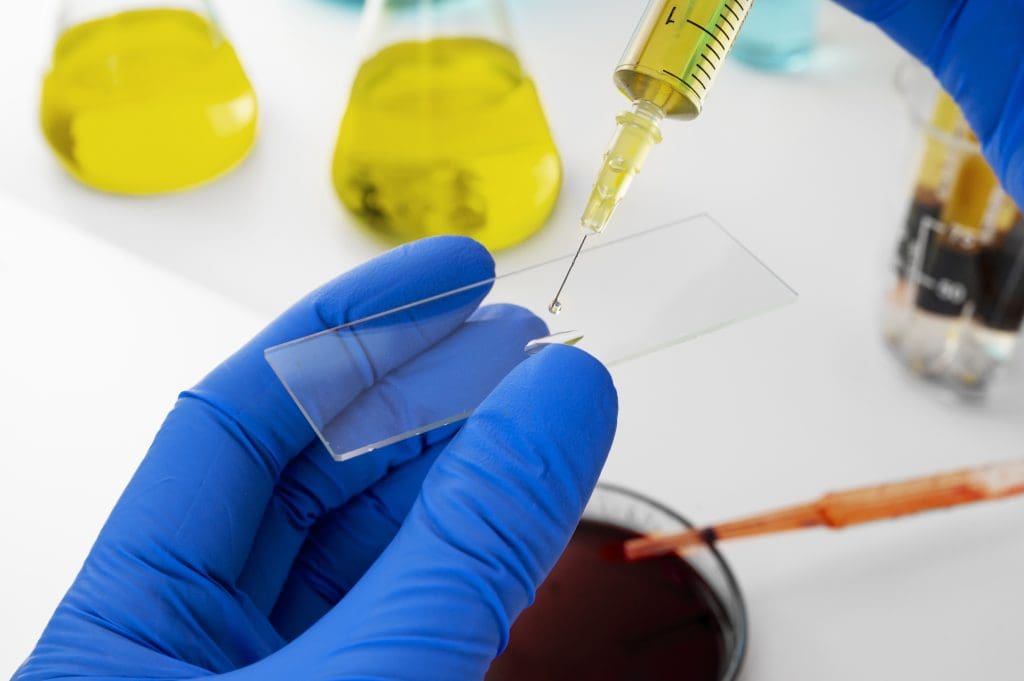
Getting a stem cell transplant is more than just getting stem cells. It’s a detailed treatment that needs careful planning. These transplants help treat diseases like blood cancers and autoimmune disorders.
Types of Stem Cell Transplants
There are two main types of stem cell transplants: autologous and allogeneic. Autologous transplants use the patient’s own stem cells. These cells are collected, stored, and then given back after treatment. Allogeneic transplants use stem cells from another person, often a sibling or an unrelated donor.
The Transplantation Process
The process starts with conditioning. The patient gets chemotherapy and/or radiation to kill diseased cells. Then, the stem cells are given to the patient. They go to the bone marrow to make new blood cells.
Why Immune System Vulnerability Occurs
This makes the patient more likely to get infections. They need to stay isolated. The immune system is weak because the old immune cells are gone. It takes time for the new stem cells to work and make immune cells.
Knowing about stem cell transplants helps patients prepare for their treatment. By understanding what’s coming, they can face challenges better. They can work with their healthcare team for a smoother recovery.
The Necessity of Post-Transplant Isolation
Isolation after a stem cell transplant is not just a precaution; it’s a must. It greatly affects the patient’s recovery. This time is critical to manage well to avoid problems and ensure a good outcome.
Compromised Immune Function
After a stem cell transplant, the patient’s immune system is very weak. This weakness comes from the conditioning regimen before the transplant. It lowers the immune system to make room for new stem cells. So, patients are more likely to get infections, making isolation key during this time.
Infection Risk Assessment
The risk of getting an infection is a big worry for patients after a stem cell transplant. This risk is highest right after the transplant, when the immune system is weakest. Doctors watch for this risk by checking the patient’s blood counts, overall health, and any infections.
Consequences of Infection During Recovery
Infections during recovery can lead to serious problems. These include longer hospital stays, more treatments, and even life-threatening issues. The aim of post-transplant isolation is to lower these risks by reducing exposure to infections. Knowing how important isolation is helps patients follow the recommended steps for a smoother recovery.
Standard Timeline for Post-Transplant Isolation
Knowing the timeline for post-transplant isolation is key for patients and their caregivers. This period is vital to lower infection risks and aid in recovery.
Initial Hospital Isolation Period (7-30 Days)
The first part of hospital isolation lasts from 7 to 30 days after the transplant. During this time, doctors watch closely for any infection signs or complications.
Key aspects of hospital isolation include:
- Strict infection control measures
- Regular monitoring of blood counts and overall health
- Administration of prophylactic antibiotics and other supportive medications
The Critical First 30 Days
The first 30 days post-transplant are very risky for infections. Patients must stick to strict hygiene and avoid infections.
The 100-Day Milestone
The 100-day mark is a big milestone in recovery. By then, the immune system starts to heal, and infection risks drop. Yet, some may need to stay cautious longer.
| Timeframe | Isolation Measures | Key Considerations |
| 0-30 days | Strict hospital isolation | High risk of infection, close monitoring |
| 30-100 days | Gradual relaxation of isolation measures | Continued precautions, monitoring for complications |
| Beyond 100 days | Variable isolation measures based on individual recovery | Ongoing assessment of immune function and infection risk |
Understanding the post-transplant isolation timeline helps patients and caregivers prepare for recovery. It also helps reduce the risk of complications.
Hospital Isolation vs. Home Isolation
Hospital and home isolation are two ways to care for patients after a transplant. Each has its own benefits and challenges. The choice depends on the patient’s health, the transplant type, and the care needed.
Inpatient Isolation Protocols
Inpatient isolation aims to reduce infection risk during recovery. It includes:
- Strict infection control measures
- Healthcare staff use personal protective equipment (PPE)
- Isolation rooms with advanced air filters
- Limiting visitors to prevent infections
Effective infection control is key in hospitals to protect patients from serious infections.
Transitioning to Home Care
When the patient gets better, they might move to home care. This move needs careful planning for a safe recovery. Important steps include:
- Checking the home for infection risks
- Teaching the patient and caregivers about infection prevention
- Getting medical equipment and supplies
- Setting up a follow-up care plan with the transplant team
Proper preparation is essential for a smooth transition to home care.
Creating a Safe Home Environment
It’s important to make a safe home for stem cell transplant recovery. This means:
- Cleaning and disinfecting high-touch areas often
- Avoiding close contact with sick people
- Eating a nutritious diet to help the immune system recover
- Wearing masks when going out in public early on
Understanding the differences between hospital and home isolation helps patients prepare for their recovery journey.
Factors That Affect Isolation Duration
The time needed for isolation after a stem cell transplant changes based on several key factors. Knowing these helps patients get ready for their recovery.
Type of Transplant (Autologous vs. Allogeneic)
The duration of isolation after a transplant varies significantly.
Engraftment Success and Timing
The duration of isolation after a transplant varies significantly.
“The timing of engraftment can vary significantly among individuals, affecting the overall duration of isolation.”
Presence of Graft-Versus-Host Disease
Graft-versus-host disease (GVHD) is a problem that can happen after allogeneic transplants. It happens when the donor’s immune cells attack the recipient’s body. GVHD makes recovery harder and can extend the time needed for isolation.
| GVHD Severity | Impact on Isolation |
| Mild | Minimal extension of isolation |
| Moderate | Noticeable increase in isolation duration |
| Severe | Significant prolongation of isolation |
Individual Recovery Rates
How fast a patient recovers can vary a lot. Things like health, age, and other health issues play a big role. Patients who recover slower might need to stay isolated longer.
- Age and overall health
- Presence of comorbid conditions
- Response to immunosuppressive therapy
Understanding these factors helps patients prepare for their isolation time. They can work with their healthcare team to reduce risks and speed up recovery.
The Engraftment Process and Isolation Requirements
Engraftment is when new blood cells start from transplanted stem cells. It’s key for transplant success. This phase affects how well the patient recovers.
What is Engraftment?
Engraftment happens when stem cells make new blood cells. This is a big step for patients getting stem cell transplants. Doctors watch this closely with blood tests.
Monitoring Blood Counts
Checking blood counts is vital. Doctors do blood tests often to see how new blood cells are doing. This helps them know when it’s safe for the patient to leave isolation.
How often tests are done depends on the patient’s health and the transplant details. At first, blood counts are checked a lot. As the patient gets better, tests are done less often.
How Engraftment Affects Isolation Timeline
The isolation timeline changes with engraftment. Patients stay isolated until their blood counts improve. This shows the stem cells are working well.
When engraftment is successful, patients can slowly leave isolation. But, if it’s slow, they might stay longer to avoid infections.
Knowing about the engraftment process and its effect on isolation timeline helps everyone prepare. By watching blood counts and adjusting care, doctors help patients recover better and safer.
Typical Duration of Post-Transplant Isolation
The time spent in isolation after a stem cell transplant varies. It depends on whether the transplant is autologous or allogeneic. Knowing these differences helps manage patient expectations and ensures a smooth recovery.
Autologous Transplant Isolation Timeline
Patients getting an autologous transplant, using their own stem cells, usually have a shorter isolation. They are isolated for a few weeks to a month. The exact time depends on how fast their blood counts recover and their health improves.
Allogeneic Transplant Isolation Timeline
Patients getting an allogeneic transplant, with stem cells from a donor, need a longer isolation. This can last from several weeks to a few months. The risk of graft-versus-host disease (GVHD) is higher, so the isolation is closely watched.
Extended Isolation Scenarios
Some patients need to stay isolated longer due to complications or slow recovery. Severe GVHD, infections, or delayed engraftment can cause this. In these cases, isolation can last up to several months.
To show how different isolation times can be, here’s a comparison:
| Transplant Type | Typical Isolation Duration | Factors Influencing Duration |
| Autologous | A few weeks to a month | Blood count recovery, overall health |
| Allogeneic | Several weeks to a few months | GVHD risk, engraftment progress |
| Extended Isolation | Up to several months | Complications, GVHD, infections |
In conclusion, while there’s a general guideline for post-transplant isolation, the actual time can vary a lot. This depends on the patient’s specific situation and the type of transplant they had.
Infection Prevention Measures During Isolation
After a stem cell transplant, patients must take rigorous measures to prevent infections during their isolation. Infection prevention is key to avoid complications and ensure a smooth recovery.
Personal Hygiene Protocols
Maintaining personal hygiene is essential during the isolation period. Patients are advised to:
- Wash their hands frequently with soap and water
- Use hand sanitizer when soap and water are not available
- Shower or bathe daily
- Practice good oral hygiene by brushing and flossing teeth regularly
As emphasized by a healthcare professional, “Good hygiene practices are the first line of defense against infections during the post-transplant isolation period.”
Dietary Restrictions and Food Safety
Diet plays a significant role in preventing infections. Patients are recommended to:
- Avoid raw or undercooked foods
- Opt for cooked and packaged foods
- Ensure all fruits and vegetables are thoroughly washed before consumption
- Stay hydrated by drinking plenty of clean water
| Food Category | Recommended | Avoid |
| Fruits and Vegetables | Cooked or thoroughly washed | Raw or unwashed |
| Meat and Poultry | Cooked to the right temperature | Raw or undercooked |
| Dairy and Eggs | Pasteurized products | Raw or unpasteurized |
Environmental Cleaning Standards
Keeping the environment clean is vital to prevent the spread of infections. Patients and caregivers should:
- Regularly clean and disinfect surfaces
- Use appropriate cleaning products
- Avoid having plants or flowers in the isolation area
Visitor Policies and Restrictions
Limiting visitors is a key aspect of infection prevention during isolation. Patients are advised to:
- Avoid close contact with anyone showing signs of illness
- Restrict visitors to immediate family members or caregivers
- Ensure all visitors follow proper hygiene protocols
“Limiting exposure to potentially infected sources is critical during isolation. This includes being cautious with visitors and maintaining a clean environment.”
By following these infection prevention measures, patients can significantly reduce their risk of infections during the isolation period after a stem cell transplant.
Medication Management During Isolation Period
After a stem cell transplant, managing medications is key to avoid problems. Patients must follow a strict medication plan. This helps the transplant succeed and lowers the chance of infections.
Immunosuppressive Medications
Immunosuppressive drugs help prevent the body from rejecting the stem cells. They weaken the immune system, which lowers the risk of GVHD. But, they also raise the risk of infections. So, it’s important to watch the dosage and the patient’s health closely.
Prophylactic Antibiotics
Prophylactic antibiotics are given to stop infections during isolation. The choice of antibiotic depends on the patient’s risk factors and transplant type. These antibiotics are key to helping the patient recover and ensuring the transplant’s success.
Medication Adherence Importance
It’s vital for patients to stick to their medication plan during isolation. Skipping doses or not taking medications as directed can cause serious issues. Patients should work with their healthcare team to manage their meds well and quickly address any problems or side effects.
Good medication management means taking the right meds and knowing about side effects and interactions. Patients should keep a list of their medications and tell their healthcare providers about any issues. This helps ensure a smoother recovery and reduces transplant risks.
Medication adherence is a big part of post-transplant care. Patients who stick to their medication plan are more likely to have a successful transplant and fully recover. It’s important for patients to understand the role of their medications and actively manage their treatment.
Physical and Emotional Challenges of Extended Isolation
Being isolated for a long time after a stem cell transplant is tough. It affects both your body and mind. You need to be strong physically and emotionally to get through it.
Physical Deconditioning Concerns
One big worry is losing muscle and getting weaker. Not moving much can hurt your heart and muscles. It’s key to do gentle exercises as your doctor suggests.
A study found that moving a little bit helps patients recover better. Those who stayed active did better than those who didn’t.
Psychological Impact of Isolation
Being alone for a long time can really get to you. It can make you feel lonely, anxious, and sad. Keeping a positive outlook is very important during this time.
Connecting with family and friends online and doing things you enjoy can help. It makes the hard times easier.
Strategies for Maintaining Mental Wellness
There are ways to stay mentally strong while isolated. Here are a few:
- Mindfulness and meditation practices
- Staying connected with family and friends through technology
- Engaging in hobbies or activities that bring joy
- Seeking professional help when needed
Having a daily routine with rest, exercise, and fun activities is good too.
| Strategy | Benefits |
| Mindfulness and Meditation | Reduces stress and anxiety |
| Staying Connected | Alleviates feelings of loneliness |
| Engaging in Hobbies | Provides a sense of purpose and joy |
Support Systems During Post-Transplant Isolation
Support systems are key during the post-transplant isolation period. They offer emotional and practical help. A strong support system greatly aids a patient’s recovery, helping them face isolation’s challenges.
Role of Caregivers
Caregivers are vital for emotional and practical support during isolation. They handle daily tasks, manage meds, and watch the patient’s health. This helps spot any issues early.
Key responsibilities of caregivers include:
- Managing medication schedules
- Assisting with personal hygiene
- Preparing safe and nutritious meals
- Monitoring for signs of infection or other complications
Transplant Team Support
The transplant team offers critical medical guidance and monitoring. They manage the patient’s recovery, address complications, and reassure the patient and caregivers.
“The transplant team is your lifeline during the isolation period. They provide the necessary medical care and support to ensure a smooth recovery.”
Virtual Support Groups and Resources
Virtual support groups and online resources connect patients during isolation. They share experiences, ask questions, and get support from others facing similar challenges.
Benefits of virtual support groups include:
- Emotional support from peers
- Access to shared experiences and advice
- Reduced feelings of loneliness and isolation
Using these support systems helps patients deal with post-transplant isolation. It improves their recovery experience.
Preparing for Your Isolation Period
The time after a stem cell transplant needs careful planning for a safe recovery. You must focus on your environment and care to avoid problems.
Home Modifications
Making your home safe and clean is key. This means cleaning up, improving air flow, and setting up a recovery area. Important steps include:
- Removing carpets and rugs to avoid dust and allergens
- Ensuring easy access to important areas without crowds
- Creating a cozy resting spot with everything you need nearby
Caregiver Training
Caregivers are essential for your recovery. They need to know about infection control, managing medicine, and spotting complications. Training should include:
- Learning about your treatment and possible side effects
- Practicing good hygiene and infection control
- Watching your health and telling doctors about any issues
Essential Supplies and Equipment
The right supplies and equipment can greatly improve your comfort and safety. Important items include:
| Supply/Equipment | Purpose |
| Personal Protective Equipment (PPE) | To reduce risk of infections |
| Medical Supplies | For wound care and other medical needs |
| Comfort Items | To make your living space better and lift your mood |
Planning for Extended Recovery
Knowing recovery takes time helps you prepare. Plan for ongoing support and stay in touch with your healthcare team.
By focusing on these areas, you can prepare well for your isolation period. This will help you recover successfully.
Patient Experiences: Real Stories of Transplant Isolation
The journey through stem cell transplant isolation is tough but filled with hope. Patients share a common experience, facing intense physical and emotional challenges. These challenges are part of a life-saving treatment.
Coping Strategies That Worked
Many transplant survivors have found ways to cope with isolation. Some use mindfulness and meditation to calm their minds. Others find solace in creative outlets like writing or painting.
- Meditation and yoga to reduce stress and improve mental well-being
- Keeping a journal to document their journey and reflect on their experiences
- Engaging in hobbies that can be done from the isolation environment, such as reading, puzzles, or learning a new skill
Unexpected Challenges
While physical challenges are known, many face unexpected emotional and psychological hurdles. Isolation can lead to loneliness, anxiety, and depression. Some experience cabin fever, feeling restless and wanting to leave.
Support from family, friends, and healthcare providers is key during this time.
“The emotional support I received from my family and the transplant team was invaluable. It helped me stay positive and focused on my recovery.”
Advice from Transplant Survivors
Transplant survivors share valuable advice for those starting their journey. They suggest:
- Prepare your environment: Make sure your home is clean, safe, and ready for your return.
- Stay connected: Use technology to stay in touch with loved ones and support groups.
- Follow your treatment plan: Adhere to your medication regimen and follow the instructions provided by your healthcare team.
By sharing their stories, transplant survivors offer hope and guidance to others facing stem cell transplant isolation.
Gradual Return to Normal Activities
Coming back to normal life after being isolated is a big step. It’s important for getting better and feeling strong again. This phase helps patients get their physical and emotional health back.
First Activities to Resume
At first, start with easy activities. This could be short walks, light stretching, or simple exercises. It’s important to start slow and listen to your body. Gradually do more as you feel better.
Continued Precautions
Keep taking precautions even when you start doing more things. Stay away from crowded places, wear masks, and keep clean. Being careful can really help your recovery.
“The key to a successful recovery is not just in the medical treatment but also in the patient’s ability to reintegrate into daily life safely.”
Timeline for Social Reintegration
How fast you can go back to social activities depends on how well you’re recovering. Here’s a general guide:
| Activity | Timeline | Precautions |
| Light Exercise | 1-2 weeks post-isolation | Avoid overexertion |
| Social Gatherings | 2-4 weeks post-isolation | Wear masks, avoid crowds |
| Returning to Work | 4-6 weeks post-isolation | Discuss with healthcare provider |
By following these steps and being careful, you can safely get back to your usual activities.
Conclusion
Post-transplant isolation is a key time that needs careful planning and following infection prevention steps. Recent data shows that post-transplant care and isolation are vital for a good recovery.
Understanding what affects how long you need to stay isolated is important. Taking care of your physical and emotional health helps you get through this tough time. Good post-transplant care includes staying isolated, managing your medicine, and having support.
A successful transplant recovery depends on following your transplant team’s advice and taking steps to avoid infections. This way, you can recover well and start doing normal things again.
As you get better, it’s important to keep taking precautions and have a good care team. They help you get the best care and recovery after a transplant.
FAQ
When can patients resume normal activities after the isolation period?
Start slowly going back to normal. Keep taking precautions to avoid getting sick.
How can patients prepare for their isolation period?
Make your home safe, train caregivers, and get the things you need. This makes recovery easier and safer.
What support systems are available to patients during post-transplant isolation?
Patients can get help from caregivers, transplant teams, and online groups. These offer emotional support and practical help.
How can patients cope with the physical and emotional challenges of extended isolation?
To stay mentally well, try mindfulness, meditation, and connecting with others. These can help with the tough times of isolation.
What medications are typically prescribed during the isolation period?
Patients often take medicines to prevent infections and help the transplant work. These include immunosuppressants and antibiotics.
What infection prevention measures should be taken during isolation?
Keeping clean, following diet rules, cleaning the environment, and who can visit can help prevent infections.
What is engraftment, and how does it affect isolation?
Engraftment is when the new stem cells start making blood cells. How well this goes can change how long you stay in isolation.
How does the type of transplant affect isolation duration?
Patients who get an autologous transplant might stay in isolation less than those who get an allogeneic transplant.
What is the critical period after a stem cell transplant?
The first 30 days are very important. This is when the risk of infection is highest.
What factors affect the duration of post-transplant isolation?
The length of stay can change based on the transplant type, how well the transplant works, and if graft-versus-host disease occurs.
The duration of isolation after a transplant varies significantly.
Patients usually stay in the hospital for 7-30 days after a stem cell transplant.