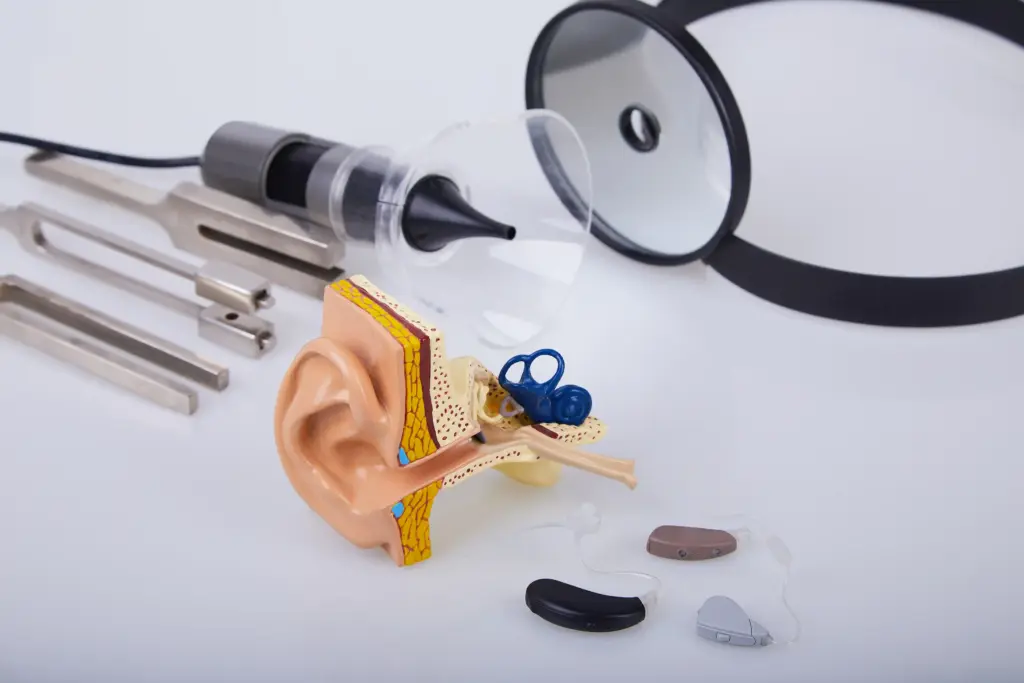
A Cochlear Implant is a small, electronic medical device that provides a sense of sound to a person who is profoundly deaf or severely hard-of-hearing.
We're Here to Help. Get in Touch.
Send us all your questions or requests, and our expert team will assist you.
Cochlear Implant: Overview and Definition
A Cochlear Implant is a small, complex electronic medical device designed to provide a sense of sound to individuals who are profoundly deaf or severely hard-of-hearing. Unlike hearing aids, which amplify sound, a cochlear implant bypasses damaged parts of the inner ear. It directly stimulates the hearing nerve, allowing the brain to process sound. The implant is considered a major advancement in medicine, offering life-changing sensory restoration.
What is a Cochlear Implant?
A cochlear implant consists of two main parts: an external sound processor worn behind the ear, and an internal receiver/stimulator surgically placed under the skin. The external part captures sound and converts it into digital signals. The internal part takes these signals and sends them as electrical pulses directly to the hearing nerve in the inner ear. This process allows the user to perceive sound.
The device works best for those whose deafness is due to damage to the tiny hair cells in the cochlea, a condition known as sensorineural hearing loss.
Cochlear Implant Definition
The term Cochlear Implant definition refers to the surgical placement of an electrode array into the inner ear (cochlea). The word “cochlear” refers to the spiral-shaped part of the inner ear where sound vibrations are usually converted into nerve signals. “Implant” signifies that a part of the device is permanently placed inside the body. It is an act of sensory system restoration.
This treatment is provided by a multidisciplinary medical specialty that includes otologists (ear surgeons), audiologists (hearing specialists), and speech-language pathologists.
Etymology and Purpose
The name comes from the Greek word “kokhlias,” meaning snail or screw, which describes the shape of the cochlea in the ear. The primary purpose of the implant is to restore functional hearing and speech understanding for those who receive little or no benefit from traditional hearing aids. In children, the implant’s purpose is especially vital: to allow them to develop speech and language skills.
Understanding Treatment Scope
Main Disease Categories Covered
The cochlear implant is the definitive treatment for severe to profound sensorineural hearing loss. This type of hearing loss is permanent and occurs when the hair cells in the cochlea are damaged or missing. The causes fall into several categories:
Congenital Hearing Loss: Deafness present at birth, often due to genetic factors or issues during pregnancy.
Acquired Hearing Loss: Hearing loss that occurs later in life, often due to:
Ototoxic Medications: Drugs that damage the inner ear.
Infections: Such as meningitis or mumps.
Age-Related Loss: Severe damage that cannot be managed by hearing aids.
Sudden Sensorineural Hearing Loss: Rapid and often unexplained loss of hearing.
Related Organ Systems
The primary systems involved in the Cochlear Implant procedure and function are the nervous system and the auditory system.
Auditory System (Ear): The implant’s electrode array is placed into the cochlea of the inner ear.
Nervous System (Brain): The electrical signals travel along the auditory nerve to the brain. The brain then learns to interpret these new electrical signals as sound and speech.
The specialist must have an intricate understanding of the delicate anatomy of the inner ear and the central nervous system pathways that govern hearing.
What the Implant Is NOT
It is important to have a clear understanding of what a cochlear implant can and cannot do.
It is NOT a cure for deafness. It is an electronic bypass that provides a sense of hearing through electrical stimulation, not a restoration of natural, biological hearing.
It is NOT a hearing aid. A hearing aid amplifies sound through the air into the ear canal, but an implant converts sound into electrical signals that directly stimulate the nerve.
It is NOT an immediate fix. Significant training and auditory therapy are required after surgery to learn how to understand the new electronic sounds.
30 Years of Excellence
Trusted Worldwide
With patients from across the globe, we bring over three decades of medical
Send us all your questions or requests, and our expert team will assist you.
Types of Cochlear Implant
The basic technology of the implant is standard, but the procedure has several subspecialty approaches related to who receives the implant and how it is placed. Types of Cochlear Implant generally refer to the method of implantation and candidacy.
Bilateral Implantation: Receiving implants in both ears, either simultaneously (at the same time) or sequentially (one after the other). This helps the user localize sound direction.
Hybrid Implantation (EAS): Used for people who have residual low-frequency hearing but severe high-frequency loss. The device combines a cochlear implant for high frequencies and a hearing aid for low frequencies.
Pediatric Implantation: This subspecialty focuses on implanting young children. Since language development relies heavily on hearing, early implantation is critical for achieving maximum speech outcomes.
Importance in Medicine
The cochlear implant is considered one of the most significant medical breakthroughs of the last century. It is a highly successful treatment that can profoundly affect a person’s ability to communicate, learn, and engage with the world. For children, early implantation is key to preventing delayed speech and language development, making it an essential tool in pediatric medicine. It is a critical component of sensory rehabilitation.
Multidisciplinary Care
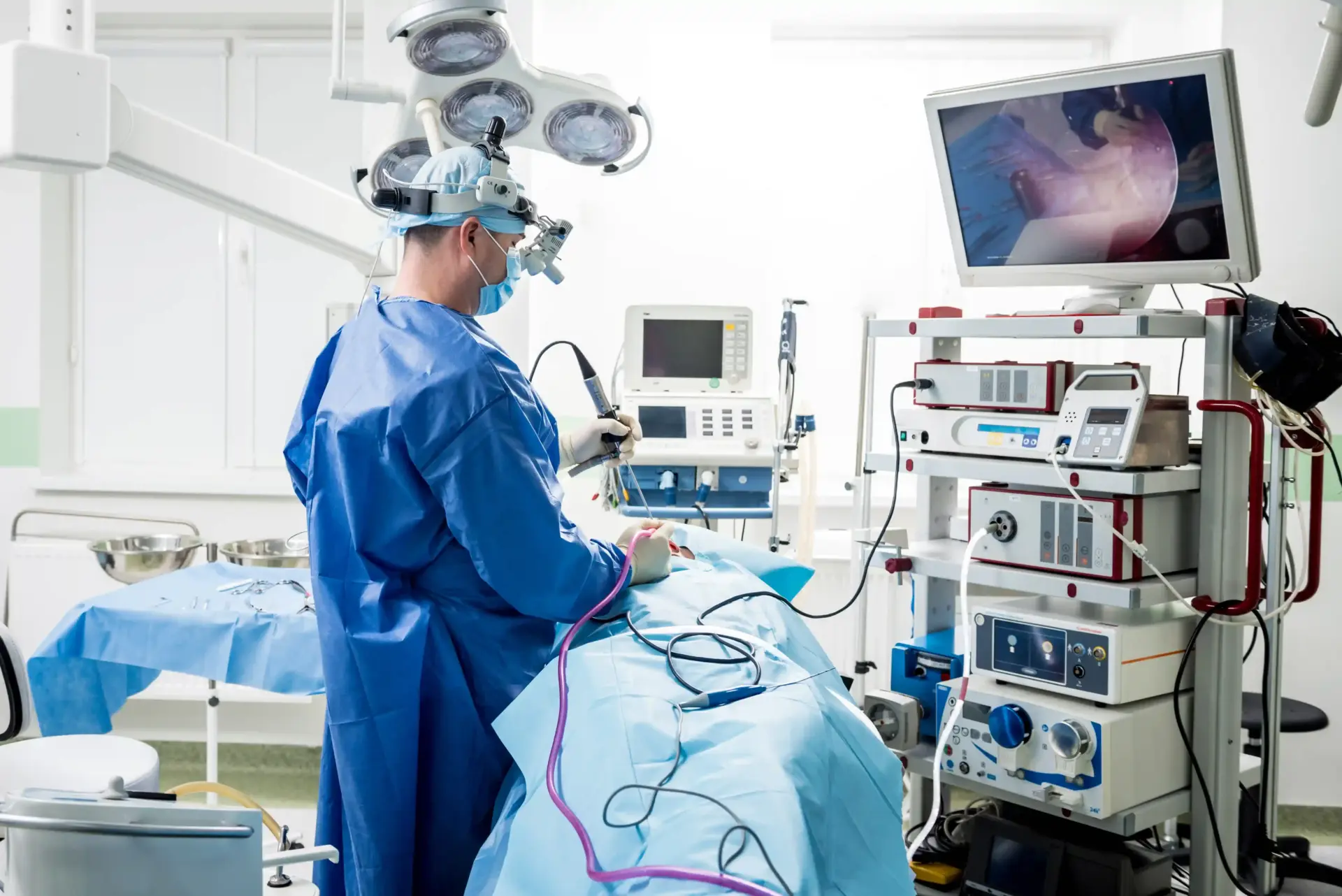
The entire process, from candidacy evaluation to surgery and long-term rehabilitation, requires a team approach. This includes the surgeon (Otologist) who places the implant, the Audiologist who “maps” and adjusts the external device, and the Speech Pathologist who provides the necessary auditory and language training.
When the Implant is Recommended
A cochlear implant is recommended when a person has severe to profound sensorineural hearing loss and traditional hearing aids provide little benefit. Candidates must be medically fit for surgery and have a commitment to the intensive rehabilitation required after the device is turned on. The decision to proceed is always made after comprehensive testing and counseling.
30 Years of Excellence
Trusted Worldwide
With patients from across the globe, we bring over three decades of medical
What is a Cochlear Implant and what does a specialist do?
A cochlear implant is an electronic device that sends sound signals directly to the hearing nerve, bypassing the damaged inner ear. A specialist (otologist) surgically places the internal part, and an audiologist programs the device to allow the brain to perceive sound.
What conditions does a Cochlear Implant treat?
It treats severe to profound sensorineural hearing loss, which is permanent deafness often caused by damage to the hair cells in the cochlea. This can be due to genetics, infections (like meningitis), or noise and age-related damage.
What are the main types of implants or procedures?
The main types include unilateral (one ear) or bilateral (both ears) implantation. There is also the Hybrid Implant, which combines an implant for high-frequency sounds and a hearing aid for existing low-frequency hearing.
When should I see a Cochlear Implant specialist?
You should see a specialist if you or your child has severe hearing loss and traditional hearing aids are no longer helpful. For children, seeing a specialist early is critical for language development.
What is the difference between a Cochlear Implant and a hearing aid?
A hearing aid makes a sound louder by amplifying it. A cochlear implant bypasses the damaged inner ear and converts sound into electrical signals to directly stimulate the hearing nerve.
Newborn failed hearing test 3 times? Discover common causes like fluid in the ear, not permanent hearing loss. Follow up with an audiologist to determine
Discover how to stop nasal congestion after eating with our expert guide on gustatory rhinitis, including common triggers and effective treatment options.
Is your nose running every time you eat? Gustatory rhinitis, a non-allergic condition, can cause this. Explore the reasons behind “nose drips when eating.”
Understand the reasons behind your tragus pain and how to address it. Our comprehensive guide covers the most common causes and effective management strategies.