Addison’s disease is a rare chronic condition where the adrenal glands fail to produce enough cortisol and aldosterone. Learn about its definition and scope.
Send us all your questions or requests, and our expert team will assist you.
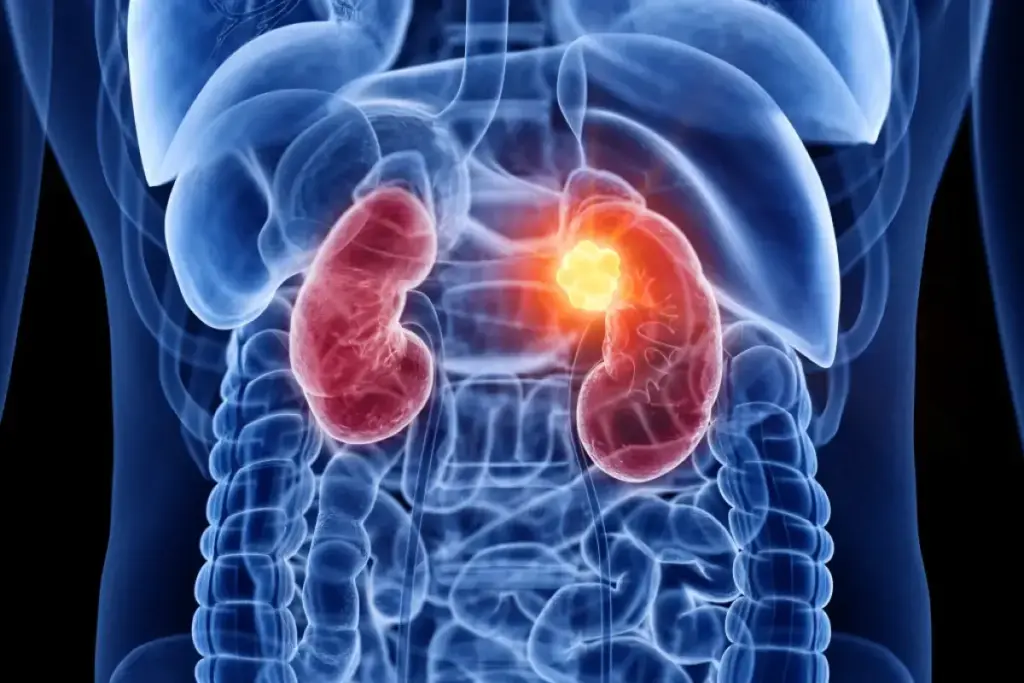
Addison’s disease, also known medically as primary adrenal insufficiency or hypocortisolism, is a rare and chronic endocrine disorder. It occurs when the adrenal glands, located just above the kidneys, are damaged and become unable to produce sufficient quantities of essential steroid hormones, specifically cortisol and aldosterone. These hormones are critical for regulating various bodily functions, including metabolism, blood pressure, and the body’s response to stress.


The term “Addison’s disease” is derived from Dr. Thomas Addison, a British physician who first described the condition in 1855. In his monograph On the Constitutional and Local Effects of Disease of the Supra-Renal Capsules, he detailed the clinical presentation of patients suffering from this adrenal failure. Because the condition originates directly from damage to the adrenal cortex (the outer layer of the gland), it is classified as a “primary” insufficiency, distinguishing it from hormonal deficits caused by pituitary gland failures.

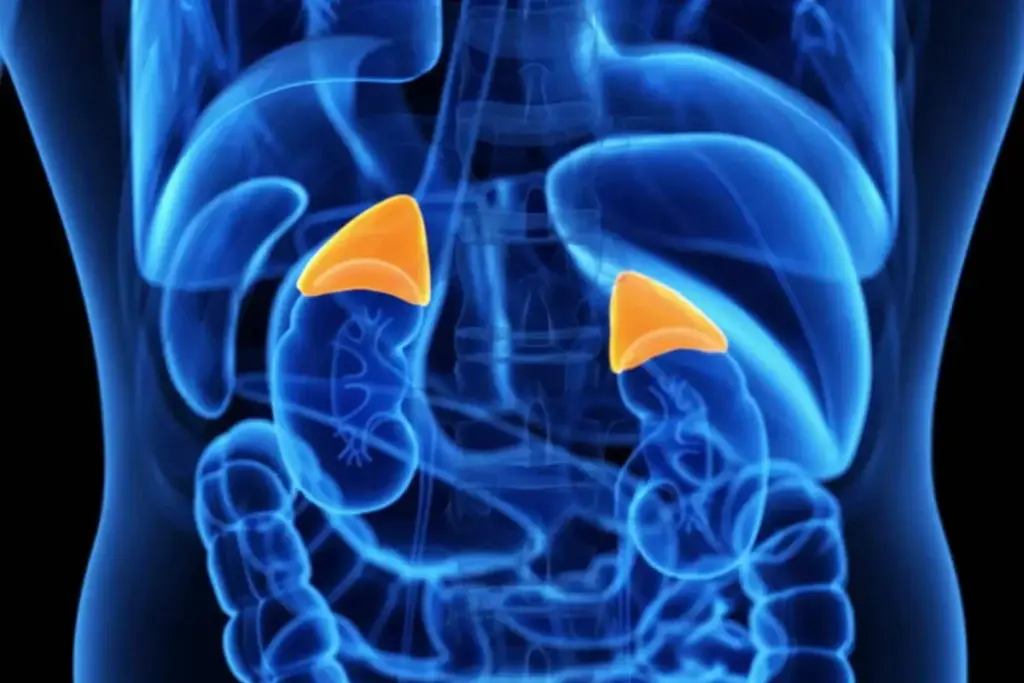
The scope of Addison’s disease extends beyond a simple hormonal imbalance; it is a systemic condition that affects multiple organ systems. Because cortisol receptors are present in almost every cell of the body, a deficiency impacts the cardiovascular system, the immune system, and metabolic processes. The condition requires lifelong management and hormone replacement therapy to maintain homeostasis.
It is crucial to distinguish Addison’s disease from other conditions that may present with similar fatigue or hormonal issues to ensure accurate diagnosis and treatment.

While Addison’s disease specifically refers to primary adrenal insufficiency, understanding the “types of adrenal insufficiency” is vital for placing the disease in its proper context. The condition is categorized based on where the failure in the signaling chain occurs.
Addison’s disease is an endocrine disorder, but its effects are not contained solely within the hormonal system. The disease heavily involves the Renal System (Kidneys). Because aldosterone regulates sodium and water retention, a lack of it causes the kidneys to excrete too much sodium and retain too much potassium. This directly impacts blood volume and hydration levels.
The Cardiovascular System is also intimately linked to the disease. Cortisol facilitates the responsiveness of blood vessels to catecholamines (like adrenaline). Without sufficient cortisol, blood vessels cannot constrict effectively, leading to chronic hypotension (low blood pressure) and orthostatic hypotension (dizziness upon standing).
Recognizing and understanding Addison’s disease is medically critical due to its “silent” onset and potential for fatality. The symptoms fatigue, weight loss, and muscle weakness are often vague and develop slowly, mimicking other common illnesses. This often leads to delayed diagnosis.

Send us all your questions or requests, and our expert team will assist you.
Addison’s disease is a condition where the adrenal glands fail to produce enough cortisol and aldosterone. An endocrinologist diagnoses the condition through blood tests and stimulation tests, prescribes hormone replacement therapy, and monitors the patient’s hormone levels to prevent crises.
Treatment covers the management of Primary Adrenal Insufficiency. This involves replacing the missing hormones (hydrocortisone for cortisol and fludrocortisone for aldosterone) to resolve symptoms like fatigue, low blood pressure, and electrolyte imbalances.
The main types are Primary Adrenal Insufficiency (Addison’s disease), which involves damage to the glands; Secondary Adrenal Insufficiency, caused by pituitary gland issues; and Tertiary Adrenal Insufficiency, caused by hypothalamic issues.
You should see a specialist if you experience unexplained weight loss, chronic fatigue, darkening of the skin (hyperpigmentation), salt cravings, or persistent low blood pressure. Immediate medical attention is needed if you experience severe abdominal pain, vomiting, or confusion.
The primary difference is cortisol levels. Addison’s disease is caused by a deficiency of cortisol (hypocortisolism), leading to weight loss and low blood pressure. Cushing’s syndrome is caused by an excess of cortisol (hypercortisolism), leading to weight gain, a rounded face, and high blood pressure.


Leave your phone number and our medical team will call you back to discuss your healthcare needs and answer all your questions.
Your Comparison List (you must select at least 2 packages)