Recent breakthroughs in regenerative medicine have sparked debate. People are now wondering if exosome therapy is better than traditional stem cell therapy. It turns out, exosomes can help cells grow back without needing actual stem cells. This has made researchers look closer at exosome-based treatments.
Studying exosomes and stem cells is now key. Research shows exosomes might have special benefits in some treatments. As we learn more, knowing how these two differ is vital for improving regenerative medicine.
Key Takeaways
- Exosomes may offer advantages over stem cells in specific therapeutic contexts.
- Regenerative medicine is increasingly focusing on exosome-based therapies.
- The efficacy of exosome therapy versus stem cell therapy is a growing research area.
- Exosomes can induce cellular regeneration without the need for stem cells.
- Understanding the differences between exosomes and stem cells is essential for advancing regenerative medicine.
Understanding Stem Cells: The Building Blocks of Regeneration
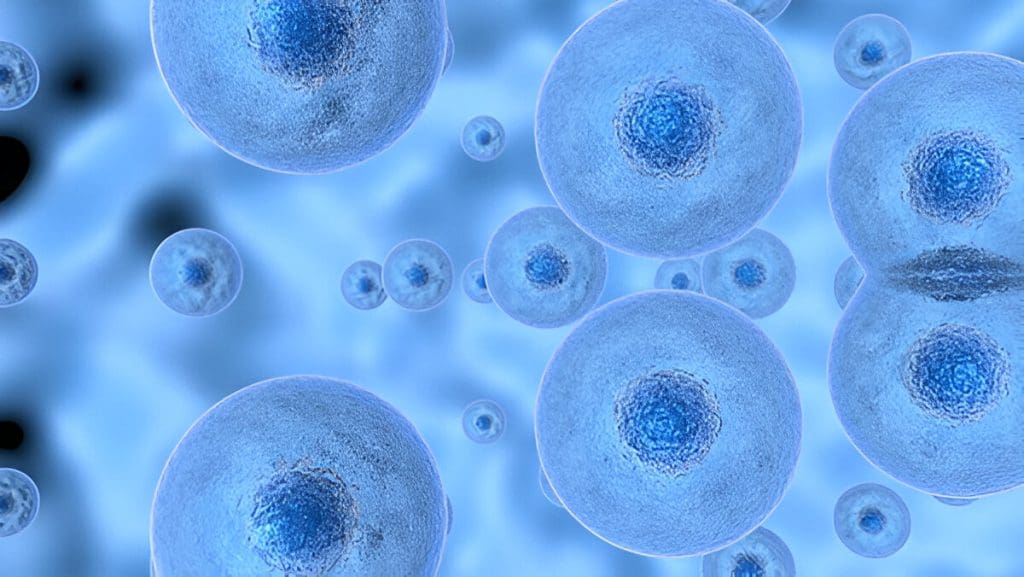
Stem cells are key in creating new cells for healing. They can turn into many types of cells. This makes them very important for medical research and treatments.
Types of Stem Cells and Their Properties
There are mainly two kinds of stem cells: embryonic and adult. Embryonic stem cells come from embryos and can become any cell in the body. Adult stem cells, or somatic stem cells, are in adult tissues. They mostly turn into cells related to their tissue.
“Stem cells hold tremendous promise for medical treatments. Their study has also helped us understand human development and disease,” say experts.
How Stem Cells Function in the Body
Stem cells are vital for the body’s repair. They go to injured or sick areas to help heal. This healing process involves complex signals that tell stem cells to grow and change into different cells.
- Self-renewal: The ability of stem cells to maintain their population.
- Differentiation: The process by which stem cells become specialized cells.
- Migration: Stem cells can move to specific sites within the body where they are needed.
The History of Stem Cell Research
The journey of stem cell research has seen big steps forward. It started with finding stem cells and has grown to include new treatments. The first time embryonic stem cells were isolated was a major breakthrough.
Stem cell research has had its hurdles, like debates over using embryonic stem cells. But the hope of helping people has kept scientists working hard to learn more about stem cells.
Introduction to Exosomes: The Cell’s Messengers
Exosomes are small, extracellular vesicles that are changing how we see cell-to-cell communication. They are tiny, ranging from 30 to 150 nanometers in size. Almost every cell type makes them, and they are key to cell talk.
What Are Exosomes?
Exosomes come from the endosomal pathway. They carry proteins, lipids, and RNA. This lets them talk to other cells outside the cell.
What’s inside exosomes changes based on the cell that made them. This means exosomes can help with many things, from keeping us healthy to fighting diseases.
How Exosomes Are Produced
Making exosomes starts with endosomal membranes folding inward. This creates small vesicles inside multivesicular bodies (MVBs). When MVBs burst, these vesicles become exosomes in the outside world.
This whole process is controlled by proteins and other factors. It shows how exosomes can change based on what the cell needs.
The Role of Exosomes in Cellular Communication
Exosomes are important for cell-to-cell communication. They carry messages that can change how cells work. They can help with healing, fight off infections, and even slow down disease growth.
Because exosomes can find and talk to specific cells, they’re being looked at for new treatments. They might help in fixing damaged tissues, fighting cancer, and more.
Exosomes vs Stem Cells: A Comparative Look
Research on exosomes and stem cells is growing. It’s important to compare them to understand their uses. We’ll look at their size, structure, how they work, safety, and what they can do to help us.
Size and Structure Differences
Exosomes and stem cells are very different in size and shape. Exosomes are tiny, between 30 to 150 nanometers, while stem cells are much bigger. Exosomes come from cells and carry proteins, lipids, and nucleic acids.
Stem cells, on the other hand, are undifferentiated cells that have the ability to differentiate into specialized cells and can self-renew. Their unique shapes and sizes show why they work differently in medicine.
Functional Mechanisms
Exosomes and stem cells work in unique ways. Exosomes send messages between cells by carrying their cargo. They help with many body functions by sending signals.
Stem cells work by becoming different types of cells and by releasing factors. They help fix tissues and start healing by differentiating and releasing helpful substances.
Safety Profiles
When thinking about using exosomes and stem cells for treatment, safety is key. Exosomes are safer because they’re not cells. “Exosomes offer a potentially safer alternative to stem cell therapy, with fewer risks associated with their use.”
Stem cells are promising but carry risks like growing tumors or becoming the wrong type of cell. Their safety depends on where they come from and how they’re prepared.
Therapeutic Potentials
Both exosomes and stem cells could help treat many diseases. Exosomes might fix tissues, control the immune system, and carry drugs. They’re also good for the brain because they can get past the blood-brain barrier.
Stem cells are being studied for many uses in medicine. They can help with heart problems, bone issues, and more. Their ability to grow and change into different cells makes them very useful.
“The therapeutic potentials of exosomes and stem cells are vast, with ongoing research aimed at unlocking their full capabilities for the treatment of various diseases.”
In summary, exosomes and stem cells are both promising but different. Knowing their differences helps us use them better in medicine.
The Therapeutic Potential of Stem Cells
Stem cells are key in regenerative medicine, opening new doors for treating many diseases. They can fix or grow back damaged tissues. This offers hope for conditions that were hard to treat before.
Current Stem Cell Treatments
Stem cell therapy is used for osteoarthritis and cardiovascular disease. It uses stem cells to fix or replace damaged tissues. The goal is to improve function and lessen symptoms.
Success Rates and Outcomes
The success of stem cell therapy varies. It depends on the condition and the patient’s health. Some patients see big improvements, while others may not.
What affects outcomes includes the condition’s severity, the patient’s health, and the stem cell therapy type.
Limitations of Stem Cell Therapy
Stem cell therapy has its challenges. It needs more evidence from clinical trials. There are also worries about long-term safety and high costs.
Not all patients can get stem cell therapy. Choosing the right patients is very important.
Patient Selection Criteria
Choosing the right patients is key for stem cell therapy success. Doctors look at the condition’s severity, the patient’s health, and past treatments. A detailed check is needed to see if a patient will benefit.
Exosomes Benefits: Why They Might Surpass Stem Cells
Research shows exosomes are becoming a top choice over stem cells. They offer many benefits, making them a key area in regenerative medicine.
Advantages of Exosome-Based Treatments
Exosome treatments have several benefits. They help cells grow back without the risks of stem cell therapy. Key advantages include:
- Reduced Risk of Tumor Formation: Unlike stem cells, exosomes don’t risk turning into tumors, making them safer.
- Lower Immunogenicity: Exosomes are less likely to cause an immune reaction, lowering the chance of rejection.
- Easier to Manufacture and Store: Exosomes are simpler to make and store than stem cells, making them more accessible for treatment.
Reduced Immunogenicity
Exosomes have a big benefit: they’re less likely to trigger an immune response. This makes them a more flexible treatment for many patients.
Easier Storage and Administration
Exosomes are easier to store and give to patients than stem cells. This makes exosome therapy more practical for widespread use.
Crossing the Blood-Brain Barrier
Exosomes can get past the blood-brain barrier, a big challenge for many treatments. This opens new doors for treating brain diseases.
Exosomes might be better than stem cells in some treatments. As research goes on, exosomes show great promise for regenerative medicine.
The Science Behind Exosome Therapy
Exosome therapy is a new way in regenerative medicine. It uses the body’s own cells to talk to each other. This method uses exosomes to send special messages to damaged areas, helping them heal.
How Exosomes Deliver Therapeutic Cargo
Exosomes carry proteins, RNA, and other important molecules. They can be made to carry specific messages for certain cells. This is done by changing their surface to match the cells they need to reach.
Targeting Specific Tissues and Conditions
Exosome therapy can focus on specific areas or diseases. Scientists are working on making exosomes target certain cells or tissues. This makes the treatment more effective and safer.
- Targeting cancer cells with drug-loaded exosomes
- Delivering regenerative signals to damaged heart tissue
- Modulating the immune response in autoimmune diseases
Current Research Breakthroughs
Recent studies have shown great promise in exosome therapy. For example, stem cell exosomes can help heal damaged tissues in animal studies. Human trials are also starting to see how safe and effective it is.
Key research areas include:
- Exosome isolation and purification techniques
- Engineering exosomes for targeted therapy
- Scaling up exosome production for clinical use
Exosome Engineering Techniques
Exosome engineering is getting better fast. It involves changing exosomes to make them better at healing. This includes adding specific messages, changing their surface, and making them last longer in the body.
As research keeps improving, exosome therapy is set to be a big part of regenerative medicine. It offers new hope for treating many diseases and conditions.
Clinical Applications: Where Exosomes Outperform Stem Cells
Exosomes are being studied in many medical fields. They often do better than stem cells. This is because exosomes are smaller and more flexible, making them useful in different treatments.
Neurological Disorders
Exosomes might help with neurological problems. They can get past the blood-brain barrier, something stem cells struggle with. Scientists are looking into their use for Alzheimer’s, Parkinson’s, and stroke.
Cardiovascular Diseases
Exosomes could help with heart problems. They help fix heart damage and grow new blood vessels. This might make them a better choice than stem cells for some heart issues.
Inflammatory Conditions
Exosomes have anti-inflammatory effects. They could be used to treat inflammation. This might be safer and more targeted than stem cell therapy for conditions like arthritis.
Aesthetic and Anti-Aging Treatments
Exosomes might also help with aging and skin health. They can help cells grow and improve skin health. This could be a safer and more effective option than stem cell treatments for beauty.
As scientists learn more about exosomes, they see great promise. They might be even better than stem cells in many areas of medicine.
Challenges in Exosome Research and Development
Exosomes have great promise but face many hurdles in research and development. We must overcome these challenges to fully use their healing power.
Isolation and Purification Issues
Getting exosomes out of cells is a big problem. Current methods like ultracentrifugation and density gradient centrifugation have their limits. Improving isolation techniques is key to getting high-quality exosomes for research and treatments.
New ways to isolate exosomes are being researched. Methods like size exclusion chromatography and immunoaffinity capture aim to improve purity and yield.
Standardization Problems
Standardizing exosome research is another big challenge. Without common protocols, comparing results is hard. Establishing standardized protocols is vital for reliable research.
Work is underway to create guidelines and standards for exosome research. This includes making reference materials and setting best practices for handling and analyzing exosomes.
Regulatory Hurdles
Exosome therapies are seen as biological products by agencies like the FDA. Navigating the regulatory landscape requires understanding the rules for approval.
The rules for exosome therapies are changing. Agencies are making guidelines to help develop these treatments. Following these rules is essential for bringing exosome research to patients.
Scaling Production for Clinical Use
Scaling up exosome production for use in clinics is a big challenge. Moving from small research batches to large-scale manufacturing needs significant investments in technology and infrastructure. Finding ways to produce exosomes on a large scale and affordably is critical.
New technologies in bioprocessing and manufacturing are being explored. This includes developing bioreactors and other tools for commercial-scale exosome production.
The Future of Exosome-Based Therapies
Exosome-based therapies are set to change regenerative medicine. Thanks to emerging technologies, they’re getting better and more accessible.
Emerging Technologies
Nanotechnology is helping make exosomes better for use in medicine. It improves how we get and clean exosomes. Also, bioengineering is making exosomes with special healing powers.
Artificial intelligence (AI) and machine learning are changing how we use exosomes. They help us understand and improve exosome therapy.
Personalized Exosome Treatments
Exosome therapies are getting more personal. They’re being made just for each patient. This means treatments are more effective and safe.
These treatments could help with many diseases, like neurological disorders and cardiovascular diseases. They’re being tested in clinical trials.
Combination Approaches with Other Therapies
Exosome therapies are being used with other treatments too. Scientists are studying how exosomes work with stem cell therapies, gene therapy, and traditional pharmaceuticals. This could lead to even better treatments for complex diseases.
Predicted Timeline for Mainstream Adoption
It’s hard to say when exosome therapies will be widely used. But, progress is steady. Soon, they’ll be more accepted, thanks to ongoing research and solving big challenges.
The future of exosome-based therapies is bright. They could change regenerative medicine for the better.
Stem Cell Treatment: Current Status and Limitations
Stem cell therapy has a lot of promise but faces many challenges. These include ethical and technical hurdles. It’s important for both doctors and patients to understand these issues as the field grows.
FDA-Approved Stem Cell Therapies
The FDA has only approved a few stem cell treatments for certain conditions. For example, stem cell transplants are used for some blood disorders. But, there are many more areas being studied than approved treatments.
Current approvals include treatments for:
- Blood-related disorders
- Certain types of cancers
- Specific autoimmune diseases
Ethical Considerations
Stem cell research and therapy spark ethical debates. The use of embryonic stem cells is a big concern because it involves destroying embryos. This has led to a focus on using induced pluripotent stem cells (iPSCs) or adult stem cells, which are seen as more ethical.
“The ethical landscape surrounding stem cell research is complex and varies significantly by country, influencing the global development of stem cell therapies.”
Technical Challenges
Stem cell therapy has made progress but faces technical hurdles. These include keeping stem cells alive and pure, making them into the right cell types, and scaling up production.
Key technical challenges involve:
- Optimizing cell culture conditions
- Improving cell delivery methods
- Enhancing engraftment and survival of transplanted cells
Long-term Safety Concerns
Long-term safety is a big concern with stem cell therapy. There are worries about tumors, cells turning into the wrong types, and how well they work over time. More research and monitoring are needed to address these risks.
Strategies to address safety concerns include:
- Robust preclinical testing
- Careful patient selection
- Long-term follow-up studies
When to Choose Exosomes Over Stem Cells
Choosing between exosomes and stem cells depends on the medical condition and patient needs. It’s about the condition, the patient’s health, and practical things like cost and access. These factors help decide which treatment is best.
Medical Conditions Best Suited for Exosomes
Exosomes are great for treating some medical conditions. They can get into the brain, which is good for neurological disorders like Alzheimer’s and Parkinson’s. They’re also being looked at for cardiovascular diseases and inflammatory conditions because they help heal and reduce inflammation.
Patient Factors to Consider
When choosing between exosomes and stem cells, patient factors are key. These include the patient’s health, how severe their condition is, and their immune response. For example, people with autoimmune disorders might do better with exosomes because they’re less likely to trigger an immune reaction. The patient’s age and health also affect how well the treatment works.
Cost and Accessibility Comparison
The cost and how easy it is to get exosome therapy are important. Right now, exosome treatments are cheaper and easier to get than stem cell therapy. But, as both options get better, their prices and availability might change.
Physician Perspectives on Treatment Selection
Doctors are very important in choosing between exosomes and stem cells. They use their knowledge to pick the best treatment for each patient. They look at the latest research and what each patient needs to make the right choice.
The Synergistic Effect: Exosomes and Stem Cells Together
Using exosomes and stem cells together might change how we treat diseases. This idea is getting a lot of attention in regenerative medicine.
Research on Combined Approaches
Studies are now looking into mixing exosomes with stem cell therapy. This mix aims to use the best of both to improve treatment results.
- Enhanced cellular communication: Exosomes help stem cells talk better to other cells, making therapy more effective.
- Improved stem cell survival: Exosomes might make it easier for stem cells to survive and work well in the body.
- Targeted therapy: Mixing exosomes and stem cells could lead to more precise treatments.
Enhanced Therapeutic Effects
Using exosomes with stem cells seems to improve treatment results for many health issues. The main benefits are:
- Increased efficacy: This mix might make treatments work better.
- Reduced side effects: It could mean fewer bad reactions because you might need less stem cells.
- Broader applications: It could help treat more conditions with regenerative medicine.
Future Directions for Integrated Therapies
As research grows, new paths are being explored for exosomes and stem cells together:
- Creating standard ways to mix exosomes with stem cell therapy.
- Finding the best mix of exosomes and stem cells for different treatments.
- Looking into making treatments more personal with exosomes and stem cells.
Case Studies of Combination Treatments
Some studies show the power of mixing exosomes and stem cells in real-world treatments. For example:
“A recent study found that patients who got both exosomes and stem cells did much better in tissue repair than those who just got stem cells.”
These results are exciting for the future of using both in regenerative medicine.
Conclusion: The Evolving Landscape of Regenerative Medicine
The field of regenerative medicine is growing fast. and stem cells are at the forefront of this growth. They show great promise in treating many diseases, from brain disorders to heart issues.
Exosomes and stem cells have different benefits. Exosomes are seen as a good alternative to stem cells. They are less likely to cause immune reactions and are easier to store.
Research is making progress in understanding exosomes and stem cells. This could lead to new ways to treat diseases. Using these therapies together or in personalized treatments could change how we manage health.
As exosome engineering and stem cell research advance, regenerative medicine will see new breakthroughs. These advancements will likely improve patient care and change the medical field.
FAQ
How do physician perspectives influence the choice between exosomes and stem cells for treatment?
Doctors’ views are very important in choosing treatments. They consider the patient’s condition, goals, and other factors. They need to keep up with new research to make the best choices.
Are there any FDA-approved exosome therapies available?
No FDA-approved exosome therapies exist yet. But, many are in clinical trials, and some have FDA’s investigational status.
What is the predicted timeline for the mainstream adoption of exosome-based therapies?
When exosome therapies will become common depends on research progress, regulatory approvals, and standardization. While it’s hard to say exactly when, big steps are expected soon.
How do exosomes compare to stem cells in terms of safety profiles?
Exosomes are safer than stem cells because they don’t cause immune reactions or grow into the wrong cells. But, more research is needed to fully understand their safety.
What medical conditions are best suited for exosome-based therapies?
Exosomes could help with many diseases, like brain disorders, heart problems, and inflammation. They might also be good for beauty and anti-aging treatments. The best use will depend on the disease and treatment goals.
Can exosomes and stem cells be used in combination for therapeutic purposes?
Yes, using exosomes and stem cells together might be even better. It could lead to better treatments and outcomes. Scientists are studying this combination to learn more.
What are the current challenges facing exosome research and development?
There are many hurdles in exosome research, like finding and purifying them. There are also issues with standardizing them and getting them approved by regulators. Overcoming these challenges is key to using exosomes in medicine.
How do exosomes deliver therapeutic cargo and target specific tissues?
Exosomes carry important molecules to specific places in the body. They do this by attaching to cells or fusing with them. This targeted approach makes them more effective and safer.
What are the benefits of exosome-based therapies compared to stem cell therapy?
Exosome therapies are better because they don’t trigger immune reactions. They are easy to store and use. They can even reach the brain, making them great for brain diseases.
What are exosomes and how do they differ from stem cells?
Exosomes are tiny particles that help cells talk to each other. They come from stem cells or other cells. They are seen as a safer, more precise way to treat diseases than stem cells.