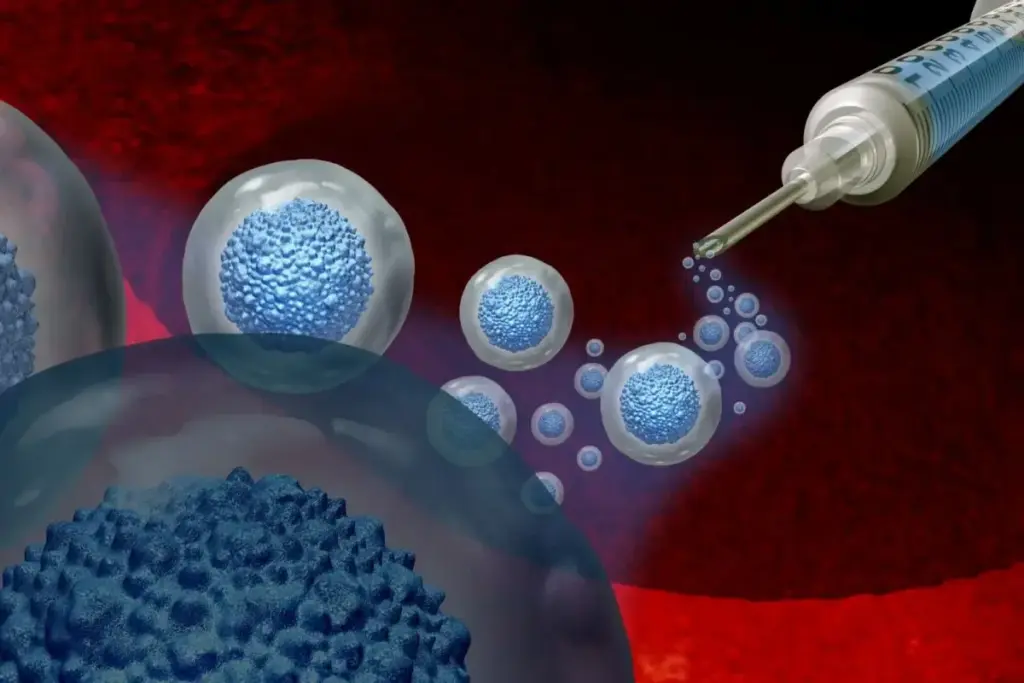
The FDA’s careful view on stem cell therapy has caused a lot of talk in the medical world. Regenerative medicineseems to offer hope for many health issues. But the FDA’s strict rules are to keep patients safe and make sure treatments work.
Stem cell therapies could change medicine a lot. But the FDA has only okayed a few stem cell products. These are mostly for blood and immune system problems. This shows the FDA’s focus on solid testing and proven treatments.
The FDA’s rules on stem cell therapy and exosomes are to protect patients. As regenerative medicine grows, we need to find a balance. We must ensure that new treatments are safe and effective.
Key Takeaways
- The FDA’s strict regulations on stem cell therapy prioritize patient safety.
- Limited FDA-approved stem cell products are available, mainly for blood and immunological disorders.
- Rigorous testing and evidence-based medicine are key for new stem cell therapy approval.
- The FDA’s cautious approach aims to protect patients from unproven treatments.
- Advancements in regenerative medicine need a balance between innovation and caution.
The Current Landscape of Stem Cell Therapy in the United States

The field of stem cell therapy in the U.S. is growing fast. We see more than 1,000 stem cell clinical trials underway. This shows the big promise of stem cell therapy for many health issues.
State of Regenerative Medicine in 2025
By 2025, regenerative medicine is set for a big leap forward. Stem cell therapy is leading the way. Scientists are finding new ways to use stem cells to fix damaged tissues.
Regenerative medicine has made big steps forward. Exosome research is showing how these tiny particles help cells talk to each other and fix tissues. As we learn more about exosomes, we might find new ways to treat diseases.
The Gap Between Scientific Progress and Regulatory Approval
Even with fast research, there’s a big gap to get treatments approved. The FDA has strict rules to make sure treatments are safe and work well. But getting approval can take a long time, making patients and doctors frustrated.
There are only a few FDA-approved stem cell products, even with many trials. This shows we need more research and teamwork to get treatments to patients faster. For more on stem cell therapy in the U.S., check out .
|
Category |
Ongoing Clinical Trials |
FDA-Approved Products |
|---|---|---|
|
Stem Cell Therapies |
Over 1,000 |
Limited |
|
Exosome Research |
Growing |
Few |
“The future of regenerative medicine lies in its ability to harness the power of stem cells and exosomes to repair and regenerate damaged tissues. As researchers, we must continue to push the boundaries of what is possible while ensuring the safety and efficacy of our treatments.”
—Regenerative Medicine Expert
FDA’s Stance on Stem Cell Therapies: Caution Over Enthuasiasm

The FDA is very careful with stem cell therapies because they care about patient safety. It’s important to know why the FDA is cautious and what they look for in new treatments.
The FDA’s Primary Concerns About Patient Safety
The FDA worries about the risks of stem cell therapies. They fear tumor formation, uncontrolled growth, and immune reactions. To avoid these risks, the FDA demands strict testing before approving treatments.
Stem cell therapy is a fast-growing field with new methods coming up all the time. But the FDA’s focus on safety means they carefully check each new treatment.
Evidence Requirements for Regulatory Approval
The FDA needs strong evidence for stem cell therapy approval. This evidence comes from Phase I-III clinical trials. These trials check if the therapy is safe and works well.
To show what the FDA looks for, let’s look at the data needed for approval:
|
Clinical Trial Phase |
Primary Objective |
Key Outcomes |
|---|---|---|
|
Phase I |
Safety and tolerability |
Adverse event rates, dose limiting toxicities |
|
Phase II |
Efficacy and optimal dosing |
Efficacy endpoints, optimal dose identification |
|
Phase III |
Confirm efficacy and safety in larger populations |
Confirmation of efficacy, long-term safety data |
By asking for solid evidence, the FDA makes sure stem cell therapies are safe and effective. As we explore this field, we must balance innovation with careful testing and evaluation.
FDA-Approved Stem Cell Products: The Short List
The list of FDA-approved stem cell products is surprisingly short. Despite growing interest and investment, the FDA has been cautious. It mainly focuses on treatments for specific blood and immunological disorders.
Blood and Immunological Disorder Treatments
The majority of FDA-approved stem cell products treat blood-related cancers and disorders. These include leukemia and lymphoma. The treatments use hematopoietic stem cell transplantation.
This method replaces damaged or diseased cells in the bone marrow. It has been effective in treating various immunological disorders. It rebuilds the patient’s immune system.
Some examples of FDA-approved products include:
- Hematopoietic stem cells for transplantation in patients with certain blood cancers.
- Stem cell-based products for the treatment of graft-versus-host disease.
Why So Few Approvals Despite Numerous Applications
The FDA’s strict safety and efficacy standards are key reasons for the low number of approvals. Many stem cell therapies are experimental. The FDA demands rigorous clinical trials to prove their safety and effectiveness before approval.
A recent report on the cell approvals and trials shows many applications pending. The approval process is lengthy and challenging.
The limited number of approvals shows the need for more research and development in regenerative medicine. As our understanding of stem cell biology grows, we can expect more innovative therapies. These may be approved by the FDA in the future.
Understanding Exosomes: The Frontier of Regenerative Medicine
Regenerative medicine is changing with exosome therapy. This new method uses tiny vesicles called exosomes to heal and grow new tissue. Unlike old stem cell treatments, exosomes might help fix damaged tissues, heal wounds, and treat diseases.
What Are Exosomes and How Do They Function?
Exosomes are small, membrane-bound vesicles from cells found in body fluids. They carry proteins, lipids, and genetic material from their parent cells. This makes them key in cell-to-cell communication and affects many body processes.
“Exosomes can greatly change how cells behave,” studies say. They can affect inflammation, immune responses, and tissue growth. Their ability to send specific signals makes them great for treatments.
Exosome Signaling and Cellular Communication
Exosome signaling is complex. It involves donor cells releasing exosomes, which are then taken up by recipient cells. This transfer can change how recipient cells act. Exosomes can carry proteins, lipids, and genetic material to influence cell growth, differentiation, and survival.
The type of signaling exosomes send depends on their cargo and surface proteins. This allows them to target specific cells or tissues. This makes them useful for targeted treatments.
Therapeutic Potentials of Exosome Treatments
Exosomes have huge therapeutic potentials in regenerative medicine, cancer therapy, and immune system modulation. They can repair damaged tissues, aid in wound healing, and adjust the immune system. Their ability to be engineered for specific uses makes them a hot area of research.
As we learn more about exosome therapy, we’ll see big steps forward in regenerative medicine. Exosomes can help cells talk to each other and fix tissues. They are a promising area for new and effective treatments.
The Regulatory Framework for Stem Cell Products
It’s key to know the FDA’s rules for stem cell products in regenerative medicine. The FDA has clear guidelines for how these products are made, processed, and approved for use.
Classification Under FDA Guidelines
The FDA sorts stem cell products by how much they’re changed and what they’re for. Products that are more than “minimally manipulated” face tighter rules, needing approval before they can be used.
When classifying, the FDA looks at how the cells are made, their purpose, and if they come from the patient or a donor. This careful approach helps the FDA oversee each product’s risks and benefits.
The “Minimally Manipulated” Exception and Its Limitations
The FDA’s “minimal manipulation” rule is a big deal. Products seen as minimally manipulated might not need approval before use. But, there are rules for this exception, like the cells must work the same way in the patient as they did in the donor.
This rule affects doctors and scientists a lot. It lets some stem cell products be used without full approval, but with strict rules. For example, changing or growing the cells too much means they need stricter checks.
As regenerative medicine grows, following the FDA’s rules is vital for safe, effective treatments. By understanding classification and the “minimally manipulated” rule, developers can make sure their products are up to standard.
The Clinical Trial Pathway: Phases I-III for Stem Cell Therapies
Researchers face many challenges as they guide stem cell therapies through Phases I-III clinical trials. The process is tough, with several phases that check both safety and how well the therapy works. We’ll look at the clinical trial pathway, covering safety testing and the challenges of showing how well it works.
Safety Testing Requirements and Protocols
Safety testing is key in the clinical trial pathway. For stem cell therapies, it checks for risks like bad reactions and tumor growth. Phase I clinical trials mainly focus on safety, with a small group to see if the therapy is safe and if there are any immediate side effects.
As we move to Phase II trials, we look at how well the therapy works, with more people involved. This phase tries to find the best dose and see if it treats the condition well. Randomized controlled trials are often used here to compare it with standard treatments or placebos.
Efficacy Demonstration Standards and Challenges
Showcasing how well a therapy works is a big challenge. Phase III trials involve even more people to confirm the therapy’s effectiveness and watch for side effects. These trials need strong statistical analysis to make sure the results are trustworthy and apply to many people.
One big challenge is that people can react differently to stem cell therapies. Things like where the stem cells come from, how they’re prepared, and how they’re given can affect how well they work. Researchers must design their trials carefully to account for these differences and show the therapy’s true benefits.
|
Clinical Trial Phase |
Primary Focus |
Number of Participants |
|---|---|---|
|
Phase I |
Safety and Tolerability |
Small (20-100) |
|
Phase II |
Efficacy and Optimal Dosage |
Medium (100-300) |
|
Phase III |
Confirm Efficacy and Monitor Side Effects |
Large (300-1000+) |
In conclusion, the journey of stem cell therapies through clinical trials is complex and demanding. By understanding the safety testing and the hurdles in showing how well it works, researchers can better guide this process. This brings new treatments to those who need them.
Safety Concerns Behind FDA Restrictions
The FDA is careful with stem cell therapy because of safety worries. These worries have come up during the therapy’s development. The FDA’s rules are meant to keep patients safe from the dangers of stem cell treatments.
Tumor Formation and Uncontrolled Growth Risks
One big worry is tumors and cells growing out of control. Stem cells can grow and change into different cell types. But, this can sometimes cause problems like tumors or cells growing where they shouldn’t.
There have been cases where stem cell injections caused the growth of extra tissue or teratomas. This is a big concern, mainly with therapies using pluripotent stem cells. These cells are more likely to grow uncontrollably.
“The risk of tumor formation is a significant concern in stem cell therapy, and it is critical that therapies are designed and tested to minimize this risk.”
Stem Cell Researcher
Immune Reaction Possibilities and Rejection
Another worry is immune reactions and rejection. When stem cells are put into a patient’s body, the immune system might see them as foreign. This can lead to inflammation, tissue damage, and serious problems.
The risk of immune rejection is higher when stem cells come from a donor. This is because there might be genetic differences between the donor and the patient.
|
Immune Reaction Type |
Description |
Potential Consequences |
|---|---|---|
|
Acute Rejection |
Immediate immune response against transplanted stem cells |
Inflammation, tissue damage |
|
Chronic Rejection |
Gradual immune response against transplanted stem cells |
Graft failure, long-term health issues |
Infection and Contamination Issues in Processing
There are also worries about infections and contamination. This is because stem cell therapies often involve working with cells outside the body. If not done right, there’s a chance of getting bacteria, viruses, or other harmful stuff.
This could lead to serious infections and even life-threatening problems. To avoid these risks, the FDA has strict rules for handling stem cell therapies. These rules help make sure cells are processed safely and without contamination.
To keep patients safe, the FDA has strict guidelines for stem cell therapy. These guidelines help ensure cells are handled safely. This reduces the chance of contamination or infection.
Current Status of Exosome Research and Clinical Applications
Recent studies have made big steps towards using exosomes in medicine. Exosomes, part of stem cell therapies, show promise for fixing damaged tissues. This change is significant in the medical field.
Exosome Isolation and Purification Techniques
Getting exosomes ready for use is key. Scientists use methods like ultracentrifugation, size exclusion chromatography, and immunoaffinity capture. Each method has its own strengths and weaknesses, depending on the need.
Ultracentrifugation is common but slow and can lead to contamination. Size exclusion chromatography is faster and purer. Researchers keep working on better ways to get exosomes, focusing on quality and quantity.
Exosome Injection Therapies: Regulatory Status
Exosome injections are being looked at for treating injuries and skin issues. But, the rules for these treatments vary. In the U.S., the FDA treats exosome products as biologicals, needing strict testing before approval.
There are few FDA-approved exosome treatments now. Many clinics offer them in trials or for research only. It’s important for patients to know the rules and the science behind these treatments.
Ongoing Clinical Trials Involving Exosomes
Many trials are testing exosome therapies for different diseases. These include heart issues and brain disorders. The findings from these trials will help shape the future of exosome treatments.
|
Condition |
Trial Phase |
Status |
|---|---|---|
|
Cardiovascular Disease |
II |
Ongoing |
|
Neurodegenerative Disorders |
I |
Recruiting |
|
Orthopedic Injuries |
III |
Completed |
As research grows, we’ll see more exosome treatments in trials. The results will show how safe and effective exosomes can be, guiding their use in medicine.
FDA Enforcement Actions Against Unproven Therapies
The FDA has been actively cracking down on unproven stem cell therapies. It has issued numerous warning letters to clinics.
Understanding the FDA’s actions is key to seeing their impact on the stem cell industry. The FDA has sent over 400 warning letters to clinics. These letters are for marketing unapproved or unproven therapies. This shows the FDA’s dedication to protecting patients from harmful treatments.
Warning Letters and Their Impact on the Industry
Warning letters are a major tool for the FDA. They inform clinics that they are breaking FDA rules. This often happens when they market unproven stem cell therapies without approval. These letters can lead to legal trouble, fines, and even the shutdown of clinics.
The FDA has targeted clinics for stem cell treatments for various conditions. This includes treatments for orthopedic and autoimmune diseases. Without enough evidence of safety and effectiveness, the FDA issues warning letters. This is to ensure clinics follow regulations and patients get safe treatments.
Case Studies of FDA Interventions and Shutdowns
The FDA doesn’t just send warning letters. They also shut down clinics that don’t follow the rules. A notable example is QC Kinetix. They faced legal action for their unapproved stem cell therapies.
These cases show the FDA’s commitment to enforcing rules and protecting patients. By looking at these examples, we understand the risks of not following FDA guidelines.
In summary, the FDA’s actions against unproven stem cell therapies are vital. They ensure patient safety and a compliant industry. Through warning letters and other measures, the FDA effectively regulates the stem cell market.
The Underground Stem Cell Market: Regulatory Evasion Tactics
The underground stem cell market is a big worry because it ignores FDA rules. This market is dangerous for patients because clinics don’t follow rules. They use tricks to avoid being checked.
How Clinics Circumvent FDA Regulations
Clinics use many ways to dodge FDA rules. One trick is to lower the dosage of stem cell treatments. This way, they try to stay out of trouble. Some clinics change their treatment plans to avoid being seen as unapproved.
The 20% Problem: Statistics on Non-Compliant Clinics
Studies show that up to 20% of U.S. stem cell clinics don’t follow FDA rules. This is a big problem because it puts patients at risk. For more on the challenges in the stem cell world, check out .
Here are some numbers and practices that show how clinics avoid rules. The number of clinics not following rules shows we need stronger rules and better education for patients.
Stem Cell Patches and Alternative Delivery Methods
Stem cell patches have opened a new area in regenerative medicine. They offer a different way than traditional injections. It’s important to know the rules and what manufacturers say.
Regulatory Status of Stem Cell Patches and StemRegen Products
Stem cell patches, like StemRegen, are seen as a gentle option instead of injections. But, their legal status is not the same for everyone. We must look at the proof they give and what the FDA says.
The FDA watches over stem cell products as biological goods. Some patches might be seen as cosmetics or supplements. But, if they say they can fix health issues, the FDA checks them. Makers must show they are safe and work well.
Lifewave X39 Patches: Claims, Evidence, and FDA Position
Lifewave X39 patches are another way to use stem cells. They say they help the body heal itself with light. We will check if these claims are true and what the FDA thinks.
Lifewave X39 patches are not okay with the FDA for treating diseases. They might say they help your health, but they can’t promise to cure or stop diseases. We should be careful and know the risks.
Exploring stem cell patches and other ways to use them is complex. We should trust good sources and talk to doctors before trying anything.
Patient Access and Medical Tourism for Stem Cell Treatments
The demand for stem cell treatments is growing fast. This has made getting these treatments a big challenge. Patients face many hurdles in accessing them.
Domestic Access Challenges and Insurance Coverage
In the United States, getting stem cell treatments is tough. Many treatments are not covered by insurance. This means patients have to pay a lot of money.
Insurance coverage is key for patients. Some FDA-approved treatments might be covered. But, many are not. This makes it hard for patients who could really benefit.
International Options and Associated Risks
Some patients go abroad for stem cell treatments because of high costs at home. Countries with less strict rules might offer cheaper treatments. But, there are big risks involved.
Medical tourism for stem cell treatments can be risky. Patients might face untested treatments and poor care. It’s important to do thorough research before choosing a clinic.
Patients should talk to their doctors and look for reliable information. We suggest they weigh the pros and cons of stem cell treatments. This is true whether they get them at home or abroad.
Understanding the challenges of getting stem cell treatments helps us support patients better. We can help them make informed choices about their health.
Conclusion: Navigating the Complex Landscape of Stem Cell Therapy Regulation
The FDA’s careful steps in stem cell therapy show their dedication to keeping patients safe. The rules around stem cell products are complex. They focus on making sure there’s solid evidence before they’re approved.
Regenerative medicine, like exosome treatments, looks very promising for healthcare’s future. But, the journey to make them widely available is full of obstacles. We face challenges like getting through clinical trials and dealing with untested treatments. We need to find a balance between pushing for new discoveries and keeping patients safe.
The FDA’s rules on stem cell therapies remind us that safety always comes first. As research moves forward, we’ll learn more about the good and bad sides of these treatments. By focusing on thorough science and strict rules, we can make the most of stem cell therapy. And we’ll do it while making sure those who need these treatments are protected.
FAQ
What is the FDA’s stance on stem cell therapy?
The FDA is careful with stem cell therapies. They focus on keeping patients safe. They need strong evidence from tests and trials.
What are exosomes and how do they function?
Exosomes are tiny particles that help cells talk to each other. They help fix tissues and heal wounds. This makes them important in medicine.
Are there any FDA-approved stem cell products?
Yes, the FDA has approved some stem cell products. They are mainly for blood and immune system issues. But, getting approval is hard because of strict rules.
What are the risks associated with unproven stem cell therapies?
Unproven stem cell treatments can cause tumors, immune problems, and infections. The FDA is working to stop these risks. They send warning letters and shut down clinics that don’t follow rules.
What is the regulatory status of exosome injection therapies?
Exosome injections must follow FDA rules. Their approval status changes. Studies are checking if they are safe and work well.
How do clinics evade FDA regulations?
Some clinics avoid FDA rules by saying their products are “minimally manipulated.” Or they say they’re not under FDA watch. But, this is risky for patients.
What are the challenges faced by patients seeking stem cell treatments?
Patients have trouble getting treatments in the US. They also face insurance issues and risks from abroad. The FDA’s rules are meant to keep patients safe.
Are stem cell patches and alternative delivery methods regulated by the FDA?
Yes, the FDA watches stem cell patches and other delivery methods. They check if the claims are true. They need proof that these treatments are safe and work.
What is the current state of exosome research?
Research on exosomes is growing fast. Scientists are learning how to use them for healing. They study how exosomes help fix tissues and grow new cells.
How does the FDA classify stem cell products?
The FDA sorts stem cell products based on how much they are changed and what they are used for. Some products need more testing and approval because they don’t fit the “minimally manipulated” rule.
References:
- U.S. Food and Drug Administration (FDA). FDA regulation of human cells, tissues, and cellular and tissue-based products (HCT/Ps). Retrieved from https://www.fda.gov/vaccines-blood-biologics/biologics-research-projects-and-initiatives/fda-regulation-human-cells-tissues-and-cellular-and-tissue-based-products-hctps
National Center for Biotechnology Information. Evidence-Based Medical Insight. Retrieved from https://pubmed.ncbi.nlm.nih.gov/37931292/