
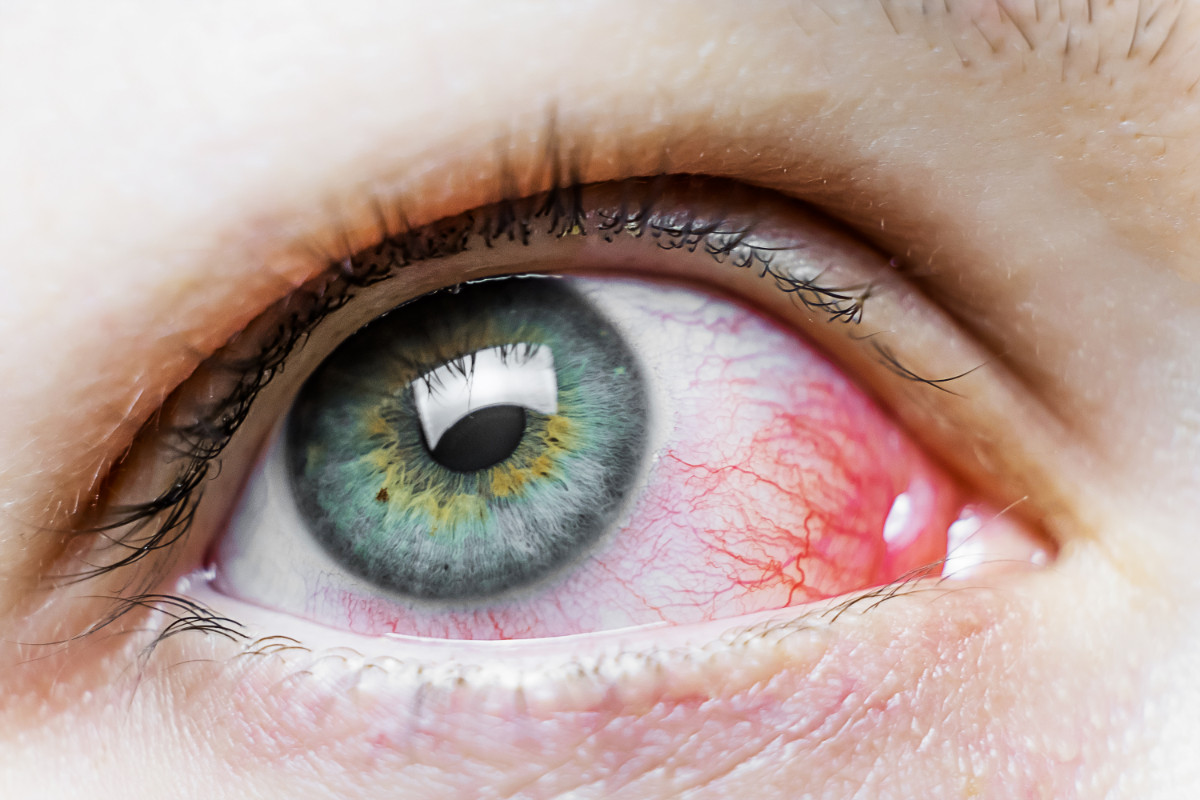
Red, itchy, and watery eyes can be a real nuisance. You might wonder if it’s contagious pink eye or an allergy reaction. Knowing the difference is key to getting the right treatment and avoiding complications eye allergy or conjunctivitis.
Many people are unsure if their eye symptoms come from an infection or an allergy. Both can make the eye’s protective membrane inflamed. But they have different causes and effects.
Learning to spot the differences between pink eye and allergies helps you get the right care. In this article, we’ll look at the main differences. This will help you understand and manage these conditions better.
Key Takeaways
- Distinguishing between pink eye and allergies is key for the right treatment.
- Pink eye comes from infections, while allergies are from immune reactions.
- Knowing the causes and symptoms helps you figure out what you have.
- Each condition needs its own treatment to avoid problems.
- Understanding the differences lets you find the right medical help.
Eye RednessUnderstanding: The Basics
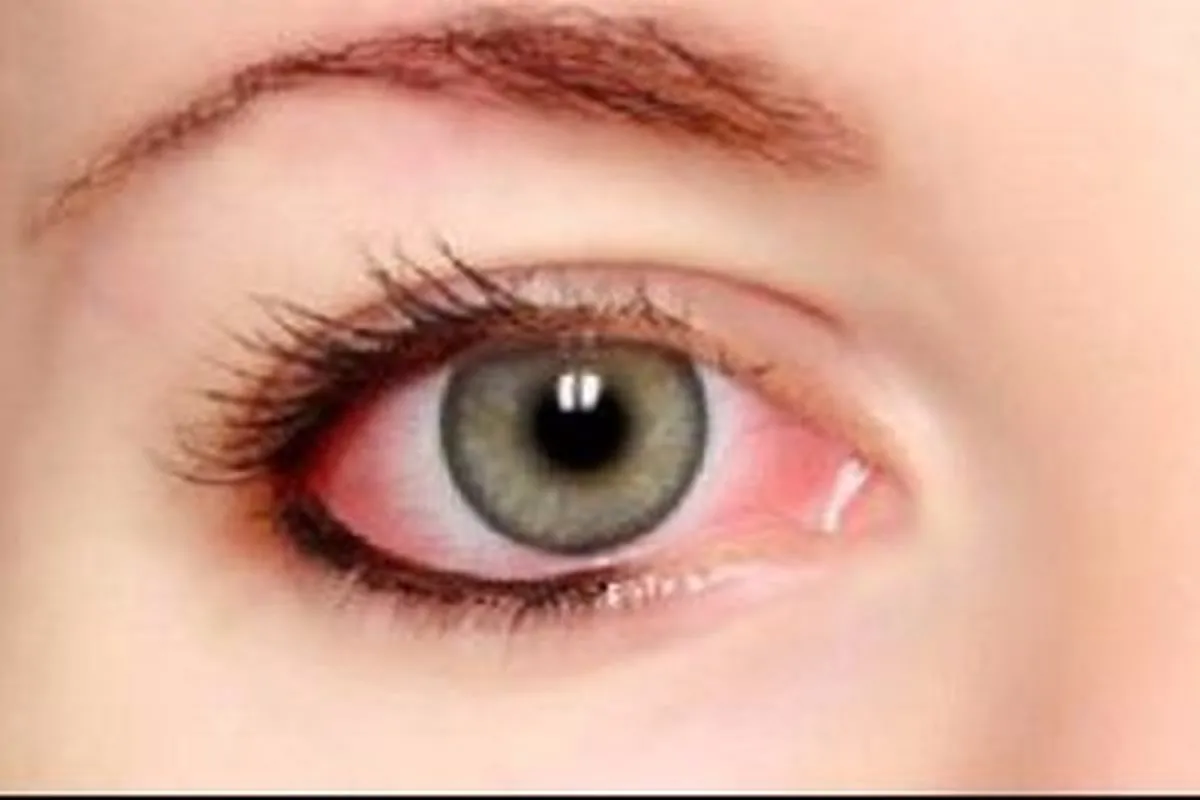
When our eyes turn red and feel irritated, it’s a sign of something that needs attention. Red eyes can be caused by infections, allergies, or environmental irritants.
What Causes Red, Irritated Eyes?
Red, irritated eyes can come from many things. Pink eye (conjunctivitis) is a common cause, which can be infectious or allergic. Allergies also often cause red, itchy eyes. Other reasons include dry eye, chemical exposure, or foreign objects in the eye.
Infectious conjunctivitis, whether bacterial or viral, can make eyes very red with discharge and crusting. Allergic conjunctivitis makes eyes itch and swell. Knowing the cause is key to the right treatment.
The Importance of Proper Diagnosis
Getting a proper diagnosis is key to figuring out why eyes are red. The right diagnosis means the treatment will work and avoid complications. For example, bacterial conjunctivitis needs antibiotics, while allergic conjunctivitis might need antihistamines or mast cell stabilizers.
|
Condition |
Common Symptoms |
Typical Treatment |
|---|---|---|
|
Infectious Conjunctivitis |
Redness, discharge, crusting |
Antibiotics (for bacterial) |
|
Allergic Conjunctivitis |
Redness, itching, swelling |
Antihistamines, mast cell stabilizers |
|
Dry Eye Syndrome |
Dryness, irritation, blurred vision |
Artificial tears, lifestyle changes |
Understanding why eyes are red and irritated helps get the right medical help. Whether it’s pink eye or an allergic reaction, knowing the cause is the first step to feeling better.
What Is Pink Eye (Conjunctivitis)?
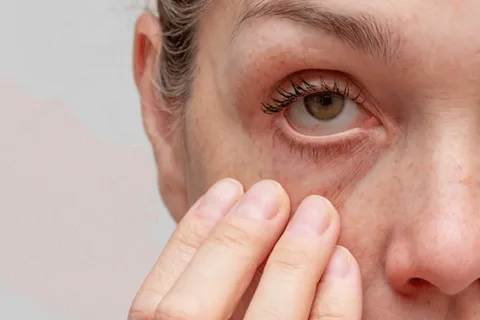
Conjunctivitis, or pink eye, is an inflammation of the thin membrane covering the eye’s white part. It can be caused by infections, allergens, or irritants. Knowing the different types is key for the right treatment.
Bacterial Conjunctivitis
Bacterial conjunctivitis is caused by bacterial infections. It has a thick, yellow or green discharge that makes eyelids stick together, mainly after sleep. Bacterial conjunctivitis is highly contagious and spreads through direct contact with discharge. Common culprits include Staphylococcus aureus and Streptococcus pneumoniae.
Viral Conjunctivitis
Viral conjunctivitis is the most common pink eye type, caused by viral infections like the common cold or flu. It has watery discharge and redness. Viral conjunctivitis is highly contagious and spreads through contact with infected people or surfaces.
Chemical Conjunctivitis
Chemical conjunctivitis happens when eyes meet irritants like chemicals or smoke. It causes immediate redness, irritation, and sometimes watery discharge. Unlike bacterial and viral types, chemical conjunctivitis is not contagious. Treatment involves removing the irritant and easing symptoms.
Knowing the causes and symptoms of pink eye is vital for the right treatment. Whether it’s bacterial, viral, or chemical, finding the cause helps manage it well.
Understanding Eye Allergy or Conjunctivitis
It’s important to know about eye allergies to manage symptoms better. Eye allergies, or allergic conjunctivitis, happen when the immune system reacts too strongly to allergens. This reaction causes inflammation and irritation.
Common Allergens That Trigger Eye Allergies
Many allergens can cause eye allergies. These include:
- Pollen: Released by trees, grasses, and weeds, pollen is a major culprit, causing problems in specific seasons.
- Dust Mites: Tiny organisms in household dust, their waste products become airborne and can cause allergic reactions.
- Pet Dander: Proteins in the skin, saliva, and urine of pets can become airborne and trigger allergies.
- Mold Spores: Fungi that grow in damp environments, releasing spores that can cause allergic reactions.
These allergens can cause discomfort when they touch the eyes. Symptoms include itching, redness, and swelling.
Seasonal vs. Perennial Allergic Conjunctivitis
Allergic conjunctivitis can be seasonal or perennial based on symptom duration.
Seasonal Allergic Conjunctivitis is caused by allergens present only in certain seasons. Symptoms often worsen in spring and fall.
Perennial Allergic Conjunctivitis happens all year. It’s usually caused by dust mites, pet dander, and mold spores present all year.
“The distinction between seasonal and perennial allergic conjunctivitis is key for choosing the right treatment and managing symptoms well.”
Prevalence of Eye Allergies in America
Eye allergies are a big health issue in the U.S., affecting millions. The American Academy of Allergy, Asthma, and Immunology says allergic conjunctivitis is very common.
The number of people with eye allergies can change based on where you live. Places with more pollen or pets might see more cases.
Knowing about eye allergies can help people prevent them and get the right treatment.
Comparing Symptoms: Pink Eye vs. Allergies
Pink eye and allergies have similar symptoms, but there are key differences. Knowing these differences is important for figuring out what’s causing your eye discomfort. It helps you find the right treatment.
Shared Symptoms Between Both Conditions
Both pink eye and eye allergies can cause:
- Redness and inflammation of the eyes
- Itching or burning sensation
- Watery discharge
- Sensitivity to light
These symptoms can make it hard to tell the difference without a closer look.
Symptoms Unique to Pink Eye
Pink eye has symptoms not seen in eye allergies, like:
- Thick, purulent discharge that can cause eyelids to stick together, even after waking up
- Crusting around the eyelashes
- In some cases, fever or swollen lymph nodes if it’s caused by bacteria or viruses
Symptoms Unique to Eye Allergies
Eye allergies have symptoms not seen in pink eye, such as:
- Persistent itching that can be severe
- Stringy or watery discharge
- Sneezing or nasal congestion, as allergies often involve the nasal passages as well
Eye allergies usually cause more itching and are often linked with other allergic symptoms like sneezing.
By looking closely at symptoms and their characteristics, you can figure out if you have pink eye or an allergic reaction. If you’re not sure, seeing a healthcare professional is the best step. They can give you an accurate diagnosis and the right treatment.
Key Differences in Eye Discharge
The type and color of eye discharge can tell you a lot about what’s wrong with your eyes. Knowing the difference between pink eye and allergies is key. This is because the way your eyes look can give away what’s causing your symptoms.
Pink Eye Discharge Characteristics
Pink eye, or conjunctivitis, often has a noticeable discharge. This discharge can look different based on why you got conjunctivitis.
- Bacterial Conjunctivitis: This usually has a thick, yellow or green discharge. It can make your eyelids stick together, mainly after you sleep.
- Viral Conjunctivitis: This type has a watery discharge. It might also come with symptoms like a cold.
Allergy-Related Eye Discharge
On the other hand, allergy-related eye discharge is usually clear and watery. Allergies make your eyes produce more tears. This leads to a watery discharge, unlike the thick, colored discharge of bacterial conjunctivitis.
What Your Discharge Color Indicates
The discharge color can tell you a lot about your eye symptoms. Here’s a quick guide:
|
Discharge Color |
Possible Cause |
|---|---|
|
Thick, Yellow or Green |
Bacterial Conjunctivitis |
|
Watery, Clear |
Viral Conjunctivitis or Allergies |
Knowing these differences can help you figure out if you have pink eye or an allergy. But, it’s always smart to see a doctor for a proper diagnosis and treatment.
One Eye or Both? Pattern of Infection
Knowing if your eye issue is in one or both eyes can help figure out the cause. This info is key when trying to tell if it’s pink eye or allergies.
How Pink Eye Typically Spreads
Pink eye, or conjunctivitis, usually starts in one eye. It can then spread to the other eye through touching or contaminated items. Pink eye is very contagious, making it easy to spread.
People often see symptoms in one eye first, then the other. The time gap between the two eyes can vary. It depends on the cause and how well you keep your eyes clean.
Why Allergies Usually Affect Both Eyes
Allergies, on the other hand, usually hit both eyes at once. This is because allergens like pollen or dust get into both eyes at the same time. Allergic reactions are usually the same in both eyes, which helps tell them apart from infections like pink eye.
If both eyes are itchy, red, and watery, and the symptoms are the same, it’s likely an allergy. This is different from pink eye.
Using This Distinction for Self-Assessment
Watching if one or both eyes are affected can help you decide what to do next. If one eye starts with symptoms and then the other, it might be pink eye. Look for discharge too.
If both eyes are affected and you have other allergy symptoms like sneezing or a runny nose, it’s probably allergies. Self-assessment can help you decide whether to see a doctor or try over-the-counter treatments.
Contagiousness Factor: A Critical Distinction
It’s important to know if pink eye or eye allergies are contagious. This helps decide how to treat red, irritated eyes. It also affects how we protect others from getting sick.
Why Pink Eye Spreads Easily
Pink eye, including bacterial and viral types, spreads quickly. It can move through direct or indirect contact with discharge from the infected eye. Viral conjunctivitis is very contagious and can spread through the air when someone coughs or sneezes. Bacterial conjunctivitis spreads through touching contaminated surfaces or hands that have touched the eye discharge.
Here’s a table showing how pink eye can spread:
|
Mode of Transmission |
Description |
|---|---|
|
Direct Contact |
Touching the infected eye and then touching another person’s eyes or surfaces |
|
Indirect Contact |
Touching surfaces contaminated with eye discharge and then touching one’s own eyes |
|
Airborne Transmission |
Viral conjunctivitis spreading through coughing or sneezing |
Why Eye Allergies Are Never Contagious
Eye allergies are not contagious. They happen when the body reacts to allergens like pollen or dust mites. They can’t be spread to others because they’re not caused by viruses or bacteria.
Eye allergies make the immune system overreact. This leads to symptoms like itching, redness, and watery discharge.
Precautions to Take if You Suspect Pink Eye
If you think you have pink eye, it’s key to prevent spreading it. Here are steps to take:
- Wash your hands often, after touching your eyes or face.
- Avoid sharing personal items like towels or makeup.
- Clean and disinfect surfaces and objects you touch.
- Avoid touching your eyes, and wash your hands right after.
- Stay home from work or school to avoid spreading the infection.
Knowing how contagious pink eye is and taking precautions helps prevent its spread. It also keeps your eye health safe.
Special Considerations for High-Risk Groups
Children and contact lens wearers face special challenges with pink eye or allergies. They are more likely to face serious issues. So, getting the right diagnosis and treatment is key.
Children and Pink Eye vs. Allergies
Children are very sensitive to pink eye and allergies. Their immune systems are not fully developed. They also get exposed to many allergens and germs at school.
Parents need to know the signs of pink eye and allergies in kids. Ignoring these can lead to serious problems like keratitis or long-lasting eye pain.
Contact Lens Wearers
People who wear contact lenses are more likely to get pink eye. This is true for bacterial or viral conjunctivitis.
Keeping lenses clean and following good hygiene is very important. If you think you have pink eye, see your eye doctor right away.
People with Compromised Immune Systems
Those with weak immune systems, like people with HIV/AIDS or going through chemo, are at high risk. They can get very sick from infections, including pink eye.
They need quick medical help if they show signs of pink eye or allergies. Their situation can get worse fast.
|
High-Risk Group |
Special Considerations |
Potential Complications |
|---|---|---|
|
Children |
Monitoring for symptoms, proper hygiene |
Keratitis, prolonged discomfort |
|
Contact Lens Wearers |
Proper lens care, hygiene practices |
Bacterial or viral conjunctivitis |
|
People with Compromised Immune Systems |
Prompt medical attention |
Severe infections |
By focusing on the needs of these high-risk groups, we can avoid serious problems. This ensures the best care for pink eye and allergies.
Diagnosing Your Eye Condition
Figuring out what’s wrong with your eyes starts with knowing what to look for. It’s a mix of self-checks, medical history, and tests. This helps find the right diagnosis.
Self-Assessment Questions
Start by asking yourself a few questions. Have you been around allergens or irritants? Have you been near someone with pink eye? Are your symptoms in one eye or both?
Think about these factors to narrow down the cause:
- The color and consistency of any discharge
- The presence of itching or burning sensations
- Whether your symptoms are accompanied by a cold or respiratory infection
- If you’ve experienced any recent changes in your environment or contact lens use
When to See a Doctor
If you’re not sure about your symptoms or if they don’t go away, see a doctor. You should go if you have:
- Severe eye pain or vision changes
- Increased sensitivity to light
- A thick, yellow or green discharge
- Symptoms that get worse over time
When to Seek Emergency Care
Some eye symptoms are serious and need quick help. Go to the emergency room if you have:
- Sudden, severe vision loss
- Intense eye pain
- Trauma to the eye
- Unusual sensitivity to light accompanied by headache or fever
Tests That May Be Performed
Your doctor might do several tests to find out what’s wrong. These include:
|
Test |
Description |
Purpose |
|---|---|---|
|
Visual Acuity Test |
Checks how sharp your vision is |
To see if your symptoms affect your vision |
|
Slit-Lamp Examination |
Uses a special microscope to look at your eye |
To check for signs of infection or inflammation |
|
Conjunctival Scrape or Culture |
Takes a sample from your eye |
To find out what’s causing the infection, like bacteria or viruses |
Treatment Approaches for Both Conditions
Knowing if you have pink eye or an eye allergy is key to treating it right. The correct treatment depends on accurately identifying the issue. We will look at treatments for pink eye and eye allergies in this section.
Pink Eye Treatments
The treatment for pink eye, or conjunctivitis, varies based on its cause. Bacterial conjunctivitis is treated with antibiotics in eye drops or ointment. It’s important to finish the antibiotic treatment fully.
Viral conjunctivitis will get better on its own with care like warm compresses. Antiviral medications might be needed for herpes simplex virus cases.
For allergic conjunctivitis, treatments aim to ease symptoms and avoid the allergen. Antihistamine eye drops or oral antihistamines help with itching and redness.
Eye Allergy Management
Eye allergy management includes avoiding allergens and using medications. Antihistamine eye drops quickly ease itching and redness. For severe cases, corticosteroid eye drops reduce inflammation.
As Medical Expert, an allergist, notes,
“The key to managing eye allergies is identifying and avoiding the allergen, alongside using appropriate medication to control symptoms.”
Changing your lifestyle can also help with eye allergies. Using HEPA filters and practicing good hygiene, like washing hands and not rubbing your eyes, are helpful.
By knowing the cause of your eye issue and using the right treatment, you can manage symptoms and avoid complications.
Conclusion: Protecting Your Eye Health
Knowing the difference between pink eye and eye allergies is key. It helps us get the right treatment and avoid problems. By spotting the unique signs of each, we start protecting our eyes.
Pink eye and eye allergies look similar but need different fixes. Finding out what’s causing eye redness and itchiness is critical. Getting medical help when needed ensures our eyes get the right care.
Keeping our eyes healthy is important for our overall well-being. By knowing the difference between pink eye and allergies, we can prevent issues. Simple steps like good hygiene or avoiding allergens can help keep our vision sharp.
In short, understanding pink eye vs allergies is vital for treating and preventing problems. By staying informed and taking care, we can keep our eyes healthy and our vision clear.
FAQ
How do I know if I have pink eye or allergies?
We can help you figure out what’s causing your symptoms. Pink eye is marked by redness, itching, and discharge. Allergies also cause itching, redness, and watery eyes. Discharge points to pink eye, while allergies make your eyes itch and water more.
What are the key differences between pink eye and eye allergies?
Distinguishing between pink eye and allergies can be tricky. Pink eye often has thick, yellow or green discharge. Allergies usually have clear, watery discharge. Pink eye is contagious, but allergies aren’t.
Can I have both pink eye and allergies at the same time?
Yes, it’s possible to have both pink eye and allergies at once. If you’re showing signs of both, it’s best to see a doctor to find the right treatment.
How can I tell if my eye discharge is a sign of pink eye or allergies?
We can help you figure out what your eye discharge means. Thick, yellow or green discharge might mean pink eye. Clear, watery discharge is more likely from allergies or viral conjunctivitis.
Why do allergies usually affect both eyes, while pink eye can start in one eye?
Allergies affect both eyes because they’re a body-wide reaction. Pink eye can start in one eye and spread to the other through touch or other means.
Is pink eye contagious, and how can I prevent it from spreading?
Yes, some types of pink eye are contagious. To stop it from spreading, wash your hands often and avoid touching your eyes.
Can contact lens wearers develop pink eye or allergies more easily?
Yes, contact lens users might get pink eye or allergies more easily. This is because of irritation or allergic reactions to lens materials or cleaning solutions. Proper lens care and hygiene can help reduce the risk.
What are the treatment options for pink eye and eye allergies?
We offer different treatments for pink eye and eye allergies. Pink eye might need antibiotics or antiviral meds. Eye allergies can be treated with antihistamines, mast cell stabilizers, or corticosteroids.
When should I seek medical attention for my eye symptoms?
See a doctor if your symptoms are severe, like intense pain, vision changes, or light sensitivity. Also, if your symptoms get worse or don’t get better with treatment, get further evaluation.
Can children and people with compromised immune systems develop more severe pink eye or allergies?
Yes, kids and people with weak immune systems are more likely to get severe pink eye or allergies. Keep a close eye on symptoms and seek medical help if needed.
References
World Health Organization. Pink Eye vs. Allergies: Diagnostic Differentiation for Ocular Irritation. Retrieved from https://www.who.int/news-room/fact-sheets/detail/conjunctivitis