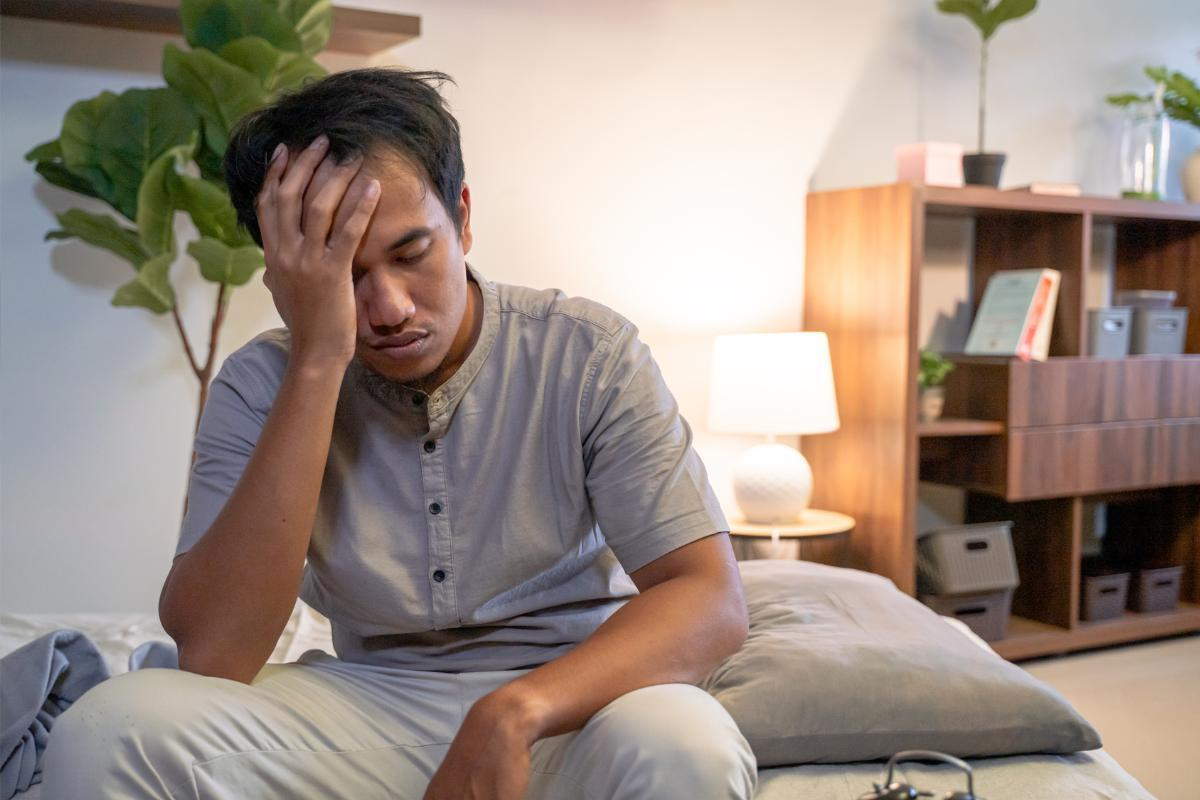
Falling asleep suddenly can be scary, but it doesn’t always mean you have narcolepsy. Many sleep problems can make you feel very sleepy during the day. Getting a proper check-up is very important.falling asleep randomly not narcolepsyMy 6-Year-Old Can’t Fall Asleep: Understanding and Addressing Childhood Insomnia
At Liv Hospital, we focus on you, using the latest tests to find out what’s wrong. Idiopathic hypersomnia is one condition that makes you very sleepy during the day. It can make you fall asleep suddenly, but it’s different from narcolepsy.
We look into why you might fall asleep suddenly. It’s not always because of narcolepsy. Knowing what causes these sleep attacks is key to feeling better.
Key Takeaways
- Sudden sleep episodes are not always indicative of narcolepsy.
- Other sleep disorders, such as idiopathic hypersomnia, can cause excessive daytime sleepiness.
- A proper medical evaluation is critical for accurate diagnosis.
- Liv Hospital’s patient-centered approach ensures tailored treatment plans.
- Understanding the underlying condition is essential for improving quality of life.
Understanding Sudden Sleep Episodes
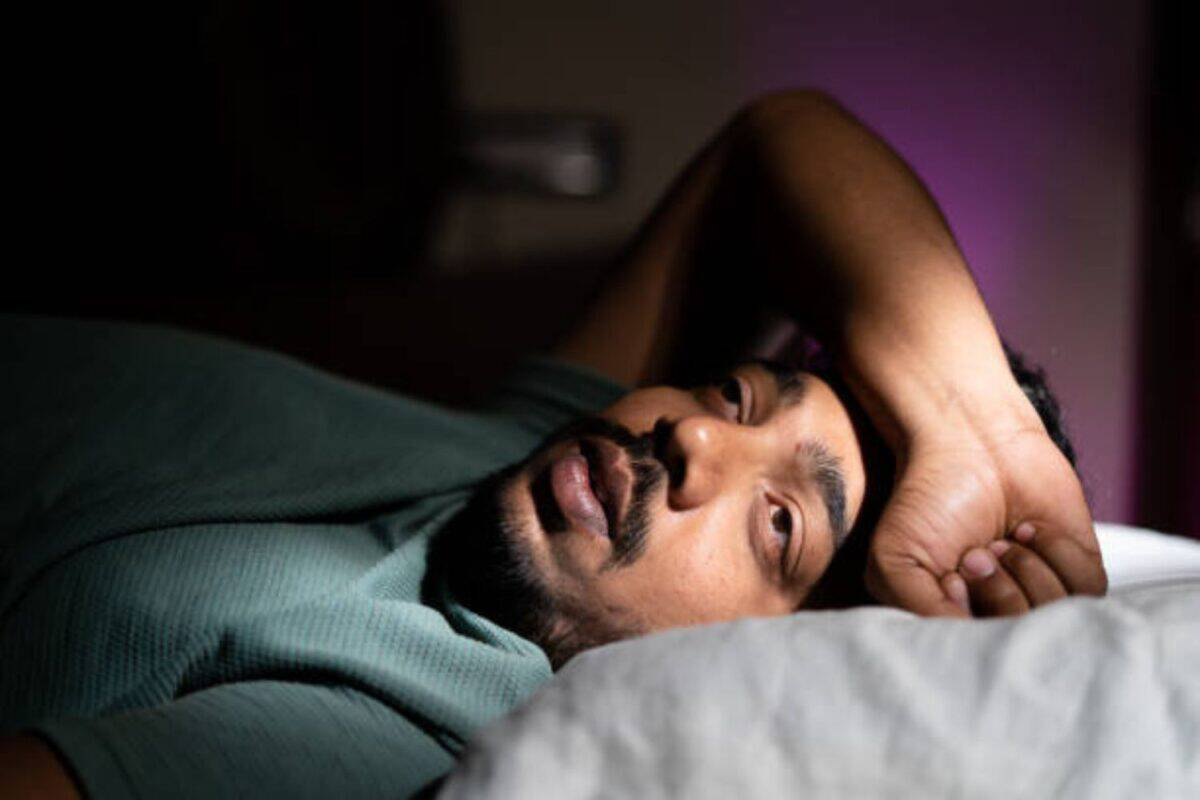
Sudden sleep episodes are more than just a nuisance; they can be a symptom of a deeper health concern. These episodes, characterized by an irresistible urge to sleep during the day, can significantly impact an individual’s quality of life.
The Difference Between Normal Tiredness and Pathological Sleepiness
It’s normal to feel tired after a late night or a long day of work. But pathological sleepiness is different. It’s a persistent condition that interferes with daily activities, regardless of the amount of sleep one gets. As one study noted, “Sleepiness is likely a problem if you have trouble waking in the morning, feel sleepy during the day, and naps don’t relieve your sleepiness.” This kind of sleepiness can be a symptom of an underlying sleep disorder.
Key differences between normal tiredness and pathological sleepiness include:
- Persistent and uncontrollable urge to sleep during the day
- Interference with daily activities and social life
- Lack of relief from sleepiness despite adequate rest
Common Situations Where Unexpected Sleep Occurs
Unexpected sleep episodes can occur at any time and in various situations. Common scenarios include:
- Falling asleep while watching TV or reading a book
- Doze off during conversations or meetings
- Sleeping while driving or operating heavy machinery
These situations not only highlight the unpredictability of sudden sleep episodes but also underscore the potential risks and safety concerns associated with them.
Impact on Daily Life and Safety Concerns
The impact of sudden sleep episodes on daily life can be significant. It can affect work performance, social relationships, and overall well-being. There’s also a considerable safety concern, especialy when it comes to activities that require constant alertness, such as driving.
“Falling asleep at the wrong moment can have serious consequences, including accidents and injuries. It’s critical to understand the underlying causes of sudden sleep episodes to mitigate these risks.”
By understanding the differences between normal tiredness and pathological sleepiness, recognizing common situations where unexpected sleep occurs, and acknowledging the impact on daily life and safety concerns, we can take the first steps towards addressing this complex issue.
Narcolepsy vs. Other Sleep Disorders
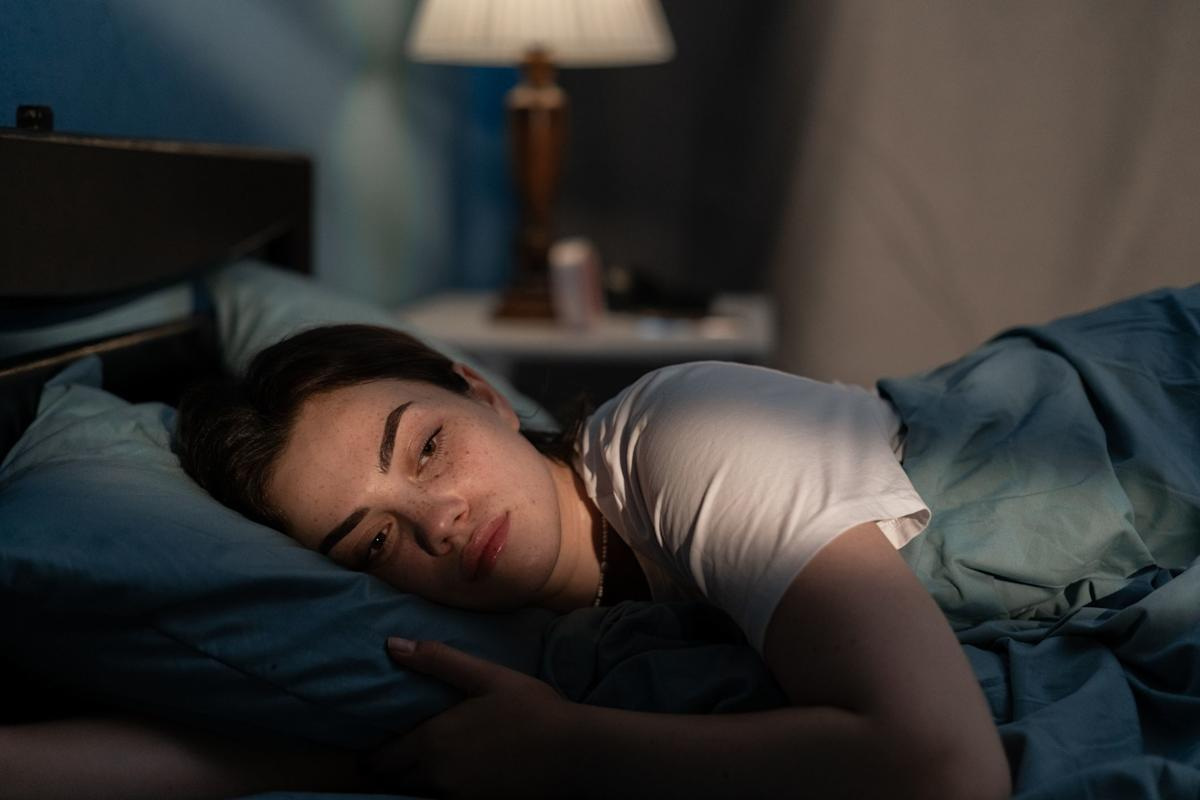
Distinguishing narcolepsy from other sleep disorders is key for the right diagnosis and treatment. Narcolepsy is a chronic condition that causes a lot of daytime sleepiness and sudden sleep attacks. These symptoms can be mistaken for other conditions.
Key Characteristics of Narcolepsy
Narcolepsy is linked to REM sleep, the dreaming stage. It can lead to brief, uncontrollable sleep moments or “sleep attacks” without warning. A unique feature of narcolepsy is when REM sleep breaks into wakefulness, causing special symptoms.
How Narcoleptic Episodes Typically Present
Narcoleptic episodes, or sleep attacks, can happen anytime, without warning. These episodes are usually short, lasting from a few seconds to 30 minutes. During an episode, a person might fall asleep suddenly, even in the middle of doing something.
Duration of Sleep Attacks: 10-20 Minutes on Average
The length of narcoleptic episodes can vary, but they usually last between 10 to 20 minutes. These episodes can be very disruptive, affecting daily life and overall quality of life.
Cataplexy and Other Associated Symptoms
Cataplexy, a condition with sudden muscle weakness or paralysis, is often linked to narcolepsy. Other symptoms include sleep paralysis, hypnagogic hallucinations, and disrupted nighttime sleep. The presence and severity of these symptoms can vary among people with narcolepsy.
|
Symptom |
Description |
Prevalence in Narcolepsy |
|---|---|---|
|
Excessive Daytime Sleepiness |
Feeling extremely tired during the day |
Common |
|
Cataplexy |
Sudden muscle weakness or paralysis |
Associated |
|
Sleep Paralysis |
Temporary inability to move or speak when falling asleep or waking up |
Associated |
|
Hypnagogic Hallucinations |
Vivid dreams or hallucinations when falling asleep or waking up |
Associated |
Understanding these characteristics and symptoms is key for diagnosing narcolepsy and differentiating it from other sleep disorders. By recognizing narcolepsy’s unique features, healthcare providers can offer more targeted and effective treatments.
Idiopathic Hypersomnia: The Lesser-Known Sleep Disorder
Idiopathic hypersomnia is a complex sleep disorder that is not well understood. It causes too much daytime sleepiness and long nights. This makes it different from other sleep problems.
Defining Idiopathic Hypersomnia
Idiopathic hypersomnia is a neurological disorder. It makes people feel very tired during the day, even after sleeping a lot at night. This feeling of tiredness lasts all day, even after a full night’s sleep.
How It Differs from Narcolepsy
Both conditions make people feel very tired during the day. But they are different. Narcolepsy causes sudden sleep attacks and muscle weakness. Idiopathic hypersomnia makes people sleep a lot at night and need to sleep a lot during the day too.
“Idiopathic hypersomnia is often misunderstood or misdiagnosed due to its similarity to other sleep disorders, making a thorough diagnostic evaluation critical.”
Absence of Hypocretin Deficiency
A big difference between idiopathic hypersomnia and narcolepsy is hypocretin levels. Narcolepsy often has low hypocretin levels. Idiopathic hypersomnia usually does not have low hypocretin levels.
Sleep Episode Patterns and Duration
In idiopathic hypersomnia, sleep episodes are longer and less broken up than in narcolepsy. People sleep 12 hours or more at night and wake up feeling tired. They also take long naps during the day that don’t make them feel refreshed.
It’s important to understand idiopathic hypersomnia to help those affected. By knowing its unique features and how it differs from other sleep disorders, doctors can give better care. This improves the lives of those with idiopathic hypersomnia.
Sleep Apnea and Sudden Sleepiness
Breathing problems during sleep can make you feel very tired during the day. This is a big sign of sleep apnea. Sleep apnea is a serious sleep disorder that happens when you stop breathing while you sleep. We will look at how this affects your energy levels and daily life.
Types of Sleep Apnea
There are three main types of sleep apnea: Obstructive Sleep Apnea (OSA), Central Sleep Apnea (CSA), and Complex Sleep Apnea Syndrome. OSA is the most common. It happens when your airway gets blocked, usually because soft tissue in your throat collapses while you sleep.
CSA is when your brain doesn’t tell your breathing muscles to work. Complex Sleep Apnea Syndrome is a mix of OSA and CSA.
How Breathing Disruptions Lead to Daytime Sleepiness
When you stop breathing while sleeping, your sleep gets broken up. This means you don’t get enough oxygen in your blood. As a result, you don’t sleep well, leading to feeling very tired during the day.
These sleep breaks stop your body from going through all its sleep cycles. This affects how well you feel rested. So, people with sleep apnea often feel very tired and sleepy during the day.
Prevalence: Affecting 18 Million Americans
Sleep apnea is a big health problem in the United States. It affects about 18 million people. But, many cases are not found.
It’s more common in older adults, men, and people who are overweight or obese.
Recognizing Sleep Apnea Symptoms
Signs of sleep apnea include loud snoring, stopping breathing during sleep, waking up suddenly with shortness of breath, and morning headaches. Daytime signs include feeling very tired, having trouble focusing, and being easily irritated.
|
Symptom |
Description |
|---|---|
|
Loud Snoring |
Snoring that occurs due to partial upper airway obstruction |
|
Episodes of Stopped Breathing |
Pauses in breathing during sleep, often followed by gasping or choking |
|
Morning Headache |
Headaches upon waking, possibly due to low oxygen levels during sleep |
|
Excessive Daytime Sleepiness |
Feeling tired or sleepy during the day, despite a full night’s sleep |
Falling Asleep Randomly Not Narcolepsy: Other Medical Causes
Narcolepsy is known for sudden sleep episodes, but it’s not the only cause. Other health issues can also make people fall asleep randomly. Knowing these conditions is key for the right diagnosis and treatment.
Medication Side Effects
Some medicines can make you feel very sleepy. Antihistamines, sedatives, and some antidepressants are among them. If you’re taking these and feel too sleepy, talk to your doctor.
“Medicine side effects can be a big problem for staying awake during the day,” says Medical Expert, a sleep expert. “Changing your medicine or finding new treatments can help with these symptoms.”
Neurological Conditions
Neurological disorders can mess with sleep. Parkinson’s disease, multiple sclerosis, and traumatic brain injuries can make it hard to stay awake. They affect how the brain handles sleep and wake times.
- Parkinson’s disease: Can cause too much daytime sleepiness because of brain cell loss.
- Multiple sclerosis: Can make you feel very tired and disrupt sleep.
- Traumatic brain injuries: Can mess up normal sleep patterns.
Metabolic Disorders
Metabolic disorders like diabetes and thyroid disorders can also make you feel very sleepy. Uncontrolled diabetes can make you tired, and thyroid problems can change how you feel and sleep.
A study in the Journal of Clinical Endocrinology and Metabolism showed that people with low thyroid often feel very sleepy. This shows how important it is to manage thyroid levels for better sleep.
Vitamin Deficiencies and Anemia
Lack of certain vitamins, like Vitamin B12, can make you tired and sleepy. Anemia, which means not enough red blood cells or hemoglobin, can also make you very tired and sleepy.
It’s important to eat well and fix any vitamin or anemia problems to keep your sleep healthy. “Vitamin B12 is key for energy, and not having enough can make you very tired,” says Medical Expert, a nutrition expert.
Lifestyle Factors Contributing to Sudden Sleep Episodes
Some lifestyle choices can make you fall asleep suddenly, even if you don’t have narcolepsy. These choices can hurt your sleep quality and how alert you are during the day. It’s key to know and tackle these issues.
Chronic Sleep Deprivation
Not getting enough sleep over time is called chronic sleep deprivation. This can make you very sleepy during the day. Adults need 7-9 hours of sleep each night to stay healthy.
Being sleep-deprived can cause tiredness, trouble focusing, and a higher chance of accidents. It’s important to have a regular sleep schedule and a good sleep place to sleep better.
Poor Sleep Hygiene
Poor sleep hygiene means habits that mess up your sleep. This includes drinking caffeine or eating big meals before bed, using phones in bed, or not sleeping at the same time every night. These habits can make it hard to fall or stay asleep.
To get better sleep, avoid exciting things before bed, have a calm bedtime routine, and make your sleep area dark, quiet, and cool.
Shift Work and Irregular Sleep Schedules
Working odd hours or not sleeping at the same time every night can mess up your body’s natural sleep cycle. This can cause you to be very sleepy and have trouble sleeping.
People with non-standard work hours often have sleep problems. To help, keep a regular sleep schedule, even on days off, and use light therapy to set your body’s clock.
Diet and Substance Use
What you eat and drink can also affect how quickly you fall asleep. Too much caffeine or alcohol can mess up your sleep, and not eating right can make you tired.
Also, some medicines can make you sleepy or affect how well you sleep. Eating well and being careful with what you drink can help avoid sleep problems.
|
Lifestyle Factor |
Impact on Sleep |
Recommendations |
|---|---|---|
|
Chronic Sleep Deprivation |
Excessive daytime sleepiness, fatigue |
Establish consistent sleep schedule, improve sleep environment |
|
Poor Sleep Hygiene |
Disrupted sleep patterns, insomnia |
Avoid stimulating activities before bed, create relaxing bedtime routine |
|
Shift Work and Irregular Schedules |
Shift work sleep disorder, insomnia, excessive sleepiness |
Maintain consistent sleep schedule, use light therapy |
|
Diet and Substance Use |
Disrupted sleep patterns, fatigue |
Balanced diet, careful management of substance use |
“Sleep is the best meditation.” – Dalai Lama XIV
By understanding and tackling these lifestyle factors, you can lower your risk of sudden sleep episodes. This can also improve your sleep quality overall.
Psychological Factors: Depression, Anxiety, and Stress
Psychological factors greatly affect our sleep. Depression, anxiety, and stress are big players. These conditions can make it hard to live a normal day.
How Mental Health Affects Sleep Patterns
Depression and anxiety can cause sleep problems like insomnia or feeling too tired during the day. The link between mental health and sleep is deep. Stress, for example, can keep you awake, while not sleeping enough can make anxiety and depression worse.
People with depression often feel very tired. This tiredness can start a cycle of poor sleep. Anxiety makes it hard to relax and sleep because it keeps your mind racing.
The Bidirectional Relationship Between Mood and Sleep
Poor sleep can make mood worse, and a bad mood can disrupt sleep. Breaking this cycle is hard, but knowing it helps. Treating sleep disorders can help stabilize mood and improve mental health.
- Mood problems can cause sleep issues.
- Poor sleep can make mood problems worse.
- Improving one can help the other.
Fatigue as a Symptom of Depression
Fatigue is a common sign of depression. It makes everyday tasks seem too hard. In adults with narcolepsy, fatigue can be confused with feeling too sleepy during the day.
Depression and sleep are closely linked. Treating one often means addressing the other. Understanding how psychology affects sleep helps us find better treatments for both mental health and sleep issues.
Circadian Rhythm Disorders and Sleep Timing
Our body clocks, or circadian rhythms, control our sleep and wake times. Disorders in this system can disrupt our sleep, making daily life hard. These disorders affect how we sleep, impacting our health and daily activities.
Delayed and Advanced Sleep Phase Disorders
Delayed Sleep Phase Disorder (DSPD) makes it hard to wake up early. People with DSPD sleep late and struggle to wake up. Advanced Sleep Phase Disorder (ASPD) makes it hard to stay up late, causing early bedtimes and wake-ups.
Those with DSPD might miss morning work or school. ASPD folks might find it tough to stay up for evening events. Treatment often involves changing habits and sometimes light therapy to adjust the body’s clock.
Non-24-Hour Sleep-Wake Rhythm Disorder
Non-24-Hour Sleep-Wake Rhythm Disorder means the body’s clock doesn’t follow a 24-hour cycle. It’s more common in the blind or those with limited light. Light helps regulate our body’s clock.
Those with this disorder might have shifting sleep patterns. Light therapy and certain medications can help manage this.
Irregular Sleep-Wake Rhythm Disorder
Irregular Sleep-Wake Rhythm Disorder lacks a clear sleep-wake cycle. It leads to broken sleep periods all day and night. This disorder makes it hard to sleep well and function during the day.
Setting a regular sleep schedule and getting natural light are key. A sleep-friendly environment also helps improve sleep quality.
Jet Lag and Social Jet Lag
Jet lag happens when traveling across time zones, messing with our body’s clock. The more time zones crossed, the worse the jet lag. Social jet lag is when our natural sleep cycle clashes with our social schedule, like work or school.
Making travel easier involves adjusting sleep schedules before trips. Adjusting daily routines to match our natural rhythms helps with social jet lag.
Strategies like gradual sleep schedule adjustments before travel or aligning daily routines with natural rhythms can help with jet lag and social jet lag.
Early Warning Signs and Symptoms to Watch For
Sleep disorders show specific symptoms early on. These signs can lead to quick help. We’ll look at the unique traits of sleep disorders and when they might be a medical emergency.
Distinguishing Features of Different Sleep Disorders
Different sleep disorders have their own signs. For example, narcolepsy causes a lot of daytime sleepiness and cataplexy. sleep apnea is known for pauses in breathing at night. Knowing these differences helps doctors diagnose.
Here are some common sleep disorders and their signs:
- Narcolepsy: A lot of daytime sleepiness, cataplexy, sleep paralysis, and hypnagogic hallucinations.
- Sleep Apnea: Pauses in breathing at night, loud snoring, and morning headaches.
- Idiopathic Hypersomnia: A lot of daytime sleepiness without narcolepsy’s other signs.
First Signs of Narcolepsy vs. Other Conditions
Narcolepsy often starts with a lot of daytime sleepiness. It can also bring cataplexy, a sudden muscle weakness. Other conditions, like idiopathic hypersomnia, might just cause a lot of sleepiness without cataplexy.
The first signs of narcolepsy can be mistaken for other sleep disorders or even depression. It’s important to spot the unique mix of symptoms that narcolepsy has.
Falling Asleep During Specific Activities
Falling asleep when you need to stay alert, like driving or working, is a serious sign. Narcolepsy and idiopathic hypersomnia are two conditions that can cause this.
Activities often affected include:
- Driving or riding in a car
- Working at a desk or computer
- Watching TV or reading
When Symptoms Indicate a Medical Emergency
Some symptoms need immediate help. For example, sudden muscle weakness (cataplexy) or trouble staying awake when it matters is a sign to seek urgent care.
Other emergency signs are:
- Severe trouble breathing at night
- Chest pain or severe headache when waking up
- Confusion or disorientation when waking up
Spotting these early signs and knowing the differences between sleep disorders can help a lot. If you or someone you know is showing these symptoms, getting medical help is key.
Diagnosing the Cause of Random Sleep Episodes
Figuring out why you have random sleep episodes takes a few steps. We’ll walk you through how to find out what’s going on. You’ll learn what to expect at each step.
Sleep Studies and Their Role
Sleep studies are key in finding sleep disorders. They’re done in a sleep lab where your body is monitored while you sleep. This helps find patterns or problems that might be causing your sleep issues.
Sleep studies can reveal:
- Sleep stage distribution and quality
- Presence of sleep disorders such as sleep apnea or restless leg syndrome
- Abnormalities in sleep architecture
Medical Tests to Rule Out Physical Causes
Medical tests are also used to check for physical reasons behind your sleep episodes. These tests might include blood work or thyroid function tests. They help find any underlying health issues.
Common medical tests include:
- Blood glucose tests to check for diabetes
- Thyroid function tests to assess thyroid health
- Complete blood counts to check for anemia or infection
Sleep Diaries and Symptom Tracking
Keeping a sleep diary is a simple way to track your sleep. It helps you record your sleep, activities, and any sudden sleepiness. This info is very helpful for doctors to understand your situation better.
When keeping a sleep diary, it’s essential to record:
- Sleep and wake times
- Quality of sleep
- Any daytime sleepiness or sudden sleep episodes
What to Expect During a Sleep Medicine Consultation
A sleep medicine consultation is where you’ll talk about your sleep issues. A healthcare professional will go over your medical history and symptoms. They’ll also explain how they plan to diagnose and treat you.
Key aspects of the consultation include:
- A thorough medical history review
- Discussion of your symptoms and sleep patterns
- Development of a personalized diagnostic plan
Conclusion: When to Seek Professional Help
It’s important to know the signs of sleep disorders to get help quickly. If you keep falling asleep without meaning to, it might not be narcolepsy. It could be something else.
We talked about different sleep disorders like narcolepsy, idiopathic hypersomnia, and sleep apnea. Each one is unique. Knowing this helps you know when to get help.
If you keep having trouble sleeping, see a doctor. They can help figure out what’s wrong. They might do sleep studies or tests to find out.
Getting help is not just about sleep. It’s about getting better overall. Taking action can help you control your sleep and wake up feeling good.
If you’re having trouble sleeping, don’t wait to get help. The right treatment can help you sleep better and feel better overall.
FAQ
What is narcolepsy, and how does it differ from other sleep disorders?
Narcolepsy is a brain disorder that messes up sleep-wake cycles. It causes too much daytime sleepiness and other symptoms. Unlike other sleep issues, narcolepsy is linked to a specific brain cell loss.
How long do narcoleptic episodes typically last?
Narcoleptic episodes, or sleep attacks, usually last 10-20 minutes. But, the time can vary based on the person and situation.
What is idiopathic hypersomnia, and how does it differ from narcolepsy?
Idiopathic hypersomnia is a sleep disorder with too much daytime sleepiness. It doesn’t have cataplexy or hypocretin deficiency like narcolepsy. It also has longer sleep episodes and different sleepiness patterns.
Can sleep apnea cause sudden sleep episodes?
Yes, sleep apnea can lead to daytime sleepiness and sudden sleep episodes. It disrupts breathing during sleep, causing poor sleep quality and too much daytime sleepiness.
What lifestyle factors can contribute to sudden sleep episodes?
Poor sleep habits, shift work, and irregular sleep schedules can cause too much daytime sleepiness. Diet and substance use also affect sleep quality.
How do psychological factors like depression and anxiety affect sleep?
Depression, anxiety, and stress can mess up sleep patterns. They can cause too much daytime sleepiness and other sleep problems. Mood and sleep have a two-way relationship, meaning sleep issues can worsen mental health and vice versa.
What are the early signs of narcolepsy?
Early signs of narcolepsy include too much daytime sleepiness, cataplexy, sleep paralysis, and hypnagogic hallucinations. Recognizing these symptoms and getting medical help is key.
How are sleep disorders diagnosed?
Sleep disorders are diagnosed with sleep studies, medical tests, and tracking symptoms. A sleep medicine consultation can help find the cause of sleep problems.
What can I expect during a sleep medicine consultation?
At a sleep medicine consultation, a healthcare professional will review your medical history and symptoms. They might suggest sleep studies or other tests.
When should I seek professional help for sleep-related problems?
If you have persistent daytime sleepiness, sudden sleep episodes, or other sleep issues, get professional help. A qualified healthcare provider can help.
What is the difference between normal tiredness and pathological sleepiness?
Normal tiredness is a natural response to lack of sleep or activity. Pathological sleepiness, on the other hand, is excessive and persistent, affecting daily life.
Can certain medications cause sudden sleep episodes?
Yes, some medications can cause drowsiness or too much daytime sleepiness. Always talk to your healthcare provider if you’re experiencing sleep problems.
How do circadian rhythm disorders affect sleep timing?
Circadian rhythm disorders, like delayed or advanced sleep phase disorders, mess up the body’s natural sleep-wake cycle. They can cause too much daytime sleepiness or insomnia.
References
National Health Service (NHS). Evidence-Based Medical Guidance. Retrieved from https://www.nhs.uk/conditions/excessive-daytime-sleepiness-hypersomnia/