


Gastroenterology specialist at Liv Hospital.
View doctor profile →


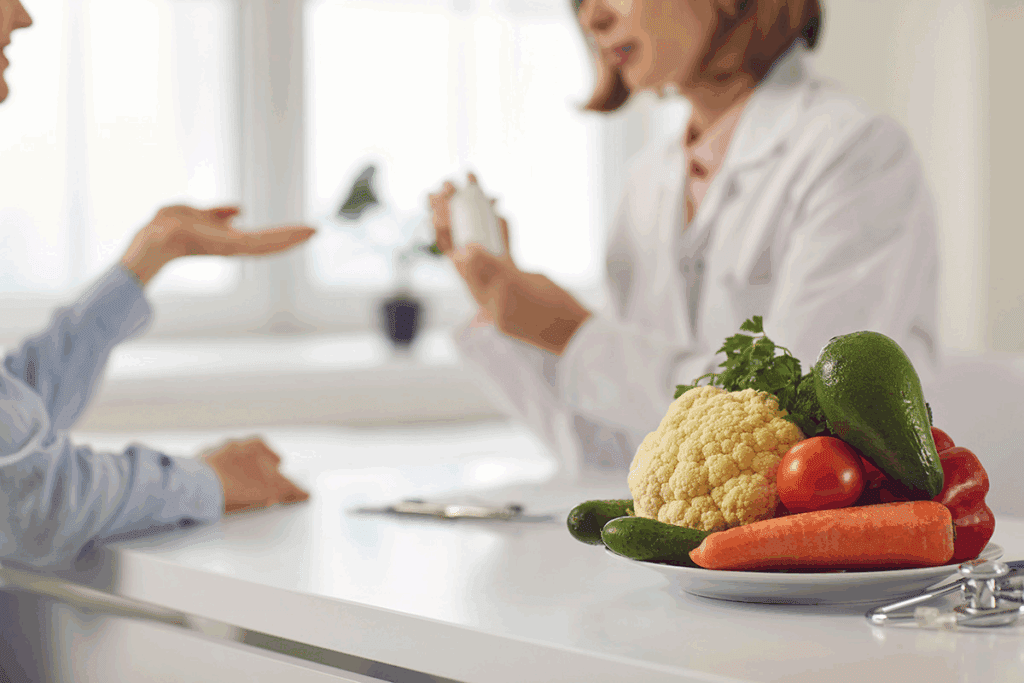
Colorectal cancer is a big health worry, being the third most common cancer for both men and women. Studies show that what we eat can help prevent this disease and keep our colon healthy.
Choosing the right foods can lower the chance of getting colorectal cancer. Liv Hospital, known for quality care, helps patients with the best nutrition plans. These plans aim to prevent and manage colon cancer.
Key Takeaways
- Understanding the link between diet and colorectal cancer risk
- Identifying the worst foods that can hinder colon health
- Learning about the importance of dietary choices in preventing colorectal cancer
- Discovering evidence-based nutrition strategies for better colon health
- Getting guidance from healthcare professionals like Liv Hospital
The Critical Relationship Between Diet and Colorectal Cancer Risk
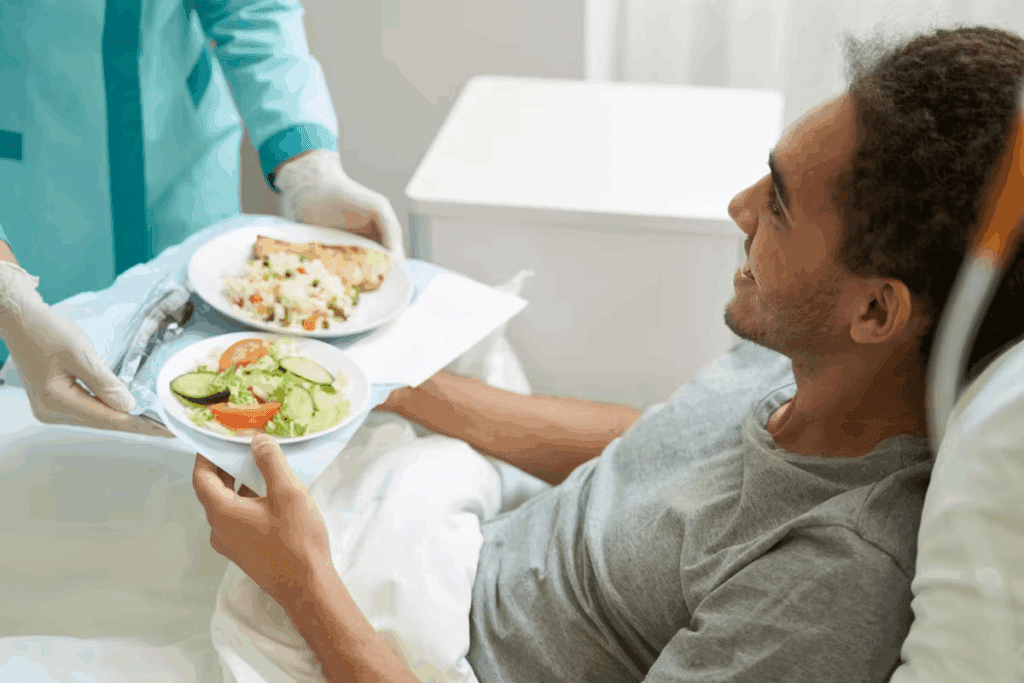
It’s important to know how diet affects colorectal cancer. Research shows that what we eat can impact our risk of getting this cancer. This is why studying diet and colon health is key.
How Dietary Choices Directly Impact Colon Health
What we eat affects our colon health. Eating foods high in fiber helps keep our bowels regular. This can lower the risk of colorectal cancer. Good sources of fiber include:
- Fruits
- Vegetables
- Whole grains
Bingeing on much processed and red meat can raise cancer risk. Processed meats contain harmful preservatives like nitrates and nitrites.
Current Research on Nutrition and Colorectal Cancer
Many studies have looked into how nutrition affects colorectal cancer. Eating lots of fruits, vegetables, and whole grains can lower cancer risk. The American Cancer Society advises a diet rich in these foods to prevent cancer.
A study in the Journal of the National Cancer Institute found that eating red and processed meat increases cancer risk. It suggests cutting down on these foods to lower risk.
Why Certain Foods Increase Cancer Risk
Some foods can raise cancer risk because of their makeup or how they’re cooked. Foods cooked at high heat can create carcinogenic compounds like acrylamide and heterocyclic amines. These compounds can increase colorectal cancer risk.
A list of foods that may increase cancer risk includes:
- Processed meats
- Red meat
- Foods cooked at high temperatures
- Foods high in saturated and trans fats
Knowing how diet affects colon health and which foods may increase cancer risk helps us make better choices. This can lower our risk of colorectal cancer.
Processed Meats: The #1 Food to Avoid for Colon Cancer Prevention
Identifying the worst foods in our diet is key to preventing colon cancer. Processed meats, like sausages, bacon, and deli meats, are at the top of the list. They have been linked to a higher risk of colon cancer.
Why Bacon, Sausage, and Deli Meats Are Particularly Harmful
Bacon, sausage, and deli meats are bad because of their preservatives and other harmful compounds. They are processed with smoking, curing, or adding preservatives. This makes them more likely to cause cancer.
Key Preservatives: Nitrates and nitrites are used to keep these meats fresh and tasty. But they have been linked to cancer.
Nitrates, Nitrites, and Other Concerning Compounds
Processed meats also contain other harmful substances. These include:
- Polycyclic aromatic hydrocarbons (PAHs)
- Heterocyclic amines (HCAs)
- Salt and other preservatives
These substances can damage the colon’s lining and raise cancer risk.
“The International Agency for Research on Cancer (IARC) has classified processed meat as carcinogenic to humans, based on sufficient evidence that consuming processed meat causes colorectal cancer.”
IARC
Research-Backed Evidence on Cancer Risk
Many studies have looked into the link between processed meat and colon cancer. They all show a strong link between eating a lot of processed meat and getting colon cancer.
| Study | Findings |
| World Health Organization (WHO) Study | Processed meat consumption linked to increased colon cancer risk |
| American Cancer Society (ACS) Research | High intake of processed meat is associated with higher colon cancer incidence.. |
To lower colon cancer risk, it’s best to cut down or avoid processed meats. Choose fresh, unprocessed foods instead.
Red Meat Consumption and Its Impact on Colorectal Health
Red meat has been linked to a higher risk of colorectal cancer. This makes it a key factor to think about for prevention. Beef, pork, and lamb are the most common types of red meat, all with health concerns.
How Beef, Pork, and Lamb Affect Colon Cancer Risk
Research shows that eating red meat often can raise the risk of colorectal cancer. Studies have shown that eating 100 grams more of red meat daily can increase this risk by 16 percent. The exact reasons are not clear, but some compounds in red meat might harm colon cells.
How red meat is processed and cooked also matters. Cooking at high temperatures can create harmful compounds.
Recommended Weekly Limits According to Cancer Experts
To lower the risks of red meat, health experts suggest limiting it. They recommend no more than 18 ounces of red meat a week. This is about 3-4 servings, with each serving being about 3 ounces or the size of a deck of cards.
- Choose lean cuts of meat when possible.
- Opt for alternative protein sources like poultry or fish.
- Limit processed red meats, such as sausages and bacon.
Safer Preparation Methods to Reduce Harmful Compounds
The way red meat is cooked can greatly affect its safety. Safer cooking methods include grilling at lower temperatures, baking, or stir-frying. Avoid charring meat, as it can create harmful compounds.
- Marinate meat before cooking to reduce harmful compounds.
- Cook at a lower heat to prevent charring.
- Use cooking methods that allow fat to drain away.
Fried and High-Temperature Cooked Foods: Hidden Dangers
Frying and high-temperature cooking can harm your colon health. Foods cooked above 400°F can create harmful substances. These include acrylamide and heterocyclic amines (HCAs).
Acrylamide and Heterocyclic Amines Formation
Acrylamide is a carcinogen that forms when starchy foods are fried or baked at high temperatures. It’s linked to an increased risk of colorectal cancer. Heterocyclic amines are formed when amino acids and sugars in meat react at high temperatures.
Research shows that HCAs can damage DNA and lead to tumors. Cooking methods like grilling, broiling, or frying red meat at very high temperatures lead to the formation of HCAs and PAHs. These chemicals can damage DNA and lead to tumor development. The risk is higher when the meat is charred or well-done.
Common Fried Foods to Eliminate from Your Diet
To reduce the risk of colorectal cancer, limit or eliminate certain fried foods. These include:
- French fries
- Fried chicken
- Doughnuts
- Fried dough
These foods are high in calories and contain harmful compounds formed during frying.
Healthier Cooking Alternatives That Preserve Flavor
There are healthier cooking alternatives that preserve flavor without the risks of high-temperature frying. These include:
- Baking
- Steaming
- Grilling at lower temperatures
- Stir-frying
By using these methods, you can reduce your exposure to harmful compounds. You can also enjoy flavorful meals.
Foods High in Saturated and Trans Fats to Avoid
Saturated and trans fats are found in many processed and fried foods. They are bad for your heart and can cause inflammation in the colon. This inflammation can lead to cancer.
Fast Food, Processed Snacks, and Baked Goods
Fast food, processed snacks, and baked goods are full of bad fats. They also have lots of calories, added sugars, and sodium. Eating them often can make you gain weight, which increases the risk of colon cancer.
Common culprits include:
- French fries and fried chicken from fast-food chains
- Packaged snack foods like chips and crackers
- Baked goods such as pastries, cakes, and cookies
How These Fats Promote Inflammation and Cancer Growth
These fats can cause long-term inflammation in your body. This inflammation can lead to cancer. Eating too much of these fats can upset your gut bacteria and increase inflammation in your colon. This can help cancer cells grow.
The mechanism involves:
- Increasing the production of pro-inflammatory cytokines
- Disrupting the normal functioning of cells in the colon
- Promoting insulin resistance, a factor associated with cancer risk
Identifying and Avoiding Hidden Sources of Harmful Fats
Many people know about the dangers of fried foods. But there are hidden sources of bad fats, too. These include some margarines, coffee creamers, and even some healthy-looking snack bars.
| Hidden Sources | Healthier Alternatives |
| Margarine with trans fats | Avocado or olive oil-based spreads |
| Coffee creamers with saturated fats | Almond milk or coconut milk creamers |
| Processed snack bars | Homemade energy balls made with nuts and dried fruits |
To avoid these bad fats, read food labels well. Choose products that say “trans fat-free” or “low in saturated fats.” Cooking at home with healthier oils like olive or avocado oil can also help.
High-Sugar Foods and Beverages: Sweet Danger for Colon Health
High-sugar foods and drinks are not just empty calories; they pose a real threat to colon health. Consuming high amounts of sugar can lead to an increased risk of colorectal cancer. The connection between sugar intake and cancer risk is complex, involving insulin resistance, inflammation, and the promotion of cancer cell growth.
The Connection Between Sugar, Insulin, and Cancer Cell Growth
When we consume high-sugar foods and beverages, our bodies experience a spike in blood sugar levels. This leads to an insulin surge, as the body attempts to regulate blood sugar. Chronically elevated insulin levels can promote the growth of cancer cells, including those in the colon. Insulin-like growth factor-1 (IGF-1), which is influenced by insulin levels, has been linked to an increased risk of colorectal cancer.
Research has shown that high sugar intake is associated with increased inflammation in the body, which can damage colon tissue and increase cancer risk. Sugary diets often correlate with obesity, another significant risk factor for colorectal cancer.
Sodas, Desserts, and Processed Foods to Eliminate
Certain high-sugar foods and beverages are harmful to colon health. These include:
- Sugary drinks like sodas and sports drinks
- Desserts high in added sugars, such as cakes and pastries
- Processed foods with hidden sugars, like breakfast cereals and snack bars
Eliminating or significantly reducing these items from your diet can help mitigate the risks associated with high sugar intake.
| High-Sugar Food/Beverage | Healthier Alternative |
| Soda | Sparkling water with a squeeze of fresh fruit |
| Cakes and pastries | Fruit-based desserts or dark chocolate |
| Processed breakfast cereals | Oatmeal with fresh fruit and nuts |
Natural Sweeteners and Their Place in a Cancer-Prevention Diet
While it’s best to limit all forms of sugar, natural sweeteners can be a better choice when you need to satisfy your sweet tooth. Options like honey, maple syrup, and stevia contain more nutrients or have a lower glycemic index than refined sugars.
Even natural sweeteners should be consumed in moderation. The key is to gradually reduce your overall sugar intake to minimize cravings for sweet foods and beverages.
By understanding the risks associated with high-sugar diets and making informed choices, you can significantly reduce your risk of colorectal cancer and promote overall health.
Foods to Avoid with Colorectal Cancer: Refined Grains and Low-Fiber Options
Refined grains and low-fiber foods can increase the risk of colorectal cancer. They are key to avoiding. Refined grains lack nutrients, leading to high blood sugar and insulin resistance.
White Bread, Pasta, and Processed Cereals
White bread, pasta, and processed cereals are high in refined grains. They are low in fiber and often have added sugars and unhealthy fats. This can harm your colon health.
- White bread is made from refined flour, lacking fiber and nutrients.
- Pasta, eaten in large amounts without veggies, can be low in fiber.
- Processed cereals have added sugars and refined grains.
How Fiber Deficiency Impacts Colon Cancer Risk
Fiber is vital for colon health, helping with regular bowel movements and preventing constipation. A low-fiber diet can increase the risk of colorectal cancer. This is because the colon lining is exposed to harmful substances for longer.
Key effects of fiber deficiency include:
- Longer transit time allows harmful substances to stay in the colon longer.
- Changes in gut bacteria, leading to inflammation and higher cancer risk.
- Less production of short-chain fatty acids, important for colon health.
Whole Grain Alternatives That Support Digestive Health
Choosing whole-grain alternatives can boost digestive health and lower colorectal cancer risk. Whole grains are full of fiber, vitamins, and minerals lost in refining.
Examples of whole grain alternatives include:
- Whole wheat bread instead of white bread.
- Quinoa and brown rice instead of white rice and pasta.
- Oatmeal and whole grain cereals instead of processed cereals.
By eating more whole grains and less refined grains, you can protect your colon. This reduces your risk of colorectal cancer.
Alcohol Consumption: A Significant Risk Factor for Colorectal Cancer
Drinking alcohol is linked to a higher risk of colorectal cancer. Studies show that drinking one alcoholic drink a day raises the risk by 6 percent. Drinking four drinks a day can increase this risk to 52 percent.
Damaging Effects of Alcohol on Colon Tissue
Alcohol harms colon tissue in several ways, making cancer more likely. Ethanol, the main alcohol component, turns into acetaldehyde, a harmful substance. This substance can damage DNA and proteins in colon cells.
Drinking alcohol regularly can also cause inflammation and irritation in the colon. This increases the risk of cancer even more.
Alcohol’s breakdown leads to the creation of reactive oxygen species (ROS). These can cause oxidative stress and harm colon cells. This stress can make it harder for the body to fix DNA damage, leading to cancerous mutations.
Guidelines for Safe Alcohol Consumption
For those at risk of colorectal cancer, it’s key to limit alcohol. The American Cancer Society advises adults to drink no more than two drinks a day for men and one for women. But the right amount can vary based on personal risk and health.
It’s also important to think about the type of alcohol you drink. Some studies suggest that the risk might differ based on the drink type. For example, red wine might have different effects due to its antioxidants.
Exploring Non-Alcoholic Alternatives for Social Situations
If you want to drink less, there are many tasty non-alcoholic options. Mocktails, flavored seltzers, and herbal teas are great choices for social events.
Choosing a lifestyle with less alcohol can lower colorectal cancer risk. It can also improve liver health and reduce the risk of other cancers. Trying these alternatives can make social drinking healthier for everyone.
Creating an Anti-Colon Cancer Diet: Powerful Foods for Prevention
Starting an anti-colon cancer diet with whole grains, fruits, and veggies is keto colon cancer. This diet includes foods that lower colorectal cancer risk.
Fiber-Rich Plant Foods That Protect Colon Health
Foods high in fiber are essential for a healthy diet. They keep your digestive system in check and help with regular bowel movements. Here are some high-fiber foods:
- Legumes such as beans, lentils, and peas
- Whole grains like brown rice, quinoa, and whole-wheat bread
- Fruits such as berries, apples, and bananas
- Vegetables like broccoli, carrots, and leafy greens
Eating more fiber can lower your risk of colorectal cancer. The Mediterranean diet, full of fruits, veggies, and whole grains, can cut this risk by up to 17 percent.
Anti-Inflammatory Nutrients and Their Food Sources
Anti-inflammatory nutrients are important for colon health. They include:
- Omega-3 fatty acids are found in fatty fish like salmon and sardines
- Antioxidants in fruits, vegetables, and nuts
- Polyphenols in green tea, olive oil, and dark chocolate
Adding these nutrients to your diet can fight inflammation and boost health.
Practical Meal Planning for Long-Term Cancer Prevention
Good meal planning is vital for an anti-colon cancer diet. Here are some tips:
- Begin with a fiber-rich breakfast, like oatmeal with fruits and nuts.
- Add a variety of colorful veggies to your meals.
- Opt for whole grains over refined ones.
- Include lean proteins like poultry, fish, and legumes in your diet.
By changing your diet, you can lower your risk of colorectal cancer and improve your health for the long term.
Conclusion: Implementing Sustainable Dietary Changes for Colorectal Cancer Prevention
Making sustainable dietary changes can greatly lower the risk of colorectal cancer. By choosing the right foods, we can protect our colon health. This is a proactive step towards a healthier life.
A diet to prevent colon cancer means avoiding bad foods like processed meats and red meat. Fried foods and sugary drinks are also harmful. Instead, eat more fiber-rich plants, anti-inflammatory foods, and whole grains. These foods help keep your digestive system healthy and lower cancer risk.
Even small changes in diet and lifestyle can make a big difference. Adopting sustainable eating habits supports long-term health and well-being. This not only helps prevent cancer but also boosts overall health.
FAQ
What are the worst foods to avoid with colorectal cancer?
Avoid processed meats, red meat, and fried foods. Also, stay away from foods high in saturated and trans fats. High-sugar foods and refined grains are also bad. Lastly, choose low-fiber options with caution.
How does diet impact colon health and colorectal cancer risk?
Your diet affects your colon health a lot. Foods high in processed and red meat, fried foods, and low in fiber can harm. They can cause inflammation and help cancer cells grow.
Are there specific foods that can help prevent colon cancer?
Yes, eating foods rich in fiber, anti-inflammatory nutrients, and whole grains helps. These foods protect your colon and lower cancer risk.
How can I reduce my risk of colon cancer through dietary changes?
Eat a balanced diet with lots of fruits, vegetables, whole grains, and lean proteins. Cut down on processed and high-risk foods.
What are some healthier cooking alternatives to fried foods?
Baking, grilling, and steaming are better than frying. They reduce harmful compounds like acrylamide and heterocyclic amines.
How does alcohol consumption impact colorectal cancer risk?
Drinking alcohol can damage your colon and increase cancer risk. Try to limit or avoid alcohol to lower this risk.
What are some practical tips for meal planning to prevent colon cancer?
Include fiber-rich foods, anti-inflammatory nutrients, and whole grains in your meals. Plan meals with seasonal produce for variety and balance.
Can dietary changes alone prevent colorectal cancer?
Dietary changes are key, but they’re not enough. Combine them with exercise and a healthy weight for the best prevention.
What are some common hidden sources of saturated and trans fats?
Look out for processed snacks, baked goods, and fast food. Reading labels helps spot these hidden fats.
How can I satisfy my sweet tooth while following an anti-colon cancer diet?
Use natural sweeteners like stevia and monk fruit in small amounts. Focus on whole foods to cut down on sugary cravings.
References
- National Cancer Institute. (2023). Nutrition in cancer care (PDQ®) – health professional version. U.S. Department of Health and Human Services. Retrieved October 2025, from https://www.cancer.gov/about-cancer/treatment/side-effects/appetite-loss/nutrition-hp-pdq


