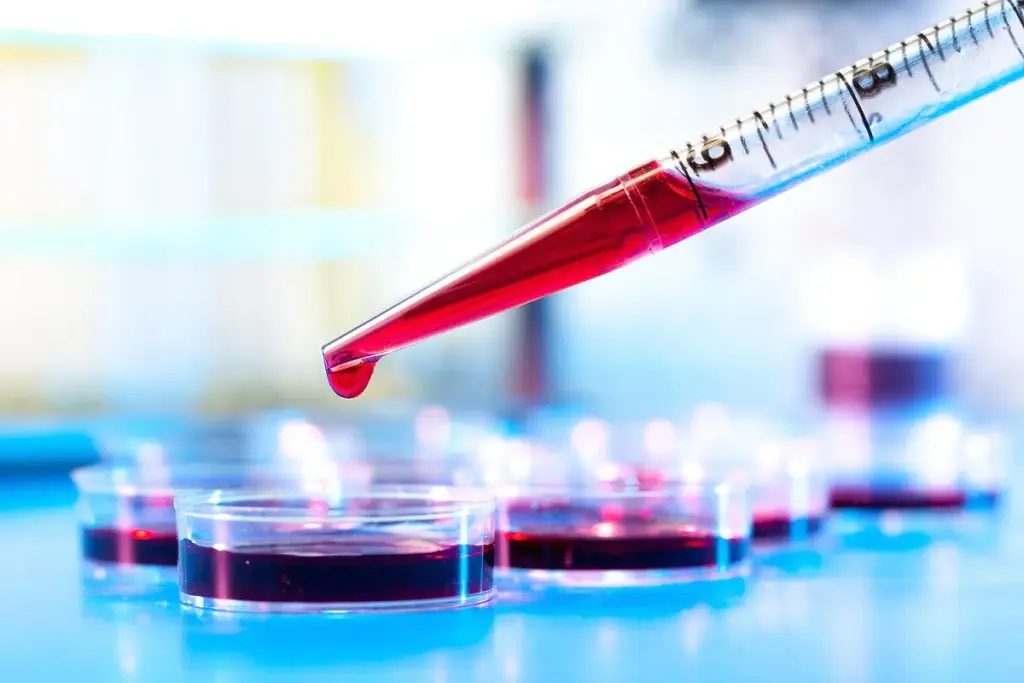
In medical terms, HSC means two important things: Hematopoietic Stem Cells and Hysteroscopy.
Hematopoietic Stem Cells are key for making blood cells. They help the body replace and fix blood and immune systems.
Hysteroscopy is a way to look inside the uterus. It helps find and treat gynecological problems.
Understanding the meaning of HSC is crucial for both doctors and patients as it paves the way for innovative approaches to diagnose and treat conditions in hematology and gynecology.
Use gabapentin for safe pain control during HSC treatments. Learn how this medication helps manage nerve pain for recovering patients.
Key Takeaways
- HSC stands for Hematopoietic Stem Cells and Hysteroscopy.
- Hematopoietic Stem Cells are vital for blood cell production.
- Hysteroscopy is a procedure for examining the uterus.
- Understanding HSC is important for doctors and patients.
- HSC is linked to new ways to diagnose and treat hematology and gynecology.
Understanding Medical Abbreviations in Healthcare

It’s key to understand medical abbreviations for patient safety. These abbreviations stand for complex medical terms and treatments. They help doctors and nurses share patient info fast and right.
Knowing these abbreviations is very important. Medical terms, including abbreviations, are the language of healthcare. They help doctors write down patient info and talk to each other. Getting these abbreviations right is key to avoiding wrong diagnoses and treatments.
The Importance of Medical Terminology
Medical terminology is a special language in healthcare. It includes words and abbreviations for medical conditions and treatments. Knowing this language is vital for doctors to talk clearly. It helps cut down on mistakes and improves patient care. Using the same medical terms helps share patient info between different places.
Common Challenges with Medical Abbreviations
Medical abbreviations can be tricky. One big problem is they can be misread. For example, “HSC” can mean Hematopoietic Stem Cells or Hysteroscopy, depending on the situation.
“The wrong reading of medical abbreviations can cause big problems, like giving the wrong medicine or treatment.”
So, doctors and nurses need to be careful with these abbreviations.
To solve these problems, hospitals set rules for using medical abbreviations. Making sure everyone knows the abbreviations can lower mistakes. Also, using electronic health records (EHRs) that recognize abbreviations can help avoid misunderstandings.
Primary Meanings of HSC in Medicine
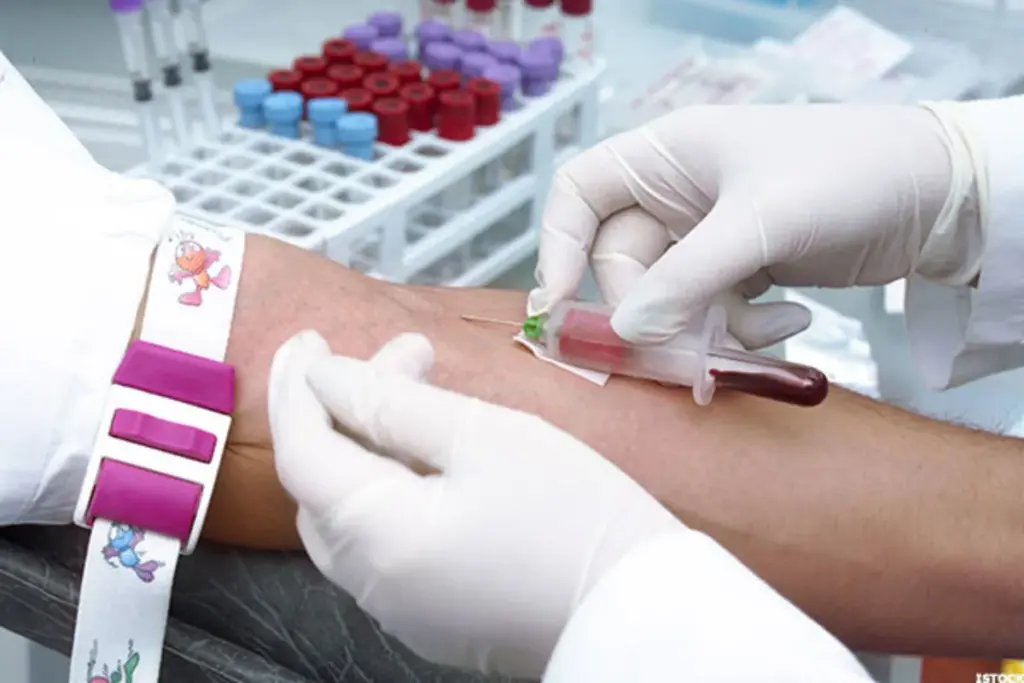
HSC is a key term in medical science with several meanings. In medicine, HSC mainly refers to two areas: Hematopoietic Stem Cells and Hysteroscopy.
Overview of Different HSC Definitions
Hematopoietic Stem Cells (HSCs) are essential for making blood cells. They can turn into different blood cell types. This makes them important for treating blood disorders.
HSCs are used in:
- Bone marrow transplants
- Treatment of blood cancers
- Immune system disorders
Hysteroscopy is a procedure to look inside the uterus. It helps diagnose and treat uterine issues.
Key aspects of Hysteroscopy include:
- Visual examination of the uterine cavity
- Diagnostic and therapeutic applications
- Minimally invasive procedure
Context-Dependent Usage in Clinical Settings
The meaning of HSC changes based on the setting. In oncology, it means Hematopoietic Stem Cells. In gynecology, it means Hysteroscopy.
Knowing the right meaning of HSC is key for doctors to give correct treatments. HSC is vital in both hematology and gynecology.
In some cases, HSC transplants use gabapentin for pain. Gabapentin, an anti-epileptic drug, is used for this. It shows how medical treatments can be versatile.
Hematopoietic Stem Cells: Definition and Function
<image4>
Hematopoietic stem cells are the starting point for all blood cells. They are vital for keeping the body’s blood cell count steady. These cells can turn into different types of blood cells, like red and white blood cells, and platelets.
What Are Hematopoietic Stem Cells?
Hematopoietic stem cells (HSCs) live in the bone marrow. They are key to making blood cells. They can grow and change into many blood cell types. This is why they are so important for our blood system all our lives.
The Role of HSCs in Blood Formation
HSCs are mainly responsible for making blood cells. This process is called hematopoiesis. It involves complex steps that turn HSCs into mature blood cells. Growth factors and cytokines help control this process to meet the body’s needs.
The table below shows the different blood cells made by HSCs and what they do:
|
Blood Cell Type |
Function |
|---|---|
|
Red Blood Cells |
Carry oxygen throughout the body |
|
White Blood Cells |
Play a key role in the immune system, fighting infections |
|
Platelets |
Involved in blood clotting, preventing excessive bleeding |
Knowing how HSCs help make blood is key to understanding their role in health and disease. Problems with HSCs can cause blood disorders. This shows how important these cells are for our blood health.
The Science of Hematopoiesis
<image5>
HSCs are key in hematopoiesis, the process of making blood cells. This process is vital for keeping the right number of red, white blood cells, and platelets. It ensures our bodies have enough to function properly.
How HSCs Generate Blood Cells
HSCs start by renewing themselves to keep their numbers up. Then, they turn into progenitor cells. These cells then decide which blood cell type to become. This choice is guided by many factors like genes and signals.
Key steps in this process include:
- The self-renewal of HSCs to maintain their numbers.
- Differentiation into multipotent progenitor cells.
- Lineage commitment to become specific types of blood cells.
- Maturation of blood cells to become functional.
The Daily Production of Blood Cells
The body makes billions of blood cells every day. This number changes based on what the body needs. It can increase during infections or when we lose blood.
The scale of blood cell production is vast:
- Red blood cells are produced at a rate of about 2 million per second.
- White blood cells are produced as needed, with their production increasing in response to infections.
- Platelets are also produced continuously, with their numbers adjusting according to the body’s needs.
Understanding how HSCs work in hematopoiesis is key. It helps us grasp blood disorders and treatments like HSC transplantation.
HSC Location and Prevalence in the Body
HSCs are key in making blood cells. Knowing where they are in the body is vital for research and treatment. They help make all types of blood cells, which is essential for our health.
The main place for HSCs is in the bone marrow. This spongy tissue is inside bones like the hips and thighbones. It’s where blood cells are made. The bone marrow is like a home for HSCs, helping them grow and work well.
Bone Marrow as the Primary Source
The bone marrow is where most HSCs live. It has a network of blood vessels and cells that help make blood. Adult bone marrow has HSCs at different stages, from new to mature.
- HSCs in the bone marrow make blood cells all the time.
- The bone marrow’s environment is key to HSCs’ work.
Peripheral Blood and Umbilical Cord Blood Sources
HSCs are also found in peripheral blood and umbilical cord blood. While there are fewer HSCs in peripheral blood, they can move into the blood when needed. This makes them easier to get for use in treatments.
“The use of peripheral blood and umbilical cord blood as sources of HSCs has expanded the possibilities for hematopoietic stem cell transplantation, making it easier than traditional bone marrow transplantation.”
Umbilical cord blood is a special source of HSCs. It’s easy to get and less likely to cause problems in transplant patients.
- Peripheral blood HSCs are used in many treatments, including transplants.
- Umbilical cord blood banks store HSCs for future medical use.
Knowing where HSCs are is key for better treatments like stem cell therapy and bone marrow transplants. Their presence in the body shows how important they are for our health and fighting diseases.
Hematopoietic Stem Cell Transplantation
HSC transplantation is a key treatment for blood cancers and immune disorders. It replaces damaged stem cells with healthy ones. These can come from the patient (autologous) or a donor (allogeneic).
Types of HSC Transplants
There are two main types: autologous and allogeneic. Autologous transplants use the patient’s own stem cells. These are collected, stored, and then given back after chemotherapy. Allogeneic transplants use stem cells from a donor. This can help fight cancer.
“Choosing between autologous and allogeneic depends on the disease, health, and donor availability,” saysa top hematologist.
The Transplantation Process
The process starts with checking if the patient is a good candidate. Then, they go through conditioning therapy. This includes high-dose chemotherapy and sometimes radiation to kill diseased cells.
After that, the patient gets the HSC infusion. It’s like a blood transfusion.
- Pre-transplant evaluation
- Conditioning regimen
- HSC infusion
- Post Transplant care
Post Transplant Care
After the transplant, care is very important. Patients are watched for signs of engraftment, infections, and GVHD. Managing neuropathic pain is also key. Sometimes, gabapentin is used.
says, “Good post-transplant care boosts patient outcomes and quality of life.”
Medical Conditions Treated with HSC Transplants
HSC transplants are a key treatment for many serious medical conditions. They are very helpful for certain blood cancers. These transplants offer hope for diseases that were hard to treat before.
Blood Cancers and Leukemia
Blood cancers like leukemia, lymphoma, and multiple myeloma are treated with HSC transplants. Leukemia is a cancer of the blood or bone marrow. It’s often treated with HSC transplants when other methods don’t work.
The treatment involves high doses of chemotherapy or radiation to kill cancer cells. Then, healthy stem cells are given to replace the damaged bone marrow. This method has been very successful in treating different types of leukemia, like acute myeloid leukemia (AML) and chronic lymphocytic leukemia (CLL).
Immune Disorders and Other Applications
HSC transplants are also used for severe immune disorders. Conditions like severe combined immunodeficiency (SCID) are treated by replacing bad immune cells with good ones.
They are also being looked at for treating other diseases, like some autoimmune diseases and genetic disorders. HSCs can help rebuild the blood and immune system. This makes them very useful for treating these complex conditions.
Patients getting HSC transplants might face side effects that need extra care. Gabapentin, an anti-epileptic drug, is sometimes used to manage neuropathic pain or other side effects. This shows the importance of full care in dealing with HSC transplant side effects.
Success Rates and Outcomes of HSC Treatments
Medical technology has made HSC treatments more effective. Hematopoietic Stem Cell (HSC) transplants help with blood disorders and some cancers. Success is measured by how long patients live and their health after the transplant.
Survival Improvements Over Time
Patient survival after HSC transplants has greatly improved. This is thanks to better donor matching, new treatments, and better care after the transplant. The 5-year survival rate for these patients has risen a lot.
|
Year |
5-Year Survival Rate |
|---|---|
|
2000 |
40% |
|
2010 |
55% |
|
2020 |
70% |
Factors Affecting Transplant Success
Many things can affect how well a transplant works. These include the patient’s age, health, the disease being treated, and how well the donor and recipient match. The type of stem cells used also matters.
Key factors affecting HSC transplant success:
- Donor-recipient match quality
- Patient’s pre-transplant health status
- Type of conditioning regimen used
- Post-transplant care and follow-up
Using drugs like gabapentin to manage pain has helped patients too. Knowing how gabapentin works to relieve pain is important for better care after a transplant.
In summary, HSC treatments are getting better thanks to new technology and care methods. More research and better transplant procedures will likely lead to even better results for patients.
Gabapentin Use in HSC Transplant Patients
Gabapentin is key in treating neuropathic pain for patients getting Hematopoietic Stem Cell (HSC) transplants. This pain is common after HSC transplants and can really affect a patient’s life. It’s important to manage this pain well to make sure the transplant is successful.
Managing Neuropathic Pain After HSC Procedures
Neuropathic pain can happen after HSC transplants for many reasons. This includes the treatment process, graft-versus-host disease (GVHD), or nerve damage. Gabapentin, an anticonvulsant, helps with this pain. It works by changing how calcium channels work in the brain, which helps reduce pain.
“Gabapentin is really helpful for pain that doesn’t get better with usual treatments,” a study on pain in HSC transplant patients says. Doctors can use gabapentin to help manage pain better.
Gabapentin Dosage and Administration
The right dose of gabapentin for HSC transplant patients depends on several things. This includes how bad the pain is, how well the kidneys work, and what other medicines they’re taking. Gabapentin starts at a low dose and goes up slowly. This helps avoid side effects.
- Initial dose: 300 mg on the first day, taken orally.
- Dose titration: Increases based on how well the patient does and how they handle it.
- Maintenance dose: Usually between 1800 mg to 3600 mg a day, split into several doses.
It’s important to watch for signs of gabapentin toxicity, like dizziness, sleepiness, and clumsiness. This is more important for people with kidney problems. Changing the dose based on how the patient is doing and any side effects helps make gabapentin work best.
Hysteroscopy (HSC): A Different Medical Meaning
Hysteroscopy (HSC) is a new way to look inside the uterus. It’s a small procedure that helps doctors see what’s going on inside. This is key for finding and fixing problems in the uterus.
Definition and Purpose of Hysteroscopy
Hysteroscopy lets doctors see inside the uterus with a special tool. This tool is called a hysteroscope. It’s thin and flexible, going through the cervix into the uterus.
The main goal is to find and fix issues like bleeding, infertility, and other problems. The hysteroscope has a camera that shows what’s inside on a screen. This helps doctors spot things like polyps, fibroids, or adhesions.
When Is Hysteroscopy Recommended?
Hysteroscopy is used for many gynecological issues. It helps with bleeding problems, like those caused by hormonal issues, fibroids, or polyps. It’s also used for infertility and miscarriage issues.
It can remove polyps or fibroids that cause symptoms. It’s also used to treat adhesions or scar tissue in the uterus. Plus, it’s part of checking up on women getting fertility treatments.
When talking about hysteroscopy, remember pain management is important after. Gabapentin might be used for pain after surgery. Knowing about uses and dosage of gabapentin helps patients with their treatments.
The Hysteroscopy Procedure Explained
It’s important for patients to know about the hysteroscopy procedure. This method lets doctors see inside the uterus. It helps find and treat problems in the uterus.
Preparation and Process
Before a hysteroscopy, patients get instructions. They might need to stop certain medicines and follow diet rules. The procedure starts with a thin, flexible or rigid tube with a camera being inserted through the cervix into the uterus.
The procedure can be done with local anesthesia, conscious sedation, or general anesthesia. This depends on the patient’s health and the procedure’s complexity. The doctor can see the uterus on a monitor and might take biopsies or do other treatments.
Recovery and Follow-up
After the procedure, patients might feel some cramping and spotting. These symptoms usually go away in a few days. Resting and avoiding heavy lifting are key during recovery. Patients also get advice on when to start normal activities again and what to watch for.
Some patients might get pain relief medicine. Gabapentin is sometimes used for pain, but it’s not directly for the procedure. Knowing the side effects of these medicines is important for care.
|
Aspect |
Description |
|---|---|
|
Preparation |
Avoid certain medications, follow dietary instructions |
|
Anesthesia |
Local, conscious sedation, or general anesthesia |
|
Recovery |
Rest, avoid strenuous activities, watch for complications |
A medical expert says, “Hysteroscopy is a key tool for diagnosing gynecological issues. Its non-invasive nature makes it a top choice for both diagnosis and treatment.”
“Hysteroscopy has greatly improved patient care by allowing for early detection and treatment of uterine problems.”
Diagnostic Applications of Hysteroscopy
Hysteroscopy is a key tool in gynecology. It lets doctors see inside the uterus. This helps find problems that might cause symptoms or conditions.
Investigating Infertility
Hysteroscopy is great for checking why some women can’t get pregnant. It shows the inside of the uterus. Doctors can spot issues like uterine abnormalities, adhesions, or polyps that might stop conception.
This lets doctors find and fix problems that affect fertility.
Diagnosing Uterine Abnormalities
Hysteroscopy is also key for finding uterine problems. It can spot submucous fibroids, endometrial polyps, and other uterine issues. Doctors can see the uterine lining and cavity in detail.
This makes hysteroscopy a vital tool in gynecology. It helps doctors diagnose and treat infertility and uterine problems. By seeing the uterus directly, doctors can make better diagnoses and treatment plans.
Therapeutic Uses of Hysteroscopy
Hysteroscopy is a key procedure in gynecology, helping with many uterine issues. It’s a small, non-invasive way to see and fix problems inside the uterus.
Treating Uterine Conditions
Therapeutic hysteroscopy helps with polyps, fibroids, and adhesions. It removes these issues, easing bleeding problems, boosting fertility, and improving health.
“The use of hysteroscopy has changed how we handle uterine problems,” says a top gynecologist. “It’s a gentler way than old surgeries.”
Minimally Invasive Advantages
Hysteroscopy is good because it’s small and doesn’t hurt as much. It means less pain after, quicker healing, and fewer risks than big surgeries. It’s great for those wanting to keep their fertility or get back to life fast.
With therapeutic hysteroscopy, doctors can treat uterine issues well. It’s kind to patients, both physically and emotionally. As gynecology grows, hysteroscopy’s role will too, helping women’s health even more.
Risks and Complications of Hysteroscopy
Hysteroscopy is generally safe, but it comes with risks. Knowing these risks is key for good care. There are possible problems that can happen during or after the procedure.
Common Minor Complications
Minor issues with hysteroscopy include:
- Mild discomfort or cramping
- Spotting or light bleeding
- Infection
- Nausea or dizziness
These problems usually don’t last long. They can be handled with the right care. For example, mild pain can be eased with over-the-counter pain meds.
Serious Complications and Their Frequency
Though rare, serious problems can affect health a lot. These include:
- Uterine perforation
- Excessive bleeding
- Fluid overload or electrolyte imbalance
- Damage to surrounding organs
These serious issues are not common. A study found their frequencies as follows:
|
Complication |
Frequency |
|---|---|
|
Uterine Perforation |
0.8% |
|
Excessive Bleeding |
0.5% |
|
Fluid Overload |
0.2% |
|
Organ Damage |
0.1% |
Managing pain after hysteroscopy might involve gabapentin. The right dose depends on the patient’s needs and history.
It’s vital for both doctors and patients to know about hysteroscopy risks. Being informed helps patients prepare and manage any problems better.
Other Less Common Meanings of HSC in Medicine
The acronym HSC has many meanings in medicine, beyond what’s most common. It includes Hematopoietic Stem Cells and Hysteroscopy, but there are more. These meanings are important in the medical world.
Health Sciences Center
These centers are key in advancing medical knowledge. They train future healthcare professionals. They work with hospitals and research institutes to improve care.
Health Service Commission
In some places, HSC means Health Service Commission. This group oversees healthcare services. They make sure providers meet standards and guidelines.
They manage funding, check service quality, and handle patient complaints. Their work is vital for public trust in healthcare.
Additional Clinical Usages
HSC can also mean different things in clinical settings. For instance, it might stand for health screening criteria or health service codes in medical records or studies.
In conclusion, HSC has many meanings in medicine. It includes Hematopoietic Stem Cells, Hysteroscopy, Health Sciences Center, and Health Service Commission. Knowing these meanings helps healthcare professionals and researchers communicate better.
Future Directions in HSC Research and Applications
The future of HSC research is set to change regenerative medicine. Scientists are learning more about hematopoietic stem cells. This knowledge is leading to new uses.
Regenerative Medicine Promise
HSCs are key for regenerative medicine. They can turn into different blood cells. This opens doors for treating many diseases and injuries.
- Tissue Repair: HSCs might fix damaged tissues. This gives hope to those with degenerative diseases.
- Blood Disorders: HSCs are being used more in blood disorder treatments. Research is working to make these treatments better.
Emerging Therapies Beyond Hematology
HSCs are also being looked at for other treatments. They might help with:
- Cardiovascular Diseases: HSCs could help with heart disease by fixing blood vessels.
- Neurological Disorders: Scientists are studying if HSCs can treat brain conditions.
Also, gabapentin is being studied for neuropathic pain relief in HSC transplant patients. Gabapentin reviews show it helps with pain.
As HSC research grows, we’ll see more new uses. This will change how we treat medical conditions and care for patients.
Conclusion
HSC stands for many important medical terms, like hematopoietic stem cells and hysteroscopy. Hematopoietic stem cells help make blood and are used in treatments for blood diseases. Hysteroscopy is a way to check and treat problems in the uterus.
It’s key for doctors and patients to know about HSC. Gabapentin is also mentioned as a pain medicine, often used for nerve pain after surgeries.
In summary, HSC is a big part of medicine, affecting how we care for patients. As research grows, learning about HSC and its uses will keep being important in healthcare.
FAQ
What does HSC stand for in medical terminology?
HSC can mean two things in medicine. It stands for hematopoietic stem cells and hysteroscopy.
What is the role of hematopoietic stem cells in the body?
Hematopoietic stem cells are key for making blood cells. They help create red blood cells, white blood cells, and platelets.
What is hysteroscopy used for?
Hysteroscopy is a way to look inside the uterus. It helps find and treat problems in the uterus.
How are hematopoietic stem cells used in medical treatments?
These cells are used in transplants. They help treat blood disorders like leukemia and lymphoma.
What is gabapentin used for in patients who have undergone HSC transplantation?
Gabapentin helps with pain after HSC transplant. It’s given in doses from 300mg to 3600mg daily.
What are the possible side effects of gabapentin?
Gabapentin can cause dizziness, sleepiness, and tiredness. Serious side effects include allergic reactions and mood changes.
How is hysteroscopy performed?
A hysteroscope is inserted through the cervix into the uterus. This lets doctors see inside the uterus.
What are the benefits of hysteroscopy?
Hysteroscopy is a small procedure. It helps diagnose and treat uterine issues without big surgeries.
What are the risks associated with hysteroscopy?
Risks include minor issues like cramping and bleeding. Serious problems like infection and uterine perforation can also happen.
What is the future of HSC research and applications?
HSC research will help in regenerative medicine. It could lead to new treatments for many diseases
.
References
- Wikipedia contributors. (n.d.). Hematopoietic stem cell. In Wikipedia, The Free Encyclopedia. Retrieved from https://en.wikipedia.org/wiki/Hematopoietic_stem_cell
- IVF‑ICSI.info. (n.d.). Office hysteroscopy. Retrieved from https://ivf-icsi.info/infertility/office-hysteroscopy/
- Whiteley, G. (2016). Flawed recommendations on surface hygiene within the … PMC. Retrieved from https://www.ncbi.nlm.nih.gov/pmc/articles/PMC7128806/ (PMC)
- ScienceDirect. (2019). (Article title not provided in reference). Retrieved from https://www.sciencedirect.com/science/article/pii/S2352396419302459
National Center for Biotechnology Information. Evidence-Based Medical Insight. Retrieved from https://www.ncbi.nlm.nih.gov/books/NBK564345/