Discover the Gastric Balloon procedure for effective weight management. Learn about types like the Swallowable Gastric Balloon and how this non-surgical tool works.
We're Here to Help. Get in Touch.
Send us all your questions or requests, and our expert team will assist you.
Overview and Definition
What is a Gastric Balloon Surgery Treatment?
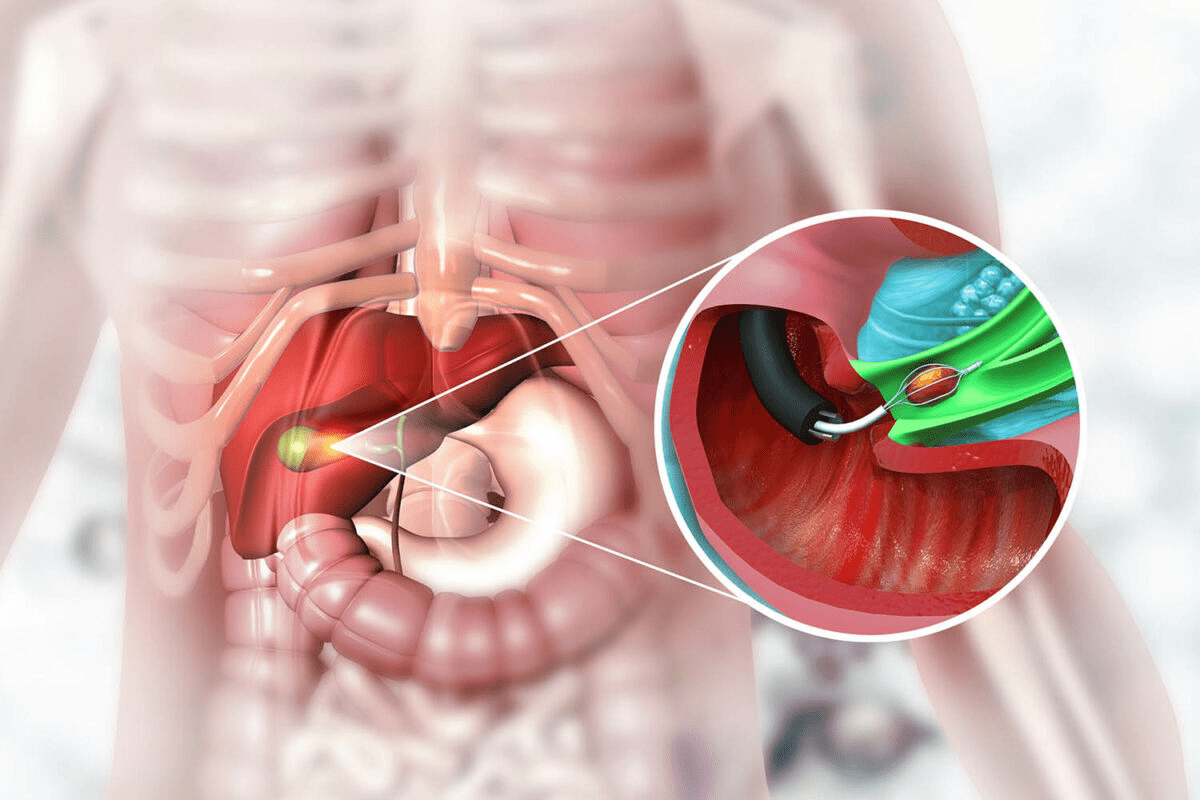
When patients looking for weight-loss solutions ask, “What is a Gastric Balloon Surgery Treatment?”, it is important to clarify that it is actually a non-surgical, temporary medical procedure. A Gastric Balloon is a soft, expandable silicone or polyurethane medical device that is placed directly into the stomach. To understand what does a Gastric Balloon Surgery Treatment do?, you simply have to look at stomach volume. By inflating this device inside the stomach, it takes up a significant amount of space (usually about the size of a grapefruit). This restricts how much food the stomach can hold and creates a constant feeling of fullness (satiety), helping patients eat smaller portions and lose weight without altering their natural anatomy.
The Scope of the Intervention
Unlike bariatric surgeries such as gastric bypass or sleeve gastrectomy, which permanently cut or reroute the digestive tract, the balloon is a temporary tool. It is typically left in place for six to twelve months, acting as a physical aid to help patients jumpstart their weight loss and learn portion control before the device is removed.
Symptoms and Risk Factors
Indications for the Procedure
Patients seek out this intervention when they are experiencing the physical and metabolic symptoms of obesity—such as joint pain, sleep apnea, high blood pressure, and early signs of type 2 diabetes—and have been unable to achieve sustainable weight loss through diet and exercise alone. It is designed to bridge the gap between pure lifestyle modifications and permanent bariatric surgery.
Risks and Side Effects
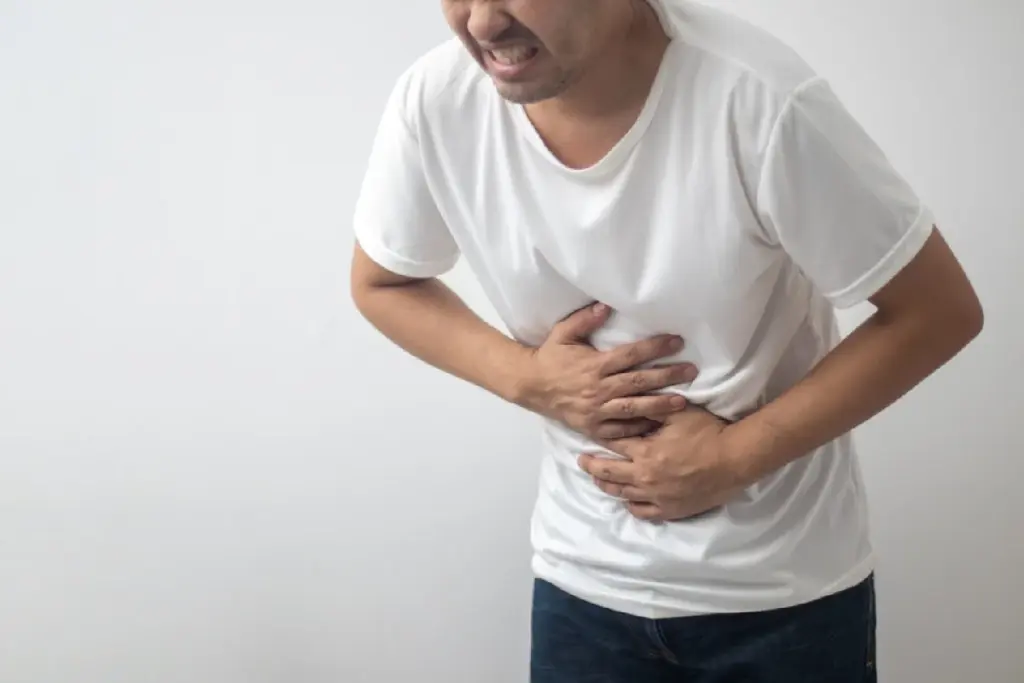
While minimally invasive, the presence of a foreign object in the stomach causes immediate physical reactions. In the first few days after placement, almost all patients experience symptoms like severe nausea, vomiting, and abdominal cramping as the stomach tries to digest or expel the balloon. These symptoms usually subside within a week. A rare but serious risk factor is balloon deflation; if the balloon leaks and deflates, it can move through the digestive tract and potentially cause a life-threatening bowel obstruction.
Diagnosis and Evaluation
Patient Candidacy
Not everyone who wants to lose weight is a candidate. Doctors typically evaluate patients based on their Body Mass Index (BMI). The ideal candidate has a BMI between 30 and 40 and is willing to commit to a medically supervised lifestyle and behavior modification program.
Pre-Procedure Endoscopy
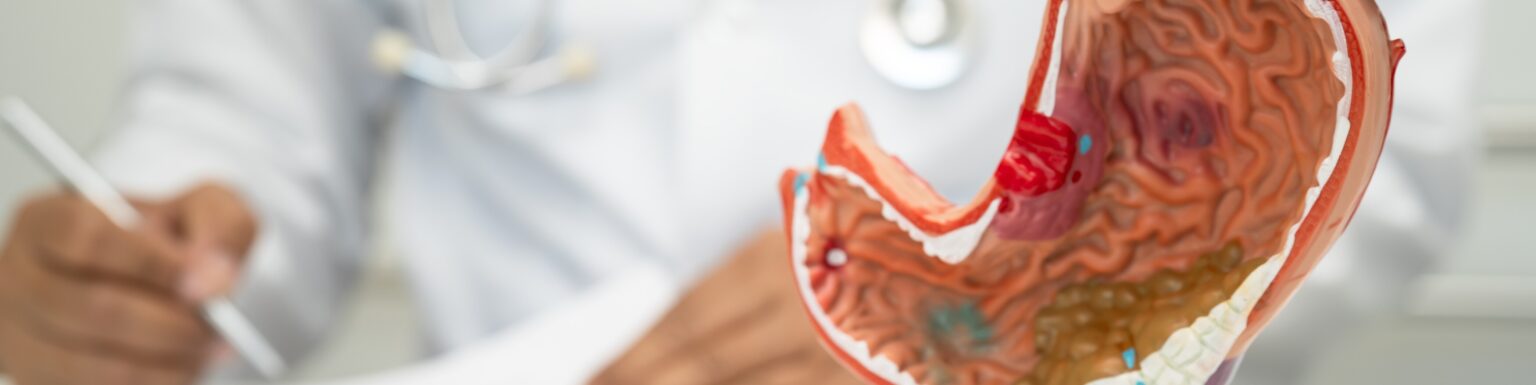
Before a traditional balloon can be placed, a gastroenterologist or bariatric surgeon must perform a comprehensive evaluation of the stomach. This involves a diagnostic upper endoscopy—passing a thin camera down the throat to inspect the stomach lining. If the doctor finds active stomach ulcers, a large hiatal hernia, or signs of severe acid reflux, the procedure cannot be safely performed, as the balloon would exacerbate these conditions. Previous stomach surgeries also disqualify a patient from receiving a balloon.
Treatment and Management
Types of Balloon Systems
The technology has advanced significantly, offering several specialized options to fit different patient needs:
Single-balloon System: The standard approach, where a single silicone sphere is filled with sterile saline mixed with a blue dye (so that if it leaks, the patient’s urine turns blue as an early warning sign).
Dual-balloon System: This system uses two connected balloons. It is designed to conform better to the natural curvature of the stomach and reduces the risk of intestinal blockage; if one deflates, the other keeps the system too large to pass into the intestines.
Adjustable Gastric Balloon: This saline-filled balloon is unique because its volume can be increased or decreased endoscopically during the treatment period to alleviate severe nausea or to jumpstart stalled weight loss.
Air-filled Gastric Balloon: Instead of heavy saline, this balloon is filled with gas. Because it is much lighter, it significantly reduces the early symptoms of severe nausea and cramping.
Swallowable Gastric Balloon: This is a revolutionary, completely non-endoscopic option. The patient swallows a pill-sized capsule containing the deflated balloon, attached to a thin catheter. Once an X-ray confirms it is in the stomach, the doctor fills it with fluid through the catheter, and the catheter is pulled out.
The Global Landscape of Treatment
Because these procedures are often considered elective and not covered by standard health insurance, many patients travel abroad for affordable, high-quality care. A Gastric Balloon Operation in Turkey, for example, has become highly sought after in the medical tourism industry. Turkish clinics often provide state-of-the-art facilities, highly experienced bariatric specialists, and comprehensive care packages at a fraction of the cost found in the US or Western Europe.
Recovery and Prevention
Post-Placement Diet and Adaptation
Recovery is heavily focused on dietary management. For the first week after placement or swallowing, patients must stick to a strict clear liquid diet to allow the stomach to adapt to the balloon without excessive vomiting. This transitions slowly to pureed foods, soft foods, and eventually regular solid foods. The balloon acts as a training wheel, forcing the patient to eat slowly, chew thoroughly, and stop eating at the first sign of fullness.
Long-Term Weight Maintenance
It is vital to be candid about the reality of this treatment: the balloon is not a magic cure. After 6 to 12 months, the balloon is either removed endoscopically or, in the case of some swallowable models, naturally dissolves and passes through the digestive tract. Preventing weight regain after removal relies entirely on the patient maintaining the new, healthier eating habits and exercise routines they developed while the balloon was in place.
30 Years of Excellence
Trusted Worldwide
With patients from across the globe, we bring over three decades of medical
15 Healthy Bariatric Recipes: An Amazing, Simple Guide
After bariatric surgery, patients face a new diet challenge. Nutrient-rich meals are key. Finding the right mix of low-calorie meal ideas and high-protein food options
Bariatric Diet Definition: An Amazing, Simple Guide
The bariatric diet definition made simple. Our amazing guide explains the critical, post-surgery eating plan, from liquids to solids. Choosing to have bariatric surgery is
What is the best bariatric vitamin? Our ultimate #1 guide reveals the critical, specific nutrients you absolutely must have. After bariatric surgery, patients face a