
Living with chronic hives that get worse at night can be really tough. It makes everyday life hard and takes away peaceful sleep from many people around the world. Explaining why chronic hives (urticaria) symptoms often worsen at night and discussing the typical duration of the condition.
Studies show that up to 90 percent of chronic urticaria cases don’t have a clear cause. This leaves many people searching for answers. We’ll look into why symptoms get worse at night, like higher skin temperature and how our body’s clock affects mast cells.
Learning about nighttime symptoms and treatment options can bring hope and relief to those dealing with this condition.
Key Takeaways
- Chronic hives worsen at night due to multiple physiological factors.
- Elevated skin temperature and circadian rhythm affect mast cell function.
- Understanding the causes of nocturnal exacerbation can help in finding relief.
- Various treatment options are available to manage chronic urticaria symptoms.
- Identifying the underlying cause is key for effective management.
Understanding Chronic Hives and Their Impact
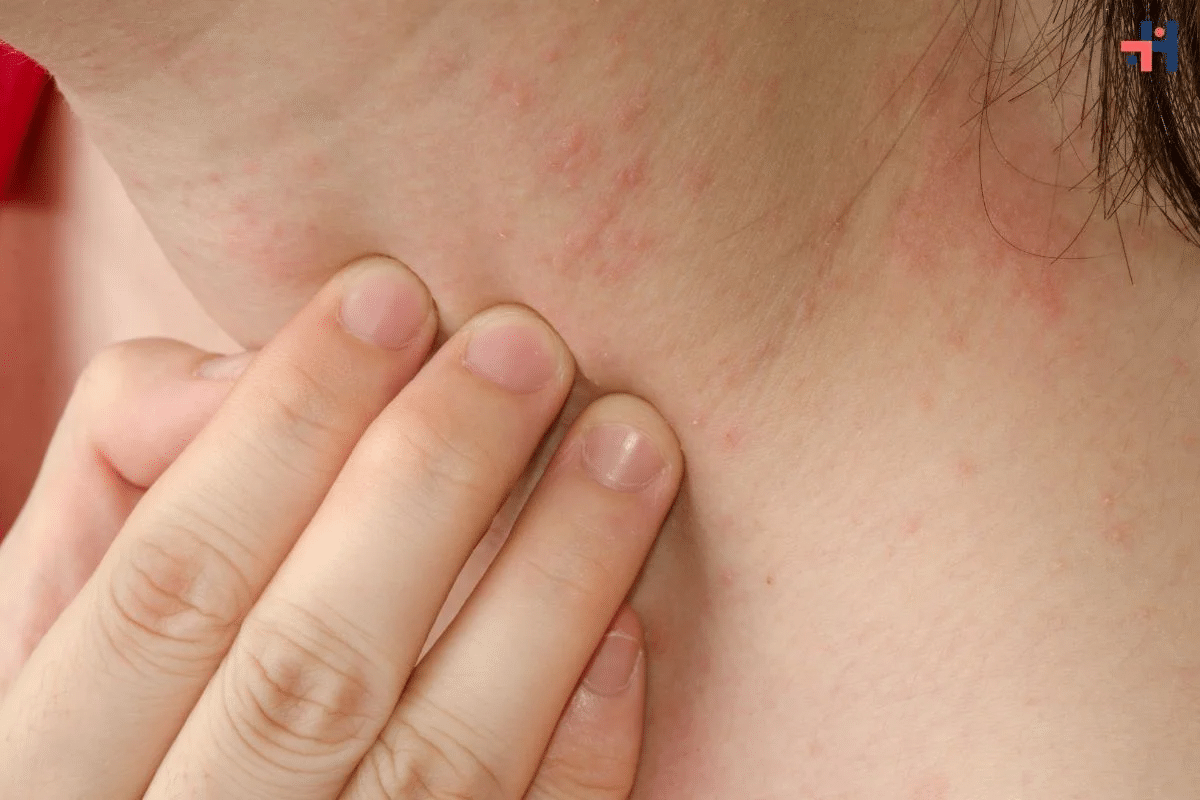
Chronic urticaria is a condition that affects millions worldwide. It causes a lot of distress because of its unpredictable nature. It also impacts the quality of life significantly.
Definition and Clinical Presentation
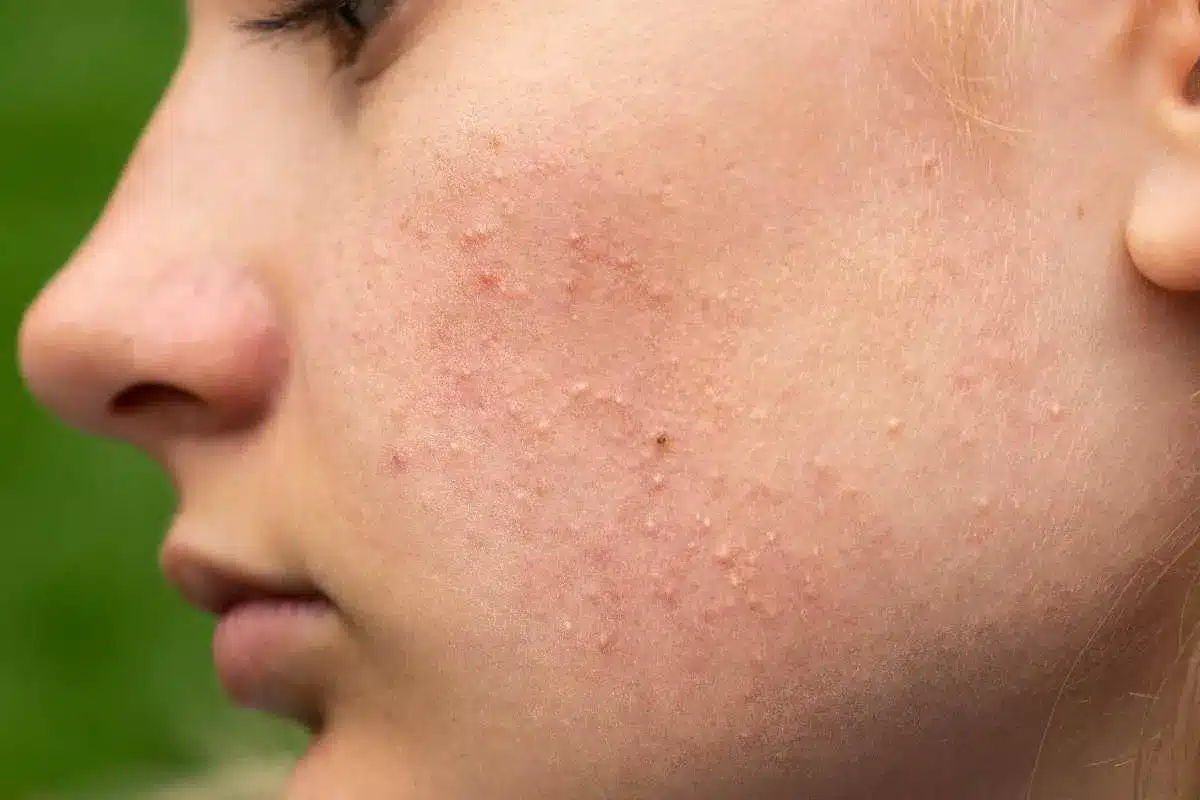
Chronic urticaria is marked by itchy welts, or hives, that last more than six weeks. These welts can appear anywhere on the body and vary in size. Symptoms are considered chronic if they last more than six weeks and happen at least twice a week.
The symptoms of chronic urticaria can vary a lot. Some people may have mild symptoms, while others may have severe reactions. The itchy welts can cause a lot of discomfort, leading to sleep problems and emotional distress.
Difference Between Acute and Chronic Urticaria
It’s important to know the difference between acute and chronic urticaria. Acute urticaria usually lasts 2 to 3 weeks and is often caused by allergic reactions. These can be to foods, medications, or infections.
Chronic urticaria, on the other hand, lasts more than six weeks and can go on for months or years. Its triggers are often more complex and may include autoimmune factors, environmental triggers, or unknown causes.
|
Characteristics |
Acute Urticaria |
Chronic Urticaria |
|---|---|---|
|
Duration |
Resolves within 2 to 3 weeks |
Persists beyond 6 weeks |
|
Triggers |
Often allergic reactions, infections |
Autoimmune, environmental, idiopathic |
|
Frequency of Episodes |
Typically a single episode or short series |
Recurring episodes at least twice weekly |
Knowing these differences is key to managing the condition well. It helps improve the quality of life for those affected.
Prevalence and Demographics of Chronic Urticaria
[Add image here]
It’s important to understand who gets chronic urticaria and how common it is. This condition affects many people, with different effects on different groups.
Who Is Most Affected by Chronic Hives
Women between 30 and 50 years old are most often hit by chronic urticaria. Research shows that up to 5 percent of people will get chronic hives at some time. “The condition is more common in women than in men, and its prevalence tends to decrease with age,” as noted in recent research.
Statistical Overview of Chronic Urticaria Cases
Chronic urticaria is a big health problem around the world. It can last more than six weeks, and sometimes even years. It’s not just a local issue; it’s a global concern.
Here are some important stats:
- Up to 5% of the population may develop chronic hives.
- Women are more frequently affected than men.
- The condition is most common in adults between 30 and 50 years old.
Common Causes and Triggers of Chronic Hives
Chronic hives can be hard to pinpoint, but research has found several key factors. Chronic urticaria is a complex condition. Knowing its causes and triggers is key to managing it.
Autoimmune Factors in Chronic Urticaria
About 30 to 40 percent of chronic urticaria cases are linked to autoimmune conditions. Autoimmune factors are a big part of chronic hives. In autoimmune chronic urticaria, the body attacks its own tissues, causing hives.
Medical Expert, an expert, says, “Autoimmune chronic urticaria is a big part of the condition. It needs a treatment that fixes the immune system problems.”
Research shows that patients with autoimmune chronic urticaria have autoantibodies. These autoantibodies can make mast cells release histamine, causing hives.
Idiopathic Chronic Hives: When the Cause Remains Unknown
Despite lots of research, up to 90 percent of chronic urticaria cases are unexplained. Idiopathic means we don’t know the cause. These cases are diagnosed by ruling out other causes.
Managing idiopathic chronic hives is tough. It takes trying different things to find what works.
“The majority of chronic urticaria cases are idiopathic, presenting a challenge for clinicians and patients alike in terms of management and treatment.”
Medical Expert, Dermatologist
Environmental and Dietary Triggers
Autoimmune factors aren’t the only thing that can cause chronic urticaria. Environmental and dietary triggers also play a big role. Things like temperature, sunlight, and physical pressure can cause hives. Food additives, preservatives, and some foods can also trigger hives.
- Food additives like artificial colors and flavors
- Preservatives such as sulfites
- Certain food groups, including nuts, shellfish, and dairy products
Knowing and avoiding these triggers is important for managing chronic urticaria. Keeping a symptom diary can help track triggers and see how different foods and environments affect symptoms.
The Physiology Behind Chronic Urticaria
To understand chronic urticaria, we must look at histamine, mast cells, and how they cause inflammation. This condition makes hives and swelling last more than six weeks. It involves many cells and molecules working together.
The Role of Histamine and Mast Cells
Mast cells are key in chronic urticaria. They release histamine and other substances that cause symptoms. When mast cells burst, they release histamine. This histamine makes blood vessels wider and more open, leading to hives and itching.
Mast cell activation can start from many things, like autoimmunity, infections, or physical stress. Often, we don’t know why mast cells get activated, making treatment hard.
Inflammatory Processes in Chronic Hives
Inflammation is a big part of chronic urticaria. Many inflammatory cells, like T lymphocytes and eosinophils, move into the skin. These cells release substances that keep the inflammation going.
|
Inflammatory Cell |
Role in Chronic Urticaria |
|---|---|
|
T Lymphocytes |
Release cytokines that promote inflammation |
|
Eosinophils |
Contribute to the inflammatory response and tissue damage |
|
Basophils |
Release histamine and other mediators |
The mix of mast cells, histamine, and inflammation is what drives chronic urticaria. Knowing how these work together is key to finding good treatments.
Why Do Chronic Hives Get Worse at Night?
Many people with chronic hives find their symptoms get worse at night. We’ll look into why this happens.
Elevated Skin Temperature During Sleep
One reason is the elevated skin temperature during sleep. Our body temperature goes up a bit when we sleep. This can make hives symptoms worse.
Circadian Rhythm Effects on Mast Cell Function
The circadian rhythm affects our body’s functions, including mast cells. Mast cells play a big role in hives. Studies show that mast cell activity can follow our natural body clock. This might lead to more histamine release and worse symptoms at night.
Decreased Anti-Itch Chemical Levels at Night
There’s also a decrease in anti-itch chemicals at night. Our body has natural chemicals that help fight itchiness. These levels might drop at night, leaving us with less defense against itch.
Reduced Distraction and Increased Awareness of Symptoms
Daytime distractions can take our mind off hives. But at night, with fewer distractions, we notice our symptoms more. This makes the itching and discomfort feel worse.
In summary, chronic hives get worse at night due to several reasons. These include higher skin temperature, how our body’s rhythm affects mast cells, lower anti-itch chemicals, and being more aware of symptoms. Knowing these factors can help us find ways to manage symptoms better at night.
How Long Do Chronic Hives Last?
Chronic hives can last different lengths of time for each person. Some may see their symptoms go away in a few years. Others may deal with them for much longer.
Typical Duration Patterns in Chronic Urticaria
Chronic urticaria is hard to predict because it’s so unpredictable. Studies have shown that about half of those with it see their symptoms go away in a year. But others may have them for years.
Many things can affect how long hives last. This includes the cause of the hives and how well treatment works. It’s key for patients to work closely with their healthcare provider to manage their symptoms and possibly shorten how long they last.
Factors Affecting the Duration of Chronic Hives
Several factors can influence how long chronic hives last, including:
- The underlying cause of the condition, such as autoimmune factors or environmental triggers.
- The effectiveness of the treatment plan and patient compliance.
- The presence of other health conditions that may complicate or exacerbate chronic urticaria.
Understanding these factors is key to making a good management plan. By finding and dealing with the root causes and triggers, doctors can help patients lessen their symptoms’ duration and severity.
In summary, while chronic hives can last different lengths of time, a detailed treatment plan and regular check-ups with a healthcare provider can help manage the condition. This might even shorten how long symptoms last.
Does Chronic Urticaria Ever Go Away?
People with chronic urticaria often wonder if it will ever go away. The answer depends on understanding remission and what affects it.
Remission Rates and Patterns
Research shows that some people with chronic urticaria go into remission. But, the rates vary a lot. About 30-50% of patients get better on their own within a year. Yet, how long they stay in remission can differ a lot.
Remission patterns vary and depend on several things. These include the cause of urticaria, if it’s autoimmune, and how well treatment works. We’ll look at these factors in more detail below.
Predictive Factors for Resolution of Symptoms
Several things can tell us if symptoms will get better. These include:
- The presence of autoimmune factors, which can affect how long and severe the condition is.
- The effectiveness of treatment and how well the patient responds to it.
- The underlying cause of chronic urticaria, with some causes being more likely to lead to remission.
Knowing these factors helps doctors create better treatment plans. This can increase a patient’s chance of going into remission.
By looking at remission rates and what predicts them, we can understand if chronic urticaria can truly go away. This is important for those living with the condition.
The Connection Between Chronic Hives and Blood Pressure
It’s important to understand how chronic urticaria and blood pressure changes are connected. We’ll look into how hives might affect blood pressure and how blood pressure can impact hives.
Can Hives Cause High Blood Pressure?
Hives directly causing high blood pressure is complex. But, the stress and discomfort from chronic hives might raise blood pressure. Stress is known to worsen high blood pressure, and chronic urticaria can be a big stress for many.
Also, some treatments for hives, like corticosteroids, can affect blood pressure. It’s important to weigh the benefits of these treatments against their possible side effects.
|
Factor |
Impact on Blood Pressure |
Relevance to Chronic Hives |
|---|---|---|
|
Stress |
Increases blood pressure |
Chronic hives can be a significant stressor |
|
Corticosteroids |
Can cause hypertension as a side effect |
Used in treating chronic hives |
|
Antihistamines |
Generally does not affect blood pressure |
Common first-line treatment for chronic urticaria |
High Blood Pressure as a Trigger for Hives
There’s not a clear link between high blood pressure and hives. But, high blood pressure might make blood vessels more leaky, making hives worse. Some blood pressure medicines can also cause hives as a rare side effect.
The relationship between chronic hives and blood pressure shows we need a complete approach to care. By understanding these interactions, healthcare providers can give better care.
Treatment Options and Management Strategies for Chronic Hives
For those with chronic hives, knowing the treatment options and management strategies is key. Chronic hives, or chronic urticaria, need a detailed approach to manage well.
First-Line Medications and Therapies
The main treatment for chronic hives is antihistamines. They block histamine, a chemical in allergic reactions. Non-sedating antihistamines are often the first choice because they are effective and safe.
If standard doses of antihistamines don’t work, doctors might increase the dose. Corticosteroids can be used for short-term relief during bad flare-ups. But, they are not used long-term because of side effects.
Advanced Treatment Approaches for Persistent Cases
For those not helped by usual antihistamines, there are more options. Omalizumab, an anti-IgE antibody, can help. It’s given by injection and lowers IgE in the blood, reducing allergic reactions.
For very severe cases, immunosuppressive therapies like cyclosporine might be used. These treatments are for those with symptoms that really affect their life.
Managing Nighttime Flare-Ups Effectively
It’s important to manage nighttime flare-ups to improve sleep and overall health. Cool compresses or cool baths before bed can help. Also, avoiding triggers and keeping a cool sleep area can reduce symptoms at night.
Keeping a symptom diary is also helpful. It tracks when flare-ups happen and what might cause them. This info is great for adjusting treatments and making lifestyle changes to better manage symptoms.
Conclusion: Living Well with Chronic Urticaria
Living with chronic urticaria can be tough, but knowing its causes and treatments helps. We’ve looked at what chronic urticaria is, its symptoms, and what causes it. We also talked about how to treat it.
To manage chronic hives, it’s important to avoid triggers and use the right medicines. Making lifestyle changes also helps. These steps can make symptoms less frequent and less severe.
It’s vital to work with doctors to create a personal plan for managing chronic urticaria. This way, people can control their condition and live better. We’re here to help people manage chronic urticaria and improve their lives.
FAQ
What is chronic urticaria?
Chronic urticaria, or chronic hives, is a condition where hives or swelling lasts over six weeks. It’s not always clear why it happens, but it might be linked to the immune system, environmental factors, or other health issues.
Why do chronic hives get worse at night?
Several things can make chronic hives worse at night. Skin temperature goes up when we sleep, which can make hives worse. The body’s natural rhythm can also affect mast cells, leading to more itching. Plus, we’re less distracted at night, so we notice our symptoms more.
How long does chronic urticaria last?
How long chronic urticaria lasts varies a lot. Some people might get better in a few months, while others deal with it for years. It depends on the cause, how well treatment works, and the person’s overall health.
Does chronic urticaria ever go away?
Yes, chronic urticaria can go away. Some people might not have symptoms anymore. If you don’t have autoimmune markers and treatment works well, you might have a better chance of getting better.
Can hives cause high blood pressure?
Hives themselves don’t directly cause high blood pressure. But, the conditions that cause hives might increase the risk of high blood pressure.
Is there a connection between high blood pressure and hives?
High blood pressure isn’t a direct cause of hives. But, some blood pressure medicines can make hives worse. Also, conditions that lead to high blood pressure might also cause hives.
What are the common causes and triggers of chronic hives?
Many things can trigger chronic hives, like autoimmune responses, unknown causes, environmental factors, and food. Finding and avoiding these triggers is key to controlling symptoms.
How is chronic urticaria treated?
Treating chronic urticaria involves several steps. First, doctors might prescribe antihistamines. For more severe cases, there are other treatments. Making lifestyle changes can also help manage symptoms, including at night.
What can be done to manage nighttime flare-ups of chronic hives?
To handle nighttime flare-ups, try keeping your sleep area cool and avoid known triggers. Stick to your medication schedule and use relaxation techniques to help you sleep better and reduce stress.
References
National Center for Biotechnology Information. Evidence-Based Medical Guidance. Retrieved from https://pmc.ncbi.nlm.nih.gov/articles/PMC7416524/