Chronic Obstructive Pulmonary Disease (COPD) is a lung disease that makes it hard to breathe. The CDC says about 16 million Americans have COPD. Many more might not know they have it.Addressing the reality: is there a way to reverse copd? And focusing on effective treatments to slow progression and improve lung capacity.
COPD cannot be completely reversed, but treatments can help manage symptoms. We’ll look at what we know about COPD reversibility. We’ll also talk about new treatments and lifestyle changes that can improve life quality.
Key Takeaways
- COPD is a progressive lung disease that cannot be completely reversed.
- Approximately 16 million Americans are affected by COPD.
- Various treatments can help manage COPD symptoms and slow disease progression.
- Emerging therapies show promise for tissue repair and improving quality of life.
- Lifestyle changes combined with innovative treatments can significantly benefit COPD patients.
Understanding COPD: Definition and Types
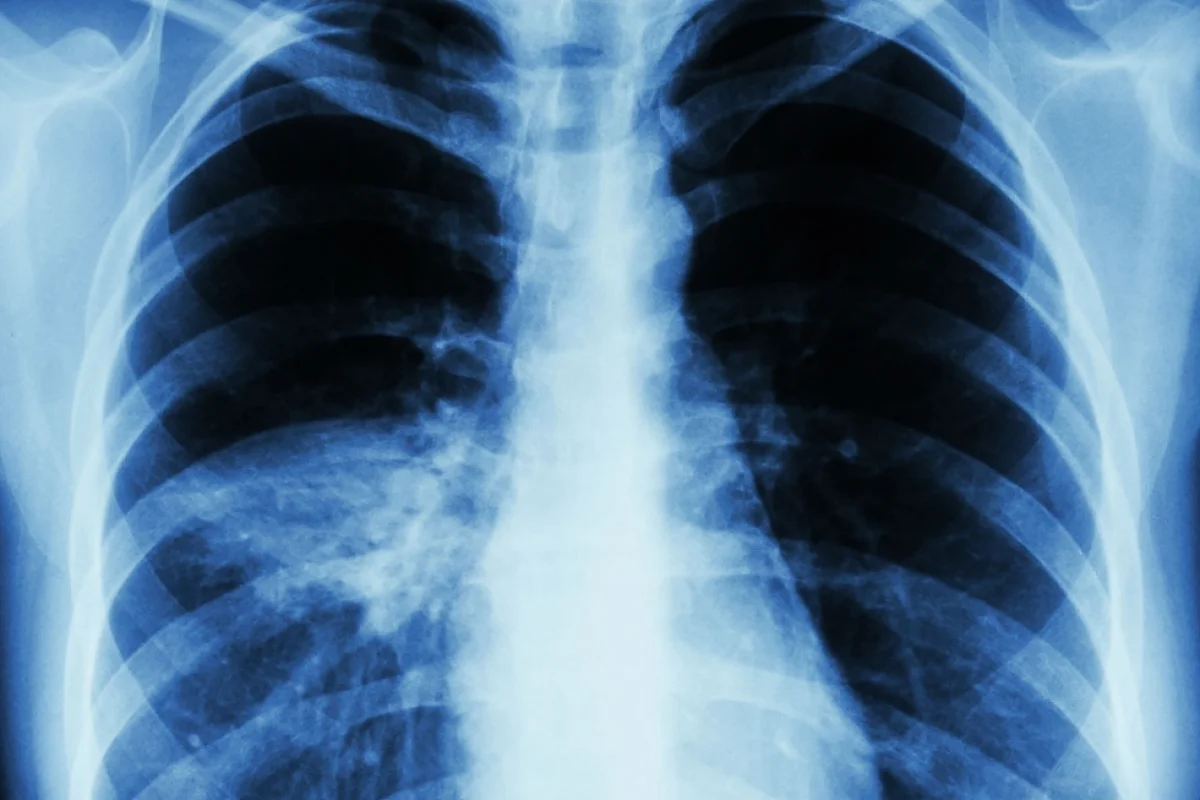
COPD is not just one disease but a group of lung conditions. These include emphysema and chronic bronchitis, which make breathing hard. It’s a lung disease that gets worse over time, causing inflammation and making it hard to breathe.
What is Chronic Obstructive Pulmonary Disease?
COPD is a term for a group of lung conditions. They make it hard to breathe by blocking airflow. Medical Expert.
Emphysema vs. Chronic Bronchitis
Emphysema and chronic bronchitis are the main types of COPD. Emphysema damages the air sacs in the lungs, making it hard to breathe. Chronic bronchitis causes inflammation in the bronchial tubes, leading to coughing and mucus.
|
Condition |
Description |
Primary Symptoms |
|---|---|---|
|
Emphysema |
Damage to air sacs (alveoli) |
Shortness of breath, wheezing |
|
Chronic Bronchitis |
Inflammation of bronchial tubes |
Persistent cough, mucus production |
How COPD Affects the Lungs
COPD causes long-term inflammation and damage to the lungs. This can destroy lung tissue and reduce lung function over time. Knowing how COPD affects the lungs is key to managing it and improving life quality.
Recognizing the types of COPD and their lung impact helps patients and doctors create effective plans.
The Reality of COPD Reversibility

COPD is a lung disease that was once thought to be permanent. But, new research shows early treatment might change that. It’s key for both patients and doctors to grasp the idea of COPD reversibility.
Why COPD Is Considered Irreversible
COPD causes lasting damage to the lungs. This damage makes it hard for air to flow freely. The permanent damage to the lungs is the main reason COPD is seen as irreversible.
- Chronic inflammation leading to airway obstruction
- Damage to alveoli, reducing gas exchange efficiency
- Permanent changes in lung structure
Permanent Lung Damage Explained
COPD damages the lungs in many ways. Emphysema and chronic bronchitis are the main culprits. They affect the airways and the lung tissue differently.
- Emphysema destroys the alveoli, making it hard to breathe out carbon dioxide.
- Chronic bronchitis causes inflammation and narrows the airways, making it hard to breathe.
Distinguishing Between Reversal and Management
Even though COPD is often seen as permanent, effective management can greatly improve life quality. It’s important to know the difference between reversing COPD and just managing its symptoms.
Studies show early treatment might slow or stop COPD from getting worse. This highlights the need for quick medical action and lifestyle changes.
- Stopping smoking to prevent more lung damage
- Using medications like bronchodilators to help breathing
- Pulmonary rehab to improve lung function and health
By understanding COPD reversibility and using effective management, patients can live more active and meaningful lives, even with a diagnosis.
Is There a Way to Reverse COPD? The Medical Perspective
Understanding COPD from a medical standpoint is key to managing it well. COPD is a chronic disease that gets worse over time. But, new medical discoveries offer hope for better symptom management and slowing disease progression.
Current Medical Consensus
The medical community agrees that COPD can’t be reversed by fixing damaged lung tissue. But, quitting smoking is seen as the best way to slow COPD’s worsening. Medical Expert.
Today’s treatments aim to ease symptoms, improve life quality, and slow disease growth. Doctors stress the need for a full treatment plan. This includes medicines, lifestyle changes, and pulmonary rehab.
Difference Between Reversing and Slowing Progression
It’s important to know the difference between reversing COPD and slowing its growth. Reversing COPD means getting lung function back to normal, which is not currently possible. But, slowing its growth is achievable through treatments and lifestyle changes.
We can slow COPD’s growth with treatments and lifestyle changes. This includes medicines like bronchodilators and corticosteroids. Also, pulmonary rehab programs help improve lung function and health.
|
Intervention |
Effect on COPD |
|---|---|
|
Quitting Smoking |
Significantly slows disease progression |
|
Bronchodilators |
Improves lung function by relaxing airway muscles |
|
Pulmonary Rehabilitation |
Enhances overall health and lung function |
Setting Realistic Expectations
It’s important to have realistic expectations about what treatments can do. Current treatments can’t reverse COPD but can greatly improve life quality and slow disease growth.
Patients should work with their doctors to create a treatment plan that fits them. Knowing what treatments can and can’t do helps patients make informed choices about their care.
By taking an active role in managing COPD, people can live full and meaningful lives. We stress the need for a complete and caring approach to COPD management.
Smoking Cessation: The Most Effective Intervention
Quitting smoking is the best way to manage COPD. It slows down lung function decline and boosts health.
Impact on COPD Progression
Quitting smoking helps slow lung function decline in COPD patients. Studies show it can slow disease progression. This improves life quality for those with COPD.
Benefits of Quitting Smoking:
- Reduced risk of COPD exacerbations
- Slower decline in lung function
- Improved overall health and well-being
Timeline of Lung Function Improvement
Quitting smoking leads to lung function improvements over time. The exact timeline varies. But most see benefits within a year.
|
Time After Quitting |
Lung Function Improvement |
|---|---|
|
1-3 months |
Reduced symptoms of coughing and wheezing |
|
6-12 months |
Noticeable improvement in lung function |
|
1-2 years |
Significant reduction in COPD exacerbations |
Resources for Smoking Cessation
Quitting smoking is tough, but many resources can help. These include counseling, nicotine replacement therapy, and prescription drugs.
Nicotine Replacement Therapy (NRT) and prescription medications like bupropion and varenicline boost quit success rates.
For support, many organizations offer counseling and guidance. Using these resources can greatly aid in quitting smoking.
Conventional Treatments That Help Manage COPD
Conventional treatments are key in managing COPD and improving life quality. They help ease symptoms, slow disease progress, and boost overall health.
Bronchodilators and Their Effects
Bronchodilators are vital in COPD care. They relax airway muscles, making breathing easier. We have two main types: beta-2 agonists and anticholinergics. They come in short-acting and long-acting forms, based on patient needs.
Benefits of Bronchodilators:
- Improved airflow
- Reduced symptoms of shortness of breath
- Enhanced exercise tolerance
Corticosteroids and Anti-inflammatory Medications
Corticosteroids reduce airway inflammation, helping manage COPD symptoms. They’re often paired with bronchodilators for those prone to exacerbations.
“Inhaled corticosteroids have been shown to reduce the frequency of exacerbations in patients with severe COPD.”
Oxygen Therapy Benefits
Oxygen therapy is essential for severe COPD patients. It boosts blood oxygen levels, easing shortness of breath and improving health.
Benefits of Oxygen Therapy:
|
Benefit |
Description |
|---|---|
|
Improved Oxygenation |
Increased oxygen levels in the blood |
|
Reduced Shortness of Breath |
Eases breathing difficulties |
|
Enhanced Quality of Life |
Allows for more physical activity and improves overall well-being |
Antibiotics for Infection Management
Respiratory infections are a big challenge for COPD patients. Antibiotics treat bacterial infections that worsen symptoms.
Medical Expert. He also highlights the need for antibiotics when infections occur.
Pulmonary rehabilitation programs, often paired with these treatments, boost exercise capacity and quality of life for COPD patients.
Pulmonary Rehabilitation: Improving Quality of Life
For those with COPD, pulmonary rehabilitation is a big help. It tackles symptoms and boosts well-being. This program aims to improve exercise, cut down hospital stays, and enhance life quality.
Components of Effective Pulmonary Rehabilitation
Good pulmonary rehab programs have a few key parts. These include:
- Exercise Training: Custom-made workouts to boost heart health and muscle strength.
- Education: Teaching patients about their disease, how to manage it, and making lifestyle changes.
- Support: Giving emotional and mental support to patients and their families.
Exercise Training for COPD Patients
Exercise is key in pulmonary rehab. It makes the heart stronger, muscles more powerful, and endurance better. COPD patients greatly benefit from exercises that fit their abilities and needs.
Breathing Techniques and Strategies
Breathing right is vital for COPD management. Methods like diaphragmatic and pursed-lip breathing can improve lung function and lessen symptoms.
Measuring Rehabilitation Success
Success in pulmonary rehab is seen in many ways. These include better exercise ability, fewer symptoms, and a higher quality of life. Regular checks help make the program fit the person’s progress and needs.
|
Outcome Measure |
Description |
Benefit |
|---|---|---|
|
Exercise Capacity |
Assessed through tests like the 6-minute walk test |
Improved physical function and endurance |
|
Symptom Reduction |
Measured through symptom questionnaires |
Enhanced quality of life and reduced discomfort |
|
Quality of Life |
Evaluated through quality of life questionnaires |
Better overall well-being and life satisfaction |
Lifestyle Modifications to Slow COPD Progression
Making lifestyle changes can greatly help manage Chronic Obstructive Pulmonary Disease (COPD). By making certain changes, people with COPD can live better and slow the disease’s progress.
Dietary Considerations for COPD Patients
Eating a balanced diet is key for COPD patients. Foods rich in nutrients help keep health up and lungs working well. Focus on fruits, veggies, whole grains, and lean proteins. Drinking lots of water is also important.
It’s good to avoid some foods too. Less salt can help avoid swelling and fluid buildup, common in COPD.
Exercise Recommendations and Limitations
Regular exercise is vital for COPD management. It boosts lung function, strength, and overall health. But, pick exercises that fit your lung health and health level.
Walking or cycling are good for heart health. Breathing exercises, like diaphragmatic breathing, can also boost lung capacity. Always talk to a doctor to create a personal exercise plan.
Environmental Factors to Control
Staying away from irritants is key for COPD management. Avoid smoke, pollution, and strong chemicals. Using air purifiers at home can also help.
Be mindful of weather that can worsen COPD symptoms. Stay inside when it’s very hot or humid to avoid flare-ups.
Stress Management and Mental Health
COPD can be stressful and emotionally tough. Stress management, like meditation or yoga, can help. Also, talking to family, friends, or support groups is helpful.
Keeping a positive outlook and staying connected with others can greatly improve life with COPD. Try different stress management methods to find what works for you.
Surgical Options for Severe COPD
Advanced COPD cases may benefit from various surgical treatments aimed at improving quality of life. While COPD is generally considered irreversible, certain surgical interventions can help manage its symptoms and slow disease progression.
Lung Volume Reduction Surgery
Lung Volume Reduction Surgery (LVRS) is a procedure that involves removing damaged portions of the lungs. This surgery can help improve lung function and overall breathing for some patients with severe emphysema, a type of COPD. By reducing the volume of diseased lung tissue, LVRS can make it easier for the remaining healthier lung tissue to expand and contract, improving lung function.
Bronchoscopic Lung Volume Reduction
Bronchoscopic Lung Volume Reduction is a less invasive alternative to LVRS. This procedure involves using a bronchoscope to place valves or coils in the lungs, which help to reduce the volume of the diseased areas. It’s a viable option for patients who are not good candidates for LVRS due to the severity of their condition or other health issues.
Lung Transplantation Considerations
Lung transplantation is a major surgical procedure considered for patients with very severe COPD who have not responded to other treatments. It involves replacing the diseased lungs with healthy lungs from a donor. While lung transplantation can significantly improve quality of life and survival for some patients, it’s a complex procedure with significant risks, including the need for lifelong immunosuppression.
Who Qualifies for Surgical Interventions
Not all COPD patients are candidates for surgical interventions. Eligibility is typically determined based on the severity of COPD, overall health, and the presence of other medical conditions. Patients considering surgical options should undergo a thorough evaluation by a healthcare professional to determine the most appropriate treatment plan.
Key Considerations:
- The severity of COPD and its impact on quality of life
- Overall health and presence of other medical conditions
- Potential benefits and risks of surgical interventions
By understanding the available surgical options and their implications, patients with severe COPD can make informed decisions about their care. This can potentially improve their quality of life and disease management.
Promising Research and Experimental Treatments
COPD research is now exploring new treatments that could reverse or stop the disease. These emerging therapies offer hope for better COPD management in the future.
Stem Cell Therapy’s Promise
Stem cell therapy is being studied to repair damaged lung tissue in COPD patients. This innovative approach could improve lung function by replacing damaged cells.
- Researchers are looking into stem cells’ ability to become lung cells.
- Early trials show promise in safety and effectiveness.
- Stem cell therapy’s ability to reverse early-stage COPD is a key area of interest.
Gene Therapy’s Role
Gene therapy is also showing promise for COPD treatment. It targets specific genetic causes of the disease, aiming to modify disease progression.
Key aspects of gene therapy for COPD include:
- Finding genes linked to COPD susceptibility and progression.
- Creating vectors to deliver therapeutic genes to lung cells.
- Testing the safety and effectiveness in clinical trials.
Biologic Agents in Development
Biologic agents are being studied to target COPD inflammation and progression. These therapies could offer new ways to manage the disease.
- Monoclonal antibodies targeting inflammatory cytokines are being investigated.
- Other biologic agents aim to improve lung function and reduce exacerbations.
Clinical Trials Worth Following
Several clinical trials are exploring new COPD treatments, including stem cell therapy, gene therapy, and biologic agents. Participating in or following these trials can offer insights into future COPD management.
|
Therapy Type |
Potential Benefits |
Current Status |
|---|---|---|
|
Stem Cell Therapy |
Lung tissue regeneration, improved lung function |
Early clinical trials |
|
Gene Therapy |
Modification of disease progression |
Preclinical and early clinical trials |
|
Biologic Agents |
Reduced inflammation, improved lung function |
Clinical trials ongoing |
As research advances, we may find new and effective ways to manage COPD. This could greatly improve the quality of life for patients worldwide.
Conclusion: Living Well Despite COPD
COPD is tough, but people can live well with the right approach. Quitting smoking is key to slowing the disease. Medical Expert’s one of the best ways to manage COPD.
Managing COPD means using medicine, pulmonary rehab, and changing your lifestyle. Exercise, breathing techniques, and stress management can greatly improve life quality. Also, getting vaccinated and avoiding irritants can prevent bad episodes.
Managing COPD is not just about slowing it down. It’s about living well with it. Understanding the disease and using treatments can improve life and keep people independent.
Can quitting smoking reverse COPD? No, but it’s vital for managing the disease. By quitting and working with doctors, people with COPD can improve their health and life quality.
FAQ
Is COPD reversible?
COPD is not fully reversible. But, some treatments can slow it down and make life better.
Can quitting smoking reverse COPD?
Quitting smoking is key to slowing COPD. It doesn’t reverse it, but it makes you healthier and slows the disease.
What are the main types of COPD?
COPD has two main types: emphysema and chronic bronchitis. Emphysema harms the air sacs. Chronic bronchitis inflames the bronchial tubes.
How does COPD affect the lungs?
COPD damages the lungs, making breathing hard. It harms the air sacs and inflames the bronchial tubes.
What treatments are available to manage COPD symptoms?
Treatments include bronchodilators, corticosteroids, and oxygen therapy. Antibiotics and pulmonary rehab also help improve life quality.
Can lifestyle changes help manage COPD?
Yes, lifestyle changes can help manage COPD. This includes diet, exercise, avoiding irritants, and stress management.
Are there surgical options for severe COPD?
Yes, for severe COPD, surgery like lung volume reduction or transplantation might be considered.
What is pulmonary rehabilitation?
Pulmonary rehab is a program that includes exercise, education, and support. It improves life quality for COPD patients.
Is there ongoing research into new COPD treatments?
Yes, research is ongoing for new treatments. This includes stem cell and gene therapy, which might repair lung damage.
Can COPD patients lead active lives?
Yes, with the right care and lifestyle, people with COPD can live active and fulfilling lives.
How can COPD progression be slowed?
Progression can be slowed by quitting smoking, using treatments, making lifestyle changes, and doing pulmonary rehab.
Can you reverse COPD if you stop smoking?
Stopping smoking doesn’t reverse COPD. But, it slows the disease and improves health.
Does COPD get better with treatment?
COPD isn’t curable, but treatments can manage symptoms and slow the disease. This improves life quality.
Can COPD be reversed in early stages?
COPD is generally not reversible, even in early stages. But, early treatment can slow the disease.
References
National Center for Biotechnology Information. Evidence-Based Medical Guidance. Retrieved from https://www.ncbi.nlm.nih.gov/pmc/articles/PMC5256352/