The human body can make blood cells thanks to special tissues called hematopoietic organs. These organs are key to keeping us alive and fighting off infections. They do this by making blood cells through hematopoiesis.
The main hematopoietic organ is the bone marrow. It makes trillions of blood cells every day in adults. This is vital for keeping our blood cell count up and helping our immune system work right.
Key Takeaways
- Hematopoietic organs are specialized tissues that produce blood cells.
- The bone marrow is the primary hematopoietic organ.
- Hematopoiesis is the process by which blood cells are generated.
- Blood cell production is essential for sustaining life and immunity.
- Hematopoietic organs are vital for our overall health.
Understanding Hematopoiesis and Blood Cell Production
Hematopoiesis is key to keeping us alive. It’s the process of making new blood cells. These cells are vital for carrying oxygen, fighting off infections, and stopping bleeding.
The Process of Blood Cell Formation
Blood cell formation happens mainly in the bone marrow. Here, hematopoietic stem cells turn into different blood cell types. Growth factors and cytokines control this process to make the right blood cells.
The process from a stem cell to a mature blood cell involves several complex stages. Knowing these stages helps us understand how blood cells are made. It also shows how problems in this process can cause diseases.
Types of Blood Cells Produced
There are three main blood cell types: red blood cells, white blood cells, and platelets. Red blood cells carry oxygen, white blood cells fight infections, and platelets help blood clot.
- Red blood cells, or erythrocytes, carry oxygen from the lungs to tissues throughout the body.
- White blood cells, or leukocytes, are vital for immune responses, defending against infections and foreign invaders.
- Platelets, or thrombocytes, are essential for blood clotting, preventing excessive bleeding when blood vessels are injured.
The Hematopoietic System: An Overview<image2>
The hematopoietic system is key to making blood cells and keeping us healthy. It includes organs and tissues that work together. They make the blood cells we need to stay healthy and fight off infections.
Components of the Hematopoietic System
The system has important parts that help make blood cells. The main ones are:
- Bone Marrow: This is the spongy tissue in bones like the hips and thighbones. It makes blood cells.
- Spleen: This organ filters blood and stores red blood cells. It also helps the immune system.
- Lymph Nodes: These are small, bean-shaped parts of the lymphatic system. They help fight infections.
Importance in Immunity and Health
The hematopoietic system is vital for our immunity and health. It makes blood cells that fight infections and keep our tissues healthy. White blood cells, for example, are key for our immune system to fight off germs.
Its main roles in immunity include:
- It makes lymphocytes, which are important for our immune responses.
- It creates other white blood cells to fight infections.
- It keeps a healthy balance of blood cells, which is key for our health.
In short, the hematopoietic system is essential for making blood cells. It plays a big role in keeping us immune and healthy.
Primary and Secondary Hematopoietic Organs<image3>
Primary and secondary hematopoietic organs are key in making and growing blood cells. Primary hematopoietic organs, like bone marrow, make blood cells. Secondary hematopoietic organs, such as the spleen and liver, help these cells mature and get filtered.
Classification of Hematopoietic Tissues
Hematopoietic tissues are split into primary and secondary groups based on their role in blood cell creation. Primary organs are where stem cells turn into different blood cell types. The bone marrow is the main place for this in adults.
Secondary organs, like the spleen, lymph nodes, and liver, help blood cells mature and fight off infections. They filter the blood and store immune cells, which is vital for the immune system.
|
Organ |
Primary/Secondary |
Function |
|---|---|---|
|
Bone Marrow |
Primary |
Production of blood cells |
|
Spleen |
Secondary |
Filtration of blood, storage of lymphocytes |
|
Liver |
Secondary |
Filtration of blood, metabolism |
|
Lymph Nodes |
Secondary |
Filtration of lymph, immune response |
Developmental Differences
The liver is a major blood-making site in the womb. But after birth, the bone marrow takes over. This change shows how different the needs are for blood-making in the womb and after birth.
Developmental differences in blood-making organs are important. For example, the bone marrow’s role grows a lot after birth. It becomes the main place for making blood cells. Knowing these differences helps us understand how the body adapts to make blood cells.
Bone Marrow: The Primary Hematopoietic Organ
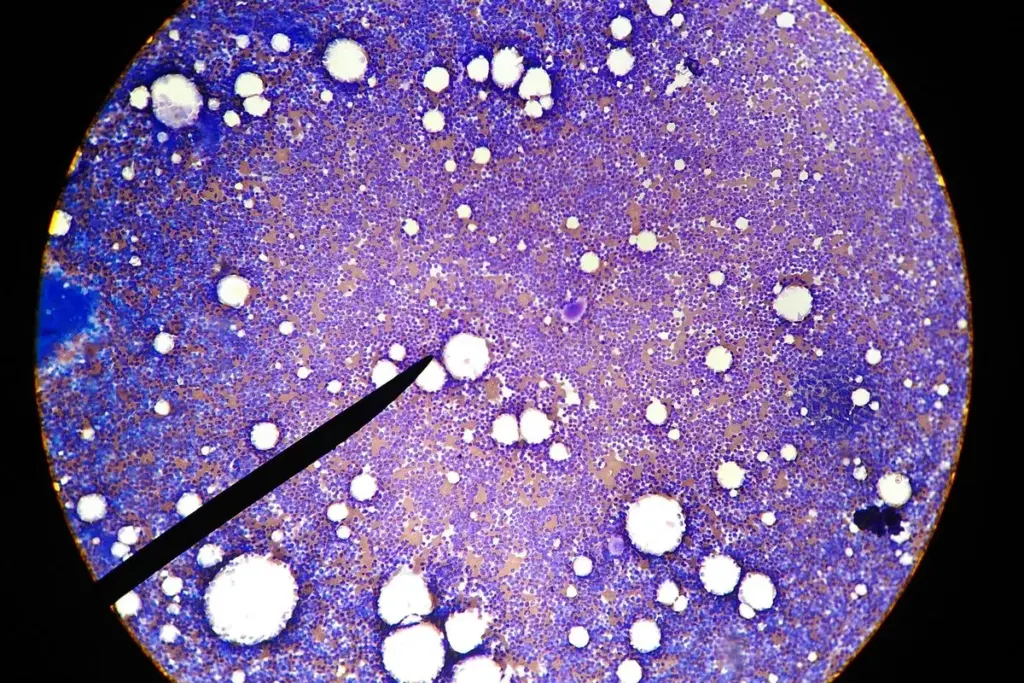
The bone marrow is the main place where blood cells are made in adults. It turns hematopoietic stem cells into different blood cells. This is key for making blood cells that help with oxygen transport, fighting off infections, and stopping bleeding.
Structure and Function of Bone Marrow
Bone marrow is a spongy tissue inside bones. It has blood vessels and cells at different stages. Its main job is to make blood cells through.
It has special cells called hematopoietic stem cells. These cells can make all types of blood cells. This includes myeloid and lymphoid cells, which turn into red blood cells, platelets, and immune cells.
Red vs. Yellow Marrow
Bone marrow is divided into red and yellow types. Red marrow is where blood cells are made and is found in the pelvis and long bones. It has lots of stem cells.
Yellow marrow is mostly fat and makes fewer blood cells. It’s in the long bones’ shafts. Babies have more red marrow, which turns to yellow as they grow older.
Which Organs Are Hematopoietic Beyond Bone Marrow
Several organs help with blood cell production and immune health, aside from the bone marrow. These secondary hematopoietic organs are key to meeting the body’s blood cell needs and supporting the immune system.
Secondary Hematopoietic Tissues
The spleen, liver, and lymph nodes are important secondary hematopoietic tissues. The spleen filters blood and stores red blood cells. Lymph nodes are vital for immune responses, producing and maturing lymphocytes.
The liver is also involved in blood cell production, mainly during fetal development. Even though its role lessens after birth, it’s essential for detoxification and metabolism, aiding overall health.
Complementary Functions
These secondary organs work alongside the bone marrow to produce blood cells and fight infections. They can increase their activity when the bone marrow is under stress or not working well.
The teamwork between the bone marrow and these organs ensures a strong and effective blood cell system. Knowing their functions helps us understand hematopoiesis better and find treatments for related issues.
The Liver as a Hematopoietic Organ
<image4>
During fetal development, the liver is key for making blood cells. This process, called hematopoiesis, is vital for the circulatory system’s growth and upkeep.
Fetal Liver Hematopoiesis
In the early stages of fetal development, the liver is the main place for blood cell production. It makes red blood cells, white blood cells, and platelets. This is important for the fetus’s growth and development, as the bone marrow isn’t ready yet.
Fetal liver hematopoiesis involves many cell types and growth factors. The liver’s role in making blood cells during this time is marked by the presence of hematopoietic stem cells. These stem cells turn into different blood cell types.
Adult Liver in Blood Cell Production
In adults, the liver’s role in making blood cells is much smaller. The bone marrow takes over this job. But, the liver is important for blood clotting and other blood cell regulation functions.
|
Organ |
Role in Fetal Development |
Role in Adult |
|---|---|---|
|
Liver |
Primary site for hematopoiesis |
Limited hematopoiesis, involved in blood clotting and regulation |
|
Bone Marrow |
Limited hematopoiesis |
Primary site for hematopoiesis |
The switch from the liver to the bone marrow for blood cell production is complex. Studying this could help us understand blood disorders better. It might also lead to new treatments.
The Spleen’s Role in Hematopoiesis
The spleen does more than just filter blood. It also helps with hematopoiesis, or blood cell production, in some cases. It’s a key part of the immune system and helps with blood-making processes.
Structure and Hematopoietic Function
The spleen has red and white pulp. The red pulp filters blood and gets rid of old red blood cells. The white pulp is full of lymphoid cells and helps fight off infections. The spleen’s hematopoietic function is more important in the womb, where it makes blood cells before the bone marrow does.
In adults, the spleen doesn’t make blood cells usually. But it can do so when the body is very stressed or has severe anemia.
Blood Filtration and Cell Production
The spleen is key in blood filtration. It gets rid of old or damaged red blood cells and recycles their iron. It also stores red blood cells and platelets, releasing them when needed.
A medical expert says, “The spleen is vital. It filters blood, supports the immune system, and helps with blood cell production.” This shows how important the spleen is for our health and immunity.
To sum up, the spleen helps with blood cell production, mainly when the body is under stress. Its main job is filtering blood. Knowing about the spleen’s role in hematopoiesis helps us understand how blood cells are made and how the immune system works.
Lymph Nodes and Blood Cell Formation
Lymph nodes play a key role in the immune system. They help produce and mature lymphocytes, which fight off pathogens.
These nodes do more than one thing. They filter lymphatic fluid, store lymphocytes, and help the immune system respond to threats.
Lymphocyte Production and Maturation
Lymph nodes help create and grow lymphocytes. These cells are vital for fighting off infections.
The process starts when lymphocytes are activated and grow in number. This happens when they meet antigens.
Lymphocytes, like B cells and T cells, grow up in lymph nodes. Then, they move into the blood to fight infections.
Connection to the Circulatory System
Lymph nodes connect to the circulatory system through lymphatic vessels. This lets lymphocytes and other immune cells move around the body.
This connection is key for coordinating immune responses. It helps distribute immune cells where they’re needed most.
|
Function |
Description |
|---|---|
|
Lymphocyte Production |
Lymph nodes produce lymphocytes, which are essential for immune responses. |
|
Lymphocyte Maturation |
Lymphocytes mature within lymph nodes before being released into the circulation. |
|
Connection to Circulatory System |
Lymph nodes are linked to the circulatory system via lymphatic vessels. |
The Thymus: Specialized Hematopoietic Function
The thymus is key for T-cell maturation, which is vital for our immune system. It’s most important in childhood and adolescence.
T-Cell Development
T-cell development happens in the thymus. It’s a complex process where T-cells mature. Research on shows it’s essential for a strong immune system.
T-cell maturation goes through stages like positive and negative selection. This ensures T-cells can recognize self and avoid attacking it. It’s vital for preventing autoimmune diseases.
Age-Related Changes in Thymic Function
The thymus is most active in kids. As we age, its function decreases, a process called thymic involution. This affects T-cell production, impacting older adults’ immune function.
Thymic involution is natural but impacts our immune health. It’s important to understand these changes to help older adults keep a strong immune system.
|
Age Group |
Thymic Function |
Impact on Immune System |
|---|---|---|
|
Children |
High |
Robust immune response |
|
Adults |
Moderate |
Gradual decline in immune function |
|
Elderly |
Low |
Weakened immune response |
Hematopoietic Stem Cells: The Source of Blood Cells
Hematopoietic stem cells are at the center of blood cell creation. They keep the balance of blood cell production throughout our lives.
Properties and Locations
These cells can self-renew and turn into different blood cell types. They mainly live in the bone marrow. But, they can also be found in peripheral blood and umbilical cord blood.
|
Location |
Characteristics |
|---|---|
|
Bone Marrow |
Primary site for hematopoiesis in adults |
|
Peripheral Blood |
Circulating stem cells that can be mobilized |
|
Umbilical Cord Blood |
Rich source of hematopoietic stem cells used in transplantation |
Self-Renewal and Differentiation
The power of hematopoietic stem cells to self-renew keeps their numbers steady. Their ability to differentiate lets them create many blood cell types. This includes both myeloid and lymphoid lineages.
“Hematopoietic stem cells are the cornerstone of the hematopoietic system, providing a lifelong supply of blood cells through their unique ability to self-renew and differentiate.”
The process of differentiation is carefully controlled. It makes sure the right number and type of blood cells are made. This is based on what the body needs.
Developmental Changes in Hematopoietic Organs
Changes in hematopoietic organs are key in the shift from fetal to adult blood cell making. Hematopoiesis, the making of blood cells, changes a lot as we grow.
Fetal Hematopoiesis
In the womb, blood cells are made in different places before settling in the bone marrow. At first, the yolk sac makes blood cells. Then, the liver and spleen take over before the bone marrow does.
The liver is very important in making blood cells in the fetus. It helps make sure the fetus has enough blood cells to grow.
Transition to Adult Hematopoiesis
After birth, the main place for making blood cells moves to the bone marrow. By adulthood, the bone marrow is where all blood cells are made.
The change to adult blood cell making is complex. It makes sure the bone marrow can keep up with our blood cell needs all our lives.
Important parts of this change include:
- The bone marrow taking over blood cell making
- The liver and spleen making fewer blood cells
- Hematopoietic stem cells in the bone marrow getting better
Knowing about these changes helps us understand how blood cells are made and the role of hematopoietic organs in our lives.
Extramedullary Hematopoiesis: Blood Cell Formation Outside Bone Marrow
Extramedullary hematopoiesis is when blood cells are made outside the bone marrow. This happens due to certain diseases. It shows how our body can keep making blood cells even when the bone marrow is not working right.
Physiological vs. Pathological Extramedullary Hematopoiesis
There are two types of extramedullary hematopoiesis. Physiological extramedullary hematopoiesis happens in the womb. Organs like the liver help make blood cells before the bone marrow does.
Pathological extramedullary hematopoiesis happens when diseases affect the bone marrow. This can be due to myelofibrosis or severe anemia. In these cases, the bone marrow can’t keep up with the demand for blood cells.
Common Sites and Causes
The liver, spleen, and lymph nodes are often involved in extramedullary hematopoiesis. The liver can start making blood cells again if needed. The spleen can also increase its blood cell production. Lymph nodes might get involved too, but it’s less common.
Different diseases can cause extramedullary hematopoiesis. These diseases either increase the need for blood cells or damage the bone marrow. Knowing the causes helps doctors diagnose and treat these conditions.
Hematopoietic Stem Cell Transplantation
Hematopoietic stem cell transplantation is a key treatment for serious blood disorders. It gives patients a chance to be cured. This method uses stem cells that can turn into all blood cell types, rebuilding a patient’s blood system.
Sources of Hematopoietic Stem Cells
There are several sources for hematopoietic stem cells, each with its own benefits. The main sources are:
- Bone Marrow: Bone marrow has been the main source of stem cells. It’s full of stem cells and can be taken from donors.
- Peripheral Blood: Peripheral blood stem cells can be moved from the bone marrow to the blood. This makes collection easier and less painful.
- Umbilical Cord Blood: Cord blood is a great source of stem cells. It’s easy to get and lowers the risk of graft-versus-host disease.
Clinical Applications
Hematopoietic stem cell transplantation has many uses. It’s used to treat different conditions, including:
- Leukemia and Lymphoma: This treatment replaces the patient’s bad bone marrow with healthy one.
- Aplastic Anemia: It treats bone marrow failure by adding healthy marrow.
- Genetic Disorders: It can cure blood-related genetic diseases like sickle cell disease and thalassemia.
This treatment has the power to save lives and improve health. As research grows, it will likely help more people.
Disorders Affecting Hematopoietic Organs
Disorders in hematopoietic organs can really affect blood cell production and health. These organs, like the bone marrow, spleen, and lymph nodes, are key in making and controlling blood cells.
Bone Marrow Disorders
Bone marrow disorders mess up the bone marrow’s job of making blood cells. This can cause anemia, infections, and bleeding disorders because of not enough red blood cells, white blood cells, and platelets.
Some common bone marrow disorders are aplastic anemia, myelodysplastic syndromes, and leukemia. For more info on hematopoietic organs, check out.
|
Disorder |
Description |
Impact on Blood Cell Production |
|---|---|---|
|
Aplastic Anemia |
Condition where bone marrow fails to produce blood cells. |
Reduced production of all blood cells. |
|
Myelodysplastic Syndromes |
Group of disorders caused by poorly formed or dysfunctional blood cells. |
Impaired production of healthy blood cells. |
|
Leukemia |
Cancer of the blood or bone marrow. |
Overproduction of abnormal white blood cells. |
Secondary Organ Dysfunction
Secondary hematopoietic organs, like the spleen and lymph nodes, can also get sick. For example, splenomegaly (big spleen) can trap blood cells, making them less effective.
“The spleen plays a vital role in filtering the blood and storing red blood cells, and its dysfunction can have significant hematologic consequences.”
Problems with secondary hematopoietic organs can make diagnosing and treating hematopoietic disorders harder.
Conclusion
It’s important to know about hematopoietic organs and their roles. They help in making blood cells and keeping the immune system strong. The system includes main and secondary organs, which are key to life and fighting off diseases.
Bone marrow, the liver, spleen, lymph nodes, and thymus work together. They help in making blood cells like red and white blood cells, and platelets. These cells are essential for our immune system.
This knowledge shows how vital these organs are. It helps us see the importance of a healthy system. Knowing this can also warn us about the risks of problems in these organs.
FAQ
Which organs are considered hematopoietic?
The main hematopoietic organs are bone marrow. The liver, spleen, and lymph nodes also play key roles. They help in blood cell production and immune function.
What is hematopoiesis, and where does it occur?
Hematopoiesis is the process of making blood cells. It happens in organs like bone marrow, liver, and spleen. Here, stem cells turn into different blood cell types.
What are the different types of blood cells produced through hematopoiesis?
Hematopoiesis creates red blood cells, white blood cells, and platelets. Each type has a unique function. Red blood cells carry oxygen, white blood cells fight infections, and platelets help blood clot.
How does the hematopoietic system function, and why is it important?
The hematopoietic system is a network of organs and tissues. It produces blood cells. This system is vital for immunity and health, supplying the body with necessary blood cells.
What is the role of bone marrow in hematopoiesis?
In adults, bone marrow is the main place for blood cell production. It has stem cells that turn into different blood cells. This makes it essential for blood cell production and immune function.
What is the difference between red and yellow marrow in bone marrow?
Red marrow makes blood cells. Yellow marrow has fat cells and is less active in blood cell production. But, it can turn into red marrow under certain conditions.
How do secondary hematopoietic organs like the spleen and liver contribute to hematopoiesis?
The spleen and liver support blood cell production. The spleen filters blood and stores red blood cells. The liver is key in fetal development, showing its importance in blood cell production and immune function.
What is the role of lymph nodes in blood cell formation?
Lymph nodes are vital for fighting infections. They contain lymphocytes that mature and fight pathogens. This makes them important in lymphocyte production and maturation.
What is extramedullary hematopoiesis, and under what conditions does it occur?
Extramedullary hematopoiesis happens outside bone marrow, often due to disease. It involves organs like the liver and spleen. This shows the body’s ability to adapt blood cell production in certain conditions.
What is hematopoietic stem cell transplantation, and what are its clinical applications?
Hematopoietic stem cell transplantation is a treatment for blood disorders. It uses stem cells from various sources. It’s used to treat diseases like leukemia and lymphoma.
What disorders can affect hematopoietic organs, and what are their consequences?
Disorders like bone marrow issues and secondary organ dysfunction can harm blood cell production. This can lead to severe consequences. Understanding these disorders is key.
What are hematopoietic stem cells, and what are their properties?
Hematopoietic stem cells are the source of blood cells. They can self-renew and turn into different blood cell types. They’re essential for blood cell production throughout life.
References
- RN.com. Understanding the Hematopoietic System. Retrieved from https://www.rn.com/blog/clinical-insights/hematopoietic-system/
- MusculoskeletalKey. (2021). Structure and Function of the Hematopoietic Organs. Retrieved from https://musculoskeletalkey.com/structure-and-function-of-the-hematopoietic-organs/ (Musculoskeletal Key)
- Lee, J. Y., & colleagues. (2019). Hematopoietic Stem Cells and Their Roles in Tissue Regeneration. International Journal of Cell Biology, (PMCID: PMC7119209). Retrieved from https://pmc.ncbi.nlm.nih.gov/articles/PMC7119209/ (PMC)
- ANES Key. Structure and Function of Hematopoietic Organs. Retrieved from https://aneskey.com/structure-and-function-of-hematopoietic-organs/ (Anesthesia Key)
- Haematopoiesis. Wikipedia. Retrieved from https://en.wikipedia.org/wiki/Haematopoiesis (Wikipedia)
National Center for Biotechnology Information. Evidence-Based Medical Insight. Retrieved from https://pmc.ncbi.nlm.nih.gov/articles/PMC10447622/