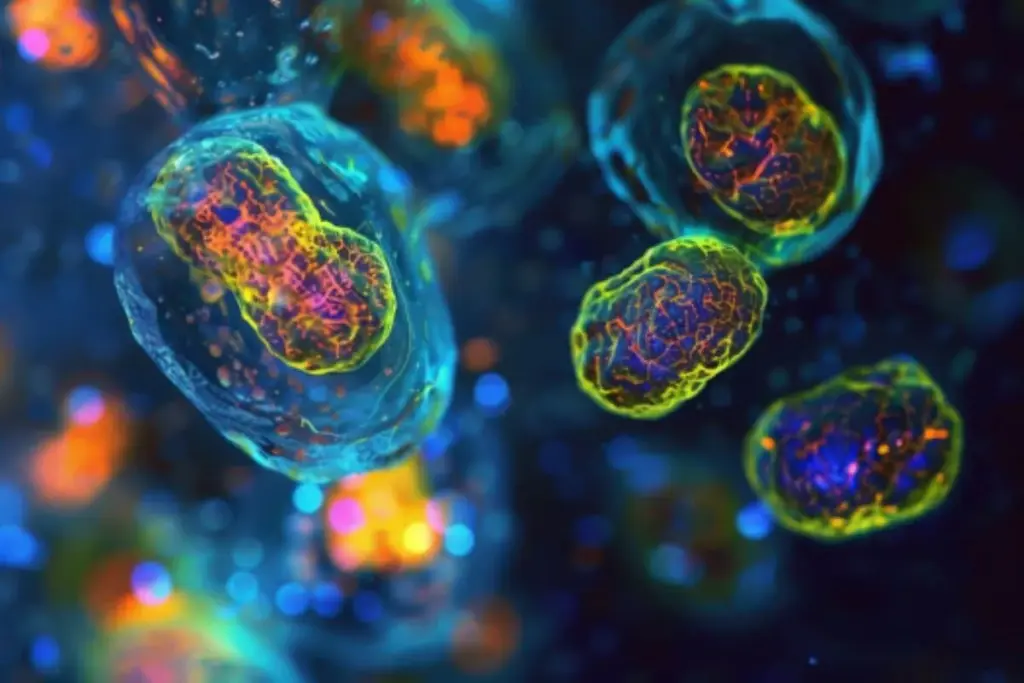
Hematopoietic stem cells (HSCs) have changed the game in treating serious diseases. They bring new hope with therapies that work well against cancer, autoimmune diseases, and in regenerative medicine.
HSCs are mainly used to fight blood cancers like leukemia, lymphoma, and multiple myeloma. They help make new blood and bone marrow after treatments like chemotherapy or radiation.
The importance of HSCs is huge. They can make new blood and immune systems. This makes them key in today’s medicine.
Key Takeaways
- HSCs are used to treat blood cancers like leukemia and lymphoma.
- They enable the regeneration of blood and bone marrow after cancer treatment.
- HSCs are critical for restoring the blood and immune system.
- Stem cell therapy has shown remarkable success rates in cancer treatment.
- HSCs play a significant role in regenerative medicine.
The Science and Significance of HSCs in Modern Medicine
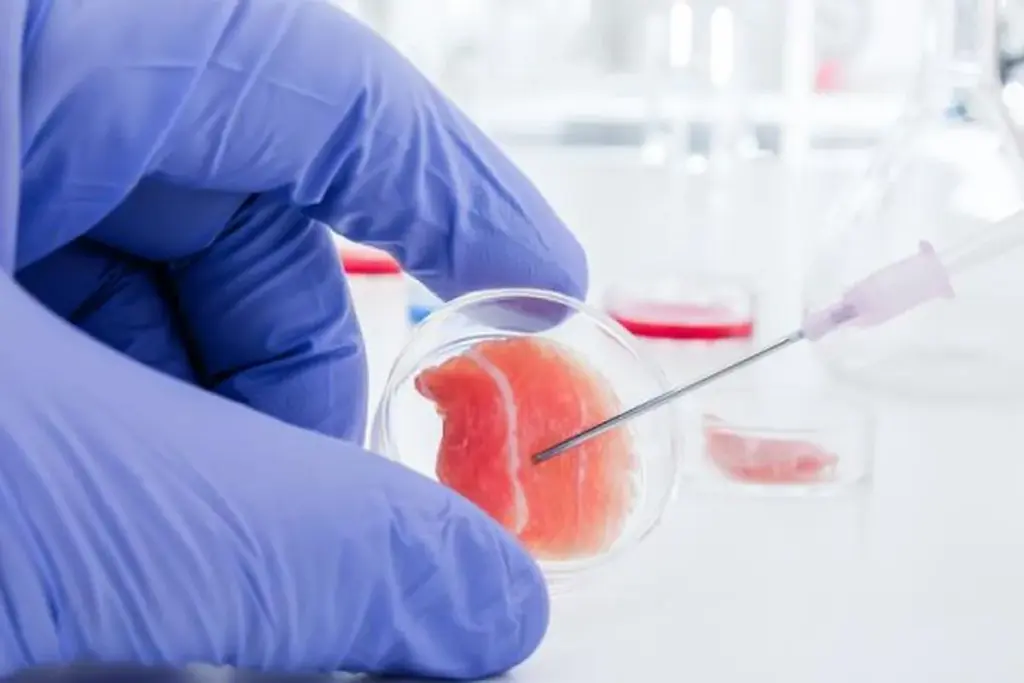
HSCs play a huge role in modern medicine. They help make blood cells and fix damaged tissues. These cells are key to keeping our blood healthy.
Research on HSCs is growing fast. It aims to treat many diseases, like blood disorders and immune problems. This research is also improving regenerative medicine, helping to fix damaged tissues.
Defining Hematopoietic Stem Cells and Their Unique Properties
HSCs can make all types of blood cells. They keep our blood fresh throughout our lives. They also go to the bone marrow to help fix it.
How HSCs renew themselves is complex. It involves both their own actions and signals from the bone marrow. Knowing this helps us make better treatments.
The Evolution of HSC Research and Applications
HSC research has grown a lot. It started with treating blood cancers and now includes gene therapy and more. Today, it’s used in many ways to help people.
Stem cell therapy works well, with success rates from 50% to 90%. The table below shows some of these successes.
|
Therapy Type |
Success Rate |
Primary Application |
|---|---|---|
|
Bone Marrow Transplantation |
80-90% |
Leukemia, Lymphoma |
|
HSC-based Gene Therapy |
50-70% |
Genetic Blood Disorders |
|
Regenerative Medicine |
60-80% |
Tissue Repair, Organ Regeneration |
The future of HSC research looks bright. New studies are finding more uses for these cells. As we learn more, we’ll make even better treatments.
The Biology of Hematopoietic Stem Cells
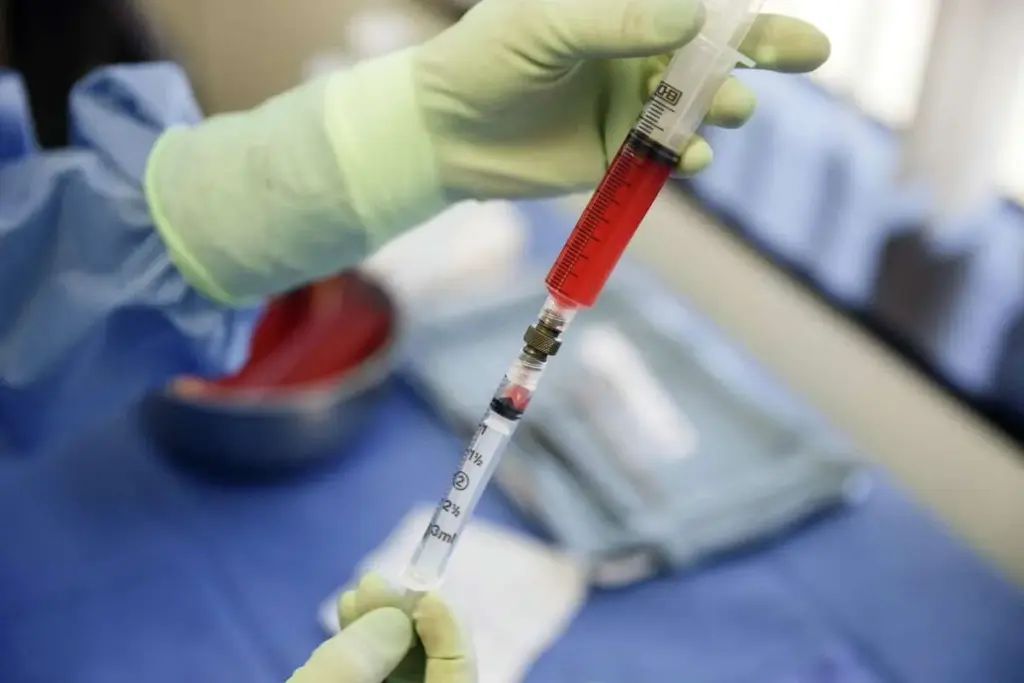
Hematopoietic stem cells (HSCs) play a key role in blood cell formation and regeneration. They can self-renew and turn into all blood cell types. This makes them vital for keeping blood cell balance and regenerating the blood system after damage.
Self-Renewal Mechanisms and Cellular Characteristics
HSCs have self-renewal mechanisms that help them stay in balance. They produce new cells while keeping their own numbers steady. This balance is essential for the hematopoietic system to work right.
Their ability to stay dormant, or quiescent, is another key trait. This state helps them avoid exhaustion and be ready to meet blood needs. Quiescence lets HSCs keep their self-renewal power for a long time.
Differentiation Pathways in Blood Cell Formation
HSCs turn into mature blood cells through complex steps. They first become progenitor cells, then choose a path to become red blood cells, platelets, or white blood cells. This differentiation process is guided by specific factors and pathways.
HSCs’ ability to become all blood cell types is key for treating blood disorders like leukemia. Knowing how they differentiate is important for creating effective treatments that use their regenerative power.
Primary Applications of Hematopoietic Stem Cells in Blood Cancer Treatment
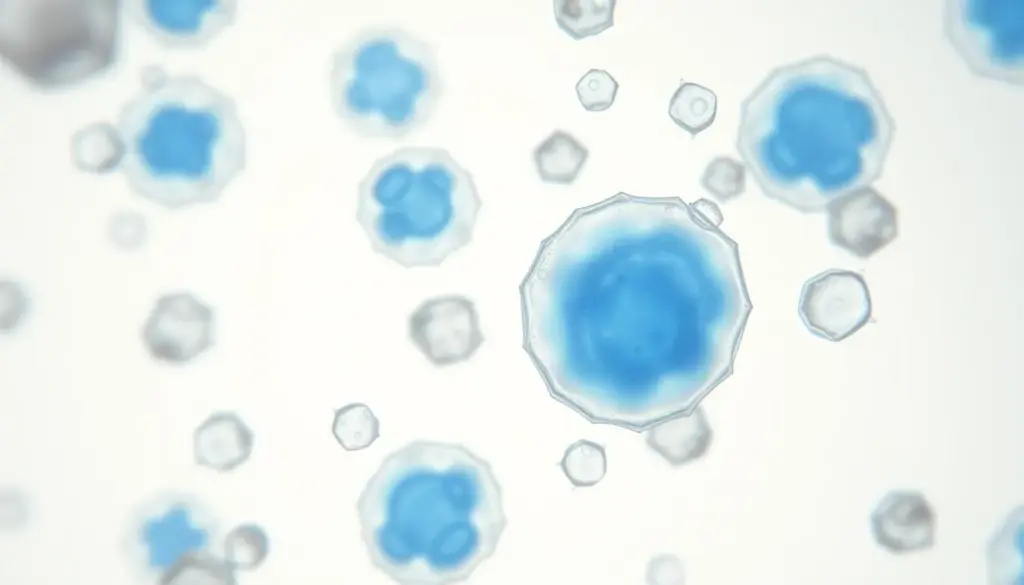
Hematopoietic stem cells have changed the game in treating blood cancers. They offer new hope to patients everywhere. HSCs are making a big difference, mainly in fighting leukemia, lymphoma, and multiple myeloma.
Leukemia Therapy and HSC Transplantation Protocols
Leukemia is a blood and bone marrow cancer. It’s often treated with HSC transplantation. This method replaces the patient’s bad bone marrow with healthy stem cells. HSC transplantation protocols ensure these cells are used safely and effectively.
First, the patient gets chemotherapy or radiation to kill the cancer. Then, HSCs are given to the patient. These cells go to the bone marrow and start making healthy blood cells.
Treating Lymphoma and Multiple Myeloma with HSCs
Lymphoma and multiple myeloma can also be treated with HSCs. For lymphoma, HSCs help the bone marrow recover after strong chemotherapy. In multiple myeloma, HSCs support strong chemotherapy, leading to better treatment results.
Research shows HSC transplantation can greatly improve survival rates for these cancers. Success rates can reach up to 80%, depending on the cancer stage and the patient’s health.
|
Cancer Type |
HSC Transplant Success Rate |
Typical Treatment Protocol |
|---|---|---|
|
Leukemia |
60-80% |
HSC transplantation post-chemotherapy |
|
Lymphoma |
50-70% |
High-dose chemotherapy followed by HSC transplantation |
|
Multiple Myeloma |
50-80% |
HSC support for high-dose chemotherapy |
Post-Chemotherapy and Radiation Recovery
HSCs are key in helping patients recover after chemotherapy and radiation. They replace the bone marrow with healthy stem cells. This helps the patient make blood cells again.
This recovery not only helps with the immediate effects of treatment. It also strengthens the immune system. This reduces the chance of infections and other problems.
Bone Marrow Transplantation: Procedures and Success Rates
Bone marrow transplantation is a key treatment for many blood diseases. It gives hope to patients all over the world. This procedure replaces a patient’s bad bone marrow with healthy marrow, either from themselves or a donor.
The bone marrow transplant process is complex. It involves making important decisions that affect the patient’s outcome. The main choice is whether to use the patient’s own marrow or someone else’s.
Comparing Autologous and Allogeneic Transplant Approaches
Autologous transplantation uses the patient’s own stem cells. These cells are collected, stored, and then given back after treatment. This method avoids graft-versus-host disease (GVHD), a big risk with other types of transplants. But, it might not work as well against some diseases because of the risk of cancer cells in the graft.
Allogeneic transplantation uses stem cells from a donor. This method risks GVHD but can also help fight cancer. The choice between these two depends on the disease, the patient’s health, and if a donor is available.
Analyzing the 92% Three-Year Survival Rate in Transplant Recipients
A big win in bone marrow transplantation is the 92% three-year survival rate. This shows how far transplant care has come. Better treatments, ways to prevent GVHD, and better care after transplant all play a part.
The 92% survival rate proves bone marrow transplantation is a lifesaving treatment. As research and transplant techniques get better, patient outcomes will likely improve even more.
Global Success Metrics of HSC Therapies in Clinical Practice
Hematopoietic stem cell (HSC) therapies have changed the game in regenerative medicine. They bring hope to patients all over the world. The success of these therapies is key to understanding their impact and future growth.
The 50-90% Success Rate Spectrum in Regenerative Medicine
The success of HSC therapies varies a lot. It can be anywhere from 50% to 90%. This range shows how complex these therapies are and why they need to be tailored for each patient.
Demographic and Clinical Factors Affecting Treatment Outcomes
Many factors can change how well HSC therapies work. These include:
- Age of the patient
- Underlying health conditions
- Type of disease being treated
- Source of stem cells (bone marrow, peripheral blood, or cord blood)
Knowing these factors is key to making treatments better. By customizing HSC therapies for each patient, doctors can make them safer and more effective.
In summary, the success of HSC therapies worldwide shows their big promise in regenerative medicine. As research keeps improving, these therapies will likely get even better. This means new hope for patients with many different health issues.
HSCs in Regenerative Medicine Applications
Regenerative medicine is changing with HSCs, opening new ways to fix tissues and organs. HSCs are not just for cancer treatment anymore. They offer hope for many other serious diseases.
Current Therapeutic Uses Beyond Cancer Treatment
HSCs are being studied for treating many diseases, like neurological, cardiac, and autoimmune disorders. Their ability to become different cell types makes them very useful in regenerative medicine.
Neurological Disorders: Scientists are looking into using HSCs for conditions like multiple sclerosis and other brain diseases. HSCs’ ability to calm the immune system is seen as a promising way to manage these diseases.
Cardiac Regeneration: HSCs are also being explored for heart repair, mainly after heart attacks and heart failure. Their role in fixing damaged tissues is a key area of research.
Emerging Applications in Tissue and Organ Regeneration
HSCs’ role in fixing damaged tissues and organs is a growing field. New studies show HSCs can help repair damaged areas. This opens up new ways to treat diseases.
|
Disease/Condition |
Potential Application of HSCs |
Current Status |
|---|---|---|
|
Multiple Sclerosis |
Immunomodulation and tissue repair |
Clinical trials ongoing |
|
Myocardial Infarction |
Cardiac regeneration and repair |
Research in progress |
|
Autoimmune Diseases |
Immune system reset |
Emerging therapeutic approach |
The future of regenerative medicine looks bright with HSCs. As research goes on, HSCs could change how we treat many diseases.
Clinical Trials and Research Progress with HSCs
Research and clinical trials with HSCs are changing medicine. Over 1,200 patients have been treated worldwide. This data helps us understand how safe and effective HSC therapies are.
Analysis of Patient Outcomes in Pluripotent Stem Cell Trials
Clinical trials are key in showing HSCs’ healing power. More than 1,200 patients have shown us how well HSC treatments work. These studies have looked at many diseases, not just blood disorders.
Key findings from these trials include:
- Significant improvement in patient outcomes when treated with HSCs
- Enhanced safety profiles with minimal adverse effects reported
- Potential for HSCs to be used in a wide range of therapeutic applications
Safety Profiles and Long-term Monitoring Protocols
Keeping HSC treatments safe is very important. Researchers and long-term monitoring are working hard to make sure HSCs are safe and effective. The results from trials are encouraging, with low rates of complications and improved patient survival rates.
Watching patients over time is essential. It helps us see how long HSC treatments last and if there are any long-term side effects. This ongoing watch will help shape the future of HSC treatments.
HSCs in Neurological Disorder Treatment
The use of HSCs in treating neurological conditions is becoming more popular in medical studies.
HSCs are being looked at for treating many neurological disorders. They can help control the immune system and fix damaged tissues.
Multiple Sclerosis Treatment and the 19% Disability Improvement Metric
Multiple sclerosis (MS) is a chronic disease that harms the central nervous system. Studies show that HSC transplantation can greatly improve MS patients’ disabilities. A 19% improvement in disability has been seen after the transplant, showing HSCs’ promise in treating this condition.
The treatment involves first suppressing the immune system. Then, HSCs are infused to reset it. This method not only stops the disease from getting worse but also improves patients’ lives.
Applications in Other Neurodegenerative Conditions
HSCs are also being studied for treating other neurodegenerative diseases like Parkinson’s disease and ALS. Their ability to turn into different cell types and control the immune system makes them a good treatment option.
More research is needed to confirm HSC therapy’s safety and effectiveness in these diseases. Early results are encouraging, suggesting HSCs could be key in managing neurodegenerative diseases.
Cardiac Regeneration Therapies Using HSCs
Cardiac regeneration therapies using HSCs are a new hope for heart disease treatment. Hematopoietic Stem Cells might fix damaged heart tissue, which is key after a heart attack.
Post-Myocardial Infarction Treatment Approaches
After a heart attack, the heart’s tissue is often too damaged to fix. HSCs are being studied as a way to heal this damage and boost heart health.
Using HSCs to treat heart damage means getting these cells to the damaged area. There, they help repair the tissue. Research shows HSCs can help by making new blood vessels and reducing scar tissue.
|
Treatment Approach |
Mechanism of Action |
Clinical Outcomes |
|---|---|---|
|
HSC Mobilization |
Promotes angiogenesis, reduces scar tissue |
Improved cardiac function, reduced morbidity |
|
HSC Transplantation |
Replaces damaged cardiac cells, enhances repair |
Enhanced cardiac function, improved survival rates |
Innovations in Heart Failure Management with Stem Cells
New ways to use stem cells, like HSCs, are changing how we treat heart failure. Scientists are looking into how HSCs can help the heart heal itself.
One idea is to use HSCs to boost the heart’s own repair powers. This could lead to better heart function and outcomes for patients.
Key Benefits of HSC Therapy in Heart Failure:
- Potential to regenerate damaged cardiac tissue
- Improvement in cardiac function and patient outcomes
- Novel therapeutic approach for heart failure management
Autoimmune Disease Management with HSC Transplantation
HSC transplantation is a new way to fix the immune system in people with severe autoimmune diseases. These diseases happen when the body’s immune system attacks its own tissues. This can cause serious conditions like multiple sclerosis, lupus, and rheumatoid arthritis. Current treatments often use drugs that suppress the immune system but can have bad side effects and don’t always work.
HSC transplantation has a unique advantage. It can rebuild the immune system. First, it removes the old immune system. Then, it adds new HSCs. This can get rid of the immune cells that cause disease.
Resetting the Immune System in Multiple Sclerosis
Multiple sclerosis is a chronic disease that affects the central nervous system. It’s caused by the immune system attacking the brain and spinal cord. HSC transplantation is being tested as a treatment for severe cases that don’t respond to other treatments. The process involves:
- Mobilization and collection of HSCs from the patient’s peripheral blood or bone marrow.
- Conditioning regimen to eliminate the existing immune system.
- Infusion of the collected HSCs to reconstitute a new immune system.
Research shows that HSC transplantation can greatly improve symptoms in multiple sclerosis patients. It can reduce disease activity and improve brain function.
Applications in Lupus, Rheumatoid Arthritis, and Related Conditions
HSC transplantation is also being studied for lupus and rheumatoid arthritis. These diseases are similar because the immune system attacks the body’s own tissues and organs.
The goal of using HSC transplantation for these conditions is to:
- Reset the immune system to stop further attacks.
- Help the immune system heal and function properly.
- Possibly achieve long-term remission or cure.
Research and clinical trials are ongoing to see if HSC transplantation works for these diseases. Early results are encouraging.
The future of HSC transplantation for autoimmune diseases is promising. Ongoing research aims to make treatments better and improve patient outcomes. As we learn more about the immune system and HSCs, this therapy could help more people.
Collection and Processing Methods for Clinical HSC Use
There are many ways to collect and process HSCs. This shows how complex and flexible HSC therapies are. These steps are key to making sure HSCs work well in treatments.
Bone Marrow Harvesting Techniques and Advancements
Bone marrow harvesting is a common way to get HSCs. It takes marrow from the pelvic bone or other bones, done under anesthesia. Advancements in bone marrow harvesting aim to make the process safer and more comfortable. They also try to get more HSCs.
Peripheral Blood Stem Cell Collection Protocols
Collecting HSCs from peripheral blood is now more popular. It’s less invasive than bone marrow harvesting. Granulocyte-colony stimulating factor (G-CSF) helps move HSCs into the blood. Then, they are collected through apheresis, which is safer for donors.
Cord Blood Banking and Clinical Applications
Cord blood banking stores HSCs from umbilical cord blood after birth. These cells are full of HSCs and are great for transplants. Cord blood banking makes more HSCs available for patients without a matched donor. It’s used for treating many diseases, including blood cancers and genetic disorders.
Choosing how to collect HSCs depends on many things. These include the patient’s health, the disease, and the transplant’s needs. As research grows, we’ll see better ways to collect and process HSCs. This will improve HSC therapy results.
Ethical Considerations and Regulatory Frameworks in HSC Therapy
HSC therapy is growing, and we must understand the ethics and rules around it. The use of HSCs in medicine has led to many debates. These debates focus on ethics and rules.
Navigating Ethical Debates in Stem Cell Research and Application
Using HSCs in therapy brings up many ethical questions. These include where stem cells come from, the chance of misuse, and the need for clear consent. Ethical debates about HSC therapy cover many topics. They include the moral issues of using stem cells from different places, like bone marrow or umbilical cord blood.
- The ethical implications of using HSCs from different sources
- The risks and benefits of HSC therapy
- The need for clear consent in HSC therapy
International Regulatory Approaches to HSC-Based Treatments
Rules for HSC treatments vary worldwide. Each country has its own way of handling HSCs in therapy. International collaboration is key to setting common rules and guidelines.
- The United States has a complex set of rules from different agencies.
- The European Union has directives to make rules the same across countries.
- Other countries have their own rules and guidelines.
Knowing these rules is vital for HSC therapy’s global growth. By understanding ethics and rules, we can make sure HSC therapy is safe and effective.
Liv Hospital’s Integration of HSC Therapies in Patient Care
Liv Hospital is changing patient care with HSC therapies. They use these therapies in their treatment plans. This makes treatment better and sets new medical standards.
Academic Protocols and World-Class Treatment Standards
Liv Hospital follows strict academic protocols for HSC therapies. This ensures top-quality care for patients. Their treatment plans aim for the best results.
- Comprehensive pre-treatment evaluation to determine the most effective HSC therapy approach.
- State-of-the-art facilities and equipment for HSC collection, processing, and transplantation.
- A multidisciplinary team of specialists working together to develop personalized treatment plans.
Vision for Leadership in Quality Stem Cell Therapies
Liv Hospital wants to lead in stem cell therapies. They invest in research and work with global experts. This vision is for the future of HSC therapies.
The future of HSC therapies at Liv Hospital looks promising. They are researching new treatments and improving current ones. Their work in regenerative medicine will help patients all over the world.
Key aspects of Liv Hospital’s leadership vision include:
- Advancing HSC therapy techniques through ongoing research and innovation.
- Expanding the scope of HSC applications to address a broader range of medical conditions.
- Enhancing patient care through personalized treatment plans and extensive support services.
Conclusion: The Transformative Impact of HSCs in Contemporary Medicine
Hematopoietic Stem Cells (HSCs) are changing medicine in big ways. They offer new ways to treat many health problems. Their impact is huge in regenerative medicine, helping fix damaged tissues and organs.
HSCs have made a big difference in treating blood cancers. Transplanting HSCs has helped many patients with leukemia, lymphoma, and multiple myeloma. They are also being looked at for treating other diseases like neurological disorders and heart problems.
As research goes on, HSCs will keep changing medicine. They are being tested in many clinical trials. Liv Hospital is already using HSC therapies, showing how important they are.
More work on HSC therapies is needed. It will help find new treatments and better care for patients. HSCs will keep leading the way in new medical treatments.
FAQ
What are hematopoietic stem cells (HSCs) and their role in medical treatments?
Hematopoietic stem cells (HSCs) can turn into all blood cell types. They are key in treatments for blood cancers and regenerative medicine. They help make new blood and bone marrow after treatments like chemotherapy.
How do HSCs contribute to the regeneration of blood cells?
HSCs help make new blood cells by growing and changing into different types. They replace old or damaged cells and boost the immune system.
What are the primary applications of HSCs in treating blood cancers?
HSCs are mainly used for blood cancers like leukemia and lymphoma. They help patients recover from harsh treatments like chemotherapy and radiation.
What is the significance of the 92% three-year survival rate in transplant recipients?
The 92% survival rate shows bone marrow transplants are very successful, thanks to HSCs. This rate proves HSC therapies work well in real-world treatments.
What are the emerging applications of HSCs in regenerative medicine?
HSCs are being explored for treating diseases like neurological disorders and heart problems. They might help grow new tissues and organs, opening up new treatment options.
How are HSCs collected and processed for clinical use?
HSCs are taken from bone marrow, blood, or umbilical cord. New methods have made it easier to get and use HSCs for treatments.
What are the ethical considerations surrounding HSC therapy?
Ethical debates include stem cell research and the use of embryonic cells. It’s important to handle these issues carefully to ensure HSC treatments are developed responsibly.
How does Liv Hospital integrate HSC therapies into patient care?
Liv Hospital follows strict protocols and maintains high standards for HSC treatments. They aim to offer top-notch stem cell therapies for the best patient outcomes.
What is the future of HSCs in medical care?
HSCs have a bright future in medicine, with ongoing research and trials. They will likely continue to revolutionize treatments and regenerative medicine.
References
- REPROCELL — Current Landscape of FDA Stem Cell Approvals and Trials (2023–2025). Available from: https://www.reprocell.com/blog/current-landscape-of-fda-stem-cell-approvals-and-trials-2023-2025
- GlobalRPH — Stem Cell Therapy Success Rates Hit 78%: New Research Reveals Breakthrough Results. Available from: https://globalrph.com/2025/03/stem-cell-therapy-success-rates-hit-78-new-research-reveals-breakthrough-results/
- Harvard Gazette — New horizons for stem cell therapy. Available from: https://news.harvard.edu/gazette/story/2023/06/new-horizons-for-stem-cell-therapy/
- National Cancer Institute — Stem Cell Transplant. Available from: https://www.cancer.gov/about-cancer/treatment/types/stem-cell-transplant
- National Center for Biotechnology Information. Evidence-Based Medical Insight. Retrieved from https://www.ncbi.nlm.nih.gov/books/NBK279364/https://www.ncbi.nlm.nih.gov/books/NBK279364/