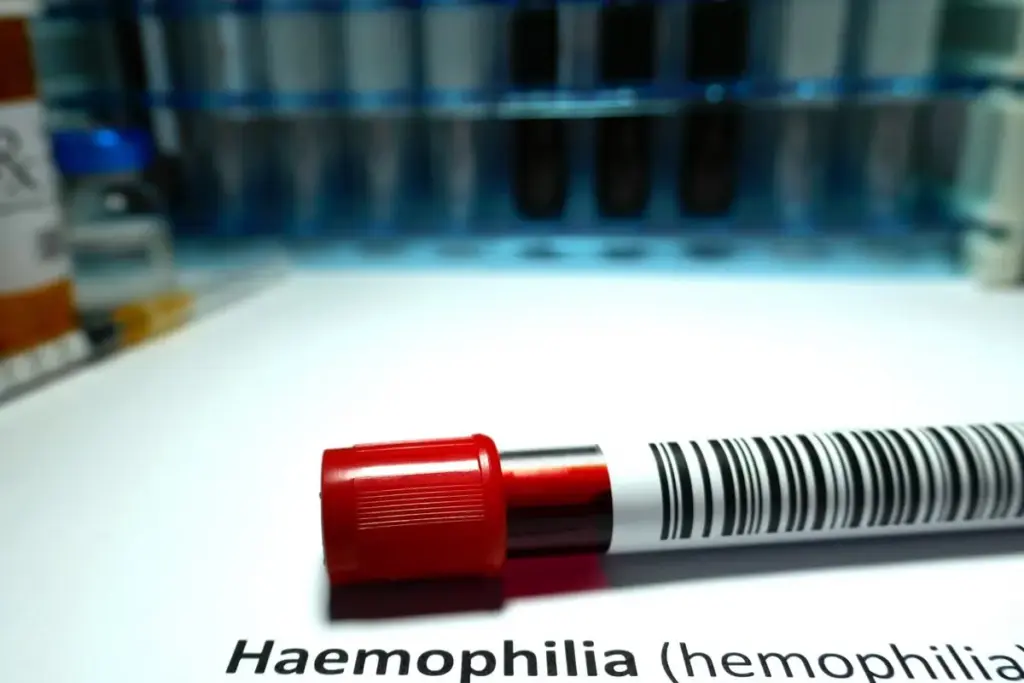
Hemophilia B, also known as “Christmas disease,” is a rare genetic disorder. It affects the blood’s ability to clot, leading to prolonged bleeding.
At Liv Hospital, we are committed to delivering world-class healthcare. We offer complete support for international patients, including those with bleeding disorders like Hemophilia B. Our approach combines medical authority with empathetic understanding. This ensures that patients receive the care they need.
Key Takeaways
- Hemophilia B is a rare genetic disorder affecting blood clotting.
- The condition is also known as “Christmas disease.”
- It was named after Stephen Christmas, the first diagnosed patient in 1952.
- Liv Hospital provides complete support for international patients.
- Our care combines medical authority with empathetic understanding.
The Origin of the Name “Christmas Disease”
Stephen Christmas, a young boy, was diagnosed with a rare bleeding disorder in 1952. This condition, now known as “Christmas disease” or Hemophilia B, is caused by a lack of clotting factor IX. It leads to long-lasting bleeding episodes.
Stephen Christmas: The First Diagnosed Patient
Stephen Christmas was a British boy with a bleeding disorder not caused by hemophilia A. His case was key in identifying Hemophilia B. This marked a major step in understanding bleeding disorders.
For more on Stephen Christmas and his impact on medicine, read. It tells his story and how it helped understand Hemophilia B.
Historical Context of the 1952 Discovery
The 1952 discovery of Hemophilia B was a big deal in hematology. This period marked the beginning of a broader understanding of various types of bleeding disorders in medical science. Stephen Christmas’s case helped show that there were specific forms of hemophilia.
|
Year |
Event |
Significance |
|---|---|---|
|
1952 |
Diagnosis of Stephen Christmas |
Identification of Hemophilia B as a distinct condition |
|
1950s |
Advances in coagulation testing |
Enabled the differentiation between Hemophilia A and B |
|
Post-1950s |
Development of specific treatments for Hemophilia B |
Improved management and quality of life for patients with Hemophilia B |
The finding of “Christmas disease” or Hemophilia B has greatly influenced hematology. It has led to better diagnosis and treatment for those with this condition. At Liv Hospital, we aim to give top-notch care to those with Hemophilia B. We use the latest medical science to enhance their lives.
Understanding Hemophilia B as Christmas Disease
Christmas disease, or Hemophilia B, is a rare bleeding disorder. It happens when there’s not enough clotting factor IX. This can cause serious bleeding that needs quick treatment.
Definition and Basic Mechanism
Hemophilia B is a genetic disorder that affects the body’s ability to clot blood. It’s caused by a lack or problem with factor IX, a key protein. We’ll look at how this affects blood clotting and the symptoms it causes.
The main issue with Hemophilia B is that it disrupts the blood clotting process. This is because of a problem with factor IX. Without a stable clot, bleeding can go on for a long time.
Factor IX: Structure and Function
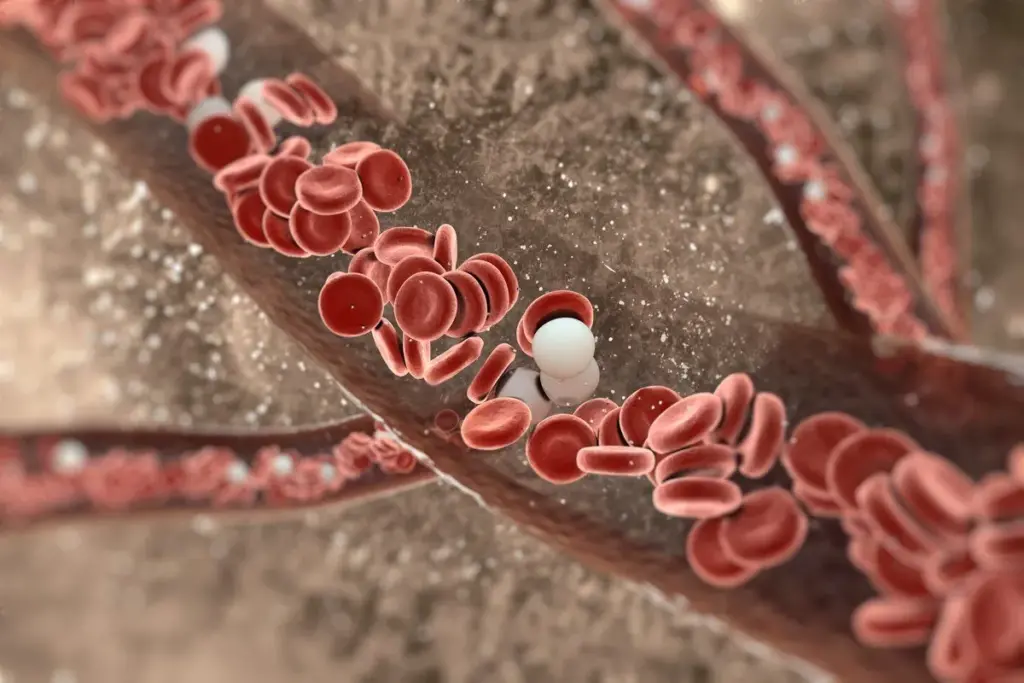
Factor IX is made in the liver and is important for blood clotting. Knowing how it works helps us understand Hemophilia B better.
Factor IX has different parts that help it do its job. It has a Gla domain, two EGF-like domains, an activation peptide, and a serine protease domain. These parts help it activate factor X, which is key for clotting.
|
Domain |
Function |
|---|---|
|
Gla domain |
Binds to phospholipid surfaces in the presence of calcium ions |
|
EGF-like domains |
Involved in the interaction with other proteins and calcium binding |
|
Activation peptide |
Cleaved during the activation of factor IX to factor IXa |
|
Serine protease domain |
Responsible for the enzymatic activity of factor IXa |
At Liv Hospital, our team knows the best ways to treat factor IX deficiency. We offer full care for patients with Hemophilia B.
Hemophilia B vs. Hemophilia A: Key Differences
It’s important to know the differences between Hemophilia A and B for proper diagnosis and treatment. At Liv Hospital, we can diagnose and treat both conditions. We offer care that fits each patient’s unique needs.
Factor VIII vs. Factor IX Deficiency
Hemophilia A, also known as classic hemophilia, is caused by a lack of clotting Factor VIII. Hemophilia B, or Christmas disease, is due to a lack of clotting Factor IX. This key difference affects how we manage and treat each condition.
|
Characteristics |
Hemophilia A |
Hemophilia B |
|---|---|---|
|
Deficient Clotting Factor |
Factor VIII |
Factor IX |
|
Prevalence |
More common |
Less common |
|
Severity |
Can be severe |
Can be severe |
Comparative Prevalence and Severity
Both Hemophilia A and B can cause similar symptoms like prolonged bleeding and joint pain. But Hemophilia A is more common. The severity of both conditions can vary a lot, from mild to severe.
We understand that while both conditions share some traits, their differences are key. By knowing these differences, we can offer better care and support to our patients.
The Genetics Behind Hemophilia B
Understanding Hemophilia B’s genetics is key to diagnosing and managing it. Hemophilia B, also known as Christmas disease, is inherited in an X-linked pattern. This means the gene causing the condition is on the X chromosome.
X-Linked Inheritance Pattern
Hemophilia B is caused by mutations in the Factor IX gene. Because of the X-linked pattern, males are more likely to be affected. Females can carry the mutated gene and pass it to their sons or the carrier status to their daughters.
|
Inheritance Pattern |
Affected Individuals |
Carrier Status |
|---|---|---|
|
X-Linked |
Males are predominantly affected. |
Females can be carriers. |
Genetic Mutations in the Factor IX Gene
The Factor IX gene tells our bodies how to make clotting factor IX. Mutations in this gene can cause Hemophilia B. These mutations can be point mutations, deletions, or insertions.
- Point Mutations: Changes in a single nucleotide that can affect the function of the clotting factor IX.
- Deletions: Removal of genetic material that can lead to the absence or malfunction of clotting factor IX.
- Insertions: Addition of genetic material that can disrupt the normal function of the Factor IX gene.
At Liv Hospital, our genetic counseling services help families with Hemophilia B. We provide support and guidance to understand the genetic implications and make informed decisions.
Epidemiology of Hemophilia B
Understanding Hemophilia B is key for healthcare and patients. It’s a genetic disorder caused by a lack of Factor IX. Knowing its global spread and who it affects helps plan healthcare.
Global Prevalence Statistics
Hemophilia B occurs in about 1 in 25,000 male births worldwide. This illustrates its rarity. But, its occurrence can differ by region due to genetics and access to tests.
Here are some important global Hemophilia B stats:
|
Region |
Prevalence (per 100,000 males) |
Estimated Number of Cases |
|---|---|---|
|
North America |
4.0 |
1,200 |
|
Europe |
3.8 |
1,500 |
|
Asia |
3.2 |
4,000 |
Demographic Distribution
Hemophilia B mainly affects males because it’s X-linked recessive. Females can carry the gene and rarely show symptoms if they have two copies of the mutated gene.
Important factors influencing the distribution of Hemophilia B include:
- Genetic factors: The mutation in the Factor IX gene is the main cause.
- Geographic location: Healthcare and testing access vary worldwide.
- Family history: A family history of Hemophilia B increases the risk in male offspring.
At Liv Hospital, we’re part of a global effort to help Hemophilia B patients. We offer diagnosis, treatment, and support tailored to each patient’s needs.
Clinical Manifestations of Hemophilia B
Hemophilia B, also known as Christmas disease, shows different symptoms. These symptoms are key for diagnosing and treating the condition. At Liv Hospital, our team is skilled in managing these symptoms. We ensure our patients get the care they need.
Common Symptoms and Signs
The symptoms of Hemophilia B vary from person to person. Common signs include bleeding for a long time after injuries, surgeries, or dental work. Some people might also bleed into their joints or muscles without injury.
This can be painful and may cause long-term problems if not treated right.
Other signs include:
- Easy bruising
- Nosebleeds
- Bleeding gums
- Blood in urine or stool
As one expert notes,
“The clinical presentation of Hemophilia B can be quite varied, making it essential to have a high index of suspicion for diagnosis.”
Severity Classification
The severity of Hemophilia B depends on the Factor IX activity in the blood. It’s classified as follows:
|
Severity |
Factor IX Activity Level |
Clinical Symptoms |
|---|---|---|
|
Mild |
5-40% |
Bleeding typically occurs after trauma or surgery |
|
Moderate |
1-5% |
Occasional spontaneous bleeding; bleeding after minor trauma |
|
Severe |
Frequent spontaneous bleeding into joints and muscles |
Knowing the severity is key for the right treatment. As we learn more about Hemophilia B, we see that each patient needs a unique approach.
Diagnosis of Christmas Disease
Diagnosing Hemophilia B, or Christmas disease, involves a series of tests. These tests check the blood for Factor IX levels. Getting the diagnosis right is key to managing the condition well.
Laboratory Testing Methods
Laboratory tests are vital for diagnosing Hemophilia B. The main tests include:
- Factor IX Assay: This test measures the Factor IX in the blood. It helps figure out how severe Hemophilia B is.
- Clotting Time Tests: Tests like the activated partial thromboplastin time (aPTT) check how long it takes for blood to clot. People with Hemophilia B usually take longer.
- Genetic Testing: For families with Hemophilia B history, genetic testing can spot carriers and affected members. It helps with diagnosis and planning for the family.
Differential Diagnosis Considerations
Differential diagnosis is key to tell Hemophilia B apart from other bleeding disorders. It’s important to consider conditions like Hemophilia A, von Willebrand disease, and other factor deficiencies.
Important things to look at include:
- Clinical presentation: How often and how severe the bleeding is.
- Laboratory findings: Specific tests to find the missing factor.
- Family history: If there’s a history of bleeding disorders in the family.
Then, they can create a good treatment plan.
Historical Treatment Approaches for Hemophilia B
Looking back at Hemophilia B treatment history shows a big leap in medical care. This journey has greatly helped patients. It shows how medical science and technology have grown over time.
Early Management Strategies
In the early 1900s, treating Hemophilia B was tough. Early management strategies mainly aimed at easing symptoms. There were no real treatments for the disease itself.
Before finding clotting factor concentrates, treatments were few. Patients got fresh frozen plasma or whole blood transfusions. These methods were not always effective and carried risks like spreading diseases.
|
Treatment Era |
Primary Treatments |
Key Challenges |
|---|---|---|
|
Early 20th Century |
Symptomatic relief, Fresh Frozen Plasma, Whole Blood Transfusions |
Limited efficacy, Risk of infectious disease transmission |
|
Mid-20th Century |
Cryoprecipitate, Early Clotting Factor Concentrates |
Variable factor IX content, Risk of viral transmission |
|
Late 20th Century |
Advanced Clotting Factor Concentrates, Virus-Inactivated Products |
High cost, Risk of inhibitor development |
Evolution of Treatment Through the 20th Century
The 20th century saw big steps forward in treating Hemophilia B. Breakthroughs in coagulation science and clotting factor concentrates were key. The start of using plasma-derived factor IX concentrates was a major leap.
As time went on, treatments got safer and worked better. Viral inactivation methods cut down disease transmission risks. This made clotting factor concentrates safer for patients.
Looking at Hemophilia B treatment history, we see how research, technology, and practice have worked together. At Liv Hospital, we keep updating our treatments with new research. We make sure our patients get the best care.
Modern Factor IX Replacement Therapies
Advances in Factor IX replacement therapies have greatly improved life for those with Hemophilia B. These new treatments offer better and safer ways to manage the condition.
Plasma-Derived Products
For a long time, plasma-derived Factor IX products were the main treatment for Hemophilia B. These products come from human plasma and have been used for years. They help manage bleeding but carry a risk of viral transmission.
Thanks to new manufacturing methods, these products are safer and more effective. But, the arrival of recombinant products has changed how we treat Hemophilia B.
Recombinant Factor IX Products
Recombinant Factor IX products are a big step forward in treating Hemophilia B. They are made through genetic engineering, which means they are pure and free from plasma risks.
These products are safer and more reliable. They are now the go-to treatment for many with Hemophilia B.
Extended Half-Life Products
Extended half-life (EHL) products are another big leap in Factor IX therapy. They stay in the blood longer, so patients need fewer injections to keep Factor IX levels up.
EHL products make treatment easier and improve life quality. They offer a flexible and effective way to manage Hemophilia B.
At Liv Hospital, we focus on the latest in Factor IX therapy, including EHL products. We aim to give our patients the best care possible.
Prophylactic vs. On-Demand Treatment Approaches
For those with Hemophilia B, choosing between prophylactic treatment and on-demand therapy is key. At Liv Hospital, we help our patients find the best treatment plan. We consider their specific needs and situation.
Benefits of Prophylaxis
Prophylactic treatment keeps Factor IX levels steady to prevent bleeding. This method cuts down on bleeding episodes and helps joints stay healthy. It lets patients live more active lives with fewer interruptions from bleeding.
The perks of prophylaxis include:
- Less frequent bleeding episodes
- Healthier joints and lower risk of chronic joint disease
- Better quality of life, with more predictable daily activities
Situations Requiring On-Demand Therapy
On-demand therapy is used when a bleeding episode happens. It’s a reactive approach compared to prophylaxis. For instance, if a patient bleeds despite regular treatment, they might need extra doses of Factor IX.
|
Treatment Approach |
Primary Benefit |
Typical Use Case |
|---|---|---|
|
Prophylactic |
Prevents bleeding episodes |
Regular, ongoing treatment to maintain Factor IX levels |
|
On-Demand |
Addresses acute bleeding episodes |
Used in response to a bleed or before certain activities |
At Liv Hospital, we customize treatment plans for each patient. We look at the severity of their Hemophilia B, their lifestyle, and what they prefer. By mixing prophylactic and on-demand treatments, we aim to give our patients the best care for their well-being.
Complications and Management Challenges in Hemophilia B
Patients with Hemophilia B face many challenges. These include inhibitor development and joint disease. At Liv Hospital, we focus on managing these issues to give the best care.
Inhibitor Development
Inhibitor development is a big problem in Hemophilia B. It happens when the body’s immune system fights the replacement factor IX. This makes it harder to stop bleeding and manage the condition.
Several things can cause inhibitors, like genetic mutations and family history. We use advanced tests to find inhibitors early. This helps us start treatment quickly.
- Regular monitoring of factor IX levels
- Immune tolerance induction therapy to eliminate inhibitors
- Bypassing agents to manage acute bleeding episodes
Joint Disease and Other Long-Term Complications
Chronic joint disease is a big problem in Hemophilia B. It comes from bleeding into the joints over and over. This can cause chronic pain, limited mobility, and a lower quality of life.
We use a team approach to handle joint disease. This includes:
- Prophylactic factor IX replacement to prevent bleeding
- Physical therapy to keep joints mobile and strong
- Pain management strategies to help patients feel better
We also watch out for other long-term issues. These include rare infections from blood products and side effects of treatment. We manage these carefully.
By understanding and tackling these complications, we can make life better for patients with Hemophilia B.
Living with Hemophilia B
Thanks to medical progress, people with Hemophilia B can now live more active and happy lives. Managing the condition well means getting the right medical care, making lifestyle changes, and getting emotional support.
Quality of Life Considerations
Dealing with Hemophilia B can be tough, but with the right care, it’s possible to avoid serious problems and enjoy life. Getting regular Factor IX infusions is key to stopping bleeding episodes.
Key aspects that influence quality of life include:
- Access to the right medical care and treatment products
- The ability to do physical activities safely
- Good pain management
- Psychological support to handle the condition
Lifestyle Adaptations
For people with Hemophilia B, making smart lifestyle choices is essential. This means knowing which activities might be risky and how to avoid them.
Some adaptations may involve:
- Choosing sports and activities that are low-impact
- Wearing protective gear to prevent injuries
- Keeping a healthy weight to reduce joint stress
- Staying up-to-date with the latest treatments
Support Resources and Organizations
Having access to support groups and organizations can greatly improve life for those with Hemophilia B. These groups offer important info, emotional support, and advocacy.
Examples of support resources include:
- Patient advocacy groups
- Educational programs for patients and families
- Online communities and forums
- Specialized healthcare services
At Liv Hospital, we’re dedicated to giving more than just medical treatment. We know how vital support and resources are for people with Hemophilia B to live full lives.
Special Considerations in Hemophilia B Management
Managing Hemophilia B needs careful thought, mainly during surgeries and dental care. At Liv Hospital, we tackle these challenges with a detailed approach. We aim to meet the unique needs of our patients.
Surgical Management
Handling surgeries for Hemophilia B patients requires a team effort. Preoperative planning is key. It involves checking the severity of Hemophilia B and planning the factor IX therapy.
This means figuring out the right dose and treatment length for the surgery. It depends on the surgery type and the patient’s factor IX level.
- Major surgeries need more factor IX therapy.
- Smaller procedures might require shorter treatment.
Dental Care and Minor Procedures
Dental health is vital, and it’s even more critical for Hemophilia B patients. We stress the importance of regular dental visits and proactive care.
Dental procedures, even small ones, need careful planning. Factor IX levels should be adequate before starting. This might involve giving factor IX concentrate beforehand.
At Liv Hospital, we collaborate with dental experts. We create personalized treatment plans. These plans ensure effective dental care while minimizing bleeding risks.
The Future of Hemophilia B Treatment
Hemophilia B treatment is on the verge of a big change. This is thanks to new gene therapy and non-factor replacement methods. These new treatments could greatly improve life for those with Hemophilia B and might even cure it.
Gene Therapy Advancements
Gene therapy is a major breakthrough in treating Hemophilia B. It works by adding a working FIX gene to a patient’s cells. This lets the body make its own Factor IX, cutting down on the need for constant treatments.
Studies have shown great results, with some patients getting close to normal Factor IX levels. This has led to fewer bleeding episodes.
Gene therapy uses adeno-associated viruses (AAVs) to carry the FIX gene to the liver. The liver is where Factor IX is made. Researchers are working to make these vectors better, so they work more efficiently and safely.
Novel Non-Factor Replacement Approaches
New treatments are also being developed for Hemophilia B. These include things that mimic Factor IX or work in new ways to help blood clotting. For example, bispecific monoclonal antibodies are being studied. They could help Hemophilia B patients, even if they don’t have enough Factor IX.
RNA therapies are another area of research. They aim to change or boost genes involved in blood clotting. This could lead to treatments that work better and need to be given less often.
The future for Hemophilia B treatment looks bright, with many new options on the horizon. At Liv Hospital, we’re dedicated to keeping up with these advancements. We want to make sure our patients get the best treatments available.
Global Disparities in Hemophilia B Care
Across the globe, Hemophilia B treatment faces big challenges. This is because not everyone has equal access to healthcare. Even with new medical breakthroughs, treatment quality and access vary greatly.
Access to Treatment in Developing Countries
In many poor countries, getting Hemophilia B treatment is hard. The main reasons are the high cost of treatments, not knowing about the condition, and poor healthcare systems. Limited access to diagnosis and treatment lowers patients’ quality of life and raises the risk of serious problems.
A study showed that in some areas, there’s not enough factor IX concentrates. This means patients often get late or not enough treatment. This issue affects patients’ health now and in the future.
“The lack of access to safe and effective treatment for Hemophilia B in developing countries is a significant concern that requires immediate attention and action from the global healthcare community.” – World Federation of Hemophilia
Initiatives to Improve Global Care
Many international groups and organizations are trying to fix these problems. They are working on:
- Making clotting factor concentrates more affordable through partnerships with drug companies.
- Teaching healthcare providers and educating patients more.
- Pushing for policy changes to help with better healthcare and treatment costs.
Liv Hospital is part of these efforts, teaming up with global health groups. Together, we aim to improve Hemophilia B treatment for patients everywhere. By joining forces, we can lessen the gap in Hemophilia B care worldwide.
Together, we can ensure that all patients with Hemophilia B receive the care they need, regardless of their geographical location.
Conclusion: The Evolving Story of Christmas Disease
Hemophilia B, also known as Christmas disease, has seen big changes in how we understand and treat it. It was first identified in 1952 by Stephen Christmas. This disease makes it hard for blood to clot, leading to easy bruising and bleeding.
Management of Hemophilia B has grown from simple replacement therapies to advanced gene therapies. For example, Etranacogene dezaparvovec (Hemgenix) was approved in the U.S. in November 2022. You can learn more about Hemophilia B at.
At Liv Hospital, we’re dedicated to top-notch care for Hemophilia B patients. We’re excited about new research that will help improve their lives. We’re committed to making a difference for those with this condition.
FAQ
What is Hemophilia B, also known as Christmas disease?
Hemophilia B, commonly referred to as Christmas disease, is a rare genetic disorder. It affects the blood’s ability to clot. This leads to prolonged bleeding because of a lack of Factor IX.
Why is Hemophilia B called Christmas disease?
It’s called Christmas disease because it was named after Stephen Christmas. He was the first patient diagnosed in 1952.
What is the difference between Hemophilia A and Hemophilia B?
Hemophilia A and Hemophilia B differ in the clotting factor they lack. Hemophilia A lacks Factor VIII, while Hemophilia B lacks Factor IX.
How is Hemophilia B inherited?
Hemophilia B is inherited in an X-linked pattern. This means the gene is on the X chromosome. It’s usually passed from carrier mothers to their sons.
What are the symptoms of Hemophilia B?
Symptoms include prolonged bleeding and easy bruising. Joint pain and swelling can also occur due to bleeding into the joints.
How is Hemophilia B diagnosed?
Diagnosis involves blood tests to check Factor IX levels. Genetic testing can also find the mutation causing the condition.
What are the treatment options for Hemophilia B?
Treatments include Factor IX replacement therapies. These are plasma-derived and recombinant products. Prophylactic treatment is also used to prevent bleeding.
What is prophylactic treatment for Hemophilia B?
Prophylactic treatment involves regular Factor IX infusions. It prevents bleeding episodes and reduces long-term complications.
What are the complications of Hemophilia B?
Complications include inhibitor development and joint disease. Long-term issues like chronic pain and limited mobility can also occur.
How can individuals with Hemophilia B manage their condition?
Individuals can manage by working with a healthcare team. They can make lifestyle changes and access support resources and organizations.
What is the future of Hemophilia B treatment?
The future looks promising with advancements in gene therapy and novel treatments. These could improve or cure the condition.
Are there global disparities in Hemophilia B care?
Yes, there are disparities in care worldwide. Issues include limited access to treatment in developing countries. Efforts are being made to improve global care.
References
CSL. Explainer: Why is Hemophilia B Called Christmas Disease? https://www.csl.com/we-are-csl/vita-original-stories/2022/explainer-why-is-hemophilia-b-called-christmas-disease
Wikipedia. Haemophilia B. https://en.wikipedia.org/wiki/Haemophilia_B
Rare Disease Advisor. The History of Hemophilia. https://www.rarediseaseadvisor.com/disease-info-pages/history-of-hemophilia/