A holistic approach to treatment looks at the whole person. This includes the body, mind, and environment. It’s a method that has become more popular as people look for more complete care.
Health is influenced by many things. This includes physical health, mental state, and the environment. Healthcare providers can give better care by looking at all these factors.
The idea of holistic care is that health is more than just not being sick. It’s about feeling good overall. Liv Hospital shows this by using many doctors and following strict rules. This way, they make sure patients get the best care.
Key Takeaways
- Holistic treatment considers the whole person, not just the symptoms.
- It addresses physical, mental, and environmental aspects of health.
- Personalized care plans are developed based on individual needs.
- Liv Hospital’s multidisciplinary approach ensures complete care.
- Ethical standards are kept to ensure quality results.
The Meaning and Philosophy Behind Holistic Treatment

Holistic treatment comes from ancient ways of healing. It looks at the whole person, not just symptoms. Over time, it has grown to include many methods to help body, mind, and environment.
Treating the Whole Person: Body, Mind, and Environment
Holistic medicine sees the person as a whole. It doesn’t just treat symptoms. It looks at physical, mental, and environmental health together.
For example, the Dare to Dream Ranch helps veterans with PTSD. They employ horses, yoga, and service dogs. This shows how holistic medicine can tackle big health problems by working on many levels.
Historical Evolution of Holistic Medicine
Holistic medicine’s history is long and varied. Ancient Greeks, Chinese, and Indians used holistic healing. They focused on balance, spirit, and nature.
Today, holistic medicine includes many practices. These range from traditional Chinese medicine to mindfulness and nutrition. This shows a shift towards more personal and integrated care.
Looking into holistic treatment’s history helps us understand its value. It shows how it offers a special view on health. This knowledge helps us see the benefits of holistic medicine in today’s world.
The Three Pillars of a Holistic Approach
Holistic healthcare focuses on three key areas for total well-being. These areas are physical, mental, and social health. They are essential for complete care that tackles health from all sides.
Physical Well-being Components
Physical health is a core part of holistic care. It includes nutrition and diet, which are vital for body health. Studies show that the right diet can greatly improve health, even with chronic conditions.
Physical activity is also key. It boosts both physical and mental health. Exercise can lower anxiety, improve mood, and help sleep better.
|
Physical Well-being Component |
Description |
Health Benefits |
|---|---|---|
|
Nutrition and Diet |
Balanced dietary intake tailored to individual needs |
Improved management of chronic conditions, enhanced overall health |
|
Physical Activity |
Regular exercise routines |
Reduced symptoms of anxiety and depression, improved mood and sleep |
|
Sleep Hygiene |
Practices that promote consistent, restful sleep |
Enhanced physical recovery, improved mental clarity and focus |
Mental and Emotional Health Integration
Mental and emotional health are vital in holistic care. They show that our mind affects our overall health. Practices like mindfulness and meditation help reduce stress and improve mood.
Counseling and therapy are also important. They help people deal with mental challenges and find ways to cope.
Environmental and Social Factors
Environmental and social factors are also key in holistic care. They can greatly affect our health. For example, social support networks are essential for emotional health.
Also, environmental considerations like natural light and air quality matter. A supportive environment is a big part of holistic healthcare.
By focusing on physical, mental, and environmental factors, healthcare can offer a complete approach. This leads to better and more effective care.
The Growing Popularity of Holistic Medicine
In 2025, holistic medicine is becoming more popular. People are learning about its benefits. This shift shows a move towards more complete and personal healthcare.
More adults are trying holistic health practices. Up to 40% of adults are using integrative therapies. This shows a big change towards holistic care. Technology, like wearable devices and telemedicine, is helping this trend grow.
Current Statistics and Trends in 2025
Today, holistic medicine is marked by several trends. Personalized health plans are more common. They let people customize their care. Also, virtual holistic consultations have jumped by 60%.
|
Trend |
Percentage Increase |
Year |
|---|---|---|
|
Virtual Holistic Consultations |
60% |
2020-2025 |
|
Wearable Device Adoption |
45% |
2020-2025 |
|
Personalized Health Plans |
35% |
2020-2025 |
For more insights on the latest trends in holistic health, you can visit trends to watch in.
Demographic Shifts in Holistic Care Adoption
Not everyone is adopting holistic care equally. Younger adults are more into holistic health. They like trying new things and staying healthy.
Older adults are also turning to holistic medicine. They often use it to manage long-term health issues. This shows a need for care that fits different ages and health needs.
The evolving demographic landscape shows the need for tailored holistic care. It’s important to make sure services fit everyone’s needs.
Common Integrative Therapies in the Holistic Approach
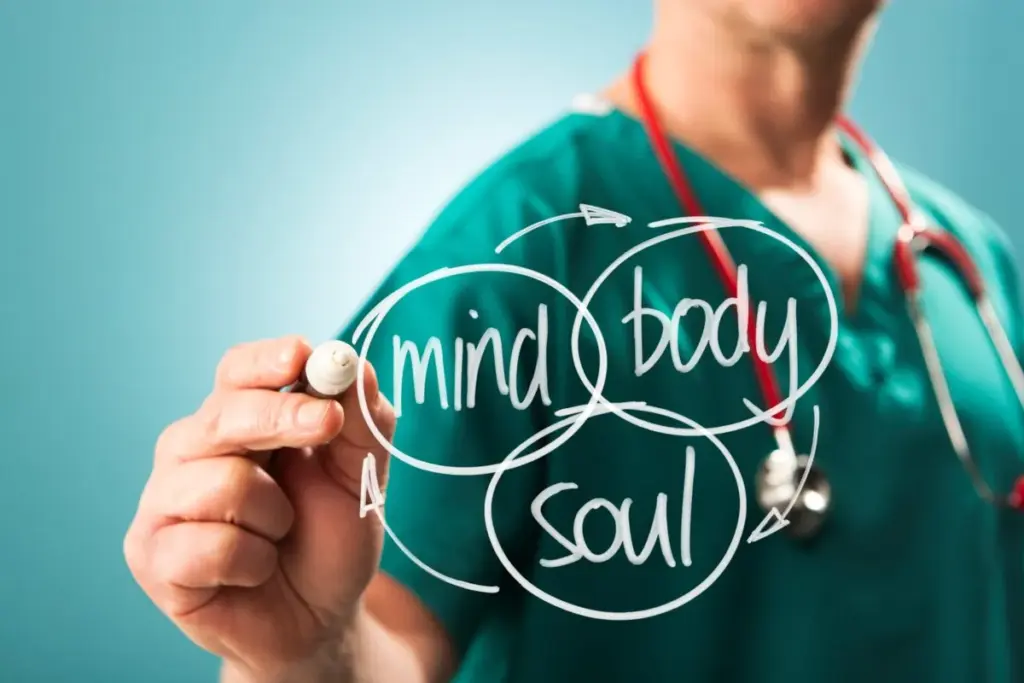
In the world of holistic care, acupuncture, meditation, and functional nutrition are becoming more popular. These therapies help with physical pain and mental health, making treatment more complete.
Holistic treatment plans use many therapies to tackle health’s many sides. This way, healthcare providers can give more tailored and effective treatments.
Acupuncture and Traditional Chinese Medicine
Acupuncture, a part of Traditional Chinese Medicine, is great for pain relief. A recent study showed it can really help with pain, making it a good choice for holistic care.
It works by putting thin needles in certain body points to start healing. Acupuncture helps balance the body and eases pain, making it a key part of holistic treatment.
Meditation and Mindfulness Practices
Meditation and mindfulness practices are known for boosting mental health. They help people notice their thoughts and feelings better, leading to less stress and better mood.
Adding meditation to a holistic plan can improve overall well-being. People might feel clearer mentally and more calm.
Functional Nutrition and Dietary Approaches
Functional nutrition uses food to keep health and prevent illness. It looks at how food and gut health affect overall health. This way, healthcare providers can make diets that fit each person’s needs.
This method knows that everyone’s nutritional needs are different. A diet that fits one person might not work for another. Functional nutrition helps make diets that really help each person’s health.
Evidence-Based Research Supporting Holistic Treatments
A growing body of research supports the effectiveness of holistic treatments in improving patient outcomes. As we continue to explore the benefits of holistic care, it’s essential to examine the evidence backing these practices.
Holistic treatments encompass a wide range of therapies, including acupuncture, meditation, and functional nutrition. These approaches focus on treating the whole person – body, mind, and environment – to achieve optimal health.
Meta-Analyses on Pain Management Outcomes
Numerous studies have investigated the impact of holistic treatments on pain management. A meta-analysis published in a reputable journal found that acupuncture significantly reduced chronic pain in patients. This evidence supports the integration of acupuncture into conventional pain management protocols.
Another study examined the effects of mindfulness meditation on pain perception. The results showed that regular mindfulness practice led to a decrease in pain intensity and improved quality of life for patients with chronic pain.
Studies on Emotional Well-being Improvements
Research has also highlighted the positive impact of holistic treatments on emotional well-being. A study on the effects of meditation and mindfulness found that these practices improved symptoms of anxiety and depression. The reduction in stress and improvement in mood were attributed to the regular practice of mindfulness techniques.
|
Holistic Treatment |
Emotional Well-being Outcome |
|---|---|
|
Meditation and Mindfulness |
Reduced symptoms of anxiety and depression |
|
Functional Nutrition |
Improved mood stability |
|
Acupuncture |
Enhanced stress resilience |
Quality of Life Measurements in Clinical Trials
Clinical trials have also assessed the impact of holistic treatments on overall quality of life. A trial investigating the effects of integrative care on cancer patients found that those receiving holistic treatments reported improved quality of life compared to those receiving conventional care alone.
These findings underscore the value of incorporating holistic treatments into complete care plans. By doing so, healthcare providers can offer more personalized and effective support to their patients.
Integrating Conventional and Holistic Medicine
Healthcare is changing with the mix of conventional and holistic medicine. This mix offers a better way to care for patients. It combines the best of both worlds for more effective treatments.
Understanding the difference between complementary and alternative medicine is key. Complementary therapies boost conventional treatments, making them work better. Alternative approaches, on the other hand, might delay getting the right treatment.
Complementary vs. Alternative Approaches
Therapies like acupuncture, meditation, and nutrition can add value to traditional treatments. They help manage symptoms and improve well-being. For example, a study showed acupuncture can lessen pain and nausea in cancer patients.
But, using alternative medicine instead of proven treatments can be risky. It’s important for doctors to teach patients about the pros and cons of each therapy.
Building Collaborative Care Teams
For conventional and holistic medicine to work well, we need teams that work together. These teams include doctors, nurses, and holistic practitioners. They create plans that cover all aspects of a patient’s health.
Liv Hospital is a great example of this teamwork. It combines the latest in medicine with holistic care. This shows how teamwork can lead to better patient results.
We must keep studying how to make care teams work better. This way, we can give patients the best care possible.
Personalized Health Plans in Holistic Treatment
Personalized health plans have changed how we treat health, focusing on each person’s needs. This method is becoming more popular, leading to better care that fits each patient.
Creating these plans involves several steps. First, we do a detailed health assessment to know the patient’s health status.
Comprehensive Assessment Methodologies
A thorough assessment is key for personalized health plans. This includes:
- Detailed medical history reviews
- Advanced diagnostic testing
- Lifestyle and nutritional assessments
- Mental and emotional health evaluations
By using these methods, we understand the patient’s health well. We can then see what needs work.
Individualized Care Strategy Development
With the assessment data, we create a personalized care strategy for each patient. This might include:
- Integrative therapies like acupuncture and meditation
- Custom nutrition and diet plans
- Exercise and physical activity tailored to the patient
- Stress management techniques
Wearable devices and telemedicine platforms help in delivering these plans. They allow for real-time monitoring and adjustments.
Monitoring Progress and Adjusting Treatments
It’s important to keep checking on how the plan is working. We regularly review the patient’s progress and tweak the plan if needed.
This flexible approach helps us adapt to changes in the patient’s health. We make decisions based on data to improve treatment outcomes.
Personalized health plans help us offer holistic treatment that meets each patient’s unique needs.
Technology’s Role in Modern Holistic Care
Technology has changed how we think about health and wellness. It’s now a key part of holistic care. As we learn more about health, tech becomes even more important for better care.
We’re moving towards care that’s more connected and easy to get. Digital health tech is leading this change. It’s helping patients get better care and making it easier for more people to access it.
Wearable Devices for Health Monitoring
Wearable devices are now a big part of health tracking in holistic care. They let us keep an eye on important health signs all the time. This helps doctors tailor treatments just for each patient.
These devices also let doctors check on patients without seeing them in person. This is great for people with ongoing health issues. It means they can get help faster.
Telemedicine and Virtual Holistic Consultations
Telemedicine is really taking off in holistic care. More people are having virtual visits with doctors. This is because care needs to be more accessible, for those who can’t get around easily or live far away.
Virtual visits have gone up by 60% in the last few years. This shows how much people want to get care from home. Telemedicine makes it easy for patients to talk to doctors without leaving their house.
Digital Health Platforms for Integrated Care
Digital health platforms are key for putting holistic care together. They help manage health in a complete way. They connect different healthcare services and providers.
These platforms help doctors share information better. This means patients get care that’s all-around better. This is how we get the best health results in holistic care.
|
Technology |
Benefits |
Impact on Holistic Care |
|---|---|---|
|
Wearable Devices |
Continuous health monitoring, personalized data |
Enhanced patient outcomes, tailored treatments |
|
Telemedicine |
Increased accessibility, convenience |
Broader reach, reduced barriers to care |
|
Digital Health Platforms |
Integrated care, coordinated services |
Comprehensive care, improved health outcomes |
Evaluating and Choosing Holistic Practitioners
Choosing a holistic practitioner needs careful thought. It’s important to look at their credentials and how they work. This is key when you want more than just traditional healthcare.
Credentials and Certifications to Look For
When picking a holistic practitioner, check their qualifications. Look for certifications from trusted organizations that match the holistic care you need. For example, if you’re looking for acupuncture, make sure the practitioner is certified by a known board.
Also, think about their education and any extra training in holistic practices. A good practitioner will openly share their credentials and explain them to you.
Questions to Ask Potencial Providers
After finding possible holistic practitioners, make a list of questions for your first meeting. Ask about their experience with your condition and how they treat it. It’s important to understand their approach and how they’ll work with you.
- What experience do you have with my specific condition?
- How do you develop treatment plans?
- What outcomes can I expect from the treatment?
Red Flags and Warning Signs
Knowing the red flags is important when choosing a holistic practitioner. Be careful of those who make big claims about their treatments. Also, watch out for those who ignore traditional medicine without thinking about your health.
Make sure the practitioner is willing to work with your other doctors. This ensures you get the best care possible.
The Holistic Approach to Chronic Disease Management
Holistic care is changing how we handle chronic diseases. It offers a more complete and personal way to treat them. Healthcare providers now look at the whole person – body, mind, and environment. This helps them give better care that tackles the real causes of chronic conditions.
Beyond Symptom Management
Old ways of managing chronic diseases often just treat symptoms. But holistic care does more. It uses different therapies and lifestyle changes. This approach can lead to better health and a better life for those with chronic conditions.
Some key parts of holistic chronic disease management include:
- Personalized nutrition plans made just for the person
- Mind-body therapies like meditation and yoga to lower stress
- Physical activity programs to boost fitness and mobility
- Mindfulness practices to improve emotional health
Addressing Root Causes and Prevention
A holistic approach focuses on finding and fixing the real causes of a condition. It’s a proactive way to prevent problems and slow disease growth.
Studies show holistic practices can really help in managing chronic diseases. There’s a big interest in integrative health, as seen in the.
By using a holistic approach, people with chronic diseases can:
- Manage their disease better with full care plans
- Live a better life with improved physical and emotional health
- Lower the chance of serious problems with prevention
As we learn more about managing chronic diseases, it’s clear holistic care is a big win. It focuses on the whole person and uses many therapies. This way, we can offer more effective and caring care.
Holistic Treatment in Mental Health Care
Mental health care is changing with holistic treatments. These methods look at the whole person – body, mind, and environment. They offer a more complete care plan.
We’re seeing a big move towards integrative mental health care. This combines traditional treatments with alternative therapies. It’s proving to be effective for anxiety and depression.
Mind-Body Therapies for Psychological Wellness
Mind-body therapies are key for better mental health. They connect the mind and body for overall well-being. Examples include:
- Meditation and mindfulness practices
- Yoga
- Equine therapy
- Service dog therapy
Places like the Dare to Dream Ranch use these therapies for veterans with PTSD. It shows holistic care’s power in mental health.
Integrative Approaches to Anxiety and Depression
Integrative treatments mix traditional and holistic practices for anxiety and depression. This approach can lead to better results and mental health.
A study on integrative treatments is shown in the table below:
|
Therapy Type |
Condition |
Outcome |
|---|---|---|
|
Mindfulness |
Anxiety |
Reduced symptoms |
|
Yoga |
Depression |
Improved mood |
|
Equine Therapy |
PTSD |
Enhanced well-being |
Using holistic treatments, people with mental health issues can see big improvements. They can enjoy better mental health and a higher quality of life.
Case Study: Liv Hospital’s Holistic Care Model
Liv Hospital leads in healthcare innovation. It combines the latest medical tech with a deep understanding of patient needs.
Multidisciplinary Team Approach
Liv Hospital’s care model uses a team of experts from different fields. This team works together to give complete care. It makes sure all parts of a patient’s health are looked after, leading to better treatment results.
By working together, Liv Hospital makes treatment plans that meet each patient’s physical, emotional, and social needs.
Ethical Standards and Patient-Centered Ethos
Liv Hospital values ethical standards and puts patients first. It focuses on being open, respectful, and caring. This ensures care is not just effective but also kind.
The hospital always tries to make patients happier and healthier. It shows it really gets what patients need and want.
Quality Outcomes and Continuous Improvement
Liv Hospital aims for top-notch care and keeps getting better. It checks how well treatments work and uses the best care methods. This shows its dedication to quality.
|
Aspect of Care |
Description |
Outcome |
|---|---|---|
|
Multidisciplinary Team |
Collaborative approach involving various healthcare professionals |
Comprehensive care and improved treatment outcomes |
|
Patient-Centered Ethos |
Care tailored to individual patient needs and preferences |
Enhanced patient satisfaction and trust |
|
Continuous Improvement |
Ongoing monitoring and implementation of best practices |
High-quality care and improved patient outcomes |
Liv Hospital’s holistic care model is a new benchmark in healthcare. It shows the power of teamwork and patient focus in achieving the best results for patients.
Challenges and Limitations of Holistic Treatment
Despite its benefits, holistic medicine faces many obstacles. These issues affect how accessible and effective it is. We must tackle these challenges to ensure patients get the best care.
Insurance Coverage and Accessibility Issues
Insurance coverage is a big problem for holistic treatment. Many insurance plans don’t cover these therapies, making them hard to get. We think it’s key to increase insurance coverage for holistic treatments.
This can be done by standardizing holistic therapies and showing their effectiveness. This way, more people can access these services.
Another issue is where to find holistic healthcare providers. Rural areas often have fewer options. To fix this, we should promote telemedicine and virtual holistic consultations. This lets people in remote areas get the care they need.
Standardization and Quality Control Concerns
There’s a big problem with standardization in holistic medicine. Different practitioners have different levels of training. This can affect the quality of care.
We need to establish rigorous standards for holistic practitioners. This means creating comprehensive certification programs and encouraging ongoing education. This ensures patients get top-notch care.
Also, the variety of holistic therapies makes setting standards hard. We must collaborate with professional organizations to create best practices and guidelines for each therapy.
Navigating Misinformation in Holistic Health
The internet has made it easy for false information about holistic health to spread. Patients might find unproven claims or misleading info, which can influence their choices. We need to provide accurate and reliable information to patients.
To fight misinformation, we should promote credible sources of information. We should also encourage patients to talk to qualified healthcare professionals before making treatment choices.
Conclusion
Looking at the holistic approach to treatment, we see that it focuses on the whole person. This includes the body, mind, and environment. Healthcare providers can greatly improve patient outcomes and quality of life by doing this.
At Liv Hospital, we are dedicated to top-notch healthcare that follows holistic care principles. We combine high ethical standards, innovation, and a focus on the patient. This makes us a leader in the future of healthcare.
A holistic approach is more than just a method. It’s a promise to understand each person’s complex needs. As healthcare keeps changing, the principles of holistic care will stay key. They guide us in giving effective and caring care.
FAQ
What does holistic mean in the context of healthcare?
Holistic care looks at the whole person, not just symptoms. It considers physical, mental, and environmental health.
What are the three main pillars of a holistic approach?
The three pillars are physical health, mental and emotional well-being, and environmental and social factors. Together, they form a complete healthcare framework.
How does holistic medicine differ from conventional medicine?
Holistic medicine uses many therapies to treat the whole person. Conventional medicine often focuses on symptoms or diseases.
What are some common integrative therapies used in holistic care?
Integrative therapies include acupuncture, meditation, and mindfulness. They also include functional nutrition and dietary approaches. These aim to improve health and well-being.
Is there evidence to support the effectiveness of holistic treatments?
Yes, research shows holistic treatments work. They help with pain, emotional health, and improve quality of life.
How can I find a qualified holistic practitioner?
Look for credentials and certifications when finding a holistic practitioner. Ask questions and watch for red flags. This ensures quality care.
What role does technology play in modern holistic care?
Technology helps in holistic care with wearable devices and telemedicine. It also supports digital health platforms for integrated care.
How does holistic treatment approach chronic disease management?
Holistic treatment tackles chronic diseases by addressing their causes. It uses various therapies and focuses on prevention, not just symptom management.
Can holistic treatment be used for mental health care?
Yes, holistic treatment helps with mental health. It uses mind-body therapies like meditation to improve mental wellness and treat anxiety and depression.
What are some challenges facing holistic treatment?
Challenges include insurance issues and accessibility. There’s also a need for standardization and quality control, and the risk of misinformation.
What is naturopathic medicine, and how does it relate to holistic care?
Naturopathic medicine uses natural remedies and focuses on the body’s healing power. It aligns with holistic care by treating the whole person.
How can I develop a personalized health plan using a holistic approach?
Create a personalized health plan with a holistic approach. It involves a thorough assessment, a tailored care strategy, and ongoing adjustments for effective care.
References
- Worldwide Integrative. (2025, January 10). The future of wellness: How Worldwide Integrative is redefining holistic health in 2025. Retrieved from https://www.worldwideintegrative.com/the-future-of-wellness-how-worldwide-integrative-is-redefining-holistic-health-in-2025/
- Docere Integrative Medicine. (2025, February 18). Integrative medicine in 2025: What’s next for your health? Retrieved from https://docereim.com/integrative-medicine-in-2025-whats-next-for-your-health/
- Global Wellness Institute. (2025, April 2). Lifestyle medicine initiative: Trends for 2025. Retrieved from https://globalwellnessinstitute.org/global-wellness-institute-blog/2025/04/02/lifestyle-medicine-initiative-trends-for-2025/
National Center for Biotechnology Information. Evidence-Based Medical Insight. Retrieved from https://pmc.ncbi.nlm.nih.gov/articles/PMC1273970/[3