
For many cancer patients, stem cell transplant is a key treatment. It’s a big part of treatment for some cancers. Knowing how long you’ll stay in the hospital for this therapy is important for patients and their families.
The time you’ll spend in the hospital for stem cell therapy changes based on a few things. These include the type of transplant and your health. A bone marrow transplant procedure might need a long hospital stay. But, how long it is depends on your situation.
Key Takeaways
- The hospital stay for stem cell therapy can vary significantly.
- The type of transplant and patient health are key factors influencing stay duration.
- Understanding the process helps patients prepare for the treatment.
- Stem cell transplant is a critical treatment for certain cancers.
- Patients should discuss their specific situation with their healthcare provider.
What Is Stem Cell Therapy and How Does It Work?
Stem cell therapy uses stem cells to treat medical conditions by promoting cell growth. It’s also known as regenerative medicine. This treatment aims to repair or replace damaged or diseased cells and tissues.
Definition and Basic Principles of Stem Cell Therapy
Stem cell therapy works because stem cells can turn into different cell types. This lets them regenerate damaged tissues and fix normal cell function. The main ideas behind it are:
- Using stem cells to replace or repair damaged cells and tissues
- Promoting cellular regeneration through the introduction of healthy stem cells
- Supporting the body’s natural healing processes
Types of Stem Cells Used in Medical Treatments
Medical treatments use different types of stem cells. These include:
- Embryonic Stem Cells: These cells come from embryos and can become any cell type.
- Adult Stem Cells: These cells are found in adult tissues and can differentiate into a limited number of cell types. But they’re useful for treatments.
- Induced Pluripotent Stem Cells (iPSCs): These cells are made from adult cells that are changed to have embryonic-like abilities.
Difference Between Stem Cell Therapy and Stem Cell Transplantation
Stem cell therapy and stem cell transplantation are not the same. Stem cell transplantation means moving stem cells into a patient’s body. It’s often for diseases like leukemia. Stem cell therapy, though, is a wider term. It includes using stem cells to regenerate or repair damaged tissues.
Types of Stem Cell Transplants and Their Purposes
There are many types of stem cell transplants, each with its own purpose. They are mainly divided into autologous and allogeneic transplants. These categories depend on where the stem cells come from.
Autologous Transplants: Using Your Own Stem Cells
Autologous stem cell transplants use your own stem cells. They are often used for cancers like multiple myeloma and lymphoma. First, your stem cells are taken and stored. Then, they are put back in after a special treatment.
The good things about autologous transplants are:
- Less chance of graft-versus-host disease (GVHD)
- Immune system recovers faster
- Fewer problems from the donor cells
Allogeneic Transplants: Using Donor Stem Cells
Allogeneic stem cell transplants use stem cells from someone else. They are used for leukemia, lymphoma, and other blood disorders. These cells can come from a family member or a stranger.
The benefits of allogeneic transplants are:
- They can fight cancer cells better
- They can fix genetic problems by replacing bone marrow
Conditions Commonly Treated with Stem Cell Transplants
Stem cell transplants help with many diseases, including:
- Leukemia
- Lymphoma
- Multiple myeloma
- Aplastic anemia
- Certain genetic disorders
These treatments offer new hope for people with serious illnesses. They are a key part of modern medicine.
The Complete Stem Cell Transplant Procedure Timeline
The stem cell transplant process has several key stages. Each stage has its own timeline and needs. It’s important for patients to know these stages to prepare for treatment and its challenges.
Pre-transplant evaluation phase (1-2 weeks)
The first step is the pre-transplant evaluation, lasting one to two weeks. Patients get checked thoroughly to see if they can have the transplant. They have blood tests, imaging, and more to check their health and condition.
Stem cell collection phase (1-5 days)
After the evaluation, the stem cell collection phase starts. It can take one to five days. The time depends on where the stem cells come from. Once collected, they are prepared for the transplant.
Conditioning regimen (5-10 days)
Before the transplant, patients go through a conditioning regimen. This lasts five to ten days. It includes high-dose chemotherapy and radiation to kill diseased cells and weaken the immune system. This helps the new stem cells grow without being rejected.
Transplant day and immediate recovery
The transplant day is when the stem cells are given to the patient. This usually takes less than an hour through an IV. Afterward, patients are closely monitored for any reactions and begin their recovery.
Throughout these stages, a team of healthcare experts takes care of patients. The whole process, from start to transplant, is planned carefully for the best results.
How Are Stem Cells Harvested for Transplantation?
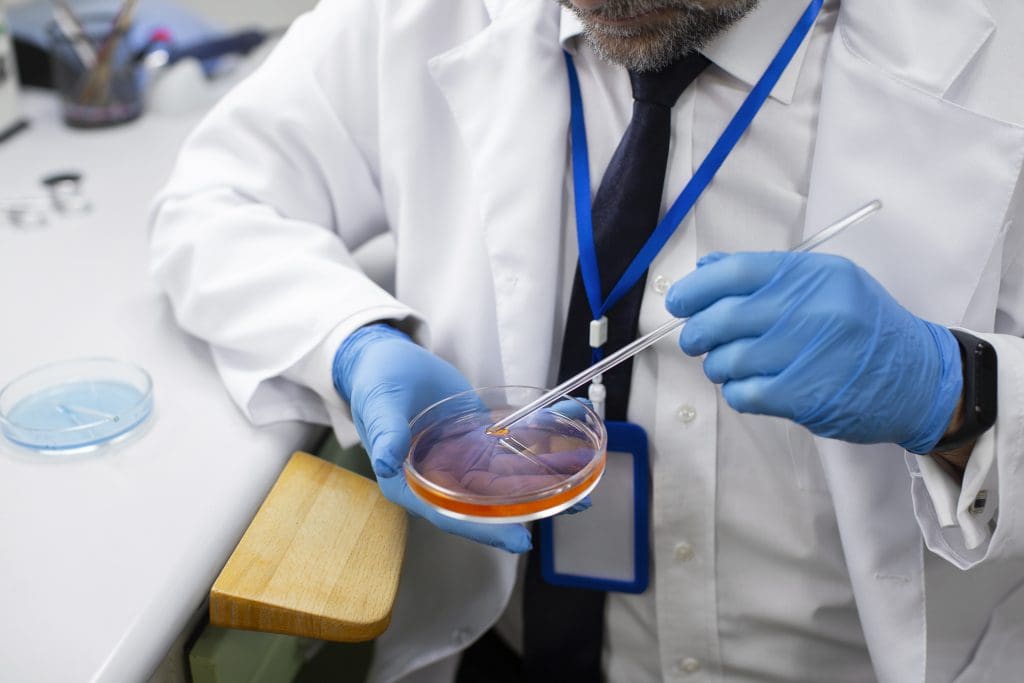
Stem cell harvesting is a key step in the transplant process. It involves different methods to get stem cells from various sources. The harvesting method depends on the type of stem cell transplant needed.
Bone Marrow Harvest Procedure
The bone marrow harvest procedure takes stem cells directly from the bone marrow. This is done under general anesthesia to reduce pain. A small incision is made, and a needle is used to take bone marrow from the hip bone or other areas.
Key aspects of bone marrow harvest include:
- Performed under general anesthesia
- Involves aspiration from the hip bone or other locations
- May result in some post-procedure discomfort
Peripheral Blood Stem Cell Collection
Peripheral blood stem cell collection is a common method today. It collects stem cells that have moved into the bloodstream. Medications are given to help release stem cells from the bone marrow into the blood.
The process involves:
- Administration of mobilization medications
- Apheresis procedure to collect stem cells from the blood
- Monitoring to ensure adequate stem cell collection
Umbilical Cord Blood Collection
Umbilical cord blood collection gets stem cells from the umbilical cord and placenta after a baby is born. This method is less invasive and offers a rich source of stem cells.
Benefits include:
- Non-invasive collection process
- Rich source of stem cells
- Potential for use in allogeneic transplants
Processing and Storing Harvested Stem Cells
After harvesting, stem cells are processed and stored until transplant. This includes isolating the stem cells, checking for viability and contamination, and freezing them.
Hospital Admission and Preparation for Transplant
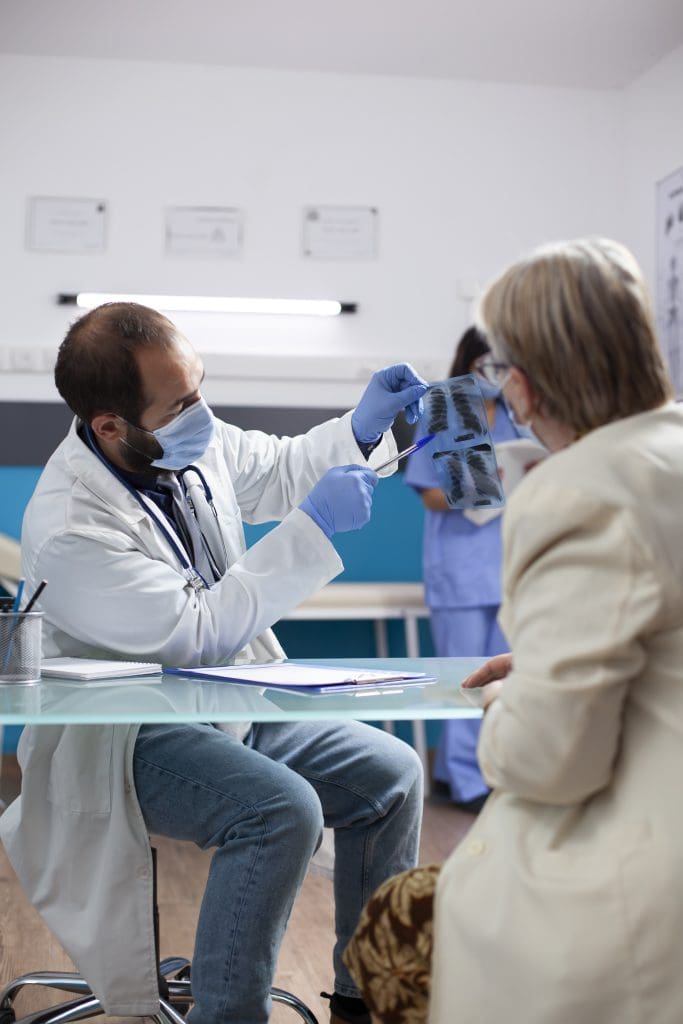
The journey to a successful stem cell transplant starts with preparation and hospital admission. This phase makes sure patients are ready for the procedure. It also prepares the medical team to give the best care.
Central Venous Catheter Placement
One of the first steps is placing a central venous catheter (CVC). This is a thin, flexible tube put into a large vein, usually in the chest or neck. The CVC is used for giving medicines, blood transfusions, and stem cells during the transplant.
Benefits of CVC: It makes it easy to access for treatments. This reduces the need for many needle sticks and makes the patient more comfortable.
Hospital Room Setup and Infection Control Measures
The hospital room is set up for safety and comfort. Infection control is a big priority. This includes:
- Isolation precautions to prevent infections
- Strict hand hygiene for healthcare workers
- Personal protective equipment (PPE) when needed
- Regular cleaning and disinfection of the room
Initial Testing and Baseline Assessments
Patients do initial tests and assessments when they arrive. These check their health and readiness for the transplant. These may include:
| Test Type | Purpose |
| Blood tests | To check blood counts, chemistry, and overall health |
| Imaging studies | To look at organ function and find any issues |
| Cardiac evaluations | To check heart function and make sure it can handle the transplant |
What to Bring for Your Hospital Stay
Patients should bring important items for comfort during their stay. These include:
- Comfortable clothes and personal care items
- Entertainment like books, tablets, or laptops
- Important documents and contact info
- Personal items that offer comfort and reassurance
It’s important to check with the hospital for a full list of items to bring.
Understanding the preparation and admission process helps patients prepare for the stem cell transplant journey. This careful preparation is key for a successful transplant and a smooth recovery.
The Conditioning Phase: Preparing Your Body
Conditioning is a key step before a stem cell transplant. It involves strong chemotherapy and sometimes total body irradiation. This phase kills cancer cells, weakens the immune system, and gets ready for the new stem cells.
High-Dose Chemotherapy Protocols
High-dose chemotherapy is a main part of the conditioning. It aims to kill cancer cells and get the body ready for the transplant. The type of chemotherapy used depends on the cancer type, the patient’s health, and the transplant center’s rules.
Chemotherapy agents often used include:
- Cyclophosphamide
- Busulfan
- Melphalan
Total Body Irradiation When Needed
Total body irradiation (TBI) is sometimes added to chemotherapy. TBI gives a uniform dose of radiation to the whole body. It kills cancer cells and weakens the immune system.
Whether to use TBI depends on the disease type and the patient’s past treatments.
Common Side Effects During Conditioning
The conditioning phase is tough because it’s so intense. Common side effects are:
| Side Effect | Description |
| Nausea and Vomiting | Managed with antiemetic medications |
| Mucositis | Inflammation of the mucous membranes |
| Fatigue | General feeling of tiredness |
Medical Management During This Phase
During conditioning, patients are watched closely by their healthcare team. They use supportive care to manage symptoms and prevent infections.
Effective medical management is key to keeping patients safe and comfortable during this important time.
The Day of Your Stem Cell Transplant Procedure
The day of your stem cell transplant is a big moment. It’s the end of many preparations and checks to make sure you’re ready. This day is a key step in your treatment.
What Happens During the Stem Cell Infusion
The stem cell infusion is simple and doesn’t need surgery. The stem cells go into your blood through a special line. This can take anywhere from 30 minutes to a few hours, based on your treatment plan.
Key aspects of the infusion process include:
- Monitoring of vital signs to ensure your safety
- Administration of pre-medications to prevent possible reactions
- Infusion of the stem cells, which may be cryopreserved or fresh
Duration and Monitoring of the Procedure
The time it takes for the infusion can vary. But your medical team will watch closely. They make sure you’re comfortable and safe.
Monitoring includes:
- Regular checks of your vital signs
- Observation for signs of an allergic reaction or other complications
- Adjustments to the infusion rate as needed
Potential Immediate Reactions
Most people do well with the infusion, but some may react right away. These reactions can be mild, like nausea, or serious but rare.
Common immediate reactions may include:
- Nausea or vomiting
- Allergic reactions
- Changes in blood pressure or heart rate
The Significance of “Day Zero” in Transplant Timeline
“Day Zero” is the day of your transplant. It’s a big moment in your treatment. The days after will be key to your transplant’s success and your recovery.
After “Day Zero,” you’ll be closely watched for signs of the transplant working. You’ll also get help with side effects and support for a smooth recovery.
Post-Transplant Hospital Care and Recovery
The time after a transplant is very important for patients. They need close care in the hospital. This is when they start to get better, and doctors watch them closely.
Daily Monitoring and Testing Routines
Patients have to go through a lot of tests every day after a transplant. Doctors check their blood and vital signs. They also look for any signs of problems.
Daily testing routines include blood tests and other checks. The tests change based on how the patient is doing.
Managing Side Effects and Complications
Handling side effects and problems is key after a transplant. Patients might feel tired, sick to their stomach, or get infections. Doctors use different ways to help, like medicine and nutrition.
If serious problems happen, like GVHD or infections, doctors act fast. They work together to treat these issues, using many different specialties.
The Engraftment Process
The engraftment process is very important. It’s when the new stem cells start making blood cells. Doctors watch this closely with blood tests.
Patients are at risk of getting sick because their immune system is weak. Doctors use special medicines and precautions to help.
Psychological Support During Hospitalization
Psychological support is very important too. Being in the hospital can be hard on patients. Doctors and nurses offer emotional help and counseling.
Many hospitals also have support groups and resources. These help patients and their families deal with the transplant’s challenges. They offer emotional support and practical advice.
Average Hospital Stay Duration for Stem Cell Transplants
Hospital stays for stem cell transplants vary. This depends on whether the transplant is autologous or allogeneic. Knowing these differences helps patients prepare for their stay and recovery.
Autologous Transplant Hospital Stays
Autologous transplants use a patient’s own stem cells. These stays usually last 14 to 21 days. This time covers the conditioning, transplant, and early recovery.
Allogeneic Transplant Hospital Stays
Allogeneic transplants use donor stem cells. They often require a longer stay, about 3 to 4 weeks. This is because of the higher risk of complications and the need for closer monitoring.
The table below shows the average hospital stay for different stem cell transplants:
| Transplant Type | Average Hospital Stay |
| Autologous | 14-21 days |
| Allogeneic | 3-4 weeks |
Factors That May Extend Hospitalization
Several factors can make a patient’s stay longer after a stem cell transplant. These include:
- Infections or severe complications
- Graft-versus-host disease (GVHD) in allogeneic transplants
- Slow engraftment or graft failure
- Severe side effects from the conditioning regimen
Patients with these issues need more care and monitoring. This can extend their hospital stay.
Reduced-Intensity Transplants and Hospital Duration
Reduced-intensity conditioning (RIC) regimens are used in some transplants. They aim to reduce the conditioning phase’s intensity. While RIC may lower early complications, it doesn’t always shorten hospital stays. It can lead to different complications, affecting stay length.
In conclusion, hospital stays for stem cell transplant patients vary. This depends on the transplant type and individual factors. Understanding these can help patients and caregivers prepare for the transplant process.
Conclusion: Discharge Planning and Life After Transplant
After a stem cell transplant, patients start a long recovery journey. Discharge planning is key, starting before the patient leaves the hospital. It helps ensure a smooth transition to home care.
Life after a transplant needs ongoing care and check-ups. Patients must take their meds, go to follow-up appointments, and make lifestyle changes. These steps help manage side effects and complications.
Patients should eat well and exercise regularly to aid in recovery. It’s also important to keep up with doctor visits. This way, any problems can be caught early and treated quickly.
Knowing the value of post-transplant care and being ready for life after a transplant can greatly improve outcomes. By listening to doctors and making healthy lifestyle choices, patients can recover better and enjoy a better quality of life.
FAQ
What is stem cell therapy and how does it work?
Stem cell therapy uses stem cells to fix or replace damaged cells in the body. Healthy stem cells are introduced into the body. They then turn into the needed cell type to replace damaged or sick cells.
What are the different types of stem cell transplants?
There are two main types of stem cell transplants. Autologous transplants use the patient’s own stem cells. Allogeneic transplants use stem cells from a donor
How are stem cells harvested for transplantation?
Stem cells are harvested through different methods. These include bone marrow harvest, peripheral blood stem cell collection, or umbilical cord blood collection. The choice depends on the transplant type and the patient’s condition
What is the conditioning phase in stem cell transplantation?
The conditioning phase is a period of high-dose chemotherapy and/or total body irradiation. It prepares the body for the transplant by killing cancer cells and weakening the immune system.
How long does a stem cell transplant procedure take?
The transplant procedure itself takes a few hours. But the whole process, including preparation and recovery, can take several weeks.
What are the common side effects of stem cell transplantation?
Common side effects include nausea, fatigue, hair loss, and increased risk of infection. The severity and duration of these side effects vary by individual and transplant type.
How long is the hospital stay for a stem cell transplant?
Hospital stay varies by transplant type and individual condition. Autologous transplants need 14-21 days. Allogeneic transplants may need 3-4 weeks or more.
What happens during the post-transplant hospital care and recovery?
Patients are closely monitored for signs of engraftment and managed for side effects. They also receive psychological support to cope with recovery challenges.
What is the significance of “Day Zero” in stem cell transplantation?
“Day Zero” marks the start of the recovery phase after the transplant. It’s a key milestone in the transplant process.
How are harvested stem cells processed and stored?
Harvested stem cells are processed to isolate the required cells. They are then stored in a controlled environment to keep them viable until infusion into the patient.
What are the factors that may extend hospitalization after a stem cell transplant?
Complications, graft-versus-host disease, infections, and slow engraftment can extend hospital stay. These factors can prolong recovery and require more medical care.