At Liv Hospital, we are committed to advancing the field of regenerative medicine. We focus on the careful harvesting of embryonic stem cells. These cells come from the inner cell mass of a 4-5 day-old blastocyst, often made through in vitro fertilization.
The process starts with getting informed donor consent. This shows our dedication to ethical stem cell research.
Embryonic stem cells can self-renew and turn into any cell type. This makes them very important for research in regenerative medicine and developmental biology. We think it’s key to know how to harvest these cells well.
Key Takeaways
- Embryonic stem cells are derived from the inner cell mass of a blastocyst.
- The harvesting process involves informed donor consent.
- These cells can self-renew and differentiate into any cell type.
- They are critical for regenerative medicine and developmental biology research.
- Liv Hospital is dedicated to ethical stem cell research and regenerative medicine.
The Fundamentals of Stem Cell Biology
Stem cell biology is key to understanding development, disease, and how tissues repair themselves. Stem cells can grow themselves and turn into different cell types. They are vital for growth and keeping tissues healthy.
Stem cells can self-renew and differentiate into many cell types. This makes them important for fixing damaged tissues and keeping tissues balanced.
What Makes Stem Cells Unique
Several features make stem cells special:
- Pluripotency: They can become every type of body cell, which is great for research and treatments.
- Self-renewal: They can grow without changing into other cells, keeping their numbers steady.
- Differentiation: They can turn into specific cells when the right conditions are met.
The Stem Cell Hierarchy
Stem cells are sorted by how much they can develop and their place in growth:
- Totipotent stem cells: Can make a whole organism, seen early in embryo development.
- Pluripotent stem cells: Can become every body cell type, like embryonic stem cells.
- Multipotent stem cells: Can turn into several cell types, but only certain ones.
- Unipotent stem cells: Can only become one cell type, found in adult tissues.
Knowing the stem cell hierarchy helps us see their role in health and disease. It also helps in improving regenerative medicine and studying development.
How we collect stem cells, like embryonic stem cell collection methods, is very important. The right method depends on the stem cell type and its use.
Embryonic Stem Cells: Nature’s Pluripotent Marvels
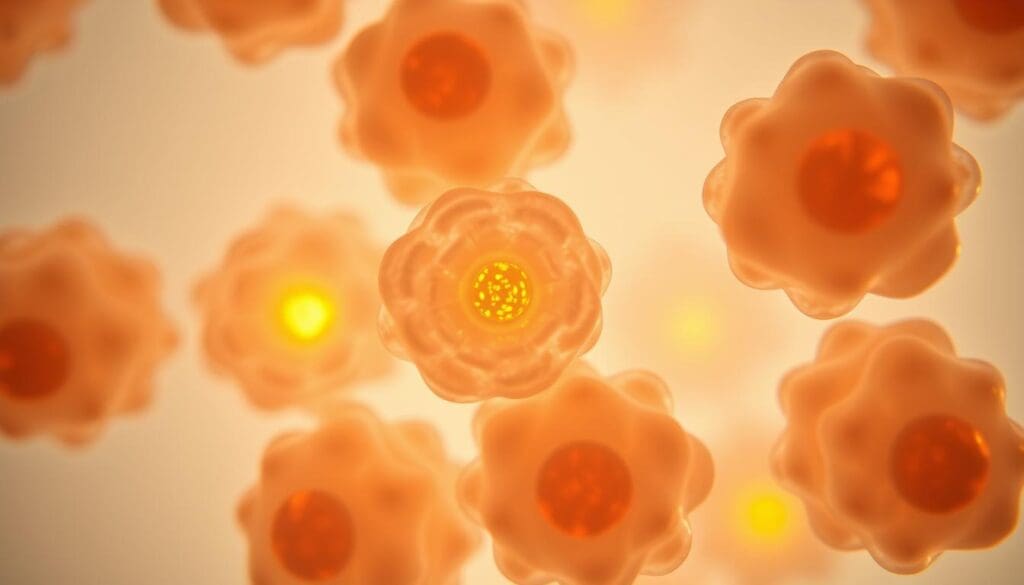
Embryonic stem cells are amazing because they can grow and change into many types of cells. They can turn into almost any cell in the body. This makes them very useful for science and medicine.
Defining Characteristics of Embryonic Stem Cells
These cells are special because they can grow into many types of cells. They can also keep growing without changing into specific cells. This is called pluripotency and self-renewal.
The Developmental Origin of Embryonic Stem Cells
These cells come from the inner cell mass of the blastocyst, an early embryo stage. The blastocyst is important in the first week of development. It helps create stem cell lines.
Why Embryonic Stem Cells Are Scientifically Valuable
Embryonic stem cells are very useful for science. They help us understand how cells develop and how to treat diseases. They can turn into many types of cells, which is great for fixing damaged tissues.
| Characteristic | Embryonic Stem Cells | Adult Stem Cells | Induced Pluripotent Stem Cells |
|---|---|---|---|
| Pluripotency | Yes | Limited | Yes |
| Self-Renewal | Yes | Limited | Yes |
| Differentiation Potentia | High | Limited to specific lineages | High |
| Source | Inner cell mass of blastocyst | Various adult tissues | Reprogrammed somatic cells |
The Blastocyst: Source of Embryonic Stem Cells
The blastocyst is a key stage in embryonic development. It is where embryonic stem cells come from. This stage is important for understanding how these stem cells are derived.
Early Embryonic Development Stages
Embryonic development starts with fertilization. A sperm meets an egg, creating a zygote. This is the first step in a series of rapid cell divisions and differentiation.
These divisions lead to the formation of a morula, which then turns into a blastocyst around 4-5 days after fertilization. The blastocyst is special because it has two types of cells: the trophoblast and the inner cell mass (ICM).
Anatomy of the 4-5 Day Blastocyst
The blastocyst is filled with fluid and has two main parts: the trophoblast and the inner cell mass. The trophoblast is the outer layer. It will grow into the placenta and other tissues.
Identifying the Pluripotent Inner Cell Mass
The inner cell mass is key for getting embryonic stem cells. It is pluripotent, which means it can become any cell type in the body.
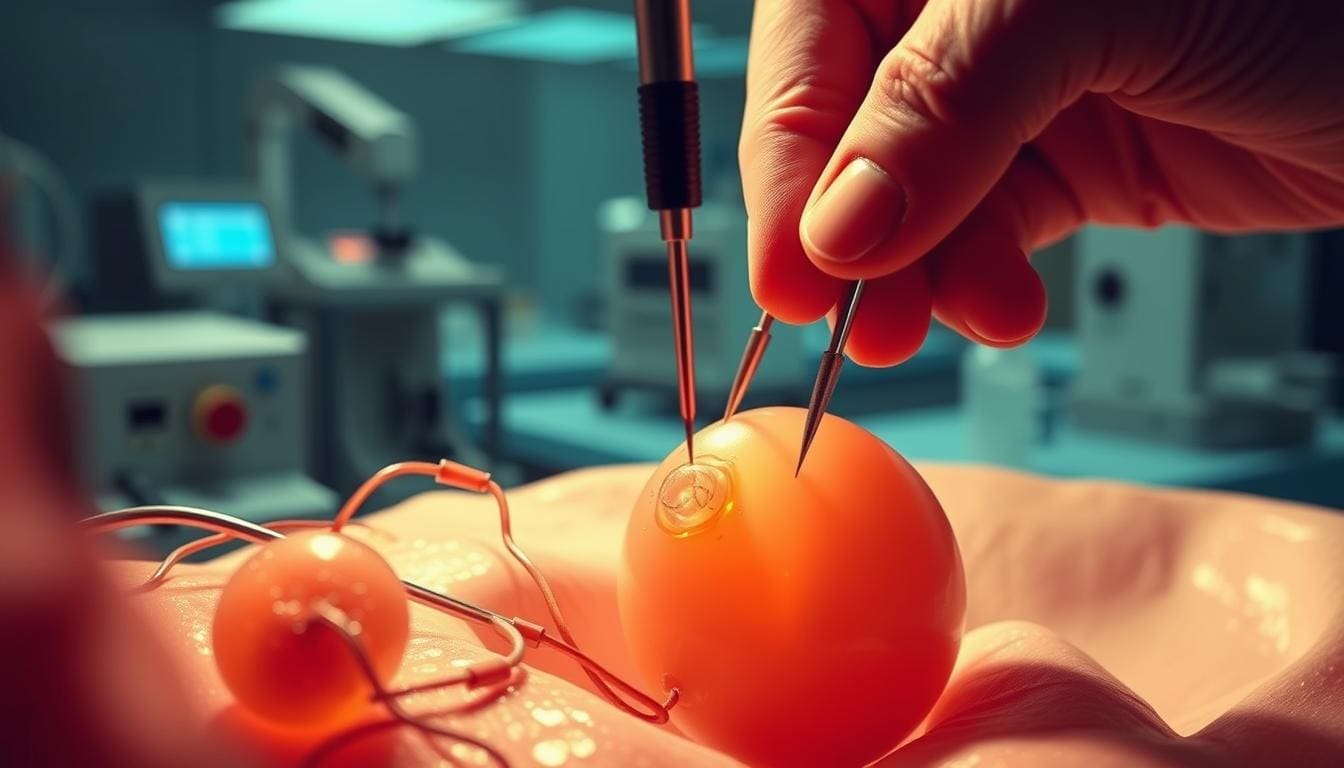
Getting the ICM is a precise task. Researchers use techniques like mechanical or laser dissection, microdissection, and immunosurgery. These methods help isolate the stem cells from the ICM. These cells can then be grown and studied in the lab.
How Are Embryonic Stem Cells Harvested: The Extraction Process
Getting embryonic stem cells involves careful ethics and precise methods. We’ll go over the steps, from making embryos to getting stem cells.
In Vitro Fertilization and Embryo Creation
The first step is in vitro fertilization (IVF). This is when eggs and sperm meet outside the body. It makes embryos for many uses, like getting stem cells.
IVF is key because it lets us pick and handle embryos for stem cell use. This is important for getting those cells.
Informed Consent and Donor Protocols
We need informed consent from donors before taking stem cells. They must know the process, what the cells can be used for, and the ethics.
Our rules make sure donors know their part and what it means. We follow strict ethics to respect their choices and privacy.
Mechanical Dissection Techniques
Mechanical dissection is a way to get stem cells. It involves carefully cutting the embryo to get the inner cell mass.
This method needs a lot of skill and is done under a microscope. It helps keep the stem cells safe and whole.
Laser-Assisted Harvesting Methods
Laser-assisted harvesting uses a laser to get the inner cell mass. It’s more precise than mechanical dissection and safer for the cells.
In summary, getting embryonic stem cells is complex. It needs both skill and respect for ethics. By improving these methods, we can move stem cell research forward.
Laboratory Cultivation and Maintenance of Stem Cell Lines
Creating and keeping embryonic stem cell lines is key for stem cell research progress. It involves several important steps, from the first cell isolation to keeping the cells alive long-term.
Establishing New Embryonic Stem Cell Lines
Starting new embryonic stem cell lines begins with getting cells from the inner cell mass of a blastocyst. This step needs precise techniques to keep the cells in an undifferentiated and pluripotent state.
We use mechanical or enzymatic methods to break down the inner cell mass. Then, we grow the cells in a nutrient-rich medium. This medium supports their growth and keeps them pluripotent.
Growth Conditions and Culture Requirements
Keeping stem cell lines alive needs optimal growth conditions. This includes a controlled environment with the right temperature, humidity, and CO2 levels. The culture medium also has growth factors that help the cells stay undifferentiated.
We also check the cells often for signs of stress or contamination. This ensures the cell lines stay healthy.
Preventing Spontaneous Differentiation
One big challenge in keeping embryonic stem cell lines is stopping them from differentiating on their own. We solve this by fine-tuning the culture conditions and using small molecule inhibitors to keep them undifferentiated.
- Regular passaging to maintain cell density
- Monitoring for morphological changes
- Adjusting growth factor concentrations
Quality Control and Characterization
Quality control is essential in stem cell research. We regularly check our stem cell lines using various methods, including:
| Characterization Method | Purpose |
|---|---|
| Immunostaining | Detecting pluripotency markers |
| RT-PCR | Analyzing gene expression |
| Karyotyping | Assessing genetic stability |
By sticking to strict quality control, we make sure our stem cell lines are reliable and consistent for research and treatments.
Alternative Stem Cell Sources and Harvesting Methods
Stem cell research is vast, and embryonic stem cells are just one part of it. Other stem cells have their own benefits and uses in medicine and science.
Adult Stem Cells: Sources and Extraction
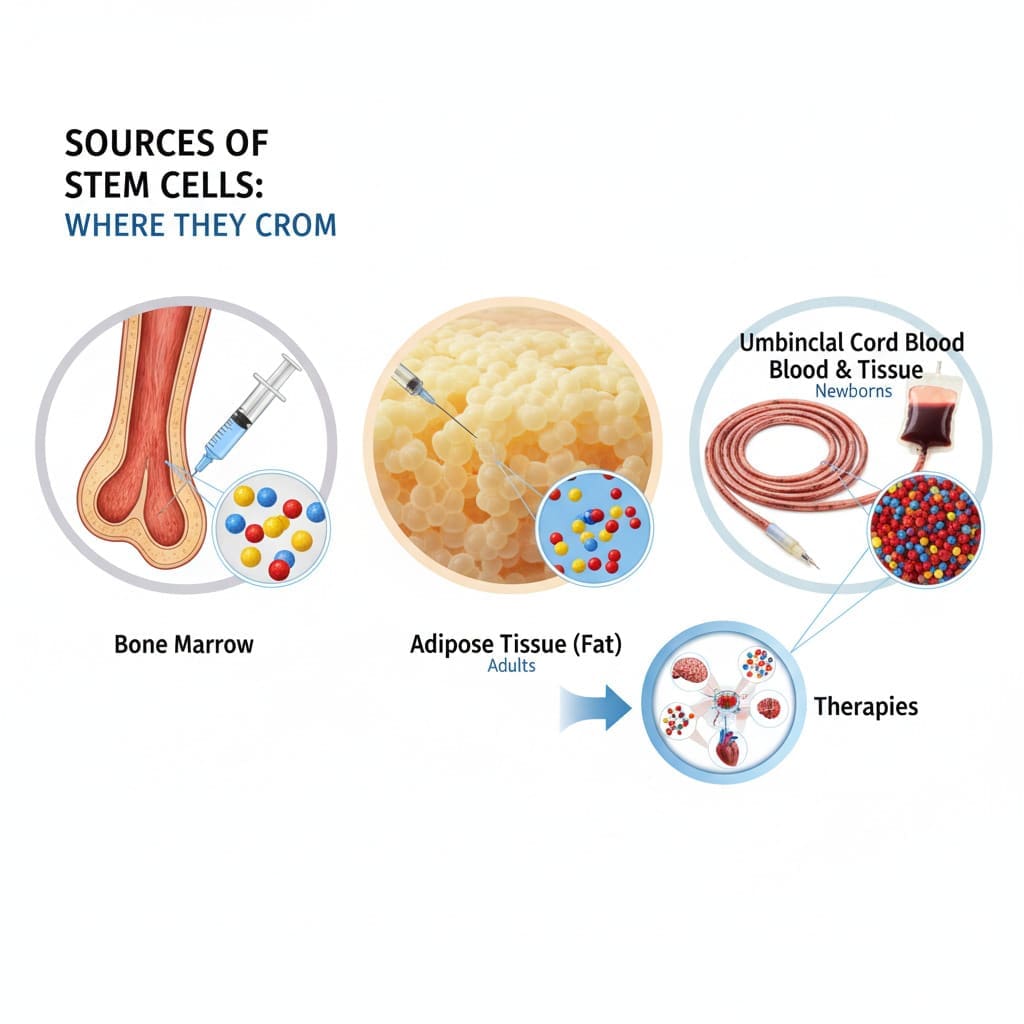
Adult stem cells are found in our bodies and help fix and keep tissues healthy. They can be taken from bone marrow, fat, and blood. Getting these cells is usually safe and easy.
One big plus of adult stem cells is they can be used in treatments just for you. This means less chance of your body rejecting them. Learn more about the best sources of stem.
Fetal Stem Cells: Collection and Properties
Fetal stem cells come from fetuses and are very useful for research and treatments. They are often taken from aborted fetuses or umbilical cord blood. These cells grow fast and can turn into many types of cells.
Getting fetal stem cells is tricky because of ethical issues. But, they are key in finding new ways to heal the body.
Induced Pluripotent Stem Cells: Reprogramming Approaches
Induced pluripotent stem cells (iPSCs) are made by changing adult cells back into a stem cell state. This is done by adding special genes. iPSCs are great for research and could be used in treatments.
Comparison of Stem Cell Types
| Stem Cell Type | Source | Pluripotency | Ethical Concerns |
|---|---|---|---|
| Embryonic Stem Cells | Embryos | High | High |
| Adult Stem Cells | Adult Tissues | Low | Low |
| Fetal Stem Cells | Fetal Tissues | Moderate | Moderate |
| Induced Pluripotent Stem Cells | Reprogrammed Adult Cells | High | Low |
Stem cell research is complex, with many types and sources. Each has its own benefits and challenges. Knowing these differences helps us move forward in science and medicine.
Scientific Applications in Basic and Translational Research
Embryonic stem cells are very useful in science. They help us learn more about human biology. This knowledge helps us find new ways to treat diseases.
Developmental Biology Insights
These cells give us a peek into how humans develop early on. By studying them, we learn about the early stages of human growth. This is key to understanding developmental problems and finding new treatments.
Some important research areas include:
- Learning about the early stages of cell formation
- Seeing how different cell types develop
- Discovering the roles of important genes in growth
Disease Modeling with Stem Cells
Using stem cells to model diseases is a big step forward. We can turn these cells into types that mimic human diseases. This helps us understand how diseases work.
The benefits are:
- We can watch how diseases progress in a safe space
- We might find new ways to treat diseases
- We can try out treatments that are just right for each person
Drug Discovery and Toxicology Screening
Stem cells are changing how we find new medicines and test their safety. They can turn into many types of cells, making them great for testing many things at once.
The good things about using stem cells for finding medicines are:
- We can predict how well medicines work and if they’re safe
- We don’t need to use as many animals for testing
- We can spot rare side effects more easily
Organoid Development and Tissue Engineering
Creating organoids and tissue constructs from stem cells is a big leap in science. These structures can act like real organs, helping us learn and possibly treat diseases.
Organoids are useful for:
- Studying how organs grow and diseases develop
- Testing how medicines work in a more real way
- Looking into ways to fix damaged tissues
As we keep exploring what stem cells can do, we’ll learn more about our bodies. We’ll also find new ways to help people get better.
Therapeutic Applications and Clinical Potentials
Embryonic stem cells are a big hope for regenerative medicine. They can help treat many diseases and injuries. We’re finding new ways to use these cells to help people.
Current Clinical Applications
Now, embryonic stem cells are being used in some treatments. Regenerative medicine uses these cells to fix damaged tissues. They might help with Parkinson’s disease and diabetes.
These cells can turn into any type of cell. This makes them very useful for treatments. It’s a big step towards fixing damaged tissues or organs.
Ongoing Clinical Trials
Many trials are testing how safe and effective these treatments are. For example, some are looking at using them for age-related macular degeneration. These trials are very important.
The results of these trials will help us understand more about these treatments. We’re excited to see new treatments come from this research.
Regenerative Medicine Breakthroughs
Recently, we’ve seen big steps forward in regenerative medicine. Improvements in stem cell retrieval techniques and procedures for extracting embryonic stem cells have made things safer and more efficient. New ways to grow stem cells are also helping.
These breakthroughs are leading to new treatments for serious diseases. We’re hopeful about the future of regenerative medicine and its impact on healthcare.
Challenges in Therapeutic Development
Even with the progress, there are big challenges ahead. Making sure these treatments are safe and work well is a big task. It requires a lot of testing.
There are also ethical and legal issues to deal with. These need to be solved to fully use the power of embryonic stem cells in medicine.
Ethical and Regulatory Landscape
Understanding the ethics of embryonic stem cell research is complex. It’s clear that ethics play a huge role in this field.
Debates Surrounding Embryonic Research
The use of embryonic stem cells sparks intense ethical debates. The main issue is the moral status of embryos and the ethics of destroying them. Some believe the benefits of this research are worth the ethical costs. Others see destroying embryos as morally wrong, like taking a human life.
There are different ways to view these ethics. Some think about the benefits and costs, like a utilitarian. Others focus on what is right or wrong, like a deontologist.
Informed Consent and Donor Protocols
Informed consent is key in ethical stem cell research. Donors need to know what their embryos might be used for. They must understand the ethics of the research.
- Donors should know the possible uses of their embryos.
- The consent process must be clear, with all research goals explained.
- Donors’ privacy and freedom should be respected.
International Regulatory Differences
Rules for embryonic stem cell research vary worldwide. This reflects different views on ethics and law. Some countries allow new stem cell lines, while others have strict rules or bans.
This variety makes global research tricky. Researchers must follow their country’s rules while trying to be ethical everywhere.
“The global nature of stem cell research necessitates a harmonized approach to regulation, balancing the need for scientific progress with ethical considerations.”
Alternative Approaches to Address Ethical Concerns
Scientists are looking at new ways to avoid ethical issues. One option is using induced pluripotent stem cells (iPSCs). These are made from adult cells, avoiding the need for embryos.
iPSCs are promising but come with their own challenges. They show scientists’ efforts to balance science and ethics.
Conclusion: The Future of Embryonic Stem Cell Research
As we learn more about embryonic stem cells, how we get them is key. The ways to collect stem cells have changed a lot. This lets researchers use these cells in many ways.
The future of embryonic stem cell research looks bright. We’re seeing big steps forward in how we get these cells. This will help a lot in medicine and biology.
There are many ways embryonic stem cells could help us. They could help fix damaged tissues and help us understand diseases. We’re working hard to make sure we can use them to their fullest.
What are embryonic stem cells and how are they derived?
Embryonic stem cells come from the inner cell mass of a blastocyst. This is an early-stage embryo made through in vitro fertilization. They are special because they can grow and change into any cell type.
How are embryonic stem cells harvested?
Getting embryonic stem cells is a detailed process. It starts with making embryos through in vitro fertilization. Donors give their consent, and then the cells are carefully taken out using advanced methods.
What is the significance of the blastocyst stage in embryonic stem cell derivation?
The blastocyst stage is very important. It happens 4-5 days after fertilization. This is when the inner cell mass, where stem cells come from, is found.
What are the characteristics of embryonic stem cells that make them valuable for research?
These cells are special because they can keep growing and changing into any cell type. This makes them key for studying how to fix damaged tissues and understanding how we develop.
How are stem cell lines maintained in the laboratory?
Keeping stem cells in the lab is a big job. It needs the right conditions to keep them growing and changing. This includes making sure they stay in a special state and don’t start to become specific cells too early.
What are the alternative sources of stem cells beside embryonic stem cells?
There are other places to find stem cells. Adult stem cells are in different parts of the body. Fetal stem cells come from the fetus. And induced pluripotent stem cells are made from adult cells that are changed back to a stem cell state.
What are the scientific applications of stem cells in research?
Stem cells have changed research a lot. They help us understand how we grow and develop. They let us study diseases in a lab, find new medicines, and even work on fixing damaged tissues. They’re very promising for future medical breakthroughs.
What are the therapeutic applications of stem cells?
Stem cells could help treat many diseases and injuries. They’re being tested in clinical trials to see if they’re safe and work well.
What are the ethical considerations surrounding embryonic stem cell research?
Using embryonic stem cells raises big ethical questions. People worry about destroying embryos. Different countries have different rules about how to do this research.
How is informed consent obtained from donors for embryonic stem cell derivation?
Getting consent from donors is very important. It means making sure they know what they’re agreeing to and what will happen to their embryos.
What are the challenges faced in translating stem cell research into effective therapies?
There are big challenges in using stem cells to help people. More research and work are needed to solve these problems.
What is the future of embryonic stem cell research?
As research keeps going, we’ll learn more about how to use embryonic stem cells. They could help us treat diseases and understand how we grow and develop even better.
References
Danaher Life Sciences: Stem Cell Isolation Techniques
NCBI Bookshelf (National Library of Medicine): Stem Cells and the Future of Regenerative Medicine
Pew Research Center: The Science Behind Stem Cell Research